I hated myself during the shoot of Bandit Queen-Shekhar Kapur
9:55 AM
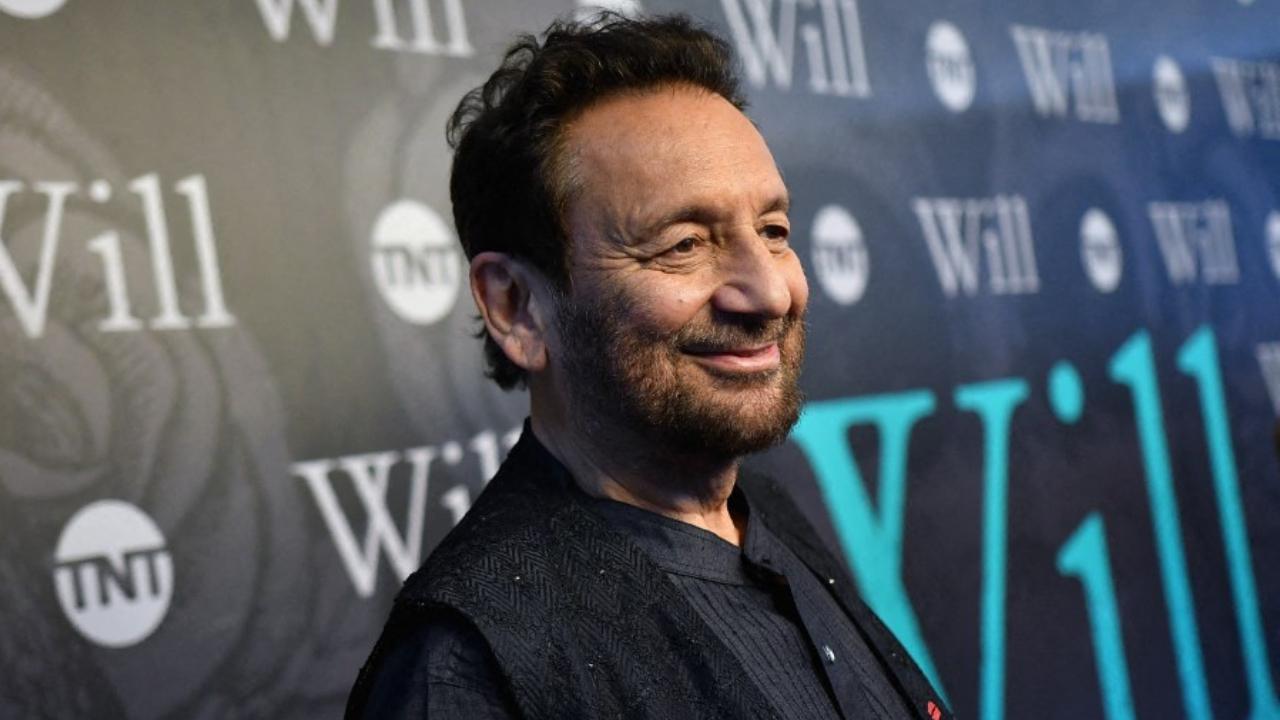
Niharika Lal (BOMBAY TIMES; April 8, 2026)
Shekhar Kapur is often asked when he will make another film like Bandit Queen (1994). The film, which won the National Award for Best Feature Film in Hindi in 1996, continues to stand out in Kapur’s oeuvre. But he has no plans to revisit it. “Kaise banaoon? Mar jaunga,” he said at the recently concluded International Film Festival of Delhi.
In a conversation with Vani Tripathi Tikoo, Artistic Director, IFFD, the filmmaker reflected on why he couldn’t imagine making another film like Bandit Queen, and how “everything about Masoom (1983) is Delhi.”
‘I APPROACHED BANDIT QUEEN FROM A PLACE OF GUILT – THAT I AM RESPONSIBLE FOR WHAT HAPPENED’
Discussing the journey of Bandit Queen, a film that chronicles the life of Phoolan Devi and lays bare the brutal realities of caste, gender violence and survival, Shekhar reflected on the emotional toll of making it.
“It’s difficult to describe the journey of Bandit Queen. I used to live in Nizamuddin at that time. I read about Phoolan Devi – it used to appear on the second or third page of the newspaper. Mujhe pata hi nahi tha ki yeh duniya hai kya. I didn’t know a world that existed right at my doorstep,” he said.
Shekhar elaborated how every film begins with an attitude. “Every filmmaker has to have an approach. I approached the film from a place of guilt – that I am responsible for what happened there. I have this tendency of becoming every character – as if it is me. Unless I become the character, I don’t know how to explain it to the actor.”
Discussing the everyday language used for girls, he told Vani, “In Punjabi, we say, ‘Kinni pyari hai, kinni soni hai, kinni sharmili hai’. Then I started thinking – this is the worst thing to say to a young girl. ‘Kinni sharmili hai’ means how submissive she is.” That thought shaped the film.
He shared, “Then I started asking – who am I in this film? I am a macho Punjabi man. It became a film that fundamentally said: rape is not a sexual act, it is an act of domination. It has nothing to do with sexuality.”
‘Bandit Queen was an expose of macho Shekhar Kapur’
At a certain point, he said, the film takes over. “Banate banate film ki ek marzi aa jati hai. And then the film takes over. You are no longer the director – you are following the dictates of the story.” After a pause, Shekhar spoke about filming one of the most difficult scenes of Bandit Queen.
He told the audience, “I was thinking for days – how do I shoot the gang rape scene? In films, such scenes are often shown as sexual. I sat locked in a room for two nights, trying to understand – what does it mean to be raped? What does it feel like? How do I shoot a rape scene and take the sex out of it? So, if you watch Bandit Queen – the scene is suggestive. Darwaza khul raha hai, band ho raha hai, log aa rahe hain – it’s all very suggestive. But I knew what was happening there. And so, while directing, I was constantly throwing up. The crew was watching me – ‘What is happening to him?’ I said, ‘Kal shoot karte hain, ab nahi ho raha.’ But they said, ‘Abhi shoot kar ke khatam karte hain.’ People ask me – ‘Bandit Queen jaisi film phir se kab banayenge?’ Kaise banaoon? Mar jaunga. I started hating myself, I hated myself during the shoot of Bandit Queen.”
After the film released, he recalled, even those close to him were unsure. They would tell him, “Film aise thode hi banti hai, Shekhar? Film mein gaane hote hain.” He said, “Par maine nahi banayi. Film ne khud ko banaya. Bandit Queen was an expose of macho Shekhar Kapur.”
‘Everything about Masoom is Delhi’
Speaking about Masoom (1983), Shekhar said, “Everything about Masoom is Delhi. At that time, Delhi was transitioning – from a bureaucratic city to a business city. Everyone I spoke to would say, ‘I do import-export.’ That’s how Saeed Jaffrey’s character’s profession came about. Masoom was not set in Delhi because it was easier to shoot there – it was because I knew these people.”

Subscribe to:
Post Comments (Atom)
Post a Comment