IPRS announces royalty distribution of Rs. 600 cr; Javed Akhtar says "long-overdue recognition for work of Indian music creators"
9:34 AM
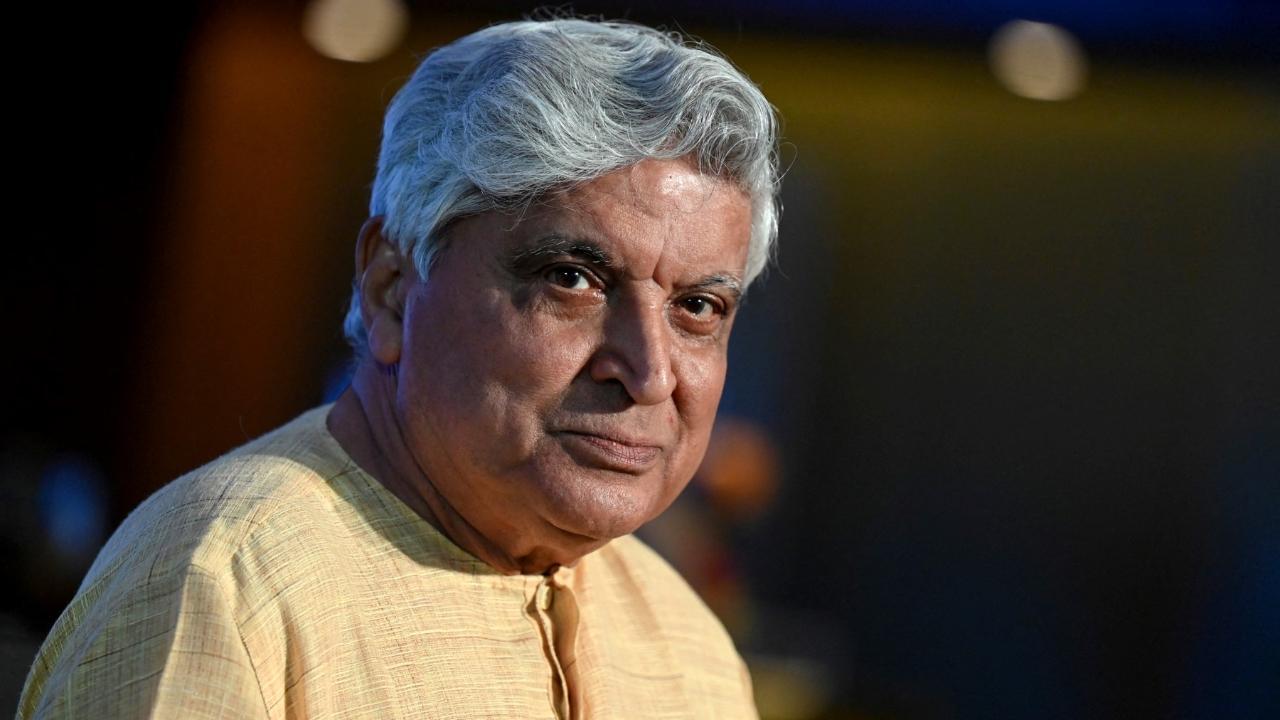
The Indian Performing Right Society (IPRS) has announced a landmark royalty distribution of Rs 600 crore, marking a transformative moment for music creators in India
Debarati S Sen (BOMBAY TIMES; June 4, 2025)
In a significant development for the Indian music industry, the Indian Performing Right Society (IPRS) has declared a record-breaking royalty distribution of Rs 600 crore — heralding a game-changing moment for composers, lyricists and music publishers in India. Lyricist and IPRS Chairman Javed Akhtar and others spoke to us, and described this achievement as “not just a number,” as it represents “long-overdue recognition for the work of Indian music creators.”
'It signifies a turning point for our industry'
Javed Akhtar stressed the broader significance, “This milestone reflects our collective progress and reinforces the importance of fair compensation in sustaining creative excellence.”
He called creators, “the backbone of every cultural narrative” and underscored IPRS’s commitment to empowering artists by “strengthening access to IP awareness, simplifying digital enrolment and licensing, creating opportunities for cultural exchange and collaboration, and ensuring accurate metadata.”
‘We’re working to ensure Indian music receives its rightful place and revenue globally’
With IPRS now the fourth largest rights society by revenue in the Asia-Pacific, Javed highlighted ongoing efforts to enhance India’s global footprint. “We are deepening international collaborations, adopting global best practices, and working to ensure Indian music receives its rightful place and revenue globally. The world is listening to India, and we’re making sure our creators benefit from it. Our focus is on stronger licensing frameworks, timely and transparent royalty distribution, expanding outreach, and constant advocacy.”
‘We are tackling artist challenges through outreach and technology’
Lyricist-screen writer Mayur Puri echoed these priorities, detailing the hurdles many artists face, including, “lack of awareness about their rights, delayed royalty payments, the complexity of music documentation, and a persistent issue of missing credits.”
He explained, “Incomplete or incorrect metadata leads to creators not being properly credited or paid.” To address this, IPRS is intensifying localized outreach, simplifying registration through digital tools, and running continuous education programs. Mayur emphasized, “Our focus is on widening our reach, especially in regional and digital-first spaces; strengthening our licensing network; and enhancing transparency and tech integration to ensure artists are paid fairly, faster, and with full visibility. At the heart of it all, it’s about putting creators first.”
“AI must not dilute the value of human creativity”
On the challenges posed by artificial intelligence, they shared a unified stance, “AI must not dilute the value of human creativity,” Javed declared. “IPRS is actively engaging in discussions around regulation to ensure creators’ rights are protected and that any content derived from their work is fairly acknowledged and compensated.”
Rakesh Nigam, CEO-IPRS, added, “We are closely working with international organizations such as CISAC and WIPO to engage in ongoing dialogues around AI and copyright. We participate in forums focused on metadata standardization, cross-border licensing, and developing best practices to ensure fair compensation in the age of AI and automation.”

Subscribe to:
Post Comments (Atom)
Post a Comment