Showing posts with label Mayur Puri. Show all posts
Showing posts with label Mayur Puri. Show all posts
After a 14-year battle, lyricists and composers finally secure their share of royalties
8:45 AM

Priyanka Sharma (MID-DAY; May 17, 2026)
Every time you paid for a caller tune, somebody earned from it — except often the people who wrote and composed the song. After a 14-year legal battle, a landmark ruling by the Calcutta High Court on May 8 has finally handed Indian lyricists and composers their due. As per the new mandate, telecom companies such as Vodafone Idea Limited have to secure a separate license from the Indian Performing Rights Society (IPRS) to commercially use songs as caller tunes and ringtones.
Lyricist and screenwriter Mayur Puri, director at IPRS, tells mid-day, “The big corporates create roadblocks for the writers and music composers to be paid. This fight is not for the 10 to 20 big people, it’s for the poorest of the people working in the community,” he said.
While the 2012 Copyright Amendment Act granted creators royalty rights, corporates refused to comply. “Authors always had the right from 2012, but the problem was compliance,” Puri lamented.
Until this judgment — hailed by creators as the industry’s ‘Magna Carta’ — companies only signed agreements with music labels or producers. “We have no access to those contracts. We don’t know how much a song was sold for. But now, if a company has to use a song, they will have to pay the producer, the label, the composer, and lyricist,” he said.
On Magna Carta
The Magna Carta was the 1215 charter that curbed the monarch’s absolute power. Similarly, the 2012 Copyright Amendment ensured creators could no longer be denied their 50 per cent royalty share, while the recent verdict enforced that right.
Timeline of the legal battle
2012: The Indian Parliament passes landmark amendments to the Copyright Act, granting lyricists and composers royalty rights.
2018: IPRS files multiple lawsuits in the Calcutta High Court against telecom companies for refusing to pay creators.
2024: The court delivers the first major ruling in favour of creators.
2026: The High Court delivers its final verdict, ordering the release of pending payments to artistes.
IPRS announces royalty distribution of Rs. 600 cr; Javed Akhtar says "long-overdue recognition for work of Indian music creators"
9:34 AM
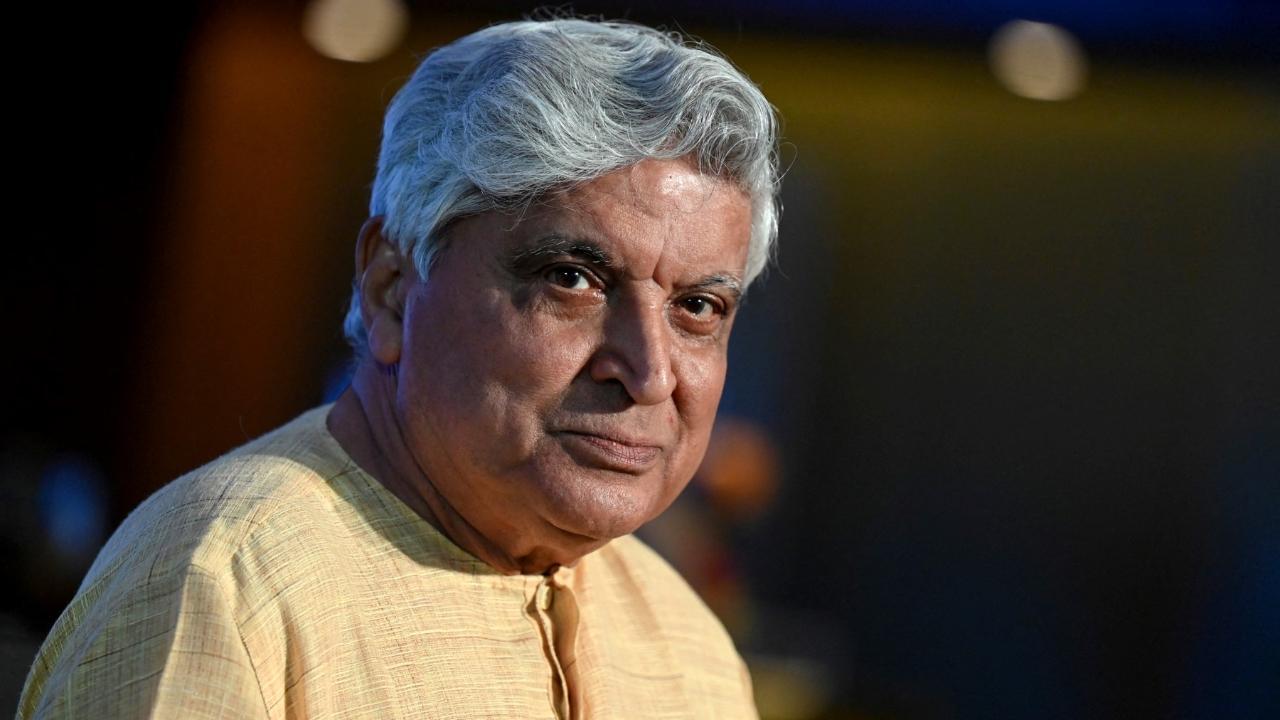
The Indian Performing Right Society (IPRS) has announced a landmark royalty distribution of Rs 600 crore, marking a transformative moment for music creators in India
Debarati S Sen (BOMBAY TIMES; June 4, 2025)
In a significant development for the Indian music industry, the Indian Performing Right Society (IPRS) has declared a record-breaking royalty distribution of Rs 600 crore — heralding a game-changing moment for composers, lyricists and music publishers in India. Lyricist and IPRS Chairman Javed Akhtar and others spoke to us, and described this achievement as “not just a number,” as it represents “long-overdue recognition for the work of Indian music creators.”
'It signifies a turning point for our industry'
Javed Akhtar stressed the broader significance, “This milestone reflects our collective progress and reinforces the importance of fair compensation in sustaining creative excellence.”
He called creators, “the backbone of every cultural narrative” and underscored IPRS’s commitment to empowering artists by “strengthening access to IP awareness, simplifying digital enrolment and licensing, creating opportunities for cultural exchange and collaboration, and ensuring accurate metadata.”
‘We’re working to ensure Indian music receives its rightful place and revenue globally’
With IPRS now the fourth largest rights society by revenue in the Asia-Pacific, Javed highlighted ongoing efforts to enhance India’s global footprint. “We are deepening international collaborations, adopting global best practices, and working to ensure Indian music receives its rightful place and revenue globally. The world is listening to India, and we’re making sure our creators benefit from it. Our focus is on stronger licensing frameworks, timely and transparent royalty distribution, expanding outreach, and constant advocacy.”
‘We are tackling artist challenges through outreach and technology’
Lyricist-screen writer Mayur Puri echoed these priorities, detailing the hurdles many artists face, including, “lack of awareness about their rights, delayed royalty payments, the complexity of music documentation, and a persistent issue of missing credits.”
He explained, “Incomplete or incorrect metadata leads to creators not being properly credited or paid.” To address this, IPRS is intensifying localized outreach, simplifying registration through digital tools, and running continuous education programs. Mayur emphasized, “Our focus is on widening our reach, especially in regional and digital-first spaces; strengthening our licensing network; and enhancing transparency and tech integration to ensure artists are paid fairly, faster, and with full visibility. At the heart of it all, it’s about putting creators first.”
“AI must not dilute the value of human creativity”
On the challenges posed by artificial intelligence, they shared a unified stance, “AI must not dilute the value of human creativity,” Javed declared. “IPRS is actively engaging in discussions around regulation to ensure creators’ rights are protected and that any content derived from their work is fairly acknowledged and compensated.”
Rakesh Nigam, CEO-IPRS, added, “We are closely working with international organizations such as CISAC and WIPO to engage in ongoing dialogues around AI and copyright. We participate in forums focused on metadata standardization, cross-border licensing, and developing best practices to ensure fair compensation in the age of AI and automation.”
BT Exclusive: Jackky Bhagnani to surprise Rakul Preet Singh on wedding day with a special song
8:23 AM

Onkar Kulkarni (BOMBAY TIMES; February 20, 2024)
Rakul Preet Singh and Jackky Bhagnani are all set to tie the knot tomorrow (February 21) at a beach wedding in Goa. The groom has a special surprise for his would-be bride. Jackky is presenting a heartfelt song to Rakul, which symbolises their love story.
The song titled Bin Tere will add a special touch to the ceremony, where it will be played in the presence of guests.
It has been written by Mayur Puri and composed by Tanishk Bagchi, who has also lent his voice to the song along with Zahrah S Khan and Romy.
A source tells Bombay Times, “Jackky has poured his heart into this love song for Rakul and it will be an important part of the celebration. He wanted to gift her something meaningful and unforgettable. The song promises to be a musical celebration of Jackky and Rakul’s union and the beginning of their beautiful journey together.”
Jackky wanted Rakul to experience the magic first-hand during their intimate and dreamy wedding in Goa, hence, he kept this idea under wraps all along.
The wedding festivities have begun in full swing in Goa. Ahead of the guests that were expected to fly in on Feb 19, Jackky and Rakul flew to the destination on Feb 17 after taking blessings from the Siddhivinayak Temple in Mumbai. BT had earlier reported that the duo will be seen sporting beautiful ensembles crafted by not one but five fashion designers - Tarun Tahiliani, Shantnu & Nikhil, Falguni Shane Peacock, Kunal Rawal and Arpita Mehta.
Bombay High Court rules in favour of musicians as it upholds 2012 Copyright Act
8:19 AM
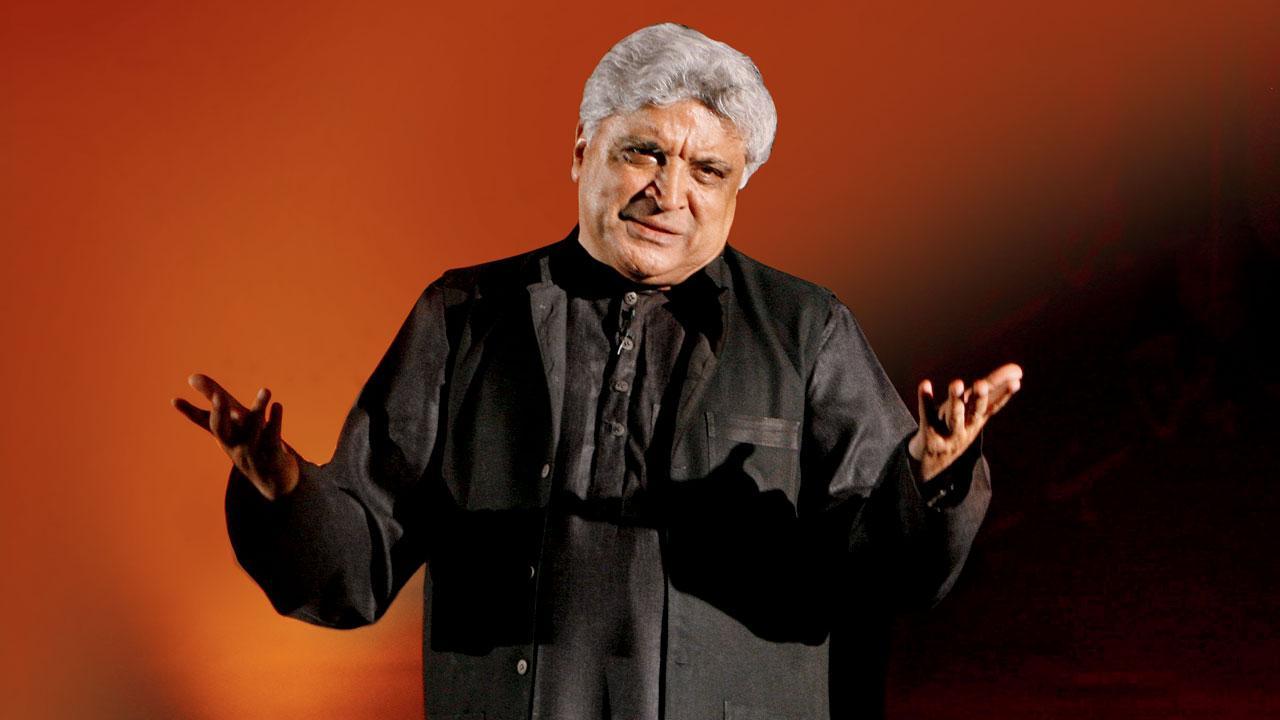
Lyricists, composers heave a sigh of relief as High Court upholds 2012 Copyright Act; rules in favour of musicians by directing FM Radios to pay royalties for their work
Sonia Lulla (MID-DAY; May 8, 2023)
It’s been a long-awaited win for music composers and lyricists in India who, despite the existence of the Copyright (Amendment) Act, 2012, had to fight for royalties for their work. Days after the Bombay High Court granted the rights of The Indian Performing Right Society Limited (IPRS), a music copyright society in India registered under the Copyright Act, 1957, against private FM radio broadcasters, lyricists and composers have heaved a sigh of relief.
“It shouldn’t have taken so many years, but now that we are here, we are very happy,” says songwriter Sameer Anjaan, also part of the IPRS board of directors.
Anjaan, who along with legendary songwriter and IPRS chairperson Javed Akhtar fought the case for more than five years, says through this win, they have tried to secure the future of the upcoming generation of musicians.
“Sometimes, it feels odd that despite the [existence] of the 2012 Copyright Act, this litigation existed. Now, the next breed of musicians can secure their future, even if they have a few songs to their credit,” he says.
Lyricist screenwriter Mayur Puri, another member on the board of directors, says the arduous fight has been a result of musicians and lyricists standing their ground despite running the risk of offending corporates.
“Whether it’s Javed saab, me, or anyone who has raised this cause, we have done so at a cost to our careers. We cannot repay Javed saab for what he has done. This is an important milestone. I know the opposition we have faced over the years,” he says, quick to add that dealing with individuals who continue to hesitate to give artistes their due, will be the bigger fight.
“People think royalty is something extra that they need to pay for, but this is a basic right. I’m happy, but I’m also scared, because I know they’ll come for us again.”
Composer Vishal Dadlani seconds his opinion and says there is the need to treat royalty as a right instead of a favour. “This judgment means that finally the work that a creator of music does will provide for him or her for as long as it is relevant or being consumed. This should, in fact, have been a basic right that any creator enjoyed. It’s sad that it has taken this long to happen, but it’s wonderful that it finally has. For years, we have been treated as intruders when we’ve claimed authorship of the work we have done,” he says.
Dadlani’s friend and colleague Salim Merchant adds that the development is significant when one considers the market size of FM radio. “It generates big revenue, but composers weren’t able to get their share.” Lyricist Shellee urges people to share a thought for lyricists who “don’t even do concerts, unlike other artistes”. “This is a revenue [stream that they can avail].”
Lyricist-singer Swanand Kirkire gives a shout-out to those artistes whose work is still celebrated, even as they continue to struggle with their finances. “This is their money, but they couldn’t access it to make a living. In times of emergency, like during the pandemic, this could have been the money they could have used. Finally, they will be benefited even if one of their songs is played on the radio.
Lyricist Raj Shekhar highlights the dichotomy that existed until now — while an artiste’s music may brighten a person’s day, the person who created that piece of art would be living hand-to-mouth. “At this moment, I remember Javed saab’s lyrics from the song Mitwa — ‘Sach aur sahas hai jiske mann mei, ant mei jeet usi ki hai’.”
The case
While the The Copyright (Amendment) Act, 2012 aimed to establish a framework to share revenue with artistes, it was subsequently challenged by corporates. The IPRS has fought the case for a decade to enable composers and lyricists to earn royalty for their work.
Om Shanti Om should have won awards for the dialogues-Farah Khan
8:31 AM
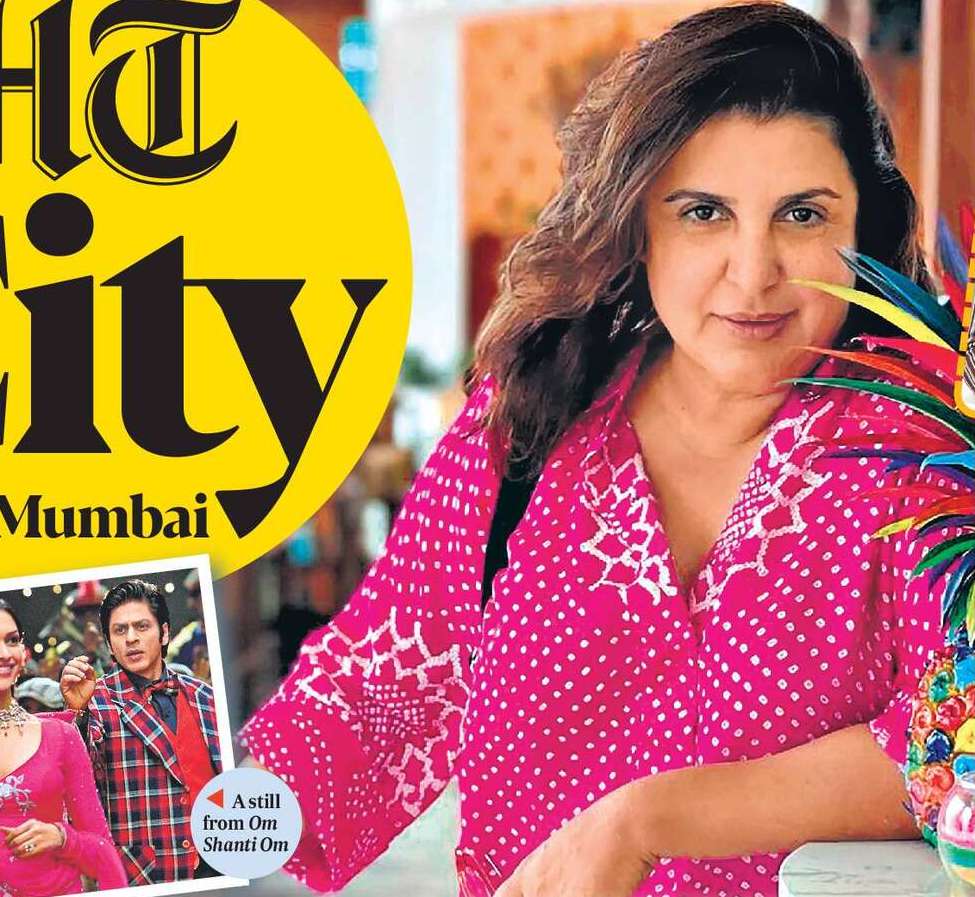
As Om Shanti Om clocks 15 years today, director Farah Khan Kunder speaks about the film and its iconic lines
Sugandha Rawal (HINDUSTAN TIMES; November 9, 2022)
It’s been 15 years since filmmaker Farah Khan Kunder penned a love letter to Bollywood with Om Shanti Om (2007), and the director is proud of the film’s journey. But, despite the dialogues of the Shah Rukh Khan and Deepika Padukone-starrer turning into iconic ones, they did not receive the appreciation they deserved, feels Kunder:
“The film should have won awards for the dialogues, but it didn’t. Cult lines like, ‘Picture abhi baaki hai mere dost’, ‘Itni shiddat’ or ‘Ek chutki sindoor ki keemat tum kya jaano Ramesh babu’ are so popular. Mayur Puri (screenwriter) should have been appreciated.”
Recalling the days when the film was being shot, the 57-year-old, who was pregnant back then, shares, “While filming Dard-E-Disco, I would throw up whenever Shah Rukh would be shirtless. He used to say, ‘You can’t be doing this every time!’ He had six-pack abs for the first time. It was Deepika’s launch [film]; she was raw back then. But now, she is so confident.”
Apart from the story, music and box-office numbers, the film also had unforgettable cameos of several stars. Kunder says it’d have been a difficult task to pull off today, as “Bollywood was one back then”.
Iron Man will stay Iron Man; he won’t become Loha Purush in Hindi-Mayur Puri
8:25 AM
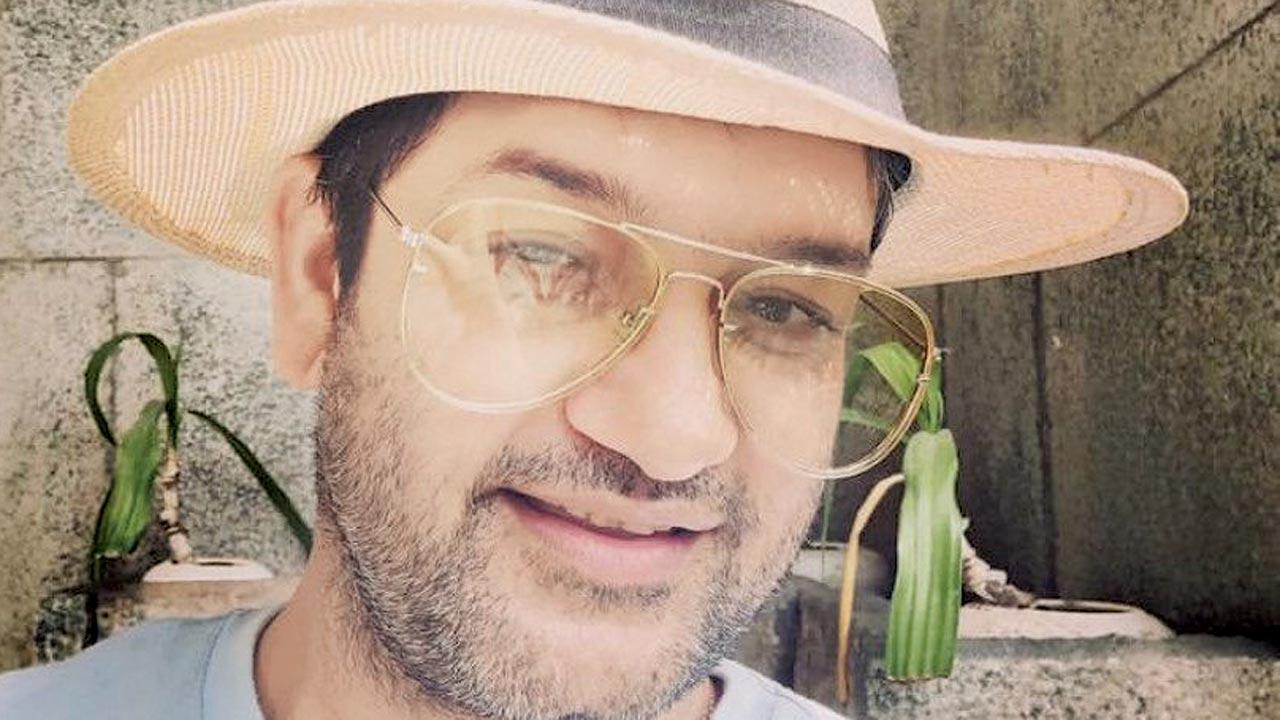
Hindi translator on several Marvel films, including the recently released Thor: Love and Thunder, on adding local flavours to them
Sonia Lulla (MID-DAY; July 25, 2022)
Confessedly a Marvel fan, I couldn’t possibly count the number of times I’ve exploited dialogues from the Avengers franchise to evoke laughs during conversations. The fact that the franchise’s makers aptly penned dialogues (‘I love you 3000’, ‘On your left’, ‘I’m always angry’) to evoke a sense of nostalgia, wasn’t lost on its fans. But it does beg the question of how these now-iconic phrases were translated in the films’ dubbed versions. In a candid chat, Mayur Puri, who has worked on the Hindi translations of several Marvel films, including Thor: Ragnarok, Captain America: Civil War, and the recently released, Thor: Love And Thunder, breaks down his process.
Edited excerpts from the interview:
What are some of the basic rules set in place while tackling a Marvel film?
You have to be aware of the universe, because you’re never writing for one film alone. You need to be aware of how all the other characters are placed. I was lucky that Captain America: Civil War was among the first films I worked on, because it had many layers. I have a Marvel encyclopedia at home. Honestly, in India, we didn’t grow up with Marvel comics; although, we knew about them. I learnt on the job. As far as rules are concerned, we generally don’t change proper nouns. If an attack has occurred in New York, that won’t become New Delhi. Similarly, Iron Man will stay Iron Man; he won’t become Loha Purush. But, while retaining that, if we can introduce a joke that’s relevant to the local audience, it is welcomed. I try to push the envelope. For example, in Civil War, there is a scene in which Vision is cooking a meal for Wanda, and she approaches him. Since that is an intense scene, I wanted to add an element of humour, so that my audience could endure it. So I added the dialogue — ‘Ek chutki mirchi ki keemat tum kya jaano, Vision babu’. That became a problem, because the original film did not have a dialogue in that place. I am glad that the Disney India team gives way to such indulgences. Similarly, there was a discussion on what we’d call the Infinity Stones. They are proper nouns, but I knew the Hindi speaking audience may not understand it. So, I used the term, anantmani. I couldn’t use pathar, even though they used the word stone, because pathar has no value in India. So, we called it anantmani, and then started using it interchangeably. Now, in the subsequent projects, I can use Infinity Stones alone, and my audience will accept it.
The makers have appropriately used dialogues to create a recall value. A case in point being lines like, ‘On your left’, or ‘Avengers, assemble’, which were crucial in creating the impact that they did in the climax of Endgame. Can these dialogues create a similar impact when they are translated in Hindi?
I had to see what technology was used in the early films. I also had to do some research online and see the chatter around these dialogues. We don’t always know which dialogues will become iconic while we are creating the first few films. For instance, Cap’s iconic, ‘I can do this all day’, was simply translated to, ‘Main toh yeh pura din kar sakta hoon’. The team working on it hadn’t anticipated how crucial it would eventually become. When I noticed how iconic it was becoming, I changed it to a [more rousing], ‘Abhi toh shuruwat hai’. Another issue that we faced was while dealing with the role of Professor Hulk in Endgame. Until then, Hulk used broken sentences, and was generally [mute]. So, in the previous films, we had attached a childlike [attitude] to his dialogues. But here, he was constructing full sentences. So, we had to work around that and employ different tools to make it relatable. The dubbing also has to sit on the character’s lips.
Another example is that of the role of Korg in Ragnarok. He had a small role, and was an endearing character made of rocks, who had no rage at all. I had once travelled to Hyderabad, and was witness to a conversation between my cab driver and another, who had cut his lane. I thought things would escalate, but their conversation was seamless and sweet. I realised that Hyderabadis have no rage. So, I gave Korg a Hyderabadi twist in the Hindi version. The Hindi film watchers loved that character! Now, in Thor: Love And Thunder, Korg has an elaborate role; he is the narrator. Since our approach to the character in the last Hindi version was so well received, we could cash in on that, and make him more exciting. Had I not given him a distinct twist in that film, we wouldn’t be able to enhance his act this time either.
Is the Marvel team apprehensive about creating characters with cultural differences?
There is a difference between racism, and accepting and celebrating our differences. We are different, and that is simply how it is. In Finding Dory, we had two sea lions who were sweet, but also very aggressive about protecting their [land]. I wanted to represent a [culture] that did justice to this mixture. So I made them Lucknowi nawabs, who are usually so welcoming, but can be assertive when they must.
I will highlight another instance. In Ragnarok, a character brings two guns and says, ‘I got these from Texas. This one is Des, the other is Troy. Together, they Destroy’. I changed it to, ‘Main inhe Vasseypur se laya hoon. Yeh hai Bar, woh hai Badi. Saath mein, yeh hai barbadi.’ The team raised an objection citing that we couldn’t change the reference from Texas to Wasseypur. But I had to highlight that the audience wouldn’t relate to Texas. Indians know that Wasseypur is known for its various gangs, and is like the Texas of India. I wanted to create that bridge for them.
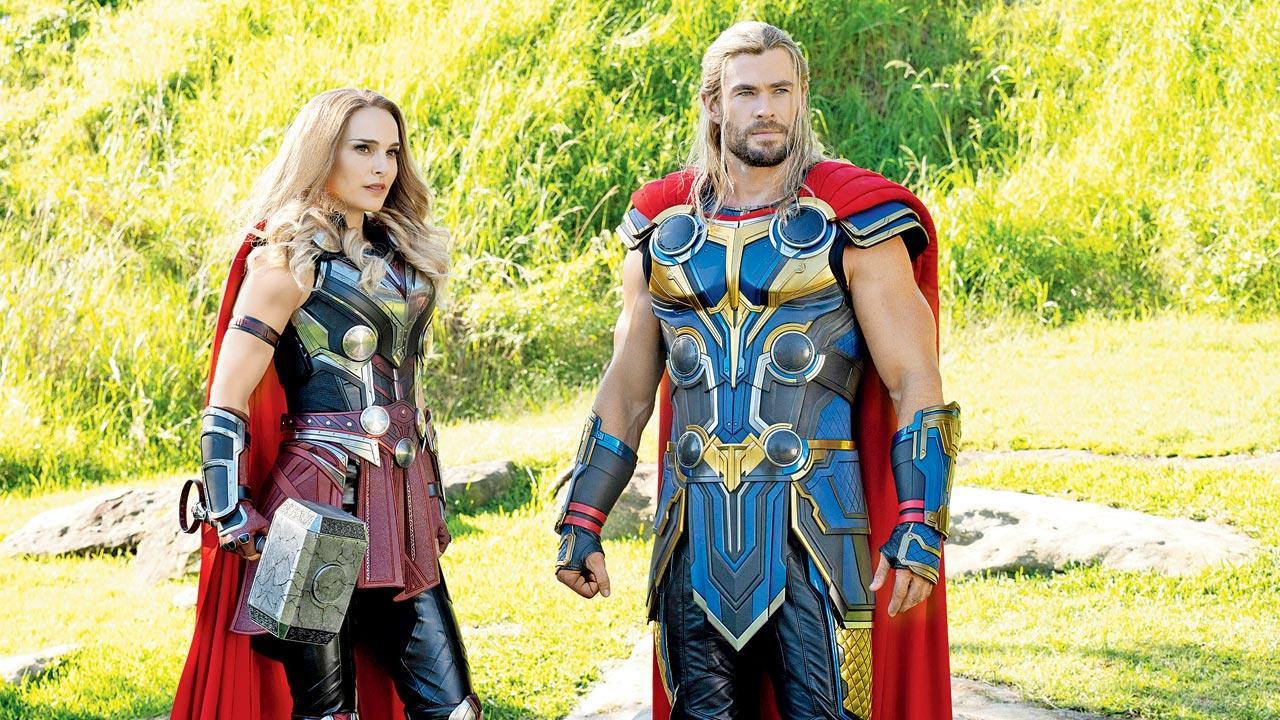
Israel celebrating Coronavirus breakthrough in Varun Dhawan’s lingo
8:30 AM

Ankita Chaurasia (MUMBAI MIRROR; May 7, 2020)
 Varun Dhawan, who has taken to sharing positive developments in the Coronavirus fight, retweeted an Israeli journalist’s post, which informed, “A significant breakthrough has been achieved in finding an antidote to the Coronavirus that attacks the virus and can neutralize it in the sick body.” The actor was quick to add that he hopes it is true. Israel’s official Twitter handle responded by quoting a dialogue from Varun’s 2015 film, ABCD - Any Body Can Dance - 2.
The dialogue is a part of the actor’s monologue and appears in the climax: “Sahi direction mein utha har kadam, apne aap mein ek manzil hai... Aakhir zindagi ka matlab hi apna agla kadam chunna hai.” Director Remo D’Souza revealed to Mirror that the lines were rooted in his childhood and struggle. “I asked my dialogue writer Mayur (Puri) to incorporate them. I live life by the same principle. Success is almost never achieved in the first go, but I believe in second chances,” he asserts.
While Varun said he was glad that the dialogue had reached all the way to Israel, Remo is not surprised. “Our films are huge hits there. Even Street Dancer 3D worked well. The dance fraternity around the world is aware of my work,” he concludes.
I had a picture perfect song with Selfie-Pritam Chakraborty
7:55 AM

Roshmila Bhattacharya (MUMBAI MIRROR; June 12, 2015)
 Pritam Chakraborty recalls that Kabir Khan's brief to him for the Selfie le le re
song, which he has composed for the upcoming Salman Khan starrer,
Bajrangi Bhaijaan, was simple. The director just wanted everyone to
realise by the end of the song that his hero, Pavan, is a big Hanuman
bhakt.
Pritam Chakraborty recalls that Kabir Khan's brief to him for the Selfie le le re
song, which he has composed for the upcoming Salman Khan starrer,
Bajrangi Bhaijaan, was simple. The director just wanted everyone to
realise by the end of the song that his hero, Pavan, is a big Hanuman
bhakt. "Three months before the shoot, I was ready with a hip-hop ode to the Lord which even had a reference to the title... Kore kore jeevan ko kar de satrangi, Nirbal ka bal hain, Sachchiyi hain sangi, Aise hain bhaiya Bajrangi," the music director hums.
But around 10 days before they were to film, it was pointed out to Pritam that the song also marked Salman's entry in the much anticipated Eid offering and his fans would want at least one bright, fun-filled dance song which couldn't be incorporated anywhere else in the script. At the same time, he'd have to follow his previous brief and ensure that this desi track reiterated that Pavan was a Hanuman bhakt.
"That made it tricky because as Pavan is a simpleton, the lines could be quirky but not edgy," explains Pritam who came up with a melody Ae le le re, le le re, ae le, ae le le, le le re which keeps repeating itself through the song even after Mayur Puri had come up with the words to fit the tune. Apna paraya jo bhi le jhappi le le re (Ae le le, ae le, ae le Ae le le, le le re) Masti ki tanki me tanik dubki le le re (Ae le le, ae le, ae le Ae le le, le le re
To bring the track to a close, during a brainstorming session, Mayur came up with the line, Chal beta selfie le le re, and everyone in the studio burst out laughing. Pritam liked the ring the words had but wasn't sure if the desi track, big on Indian drums, could use a line like that.
"It would have worked eaasily for a club song, but, I wondered if a simpleton like Pavan had even heard the word selfie?" he points out.
Kabir liked the idea of his hero taking selfies with actors dressed as Raavan, the kiddy chieftain of the Vanar sena and Hanuman because it made for interesting visuals. But Pritam had his doubts. They took their dilemma to star-producer Salman who instantly decided it was perfect.
"And Kabir justified its use by getting another character to first utter the word selfie. Pavan learns it in the course of the song and starts using it halfway through the track. And that's how we ended up with a selfie made song which got the nod of approval from even music baron Bhushan Kumar," exults Pritam.
But before that, there was one more last-minute tweak. Nakash Aziz had sung the song initially but he has a thin voice which was getting lost in the rumble of dhols that Pritam had got from Pune. So just before the song hit the airwaves, the composer made a last minute call to Vishal Dadlani. "Vishal has a powerful voice which cuts through all the music. And once I had merged in Nakash's voice with his, added a rap by Badshah, I had a picture perfect song," Pritam smiles contentedly.
He admits that this is his most difficult composition yet because unlike other Salman songs like Character dheela hai or Jumme ki raat, this one is not simply an item song or a dance track but an ode to the Lord. "With Hanumanji's blessings, I've hit a six shot and am waiting to see if it goes over the boundary with the listeners," Pritam signs off.
Pritam Chakraborty records chicken song for Bajrangi Bhaijaan
8:08 AM

For which composer Pritam has recorded with two chicken yodellers from the US and Switzerland.
Roshmila Bhattacharya (MUMBAI MIRROR; May 20, 2015)
 A song in Bajrangi Bhaijaan which was picturised in Karjat earlier this
year had Pritam Chakraborty in a tizzy as he hunted high and low for the perfect
chicken sounds. "It's a situation song which celebrates chicken and
needed lots of clucking sounds with a few cockadoodle crows thrown in,"
informs the composer.
A song in Bajrangi Bhaijaan which was picturised in Karjat earlier this
year had Pritam Chakraborty in a tizzy as he hunted high and low for the perfect
chicken sounds. "It's a situation song which celebrates chicken and
needed lots of clucking sounds with a few cockadoodle crows thrown in,"
informs the composer. A perfectionist for details, he finally hunted out two experts. One of them, Wylie Galt Gustafson, is a yodeller from Montana, USA, who is famous for his chicken yodle song. He has created and voiced the signature Yahooo-oo-oo for Yahoo, Inc.
The other is Nernhard Betschart, a leading Swiss yodeller. "I contacted both of them and they collaborated with me on this song. We recorded on skype and the song has come out really well," says an ebullient Pritam, adding that he is contractually bound to not reveal the name of the song just yet.
He admits that Mayur Puri had to struggle a bit to find the right words for the cocks, hens and chicken running around the song. "The tune came easily but the lyrics were tricky and took time. It's a situational song and integral to the plot. We wanted it to work for the story and also the audience, particularly kids since the film's hero, Salman Khan has a huge kid fan base," points out Pritam.
He had recorded the track months and has been working on the rest of songs. "Now that Kabir is back from his shoot in Srinagar we will sit down and finalise the score. Cluck, cluck, I hope everyone likes the other songs as much as Salman and the rest of the team liked this one," he smiles.
Subscribe to:
Posts (Atom)