Showing posts with label Bappi Lahiri. Show all posts
Showing posts with label Bappi Lahiri. Show all posts
People say Amit Kumar was born with a silver spoon, but I have also seen the hard life-Amit Kumar
8:30 AM

Debarati S Sen (MID-DAY; October 26, 2023)
Amit Kumar has been the voice of almost all big stars in Bollywood including Dilip Kumar, Sanjay Dutt, Govinda, Anil Kapoor, Rishi Kapoor, Shah Rukh Khan and Salman Khan. In a candid conversation with us at his Juhu home, he admits he is nothing like his genius father Kishore Kumar, talks about the maestro, the ups and downs in his musical career and being in a phase where he is enjoying live performances. Excerpts:
Your father was a genius but also known and loved for his quirkiness. How much of him do you see in yourself?
Oh! We can’t be compared at all!
But would you say that you are temperamental, a trait your father was known to have?
You could say that. My father was temperamental, and I used to be like that, too. I guess all artistes have that to some extent. But my father was also a very down-to-earth person and a very simple man at heart. Earlier, I had a restless mind like him, but over the years, I have calmed down a lot. I regularly meditate now.
Over the years, you sang for almost all the big heroes in Bollywood, but then there was a lull. What do you think was the reason behind that?
My first recording was in 1973, but the song came out five years later. Then sang a duet with Asha Bhosle, and one for Madan Mohan and Salil Choudhary, but none of them released on time. Bade Achhe Lagte Hai (Balika Badhu, 1976) became a popular song even though the film didn’t do so well, and it is my bread-and-butter song even today. My songs in the 1979 film Baton Baton Mein were all hits. With Bappi Lahiri, I did Govinda’s first film, and the song I Am A Street Dancer was a super hit. After that, I sang for films like Afsana Pyar Ka, Kabhi Haan Kabhi Naa and Baaghi. I sang many songs for Anil Kapoor in Tezaab, Judaai, Rakhwala, Khel, Jamai Raja, Kala Baazar, Kishen Kanhaiya and others. I became his voice with hits. There were also many other good songs, but those films didn’t run at the box office, so they weren’t heard by most, just my luck!
Now, you are not actively into playback singing, are you enjoying doing live shows?
I do stage shows frequently. I have performed in Amsterdam and the US recently. In November, again, I will be out of the country. I am also constantly creating and composing music for the digital platform. The fact that people still want to listen to me on stage and buy tickets for my shows is overwhelming. I am 71 and still going strong and loving it. I have been performing on stage for the last 50 years! Whether good or bad, I have played my innings, and now I am relaxed and enjoying this stage of my life.
How do you view your journey in the music industry?
I have never spoken about this, but when I was in the Calcutta Youth Choir, I travelled all over India. We would travel in a third-class compartment in trains, carrying heavy bags. It was tough, but fun. People say Amit Kumar was born with a silver spoon, but I have also seen the hard life. My father used to say you must see all this to grow. When he introduced me at Shanmukhananda Hall (Mumbai) with the show ‘Daddy Kishore and sunny Amit’, it went on for three years, and every single weekend was houseful. It was because of my father, of course, but that made a difference in my life and gave me immense confidence.
Wasn’t your singing style compared to your father? Did you consciously try not to sing like him?
R D Burman had told me in the early days, ‘Don’t try to sing like your father. Don’t clone him. Sing what you are. Just do your own style.’ He egged me on. The composers I worked with helped and I developed my own style.
A lot has been written about your father. What is that one thing that most of his fans don’t know about him?
My father used to do stage shows for the army, but he never publicized that kabhi bhi apna dhol nahi pita. Sab bolte the ki Kishore Kumar kanjoos hai, but no one knew how much he did for others. He did the maximum free shows for the jawans of our country. Not many people know this. I have been doing shows to support cancer patients for the last six to seven years and consider myself extremely fortunate to be able to give back to society. And I too have been doing shows to support cancer patients for the last six to seven years and consider myself extremely lucky to be able to give back to society like this. I am blessed with everything and to be able to do such charity shows, it feels great. This year it is special because my 18-year-old daughter Muktika debuted on stage with me. She isn’t a professional singer, but I feel she has it in her.
Love Story (1981) was your first major hit?
Yes my stardom in playback singing was with Love Story and I became the voice of Kumar Gaurav. We went on to do many films together for five years after which Kumar Gaurav’s films began flopping and slowly, I was out too. Over the years my career has been like the waves in the ocean, full of ups and downs. I did so many songs for Anil Kapoor and became his voice with all the super hit songs! The fact that you journalists are still coming to me for interviews shows I must have done something right.
Your first stage performance was with your father? You weren’t based in Mumbai in those days. How did that happen - coming from Kolkata where you stayed with your mom, and working here?
I landed in Bombay when I was 19. My father introduced me for the first time on stage 50 years ago in 1973, at Shanmukhananda Hall. Then we went on to Europe, America, all over the world for shows. People talk of my father, but no one speaks about my mother, Ruma Guha Thakurta. She was instrumental in my life, encouraged me a lot. I used to sing in her group, Calcutta Youth Choir that she set up along with Salil Chowdhury and Satyajit Ray. I grew up in Uttam Babu’s (film star Uttam Kumar) neighbourhood. My first stage program was during Durga Puja, and Uttam Kumar had called my mother saying, ‘Ruma your son is a good singer, will he sing on stage?’. My mother refused saying he has studies. But he coaxed me to sing anyway. I rehearsed four songs but sang 10 and got Rs 800 for that show and we friends went over to Park Street the same night and spent all the money eating there.
My ma wanted me to have a stable career like a doctor as she knew music was not a steady profession. She complained to my father, ‘Your son is singing here and there, not studying. Gali gali mein gaana ga raha hai awaara jaisa. Fail ho gaya hai (at the famous institution Patha Bhavan). But my Baba hearing all this said, ‘Very good, very good! Time for him to come to me in Bombay’. That was typical of my father (laughs) He then came to Kolkata and saw me perform live at Rabindra Sadan. He said never keep a seat for me because the audience will get distracted and won’t hear you. So, he watched me from backstage. That’s when he was convinced. I learnt classical music for a bit but bouncer gaya. I learnt tabla and then it all began. Music directors like R D Burman, who was like family, Kalyanji Anandji, Laxmikant Pyarelal, Rajesh Roshan, they stood by me. They knew how to extract the best from me and I learnt a lot through experience.
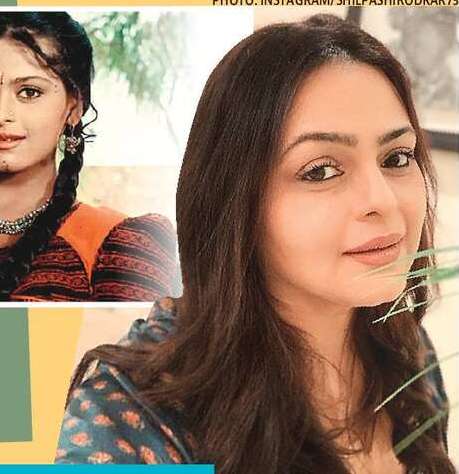
30 years of Aankhen: Shilpa Shirodkar reveals she charged more money after this film; Kumar Sanu goes down memory lane
8:16 AM
Vinay MR Mishra (HINDUSTAN TIMES; April 9, 2023)
'Shilpa acting kar sakti hai' — this is the perception that developed of actor Shilpa Shirodkar after she starred in Aankhen. The film, she admits, changed her life: “Every Friday gives birth to a new star. That Friday was a changing point in my career. I signed many good films, worked with lovely directors. And I started charging more money!”
Her song Angna Mein Baba is popular even today. However, not many know that her part in the film was offered to actor Juhi Chawla, initially.
“I am glad whoever was approached said no, because I got a chance to do it,” says Shirodkar, whose character enters only in the second half of the film. Did that bother her, though?
“I was never such a big actor. For me, working with a producer like Pahlaj (Nihalani) ji, a director like David Dhawan and being cast opposite Govinda... It didn’t matter whether I came before the interval or after it. I just hoped ki aage jaake unke saath aur kaam mile,” she confesses.
----------------------------------------
Soumya Vajpayee (HINDUSTAN TIMES; April 9, 2023)
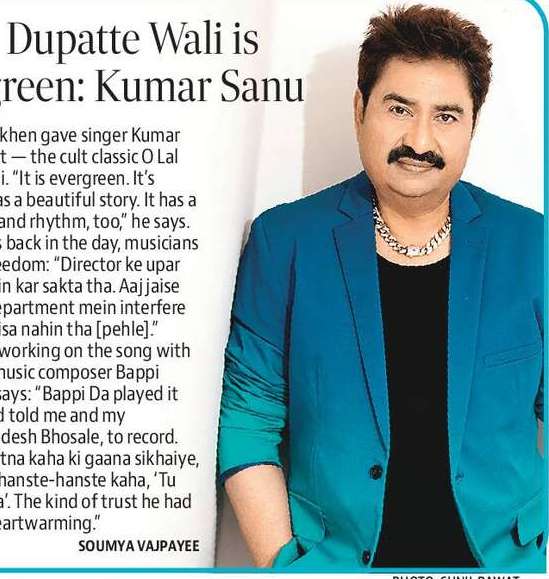
The film Aankhen gave singer Kumar Sanu a big hit — the cult classic O Lal Dupatte Wali. “It is evergreen. It’s funny, yet has a beautiful story. It has a catchy tune and rhythm, too,” he says.
Sanu feels back in the day, musicians had more freedom: “Director ke upar koi baat nahin kar sakta tha. Aaj jaise actors har department mein interfere karte hain, aisa nahin tha [pehle].”
Recalling working on the song with late singer-music composer Bappi Lahiri, Sanu says: “Bappi Da played it just once and told me and my co-singer, Sudesh Bhosale, to record. Maine unse itna kaha ki gaana sikhaiye, but unhone hanste-hanste kaha, ‘Tu ga, ho jayega’. The kind of trust he had in me was heartwarming.”
It was my dream to bring Disco Dancer alive and relive the ’80s-Salim Merchant
8:19 AM
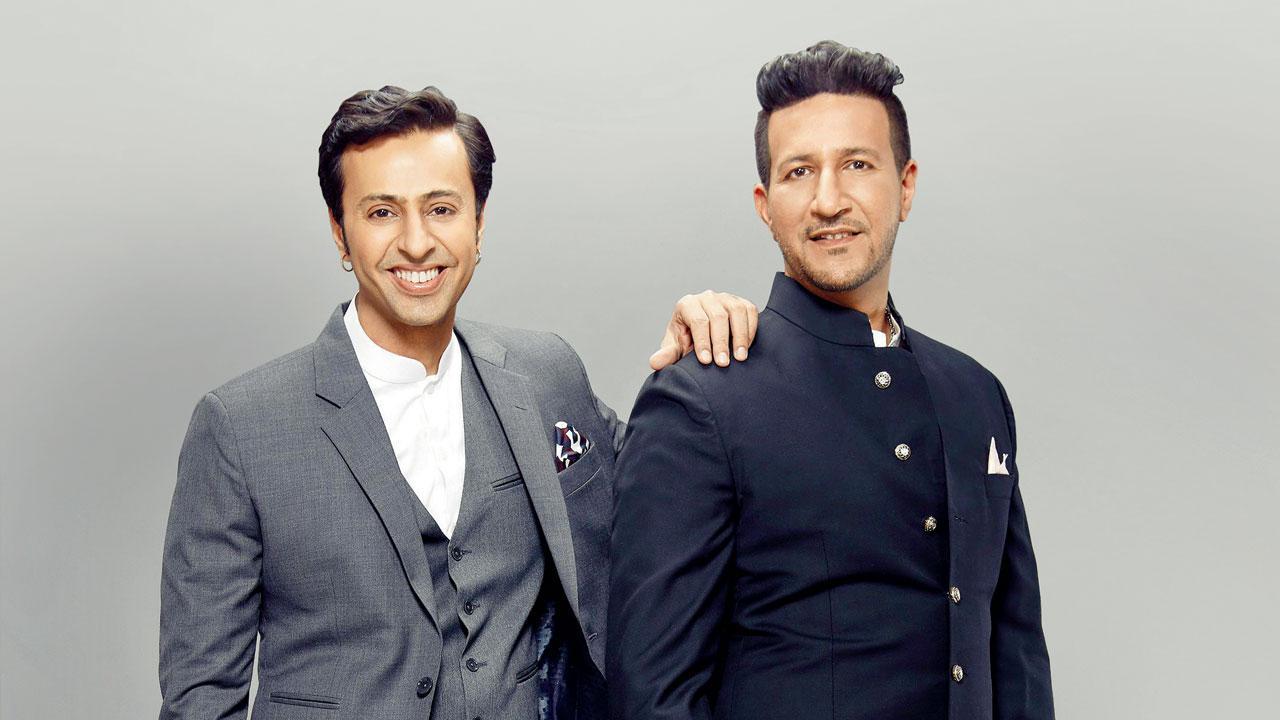
Set to present the musical adaptation of Disco Dancer in the city, Salim Merchant of Salim-Sulaiman, on how his appetite for stage shows served him
Sonia Lulla (MID-DAY; March 27, 2023)
Come April 14, Mumbai will witness Salim and Sulaiman Merchant’s acclaimed show, Disco Dancer — The Musical, which first premiered in London. The composer duo that previously successfully presented the musical, Umrao Jaan, was on the hunt for a project that was “different”.
“I am a huge disco fan,” says Salim, adding, “I had met Bappi da [Lahiri], and he was keen to work on a musical. However, he had limitations due to his health, and had also been living in Los Angeles, for the most part. After Umrao Jaan, which had travelled to the UK, Mumbai and then Delhi, we began to think about what we should do next. When I thought about Bappi da’s work, I realized that the film, Disco Dancer was such a prominent one. Few know that this was the first movie that crossed the Rs 100 crore mark. This was a big achievement, especially at a time when ticket prices were (very cheap).”
Also, think about the songs like I am a disco dancer, Yaad Aa Raha Hai, Jimmy Jimmy, Goron Ki Na Kalon Ki and Ae Oh Ah. Which film had so many successful songs in the same soundtrack?” Salim was certain his idea had promise when he ascertained that the story of a boy who goes from rags to riches would interest watchers.
“It was my dream to have Bappi da present at the musical, but, unfortunately, that will no longer be possible. It has been heartbreaking to lose him. It was my dream to bring this alive, and relive the ’80s.”
Barring the fact that the English show has been adapted in Hindi, he says all other elements, including the sets, and costumes, have been retained. “Since the stage is larger, we’ve been able to make this larger-than-life. But, we’ve not changed a single note of the original compositions. We do have two new compositions though — One is a love song called Paas Aaye, it’s a ballad between the main characters. And the other is a track for the sections that showcase Jimmy’s rise [to the top].”
Having grown up with an appetite for musicals, Salim says he began to learn the nuances of theatrical productions from his childhood. “I’ve watched Phantom Of The Opera, My Fair Lady, and Chicago live on stage. In school, I’d be part of musicals because I was a fan of theatre. I would compose plays and rearrange existing songs. When I’d head on trips, I’d dedicate a day to watch as many musicals as I could on Broadway, even though I didn’t know I’d eventually become a producer,” says Salim, who joins hands with Suniel Shetty for this production venture.
We live in times when people look for reasons to get offended-Adah Sharma
8:23 AM

Juhi Chakraborty (HINDUSTAN TIMES; March 9, 2022)
Actor Adah Sharma received backlash on social media for recently sharing a post comparing her look to that of singer-composer Bappi Lahiri’s, who died earlier in February. Talking about the now deleted post, she says, “We live in times when people look for reasons to get offended.”
She elaborates, “The picture collage with Bappi da was originally posted on my Instagram March 28, 2020.” The Commando 3 (2019) actor says the resurfaced photo was a scheduled post.
However, Sharma, who has a considerable following on social media, doesn’t deny its positive impact: “It has been a boon. There’s so much I can put out there that no one would’ve known otherwise.”
And, the 29-year-old hopes she gets to be as expressive through her film choices, too. “Now, with so much experimental content being made, I hope I get a chance to do it all,” she signs off.
It was a blessing to have grown up around a grounded man like Bappi Lahiri uncle-Rupali Ganguly
9:51 PM

Akash Wadhwa (BOMBAY TIMES; February 19, 2022)
Sharing a special bond with late music director and singer Bappi Lahiri, Rupali Ganguly says she is shattered with his sudden demise. Talking to us about Bappi uncle, as she fondly called him, Rupali shares, “It is a personal loss. He was like my father’s younger brother. His association with my father started with the film Agreement, and then they went on to do several films together, Saheb being one of the notable ones. I can’t even tell you how this feels, it is just like another part of me has gone. Seriously, with Bappi Da, an era has ended. We all have to go one day but I never thought that we will lose Bappi Da so soon. Even though we feel we are prepared for this day, frankly speaking, we are never fully prepared.”
She adds, “I have been to so many of his recordings. I feel blessed to be Anil Ganguly’s daughter as we got a chance to grow up amongst all these wonderful superstars. Music is something that I am very connected to. Bappi uncle ke ghar jaa ke we have enjoyed so many musical sittings. We would hear something new whenever we went to his house. He could play so many musical instruments. His family has been my family. In fact, the Lahiri house was the center of all the fun times and Bappi Da was one of the most approachable and simple celebrities I have ever come across. He loved having people over to his house. It was a blessing to have grown up around a grounded man like Bappi Lahiri uncle. I just pray that his family gets the strength to bear the loss and I hope his son Bappa, who is my brother, carries forward his legacy.”
Ask her on how she would like to remember Bappi Da and she says, “I would always remember him as the man who used to bless people around him. He would always want good for everyone.”
Bappi Da, I will miss you forever-Mithun Chakraborty
7:32 AM

Priyanka Dasgupta (THE TIMES OF INDIA; February 18, 2022)
Kolkata: “Bappida I will miss u forever, mithun” — this was the message that Mithun Chakraborty sent out a little over 24 hours after Bappi Lahiri’s death. The actor had been busy with his hotel work on the outskirts of Bengaluru and Mysore the day Bappi breathed his last in Mumbai.
While celebrities rushed to pay tributes on social media, Mithun was conspicuous by his absence. A day later, when he reached Mumbai, arrangements had already begun for Bappi’s final journey.
TOI obtained his message via the actor’s son. Mithun and Bappi shared a bond since the days of Ravikant Nagaich’s ‘Surakksha’ (1979) and ‘Wardat’ (1979) and K Murli Manohar Rao’s ‘Dilwaala’ (1984). And then came the avalanche of their hits in Babbar Subhash’ ‘Disco Dancer’ (1982). All its songs — from Vijay Benedict’s ‘I am a Disco Dancer,’ Parvati Khan’s ‘Jimmy Jimmy Jimmy, aaja’ to Usha Uthup’s ‘Koi yahan nache nache’ — hit the national airwaves like a storm. The bond strengthened over 32 years with Prakash Mehra’s ‘Dalaal’ (1993), where Mithun lip-synched to Bappi’s ‘Gutur gutur’, till ‘Golmaal 3’ (2010), which had Pritam getting Bappi to sing ‘Disco Dancer’ picturised on Mithun and Ratna Pathak Shah.
In 2011, Bappi had done the music for a film with Mithun’s son, Mimoh aka Mahaakshay. The film was shelved midway, but the two families had come together for the music setting where Bappi’s compositions would be dug up from the past.
I never saw Bappi Lahiri lose his temper even once-B Subhash
7:30 AM

B Subhash, Parvati Khan and Bappi Lahiri
Titas Chowdhury (HINDUSTAN TIMES; February 18, 2022)
Director B Subhash’s association with late music icon Bappi Lahiri dates back to 1982, when the duo scored their first hit together with Disco Dancer. Lahiri was someone the director could rely on because he had a solution for everyone and everything.
Recounting an episode from the ’80s, Subhash says, “We were at Mehboob Studio (Mumbai), and Bappi da had five other recordings that day. A producer came and requested him to finish a song because his film was going on floors the next day onwards. Bappi da smiled and obliged. The recording of a single song needs three to four hours. That day, Bappi da recorded for 24 hours at a stretch.”
Quiz him about how he would want to remember the singer-composer and Subhash shares, “He was a lovely person. In the past 40 years, I had never once seen him lose his temper. He was down-to-earth, sweet and kind.”
The duo collaborated again just a few years back when Lahiri composed the music for Subhash’s daughter’s yet-to-be released directorial, Jhoom. However, he rues not being able to meet him in the past two years: “Artistes don’t like to go all out about their sickness because it affects their profession. So, I didn’t visit him because I presumed that he wouldn’t like people coming to meet him due to his ill-health.”
On a parting note, the director says, “Bappi da did a lot for others, and that will stay back and become a part of his rich legacy.”
Bappi Lahiri finished working on my film 3 months ago-K C Bokadia
7:28 AM

Soumya Vajpayee (HINDUSTAN TIMES; February 18, 2022)
The sudden death of veteran musician Bappi Lahiri has left his peers in shock. One among them is filmmaker K C Bokadia, who worked with the late legend on several projects. “Bappi ji and I worked together in more than 20 films. Our association was really long, and it wasn’t just limited to work. We shared a strong personal bond, too. We were like family,” says Bokadia.
He adds, “As far as our work associations go, we worked on films such as Aaj Ka Arjun (1990), which featured the super hit song, Gori Hain Kalaiyaan. Then there were projects like Phool Bane Angarey (1991), Police Aur Mujrim, Tyagi (both 1992), etc. Working with him was always a pleasure. His work ethic was phenomenal.”
What makes the Lal Baadshah (1999) director content is that, after an association for over three decades, Lahiri was part of his most recent project, too. “The biggest thing is that almost three months ago, he finished working on the music for my film, Two Brothers Teri Meherbaniyan 2. Apart from composing the music, he’s also sung a few songs in the film along with Sonu Nigam (singer),” says the filmmaker, who feels Lahiri’s death has been a shock for him: “It’s a personal loss.”
My mother was the reason I joined Bollywood, but I couldn’t have become a star if Bappi da had not stood like a rock-Govinda
8:39 AM

Govinda (MID-DAY; February 17, 2022)
I am overcome with emotions when I think of Bappi Lahiri. He was like family to me. I knew him even before I entered the film industry. His parents [Aparesh and Bansari Lahiri] were trained in classical music. My mother [Nirmala Devi] was a Hindustani classical vocalist. Bappi da and I got to know each other through our mothers. Few know that our relationship was a long-standing one.
He was known as the Disco King of India, who made people dance to his amazing tunes. But for me, his songs went beyond disco. When I listened to his songs, I would feel strongly connected to the tune and lyrics. Often, after a long day of shoot, I used to come back home and hear his compositions for the films I would do. We both used to sit down, hear every word, every [beat] and discuss how to [bring it alive] on screen.
There were times in my career when people would ask Bappi da why he loved me so much and defended me, though I wasn’t a Bengali. They would doubt my work, and ask, ‘Uss mein aisa kya hai?’ But Bappi da remained unfazed. He stood tall and supported me consistently throughout my career, giving music to my movies [like Ilzaam, Hatya, Aankhen and Shola Aur Shabnam].
Only God makes our careers. My mother was the reason I joined Bollywood, but I couldn’t have become a star if Bappi da had not stood like a rock behind me.
He supported not only my career, but also my brother Kirti’s. When Kirti turned filmmaker with Hatya (1988), no musician was willing to compose for his film because he was new. Bappi da said yes immediately. Among the other hits, he gave us Main Pyar Ki Pujaran. How can we ever forget that?
There are few artistes in this world who not only create amazing art, but also raise their voice against the wrong. Bappi da was one of them. He was so lucky for Mithun da [Chakraborty]. His voice connected with artistes all over the world. To me, his music was divine.
As told to Upala KBR

Bappi Lahiri with Kishore Kumar
RIP Bappi Lahiri: Gold was his pehchaan, his lucky charm, but he owned only 754 gm
8:35 AM
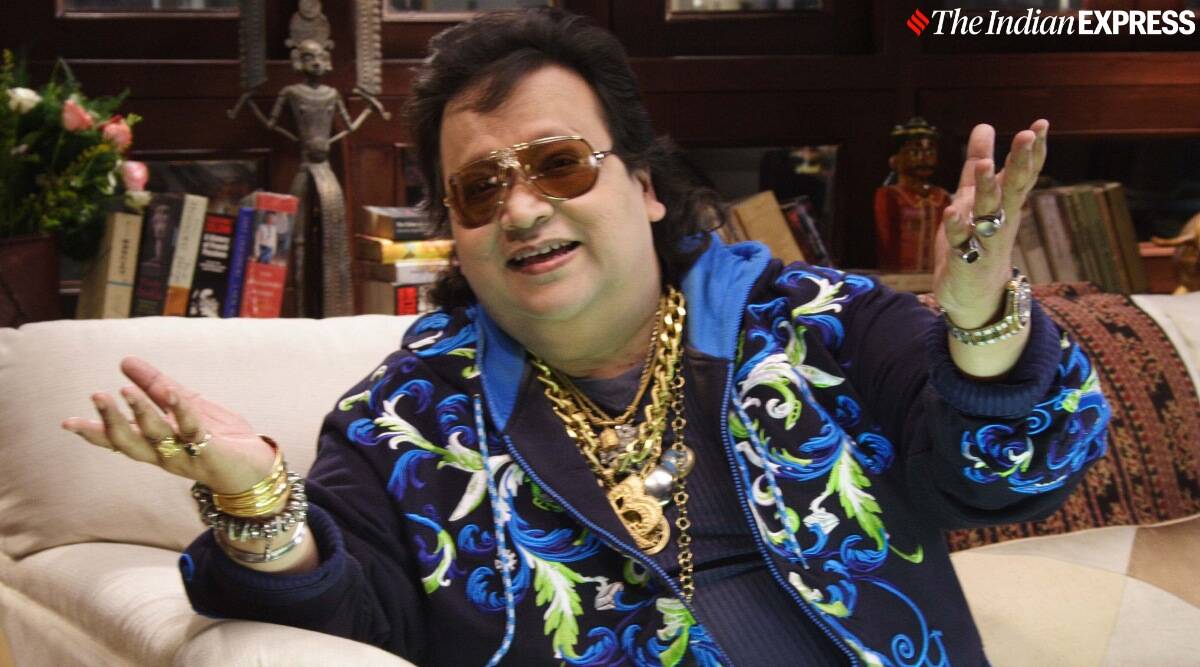
The Disco King, Worth His Weight In Gold, Leaves Behind A Foot-Tapping Musical Legacy For Generations Of Fans
Mohua Das (THE TIMES OF INDIA; February 17, 2022)
The King of Bling had shocked the country with his response to one of the biggest nation-wants-to-know questions back in 2014 when Bappi Lahiri — who took the plunge in politics as a BJP Lok Sabha candidate in Kolkata — told the Election Commission of India that he owned only 754 gm of gold jewellery (worth Rs 17. 7 lakh).
“We were, frankly, a little shocked to see he owns so little gold. You look at him and you think he owns kilos of gold jewellery, but that’s not true. His wife, a homemaker, has more gold,” an election official had said.
The Golden Man — as he had come to be known after the self-mocking ‘sone ke nimbu’ ad he did for a lemon drink — had highlighted his fondness for all things gold before it became a surprisingly brand image. If his fixation for multiple chains and pendants can be traced back to his “inspiration and idol” Elvis Presley, the collection dates back to 1975.
“Unlike others, I wear my gold at all times. That’s why it’s become my image and people call me the Gold Man. . . Gold is my pehchaan,” he would say.
If his gold ‘Hare Rama Hare Krishna’ chain that his mother had gifted him after the success of Zakhmee, his first hit film in 1975, was his “lucky charm”, the large Ganesha pendant was one that he loved to flaunt and with good reason.
“Michael Jackson when he had come to Bombay, only I met. He loved my Ganpati Baba’s chain,” he had said in an interview years ago. The giant gold ‘B’ dangling from one of the many chains was a gift from his wife Chitrani, during his wedding.
But he wasn’t the kind of golddigger one would imagine despite his display of gold. “Today’s gold price, you know? High price! My Mrs always purchases some beautiful silver bartan because gold we have so many,” he would often say.
Till date, whenever my actor friends like Jackie Shroff call me, they never say ‘Hello’, but sing, ‘Yaad Aa Raha Hai’-B Subhash
8:26 AM
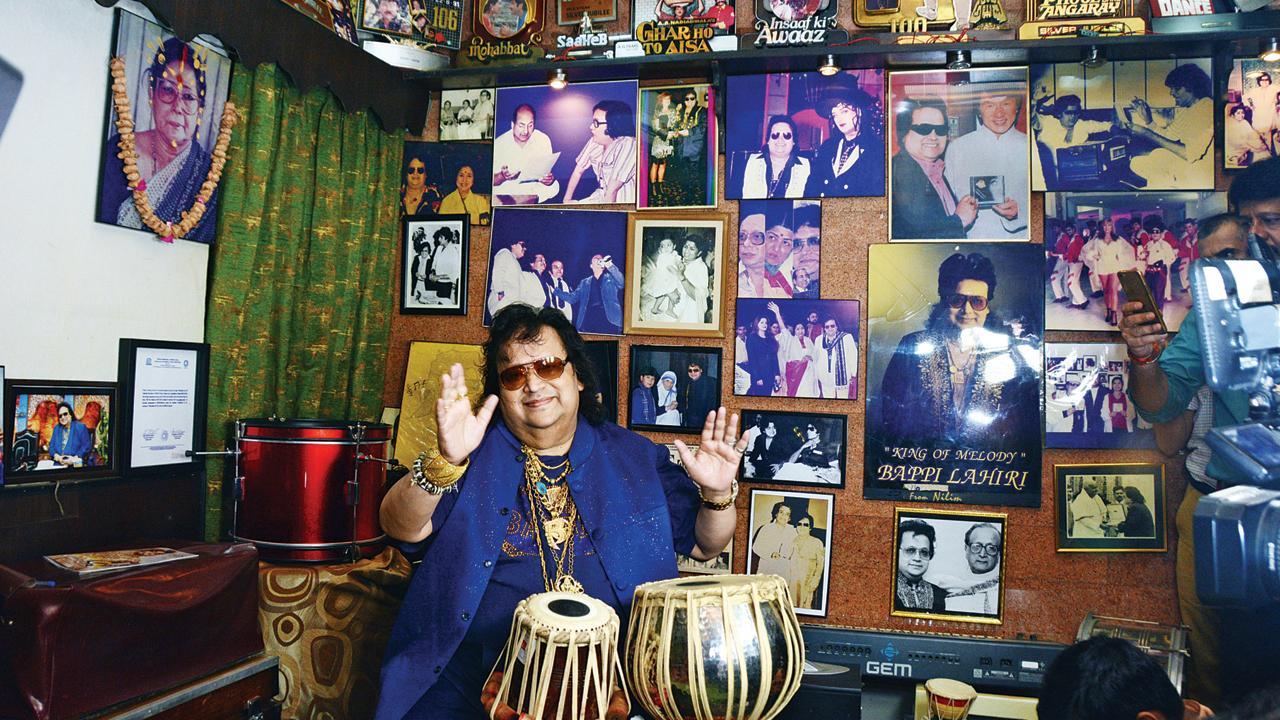
His songs shone brighter than gold, his voice boomed louder than his beats. India’s Disco King lives on in our hearts
B Subhash (MID-DAY; February 17, 2022)
My association with Bappi da began in 1978, when we collaborated on my directorial venture Taqdeer Ka Badshah, starring Mithun Chakraborty. It was on the set of this film that I decided to make Disco Dancer (1982).
It all began when, one day, I asked my assistant to call Mithun for his shot, but was told that he’s upset. When I went to meet Mithun, he said that he is earnest with his work, but things don’t seem to be working out. That’s when I told him that I’ll make Disco Dancer, which will make him a superstar.
Back then, Bappi da was working on popularizing the disco genre in India. Disco Dancer paved the way for Bappi da, Mithun and myself to become a [successful] trio of sorts. We three went on to collaborate on several films like Kasam Paida Karne Wale Ki (1984), Dance Dance (1987), and Pyar Ke Naam Qurbaan (1990). While every song of Disco Dancer became a hit, Jimmy Jimmy was in another league altogether, becoming immensely popular in China, Dubai, Israel, Ethiopia and even Russia.
When I first heard the song post recording, I told Bappi da that [it wasn’t quite doing justice to] the situation it comes in, in the film. He came up with the idea of using a double voice. Here, the artiste sings it twice separately, after which both [renditions] are blended. The result blew us away.
Apart from being a versatile composer and knowing how to play many musical instruments, Bappi da was also a great sound engineer. He knew exactly which technique to use [to enhance a song]. With Disco Dancer, we also introduced new singers like Vijay Benedict, Nandu Bhende and Parvati Khan.
Did you know that the song, Yaad Aa Raha Hai Tera Pyaar was to be actually sung by Kishore Kumar? On the day Kishore da was to record the song at a new studio in Cuffe Parade, the lift wasn’t working. Kishore da said he wouldn’t be able to climb the stairs due to health issues, and that we could do a scratch recording [with someone else]. So Bappi da recorded the scratch. When I heard Bappi da’s rendition, I felt it brought out the emotions of the song effectively. I wanted to retain it, and told Kishore da that I’d like to go ahead with [the musician’s] version if he agreed.
When Kishore da heard the version, he told Bappi da that he had sung it very well, and that his rendition should be retained. Till date, whenever my actor friends like Jackie Shroff call me, they never say ‘Hello’, but sing, ‘Yaad Aa Raha Hai..’. Such is the magic of Bappi da.
During the making of Disco Dancer, I would shoot the film during the day. Bappi da would use the time to compose the music. At the end of the day, we’d have our music sittings at 10 pm. When I first heard his composition of Ae Oh Aa Zara Mudke, I told him the song wasn’t sounding right, [given the context]. In an hour-and-a-half, he gave me a [reworked version] that was punchy.
At 11:30 pm, we decided the song had to be written too, so Kishore da could record it the following morning. So, I picked up lyricist Anjaan saab and brought him to Bappi da’s place. In another couple of hours, the song was ready. [The next morning] when I narrated to Kishore da how the song was created, he was all praise for Bappi da’s dedication.
Bappi da was a foodie. While working, he indulged only in biscuits. While travelling to international destinations, he would shop for two things — a musical instrument or cookies.
As told to Hiren Kotwani

(Clockwise) B Subhash and wife Tillottama with Smita Patil, Amrish Puri, Mithun Chakraborty, Mandakini, Bappi Lahiri, Shakti Kapoor and Dalip Tahil during the making of Dance Dance
Mere maa-baap ke alawa sirf Kishore mama ka aashirwad mila mujhe-Bappi Lahiri
8:22 AM

Soumya Vajpayee (HINDUSTAN TIMES; February 17, 2022)
Veteran musician Bappi Lahiri poured his heart out while speaking to us on various occasions. We go down memory lane with excerpts from two interviews (done in 2016 and 2021).
On rumours around losing his voice
I am shocked to see reports stating that I’ve lost my voice. I was shooting with my grandson for a documentary. How can I be without a voice? I’ve been working in the industry for 50 years, I’ve never experienced something like that. I have slight cough. I’m taking syrups and tablets for that. It is a minor thing and I am much better.
On his maternal uncle, late Kishore Kumar
Kishore Kumar kabhi dobara nahin aayenge... Before coming to record my compositions, he’d ask me to send the tunes, which were recorded on cassettes, to his house. He’d do the riyaaz a day before coming to the studio. It wasn’t like what happens today, when singers listen to the track for the first time when they enter the studio to record. Mere maa-baap ke alawa sirf Kishore mama ka aashirwad mila mujhe. Aaj main jo bhi hun, unki wajah se hun.
Kavita Krishnamurti and Sameer remember Bappi Lahiri
8:20 AM

As told to Soumya Vajpayee (HINDUSTAN TIMES; February 17, 2022)
It’s extremely sad that another great musician has gone. Bappi da had so much music left in him. I have great respect for him. He was like a brother to me for many years. I got the opportunity to sing a lot of songs for him like Tu Pagal Premi Awara, Lal Dupatte Wali, and my Bengali hit, Aami Kolkata Roshogulla. He was so flexible and gave us diverse songs.
He loved his work and treated all of us like his family. Whenever I went to his place, he’d offer me Bengali sweets as I loved them. His family was always affectionate. My heart goes out to them. May his soul rest in peace. These last two years have taken so many amazing musicians from us. I’m sure even the Gods are enjoying their music.
Kavita Krishnamurti, singer
---------------------
Bappi da was like family to me. I’d accompany my dad (Anjaan, late lyricist) for the sittings. Whenever he saw me, he’d remember my father. I’ve had so many associations with him over the years. In fact, he called me a month ago for a project called Pyaar Mein Thoda Twist. But I think he fell ill. I didn’t hear from him after that.
He was an intelligent and multifaceted composer. Once, director Prakash Mehra asked Bappi da to call his mother, who was a classical singer, to compose a song for Namak Halaal. She was nervous as she was not a composer. Bappi da told her he’ll give her a phrase and she can compose it like a bandish. That’s how the original tune of Pag Ghungroo Baandh was made.
He made a mark when many composers were ruling the industry. He was synonymous to disco and the genre will always be associated with him. It’s truly a huge loss to the music industry and I’ll always miss him.
Sameer Anjaan, lyricist

Bappi Lahiri was a simple man at heart, but later got sucked into being a showman-Amit Khanna
8:17 AM
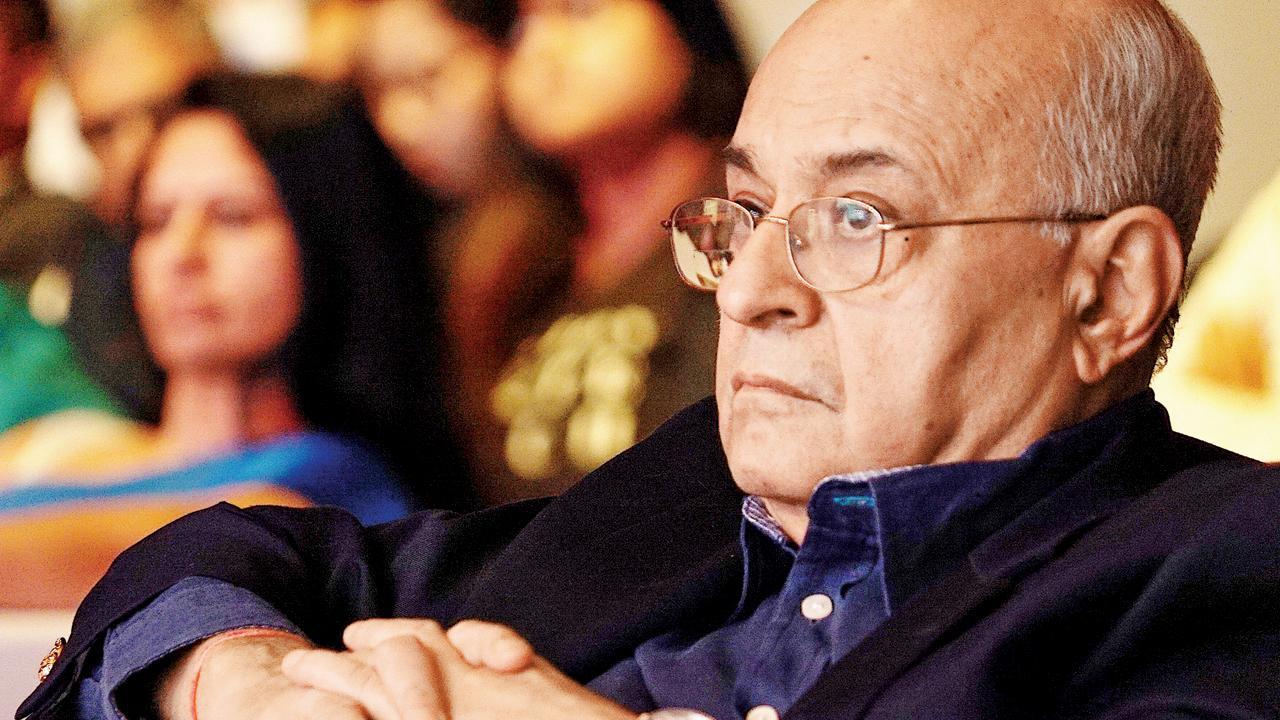
As told to Upala KBR (MID-DAY; February 17, 2022)
Bappi started his career on the first day that he [arrived] in Mumbai. He was a couple of years younger than me when I met him. He was 20. I had heard that B R Ishara had signed him for the background music of his movie Charitra, which launched Parveen Babi and Salim Durrani. Bappi knew the Mukerji family and got a film with them. In those days, Bappi and his parents would meet producers at their offices, and one day, he dropped in at Navketan. I asked him to sing something for me.
The next day, the producer of Chalte Chalte [Bhisham Kohli] dropped in to meet us. Bhisham told me that while they had raised money with great difficulty, and got Simi Garewal’s nod to play the lead role, R D Burman and Lamikant-Pyarelal, whom they approached first, had backed out as they were busy. Bhisham asked me to recommend someone, so I told him about this young boy who came to meet me and played some interesting Bengali music. Bappi seemed promising, I told him.
Bhisham liked his music, especially a particular melody that became the title song, Chalte Chalte. Bappi would sing in Bengali, and I would write the words in Hindi. From there, our association began. That evening, we finalised the song and another one which Lata ji sang — Dur Dur Tum Rahe. It was an unusual song for her. The film’s music became a hit, and there was no looking back for Bappi. Out of the 40 to 50 songs I wrote, I must have written a dozen for him.
One of my favourite compositions of his was for my directorial venture, Sheeshe Ka Ghar. Anup Ghoshal’s Tum Saath Ho and Salma Agha’s Chala Hai Balamwa, were hits. Bappi was talented, and few know that he was a brilliant tabla player — a child prodigy in Kolkata. He learned from Pandit Shanta Prasad, and once, when people heard him at a public performance, they were shocked to see that he could play so well.
He played the tabla in one of my songs in Sheeshe Ka Ghar. In Raj Sippy’s Josh, I wrote the songs and we made Amjad Khan and Deven Verma sing. It was the first in nonsensical music and the lines went like Jab Khat Mein Khatmal Chalega.
Bappi, like Pancham, understood that sound was as important as recording. The way you balance the orchestra is essential. He came to be known as the Disco King after B Subhash’s music became a freak hit. That’s how he perfected the disco sound. Though he became very famous, as a person he remained simple. He was a simple man at heart, but later got sucked into being a showman.
Bappi Lahiri passes away in Mumbai at the age of 69
8:14 AM

Avijit Ghosh (THE TIMES OF INDIA; February 17, 2022)
Music director Bappi Lahiri, who harnessed and harvested the “disco sound” to produce chartbusters in films like Disco Dancer and Namak Halaal but was equally adept in composing gentler semi-classical and folksy tunes best exemplified in the less remembered songs of Aangan Ki Kali, Apne Paraye and Aetbaar, passed away in a Mumbai hospital late Tuesday night. He was 69.
The composer-singer had been under treatment for several weeks. “He was suffering from OSA (obstructive sleep apnea) and recurrent chest infection...He succumbed to his illness at about 11:45pm,” Dr Deepak Namjoshi of Mumbai's CritiCare Asia Hospitals said in a statement.
In the 1980s, a disco track became mandatory in Hindi films after the tsunami-like success of Qurbani’s ‘Aap Jai sa Koi’ (singer: Nazia Hasan, composer: Biddu). Songs became something that you both danced and listened to. For the young and the restless, beat acquired more prominence. And the electronic synthesizer became the busiest instrument. No Bollywood composer understood, captured and expressed the new musical ecosystem like Bappi.
His dalliance with disco started with ‘Hari Om Hari’ (Pyara Dushman, inspired by Neil Sedaka/Eruption’s ‘One Way Ticket’) and ‘Rambha Ho Ho Ho’ (Armaan). Director B Subhash’s Disco Dancer became his high noon. From the title track to ‘Jimmy Jimmy’, every track in Disco Dancer was dancey and delicious. If ‘Awara Hoon’ was Hindi cinema’s major cultural export in the 1950s, ‘Jimmy Jimmy’ remains a musical ambassador even in Vladimir Putin’s Russia today. Just go to YouTube for confirmation.
----------------------------
Bappi Lahiri’s breathless foottappers and Indeevar’s nursery-rhyme lyrics (‘Char baar marenge ek baar ginenge’, Mawaali) in Southern productions defined popular film music in the 80’s. They were integral to mind-numbing entertainers whose plots could match Donald Trump’s statements for incredulousness. Jeetendra’s Himmatwala, Mawaali, Maq sad and Tohfa were all propelled by these tunes. “He was a king in Madras,” director B Subhash told this reporter some years ago.
In the 1980s, Bappi da, as many called him fondly, provided the score for an eyepopping 230 films. In 1985, he gave music to 33 movies: 30 Hindi, 2 Bengali, 1 Tamil; which means a film released every 12 days! The composer lorded over the charts even when some of the songs were copies of foreign hits and desi classics. There was an alternative side to him as well.
In Basu Chatterjee’s Apne Paraye, he surprised critics with his folksy tunes. ‘Shyam rang rangaa re’, where he employed the Bengal percussion instrument khol, has the meditative feel of a Chaitanya kirtan. ‘Gao mere mann’ carries the smell of ponds, banana leaves and 19th century Bengal.
Not many would associate him with songs such as ‘Saiyan bina ghar soona’ (Aangan Ki Kali), ‘Chaar din ki zindagi hai’ (Ek Baar Kaho) or ‘Kisi nazar ko tera’ (Aetbaar). Many of them were sung by Yesudas and Bhupendra.
Born in north Bengal’s Jalpaiguri town to musician parents, Alokesh (his original name) trained under guru Samta Prasad and was hailed as a tabla prodigy at just six. Nanha Shikari (1973) was his debut Hindi film. But the composer made a distinct impression with Chalte Chalte (1976), among his finest scores.
Amit Khanna, who wrote the lyrics, recounts how Bappi got the film. “The film director Bhisham Kohli, also Dev Anand’s nephew, was looking for a music director. He was unable to get R D Burman and Laxmikant Pyarelal. Bappi had earlier come to Navketan looking for work. And I was impressed by some of the tunes I heard. I told Bhisham, why don’t you try him? During the music session, Bappi played the ‘Chalte Chalte’ tune. I wrote the opening lines. And this led to the song,” recalled Khanna.
Slowly, he worked his way up with hummable melodies in low budget action films such as Zakhmee, Ravikant Nagaich’s Surakksha and Wardat and the Ramsay brothers’ horror yarns (Saboot). Disco Dancer elevated his career. But when Prakash Mehra, then Bollywood’s biggest director along with Manmohan Desai, signed him for ‘Namak Halaal’, Bappi entered the super league. The music in Namak Halaal and Sharaabi (both Big B films) were worth the weight of the gold chains he fondly wore.
Namak Halaal’s ‘Pagh ghungroo baandh’ was nearly 12 minutes long but the tune was riveting. ‘Raat baaki’, which he sang with Asha, is a standout. Sharaabi earned him his lone Filmfare award in 1985. He tasted success in the 1990s too: K C Bokadia’s Aaj Ka Arjun and David Dhawan’s Aankhen, to name just two. ‘Gori hai kalaiyan’ (Aaj Ka Arjun) topped the Binaca Geetmala in 1990.
In recent years, Bappi sang in Baaghi 3 and Shubh Mangal Zyada Saavdhan. Last April, he had contracted Coronavirus but recovered well.
Now, the amiable and ever-smiling composer is no more. But the best of his 80s tracks remain groovy as ever. And even today, there’s no better farewell song than ‘Chalte Chalte’.
My grandfather Bappi Lahiri is my greatest inspiration. I love Bruno Mars, but I love my granddad more-Swastik Bansal aka Rego B
7:52 AM

The joy of watching your grandchild take on your passion even before hitting adulthood is Bappi Lahiri’s to enjoy as Rego B turns musician at 12
Anju Maskeri (MID-DAY; November 7, 2021)
The resemblance is uncanny, despite the obvious logic about shared genes. Swastik Bansal, aka Rego B, is the 12-year-old grandson of music composer and disco icon Bappi Lahiri, 68. Baby-faced and bathed in bling, Rego shrugs, it’s a reaction he is used to. “My grandfather is my greatest inspiration. I love Bruno Mars, but I love my granddad more,” he tells us during a meeting at their Juhu residence.
Bappi da as he is lovingly known in the industry, has been suffering a bout of ill health. He is wheeled into the living area of the bungalow by staff. His mobility has taken a beating due to his impending knee replacement surgery, daughter Rema says. “But his energy is intact. After all, he has been a workaholic all his life.”
It was in April this year that he contracted Coronavirus and was admitted to Breach Candy Hospital. Incidentally, he was the only one in the family to get infected. It’s been a slow recovery since. During the pandemic, however, the composer continued with collaborations over video call. “I’d call the last two years the worst of my life. They pulled me down like no other illness,” laments Lahiri.
But, the ill health has hardly dented his appearance. The seven gold chains around his neck (we counted), a few rings and a snazzy shawl look as glamorous as they always have. And, now, there is someone else in the family who enjoys bling just as much.
On October 7, this year, music label Saregama launched Rego in a racy rap number titled Bachcha Party, composed by Shameer Tandon and choreographed by Remo D’souza. In two months, the song saw four million views on YouTube. The track is part of an album comprising six songs. “I am really proud that he is starting off his career this early,” gushes Lahiri. “This is the fourth generation of the family to get into music; my daughter first cut her album, Little Star in 1987 and she debuted with a Platinum Disc. Now, her son is launching his album.”
Although he’s a doting grandfather, Lahiri also happens to be his biggest critic. “If I’m going off tune, he’s the first to point out. And he always makes sure he tells me where I need to improve.”
The family is quick to point out that there has been no shred of “nepotism” in Rego making the cut. “He’s a student of music and was picked up on merit. There was an audition process and it’s only after he was selected that the organisers found out that Swastik is Bappi Lahiri’s grandson,” says Rema.
The eager mother agrees that the two musicians share similarities. “He’s calm and composed, just like dad. I’m hyper and short tempered. It’s almost as if that personality trait has skipped a generation,” she laughs.
Music is a unifying, palpable life force in the family. Lahiri’s parents Aparesh and Bansari Lahiri were well-known singers in Kolkata. His mother shared a warm relationship with late singer Kishore Kumar’s family. “I, too, was extremely close to Kishore da and after he passed away, I felt unmoored. It was like losing an anchor in the industry, but I soldiered on,” he remembers.
Incidentally, this is Lahiri’s 50th year in the industry; he was 20 when he composed music for his first film, a Bengali production titled Dadu (1969).
Until the pandemic, he was actively touring and creating music. “I realised the enduring popularity of the songs Disco Dancer and Jimmy Jimmy Aaja Aaja in Tajikistan when I visited the country a few years ago. They refused to let me step off the stage.”
Lahiri, who is a fan of Michael Jackson, wants his grandson to be an all-round performer like the late American popstar. He too is as much a showman as he’s a musician. But he doesn’t think much of it. “Humility and talent matter. I’m often asked what I feel about the music that’s being produced today, but I’ve never criticized it because there’s an audience for every kind of music and I’m nobody to judge.”
Rego hopes to follow in his grandfather’s footsteps. “Beneath all the glitter, Dadu is just a simple man who loves music.”

I am shocked to see so many reports stating that I have lost my voice-Bappi Lahiri
8:07 AM

Soumya Vajpayee (HINDUSTAN TIMES; September 24, 2021)
“I am shocked to see so many reports stating that I have lost my voice. It’s ridiculous and I am really unhappy,” says a distraught Bappi Lahiri. The singer-composer, speaking to us from his studio in between a recording, adds, “I was shooting three days ago with my grandson for a documentary film. How can I be unwell and without a voice? I have been working in the industry for 50 years and I’ve never experienced something like this. I have slight cough, I’m taking syrups and tablets for that. It’s a minor thing and I am much better.”
For the unversed, a few media reports recently claimed Lahiri has been unwell ever since he recovered from Coronavirus in April and has now lost his voice. Refuting the same, the veteran wrote on Instagram, “Some media outlets are spreading false news about me and my health, which breaks my heart. By the grace of my fans and well-wishers, I am completely healthy (sic).”
Speculation is rife that the singer-composer is keeping it low in terms of work. But, Lahiri clarifies that he is swamped at present. “I recorded and composed three songs, one of which is Ganpati Bappa Morya, that released recently. I’ve also recorded a song for Durga Puja with actor Rituparna Sengupta, and finished the soundtrack for a Bengali film two days ago, featuring Shaan, Alisha Chinai, Aditya Narayan, Armaan Malik and I. My fans are my God. With their blessings and by the grace of Ganpati Bappa, I’m totally alright,” says the 68-year-old.
Dad has been advised not to talk as part of the recovery. That’s why people ask if he has lost his voice-Bappa Lahiri
8:04 AM

Amid speculation that musician-singer Bappi has lost his voice due to ill-health, son says lung ailment and Covid-19 “slowed him down” but he is healing
Shaheen Parkar (MID-DAY; September 17, 2021)
Bappi Lahiri has been lying low ever since he battled Coronavirus in April. Admitted to the Breach Candy Hospital as a precautionary measure after he tested positive, the veteran singer-composer was discharged soon after. However, five months since his recovery from the virus, health issues are plaguing him. It is heard that of late, Lahiri, 68, refrains from talking, leading to speculation that he has lost his voice.
The singer has been confined to a wheelchair, and a lift has been installed at his Juhu bungalow for his easy mobility. A source reveals, “Visitors who met Bappi da after his discharge have found him uncharacteristically low. Recently, he has not been talking. This has left many wondering whether he will be able to return to singing.”
Son Bappa, who flew down from Los Angeles to attend to his ailing dad in April, has been in Mumbai since. He assuages concerns about Lahiri’s voice, explaining that he was seeking treatment for a lung ailment when he was diagnosed with the virus. “He has been advised not to talk as part of the recovery. That’s why onlookers wonder if he has lost his voice. But his spirits remain high. He is planning to record a Durga Puja song with Bengali actor Rituparna Sengupta. He also composed the song, Ganpati Bappa Morya, rendered by Anuradha Juju.”
Bappa admits that his father’s existing medical issues, coupled with the Covid-19 diagnosis, have taken a toll on his health. “The virus has slowed him down; he gets tired easily, but there is no cause for alarm. He is on the road to recovery.”
Lahiri, who appeared as a celebrity guest on Indian Idol 12, has been moving around in a wheelchair. Bappa attributes it to the knee replacement surgery that he had undergone earlier in the year. “He has been advised the procedure for the other knee as well, but we are in no hurry. Gone are the days when dad would be travelling, recording and doing shows. We are viewing this as a break for him.”
It was pouring in Mumbai when we made Aaj Rapat Jaye Toh-Bappi Lahiri
8:09 AM

Prakash Mehra, Bappi Lahiri and Amitabh Bachchan during the making of Namak Halaal
As told to Sonam Joshi (THE TIMES OF INDIA; July 18, 2021)
When (director) Prakash Mehra ji and (lyricist) Anjaanji came to my studio, it was raining a lot in Mumbai. Mehra ji told me, “Bappi, can you make a song about this rain?” The lyrics had been composed by Anjaan ji, who was one of the best writers I have worked with. I made a mukhda for ‘Aaj Rapat Jaye Toh’, and when I played it for Prakash ji, he liked it so much that I didn’t even have to try another version.
Though I am credited with bringing disco to India, I also did many numbers inspired by classical ragas. ‘Aaj Rapat Jaye Toh’ was a totally Indian song. I used instruments such as santoor, violin, mandolin and the sitar and the first two helped evoke the mood of the rains. There are very few rain songs which go on to become evergreen hits, but ‘Aaj Rapat Jaye Toh’ went on to become one.
The song’s mazaa (fun) comes also from the singing and dancing. It was sung by Asha ji (Bhosle) and Kishore mama (Kumar) who added their own touches such as the arre, arre, arre in the beginning. Though I composed the song, I do my salaam to both Amit ji and Smita ji (Amitabh Bachchan and Smita Patil) for that outstanding rain dance.
Nowadays, there are fewer rain songs in Hindi films but I believe they will come back in fashion one day. On a personal note, I believe the rains have been lucky for me. I recorded my life’s most memorable song, ‘Chalte Chalte’, sung by Kishore Kumar in the 1976 film of the same name during the rains in July. Now, Namak Halaal is being remade but even if they remix this song, they can’t get Kishore Kumar’s one and only voice. The magic of ‘Aaj rapat’ can’t be copied.
When Disco Dancer writer, Rahi Masoom Reza, suggested that the film be titled Qawwal
9:02 AM

Roshmila Bhattacharya (MUMBAI MIRROR; December 11, 2020)

“Even Anjaan ji complained that he had no idea how someone would become a Disco Dancer and suggested I take another lyricist,” the filmmaker reminisces, sharing that he subsequently visited a book shop in Mumbai’s Fort area and returned home with pamphlets of songs from albums from across the world. “One of them spoke about how a young man’s mother would often say that he could sing before he spoke and dance before he could walk. I took the words to Anjaan ji who came up with the lines, ‘Doston Meri Yeh Zindagi Geeton Ki Amaanat Hai, Main Isiliye Paida Hua Hoon, Yeh Log Kehte Hain Main Tab Bhi Gaata Tha, Jab Bol Pata Nahin Tha, Yeh Paaon Mere To Tab Bhi Thirakte The, Jab Chalna Aata Nahin Tha.’ After that there was no looking back and he penned one chartbuster after another,” he narrates.
Subhash ji adds that they broke away from the convention of the audience sitting soberly in seats watching a performance on stage, by getting Mithun to get them on their feet, urging, “Will You Sing With Me? Say D…D, Say I…I, Say… S…S... C….C… O…O. Disco, Disco, Disco Wow!” After the film’s release 38 years ago, on December 10, 1982, not just on the screen, but even in the theatres, Disco fans were grooving in the aisles.
The song ended with a two-minute piece of music and Subhash ji insisted that Mithun continue dancing to the beat while he captured the act in one shot. “At the end of it, he collapsed, exhausted, only for me to tell him that I wanted a retake. He looked at me quietly, then, got to his feet saying, ‘Okay Guru, let’s do it.’ That song is unforgettable!” the filmmaker exults.
However, it was not enough to just get a hit score from music director Bappi Lahiri. Subhash ji was determined that the sets would also match those he had seen in foreign videos. But when he suggested to his art director that he wanted a production design similar to what he had seen in the 1979 English synth-pop hit “Video Killed the Radio Star”, he was told that it would cost him plenty. The molded cane shop they visited at Opera House gave them an estimate of Rs 6 lakh which was way above what he could afford. “But on the way back, I spotted a small cycle shop with metal rings hanging outside. They were selling each for Rs 16 and I bought 100 at a discounted price of Rs 14, pasted paper on them and flashed light from behind, making for a colourful set decor that cost me no more than Rs 10,000. The film was all about such innovations since we were working on a shoe-string budget,” he recounts.
Subhash ji’s biggest worry was the climax. Back then, every time a song came on, people would exit the auditorium to smoke a cigarette or take a loo break. He had three songs—“Jimmy Jimmy Jimmy Aaja”, “Goron Ki Na Kalon Ki” and “Yaad Aa Raha Hai”—and knew that if he couldn’t keep them in their seats, the film would end early. To his delight, they didn’t walk out, they stayed and danced with Mithun.
Disco Dancer was a sensation not just in India but across the world, even in countries like Kazakhstan, China and Soviet Russia, with an overseas audience. Subhash ji recalls how he faced skepticism before the Indian release because Biddu’s Star, with bigger stars Kumar Gaurav and Rati Agnihotri, which had opened earlier, had bombed. “Industry colleagues also argued that Disco Dancer should not be allowed to release in Russia as it did not depict Indian culture. I was anxious and went for the first 3 pm show at Mir Theatre with a lot of trepidation. I was overwhelmed when, at the end, Russians were dancing to ‘Jimmy Jimmy’ and besieging me for autographs,” he flashbacks, adding with a laugh, “I set out to bring disco to India with my first production and ended up creating the world’s eighth wonder.”
Subscribe to:
Posts (Atom)