Showing posts with label Shool. Show all posts
Showing posts with label Shool. Show all posts
Industry treated me differently after Satya-Manoj Bajpayee
8:38 AM
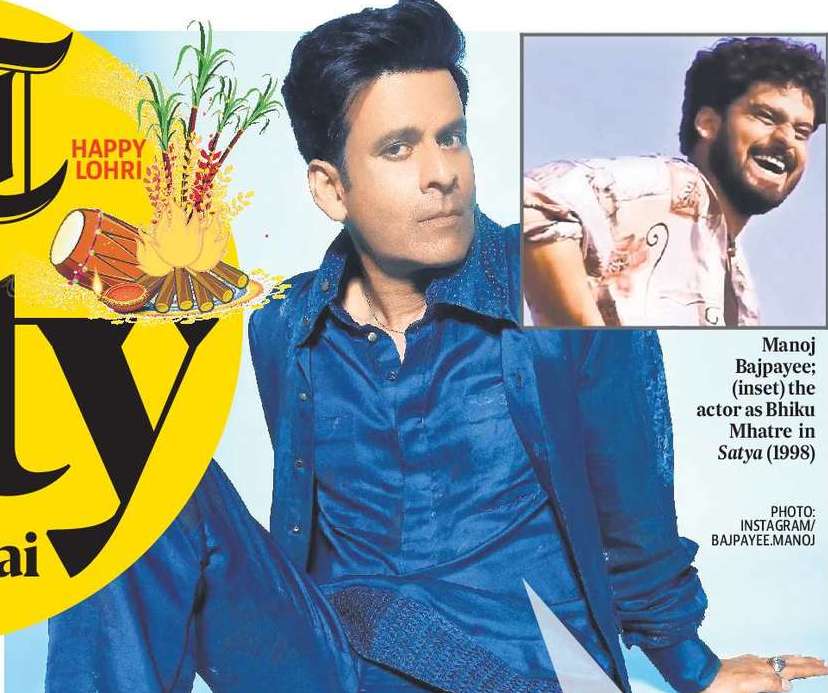
Rishabh Suri (HINDUSTAN TIMES; January 13, 2025)
Actor Manoj Bajpayee’s career took a dramatic turn with the release of Ram Gopal Varma’s iconic gangster saga, Satya (1998), in which he played Bhiku Mhatre, the head of a notorious Mumbai underworld gang. The role catapulted him into the spotlight, cementing his position as one of the most promising actors in the industry.
Now, with the film re-releasing in theaters on January 17, Bajpayee tells us, “There is a generation that has grown up without experiencing the magic of Satya. I am happy that they will get to watch on the big screen what they might have been hearing from their elders all these years. They can now find out for themselves why it was such a cult and unforgettable film.”
Not many know that Bajpayee sourced his outfits for the role, worked on his accent by picking it up from his cook, and devoted two months to preparation before the shoot. Reflecting on his career before Satya, the 55-year-old admits, “I wasn’t expecting anything for myself in this lifetime. However, I soon realized that God had different plans. I felt the difference in how I was treated by the industry post-Satya and I will always cherish the euphoria my character created.”
He adds, “For two years, whatever (films) I did after Satya was compared to it. For some people today, Gangs Of Wasseypur (2012) has created that magic, for others, it’s The Family Man, Shool (1999) and Raajneeti (2010). I am happy that I got an opportunity to experiment.”
“Satya not only changed my life, but also gave hope to so many people to leave their comfort zone and chase their dreams,” he wraps up.
"Not a gangster drama," says Manoj Bajpayee on his next with Ram Gopal Varma
8:47 AM
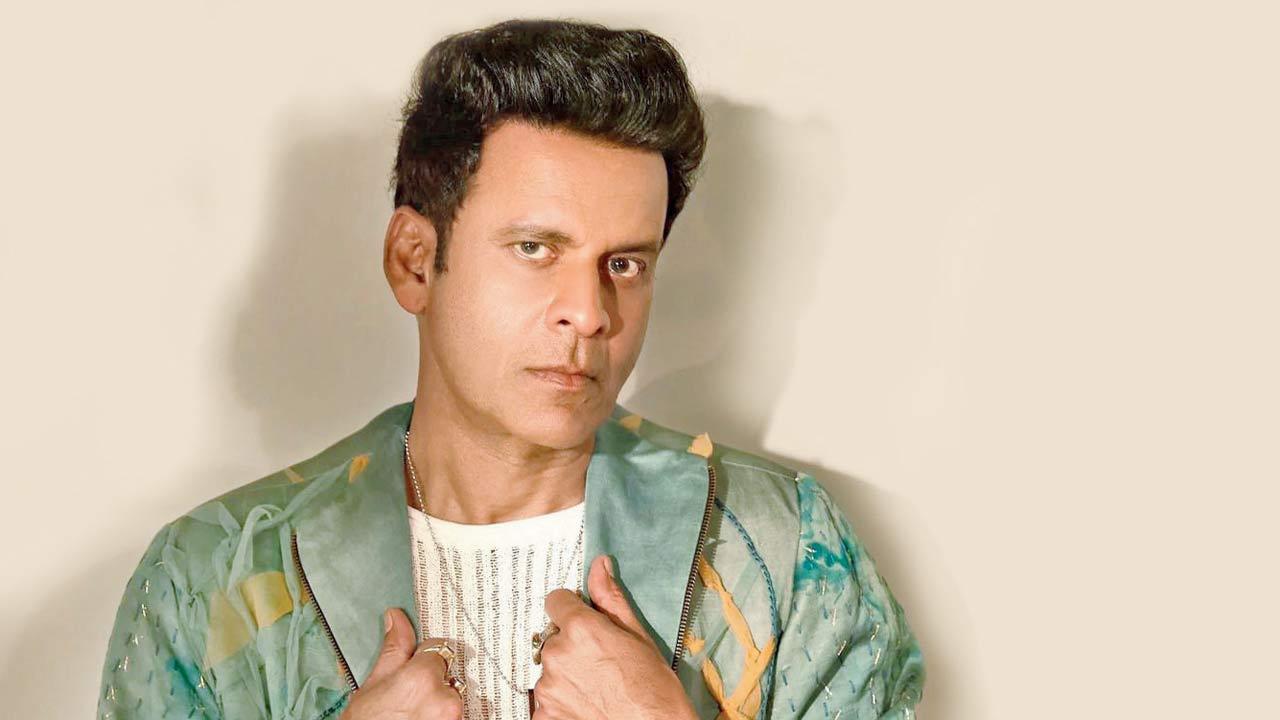
Announcing his reunion with his filmmaker-mentor Ram Gopal Varma, Manoj Bajpayee reveals their next isn’t a gangster movie; shares his reluctance about featuring in Satya 2
Upala KBR (MID-DAY; December 9, 2024)
Filmmaker Ram Gopal Varma’s Satya (1998) gave Bollywood two gifts—an iconic gangster drama, and a powerhouse performer in Manoj Bajpayee. Their collaborations since have resulted in experimental films, some hits, others misses. Now, the actor is set to reunite with his mentor for a movie, seven years after their last collaboration, Sarkar 3 (2017). Almost as if reading our mind, the first thing Bajpayee tells us is that it’s not a gangster drama.
“I am doing Ramu’s next project. As soon as the script is ready and a window opens in my schedule, we’ll do it. It’s not a gangster film, but it will be a vintage Ram Gopal Varma film,” he promises.
When it comes to the actor-director duo, one can expect unconventional stories. Think the psychological thriller Kaun (1999), or the road-trip-gone-wrong thriller Road (2002). What can we expect this time?
“[A few months ago], Ramu called me saying that he has a story developing in his mind; he hasn’t shared [the details]. Ramu has given me a career, and I always tell him that if he asks me to stand in any frame, I will stand there. He’ll call me after a few days with the storyline.”
Sequels are money-spinners these days. Would he and Varma consider a sequel to Satya, or their cop actioner, Shool (1999)? Bajpayee picks Shool 2 over Satya 2. “To see my character Samar Pratap Singh again, in a retired stage, would be an interesting storyline. He is on the verge of retirement, looking back at the life he had and how he has lost everything,” shares the actor.
Tell him his fans would love to see him reprise the role of Bhiku Mhatre from Satya, and he says, “I cannot play Bhiku Mhatre at my age today as he was a fireball; I don’t have that energy today. I’ll be happy if you just give me a chair to sit on and perform. There are no gangsters in our modern corporate world today. The mafia is all wiped out.”
Irrespective of whether it’s an original story or a sequel, Bajpayee is simply glad to team up with the filmmaker again. It is Varma’s rebellious streak that the actor values the most.
He shares, “Ramu brings unpredictability to the scenes. He is unpredictable and I love that about him. There is a rebel in him even at this stage, a revolt against all that is conventional. That makes his films far more exciting.”
Anurag Kashyap ko mujhse aur mujhko Anurag se laalach hi nahin hai kisi cheez ka-Nawazuddin Siddiqui
6:47 AM
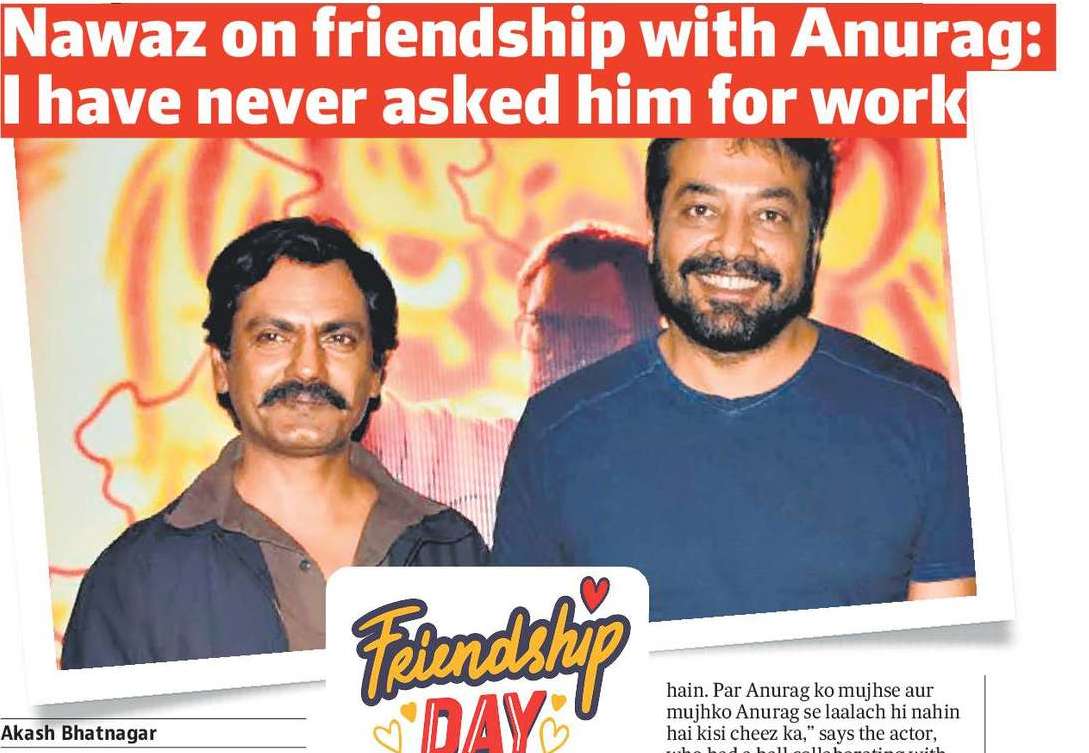
Akash Bhatnagar (HINDUSTAN TIMES; August 3, 2024)
Actor Nawazuddin Siddiqui met filmmaker Anurag Kashyap for the first time on the set of Shool (1999), and their first interaction was the latter dissuading him from taking up the job he was there for. “Anurag had seen my work in Sarfarosh (1999) and he told me to not do Shool, as it was a small part. He wanted me to wait for a bigger role, but I had to take it up as I needed work,” says Siddiqui, as he talks about his bond with Kashyap ahead of Friendship Day tomorrow.
Talking about their equation, the 50-year-old adds, “When we met for the first time, I felt, ‘Yeh meri vibe ka banda hai’. I had this feeling that he would always take care of me. There was that connection, as he gives off such positive energy.”
Siddiqui feels what sets their friendship apart is a balance between work and personal equation. “I have never asked Anurag for work. Hamari industry mein jab kaam waali dosti hoti hai, tab differences aane start ho jaate hain. Par Anurag ko mujhse aur mujhko Anurag se laalach hi nahin hai kisi cheez ka,” says the actor, who had a ball collaborating with Kashyap, 51, on Gangs Of Wasseypur (2012).
Ask if they ever had any creative differences while working together, and Siddiqui shares, “Creative differences are always there, but mazaa tab hi hai jab mil kar ek raay par pahuchein. Jab main chaaron taraf se phans jaata hoon, I go to Anurag for advise, and he always pulls me out of it.”
Is there anything about Kashyap that he’d like to change? “Carelessness,” says the actor, adding, “He is very careless when it comes to his health.”
After Shool, people stopped offering me anything lesser than lead roles-Manoj Bajpayee
8:49 AM
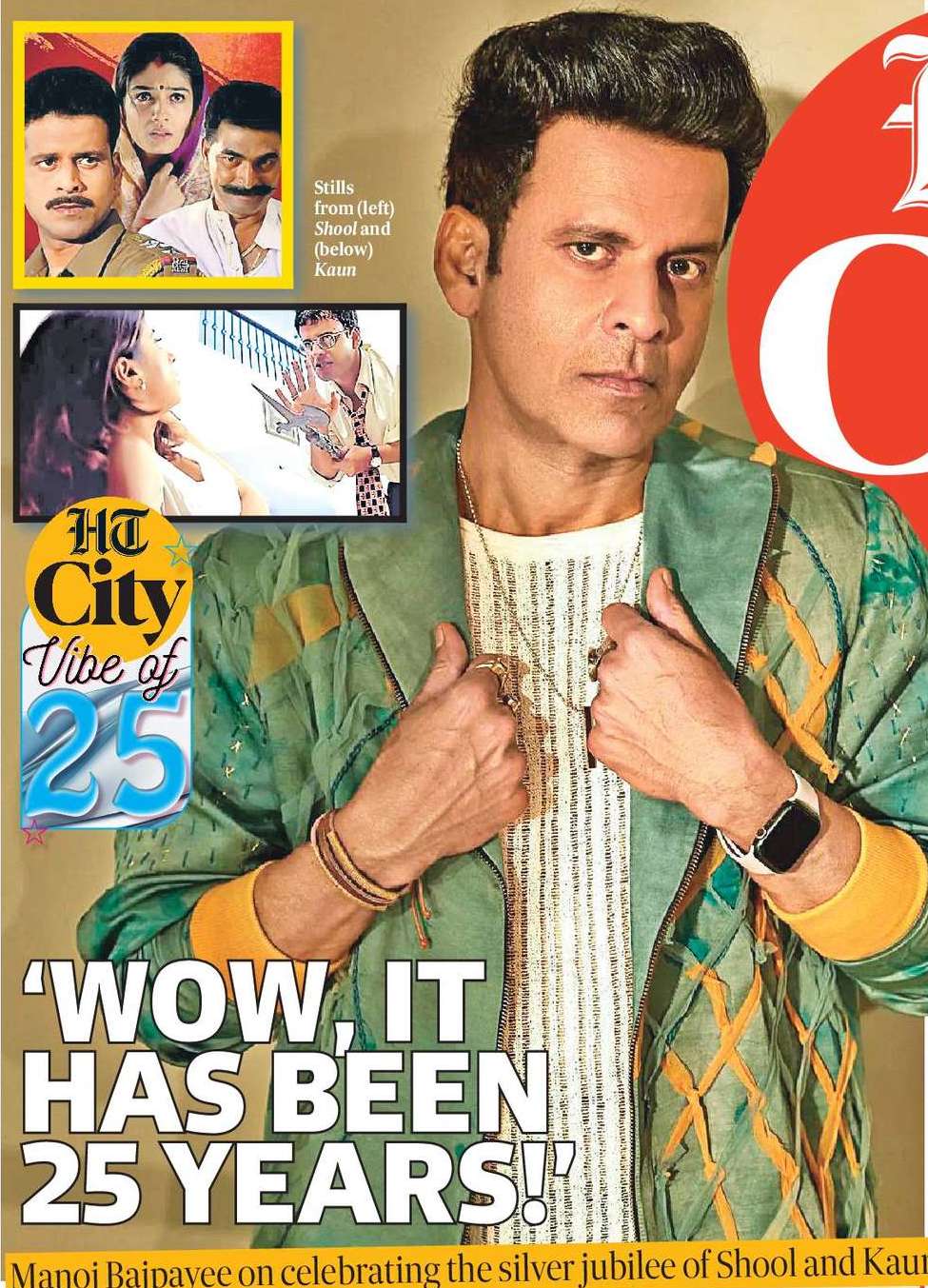
Manoj Bajpayee on celebrating the silver jubilee of Shool and Kaun, and his ‘special connection’ with HT City
Sugandha Rawal (HINDUSTAN TIMES; March 2, 2024)
“Wow, it’s been 25 years! It doesn’t feel like that at all,” says an amused Manoj Bajpayee. Joining HT City’s silver jubilee celebration, the actor is excited to also celebrate his films Shool and Kaun (both 1999) reaching this milestone.
Looking back at his journey as an actor, Bajpayee says, “These films played an important part in my career. They gave me new respect [in Bollywood]. Shool showed the industry that Manoj is lead actor material. Before that, they saw me in supporting roles in Satya (1998) and Kaun. People stopped offering me anything lesser than that (lead roles). Shool is now a cult film.”
Shool saw him play a police officer navigating the politician-criminal nexus in Bihar, while Kaun was a suspense thriller. As both the films were vastly different from each other, the 54-year-old feels they gave him a perfect chance to show his versatility. “The audience saw me doing different things. These films and the response they got reassured me that I’m going in the right direction,” he ends.
The HT City connect
Before Shool was released, I was invited for a launch in Delhi. I remember HT City coming up [and talking] to me. There, I also met the late (actor) Rishi Kapoor, who said good things about the film. So, HT City is connected with my memory of Shool. I wish everyone at HT City all the best for the future.
Sukhee got me the most praise in 30 years-Shilpa Shetty
11:05 AM

Rishabh Suri (HINDUSTAN TIMES; December 27, 2023)
Shilpa Shetty Kundra looks back at 2023 with a smile. Why? It’s her 30th year as an actor. As someone who has stayed relevant over the decades, Kundra was appreciated for her role in Sukhee. “I felt it should have been a direct-to-OTT release. We make a lot of movies and garner love and fan following because of the characters. But the kind of appreciation I got for Sukhee was something I’d not received in all these years,” says the 48-year-old, whose career began with the thriller Baazigar in 1993.
Talking about reinventing herself, the actor says it’s more challenging to please the audience today: “When I started out, the audience was different, because the exposure was much lesser for us vis-à-vis the audience. They were easy to please. Today, we are exposed to the point of being trolled. So, you have to constantly be a people pleaser.”
Looking back at the highs of her career so far, Kundra adds, “I started off with a small role in a platinum jubilee hit, then evolved to being a mainstream heroine with Dhadkan (2002), reached the pinnacle of popularity with songs like Chura Ke Dil Mera (Main Khiladi Tu Anari; 1994) and Main Aayi Hoon UP Bihar Lootne (Shool; 1999)... Then came international fame, with winning Big Brother, shifting gears with films like Life... In A Metro (2007). These have been major milestones in my career so far.”
Ram Gopal Varma told me, ‘I can only picture you dancing to Ankhiyon Se Goli Maare’-Raveena Tandon
8:15 AM

As she is honoured with Padma Shri for her 32-year contribution to arts, Raveena recounts how she challenged glam-doll stereotype to front hard-hitting films
Upala KBR (MID-DAY; January 30, 2023)
When Raveena Tandon heard that she had been conferred the Padma Shri, the fourth-highest civilian award given by the Indian government, her first reaction was not joy. Instead, she double-checked whether the news was true. “After the news sank in, I missed my dad [producer Ravi Tandon]. I felt that he was my guiding angel all through last year, as I won [multiple] awards. I felt overwhelmed and got teary-eyed after I heard I got the Padma Shri,” she begins.
The mood is naturally joyous at home. The actor says that husband Anil Thadani and son Ranbir Vardhan are one-upping each other in their bid to attend the ceremony with her in Delhi. She laughs, “Both are getting their suits ready, and telling one another that the other is not going with me.”
For the actor, the recognition comes after a 32-year run in the industry. While her filmography today boasts movies from mainstream and independent cinema, Tandon admits that at the time, it wasn’t easy to shed her glamorous image and bag author-backed roles in Shool (1999), Daman (2001), and Satta (2003).
“It was a conscious decision to step into arthouse cinema while doing commercial films with song-and-dance. [At the time], I felt stagnated and wondered how long I could keep doing these glamorous roles wearing stylish outfits. I had to push the boundaries of acting. Initially, it was tough to go beyond my glamorous image. I had to convince directors to cast me. When I wanted to do Shool, director E Niwas wanted to cast me, but producer Ram Gopal Varma wasn’t convinced. He told me, ‘I can only picture you dancing to Ankhiyon Se Goli Maare.’ [Eventually], when I was doing a poster shoot for Shool, Ramu walked past me. [I had transformed for the role] and he couldn’t recognize me.”
Movies aside, Tandon has become the first delegate from the entertainment industry to participate in W20 India, the arm of G20 that focuses on gender equality and women’s economic empowerment. Representing 675 million Indian women is an honour, says the National Award-winning actor.
“Having this summit is a fantastic opportunity to empower women and provide them with more rights for their social and economic participation. We want to bring to the fore the achievements of women delegates, and the issues that have been plaguing them in professional and social sectors.”
Banning and boycotting doesn’t do any good to any industry or any society-Manoj Bajpayee
8:03 AM

The actor feels creative liberty and dissent should be respected
Kavita Awaasthi (HINDUSTAN TIMES; February 25, 2021)
With the rise in content consumption on streaming platforms, Manoj Bajpayee is not only enjoying a successful ride on the web, but is also delighted by the fact that his older films are being rediscovered by audiences.
“The respect I’ve got over the years has grown and the emergence of OTT has added to it. Today, people are looking up my films, which is quite flattering. Many of my earlier releases are getting the attention that they didn’t get when they had released in theatres. Theatres, too, didn’t give these films enough shows or slots or the respect back then. Pinjar (2003) and Kaun (1999) have been favourites with viewers and even Satya (1998) and Shool (1999). Getting compliments even after so many years, is really inspiring and encouraging,” says Bajpayee.
With his hit web show, Family Man and the ongoing OTT boom, the Padma Shri awardee is elated that actors today have so many choices but cautions that they should choose wisely.
“Don’t rush. There are many exciting, interesting and out-of-the-box stories being offered to me, but I would never do anything for the heck of it,” he shares.
As he waits for the second season of his show to drop, ask him about the recent controversy with Tandav, and how makers ended up deleting some scenes and the kind of precedence it set, and he says, “I haven’t seen the show and if the makers have done it, it depends on them. I think people should be a little patient and forgiving when it comes to creative content. If they don’t agree with something they can voice their opinion, even encourage like-minded people not to watch it, but not ask for a ban or boycott. Banning and boycotting doesn’t do any good to any industry or any society. I am not in favour of it. There are many social media posts I don’t agree with but I don’t want them to be taken off as I believe a healthy debate and discourse is a sign of a healthy democracy,” says the two-time National Award winner.
His last film, Suraj Pe Mangal Bhari (2020) released in theatres and he will soon be seen in a web original film.
How important are box office numbers to him, as OTT doesn’t quite measure a film’s popularity on that benchmark? “I believe that each film should be should be measured on the basis of quality, not on how many crores it earned. This yardstick is ruining the intention of filmmaking in India. OTT has brought in a huge change and I hope it continues to create interesting content,” Bajpayee adds.
Ayushmann Khurrana inspired by Amitabh Bachchan’s, Aamir Khan’s and Manoj Bajpayee’s no-nonsense cop acts
8:52 AM
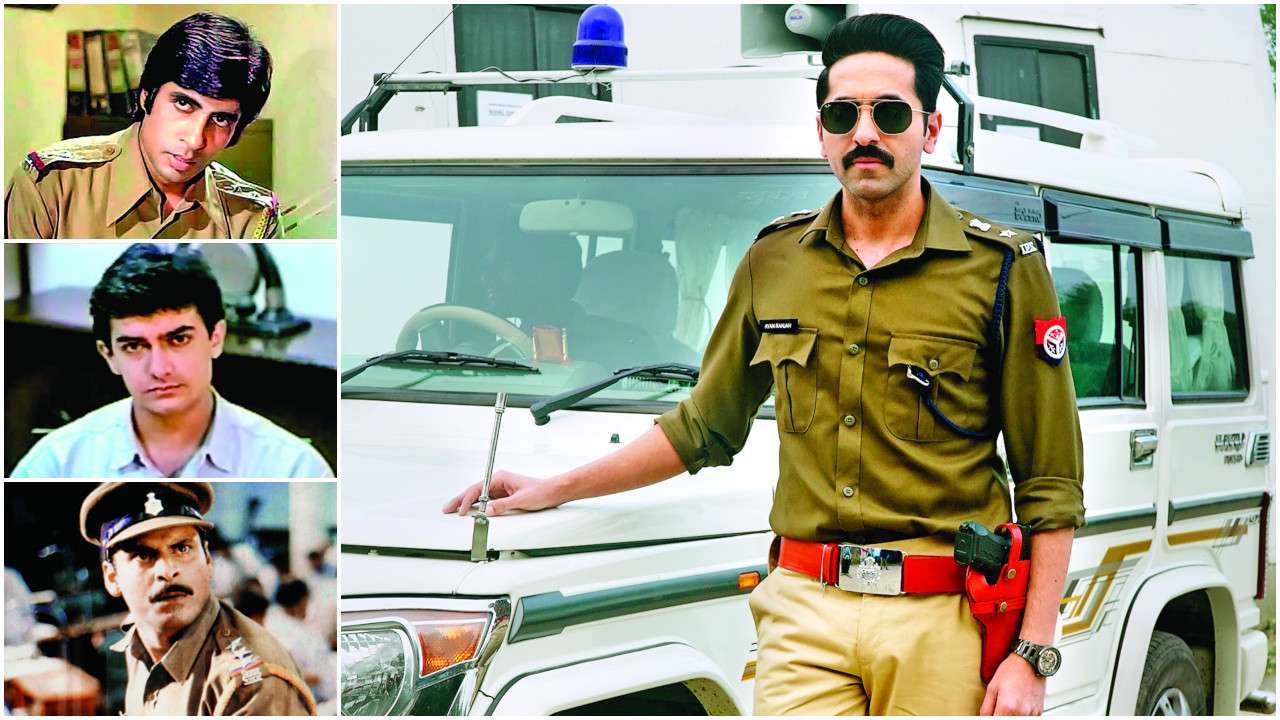
Hiren Kotwani (DNA; June 3, 2019)
The teaser of Article 15, which recently released, has resonated with cinegoers and also got Ayushmann Khurrana a lot of praise for his portrayal of a no-nonsense cop. Given that it’s an honour for every mainstream actor to essay a police officer on screen, Ayushmann, too, has always desired to don the khaki uniform for a movie role.
What is interesting to note is that he sought his inspiration from the characters of Amitabh Bachchan’s Vijay Khanna (Zanjeer, 1973), Aamir Khan’s Ajay Singh Rathod (Sarfarosh, 1999) and Manoj Bajpayee’s Samar Pratap Singh (Shool, 1999). That’s why he preferred to wait for a strong subject. And going by the response the teaser has generated, it looks like it has been worth the wait. Ayushmann essays a unique cop who’s zealous about bringing about a change in society in this Zee Studios production.
The AndhaDhun actor says, “My idols for playing a cop on screen are Amitabh Bachchan sir from Zanjeer, Manoj Bajpai sir from Shool and Aamir Khan sir from Sarfarosh. I wanted to go the realistic way and show the vulnerable side of cops. More than that I was keen to meet real cops and then portray my character in a certain way. Thankfully, I was in touch with lot of real-life officers... one of which is Manoj Malviya — a senior IPS officer from Delhi. It is part of the bucket list for every actor to play a cop on screen and I was waiting for the right script.”
The investigation drama premieres at the 10th London Indian Film Festival later this month. The Anubhav Sinha directorial will open the fest.
Excerpts: The role Nawazuddin Siddiqui was ashamed to play
7:59 AM
In a forthcoming memoir, the actor recalls his struggling days when he fainted on the street from hunger and 'slept' onscreen
THE TIMES OF INDIA (October 22, 2017)
I decided to pack my bags and leave for Mumbai, certain that I would be given a red-carpet welcome because I was from NSD. Almost immediately, reality slapped its icy water on my starry-eyed face and cut my dreamy wings. Forget the red carpet, work seemed as scarce as drizzle in drought-prone lands.
Without money trickling in, affording rent, affording food, affording cigarettes, affording girlfriends, affording even transport to get to those auditions, becomes a series of battles. Cheap luxuries like bananas and dry roasted channa kept me going. Very soon, I had to give up on them as well. Then came the days when my friend and roommate, Vijay Raaz, and I went on a strict diet: we had Parle-G (glucose) biscuits and tea for breakfast; we had Parle-G biscuits and tea for lunch; we had Parle-G biscuits and tea for dinner.... Soon, even the Parle-G diet ended.
It was another of those afternoons in Mumbai that I spent roaming under the scorching sun. This time I was waiting below the building where my senior Manoj Mishra resided. He was working in television, so he would probably have some money. I was hoping he could give me an udhari of Rs 100 or so. When he came down and I asked him, he said, 'Nawaz, I have only 100 rupees. I can give you 50.'
'Okay. Theek hai. Pachas hee de de yaar! (All right, give me 50!)'
He had work but had not been paid. Just like I had not been paid for Shool in spite of multiple trips to the production offices, begging them for what was my due. (Finally, they had offered me a meal instead, which my starving belly had gratefully accepted.)
Manoj went to one of the shops around the corner to get change. When he returned with two 50-rupee notes and handed one of them to me, he asked, 'When can you return the money, Nawaz? I have no more. This is all I have.'
I assured him, 'As soon as I get money, I will return it to you.'
But Manoj knew that I was not getting any work. He was concerned. 'Listen, Nawaz, go to your home town if you are not getting any work. It is okay. What can you do?' he advised kindly.
Just then I struck the wall of his building and fainted, falling to the hot ground. He sprinkled cool water on my face. I regained consciousness.
'What happened, Nawaz?'
'Yaar! I don't know. I have not eaten for three or four days,' I told him.
And I burst into sobs. He began crying too. We were not crying out of starvation. Our tears were tears of despair. When would this torture end? Were we so manhoos (ill-fated) that we had no right to a silver lining?
There was a casting director called Jogibhai. During one of those especially desperate phases, I called him a dozen times. 'Jogibhai, please give me some work. I am desperate. Any work will do. Small, big, anything at all. Please, Jogibhai!' I pleaded. He relented on the final call.
'All right, Nawaz. Go to Film City. There is an ad shoot happening there. Go and meet the chief AD (assistant director). I have spoken to him about you.'
'Thank you, Jogibhai! Thank you, Jogibhai!' I exclaimed, more in relief than gratitude.
'They need two guys. So get someone else too.' He hung up.
There is no dearth of struggling actors. I got someone quickly. Both of us walked from Four Bungalows in Andheri to Film City in Goregaon on foot for the 7 am shoot. The ad was for some brand of air-conditioned buses. The two of us were in the crowd, playing roles of junior artistes. All the actors looked engaged in activities, like passengers usually are. Some were playing cards. Somebody was reading a newspaper. Somebody was knitting a sweater. I had declared that I would sleep. It sounds simple, but it was actually a strategic move on my part. Kaam ka kaam and nobody would even notice that I was in this role since my face would be hidden. I was a bit ashamed to play this role since I was an actor and not a junior artiste or what they call an extra in the West. At the end of the shoot, the chief AD gave us a total of Rs 4000, Rs 2000 to the actor who accompanied me and Rs 2000 to me. Before the creases of our smiles could broaden, a man interrupted us. He was the coordinator of junior artistes. 'Who are you guys?' he asked in a stern voice. 'We are artistes,' we replied cautiously. 'What artistes?' he demanded. 'We are junior artistes,' we replied sheepishly.
'Okay. Show me your cards,' he said, stretching out his hand to take and inspect the cards we did not have. 'We have no cards. We are actors.' 'If you are actors, then why are you here doing the work of junior artistes?' he demanded.
'We had no work, sir. So we did this. Please understand, sir,' we pleaded. After a moment's silence, he asked us, 'Did you get paid?' 'Yes.' 'How much?' 'Two thousand per person.' 'All right. So you have two choices,' he explained. 'Either you give me 1000 rupees each or I send both of you to jail.' We reluctantly handed over half of our payment to him and walked out of Film City that evening in silence. Right outside was a bar. I believe it was called Sudarshan Bar, but I am not sure. We still had 1000 rupees each. So we drank rum, Old Monk. And we ate Chinese food. Actually, we ordered everything we could: chicken chilli, shahi paneer, rotis, fried rice . . . who knew when we could afford to eat again!
(Excerpted from An Ordinary Life: A Memoir with permission from Penguin Random House India)
THE TIMES OF INDIA (October 22, 2017)
I decided to pack my bags and leave for Mumbai, certain that I would be given a red-carpet welcome because I was from NSD. Almost immediately, reality slapped its icy water on my starry-eyed face and cut my dreamy wings. Forget the red carpet, work seemed as scarce as drizzle in drought-prone lands.
Without money trickling in, affording rent, affording food, affording cigarettes, affording girlfriends, affording even transport to get to those auditions, becomes a series of battles. Cheap luxuries like bananas and dry roasted channa kept me going. Very soon, I had to give up on them as well. Then came the days when my friend and roommate, Vijay Raaz, and I went on a strict diet: we had Parle-G (glucose) biscuits and tea for breakfast; we had Parle-G biscuits and tea for lunch; we had Parle-G biscuits and tea for dinner.... Soon, even the Parle-G diet ended.
It was another of those afternoons in Mumbai that I spent roaming under the scorching sun. This time I was waiting below the building where my senior Manoj Mishra resided. He was working in television, so he would probably have some money. I was hoping he could give me an udhari of Rs 100 or so. When he came down and I asked him, he said, 'Nawaz, I have only 100 rupees. I can give you 50.'
'Okay. Theek hai. Pachas hee de de yaar! (All right, give me 50!)'
He had work but had not been paid. Just like I had not been paid for Shool in spite of multiple trips to the production offices, begging them for what was my due. (Finally, they had offered me a meal instead, which my starving belly had gratefully accepted.)
Manoj went to one of the shops around the corner to get change. When he returned with two 50-rupee notes and handed one of them to me, he asked, 'When can you return the money, Nawaz? I have no more. This is all I have.'
I assured him, 'As soon as I get money, I will return it to you.'
But Manoj knew that I was not getting any work. He was concerned. 'Listen, Nawaz, go to your home town if you are not getting any work. It is okay. What can you do?' he advised kindly.
Just then I struck the wall of his building and fainted, falling to the hot ground. He sprinkled cool water on my face. I regained consciousness.
'What happened, Nawaz?'
'Yaar! I don't know. I have not eaten for three or four days,' I told him.
And I burst into sobs. He began crying too. We were not crying out of starvation. Our tears were tears of despair. When would this torture end? Were we so manhoos (ill-fated) that we had no right to a silver lining?
There was a casting director called Jogibhai. During one of those especially desperate phases, I called him a dozen times. 'Jogibhai, please give me some work. I am desperate. Any work will do. Small, big, anything at all. Please, Jogibhai!' I pleaded. He relented on the final call.
'All right, Nawaz. Go to Film City. There is an ad shoot happening there. Go and meet the chief AD (assistant director). I have spoken to him about you.'
'Thank you, Jogibhai! Thank you, Jogibhai!' I exclaimed, more in relief than gratitude.
'They need two guys. So get someone else too.' He hung up.
There is no dearth of struggling actors. I got someone quickly. Both of us walked from Four Bungalows in Andheri to Film City in Goregaon on foot for the 7 am shoot. The ad was for some brand of air-conditioned buses. The two of us were in the crowd, playing roles of junior artistes. All the actors looked engaged in activities, like passengers usually are. Some were playing cards. Somebody was reading a newspaper. Somebody was knitting a sweater. I had declared that I would sleep. It sounds simple, but it was actually a strategic move on my part. Kaam ka kaam and nobody would even notice that I was in this role since my face would be hidden. I was a bit ashamed to play this role since I was an actor and not a junior artiste or what they call an extra in the West. At the end of the shoot, the chief AD gave us a total of Rs 4000, Rs 2000 to the actor who accompanied me and Rs 2000 to me. Before the creases of our smiles could broaden, a man interrupted us. He was the coordinator of junior artistes. 'Who are you guys?' he asked in a stern voice. 'We are artistes,' we replied cautiously. 'What artistes?' he demanded. 'We are junior artistes,' we replied sheepishly.
'Okay. Show me your cards,' he said, stretching out his hand to take and inspect the cards we did not have. 'We have no cards. We are actors.' 'If you are actors, then why are you here doing the work of junior artistes?' he demanded.
'We had no work, sir. So we did this. Please understand, sir,' we pleaded. After a moment's silence, he asked us, 'Did you get paid?' 'Yes.' 'How much?' 'Two thousand per person.' 'All right. So you have two choices,' he explained. 'Either you give me 1000 rupees each or I send both of you to jail.' We reluctantly handed over half of our payment to him and walked out of Film City that evening in silence. Right outside was a bar. I believe it was called Sudarshan Bar, but I am not sure. We still had 1000 rupees each. So we drank rum, Old Monk. And we ate Chinese food. Actually, we ordered everything we could: chicken chilli, shahi paneer, rotis, fried rice . . . who knew when we could afford to eat again!
(Excerpted from An Ordinary Life: A Memoir with permission from Penguin Random House India)
I don't cope with the lows, I know how to live with them-Manoj Bajpayee
7:52 AM

Roshni Olivera (BOMBAY TIMES; March 26, 2017)
He was rejected by the
National School of Drama (NSD) not once but four times, and years later,
he is considered a powerhouse of talent. But Manoj Bajpayee would
rather stay grounded and be grateful for the “highs“ he
has seen in his career. The “lows“ have been a lot more, he admits, but
even
those contributed to his growth as a person. As he gears up for his next release, Naam Shabana, the actor speaks
to BT about the choices he has made in life and what makes them all so
unique. Excerpts:
What prompted you to do Naam Shabana? Was it because of filmmaker Neeraj Pandey?
Yes, it was Neeraj all the way. He is a friend and someone who I really admire. He takes my opinion on every film he does, which is really nice of him. In this case, I chose the role and he reworked it. I play an intelligence chief, who's Shabana's mentor. He shows no emotion and for him, his country comes before everything else.
What about your other film maker friend Ram Gopal Varma, who is directing you in Sarkar 3?
To be directed by him is quite an honour. This is the fourth film he is directing me in. Ramu is an amazing mind. People may have many things to say about him and the misfires he has had in his career. But the fact is that Ramu will never walk on a track that's smooth; he likes to walk on the edge and I like that about him.
What do you have to say about Ramu's penchant for courting controversy?
He has his opinions and I don't necessarily agree with everything. But during the shoot, I do what he wants me to do as an actor. That's what matters.
You too are opinionated and believe in speaking your mind. Has that posed a problem in an industry where diplomacy rules?
I don't think diplomacy really helps. If you don't deliver, nothing's going to help you. At the most, you will get a couple of small roles from some big production houses. You are expected to be professional and deliver. I think it's only for these reasons that I have survived with so many downs and very few ups in my career.
How do you cope with the lows?
I don't cope with the lows, I know how to live with them. I look at the offers and try and choose the best. If the offers are not exciting enough, I choose to go back to my village or Delhi. It's about filling the vacuum productively. People tend to get affected and they let the lows decide whether they are capable or not. That becomes the reason for their frustration and depression. In my case, if the offers are few and I have plenty of time, I'd rather go back to my hometown, reconnect with people and fill my empty pockets with loads of experiences.
Have you actually done it?
I have always done it; I just don't announce it to the world. If you let failure determine your course of action, you are living in a fool's paradise. It will only suck you in further and you are too good for that. Yes, at such times, the one worry is how to keep the kitchen fires burning, but that too, gets managed somehow by doing one big role. Also, I have never increased my needs and that has helped me.
You played hero in a few films and thereafter came a lull. Was that the biggest low you experienced in your career?
In those days, I did three to four hero-type films, but actually, they were all character-oriented roles. We had to put songs in those films, so that they could be sold. And I still don't feel good about it. Satya was originally made without songs, but they were added later. In Shool too, a song was included because that was the market requirement. Interestingly, those are considered some of my best films. So, the way I see it, I have played good roles, the rest were market diktats. Honestly, I am amazed that I have survived so long in the industry.
After films like Budhia Singh - Born To Run and Aligarh, for which you were appreciated, aren't you in a happier space?
It's a good space because somewhere, people have come to terms with the fact that he has not gone anywhere, he is still there (laughs). It is a comfortable space where people are letting me be; somewhere, they have given up being judgemental about me.
Coming back to Naam Shabana, you recently said that you have too many lines in the film...
If you put together everybody's dialogues and take a look, the number of lines I have are far more. I had to deliver them in a rather unemotional manner. That was tough, but we managed. My character has shaped up really well.
There's another Shabana in your life, your wife. How has she changed you?
Her contribution is far more than anybody else's. She has tweaked my personality completely. Our values were always the same and that's why we got married, but she has convinced me to do things that I was shy of doing. For example, she convinced me to compliment women who I always appreciated. I was open-minded but earlier that didn't come across because I didn't voice it. Now I do. Shabana was always into mainstream cinema, but now, she analyses parallel films very well, too. I really value her opinion. While she appreciates my films, she has also made me realise that working at home is no less than acting in front of the camera. She demands that I help her when ever I'm at home. That levels me. She makes me feel real.
She is an actress too, having done films like Kareeb and Fiza. Does she miss being in front of the camera?
Yes. She recently did a commercial and has been getting acting offers, too. She may take up something that she likes, but she is clear that it shouldn't be too time consuming because she wants to be with our daughter, Ara.
You were rejected by NSD many years ago. Now with all the laurels, do you feel vindicated?
I have so much respect for NSD that the term 'vindicated' doesn't even come to my mind. I feel very humbled when they call me for a session. The institute and I have mutual respect and it has grown over the years. They take great pride in my work and I take pride in visiting their campus. Even this year, I have given them four five days, where I will share my experiences with the students.
Do you wish to join politics at some point in your life?
I am a keen observer and I do have an opinion, but politics is a full-time job. I will not take it up, as I love my current job too much.
What prompted you to do Naam Shabana? Was it because of filmmaker Neeraj Pandey?
Yes, it was Neeraj all the way. He is a friend and someone who I really admire. He takes my opinion on every film he does, which is really nice of him. In this case, I chose the role and he reworked it. I play an intelligence chief, who's Shabana's mentor. He shows no emotion and for him, his country comes before everything else.
What about your other film maker friend Ram Gopal Varma, who is directing you in Sarkar 3?
To be directed by him is quite an honour. This is the fourth film he is directing me in. Ramu is an amazing mind. People may have many things to say about him and the misfires he has had in his career. But the fact is that Ramu will never walk on a track that's smooth; he likes to walk on the edge and I like that about him.
What do you have to say about Ramu's penchant for courting controversy?
He has his opinions and I don't necessarily agree with everything. But during the shoot, I do what he wants me to do as an actor. That's what matters.
You too are opinionated and believe in speaking your mind. Has that posed a problem in an industry where diplomacy rules?
I don't think diplomacy really helps. If you don't deliver, nothing's going to help you. At the most, you will get a couple of small roles from some big production houses. You are expected to be professional and deliver. I think it's only for these reasons that I have survived with so many downs and very few ups in my career.
How do you cope with the lows?
I don't cope with the lows, I know how to live with them. I look at the offers and try and choose the best. If the offers are not exciting enough, I choose to go back to my village or Delhi. It's about filling the vacuum productively. People tend to get affected and they let the lows decide whether they are capable or not. That becomes the reason for their frustration and depression. In my case, if the offers are few and I have plenty of time, I'd rather go back to my hometown, reconnect with people and fill my empty pockets with loads of experiences.
Have you actually done it?
I have always done it; I just don't announce it to the world. If you let failure determine your course of action, you are living in a fool's paradise. It will only suck you in further and you are too good for that. Yes, at such times, the one worry is how to keep the kitchen fires burning, but that too, gets managed somehow by doing one big role. Also, I have never increased my needs and that has helped me.
You played hero in a few films and thereafter came a lull. Was that the biggest low you experienced in your career?
In those days, I did three to four hero-type films, but actually, they were all character-oriented roles. We had to put songs in those films, so that they could be sold. And I still don't feel good about it. Satya was originally made without songs, but they were added later. In Shool too, a song was included because that was the market requirement. Interestingly, those are considered some of my best films. So, the way I see it, I have played good roles, the rest were market diktats. Honestly, I am amazed that I have survived so long in the industry.
After films like Budhia Singh - Born To Run and Aligarh, for which you were appreciated, aren't you in a happier space?
It's a good space because somewhere, people have come to terms with the fact that he has not gone anywhere, he is still there (laughs). It is a comfortable space where people are letting me be; somewhere, they have given up being judgemental about me.
Coming back to Naam Shabana, you recently said that you have too many lines in the film...
If you put together everybody's dialogues and take a look, the number of lines I have are far more. I had to deliver them in a rather unemotional manner. That was tough, but we managed. My character has shaped up really well.
There's another Shabana in your life, your wife. How has she changed you?
Her contribution is far more than anybody else's. She has tweaked my personality completely. Our values were always the same and that's why we got married, but she has convinced me to do things that I was shy of doing. For example, she convinced me to compliment women who I always appreciated. I was open-minded but earlier that didn't come across because I didn't voice it. Now I do. Shabana was always into mainstream cinema, but now, she analyses parallel films very well, too. I really value her opinion. While she appreciates my films, she has also made me realise that working at home is no less than acting in front of the camera. She demands that I help her when ever I'm at home. That levels me. She makes me feel real.
She is an actress too, having done films like Kareeb and Fiza. Does she miss being in front of the camera?
Yes. She recently did a commercial and has been getting acting offers, too. She may take up something that she likes, but she is clear that it shouldn't be too time consuming because she wants to be with our daughter, Ara.
You were rejected by NSD many years ago. Now with all the laurels, do you feel vindicated?
I have so much respect for NSD that the term 'vindicated' doesn't even come to my mind. I feel very humbled when they call me for a session. The institute and I have mutual respect and it has grown over the years. They take great pride in my work and I take pride in visiting their campus. Even this year, I have given them four five days, where I will share my experiences with the students.
Do you wish to join politics at some point in your life?
I am a keen observer and I do have an opinion, but politics is a full-time job. I will not take it up, as I love my current job too much.

Subscribe to:
Posts (Atom)