Showing posts with label Abhay Deol interview. Show all posts
Showing posts with label Abhay Deol interview. Show all posts
As a DJ, I feel more confident now to perform in front of people-Abhay Deol
10:03 AM

Kanksha Vasavada (BOMBAY TIMES; May 4, 2024)
Abhay Deol, who dons many hats (actor, producer, art lover), recently made his debut as a DJ at a newly opened arcade, Ballers Ahmedabad on Sindhu Bhavan Road, Ahmedabad. The Zindagi Na Milegi Dobara (ZNMD) actor tells us, “I love music and used to make mixtapes as a child. I learnt how to work on a DJ console, and this was a natural progression. Now, I can mix the music that I have collected over the years and play it.”
He adds, “I feel humbled by the response I received for my gig. Amdavadis are really warm.” Will he do a DJ tour now? “It is a hobby and I will be back to shoot for films soon. But as a DJ, I feel more confident now to perform in front of people. So, if I get offers, I may be up for it unless I am busy.”
‘I don’t label films as mainstream or independent’
Is it a conscious choice to choose films that aren’t exactly mainstream? He says, “I am always attracted to scripts that are relatable, insightful yet entertaining. I choose films that aren’t completely arthouse or completely mainstream. Be it Socha Na Tha, Dev D, Oye Lucky Lucky Oye or ZNMD, all my films have managed to strike a perfect balance between the two.”
Abhay, who has done independent movies like Road, Movie, adds, “Also, I don’t label films as mainstream or independent. For me, the subject is the main thing. When we use words like ‘independent’ for a film, it means it wasn’t mainstream, and was difficult to make and sell. I make movies that usually don’t get made. They get labelled as independent films as they don’t have the backing of big producers, distributors or directors. Even Ek Chalis Ki Last Local, Oye Lucky… were called independent films back then but had a big producer backed them, that wouldn’t be the case.”
‘Had a great time while working with Shabana Azmi and Zeenat Aman’
Abhay recently wrapped up the film Bun Tikki, which also stars Zeenat Aman and Shabana Azmi. Both the actresses have worked extensively with his uncle Dharmendra, whom he lovingly calls ‘papa’. Abhay says, “I had a great time. Zeenat Aman is the most warm, sweet, and polite person you will meet, and extremely professional. I have also known Shabana for a while. Zeenat ji feels papa is a gentleman, while Shabana is fond of him too. They remembered the good old days of working with him.”
‘Feel blessed that people love my film choices’
Having played unconventional characters, does he feel people expect that from him now? Abhay says, “I feel an actor’s image is built organically. I have always experimented with my characters. So, if my image is that I experiment with my roles, and people say they love my choices, it’s a blessing. I feel humbled. I want to do challenging roles-things that I haven’t done before.”
‘Being rebellious got me this far’
In recent times, Abhay has spoken about how he could have done certain things (like handling fame after Dev D) differently in his career. Elaborating on it, he shares, “When you are young and inexperienced, you are ignorant about certain things. As we grow up, we deal with the same situations in a more mature way. I was a rebel, but I am more diplomatic now. Being rebellious got me this far, as it was difficult to make the kind of movies I wanted. While the movies I made between 2005 and 2007 are considered relevant today, it was hard to make them back then. Now, I feel that being diplomatic is going to take me ahead.”
‘I hope that OTT platforms evolve more’
Abhay, who has done OTT projects like JL50 and Trial by Fire, believes there is room for improvement (for OTT platforms). He says, “When a medium is new, it has nothing to lose and you can experiment with everything. But once you grow bigger, you have a certain responsibility, and you tend to take fewer risks. When organizations prioritize business over creativity, the downfall begins. So, I hope that platforms can evolve more because I feel it’s time to be bold and take risks once again.”
I found fame intrusive and ran away from it, which I regret now-Abhay Deol
8:52 AM

Jaspreet Nijher (BOMBAY TIMES; April 3, 2024)
After the stellar success of his dark comedy Dev D, Abhay Deol says he was unable to handle the fame, and he left the country. In Chandigarh for a film festival, Abhay spoke about how he feels vindicated today about his choice of films in his initial years.
“Cinema, with its larger-than-life persona, was considered a means of escapism back in the day,” he said, adding, “But while growing up I didn't want another escape, I wanted to retain my authenticity.”
On the question of catering to popular tastes while making films, he said, “I didn’t agree with that idea because I thought if I didn't like my movies, how will the audience appreciate it? Indian filmmakers were making only one kind of cinema and by always conforming, how can we create change?”
However, after Dev D, Abhay got scared of fame. “I had issues with fame because I had seen its repercussion on my family and found it intrusive. So, I ran away from the country and thought the worse was going to happen. I didn't like the idea of marketing myself, and thought it was cheap. So, I missed the fame that followed, which I kind of regret now,” he said.
Abhay’s choices of films were met with skepticism during that time. “When my films didn’t work, they criticized me. When they did, they said, ‘you are 10 years ahead of your time’. The struggle of dumbing yourself down was always there, though I proved my point with Oye Lucky! Lucky Oye!”
Commenting on modern day content Abhay says despite the evolution of cinema, the struggle remains. “Just because my web series Trial By Fire was a success, doesn’t mean acceptance comes easy now and is still a struggle,” he said, adding, “Though digital space is limitless, OTT is also looking for subscribers. Till there is resilience of some filmmakers to create change, and as long as they have strength to do so, change will continue.”
I don’t believe in cancel culture, but I support those who want a genuine change-Abhay Deol
8:05 AM
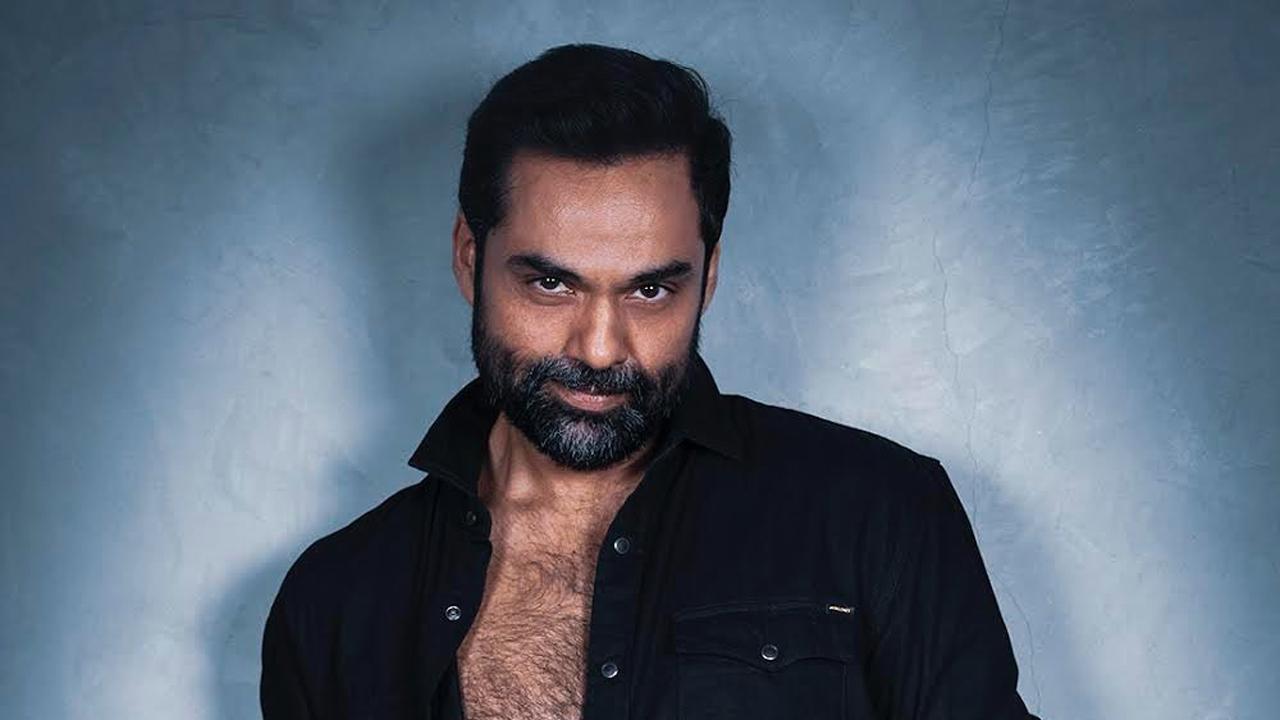
Renuka Vyavahare (BOMBAY TIMES; April 27, 2023)
Social media has given the common man the power to express and challenge the status quo. However, with power comes responsibility and some tend to exploit it to spread hate or serve personal agendas. Actors and our movies have often faced the wrath of the ‘Boycott Bollywood’ brigade, and that phase raises its head occasionally. While it’s fair to question or disagree, Abhay Deol, during a conversation with us, gave his take on the cancel culture that ostracizes actors and their films.
He said, “Technology has allowed information to flow quickly, but also misinformation to flow quickly. Everybody has power. Those with a conscience and the ones with an agenda are equally powerful today. So, it’s a mixed bag. There will be people calling out the film industry for not changing as rapidly as the world. There are also those with an agenda, who just want to boycott and ban things because it serves their personal agenda. I do not believe in the cancel culture and bans.”
Abhay, who was recently seen in the web series Trial By Fire, elaborated, “For me, the human condition and people aren’t black and white. However, I support those who want a genuine change. There are people who legitimately do not watch Bollywood films because they cannot relate to it. There is a universal cinematic language that we haven’t been a part of because we are catering to our bubble. Those people are in the right to ask for a change. Those with an agenda are just taking advantage of situations. Let’s not demonize the entire Hindi film industry for making movies that have an audience.”
There’s a certain section of the audience that will go ahead and watch the film so that they can express their dislike towards it. Abhay explained, “Some people will buy tickets to hate-watch certain movies, but they will buy that ticket and that’s the truth.”
I don’t fit in, but after 17 years, I’m still around-Abhay Deol
8:17 AM
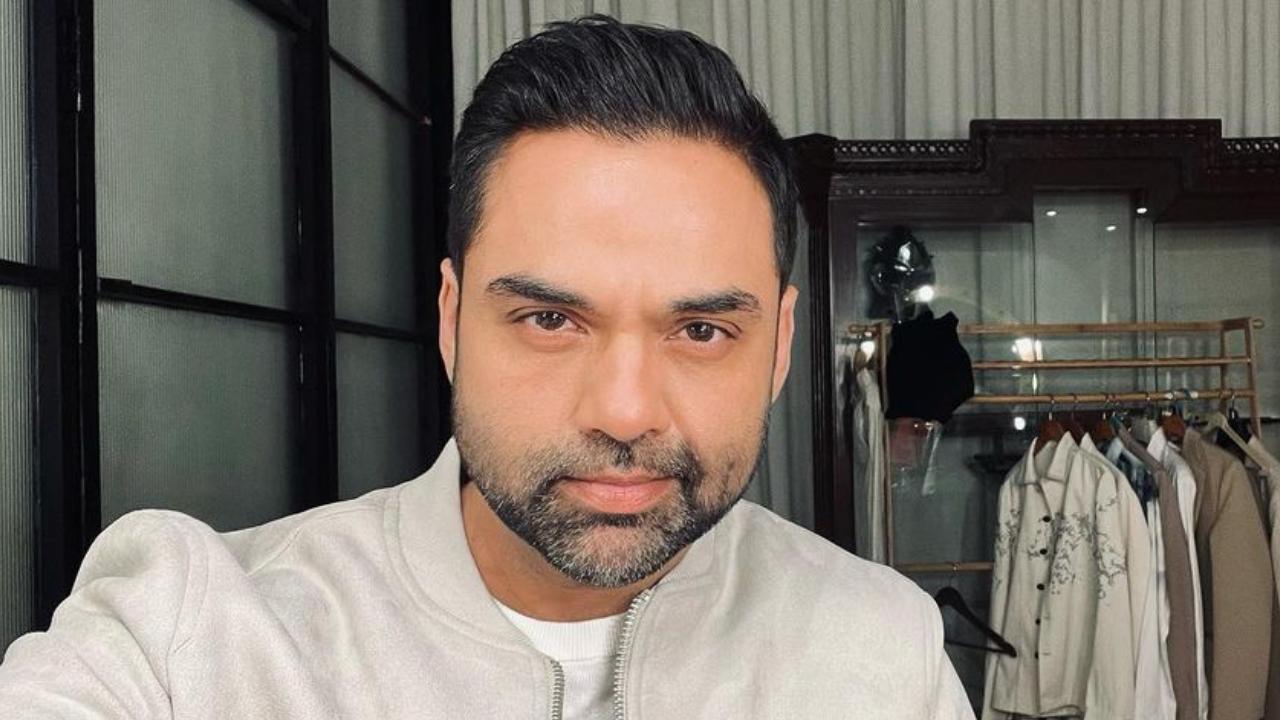
Renuka Vyavahare (BOMBAY TIMES; March 3, 2023)
In an industry where a lot of actors prefer diplomacy over frankness and prefer to follow the herd mentality, Abhay Deol has always stood by his own rules. He has a mind and a voice of his own that don’t crumble under pressure. And, of course, his choice of movies and other projects strongly reflect his belief and thought process. In an interview with Bombay Times, the actor talks about his career, beliefs, choices and how the industry accommodated him though he dared to do things differently. Excerpts:
Speaking your heart out is often misinterpreted as defiance or disrespect. Has your outspokenness worked as a double-edged sword for you?
In our space, speaking up can be mistaken as disrespect. All you are doing is speaking your mind and being honest. No one’s there to tell you whether you are right or wrong. You are just frowned upon, but that’s okay. I don’t think I was labelled as a troublemaker, so I would say the film industry has been accommodating towards me.
They may not have agreed with my methods, but they respected the stands I took. It’s highly possible that I may have lost work because of my outspokenness, but that’s okay. It’s just the consequence of you being you. There will always be work. It’s been 17 years, and I am still around. People like my work and I feel grateful. I have no regrets, anger or bitterness towards anyone. I am in a good space, and so is the industry.
As a globe-trotting actor, did you ever feel out of place in Bollywood?
I did find myself out of place. I was born in the industry, so I am very much an insider, but I became an outsider. However, I can’t be considered an outsider because I was born into a film family. So, I am neither here nor there. There was a learning process for me. I still don’t necessarily fit in, but there are a lot more people like me in the industry today than at the time that I started out. Time heals everything. I am glad I stuck to my guns.
Based on the Uphaar Cinema tragedy (1997), your recent web show Trial By Fire was a moving, undramatic portrayal of grief and the pursuit of justice. How difficult was it to revisit the incident and tap into that state of mind?
It wasn’t difficult getting into the role because the tragedy was so hard…. The pain of losing a child. So maybe you can imagine what your parents would go through if you had died. None of that is easy to deal with. Falling into that sort of tragedy because it’s a true story was easy, but getting out of that zone was difficult. This was a real incident; these are real people. You are not portraying fiction, so you can empathise and understand these people easily. It was hard to get out of it because you couldn’t shake off the fact that you just reenacted a trauma that some people went through.
Some of the films that you did back in the day were ahead of their time. Today, we are seeing that kind of content being created for OTT. For an actor like you, isn’t this phase conducive for the type of projects that you like to be associated with?
There’s a lot more of provocation, experimentation and bringing out individual artistes and their voices today than when I started out. Getting non-formulaic movies made back then was more difficult. I mostly worked with directors at the beginning of their career because they were the ones with the freshest ideas. They weren’t under the pressure of commercial constraints. I came up with more indie movies because when I was working on them, the multiplexes were just coming up. For a brief period, there was experimentation so I could bring out films like Dev D, Honeymoon Travels Pvt Ltd, Ek Chalis Ki Last Local, Oye Luck! Lucky Oye and Manorama Six Feet Under. Once the multiplexes were established and stopped expanding, things went back to what they were before, which means less experimentation. With the OTT platforms coming in, they have opened doors for people like myself too.
I was born an insider, but I pretty much lived as an outsider-Abhay Deol
8:53 AM
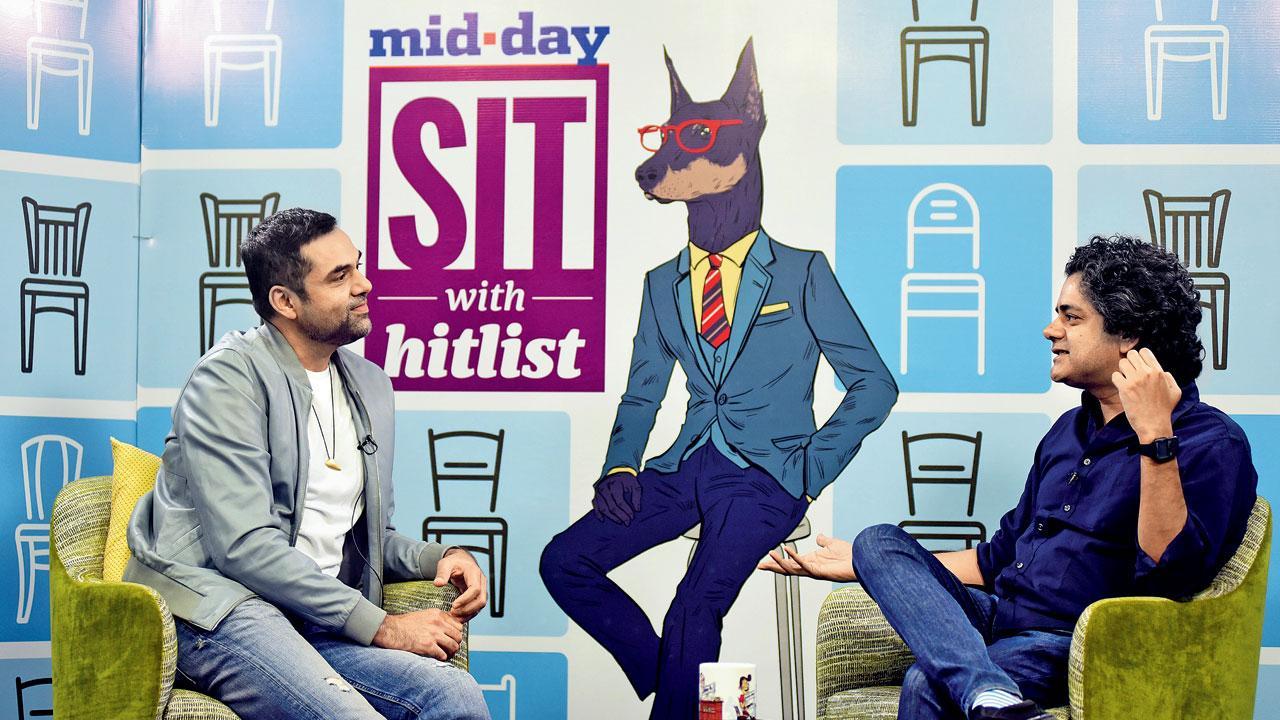
Abhay Deol with mid-day’s entertainment editor Mayank Shekhar at the latest edition of Sit with Hitlist. Pics/Shadab Khan
Decoding the rise & fall of Mumbai film industry’s ultimate insider-outsider!
Mayank Shekhar (MID-DAY; January 21, 2023)
Shortly after our conversation, before a live audience, Abhay Deol is scheduled to meet Shekhar Krishnamoorthy, the person he plays in the Netflix series, Trial By Fire — based on the life of a middle-class Delhi couple, who fought the city’s top real-estate developers, post the death of both their children, in the 1997 Uphaar Cinema fire tragedy.
Which is also when we realize Deol had chosen to consciously stay away from the real-life inspiration for his part, during the process of making the series. Deol is Punjabi by ancestry, unlike Krishnamoorthy, with the most Tamil surname. In fact, Deol has played a Tamilian before this.
That was as the bureaucrat Krishnan, for Dibakar Banerjee’s Shanghai (2012). In an episode dedicated to Deol’s films, on a podcast named Khabardaar, that I was listening to before meeting the actor, the hosts — shout-out to wonderful ladies, Aparita Bhandari, Baisakhi Roy—make an observation on Deol’s walk onscreen. They believe it is the same in all his films. Except, Shanghai, if you notice the minutiae.
Firstly does he agree, and was that consciously so, I ask Deol: “There are physical characteristics that I suppose you don’t change easily. You’re unaware of them. With Shanghai, that may be true. Not that I consciously worked on my walk, though. I did have to work on my accent. Krishnan is a Tamil Brahmin.”
“And I had to put on a Hindi, like a Tamilian would speak it, which is hard to find. Because no Tamilian really speaks Hindi — they speak to you in English. Also, we don’t have an infrastructure of accent training for actors in our country. So we found this out-of-work Tamilian writer, who I worked with, and developed a system [for it].”
If we must get deeper into this accent thing still, for instance, Deol recalls, “I hope I haven’t mixed up my memory, but I was really working on the phonetics — there is no ‘ha’ sound in Tamil, and there is no ‘ba’. In Tamil, you could pronounce my name closer to ‘Apaay’. Stuff like that was insightful. This is besides mimicking my accent-trainer off-camera — so I would know how he might say my dialogues.”
The ladies of Khabardaar podcast might wanna notice this the next time they watch Shanghai. Krsihnamoorthy in Trial By Fire, Deol points out, is different from Krishnan, because he’s a Tamilian, but essentially from Delhi.
He has what one could call a more neutrally North Indian or ‘Delhi’. Which is also a character Deol has played in Oye Lucky Lucky Oye (OLLO) — another real-life person he obviously didn’t meet, before playing him on screen. Bunty Chor was the local swindler, where would you find him?
OLLO (2008) tragically released in theatres, when the “the firings were still on” during 26/11 terror attacks in Mumbai. My favourite memory of OLLO is an off-screen one from the film’s BTS video online, where a dog is after Bunty Chor (Deol), who’s jumping off a tall building-gate. Banerjee asks him to turn around for the camera, so the audience knows the lead actor performed this himself, instead of a body-double.
Deol says, “It’s fun doing stunts, as much as I can. I think Dibakar was a bit surprised about how easily I was scaling such a large gate, and he said he wanted people to see it!”
Sticking to Delhi, and characters inspired by actual events/people still, how about Anurag Kashyap’s Dev D (2009). I learnt this much after watching the film that the role was in fact somewhat based on Deol’s own life. Meaning, obsession in love, and indeed experiments with drugs. If true, kindly elaborate?
“Well, I wanted to contemporize the (Sarat Chandra Chatterjee) book, because I felt there was something wrong there — with such a male, patriarchal view of a man-woman relationship, where women are falling over Devdas. No matter what he does, he can never be wrong. I grew up in an environment, where drugs and alcohol were all available.”
“My Chanda (Kalki’s) character was far stronger than what eventually got made into the movie. She was an East European pole-dancing escort, who is fine the way she is — making great money, traveling the world. She takes pity on him (Dev). Obviously it worked for Anurag [that] she was as vulnerable as he [Dev], and she was a victim too. For me, he was the only victim. The women only grew stronger from there.”
Did he know the Polish escort? “I am not going to tell you! I know all sorts of people; let’s just put it that way. Yeah, I know a few escorts ‘n’ all.”
Let’s pause at the movie titles here: Banerjee’s Shanghai, OLLO. Kashyap’s Dev D. Also from a time when both Kashyap and Banerjee were the ‘new-age filmmakers’, early on in their directorial careers. I wonder what Deol thinks of the trajectory they took thereafter.
Frankly, he doesn’t have much to say, besides “conforming to commercial pressure” that becomes inevitable in some cases. He could sense the “creative genius of Banerjee in LSD (2010)”. As for Kashyap, I find it surprising that he hasn’t seen any of his films since Dev D! Not even Gangs Of Wasseypur (2012)? What; did they have a fallout or something, I ask.
“Well, [Kashyap] went in public, and said a lot of lies about me.”
For example? “One lie was that I demanded a [five-star] hotel room [during the shoot of Dev D]. He had actually come up to me and said, ‘Listen you can’t stay with us, you are a Deol. So, I want to put you up in a hotel room.’ He literally told me that. What he told the press was that I demanded it.” The reference here is to Deol’s profile published in Huffington Post (June 5, 2020).
He continues, “So, there was clearly a lot going on at the time, which was not professional. I had my heart on my sleeve, and all that is great — but you get taken advantage of, and then you get reactive. So, he [Kashyap] was a good lesson for me. Then I just avoided him, because I don’t need toxic people in my life. Life is too short, and there is so much more to explore. But he (Kashyap) is definitely a liar, and a toxic person. And I would warn people [about] him.”
This outburst is evidently in response to Kashyap’s quote about Deol in the Huffington Post report. Deol adds later, “I don’t look in the past. When Anurag said that crap about me in public, he sent me ‘apology’ messages.”
“He does that all the time. He was like, ‘You want to shout at me, scream at me…’ And I was like, ‘I don’t care. It’s been 12 years. You don’t feature in my thoughts even now; get over it.’ He said, ‘Forgive me, because I have had a bad day.’”
“I said you are forgiven. I never had a personal agenda. It was far bigger than just me. That is how I feel about everything. How much of this is he going to do? And I would have never taken his name and said the things, had he not gone public [either].”
Raking this up is important only because lead actors, or stars, have always been the medium to tell stories on screen — even if in the off-stream space, so to say. And by the mid Noughties, Deol was at the centre, if not the pioneer, of a movement of sorts, within Bollywood—picking up young, untested directors to star in their scripts/films, on a leap of faith, first.
“The first five movies of mine were all by first-time directors,” he recalls. Let’s pause again to name these debutants: Imtiaz Ali (Socha Na Tha), Shivam Nair (Ahista Ahista), Reema Kagti (Honeymoon Travels Pvt Ltd), Sanjay Khanduri (Ek Chaalis Ki Last Local), Navdeep Singh (Manorama Six Feet Under).
These are also films that got defined as Hindi commercial cinema, merging with an entertaining art-house — ‘H-indies,’ if you like. At least a couple of the directors did fairly well for themselves — after that firm footing in the film industry.
I can see why it’s got Deol a li’l pissed off now that I want him to dwell on what he thinks of their careers as well — he did like Ali’s Jab We Met, more than Rockstar, which in turn was still outside Ali’s usual “love-triangle zone”, and therefore a step-up: “Why am I commenting on all this — [is that] what the show/conversation is about?” Of course not.
I guess what we’re getting at is an oft repeated jibe that a lot of these directors — take Ali, for example, who got his debut due to Deol — never worked with him thereafter. Is that a fair observation, with anything deeper to it?
“And Anurag used to say, this is why directors [don’t work with me]… I know a lot of actors don’t want to work with him. But I see what you mean. Or where you are coming from. I did sense this feeling [later towards me]: ‘You know, you are not big enough!’”
“Which is ironic, because when I worked with them, neither were they! You either believe in someone, or a vision — even if it goes against the norm. Or you can say, I will keep my vision, but I will acquire bigger powers [to execute it]. Because I will get more money, I suppose. Also, I was taking a lot of it on myself, and I know I made mistakes. I am searching for answers to give you, and I hate making it about me, when it’s about somebody else.”
Consider the career graph. In terms of box-office plus cult-grade, Zoya Akhtar’s multi-starrer Zindagi Na Milegi Dobara (2011) is possibly Deol’s high point. A string of seriously superb films right before, and after. And then there is s sharp slump 2013 onwards, almost a freefall.
He’s had a release almost every year. So he’s very much been around since. The films/series are, again, by mostly first-time directors, or fresh talents, at any rate; experimental in their own right.
You can have your views on, say, One By Two (2014), Happy Bhaag Jayegi (2016), Nanu Ki Jaanu (2018), Chopsticks (2019), What Are The Odds (2019)… Good or bad is a subjective take anyway. But you know, none of them are really, well, did he lose his mojo, how do I put it….
“It’s just a fact. You don’t have to justify [your question],” Deol comes to my rescue. As for the kind of work that comes your way, he says, “Everything is [a] collective [call]. And I don’t like talking about it, because I don’t want to come across sounding bitter, or a victim. I don’t care. But when you take a stand, then you take a stand. And that has consequences. Are you ready to face those consequences?”
Exactly what stand, for example, could do someone in? “I don’t know. Calling out people for endorsing fairness creams?” Would that mean those who endorse fairness creams would debar you right away?
“It is not as simple as that. I did a guest appearance in Shah Rukh’s Zero, and he is a really dignified man. But there is a collective [thing that happens]. Say, showing up with a black eye on a red carpet, and calling out Bhushan Kumar by name, and saying T-Series blah, blah. Or constantly saying, why do we only have song and dance [in our films]…”
Deol has been equally vocal, in public, about critiquing his own films, with misplaced intentions — whether that be Aisha (2010), or Raanjhanaa (2013). Surely that’s hardly mastering the art of winning friends and influencing people. But you can tell—frankly, he doesn’t give a damn. And that’s what makes him more fun than the current crop of polite suckers for boring heroes.
Also some of his criticisms could emanate from ideas he wished to champion, but found no takers, around that time. Navdeep Singh’s Basra famously got shelved. As did a zombie comedy called Rock The Shaadi, after shoot. I fish out an old video of him consulting a tarot card reader, in Simi Garewal’s TV show — to check if one of his dream projects would come true.
Deol remembers it was an international film, with debutant filmmakers from abroad, who nobody wanted to put money on. They still haven’t made the film, and he had to stop trying eventually.
“So yeah, post 2013, it was tough. I also took a backseat. Now I don’t want to go back and pretend like nothing ever happened, or be a different person — so, I am going to sit back, and see what comes my way. And quietly work. If that works, it works. If it doesn’t, so be it!”
As for the so-called song and dance, Deol says it’s not like he has an issue with the genre: “At least three ideas of mine are full of songs. One of them was Dev D (18 numbers in the soundtrack).”
The film was a major winner at the box-office, for its budget. Deol remembers, “Especially after Oye Lucky and Dev D, I had a red-carpet entry to whoever I wanted to work with. And this is not just because I had successes behind me. Also because I was so-and-so’s son, nephew, brother…”
Which puts him in a strange ‘middle’, in the nepotism debate, that is usually conflated to the ‘elite versus masses’ battle, pitched in the wider political/public space. Deol’s “anger and rebellion” within the family itself, he says, was his reaction to fame and its pitfalls. Something he had watched closely, growing up. Left to him, it appears, he’d rather be anonymous, but remain an actor — obviously a misnomer.
“I was born an insider, but I pretty much lived as an outsider,” says Deol. That said, his debut film was a joint-family release, from Vijayta Productions — mainly helmed by cousin Sunny, son of Uncle Dharmendra.
Interested in debutant Ali’s script, he took him to meet Sunny, who was happy to hop onboard the film, since the lead character was a lot like Abhay himself! Such is how Socha Na Tha was born, and two amazing careers took off. Only the film, that released during the low-key “exam-time, March” wasn’t hugely promoted as the proverbial ‘star is born’. Socha Na Tha is hugely loved still.
Which reminds me, why is the Deol firm named Vijayta in the first place? “On my sister, my cousin — she is younger to Sunny Bhaiya. So, it’s Sunny Deol, Vijeta and Bobby Deol? “No. Then there is [another sister], Ajeita. Then there is Bobby.”
Abhay’s father, late Ajit Singh Deol (Dharmendra’s brother), I hear, was also an actor. Except I couldn’t quite find a clip online to support this, I tell him. He smiles, “He did two movies, one of which he produced. They were all in the ’70s. One never got made. I remember Honey Aunty, Zoya’s (Akhtar) mum said the cutest thing to me once. That my father is the reason her film didn’t release. I was like, ‘What do you mean?’ She said that he had to hold her face, and he was shivering [through the scene]. She was the leading lady in that film. I didn’t even know it, because I never saw that movie!”
Insider-outsider is anyway a time/generation construct. Many of the outsiders Deol worked with at the beginning of his career are bona-fide insiders now. And maybe that’s what the revolt is about — to eventually get to the high table. The cycle continues.
“You hit success, then it doesn’t matter if you’re insider, or outsider. They all want to work with you. You have to understand it is also very cliquish — you are part of this, or that camp. I had access to all of them, but I was like, no!”
Living in the Deol household, he also had no “Bollywood Juhu gang” friends. Barring his schoolmate, director Vikramaditya Motwane, who wasn’t “Bollywood then”!
Everyone goes through their brash 20s — sometimes it lasts longer — “You wanna change the world!” I asked Deol what he thinks of, when he looks back at that decade, after which it appears, the world changes you, one way or the other!
Some of the things he says he’s learnt is being diplomatic —“also, not equating power and money, with corruption — that needn’t always be the case. Money is like energy, and it is something that you know you can make good use of — when you have a lot of it. I could do things a little smarter, to not be taken advantage of, or be gas-lit.
“Human condition is complex. Everything we have spoken about today are not black and white. You would think you’ve heard it all. There was a lot left out. Also, I am really lucky. I know I did create lot of trouble, but it was all intended for the right purpose. And I created change. People still refer to films I did 10-15 years ago.”
Which is true, once you glance at his filmography until 2013, starting 2005 — those who were born that year turn into adults in 2023, when we’re making this conversation with Deol, 46.
Also, in the intervening years, so much has changed with films itself: “The disruption we were looking at got brought in by technology itself.” So the ‘multiplex movie’ became ‘OTT content’.
Also, the Bollywood indie started hitting Rs 100 crore collections, with the likes of Ayushmann Khurrana, Rajkummar Rao. Deol was the OG ‘OTT star’, even before there were streamers: “I am not done yet. Maybe what I did was 20 years ahead [of its time]. Those 20 years have come!” Only the intentions may not be matching the outcomes for some time.
And then you watch Deol in Prashant Nair’s Trial By Fire on Netflix — a performance so subconsciously chilled, yet powerful. Without once making an unnecessary show of it. The series on the Uphaar Cinema fire tragedy is still about subtle and solid story-telling, that therefore makes the leads, the stars. Fair to say: welcome back, Abhay.
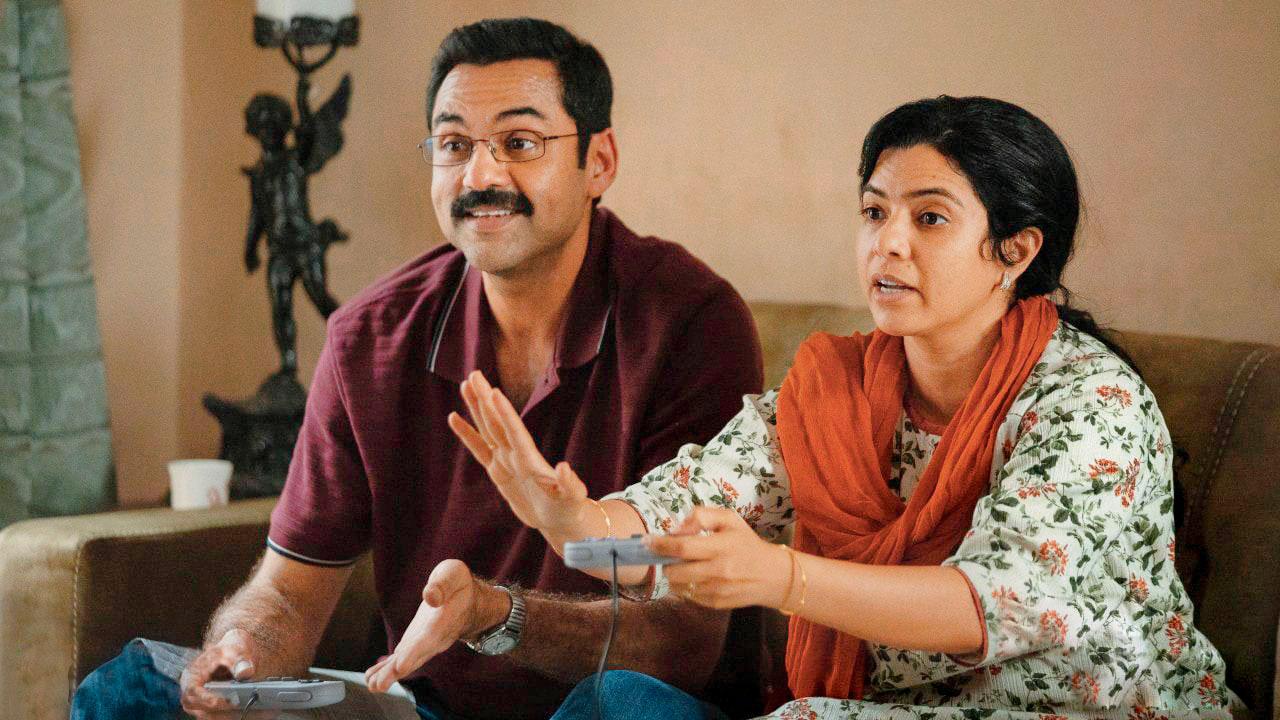
Abhay Deol and Rajshri Deshpande in Trial By Fire, which is based on the 1997 Uphaar cinema fire tragedy
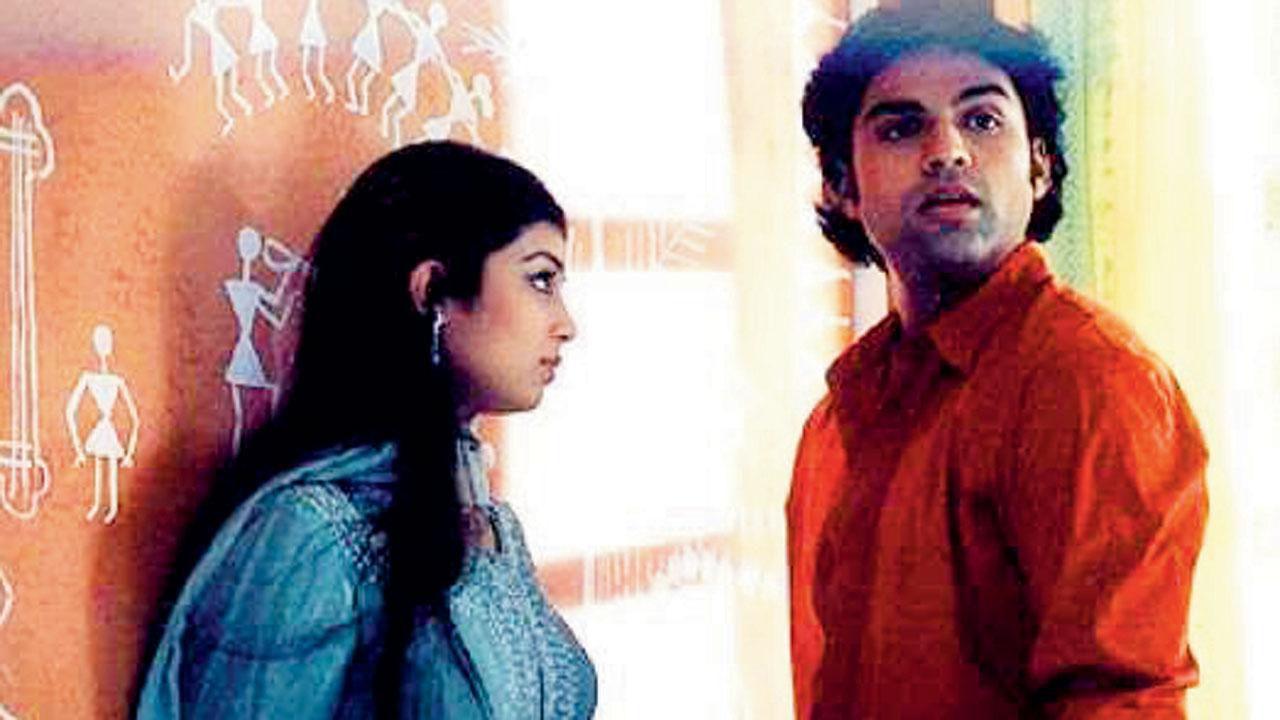
Still from Socha Na Tha (2005)
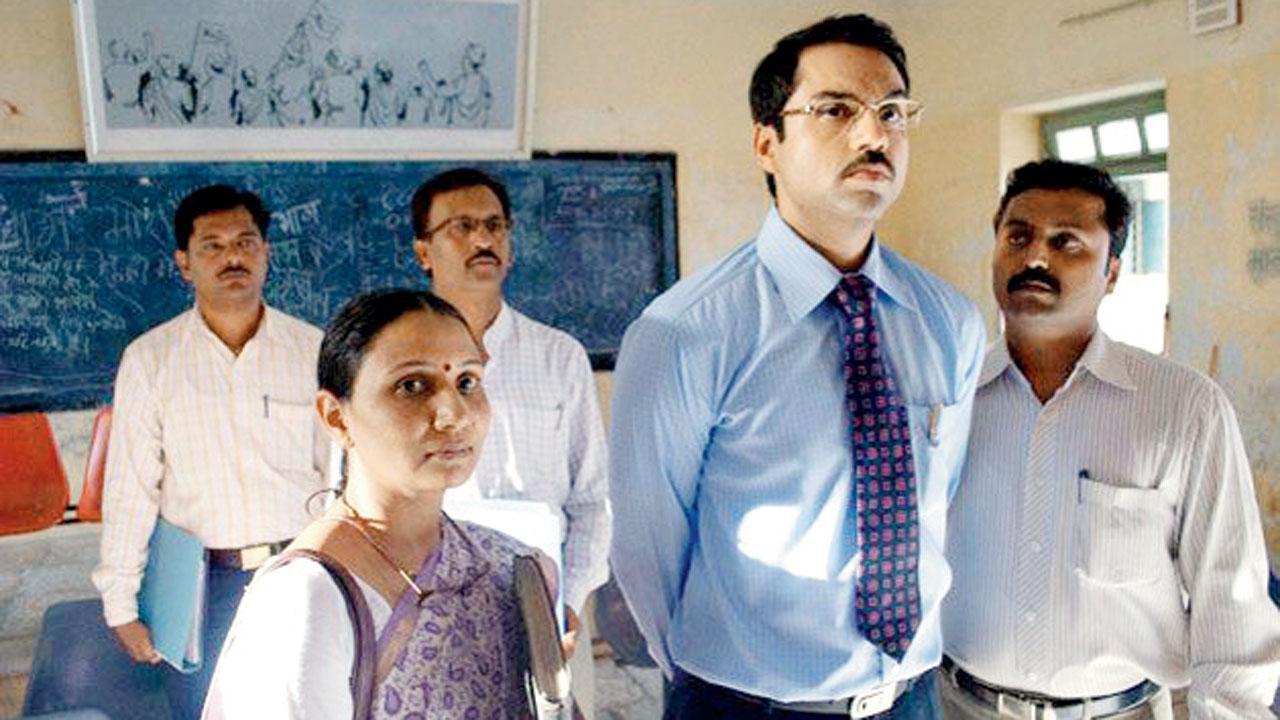
Shanghai (2012)
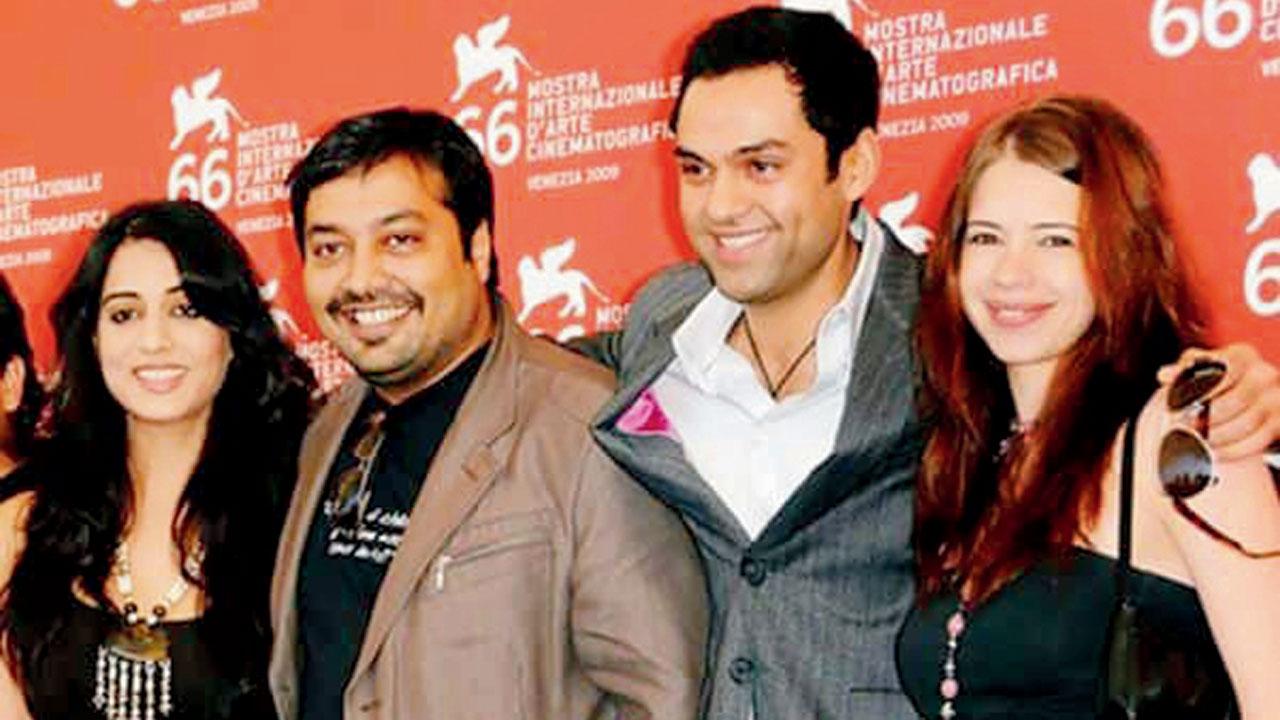
Abhay Deol with Anurag Kashyap, Kalki Koechlin, and Mahie Gill during the promotions of Dev D (2009)
I had to sacrifice stardom to be allowed the freedom to cater to the audience I wanted-Abhay Deol
8:26 AM

The actor says staying true to himself remains a challenge in the film industry
Sugandha Rawal (HINDUSTAN TIMES; August 2, 2022)
Ever since his film debut in 2005 with Socha Na Tha, actor Abhay Deol has walked on the road less travelled to find his own identity, unlike his more popular Deol siblings. And he reveals that the challenges have only grown with time. “I know I can do a lot more as an actor if given the chance. But it is harder to come by that chance,” Abhay says.
The actor, who is the nephew of veteran actor Dharmendra, adds, “Even though I did the films I did, it is difficult to stay in the field and be constantly pushing. There is a saying that ‘a man is not an island’; similarly, filmmaking is a collective process. You think it will become easier because you have delivered, but with the industry growing, the pressure for delivering on the investment is also higher.”
He reveals that he was told to do films for the audience and not himself, which irked him. “I found it extremely patronizing to say that you don’t have to like it as long as the audience likes it. I had to sacrifice stardom and big numbers to be allowed the freedom to cater to the audience I wanted,” he tells us.
Abhay went to carve his own space in the industry through projects such as Manorama Six Feet Under (2007), Oye Lucky! Lucky Oye (2008), Dev.D (2009), Zindagi Na Milegi Dobara (2011) and Jungle Cry. While his choices are often considered unique and unconventional, the 46-year-old says he never desired any such tag. “It is a tag I got because I was trying to make space for myself and stick to my authenticity in an environment that is so much about packaging and selling. I come from a [well-known] family. When I started (in films), the makers said, ‘You have a family that has an image, why don’t you just take advantage of that?’.” He adds, “That was the first thing that made things a little different.”
Ask about the way forward and Abhay asserts that he wants to continue to do projects that speak to him. What about trying his hand at direction? “I am open to the idea. I have found some comfort to have confidence for the same. The desire is growing by the day,” he ends.
You can only appreciate the beauty when you are not worried about putting food on your plate-Abhay Deol
8:12 AM

Shamayita Chakraborty (BOMBAY TIMES; October 6, 2021)
From reimagining retro burlesque posters to painting Albert Einstein in water colour, farmer’s protest and more, Abhay Deol’s social media posts have given us enough reasons to appreciate his inclination towards art. The actor recently visited to Kolkata to be part of his friend, artiste Harshit Agarwal’s solo exhibition. The exhibition came to an end with a talk, The Arts They Are A-Changing, in which Abhay was one of the speakers. In a quick chat with us, the actor talks about his recent picture with friend Shilo Shiv Suleiman that went viral, his love for arts and more. Excerpts:
Your recent photograph with artist friend Shilo Shiv Suleiman broke a lot of fans’ hearts.
(Laughs out loud) Please don’t take me seriously is what I would say.
We see a lot of your paintings on your social media.
(Laughs) It is a hobby and I paint every now and then. Not as often as I would like to. I put it up on my Instagram. I am not a professional though.
How conducive do you find our country to practice and perform arts of any form?
Honestly speaking, art is a luxury. Of course, there is a reason why richer nations invest a lot more in art than poorer nations. You can only appreciate the beauty when you are not worried about putting food on your plate. That’s the truth. But yes, we have the middle class who are doing well. There are people who are doing well. It’s not like we don’t have business that runs successfully, not like there isn’t infrastructure. We have had a lot more success in the past couple of decades than before. That has led to people having money to spend. So, you do see a lot of art and appreciation for it today than before I think.
You spend a lot of time at you home in Goa, what are your plans for the festive season this year?
We are, as a family, not so ritualistic. From a very early age I’ve noticed that on Diwali days, we burst a lot of crackers that end up irritating in my throat and spreading a lot of smoke in the atmosphere. On Holi, a lot of colours have chemical ingredients harmful for the body. So, I have always questioned since my childhood that if it’s not good for the environment, is it really good for god? I am very objective with festivals. In Indian culture, gods and goddesses represent the elements. It is one rare culture that worships nature. I think that is a beautiful part. We worship elements and our gods and goddesses represent those elements. I hope to see festivals that celebrate a clean environment and community.
You were in Kolkata when the city was gearing up for its biggest festival.
I haven’t participated in Durga Puja. But any festival that brings communities together, treats them equally, talks about harmony and peace between everyone is one that should be celebrated.
There needs to be right representation in Hollywood as it has been lacking for a long time-Abhay Deol
8:09 AM

Sugandha Rawal (HINDUSTAN TIMES; September 14, 2021)
As Abhay Deol navigates the larger-than-life terrain of Hollywood, he is glad that the industry over there is working hard to finally get to a point where they are writing and casting characters that accurately reflect the rest of the world. “I’m glad it is finally happening. There needs to be right representation in Hollywood as it has been lacking for a long time,” shares Deol, who has embarked upon a journey in the West with his latest film, Spin.
For the actor, getting the representation right is crucial since several youngsters look up to the entertainment medium to identify and understand their own culture as part of growing up.
“Kids, who look like us — whether from the Indian-American or the Latin-American or Asian communities, they need to see themselves represented the way they are, so that kids who grow up in that country feel like they belong,” shares the 45-year-old.
He reveals that Asian-Americans are happy to see someone like them on screen, and that is important. “I’ve been getting (positive) feedback after Spin, in which I play the role of father to a teenage daughter in an Indian-American set-up,” the actor shares.
Explaining his earlier point further, the Zindagi Na Milegi Dobara (2011) actor says, “It gives them a sense of belonging. Because a lot of kids who are from an ethnic community outside of the USA, and who were born and raised in the US, try and find where they belong by visiting countries where their parents come from [only to] realise that they don’t fit there. And they feel like they don’t belong in America either.” That leaves them in the lurch, and that’s why becoming inclusive should be the way forward, and is a big deal, feels Deol.
However, he doesn’t mean that ethnicity in the plotline should be forced to make a point as “making a statement without making it about ethnic identity is important”.
I am hopeful that like Priyanka Chopra, there will be more role models from South Asia to break stereotypes-Abhay Deol
8:29 AM

BOMBAY TIMES (August 19, 2021)
Actor Abhay Deol says showcasing Indian men as nerds and women as ‘exotic’ is one of the stereotypes American mainstream cinema should stop, as there are more to explore.
The actor said, “I think stereotyping people is a reality, whether it is in Bollywood or Hollywood. Even in our cinema, we stereotype few communities. But if we look at mainstream American cinema and television, I would say, we Indians are shown in two extremes. Onscreen, Indian men are usually shown as nerds and Indian women are shown as exotic, attractive and beautiful. This kind of stereotyping puts a community in a pigeonhole, which I do not like. Having said that, I do not want to look at the past anymore because we are changing the conversation with better roles, better representation and better storytelling. I see no reason to hold on to the past and sulk about it, we are storytellers, we should change it.”
Citing the example of Priyanka Chopra Jonas, Manjari Makijany, who recently directed the film, Spin, said, “She is the face of change that we want to see to break the stereotype of representation of south Asian characters. Casting actors like her in lead roles, whether it is in Quantico or in films in which she played a substantial part because of her talent, is the way forward. That is the way forward, instead of casting Indian actors like ‘taxi driver’ etc.”
She went on to add, “I think people also have a tendency of making Indian characters speak with a put-on accent in western cinema. They think we talk like that all the time. Listen, there is no one Indian accent when we speak in English. People from north India speak in one kind of accent in English, which is different from the south. But western cinema stereotyped that for the longest time. Not all Indian communities are loud, that is another stereotype. But I am hopeful that like Priyanka, there will be more role models from South Asia to break stereotypes in the western cinema.”
I can play roles of different ages without hang ups-Abhay Deol
8:04 AM
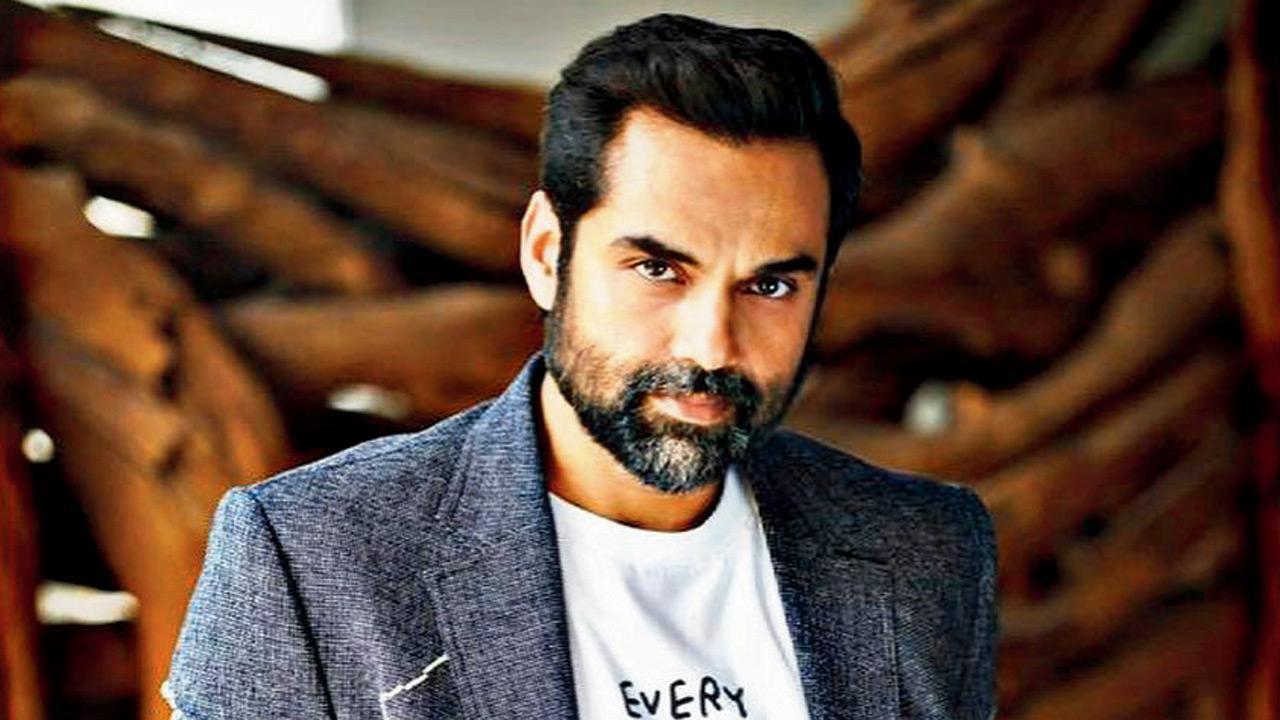
Unfazed about playing father to a teenager in 'Spin', Abhay Deol says film is a significant step in South Asian representation on screen
Mohar Basu (MID-DAY; August 5, 2021)
A quick look at Abhay Deol’s repertoire will tell you that playing a dad won’t faze him. “I played one in Manorama [Six Feet Under],” he says as we discuss his new film, Spin, where he essays the role of a supportive father to Avantika Vandanapu. “Bollywood normalises 50-plus actors with 20-plus heroines because of their insecurity about ageing. It’s funny because next to younger actresses, they look even older. My upcoming Netflix show has me going from 30s to the 50s. I can play roles of different ages without hang-ups.”
Disney’s first Indo-American movie, directed by Manjari Makijany, revolves around a teenager following her passion for DJing. Deol believes the film is a significant step in representing South Asian culture on screen. “It’s telling the story of an American kid and suggesting not to judge them by their skin colour. [My character] doesn’t have an American twang. In keeping it as a regular story, Disney has made a statement about how American culture is a composite of many cultures. South Asian culture being represented front and centre does a great deal for brown kids who can [now see] themselves on screen. It makes them feel less on the periphery.”
Never one to have patience for formulaic films, Deol charted his own path in the Hindi film industry, fronting stories that spoke to him. The actor, who has a web series on Uphaar Cinema tragedy in the pipeline, is glad that the OTT boom has created an alternate universe of entertainment. “Now, there are platforms showcasing the talent of those who don’t conform to Bollywood. Formula filmmakers don’t realise that the generation, which has grown up on the Internet, will not look at stardom the way they do.”
It’s better to be called underrated than overrated for sure-Abhay Deol
8:34 AM

On his birthday today, the actor says he doesn’t have any special plans
Rishabh Suri (HINDUSTAN TIMES; March 15, 2021)
The tag of being underrated refuses to leave Abhay Deol, who turns 45 today. Ever since he made his debut in Bollywood with Socha Na Tha in 2005, he has taken the less trodden path, giving us films such as Oye Lucky! Lucky Oye! (2008), Dev.D (2009), Manorama Six Feet Under (2007), and more.
We ask him if he is big on birthdays, and he says, “I am not at all a birthday person! I stopped celebrating it after I turned 25.”
Which is why the actor doesn’t make any special plans. Others, however, end up making plans for him. He continues, “Usually, friends come over, and something happens organically. Those are the best birthdays.”
Deol’s stance towards the tags given to him remains that he doesn’t mind them. His journey as an actor started with directors who were all pretty new. “I had to create opportunities, they weren’t coming in the early part of my career because people wouldn’t put money behind those films. My first five films were with debutant directors,” he recalls.
He adds that as far as ‘underrated’ or ‘overrated’ is concerned, “it’s better to be called underrated than overrated for sure (laughs)”. “I know that the reason I can do what I want to do, have the freedom to go where I want to go, and be who I want to be is because I didn’t play the star game,” he says.
Deol adds, “I didn’t invest a lot of money in marketing myself, or become a part of a clique, that I would catapult myself off the backs of my co-stars, directors or producers. I stood on my own.”
But the actor says it doesn’t matter. “At least I am happy doing what I do. I have grown up around fame and seen it in my family (Abhay is Dharmendra’s nephew). I was never enamored by it. Just because you are successful doesn’t necessarily mean you are happy,” he quips.
I’m sorry it took someone’s death to wake everybody up-Abhay Deol
8:20 AM

Abhay Deol calls out lobby culture and award functions in the film industry; says he’s glad that more actors are speaking out now
Monika Rawal Kukreja (HINDUSTAN TIMES; June 24, 2020)
 One look at Abhay Deol’s Instagram feed and you’d notice the actor has been revisiting his earlier films — Ek Chaalis Ki Last Local, Manorama Six Feet Under (both 2007), Dev D, Road (both 2009) — and sharing a story behind them, with the hashtag #makingwhatbollywouldnt.
“I felt this was a good way to bring attention to these movies. Being non-formulaic, they didn’t have enough funds for marketing or a big release. So, not a lot of people are aware of them. I believe they’re good and that they’d be entertaining even today” he tells us.
Elaborating on the hashtag, he adds, “The ones I selected for this particular hashtag are the ones that were the most difficult to make and even tougher to release.”
However, it’s his recent post on Zindagi Na Milegi Dobara (ZNMD; 2011) that garnered the maximum traction, where Deol called out “covert and overt ways in which people in the industry lobby against you”.
“This was clearly an overt example. They didn’t even bother hiding their bias, something that they normally take efforts to do,” he says, adding, “Lobby culture has been prevalent for decades. No one thinks about standing up, or bothering to do anything. They’re all ready to conform, which is why they know that they can get away with it. The reason I can say this is because I grew up in a film family and I’ve heard of these games. As a kid, I saw through other people’s experiences, and now, I’ve seen it myself.”
Given that Deol’s post comes in wake of Sushant Singh Rajput’s death, after which many are slamming nepotism and lobbying culture in the film industry, he admits that Rajput’s death shook him up and got him thinking.
“Sushant’s death definitely sort of pushed me to speak up a little bit. But, this isn’t my first time speaking up. In the past, I’ve taken on the biggest. I’m sorry it took someone’s death to wake everybody up. But I’m glad that people have taken note and they want to be heard. What’s good today is that actors are speaking out. I had become quiet because I didn’t want to be the only one screaming. I alone couldn’t have brought about the change we need.”
He shares many commented on his post saying ‘Oh, you’re waking up now’, and he tells them he had put his career on the line from day one. “I focus on my privileges. I have a family, great friends, I have work, I’m acting, producing, working in two countries. I found my path,” he says.
In his post, Deol also called out award functions for they “demoted me and Farhan (Akhtar) from main leads to supporting actors”. But he says, he wasn’t surprised.
“It was a disappointment. By the time ZNMD came out, I was trying to be less idealistic, and more of a realist. Very rarely I had gone to these award functions. I was coming around to see the industry’s point of view and suddenly, this was a hard reminder of the systemic corruption that exists in the industry. Positioning was based on market value of the artiste not on the structure of the plot of the movie. And the shocking thing is that it was all accepted because that’s the way the industry functions,” he asserts.
----------------
CAN NEPOTISM AND LOBBY CULTURE AFFECT ONE’S MENTAL HEALTH?
It’s a highly competitive space where people are insecure and you’ll often hear them say, ‘your failure is my success’. So, people planting false stories about you, paid-for reviews being negative, gas-lighting you within the industry to sabotage you, robbing you of a nomination or a win at an award show — these are some of the ways in which it happens. Now, imagine a person with a mental illness being thrown in this toxic environment. For sure, it would take a toll. They’re, after all, more vulnerable.
This pause has given the planet breathing space-Abhay Deol
7:59 AM

Sanskrita Bharadwaj (HINDUSTAN TIMES; May 24, 2020)
Actor Abhay Deol has been in Goa during the lockdown, and doing “great”. He says, “I cycle, swim, and I’m completing my house in Goa; lockdown has slowed things on that front. And I’m developing two scripts, I have three films in post production, and taking online classes in subjects that interest me. I lay in the sun everyday so I can keep a nice tan, and thankful for the privilege to be able to do so.”
The 44-year-old chooses to be away from the limelight stating “Popular actors with big banners behind them get tremendous coverage.” But, adds that since he keeps a “low profile” and follows an unconventional path, “People believe that I’m choosy or reclusive. Truth is I cannot participate in this hyper capitalism that the industry pushes upon us.”
Commenting on the current state of affairs due to the global Coronavirus pandemic, Deol says, “I don’t think we can or should go back to normal. It will take a while, I’m hoping it will be by the end of the year but you can’t really say. We need to rethink the way we structure our society, cities, businesses, and prioritise providing for the poor while investing in green technologies to create new jobs. This calamity is also an opportunity. History proves that such outbreaks will happen unless we take drastic measures.”
An optimist at heart, he adds, “This pause has given the planet breathing space. It’s brought to people’s attention the dangers of unchecked capitalism. It shows that we are all connected, even if we make our own fake borders.”
I handle heartbreak pretty well-Abhay Deol
8:40 AM

Actor Abhay Deol on the inevitability of love, and the necessity of reducing our carbon footprints in this world
Nona Walia (TIMES LIFE; May 19, 2019)
You are a minimalist. Did that involve changing a lot in your life?
I don’t buy a lot of clothes; I use them until they cannot be used anymore. I don’t have multiple cars, I cycle whenever and wherever I can. That bit is not possible in Mumbai though.
How important is it to be an eco-warrior and live consciously?
It’s important for all of us to do something to protect Earth. Being a public figure, my voice can carry much further than the average person. That’s me taking advantage of what I have. But everyone has advantages and disadvantages. It’s time for everyone to focus on what they can do, not what they can’t.
Recently, I built a house in Goa that is rather grand, and it occurred to me that I hadn’t considered the impact of climate change. Out of guilt I started to look for ways to reduce the carbon footprint of my house. I already have rain water harvesting on site. I am going to install solar panels, compost my wet waste, recycle the dry, planted vegetables on site, and I’m putting up a natural filtration pool. When I am filming, I carry glass bottles and fill them with filtered water instead of using plastic ones. I don’t buy colas or use plastic bags.
From divesting in companies that pollute, to fitting my house with green technologies – solar power, composting, rain water harvesting, growing my own vegetables, I continue to search for green technologies and encourage others to do the same wherever they can. It’s our choices today that will affect our environment and our lives tomorrow.
What’s the private side of you like?
The private side of me wouldn’t be so private if I spoke about it on a public platform. But I can say this much, with me what you see is what you get – on and off screen.
 How important are relationships in your life?
Our lives are built upon relationships... unless you are a hermit. I treat people the way I expect to be treated. I’m extremely loyal and forgiving and look for the same in others. The people you surround yourself with define you and your outlook to life. Love to me is... something that cannot and should not be controlled.
How do you deal with heartbreak?
Pretty well if I should say so myself! I wasn’t always like that but you live and learn (hopefully!). Nothing is permanent and if you understand that then you cannot get hurt – only more enlightened. Anything and everything can be used to better yourself.
What is the biggest life lesson you’ve learned?
That you are always learning. Never think that you know it all.
A turning point in your life…
There’s a turn around every corner. I actively look for them as it makes the road more interesting and more fun to navigate. Once you see the turns, you are constantly evolving and moving. Why relegate it to just one instant?
Define happiness
Being thankful for what I have in the moment.
How can one remain softhearted and compassionate in a tough world?
By not attaching yourself to the highs and lows, by seeing everything as transient. Happiness and sadness are two sides of the same coin. I am privileged to have experienced both.
What do challenges signify to you?
Growth.
How do you conquer the darkness of the mind?
By recognising that it is just the absence of light. And there is light everywhere. All you must do is open your eyes.
Your spiritual quotient…
I don’t need a quotient when it comes to being spiritual. We all are every moment of every day. All we need to do is accept it.
How do you handle social media (praise, criticism and controversies)?
There is no risk if you accept it all in the same spirit – the good, the bad, and the ugly.
PERSONAL SPACE
“I LOVE ANYTHING OUTDOORS”
Fitness regimen: I mix it up. Weights, yoga, swimming, running. I have started meditation too. Recently, I pushed myself too much and have caused an injury. My focus at the moment is on healing and it has highlighted the importance of striking a balance. I love cycling and swimming. Anything outdoors.
“DO YOU WANT A LIFE OR A GREAT LIFE?”
Beyond physical health: Fitness isn’t so much about looking good... it’s about feeling good. It has an impact on your mind and as a result, has a direct relationship with your life. It can be the difference between having a life and having a great life. It’s important to sleep early and wake up early for your mental awareness. A routine is a must for the complete experience.
“I AVOID GLUTEN”
Diet regimen: I make sure I eat both fruits and vegetables. I eat meat for proteins. I don’t measure my food and I don’t eat packaged meals – only freshly cooked ones. I eat a bit of sweet too in the day. I avoid gluten whenever I can and limit my intake of dairy.
“I WOULDN’T HAVE SURVIVED A 9-5 JOB”
Work-life balance: I am fortunate to be in a job that goes from project to project. I wouldn’t have survived a 9-to-5 life. I avoid shooting more than two films back to back and take time out in between each project. I don’t take my work home, and switch off when I’m not on set. I rarely watch movies since I make them and have interests in other things. I travel a lot, especially to countries where I’m unknown so that I live like a regular average guy, not being treated like a celebrity.
“NEVER WORSHIP ANYONE ELSE BUT NATURE”
Your personal mantra: Read, be curious, practise what you preach, don’t judge too soon, have empathy, never worship anyone else but nature, be conscious of your environment, travel, love, experiment, make mistakes, have compassion, learn to forgive, lose control, don’t be afraid, make your own path and have your own ideals. And yes, question everything!

I needed the lows to be where I am today-Abhay Deol
8:50 AM

Abhay Deol, who is heating up Instagram, talks to us about his home production, The Odds, and why he's finally in a happy space
Aastha Atray Banan (MID-DAY; April 28, 2019)
He may be the least flamboyant of all the Deols, but Abhay Deol has a charm that cinemagoers have always loved. Be it as the dysfunctional Dev in Dev D, the straightforward Arjun in Aisha, or the simple and sorted Kabir in Zindagi Na Milegi Dobara, Deol has always brought a genuine quality to the characters he plays. You relate, you believe, you feel for him. These days, as he spends his time between LA, Goa and Mumbai, he is busy working and looking delicious on social media. His home production, The Odds, featured at the closing gala of the Los Angeles Film Festival, and his beach selfies are making everyone wonder, what is Deol up to? He spoke to us from LA. Edited excerpts.
We hear you have been dividing your time between Goa, LA and Mumbai. What relationship do you share with each of these cities?
Mumbai is where my work, friends and family are - it is the city I was born in and will always be where I came from. Goa is my new home, a place for rest and recuperation. LA is also home, as I have family here as well and friends. It is an inspiring place, where I have grown tremendously. Each one has been instrumental in my growth as an individual, they have taught me different lessons in life and continue to do so.
Tell us about The Odds.
It is a show about two kids out and about in the city and their time together. It is magic realism, it is surreal, it is unapologetically funny, it is an unexpected surprise to come out of India.
You have around five films that are ready for release. How would you describe the direction your acting career has taken, keeping these projects in mind?
The five projects I currently have couldn't be more different from each other. They are a mix of foreign and Indian productions. JL-50 is a sci-fi Canadian film set in Kolkata about a CBI detective who goes back in time to solve a crime; Line Of Decent is an American drama based on the land mafia in Delhi; The Odds is my own production with FilmKaravan Originals; Jungle Cry is a British production based on a true story about tribal kids from India, who went and won the under-14 rugby championship in the UK in 2007; and Chopsticks is the first Netflix original film to come out of India.
How have you evolved as an actor in the last few years?
I am more satisfied with where and who I am. I see it as a state of being, and I am thankful every day for the privilege of being this way. My acting is a constantly changing process, just like life. I am less affected by negativity and more absorbed by the positivity. I am more forgiving of myself and others and the world is my playground. I don't feel anger as much as I feel compassion.
With the digital revolution, actors like you have the opportunity to do roles that don't fit the mould of the 'hero', not that you ever played to that notion.
Yes, I was doing what the digital platforms are doing right from the start of my career. I have sacrificed instead of compromising. The digital space does not have the physical limits that cinema has. There are no boundaries, no borders, and it will constantly need content to survive.
You went through a trying time personally a few years ago. Haruki Murakami says, "When you come out of the storm, you won't be the same person who walked in." How would you describe the person you are today?
We all go through ups and downs, but I don't stagnate for too long in one place. I am constantly moving. In a country like ours, wrecked with poverty and hunger, it is selfish to complain. I've led a privileged existence, I have a loving family, friends for life, I've taken a stand and done exactly as I've wanted to do in life. I focused on the positives when I was down and slowly, I felt selfish for being there. The beauty of it was that I was immediately catapulted to tremendous highs and I understood that to be high you have to start low. After that, I was thankful for even the lows as I needed them to be where I am today.
Your Instagram game is completely on point, and the hot beach pictures have been making the ladies drool. How does that adulation feel?
Ha, ha, thank you. Adulation is always welcome. At first, I saw social media as a necessary evil, but like with everything else, I looked for the positives in it. I can connect directly to my audience, clarify a misquote, bring awareness, talk about the things I want to talk about, market myself and those I want to. It's important not to get addicted to it, as the saying goes, you cannot have too much of a good thing. Everything in moderation!

Jungle Cry is a story we all wanted the world to know-Abhay Deol
8:21 AM

Abhay Deol on his next, which is inspired by World Cup win of India’s Under-14 rugby team and features him as coach Rudraksha Jena
Natasha Coutinho (MUMBAI MIRROR; January 26, 2019)
On Friday, Abhay Deol posted a picture on Instagram with the caption, “Some mornings be like! Just one of them days ya know?” and appended it with the hashtag #tired and #overworked. Turns out the actor has just wrapped up his next film, Jungle Cry, after a hectic shoot. The real-life story of Rudraksha Jena and the historic win of the Under-14 rugby team of the Kalinga Institute of Social Sciences’ (KISS) in 2007, was filmed in Wales and London during November and December. Emily Shah, former Miss New Jersey (2014) who assisted on Captain America 2, Clint Eastwood’s Jersey Boys and Fast & Furious 7, plays a physiotherapist and Abhay’s leading lady.
The actor’s character is modelled on the Indian coach, Rudraksha, and he admits that rugby isn’t a common sport in India. “What makes the win even more impressive is that these kids were football players who had just four months to learn rugby and still managed to lift the World Cup in the UK. This is an underdog story of success and that’s what made it attractive to me,” he says.
Abhay admits that while he was familiar with rugby, he didn’t follow the sport closely and underwent training for months before the film went on the floors. He is quick to add that his trials were nothing compared to what the kids went through. “While shooting in rainy Wales in five degrees temperature, I could wear my jacket over my tracks and root them on, screaming, ‘Come on boys, run and jump,’ while they were shivering in their shorts,” he reminisces. “But be it Emily or Sagar Ballary (director), everyone was heart-warmingly earnest because we were all inspired by the story. This is a story we all wanted the world to know.”
Quiz him on his encounter with his real-life counterpart and Abhay says he was really motivated by the work Rudraksha has been doing. “We also have British footballer Paul Walsh and Dr Achyuta Samanta, who runs KISS, on board. All these guys live to better the lives of others. Paul has his own outfit in Kolkata that trains street kids who rarely get an opportunity to showcase their talent. Sports is an opportunity that comes out of poverty in many parts of the world and I respect these guys for creating a future for these boys,” Abhay asserts.
Associate producer Shabbir Boxwala informs that the film is currently in post-production. “We plan to enter it for the Cannes Film Festival in March,” he informs.

My call-a-spade-a-spade attitude does burn bridges-Abhay Deol
8:10 AM

Mohar Basu (MID-DAY; April 3, 2018)
His choice of films is a clear indication that Abhay Deol is not your cookie-cutter Hindi film hero. As he returns to the big screen two years after Happy Bhag Jayegi (2016) with the horror comedy Nanu Ki Jaanu, the actor says he doesn’t feel the pressure to play by the industry’s rules. Not surprising then that he hasn’t featured in a masala potboiler in his 13-year-long career or been a part of the rat race. “I am not the industry norm anyway,” he reasons.
Deol sparked a nationwide outrage last year when he slammed Bollywood stars for endorsing skin lightening creams in a country that is unfortunately obsessed with fair skin. Often in the spotlight for his outspoken nature, the actor says it’s the only way he knows to be. “I am not doing it because I want to be cool. I don’t even like attention. I am trying to be true to the work that I want to do and be allowed to make the choices that I want to make. To get there, we have to take stands. There’s a risk of being judged, but that’s a price I am ready to pay.”
He is quick to admit that his call-a-spade-a-spade attitude has adversely affected him. “It does burn bridges. There have to be consequences to actions, and there has been to mine. There has been backlash, but I don’t hang around it enough to experience it.”
Juggling his Tamil debut Idhu Vedhalam Sollum Kadhai and the international production The Field, Deol says his projects may be unconventional but they essentially push the envelope. He says, “At the risk of sounding arrogant, I have a sense of script and that’s my biggest strength.”
You will see me in a lot of shaadi type movies-Abhay Deol
10:10 PM

Actor returns after a two-year hiatus with new genres, international collaborations and a Tamil film in which he plays King Vikramaditya
Roshmila Bhattacharya (MUMBAI MIRROR; March 30, 2018)
In the past, every time you’ve disappeared from the screen, you have come back having honed your talent or learnt a new skill. So, what have you been up to in the two years since Happy Bhaag Jayegi?
This time my energies were focused essentially on work. Acting, producing, developing scripts and setting up a distribution space take time. Just finishing five–six movies took about a year. Now, Nanu Ki Jaanu is up for release, The Field is into post production and almost complete and JL-50 has just around six days of work left.
You’re returning after a two-year hiatus with a horror-comedy?
It was a bit of a challenge because the two genres don’t mix since you can’t laugh and be scared at the same time. But at the end of the day, it’s a pure entertainer, an extremely funny and family-friendly film which is sure to connect with a large audience. For me, it was an enjoyable and inclusive process because it reunited me with Manu Rishi Chadha who is a really talented actor-writer and the director, Faraz Haider, was the first AD on my 2008 National Award-wining black comedy, Oye Lucky! Lucky Oye! He was the guy in the paan-beedi shop in the last scene who tells me I look familiar and I respond saying, “TV par dekha hoga.”
Have you ever had a supernatural encounter?
Never, but I live my life knowing there are things I don’t know of and that leaves me open to every possibility. There are those who claim to have seen ghosts. Who am I to say if they are lying or are delusional? Maybe some are, maybe some aren’t.
We have been reading that you’re in the Happy sequel but unsure whether it’s an extended cameo or a full-fledged role?
I’m equally confused because I’ve been reading this too but the makers haven’t been in touch with me so I know as much as you do. If they came to me, I’d be happy to be a part of it. I like director Mudassar’s (Aziz) work and Aanand (producer Aanand L Rai) is a friend and a fab director. I’m doing a cameo in his Zero. I didn’t have too many days of shoot but it was nice working with Shah Rukh (Khan), a thorough professional, and Katrina (Kaif) whom I’ve known since the Zindagi Na Milegi Dobara days.
Every time we meet Aanand, he says he needs to give you a full-fledged role that will do complete justice to your talent. When is that happening?
Ask Aanand. After hearing him say this for two years, I’ve told him to stop else I won’t take him seriously. That upset him a bit but I assured him that I will always love him with or without a great role.
Playing a CBI officer in a sci-fi, another unexplored genre for Hindi cinema, must be interesting?
JL-50 is not a big-budget, superhero- with-weapons-drawn drama but a hi-content sci-fi. The makers are Indian by birth but settled in Canada. You don’t get to be a part of too many films that originate in one country but are shot in another country in another language. The makers of this one speak Hindi and understand our culture but, as Canadians, they can make movies we Indians can’t and get a lot of support in terms of subsidies, distribution network and suchlike.
The Field is also an international production…
That’s a bi-lingual American production, 70 percent Hindi and 30 percent English, on Indian issues, and filmed in India.
How different was it shooting for American, Canadian and Indian productions?
No real difference because actors and filmmakers across the world are similar as they are dealing with similar issues and working in the same space towards the same goal. Different cultures but professionally alike.
And how different was it working in a Tamil film, Idhu Vedhalam Sollum Kadhai (IVSK) after playing a Tam-Brahm in Dibakar Banerjee’s Shanghai?
I repeat, filmmakers are filmmakers across the border, only their style, approach to work and the kind of movies they want to make differ. IVSK is an action-adventure, graphic novelesque pulp fiction that debutant director Rathindran Prasad has written himself. It’s wonderful to be a part of someone’s passion project and bring his vision to the screen. Yes, I had to speak Tamil — ancient Tamil — but Rati would laugh, that for me any Tamil was Greek and Latin.
Was playing King Vikramaditya a departure from your cool onscreen yuppies?
I know, often when you’re dealing with an ancient scenario, the writing is over-the-top but this one is very contemporary in its treatment so I didn’t have to deliver my lines dramatically. This film was in my space and I could play it real.
For someone who knows the craft so well, why don’t you dabble in writing and direction?
After Dev D, I am developing another script but I’m not sure if I will direct it. Just because I understand the craft, can act and am involved in other aspects of filmmaking doesn’t mean that I can direct too. I must feel the desire to do so. It all comes down to, ‘Is there a story to tell?’ If there is, I’ll jump into it. For now, I’m happy acquiring films and documentaries and trying to create an audience for them. When I was making Dev D, Ek Chalis Ki Last Local, Oye Lucky! Lucky Oye! multiplexes were mushrooming and suddenly there was space for other cinema. But then the expansion stopped and in an industry which is more oriented towards business rather than creativity, I felt the lack of support and space, and with the advent of digital platforms, decided to encourage talented makers to take chances.
When do you start distributing mainstream films?
That’s too big a space for me. There are far too many people there already. As an actor, I do mainstream and indie films already. (Smiles) You should know your aces and weaknesses.
Indians love playing the matchmaker and there are many out there wondering about your shaadi…
(Laughs) Maybe not in real life but you will see me in a lot of shaadi-type movies. Three such scripts have come my way already. As long as I’m not married, I guess I’ll continue to get such ‘Will he? Won’t he?’ projects.
A Tamilian is one of the biggest caricatures in Hindi cinema-Abhay Deol
7:51 AM

As told to Natasha Coutinho (MUMBAI MIRROR; October 16, 2017)
Dibakar Banerjee, who
directed the 2012 political thriller, Shanghai, had told me about the
film a few years before he started working on it. He told me he was
bringing Vassilis Vassilikos's novel, Z, to the screen and wanted me to
play a Tam-Brahm IAS officer. He was adapting a real life incident that
happened in Greece in the '50s to the political and economic landscape
of current-day India. I loved the idea right away.
The challenge was to play a Tamilian authentically. We debated over his Hindi accent given that he'd been stationed in Maharashtra for a few years and learnt Hindi from Maharashtrians. We wondered if technically he should be speaking Marathi. They eventually hired a dialect coach who was essentially a writer taking time off work to write his novel. While my teacher was good, it was left to Dibakar to work on the finer nuances and this collaboration between the director and the dialect coach helped shape my character. It's possibly the only film for which I had learnt all my lines well before we starting shooting.
Tamil is a difficult language but I love learning different languages and accents so it didn't feel like work. It was more of an adventure though, I admit, this was a tough adventure because a Tamilian is one of the biggest caricatures in Hindi cinema, even more than the jovial sardar or the miserly Parsi. It was difficult getting the accent right without falling for the stereotype.
We focused on T A Krishnan's travels, the time he'd spent in another state, picking up other dialects and languages along the way. The one common language that most people use within different communities and across states is English. That's why it's easy to speak English with a Tamil accent than Hindi with a Tamil accent. Given my character's background, he'd be speaking English mostly. But there are IAS officers from every part of the country who speak the local language of the state they are based in fluently. This was how we created a character with layers unique to him which defined who he was and not who you expect him to be.
Focusing on the way a character speaks automatically opens the doors to his body language. For example, a soft-spoken person is often gentle in his demeanor while extroverts are usually loud and introverts intense or boring. The way you speak speaks volumes about you and I use that as a guide to the rest that follows. I went on to recite a prayer in Tamil but to be honest, I don't recall much of that scene because my attention was on the bottle that was to be thrown at me. I was more concerned about the bottle hitting me.
I don't remember any reference points. There was another film based on the book with the same name that opened in France during the '60s. I didn't watch it though because Dibakar didn't want any influence of the original playing in my head. I wish he had told me this before I bought the DVD!
The prep for Shanghai didn't really help with that for my Tamil film, Idhu Vedhalam Sollum Kadhai, because in the latter I spoke Tamil and not Hindi with a Tamil accent. In fact, because my role in the Tamil film dates back to the 3rd century AD and I had to learn Tamil the way it was spoken back then. Rathindran, the director, once joked that I could as well have been speaking Greek. I'd go so far as to say that Greek would have been easier.
Another interesting prep was rolling out a joint for Dev D. But that was not new, I had mastered the skill when in college.
The challenge was to play a Tamilian authentically. We debated over his Hindi accent given that he'd been stationed in Maharashtra for a few years and learnt Hindi from Maharashtrians. We wondered if technically he should be speaking Marathi. They eventually hired a dialect coach who was essentially a writer taking time off work to write his novel. While my teacher was good, it was left to Dibakar to work on the finer nuances and this collaboration between the director and the dialect coach helped shape my character. It's possibly the only film for which I had learnt all my lines well before we starting shooting.
Tamil is a difficult language but I love learning different languages and accents so it didn't feel like work. It was more of an adventure though, I admit, this was a tough adventure because a Tamilian is one of the biggest caricatures in Hindi cinema, even more than the jovial sardar or the miserly Parsi. It was difficult getting the accent right without falling for the stereotype.
We focused on T A Krishnan's travels, the time he'd spent in another state, picking up other dialects and languages along the way. The one common language that most people use within different communities and across states is English. That's why it's easy to speak English with a Tamil accent than Hindi with a Tamil accent. Given my character's background, he'd be speaking English mostly. But there are IAS officers from every part of the country who speak the local language of the state they are based in fluently. This was how we created a character with layers unique to him which defined who he was and not who you expect him to be.
Focusing on the way a character speaks automatically opens the doors to his body language. For example, a soft-spoken person is often gentle in his demeanor while extroverts are usually loud and introverts intense or boring. The way you speak speaks volumes about you and I use that as a guide to the rest that follows. I went on to recite a prayer in Tamil but to be honest, I don't recall much of that scene because my attention was on the bottle that was to be thrown at me. I was more concerned about the bottle hitting me.
I don't remember any reference points. There was another film based on the book with the same name that opened in France during the '60s. I didn't watch it though because Dibakar didn't want any influence of the original playing in my head. I wish he had told me this before I bought the DVD!
The prep for Shanghai didn't really help with that for my Tamil film, Idhu Vedhalam Sollum Kadhai, because in the latter I spoke Tamil and not Hindi with a Tamil accent. In fact, because my role in the Tamil film dates back to the 3rd century AD and I had to learn Tamil the way it was spoken back then. Rathindran, the director, once joked that I could as well have been speaking Greek. I'd go so far as to say that Greek would have been easier.
Another interesting prep was rolling out a joint for Dev D. But that was not new, I had mastered the skill when in college.
For too long, we have been fed a formula of slapstick and stereotypes-Abhay Deol
7:50 AM

Abhay Deol on Bollywood’s affinity for slapstick, the supernatural love story he has signed on, and why the term ‘smaller films’ is offensive
Natasha Coutinho (MUMBAI MIRROR; September 23, 2017)
You’ve described Faraz Haider’s Nanu Ki Jaanu, which you just started shooting for, as a dark comedy. Given how selective you are, what got the nod from you?
Nanu Ki Jaanu is a supernatural love story as well as a dark comedy. Dark comedy is rare in Bollywood because for too long, we have been fed a formula of slapstick and stereotypes. I enjoy them because it’s one of the toughest things to bring humour into a dramatic situation. I enjoy walking on the edge.
Any favourites in the genre?
There are many directors I admire who work primarily in this genre— Stanley Kubrick, Terry Gilliam, Coen Bros and Tim Burton to name a few.
You are working with Patralekhaa for the first time. Have you seen any of her earlier films, including Citylights and Love Games?
I haven’t seen either of them, but I am looking forward to work with her. She has a great look and has received a lot of critical acclaim for her performances. We haven’t shot together yet, but I’m eagerly waiting for our first day together. We will be shooting the film in Noida and Delhi. It will be completed by the end of October.
What’s happening with Shailender Vyas’ JL-50 and Rohit Batra’s The Field?
Both are in post-production at the moment. What’s interesting about these two films is that while one is a Canadian production and the other American, they are both in Hindi. The Field is partly in English as it also has international actors. JL-50 is a sci-fi film, while The Field is a drama, but neither conform to the Bollywood formula. I guess that’s because they have been made by those outside the Indian film industry.
What was the experience of shooting The Field like?
Every film goes into your memory bank, some memories are good and some are bad. The Field is a good memory. It has an ensemble cast drawn from different parts of the world and some very talented actors. The director was inspired by Brian De Palma and that approach in our cinema has turned out to be unique.
Will you be seen in the sequel to Mudassar Aziz’s romcom Happy Bhag Jayegi, titled Happy Phirr Bhag Jayegi, which opened last year? Producer Aanand L Rai has announced that he will be taking the franchise forward.
Your guess is as good as mine! I’ve read reports of me doing a cameo in it, but the makers have not told me anything yet. But it’s Aanand Rai and Mudassar and for them, I’d be happy to do it if they ask.
Have you seen Aanand L Rai’s recently released Ayushmann Khurrana, Bhoomi Pednekar starrer Shubh Mangal Savdhan, which focuses on the problem of erectile dysfunction? Would you be open to doing a sex comedy like that?
I would do a sex comedy if I liked the script. Honestly, I’m happy doing all genres, my next four films are all from different genres. I’m having fun going from one set to another, from one approach to another. Variety is the spice of life.
Any recent films you have watched and enjoyed?
I haven’t had the time to watch anything in the last six months. The last film I saw was Lion, which I thoroughly enjoyed, particularly Dev Patel’s work.
What’s been keeping you busy?
My Tamil film IVSK (Idhu Vedhalam Sollum Kathai), which I have produced and done a cameo in is in post-production. IVSK is the second film I have produced after One By Two and I have enjoyed the experience both times. I don’t have any plans to direct yet, but I’m busy reading scripts and getting distribution for non-formula films on the OTT platforms.
This year, a number of small, off-beat films like Shubh Mangal Saavdhan, Bareilly Ki Barfi, Hindi Medium and Badrinath Ki Dulhaniya have fared well at the boxoffice. Must be heart-warming for you since you have always promoted smaller films?
I don’t promote “smaller films”. The industry and the media label them “small” because they define “big” and “small” according to the budget. Most of those films have been much bigger than most formula films in their ambition and ideas. This year has shown us “big” films with a “small” vision, and “small” films that have been “big” on vision.
Subscribe to:
Posts (Atom)