Such people should not get a chance to make a film or act in one-Jude Anthany Joseph
3:26 PM
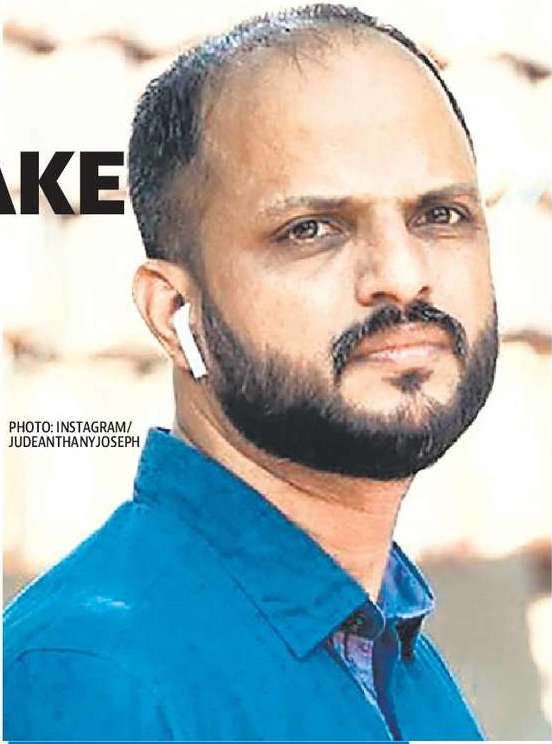
In wake of the shocking claims of the Justice Hema Committee report, actor Lakshmi Manchu and filmmaker Jude Anthany Joseph talk about sexual misconduct against women working in the industry that they have witnessed first-hand
Mugdha Kapoor (HINDUSTAN TIMES; August 23, 2024)
The publicly available version of the Justice Hema Committee report does not reveal names of the alleged perpetrators of sexual harassment and violence it recorded. But filmmaker Jude Anthany Joseph believes the names should be made public. Joseph, who directed the Malayalam film 2018 (2023), which was India’s official entry for Best International Feature Film in the 96th Academy Awards this year, adds, “The complaints should be seriously looked into by the government and there should be action against whoever has been named.”
The 41-year-old worries that the entire Malayalam industry might get painted as such. “Such a perception affects people like me too,” says Joseph, adding that three of the four films he has made — Sara’s (2021) Oru Muthassi Gadha (2016) and Ohm Shanthi Oshaana (2014) — have been about the right of women to make their own choices.
‘Threw out a male assistant director once’
The Justice Hema Committee was formed in 2017 following the alleged abduction and sexual assault of a female actor working in the Malayalam film industry. The committee made its report public on August 19, seven years after the incident. The 233-page report says that “a culture of sexual harassment pervades the Malayalam film industry”.
Talking about how he deals with complaints of harassment on sets, Joseph shares, “Once an actor complained about an assistant director on my set. She said he had started messaging her saying he had developed a soft corner for her. I threw the AD out the same day and he was never part of my set again.”
In order to ensure that women on film sets are able to work freely, he suggests, “There should be a member of the Women in Cinema Collective (WCC) or a similar committee on every set, ensuring women working on that film feel safe.”
Asked how male filmmakers and actors can be better allies of their female counterparts, Joseph says, “It is not very difficult. I can say that I listen to every complaint on my set, irrespective of it coming from a man or woman,” adding, “There should be a way to punish such people, and the punishment should be legal and professional — such people should not get a chance to make a film or act in one.”

Subscribe to:
Post Comments (Atom)
Post a Comment