Using my own life for scripts is like standing naked on a road-Rakeysh Omprakash Mehra
8:26 AM
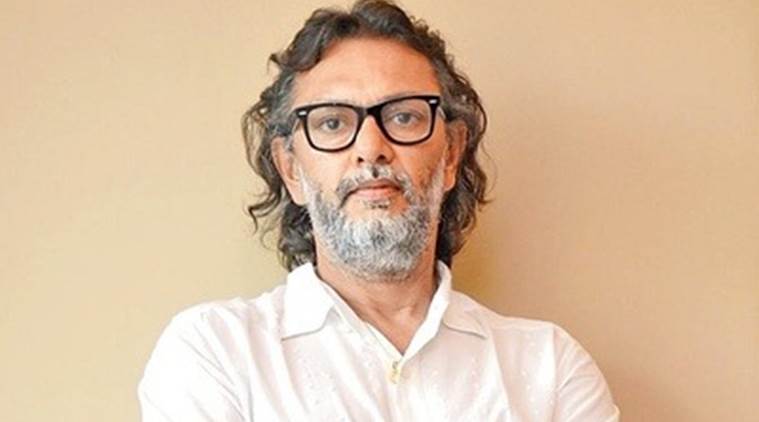
In an interview to Mohua Das, Rakeysh Omprakash Mehra talks about his film journey
Mohua Das (THE TIMES OF INDIA; July 25, 2021)
Mirrors have been a running visual metaphor in all your films for moments of reflection and your autobiography ‘The Stranger In The Mirror’ too reads like that...
When we started the autobiography, the working title was ‘Interval’. I felt that I had come to a midpoint in life to share the learnings from my journey so far. Especially around my movies, because I think it’s your work that defines you. But as we got into it, I realised that there can only be two ways to go about an autobiography. It can be full of lies or it can be honest. The latter was the right choice to make. And as I kept looking inwards, it felt more like a peek at myself.
Your friends and colleagues have one complaint. Your “painful” movie narrations…
That is a common refrain I’ve heard from all my artistes (laughs). For me narration is not just reading out the written word but about what I feel. So I start talking, poking and pondering until we realise so much time has gone by and we still haven’t finished!
Did looking back on your younger self — of growing up in Claridges’ staff quarters or working as a vacuum cleaner salesman and garment fabricator — help put your life in perspective?
Everything we do shapes us, but more often it’s not the right things you do but the mistakes you make. For me it’s always been about going with the flow. When you come from a lower middle class family and your parents have worked hard to give you education beyond their means, your first endeavour is to start contributing to the family. So, whatever came my way I kept taking it on. And in whatever little way life enriched me, I found a connection in weaving stories around it. It was scary too because it’s like standing naked in the middle of the road with everyone watching.
It’s been 15 years since Rang De Basanti, a film that questioned the establishment, provoked young minds and redefined patriotism. Do you think a film like this could be made today?
Why not… and a better film than that. But only if you’re dying to make it and ready to listen to your inner voice. Because outside there’s a lot of noise. If you start hearing that, the process gets corrupted.
Delhi-6 questioned the growing intolerance in the country. Twelve years on, the conversations have only got shriller and more polarised. Does it surprise you?
There are cycles of this polarisation and intolerance and you see this manifesting itself in various ways. I think Delhi-6 was also naive. Because the main protagonist takes a mirror from the fakir and shows it to neighbourhood characters, asking them to look into it. I think that was an extremely foolish thing to do (laughs). In retrospect, nobody’s going to buy that. No Hindu or Muslim will say Bhagwan and Allah are the same and they reside in you. Having said that, the voice does remain relevant or has perhaps become more relevant.

Subscribe to:
Post Comments (Atom)
Post a Comment