Showing posts with label Rana Daggubati. Show all posts
Showing posts with label Rana Daggubati. Show all posts
Divya Dutta joins Manoj Bajpayee as antagonist in Rana Daggubati-backed Last Man In Tower adaptation
8:44 AM

Mohar Basu (MID-DAY; April 15, 2026)
Producer Rana Daggubati is going full steam ahead on his next, a movie based on Booker Prize-winning author Aravind Adiga’s 2011 novel, Last Man In Tower. While Manoj Bajpayee was announced as the lead when the project was unveiled in November 2025, now there’s an addition to the cast. We’ve learnt that Divya Dutta has been roped in to play the antagonist in Ben Rekhi’s directorial venture.
Set in a Mumbai housing society, Last Man In Tower revolves around a teacher who refuses to sell his flat to a real estate developer when the building is under consideration for redevelopment. Through the story, Adiga explored themes of greed, ambition, and urban development.
Dutta’s character is expected to be central to this conflict. A source told mid-day, “Divya’s antagonist isn’t one-note; she is shown as ruthless and calculative, but there is also vulnerability to her. This film thrives on tension between her and Manoj’s characters.”
The adaptation is currently in development, with Rekhi and the team aiming to take the project on floors in the second half of 2026.
The source added, “Constant redevelopment of residential properties that builders undertake for their profits is a reality of our times. The story is just as relevant today as it was in 2011.”
Neelira doesn’t stand with anyone. It’s humans against war-Rana Daggubati
10:51 AM

Mohar Basu (MID-DAY; April 7, 2026)
Today, when the world is witnessing the US and Israel’s war with Iran, Rana Daggubati’s production Neelira takes us back to another war — the Eelam conflict in Sri Lanka. What drew him to the Tamil release was how it zoomed in to examine the effects of a war on ordinary lives.
He shares, “You’ve seen so many films about war, but this one takes a human angle. Today, we’re constantly hearing what world leaders are saying — [Donald] Trump said this, someone else said that — but that’s a high-level view of what’s going on. Every place has people and their everyday life gets affected because of wars.”
That point is highlighted in Neelira. Set in 1988, Someetharan’s directorial venture tells the story of a family preparing for a wedding, only to get caught in crossfire between the Indian Peace Keeping Force (IPKF) and the Liberation Tigers of Tamil Eelam (LTTE).
Daggubati adds, “Most war films take sides. One side is good, the other is bad. That’s the usual narrative. This film throws that out; it doesn’t stand with anyone. It’s humans against war.”
According to him, such movies are a way of “recreating time” and understanding chapters of history. Yet, they are steadily shrinking in Indian cinema.
Daggubati reflects, “A lot of drama has moved to long-form series. People are also consuming short-form content. So, cinema is stuck in the middle, and it starts playing safe.”
However, as a producer, he is certain of the kind of stories he wants to tell. “Films like this age well. They’re not here for a three-week run. As long as war exists, there will be people dealing with its trauma. If we don’t tell these stories, we lose something much bigger than a film.”
I am serving the audience, not my ego-Harshvardhan Rane
9:50 AM

Kanksha Vasavada (BOMBAY TIMES; March 26, 2026)
Harshvardhan Rane, who is shooting in Ahmedabad for Force 3, joined us for a candid chat in his “urban” campervan.
The Sanam Teri Kasam actor says, “It’s my lucky 10-seater van in which I travel across India. While I have one van specifically designed for the jungle, this one is tailored for urban life and my daily shoots. I’ve always preferred a life of efficiency over typical luxury. So, I’ve transformed my van into a mobile workspace. It’s fully insulated and quiet, allowing me to conduct narrations and meetings with directors in total comfort while on the move, without sacrificing basic comforts like a washroom or a place to rest.”
‘Not here to impose my own wishes on the audience’
Harshvardhan, usually seen playing intense, serious characters, says, “The audience always knows what they want to consume; I am simply serving it. I am not purposely choosing it, but I’ve noticed that people gravitate most towards my deep romances and intense love stories. So, I am happy to serve that.”
He adds, “This is a commercial space, and my main goal is to get the audience into theatres. If I ever feel the need to express something deeply personal, there’s Instagram for that. Here, I don’t want to impose my own wishes; I want to deliver what works. People often ask me about my dream role, and I always tell them that my dream role is to be a profitable actor, someone who brings success to a project.”
‘There’s an intrinsic connection between an actor’s inherent qualities and the roles they attract’
Talking about onscreen image vs real personality, Harshvardhan, who is pursuing Psychology (Honours, currently in second year), says, “Concepts like the framing effect explain why audiences naturally associate an actor’s performance with their true character. Viewers once believed on-screen villains were genuinely bad people, and actors portraying mythological characters are treated like deities. I’ve accepted that storytelling creates its own reality. I believe there is an intrinsic connection between an actor’s inherent qualities and the roles they attract. Ultimately, certain traits are already within you, which is why those specific characters come to you and stay with you.”
‘I am getting good opportunities, need to respect that’
Harshvardhan started his career with Telugu and Tamil films. Is he open to doing south films now? He says, “Focusing on one thing at a time helps me stay sharp and do my best work. While multitasking works for some, I feel giving a single project my full attention is the only way to do justice. Even when a brilliant script comes along, it is difficult to say yes because a film isn’t just about the 30 days of shooting — it requires your presence long before and after the cameras roll. It’s amazing that people like Dhanush, Dulquer Salmaan, and Rana Daggubati manage so much at once. That level of commitment is incredibly tough.”
And what about OTT projects? He says, “Right now, I am getting good work and don’t want to disrupt the flow of what I am receiving just to satisfy a personal whim. When you are getting good opportunities, it is important to respect that and not just jump to something else for the sake of it. I am not here to chase every platform or medium just because I can.”
‘We must stay honest with our viewers’
Asked about how to bring more audiences to theatres, Harshvardhan laughs, “If anyone knew the secret to guaranteed success in this industry, they would be as wealthy as the world’s top businessmen. This business is very unpredictable. The most important thing we can do is to stay honest with our viewers. If you work based on genuine emotion, you have a much better chance of connecting with people. If you overthink everything and try to manufacture a hit, the audience will see right through it because they are very smart. They don’t want to buy a 'fake' product; they want something real. That’s how even social media works today. A video filmed on a basic phone from a remote place, without any fancy lights or cameras, can still go viral because it has a sense of reality. If your work is honest, people will gravitate towards it.”
‘Honesty and good content have worked for me’
Talking about Sanam Teri Kasam (2016), which didn’t do well at the box office initially, becoming a success after its re-release last year, he says, “There was a phase of re-releases where several films were back in theatres; but only some of them did well. So, people have not found out what is working. Honestly, I came to understand a great deal—because for eight years, I saw it reflected in people’s eyes wherever I travelled. My producer wasn’t sure about re-releasing the film. I told him, ‘Aap kuch mat karo, bas movie release karva do. I will just announce it on Instagram.’ We got just 25 theatres across the nation. But the next day, it was released in 1500 theatres, and within 24 hours, the ticket sales skyrocketed. I simply connected honesty with reality.”
He adds, “People rightly say that social media following has no connection with ticket sales. But in my case, that changed. Some people called it history, but some even called it a fluke until Ek Deewane Ki Deewaniyat entered the Rs. 100 crore club. Honesty, a realistic approach and good content have worked for me.”
‘The warmth I experience in Ahmedabad is unbelievable’
Harshvardhan, who has a good fan following in Ahmedabad, says, “This is the second time I’m experiencing this (fan love) in Ahmedabad. We came here on an unplanned visit after Ek Deewane Ki Deewaniyat was released to thank people for their love. The response we got here pushed us to do a whole tour. It may be because of the sweetness of the food, but the warmth is unbelievable. It keeps us motivated.”
I know it’s very difficult to get a theatrical release nowadays, says Sabar Bonda director Rohan Kanawade
8:28 AM
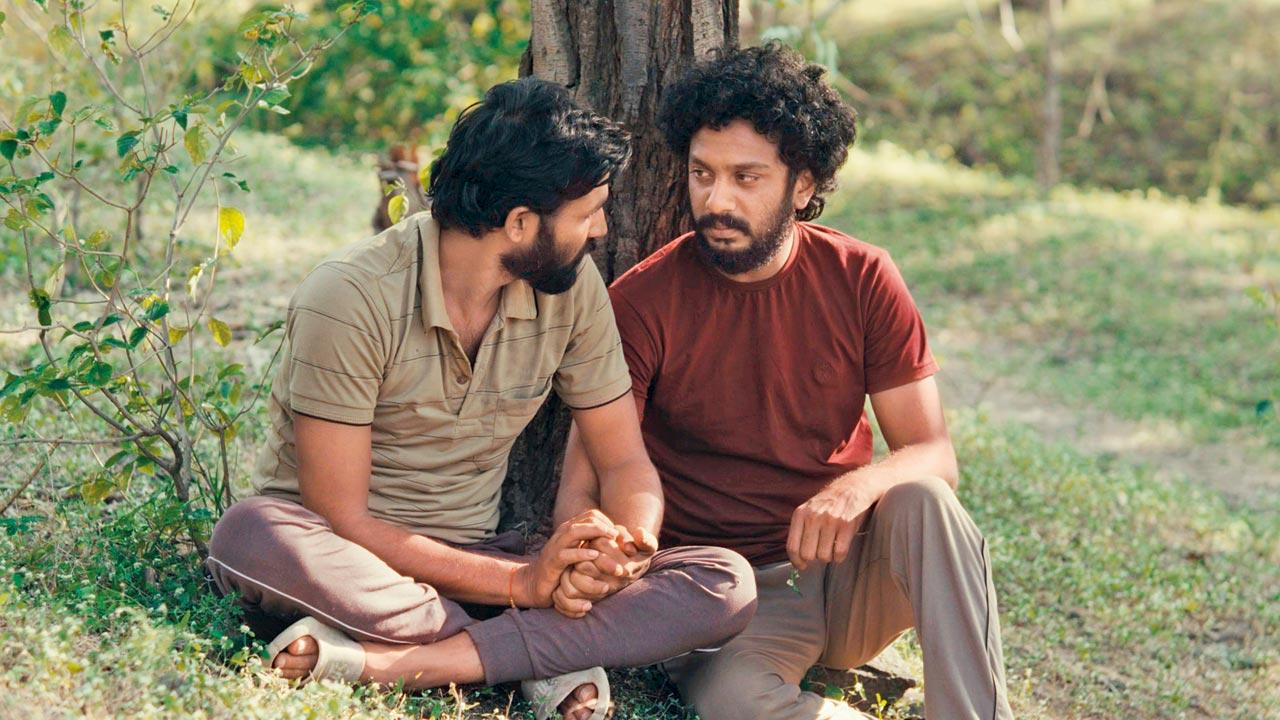
Director Rohan Kanawade reveals he was initially fearful of Sabar Bonda not finding a release in today’s market
Priyanka Sharma (MID-DAY; September 16, 2025)
Faith over fear — this principle has guided filmmaker Rohan Kanawade up to this point. His maiden feature film, Sabar Bonda, won the Grand Jury Prize in the World Cinema: Dramatic category at the Sundance Film Festival in January. Despite the win, the director wasn’t sure whether his romantic drama would be picked up for a theatrical release. Today, his faith in the movie has trumped his fear as actor and producer Rana Daggubati is bringing Sabar Bonda to theatres. “I didn’t know it would be this quick,” he chuckles.
“I know it’s very difficult to get a theatrical release nowadays. So many of my filmmaker friends have made their movies and they aren’t getting distribution. So, it was scary when we were making Sabar Bonda. But with all these people joining it, the release will be stronger,” he says, happy to have the support of filmmakers Vikramaditya Motwane, Nikkhil Advani, Nagraj Manjule, and actor Sai Tamhankar who have come on board as executive producers.
Starring Bhushaan Manoj and Suraaj Suman, the Marathi movie revolves around Anand who falls in love with Balya when he visits his ancestral village during the mourning period of his father’s demise. With Kanawade giving us a tender queer romance, we ask him about the love stories that influenced him in his childhood.
“My dad used to take us to watch films all the time. So, I used to watch all the Aamir Khan, Salman Khan, and Shah Rukh Khan films. I cried when I watched Kuch Kuch Hota Hai [1998],” he recalls.
But if there was a film that aroused his curiosity about what goes on behind the camera, it was the Marathi classic, Maherchi Sadi (1991). “While all the women in the audience were crying for Alka Kubal’s character, I asked my father all about the projector and kept on looking at all those colourful rays coming out of it.”
If the seeds of filmmaking were sown that day, they were further nurtured by Marathi filmmakers Jabbar Patel, Sumitra Bhave, and cinema legend Satyajit Ray, whose works Kanawade devoured.
“I realized how differently you can tell stories. There is not only one way to tell a story — I saw that in films made by these filmmakers. Sometimes if you feel jealous of other filmmakers, it inspires you to push yourself.”
Fear is another emotion he has come to terms with. “When you are writing something new, you have fears. But you have to force yourself to make what you want to.”
Globally, the theatres are on a decline in some manner-Rana Daggubati
9:16 AM
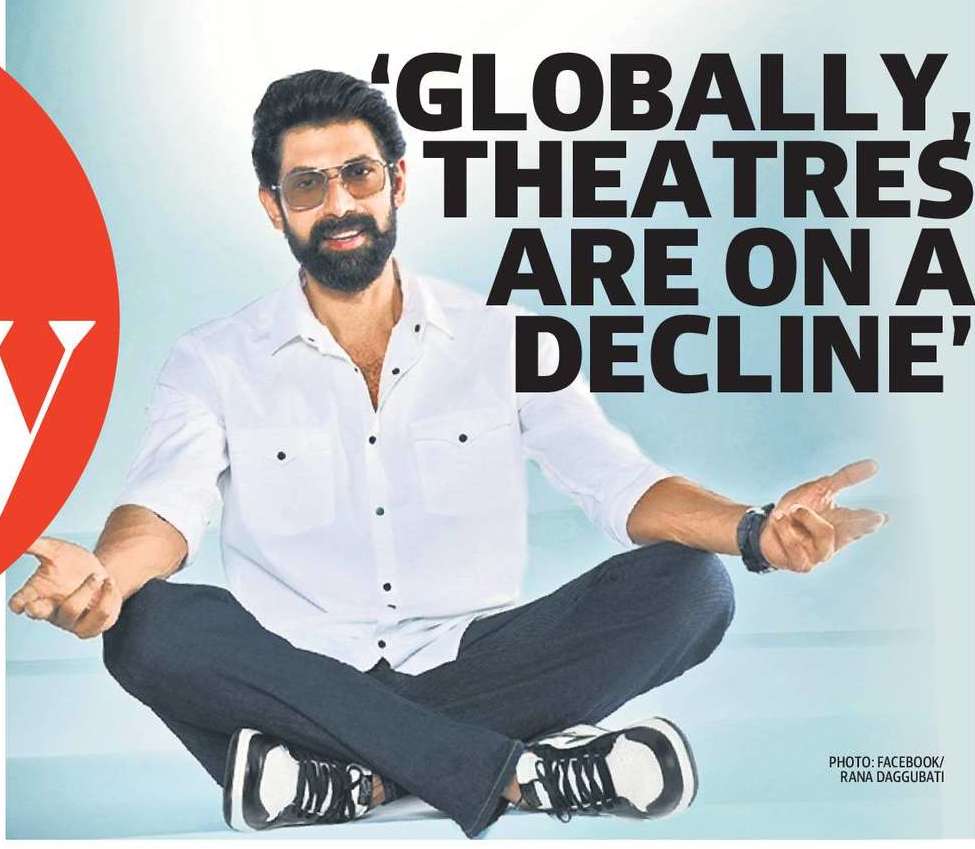
Actor Rana Daggubati feels that the Telugu film industry is emerging in times when the theatres biz is coming down
Yashika Mathur (HINDUSTAN TIMES; June 8, 2025)
Actor Rana Daggubati, who has been a part of Indian cinema for almost 15 years, says that the Telugu industry is showing remarkable growth, be it global success stories like the Baahubali and Pushpa series, and RRR (2022), or smaller films.
“Globally, the theatres are on a decline in some manner. Seven or eight years ago, there were three times the number of theatres that there are today,” shares the 40-year-old, who will next be seen in the web series Rana Naidu 2, adding, “Now, there are so many more mediums of entertainment or content viewing, be it OTT, YouTube or just something on your phone.”
Despite the challenges, he remains optimistic: “Cinema will always find its beat; there are a few things that are still communal as watching a film together — that doesn’t go away easily.”
He cites actor Priyadarshi Pulikonda’s Telugu legal drama Court as an example of how good cinema still resonates, despite a small budget. “There are so many independent films that have become popular, which wouldn’t have been the case a few years ago. Like Court which has done very well. Such films are almost getting to mainstream numbers,” he says.
Rana also praises the Telugu industry’s diversity and affordability. “Telugu is doing better than the other industries because of the larger variety of stuff that is being produced. And the cost of going to cinema in Andhra Pradesh and Telangana is still not as expensive as Mumbai and Delhi.”
Regarding the expectations of pan-India blockbusters from Telugu films, he emphasises that not every story is meant to be universal. “Some things are just for a local market. You need that cultural understanding. Having said that, there are also films made with the clear intention of reaching audiences across the country, and that has been happening,” he ends.
Manoj Bajpayee to front American director Ben Rekhi’s upcoming movie; backed by Rana Daggubati
3:10 PM
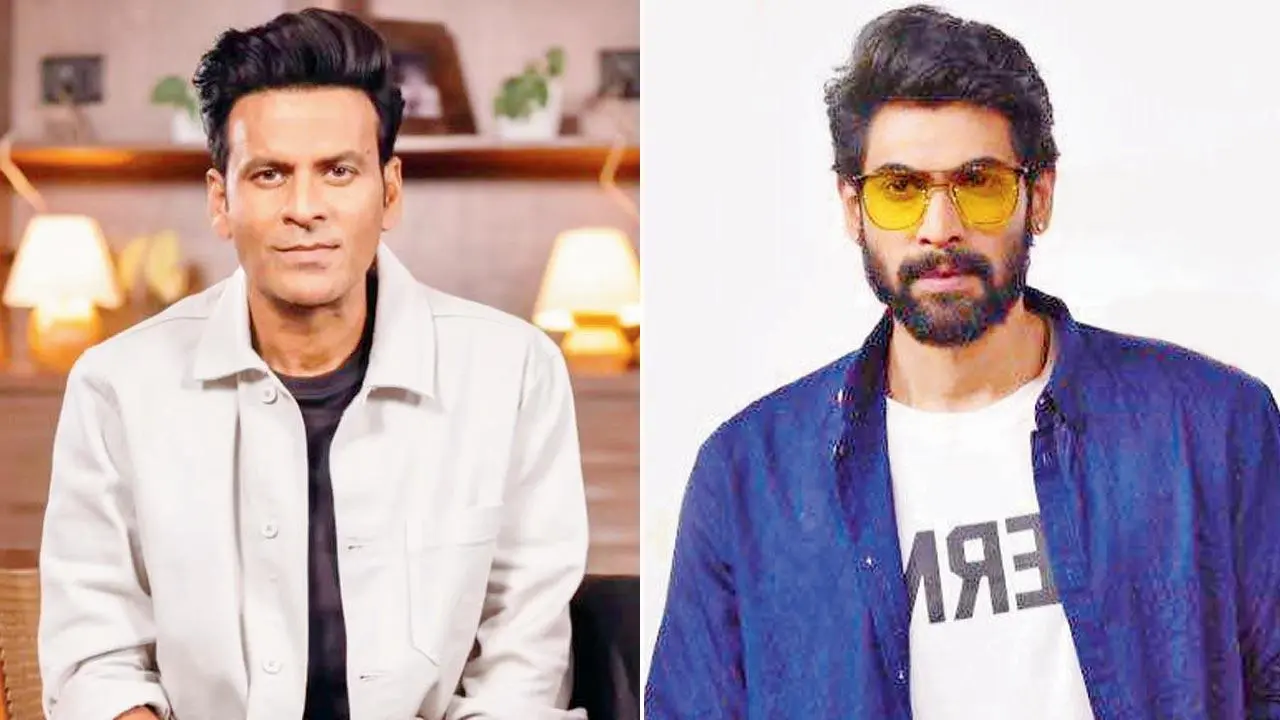
Sources say Bollywood actor Manoj Bajpayee has fronted American director Ben Rekhi’s yet-untitled Hindi social drama, backed by south superstar Rana Daggubati
Upala KBR (MID-DAY; March 21, 2025)
After Pinjar’s (2003) release, Manoj Bajpayee was set to star in an international film with actor Frank Langella, but the project didn’t materialize. Over two decades on, Bajpayee has added an Indo-American movie to his filmography. mid-day has learnt that the actor has fronted a yet-untitled Hindi social drama, directed by American filmmaker Ben Rekhi, who previously helmed The Ashram (2018) and Watch List (2019). Interestingly, the film is produced by Rana Daggubati, marking his first collaboration with Bajpayee.
Daggubati, through his production house Spirit Media, has been throwing his might behind promising movies, Payal Kapadia’s All We Imagine As Light (2024) being one example. When he crossed paths with Bajpayee in recent years, thanks to their involvement in Discovery+ shows, the actor-producer felt the latter would be the right fit for a social drama he was developing.
A source reveals, “Ben has written the story. Manoj plays a common man whose family lands in trouble, leading him to fight for a cause. Through the family’s journey, the story highlights a social issue. The actor is known to be selective about his scripts. When Rana and Ben narrated the story to him, he said yes immediately.”
The film was shot in Mumbai last year. “Some theatre actors from Mumbai are part of the cast. It’s a collaboration between Rana’s banner and a Los Angeles-based production house. The makers are keeping it under wraps until they finalise the release plans,” adds the source.
Rana Daggubati shares how his illness made him a ‘mean person’
8:59 AM
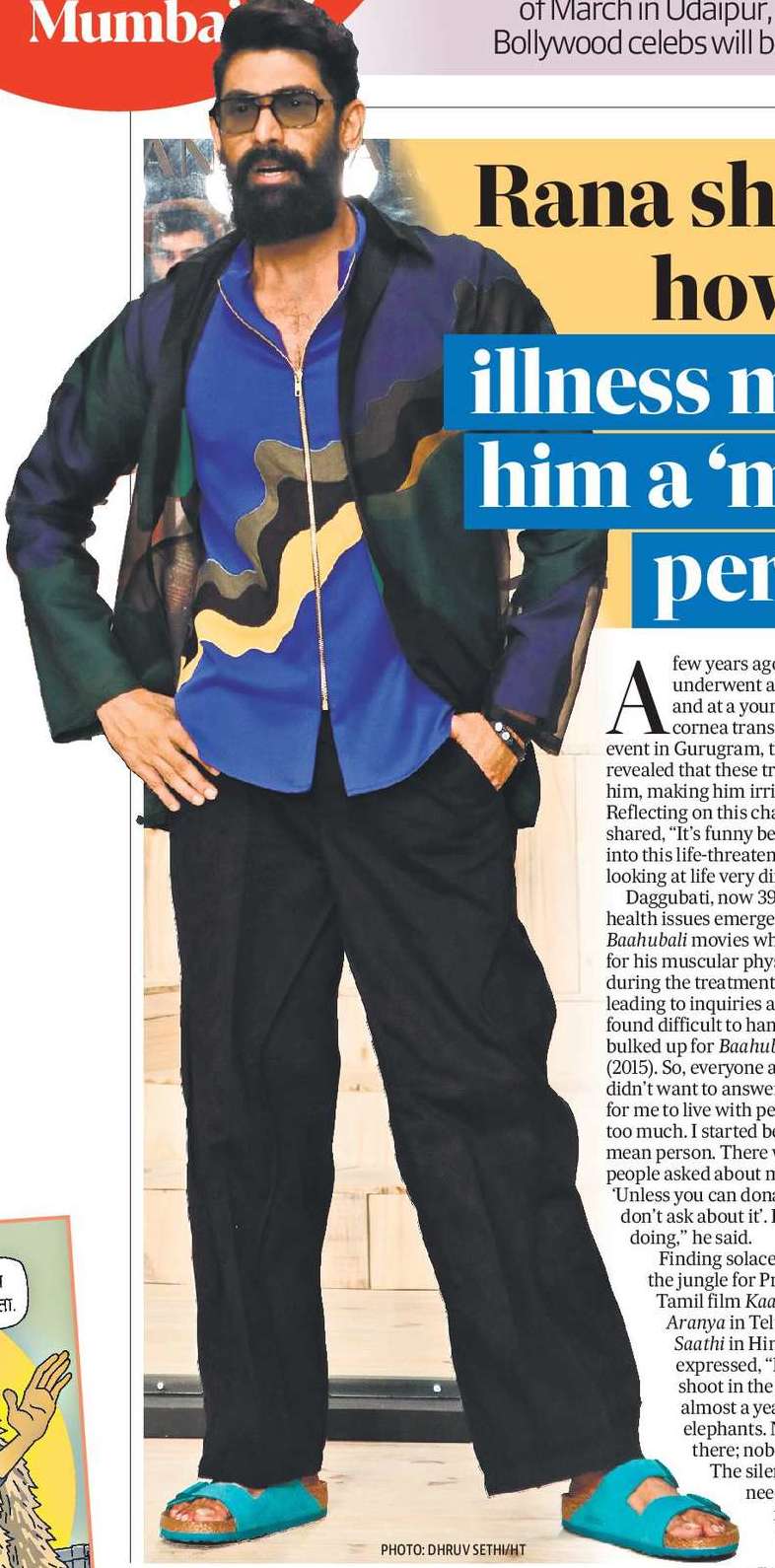
HINDUSTAN TIMES (February 29, 2024)
Afew years ago, Rana Daggubati underwent a kidney transplant, and at a young age, he also had a cornea transplant. Speaking at an event in Gurugram, the actor-producer revealed that these treatments took a toll on him, making him irritable and mean.
Reflecting on this challenging phase, he shared, “It’s funny because once you get into this life-threatening zone, you start looking at life very differently.”
Daggubati, now 39, disclosed that his health issues emerged after the release of Baahubali movies where he gained acclaim for his muscular physique. However, during the treatment, he lost weight, leading to inquiries about his health that he found difficult to handle.
“Everyone saw me bulked up for Baahubali: The Beginning (2015). So, everyone asked if I was ill, and I didn’t want to answer them. It was harder for me to live with people in the city; it was too much. I started becoming a slightly mean person. There was a point when if people asked about my health, I said, ‘Unless you can donate a kidney or an eye, don’t ask about it’. I didn’t like what I was doing,” he said.
Finding solace during the shoot in the jungle for Prabhu Solomon’s 2021 Tamil film Kaadan (released as Aranya in Telugu and Haathi Mere Saathi in Hindi), Daggubati expressed, “I got the chance to shoot in the jungle; I was there for almost a year. I shot with elephants. Nobody judged me there; nobody cared if I was sick. The silence there is what I needed in my life. Nature is a greater healer than anything else.”
Thalaivar 170 will resume filming after Diwali; Amitabh Bachchan to fly down to Chennai in January
8:31 AM
Syeda Eba Fatima (HINDUSTAN TIMES; November 3, 2023)
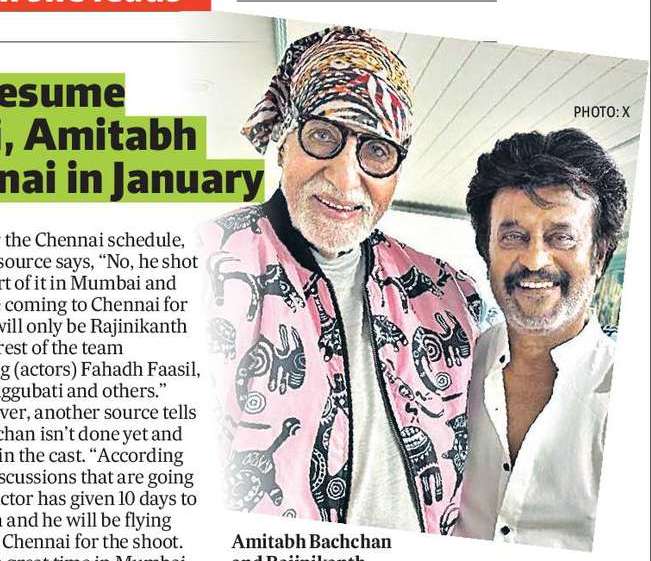
Rajinikanth has been busy shooting for his next big film, tentatively titled Thalaivar 170. The film has been a point of discussion even in the Hindi space owing to the fact that it will feature Rajinikanth and actor Amitabh Bachchan together on screen after 33 years. The team wrapped up one of the initial schedules of the film in Mumbai earlier this week.
Now, we’ve exclusively learnt that the shoot will continue in Chennai after a brief breather. “After a power-packed schedule, Rajinikanth and team have taken a break for Diwali. It’ll resume on November 13 and will go on for 20 days,” shares the insider, adding, “Reports of them going back to Kerala, where the first schedule of the film was done, are not true. They are already done with the Kerala part and will now move to other cities.”
Ask if Bachchan will join the team for the Chennai schedule, and the source says, “No, he shot most part of it in Mumbai and won’t be coming to Chennai for now. It will only be Rajinikanth and the rest of the team including (actors) Fahadh Faasil, Rana Daggubati and others.”
However, another source tells us Bachchan isn’t done yet and will rejoin the cast. “According to the discussions that are going on, the actor has given 10 days to the team and he will be flying down to Chennai for the shoot. He had a great time in Mumbai and is looking forward to joining the cast again,” the insider tells us.
Earlier, our sources had informed us about the film’s theme. “From what is being discussed, the movie is about the education system and how it has been corrupted over the years. The big shots have made education into a business, because of which the common man is suffering,” the source had said.
Rana Daggubati apologizes to Sonam Kapoor; says comment was ‘misinterpreted’
9:17 AM
HINDUSTAN TIMES (August 16, 2023)
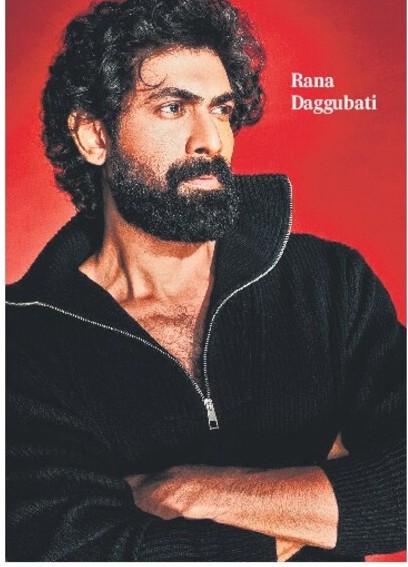
Actor Rana Daggubati’s recent comment at an event in Hyderabad about a certain “Bollywood heroine” wasting his friend, actor Dulquer Salmaan’s time on a Hindi film set grabbed a lot of eyeballs. Although he didn’t mention the name of the actor, fans quickly deduced that he was referring to Sonam Kapoor Ahuja, who starred alongside Salmaan in the 2019 rom-com, The Zoya Factor.
Taking on X, the Baahubali actor admittedly “regretted” that his words were “misinterpreted” and wrote, “I am genuinely troubled by the negativity that has been aimed at Sonam due to my comments, that are totally untrue and were meant entirely in a light-hearted manner.”
He apologized to Ahuja and Salman and added, “I express my heartfelt apologies to Sonam and Dulquer, both of whom I hold in great esteem. I hope this clarification puts an end to any speculation and misunderstanding.”
Ahuja had been facing the wrath of social media users when Daggubati shared an incident from the sets of The Zoya Factor. “While he (Salmaan) was standing in a corner with the spot boy, a big Hindi heroine who was doing that movie was engrossed in a conversation with her husband. Her lack of focus affected the shots’ quality, frustrating those on set.”

I had multiple conversations on how to play a father as I didn’t know the tone that was required-Rana Daggubati
8:44 AM
Rana shares the challenges and joy of headlining his maiden OTT series Rana Naidu, which pits him against Telugu star-uncle Venkatesh
Priyanka Sharma (MID-DAY; March 3, 2023)
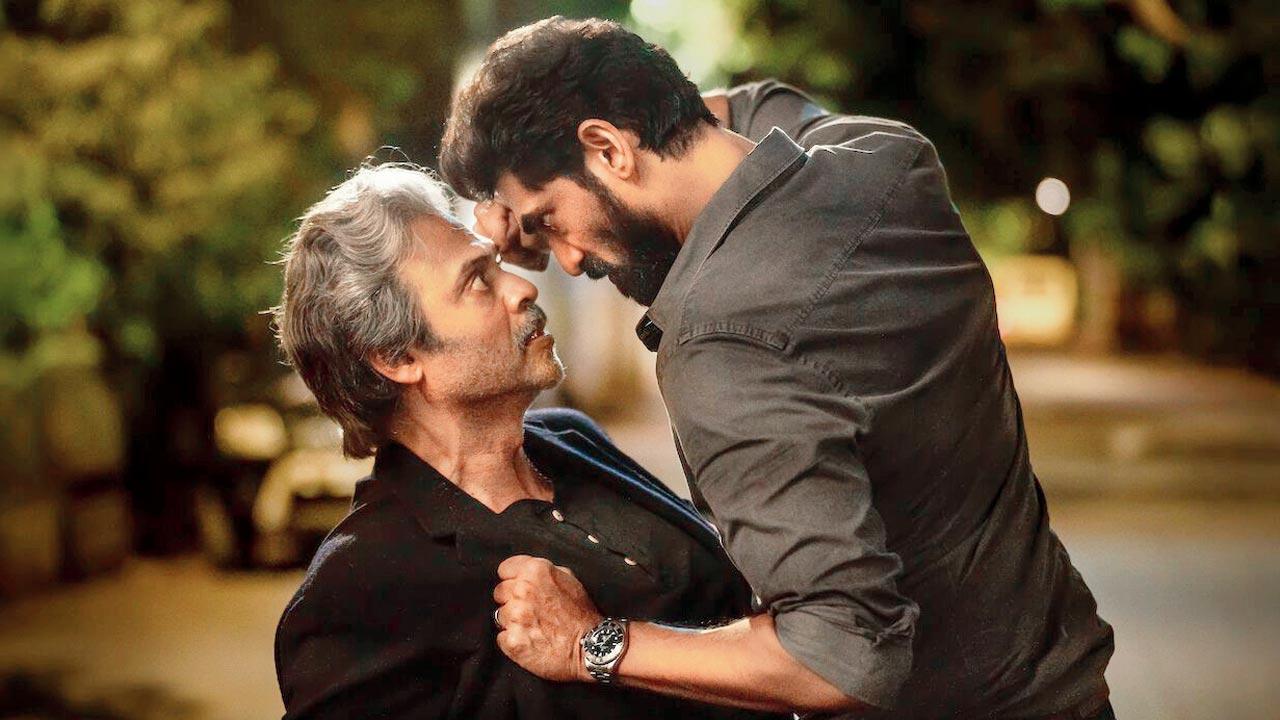
Barring the name, Rana Daggubati has nothing in common with his character in Rana Naidu. The actor makes his digital debut with the Netflix series, which sees him as the fixer of celebrities’ problems. “His job is secretive. He [seems to] be detached, but deep down, he is a family guy,” he begins.
The Indian adaptation of American series Ray Donovan, Rana Naidu revolves around the protagonist’s complex relationship with his father, who also doubles up as his nemesis. Daggubati says two aspects drew him to the project — the dark side of the parent-child dynamics depicted in the show, and the opportunity to share screen space with actor-uncle Venkatesh, who plays his on-screen father.
“Shooting with him and learning how he does what he does was a wonderful experience. We have always been close, but on a set, you have a completely different equation. Our characters were so nuanced, and we had directors who would answer as many questions as we asked them, making sure that we were being true to our parts. Except the fact that I was called Rana [which blurred the lines between my on-screen and off-screen persona], I didn’t have any other problem,” he laughs.
The actor, who enjoys pan-India popularity since the release of the Baahubali franchise, was waiting for something tempting to make his foray into the digital medium. When creator Karan Anshuman of The Inside Edge and Mirzapur fame, and The Family Man 2 director Suparn Varma united to make an action drama, it was an easy yes for Daggubati. In them, he found reliable guides as he navigated the complex titular character.
“I had multiple conversations with Karan on how to play a father because I didn’t know the tone that was required. This was the first time I was playing a father on screen, that too to grown-up kids. But Rana Naidu is a dark guy; it was hard to let go of the character. There was a certain gloom [it brought] into my life, and I only realized it when I went back to dub for it.”
From Roja to Satya, we have seen pan India phenomena earlier too-Rana Daggubati
8:01 AM
Niharika Lal (BOMBAY TIMES; December 2, 2022)
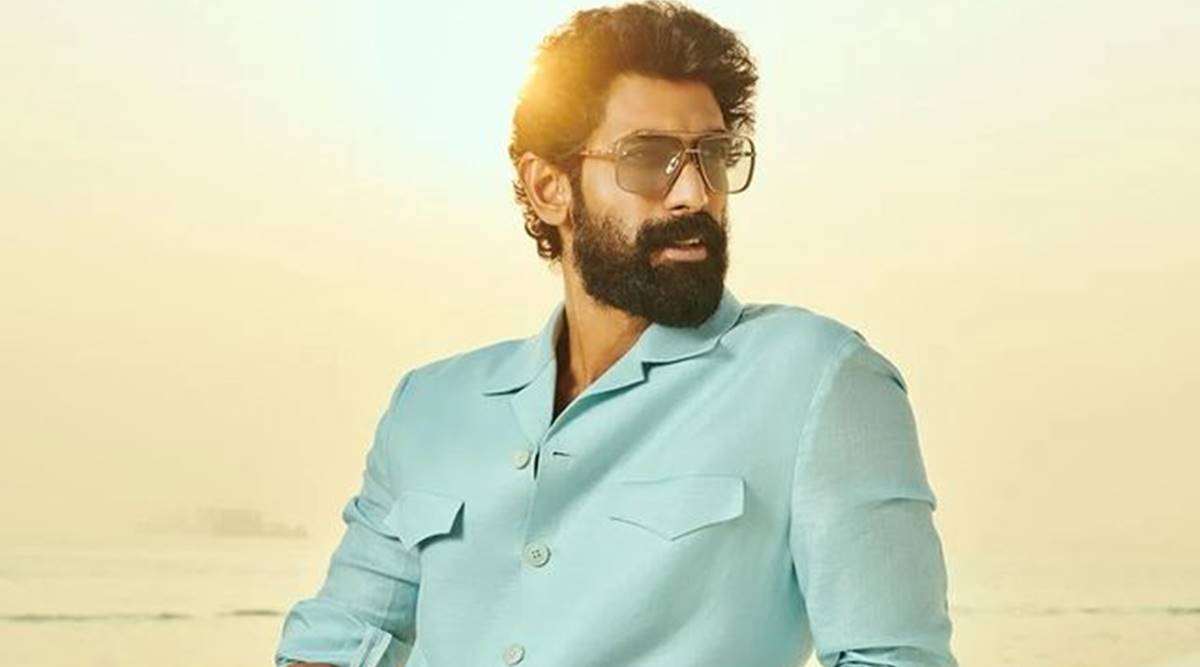
There was a time in his career, when people didn’t know which part of the country he was from or what language he worked in, says Rana Daggubati, adding, “And vice versa – people in the Telugu industry, or the Tamil industry, didn’t know what was happening in Mumbai.”
That’s what makes the shifting dynamics of Indian cinema all the more fascinating to the actor. At a session on film business at IFFI (International Film Festival of India), Rana shared, “It is the first year when we are addressing India as one film industry. What is happening in one industry is no longer alien to others.”
Rana said that OTT has definitely contributed to this shift. “Last week, I was at a party in south Bombay and they spoke to me about every Fahadh Faasil film they have seen in the last two years and this change is kind of incredible. The consumption of content is huge on OTT. You have so much choice on your phone and TV, which is high-quality, 4K, high definition. It gives you an opportunity to engage with those characters for a longer time. If you’re watching a show you’re hooked on those guys for 10 or 12 hours. It’s a different experience.”
‘PEOPLE ARE TAKING TIME OUT TO WATCH RRR & KGF ON THE BIG SCREEN BECAUSE THESE FILMS ARE LIKE EVENTS’
On the flipside, the audience is now more selective about which films to watch on the big screen, Rana said, adding, “When Black Panther: Wakanda Forever came out, everybody just got up, and left their offices, to watch it. People are still taking out time to watch KGF and RRR because those are events. If you sit in an auditorium with a giant screen, then you will only go for emotions or experiences that are extreme. Everything that is communal is more likely to be watched on big screens. Today you want cinema to be more authentic, and true to its genre. Whatever genre the filmmakers are making their stories in, they need to be extreme in narrative.”
Rana added, “What is extreme about Kantara? What it is showing you, you have seen it in photographs, you have experienced it. If you are from Karnataka, then you have heard of it or if you are from a different state then you have seen some other version of it, but to see all that together in a single frame. . . (pauses). Now, while I am talking about Kantara, my body is feeling the same effect it did when I first watched it. During the black and white films era, I remember my granddad used to keep talking about films that were devotional and he’d say that he felt God, and after this experience, I felt okay, maybe that’s what he meant...”
‘PUSHPA, KANTARA BROKE THE MYTH THAT PAN-INDIA RELEASES NEED BIG-BUDGET PUBLICITY’
Responding to a question on what’s next for cinema, Rana said, “We are just one year into it and we are all figuring out which films to make. I think all stories will find their place. But (it will take) three-four years of making, watching, and consuming them.”
Citing the example of Kantara, Rana said, “It didn’t matter what language the film was made in, everyone watched it in the language they preferred and ended up feeling the same. Earlier, we used to say that films should come out in all languages on the same date. But now we are seeing that if a film works in Kannada then 15 days later or a month later, it comes out in Telugu. And it still does the same job. You will see deferred releases and releases that can be localized. Earlier, this trend of pan-India films was (about spending) 10-15 crores in terms of publicity, otherwise, you would not even reach anywhere. But Pushpa and Kantara broke that whole myth. They spent what they had to spend in their region, and the whole country went to watch it. I think these systems (of pan-India mega-budget releases) will keep changing, and everybody will keep finding their type of affordable cinema.”
In response to the question of ‘why it took India so long for India’s cinema to become united’, Rana said, “When I was a kid, Mani Ratnam sir made Roja and Bombay. Those were Tamil films watched across the country. Everyone knows Roja’s music, no matter which part of the country you are from. Ram Gopal Varma made films like Satya, and again, it didn’t matter which language you spoke, you watched it. Time and again, there were films like these, which were telling us – ’Here you go, guys. We’ve done it.”
Addressing the narrative that in this flux, ‘Hindi cinema has somehow lost its way’, despite recent hits like JugJugg Jeeyo, Gangubai Kathiawadi and Brahmastra, Rana said, “Every time there is a certain change in the industry, the guy who is leading the pack is the first to get hit. I think somewhere Hindi cinema has been leading the pack. They are leading the entire industry in terms of creating music, creating value, and enterprise. And I think that they are closest to the change so they are taking a bit longer.”
‘STARDOM LIKE YESTERYEARS MAY NOT BE POSSIBLE TODAY, BUT GREATER THINGS ARE POSSIBLE’
About the changing definition of stardom, Rana said, “What is the star concept? The further away you are from a person, the more mystical they are. I don’t think you are going to have the same phenomenon as the yesteryear stars because there was just so little that you got to know about them. The only way to consume stars was through their films. Today, stars are always on social media, and you (the audience) also start treating them as entertainers. The star system will keep changing, and there will be characters that will last beyond stars.”
But are there still going to be stars? “The same thing may not be possible, but greater things are possible. Now you see platforms taking Indian culture, actors and films to a global stage. Becoming global stars is possible for Indian stars.”
Rana Daggubati to launch reality series on Neha and Aisha Sharma, inspired by Keeping Up With The Kardashians
8:24 AM
Mohar Basu (MID-DAY; May 12, 2022)
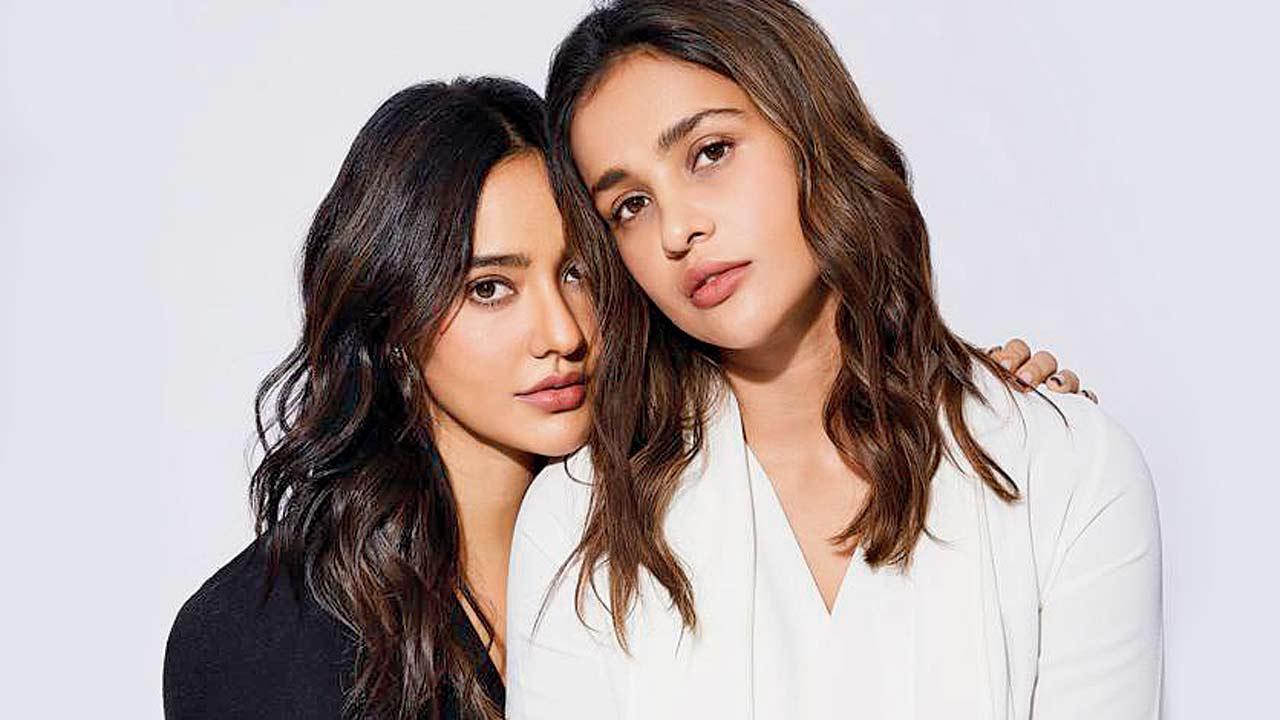
Trailing the celebrity life has usually made for popular content. A prime example is Keeping Up With The Kardashians, which not only kept viewers hooked for 20 seasons, but also made the Kardashian family famous for being famous. Closer home, Fabulous Lives Of Bollywood Wives (2020) tasted success with the format. Now, we hear a similar concept is being explored around the lives of actors Neha and Aisha Sharma.
Rana Daggubati, who launched his YouTube channel South Bay in March 2021, has envisioned a non-scripted reality series titled Shining with the Sharmas. The reality show joins South Bay’s roster that previously had the animated chat show, Why Are You, and Lakshmi Manchu’s talk show, among others.
“The series is on the lines of Keeping Up With The Kardashians. It is shot entirely in their Bandra home [and will follow them] as they go about their day — from their gym workouts, to their projects and their downtime together. The peppy show [will highlight] the fragilities of the glam world. It aims to depict how the Sharma sisters navigate the strains of the industry,” says a source.
The series has been in the making for the past year, and is currently in post-production. If all goes as planned, the show will drop on the channel in June.
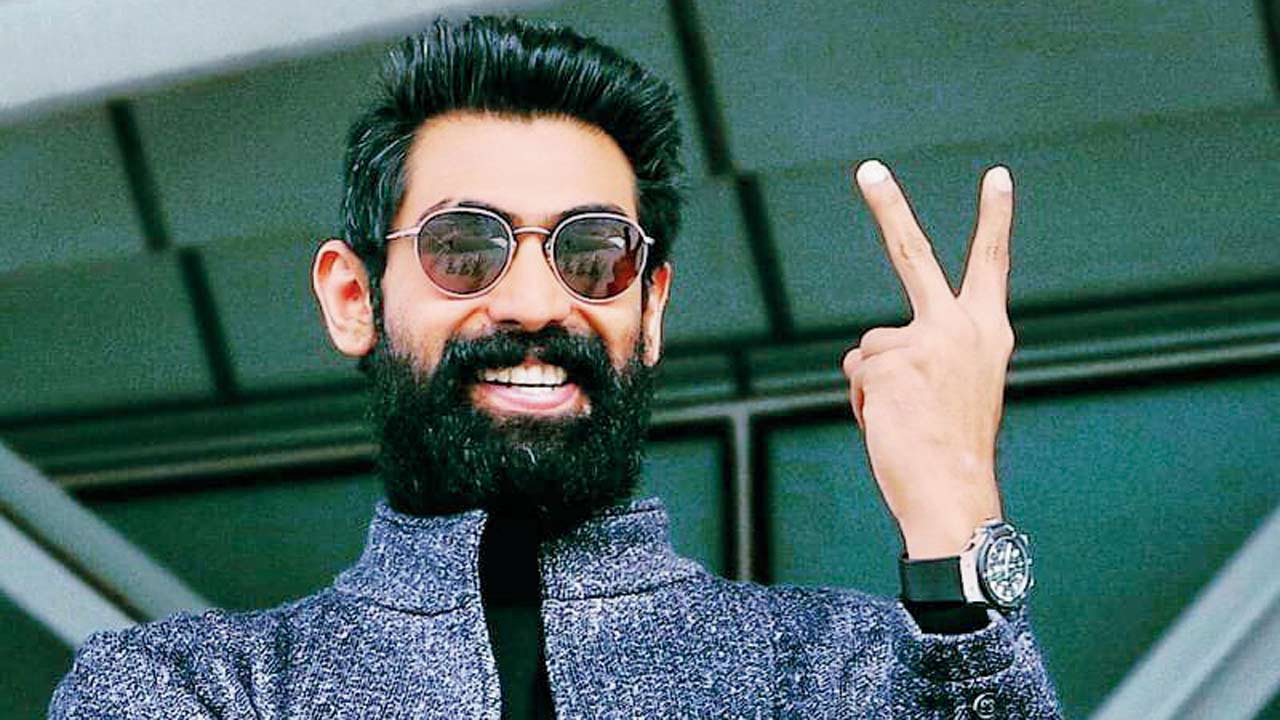
Is 2022 finishing the North-South cine divide?
8:47 AM

As films from regional industries go pan-India, the film frat wonders whether it is time to do away with all the ‘woods’ and normalize the term ‘Indian film industry’
Sunayana Suresh (BOMBAY TIMES; April 23, 2022)
While hosting the trailer launch event of KGF - Chapter 2 in Bengaluru recently, Karan Johar, said, “It’s high time we do away with all the ‘woods’ and look at the Indian film industry as one. ” He was clearly referring to big wide divide that has always existed between Bollywood – the grand daddy of Indian film industry – and all the other regional film industries in India.
What Karan said is just a rearticulation of what the Indian movie audience has already decided to do — to move on from just Bollywood and watch any cinema that entertains and engages them; never mind if it’s from Tollywood, Mollywood, Kollywood or Sandalwood, or any other self-styled ‘wood’. They have, in that sense, already done away with the so-called ‘woods’.
Film industries across the country may have been operating in silos, making their own kind of films, for their own kind of people. But the audience has made it clear that they’ll exercise their choice. And they’ve chosen good content that cuts across linguistic, cultural, and geographical barriers.
STRONG CONTENT WORKS UNIVERSALLY, LANGUAGE NO BAR
The Indian cinema lover no longer cares where the story is set, or where the star is from. Content is truly king. What else would explain the craze for Allu Arjun’s Pushpa: The Rise - Part 01? The tale of a tribal boy from rural Andhra Pradesh smuggling sandalwood to eke out a living while protecting his oppressed tribesmen is finding resonance across the nation.
Pushpa’s director Sukumar confesses that he had faith in the story and the format in which he told that story, but even he couldn’t have anticipated the love it received nationwide. “This just goes to show that no matter what language the film is made in, if you have strong content, it will resonate universally. Pushpa may seem like a story rooted in the place it’s set in; but the emotions it evokes are universal, and that is what is finding resonance across the nation,” reckons Sukumar.

‘THAI, KOREAN AND CHINESE FILMS CROSSED NATIONAL BORDERS LONG AGO’
Kichcha Sudeep, who is gearing up for the release of his pan-Indian 3D film, Vikrant Rona, points out that Thai, Korean and Chinese films managed to cross national borders and found an audience internationally long ago.
“Thai, Korean and Chinese films crossed these boundaries years ago. Jackie Chan became a name in Hollywood decades back, while China produced the Academy Award-winning Crouching Tiger, Hidden Dragon,” says Sudeep, who is confident that Indian cinema is on its way to getting there.
GOOD FILMS = GREAT BUSINESS,NO MATTER WHERE
A film that resonates with the audiences also means big bucks, as Visakh Subramaniam, who sold three-language remake rights for his production Hridayam to Karan Johar, recently discovered. “Hridayam may be a Malayalam film, but it has run for more than 60 days in Chennai. Pushpa is a story about a Telugu boy made in Telugu primarily, but it did good business in Mumbai, where it ran for 100 days in some places. KGF Chapter 2 and Vijay’s Beast both had early-morning fan shows planned in Kerala. So, there are definitely no barriers for good entertainers,” he says.
RISE OF THE PAN-INDIA STARS
If the audience is looking beyond boundaries of language and region, then who are stars to say they’ll not take the leap and cross over? Hindi cinema is now welcoming actors from regional cinema with open arms. Raveena Tandon, who is returning to south Indian films after two decades, shares, “I’m so glad to see crossovers and multi-lingual films being made. The audience has always been open to it, and now, their needs are being met too. I think it’s about time we all came together to make one strong Indian film industry.”
Interestingly, ‘Indian film fraternity’ is a term that’s crept into the lexicon of stars all over the country of late. Following the massive success of RRR, Jr NTR spoke about a united film industry that can “revive the glory days of Indian cinema.”
NTR’s emphatic statement and the conversation around ‘Indian cinema’ embodies the fact that we have come a long way from an era where actors from the South were cast as side characters in big Bollywood potboilers.
“I remember a time when South actors were cast as bad guys in most Hindi films, or, roped in for some special appearances at best,” says director Raj Nidimoru of the famous Raj and DK duo. “Not anymore. Actors like Priyamani, Samantha, Neeraj Madhav and Vijay Sethupathi have all been reintroduced to Indian audiences via their work that’s cutting across regional barriers now,” says Raj.
THE STARTING POINT
Filmmakers agree that Baahubali and KGF catalysed audiences to sit up and take note of films beyond Bollywood. Lead actor Prabhas said, “I think our films should be categorized first as Indian films, and not language-wise.”
OTT: A MASSIVE UNITING FORCE
Actor Rana Daggubati is quick to point out that the digital format played a big part in uniting Indian cinema. “It all started with OTT, in a way. Commercial cinema was always made for the box office, because it costs a lot of money to release a film in theatres and to market it to audiences. Traditionally, there’s only so much you could do, only so many screens you could take it to. But with OTT, these films started reaching the drawing rooms of people across the country. Now, more than the language, the audience started connecting to the emotions of the characters; the story; the storytelling. Once they got the taste of it, they wanted more,” says Rana.
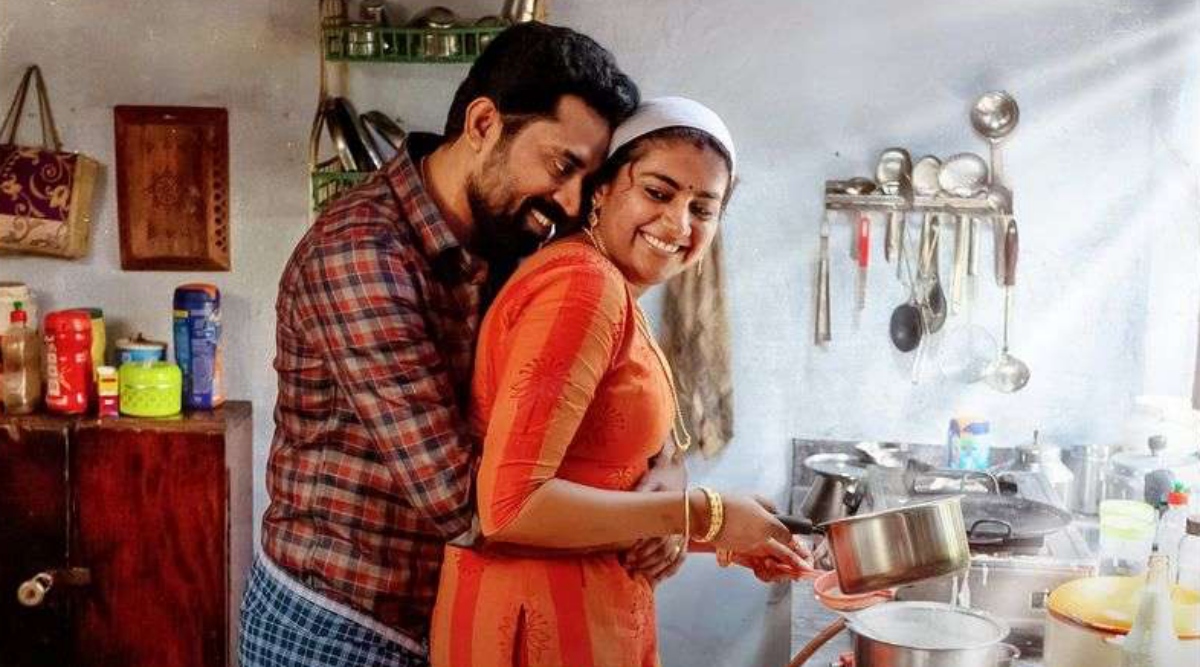
The pandemic only reinforced the power of the digital format, and worked especially well for smaller film industries like Malayalam, which never got their due despite the great talent and legacy of good
films. The Great Indian Kitchen, for instance, was made on a modest budget, but had content that resonated nationally that made the whole nation sit up and take notice.
Analysing the trend, director Jeo Baby says, “During the lockdowns, people sat at home and watched everything that came their way… Well, the fact remains that even today, it is hard to reach a platform that can give you access to a national audience, especially if you aren’t that big a name.”
But once you get there, your work will get the kind of eyeballs and the kind of creative freedom you could have never dreamt of, say filmmakers. As Raj Nidimoru points out, “In The Family Man, Samantha, who played a pivotal role, doesn’t speak a word of Hindi. Yet, it’s a series made in Hindi. Almost 50% of Season 2 of The Family Man was in Tamil. We didn’t care. We knew people would get over the subtitle reservation. This kind of freedom to tell a story the way it should be told was unthinkable even a few years ago. For us filmmakers and actors and technicians, there hasn’t been a better time to be here, in Indian cinema.”
SOUTH FILMS THAT SLAYED ON OTT PLATFORMS
- Soorarai Pottru
- Jai Bhim
- The Great Indian Kitchen
- Minnal Murali
- Drishyam 2
- Cinema Bandi
- Kala
- Sarpatta Parambarai
- Karnan
- Super Deluxe

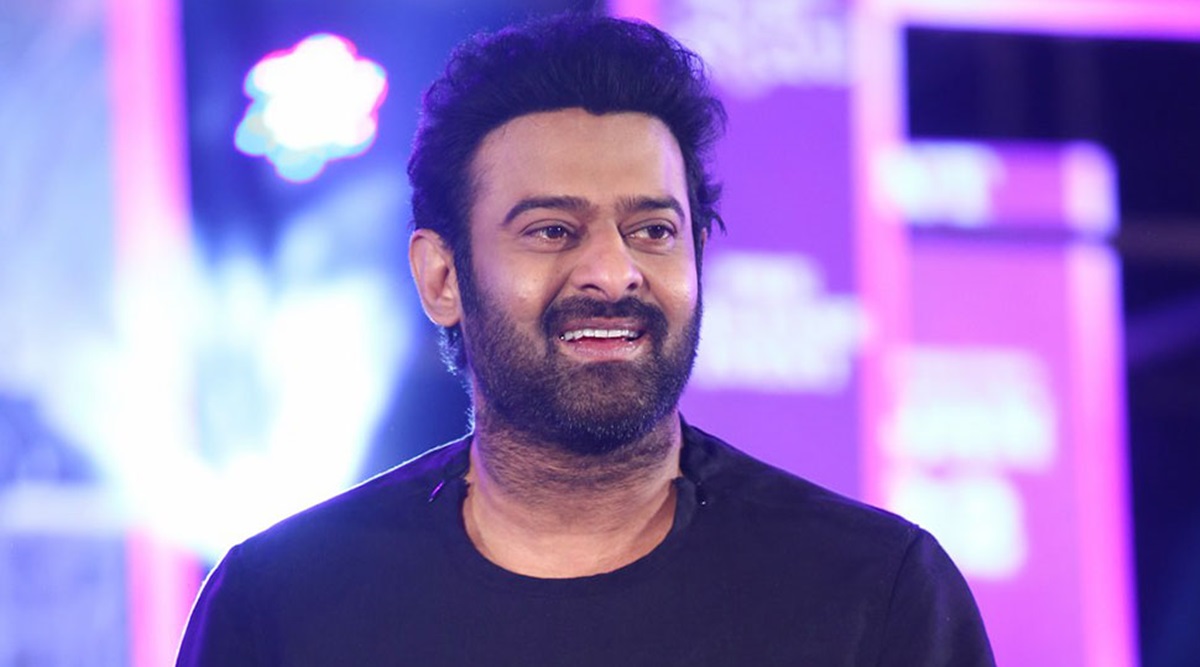
The audience wants to see me as Baahubali, and they want that image every time-Prabhas
8:42 AM
Madhureeta Mukherjee (BOMBAY TIMES; March 10, 2022)
In our cinema-crazy country, we have hugely popular actors, superstars and pan-India actors. Prabhas is one such combo, a mighty one. Baahubali broke the barriers (literally, too), in the mindsets of various filmmakers and film industries in India. And redefined Prabhas’ career as a pan-India star. The actor who was in Mumbai to promote his upcoming period romantic drama, the multilingual Radhe Shyam, in a conversation with us, spoke volumes (believe it or not!) about how tough it is to make a pan-India film, how we all are in experimentation mode, and that when it comes to movies — India is unstoppable now. Blending in with the spirit of Mumbai, the chat summed up with a cutting chai and vada pav. Get the mood? Read on…
You have another period drama pitched on a lavish canvas coming up, Radhe Shyam. Post Baahubali, you have won national recognition and fame, but with that, the stakes are now also higher with every film. How does living up to the constant pressure and hype feel?
The point is, I don’t want to do only big films. With Radhe Shyam, we initially thought that we could make it in 100-150 crores, but the producers didn’t want to compromise. We went to Georgia, where the schedule was planned for 40-50 days, but we had to wrap up in 12 days. In Italy, we had another 10-15 days of shoot, again we had to cancel that and create the set in India. Even in Hyderabad, we had to cancel many schedules because of the Coronavirus situation. We did the best that we could in the given circumstances. I am planning some comedy films, too, so yes, I don’t always want to do films on such a big scale.
But, more often than not, would you say that you get offered these mega projects. The makers and the audience now envision you in a certain way. As an artiste, is that a tad problematic?
That is a problem. The audience wants to see Prabhas as Baahubali, and they want that image every time. For me, it is not always exciting. Yes, of course, I enjoy doing it when I take on a project, as we grew up watching films like Superman, Spider-Man and we will continue to make and watch such big films and superheroes on screen, and I will too. But at the same time, I also want to do smaller films. I want to do something different in terms of storytelling and entertaining the audience, and I am planning that. Radhe Shyam is a big-budget film, but my character Vikram Aditya is not a superhero, he is powerful when it comes to his profession.
Radhe Shyam directed by Radha Krishna Kumar is your first multilingual (Tamil, Telugu, Kannada, Malayalam and Hindi) love story, does that make you nervous?
For me, doing a love story was so exciting. I have done it in Telugu, but the Tamil and Malayalam audience hasn’t seen it. This is my first multilingual love story, so I am a little stressed. The way we have shown vintage Europe, it has rarely been seen in Indian films, and I am keen to know how it will be received by the audience.
The concept of a pan-India film was known and used in cinematic parlance earlier, but the huge success of Baahubali only popularised it further. And now, we hear the term being used a lot by actors from South film industries, who are already pan-India stars or on their way to becoming one. Would you say, in this regard, Baahubali was a turning point for Indian cinema, and since then, there has been no looking back?
I think that is the way it should be. Films like Mughal-E-Azam, Sholay, Dilwale Dulhania Le Jayenge or Mayabazar (Telugu and Tamil epic fantasy film), among other landmark films in different languages, were seen by audiences across. I think our films should be categorised first as an Indian film, instead of being identified language-wise. You could say that in recent times, Baahubali became that starting point, but I think we had reached a phase where it was bound to happen. All of us are evolving, with that our films are evolving, too. The fact is that, right now, we are all still in an experimental stage, and filmmakers across the country are experimenting with their cinema. It doesn’t mean that they are thinking of big-budget films. They are looking at stories with big ideas.
For filmmakers and actors, it must be quite tricky to understand the pulse of the audience when making a pan-India film. In different parts of our country, we are used to watching a certain kind of cinema and the sensibilities also vary. So, telling a story that satiates the entertainment palate of viewers across India, seems like a mammoth task.
Yes! Baahubali: The Beginning was an experiment, with Baahubali 2: The Conclusion we were luckier as we knew that the audience was waiting for it. Again, Saaho was an action thriller, and it was only Sujeeth’s (director) second project. We were wondering…will people watch it? It was made on such a huge scale. So, everyone has questions on what is right. The problem is that we don’t exactly have a reference point — like what will the Bengal audience think, how will the audience in Punjab react? We don’t know, and we don’t have the answers. Hence, I said that we are all experimenting in this space. It is tough to understand which script will connect with the pan-India audience. Like, in the Telugu market Saaho did very well, but not as well in the Tamil market. The Hindi audience liked it more than the Telugu speaking audience. So, it’s interesting. Everyone is in research mode. Even when you are talking about Bollywood movies, if you grew up in Mumbai, your taste might be different from someone else living outside of the city, but consuming Hindi films. So, imagine appealing to audiences across a country as big and diverse as ours — is a really challenging task. The stakes are also higher. If you make Baahubali in 100 crores, it would be safer. But if it is made in 440 crores, the gamble is higher, but then we get a film like what we saw. Rajamouli and I had doubts regarding which audience is going to watch the film.
Stars down South have a massive fan following, however, pan-India stardom at some level also involves finding an audience in Bollywood cinema? Do you agree?
India’s biggest film industry is Bollywood. So, if you say pan-India film or pan-India actor, Bollywood is a big part of it, and you can’t ignore it or deny that. You can’t just do Tamil and Telugu films if you are a pan-India actor.
We are also seeing a huge number of actors from Bollywood, more than ever before, doing big projects down South. What do you think is drawing them southwards — subjects, filmmakers or the possibility of massive collections are garnering?
Now filmmakers want to reach audiences across, and the audience wants to watch all kinds of cinema. In the South, our markets are small, but yes, we make commercial movies, which become big hits. Tamil and Telugu markets combined could be bigger than Bollywood. But my point is, if we want to make the biggest cinema, and we want to reach our fans globally, why can’t our cinema and actors reach a wider audience across our own country first. I feel it is already too late, this should have happened long ago.
So, what you are saying is that we should head towards a direction where most films will be multilingual, instead of being just in Hindi, Telugu, Tamil, etc. And eventually, actors won’t be region-specific?
Many films are going to go that way in the future. We should be seen as one big film industry from India. Our cinema needs to reach every other place in the world, and that is the fight. Maybe we can make a film like The Lord Of The Rings, or Ben-Hur, but we need to have money for that, and we need all our audience which is such a huge population to watch it. Like films from China have reached Hollywood, then why not us? Why are we still saying Tamil, Telugu, Hindi? Why? Our journey towards that has started, and that is the exciting part.
On that note, working in Hindi films has been a new process for you. Given your reserved personality, did it take time to feel at home here?
During the first Baahubali, it was very stressful for me. For Telugu films, in 14 years, I had never given as many interviews in my life as I gave for Baahubali 1. I told Rana (Daggubati) and Tamannaah (Bhatia) to talk to the media so that I could take a backseat. I had never experienced 40 people sitting in front of me and asking questions. Till that time, I wasn’t even comfortable with the Telugu press (laughs!). I talk a lot when I get comfortable. I have a problem with starting a conversation. The media here has been really sweet, and now I am far more comfortable, as you can see.
In real-life, are you a romantic at heart?
Maybe I am, else I wouldn’t have done a film like Radhe Shyam (smiles!).
Now, more than the language, the audience connects with the emotions of the characters-Rana Daggubati
8:09 AM

Suhas Yellapantula (BOMBAY TIMES; January 5, 2022)
Rana Daggubati enters the new year brimming with positivity and exudes confidence about the way film content is going to be consumed in 2022. While there is uncertainty around upcoming theatrical releases due to a spike in Coronavirus cases across the country, Rana, who has featured in films such as The Ghazi Attack, Housefull 4, Haathi Mere Saathi and Baby, believes OTT has bridged the gap between regional cinema and Bollywood, and has opened up new avenues for artistes.
He says, “The whole process of OTT and video-on-demand has broken all barriers. Now, more than the language, as an audience, you connect with the emotions of the core characters. That’s what’s bridged the gap between regional cinema and Hindi cinema a lot more. Having said that, as much as you’d love to see an adaptation, you would also love to see content in the comfort of your own language. Now, this opens a lot more doors. ”
It’s going to be a big year for the pan India actor, who will be seen in big ticket films like Bheemla Nayak (Telugu) with Pawan Kalyan and Virata Parvam (Telugu) with Sai Pallavi. However, Rana is most excited about teaming up with his uncle, Tollywood star Venkatesh, for the first time ever. The duo will feature in an upcoming web series, which is the adaptation of the popular American Crime Drama, Ray Donovan.
“Right from the time that I became an actor, I knew that at some point Venky and I would work together. I always knew that when we act together, it will not be in a conventional film — I wanted it to be different and cool. When I got the opportunity to do this web show, I knew this was it. It’s going to be special,” he says, excitedly
The Baahubali actor feels that the Indian audience has gotten used to long form of storytelling thanks to OTT platforms. “Commercial cinema is made for the box-office, because it costs a lot of money to release the film in theatres, to market that to audiences. Unless it’s extremely engaging, with so much content available, it’s very hard to bring people to the cinema hall. But when it’s genre-specific, niche content, people don’t mind watching it from the comfort of their homes. This definitely leads to more localised and much deeper storytelling. It won’t be wrong to say that OTT has gotten us hooked to long form storytelling where you’re not just connected with a character for three hours, but you’re with them for seasons after seasons,” he adds.
"They provide narrative edge, grab eyeballs": Why regional stars are in demand on Hindi OTT
8:23 AM

As makers and content crossed cultural barriers to open up to talent beyond Bollywood, the past year saw stars from regional films take over the Hindi web space
BOMBAY TIMES (January 4, 2022)
RIGHT PERSON, WITH OTT WE HAVE AN OPEN FIELD TO CHOOSE TERRIFIC ACTORS WHO FIT THE ROLE: MAKERS
Hansal Mehta, who directed Pratik Gandhi in Scam 1992: The Harshad Mehta Story, says, “We (filmmakers) have always wanted to cast the right person for our shows/films, and because of OTT we now have an open field. Pratik was cast because he’s a terrific actor who also happened to be a Gujarati (like the character he played). Even The Family Man 2 used so many actors from the South film industries, which gave the narrative an edge. Sacred Games also used so many Marathi industry actors. It’s a great trend.”
Filmmakers believe that casting regional actors in OTT series basis their talent has been possible as there’s no pressure to cater to the box-office. Says Raj Nidimoru (of Raj & DK, creators of The Family Man), “Our series gave us the freedom to go beyond language. Priyamani, Samantha and Neeraj Madhav have been reintroduced to Indian audiences thanks to Hindi OTT. Films have certain restrictions in terms of box-office that OTT doesn’t, no one has to speak Hindi for the sake of it. Almost 50% of The Family Man 2 was in Tamil, but that didn’t hamper the series. Actors can express themselves the best when they get to be themselves and this will lead to people opening up to more talent from across India in the Hindi OTT space. ”

HINDI WEB SHOWS OFFER SCOPETO EXPERIMENT: REGIONAL STARS
Actors from regional industries may enjoy demi-god like stature that their theatrical releases bring them, but that hasn’t stopped them from taking the Hindi OTT route. Samantha Ruth Prabhu, who debuted in the Hindi web space this year, says, “As an actress, I want to push boundaries. Raji (her character in The Family Man) allowed me to explore a new dimension and I wanted to take this risk for my growth. This decision paid off and helped me get closer to a much wider audience and opened up new avenues.”
Venturing into Hindi OTT space has earned them a new fanbase, who are watching the actor’s regional content as well. Says Parambrata Chatterjee, “Many people have told me that after having watched my Hindi web shows, they are now watching my Bengali films with subtitles. This synergy allows actors from language industries to explore the Hindi content space.”
For regional actors, the medium doesn’t matter since the work culture is almost similar. Roshan Mathew adds, “It’s heartening that casting agents are now looking at actors from various regional industries for Hindi web shows. Now that Malayalam cinema has pan-India acceptance, actors from our industry are taken seriously. Having lived in Mumbai for several years, I am comfortable with Hindi and familiar with the shooting process. When I did Anurag (Kashyap) sir’s Choked, it did not feel any different than working in a Malayalam film.”
Most regional actors believe that since the core audience has shifted loyalty to OTT, the platform has become more important. Paoli Dam (below) says, “OTT is proving to be a gamechanger for regional actors — look how things turned out for Pratik Gandhi after Scam 1992. Audiences now want content-rich work and OTT is providing that, and us actors the scope to experiment with our craft.”
Amruta Subhash feels the amalgamation of industries “has made us do some out of the box work. Collaborations are leading to challenging creative opportunities.”

STREAMING SOON
The year 2022 will continue to have more regional heavyweights in the OTT space. Frontlining this trend will be Rana Daggubati set to star in a web original titled Rana Naidu alongside uncle and veteran actor Daggubati Venkatesh; Vijay Sethupathi in Raj Nidimoru and Krishna DK’s next, tentatively titled show, Fake with Regina Cassandra (who also has Project Hawk and Rocket Boys in the kitty), Prithviraj Sukumaran is doing a Hindi web show directed by him, Trisha will appear in a Telugu show Brinda, to be dubbed in Hindi and Shrenu Parikh will star in Damaged 3.
Says Rana, “I was always interested in doing a web show, but didn’t know how to go about it or what story to tell. When I was offered the adaptation of Ray Donovan, I jumped at the chance. From the time I became an actor, I knew that there will be some story that Venky and I will tell together, something that’s not cliched but cool. This is going to be special.”
Regina Cassandra, who is set to mark her debut in Hindi OTT in 2022 with a slew of web shows, says, “With Hindi OTT shows, the makers have to reach out to a wider audience, so regional actors are courted by showrunners. It’s business at the end of the day. Thanks to OTT, there is no north-south divide anymore.”
— Inputs by Suhas Yellapantula, Rachana Dubey, Renuka Vyavahare, Anna Mathews, Shruti Jambhekar, Shreyanka Mazumdar and M Suganth
REGIONAL STARS IN HINDI OTT
- Samantha Ruth Prabhu (Tamil/Telugu): The Family Man2
- Neeraj Madhav (Malayalam): Feels like Ishq
- Roshan Mathew (Malayalam; below): Choked
- Parambrata Chatterjee (Bengali): Bulbbul, Ramprasad Ki Tehrvi, Black Widows and Aranyak
- Jisshu Sengupta (Bengali): Typewriter, Skyfire, Criminal Justice2:Behind Closed Doors
- Swastika Mukherjee (Bengali): Paatal Lok, Medically Yours and Black Widows
- Pratik Gandhi (Gujarati): Scam 1992- The Harshad Mehta Story
- Paoli Dam (Bengali): Bulbbul,Raat Baaki Hai
- Wamiqa Gabbi (Punjabi): Grahan
- Rinku Rajguru (Marathi): 200 Halla Ho, Hundred
- Aaditi Pohankar (Marathi): She, Aashram
- Amey Wagh (Marathi): Asur, Cartel
- Amrutha Subhash (Marathi): Bombay Begums

Nepotism, by definition, is applied to political hierarchy or public sector companies-Rana Daggubati
8:10 AM

Rana Daggubati on collaborating with other actors, the reign of content and more]
Titas Chowdhury (HINDUSTAN TIMES; October 5, 2021)
Actor Rana Daggubati was quite excited about his trilingual film Haathi Mere Saathi (HMS). He had envisioned that the movie would receive appreciation pan India. However, unlike his expectation, it received mixed responses from movie lovers and critics. Talking about the film, which had a digital release a while back, the actor shares, “Like success, failure and mixed reviews are part of a few films you do, especially, when (doing) things a bit offbeat.” He adds that in such scenarios, “the learnings” are always abundant and “quite fruitful”.
Moving ahead, Daggubati will be collaborating with his colleague from the Telugu movie industry, Pawan Kalyan, in one of his next projects. “The story of the film plays on the male ego. It will be a new film for both of us as well as for the Telugu audience,” excitedly shares Daggubati, who will also be seen sharing screen space with another Telugu star Venkatesh on a digital project.
Ask him about Tollywood stars collaborating in multiple projects — a phenomenon that is a bit rare in the one-hero Hindi film industry — and he says, “It is the story that drives it all. If we have directors that demand it, audiences will always love and enjoy it.”
But hasn’t the hero-worship declined in recent times, especially with the invasion of digital media, we probe? “Stars are stars irrespective of the era. But having said that, it is the kind of content that the stars continually work on (that matters the most) to keep fans engaged,” quips the 36-year-old.
Also, Tollywood comprises actors who belong to prominent film families but, the debate around nepotism never seems to arise there. The Baahubali actor explains, “Nepotism, by definition, is applied to political hierarchy or public sector companies...The entertainment world is based on arts. It requires hard work from everyone, irrespective of being from a prominent family or not.”
Haathi Mere Saathi’s Hindi version to now directly premiere on television
4:31 PM

Uma Ramasubramanian (MID-DAY; September 4, 2021)
It has been a long wait for Rana Daggubati to see Haathi Mere Saathi on the big screen. The multilingual, originally slated for an April 2020 release, had to be postponed to January 2021 due to the pandemic. In January, the makers announced that the drama was further pushed to March. Fortunately, Kaadan and Aranya — the Tamil and Telugu versions of the film respectively — had a big-screen release in south India on March 26. However, the Hindi version could not keep its date with the audience as the number of Coronavirus cases had risen in Maharashtra, Punjab and other states, which serve as crucial markets for Hindi releases.
Now, director Prabhu Solomon and the producers are pursuing a direct-to-television premiere. The Hindi version will premiere on Zee Cinema on September 18 and stream on Eros Now. “Through Haathi Mere Saathi, I wanted to put across a thought that could ignite conversations around the cause of protecting elephants and nature,” says the director.
The film focuses on the issue of human encroachment in elephant corridors. Daggubati is glad that the story will reach viewers across the country. “It is a journey of a man who is best friends with elephants and their protector. It is an important story that needs to be told.”
The bifurcation between what’s suited for big screen and what’s better for OTT will become clearer-Rana Daggubati
8:54 AM

Rachana Dubey (BOMBAY TIMES; July 20, 2021)
Shortly before the second wave of the pandemic hit the country hard, the film business down South had taken off in a big way. Rana Daggubati’s bilingual Haathi Mere Saathi, which was up for release at that time, had to be held back, yet again. It faced a similar situation in 2020, too. In a conversation with BT, Rana spoke about the impact of the pandemic, his understanding of the new normal and way he sees things moving, hereon. Excerpts:
A year ago, the Coronavirus pandemic pushed the film industry into uncertain territory. At this point, what do you think is the extent of its impact?
The pandemic has affected every business, brought it to a stop, and moved it to a point of reinvention and innovation. Where there has been a big pause, there has also been extreme growth of different kinds, and that is not restricted to any one business in the country. In our line of work, movies started going to OTT platforms in big numbers, and writers and directors are developing way more content than they have done in the past because they have the time on hand to do that extensively and deeply. It’s a wait like it is for everyone for things to open up, but there will be a significant change in the way we create our content and the way people consume it.
While the Hindi film industry was slowly getting back on its feet, with fewer releases and dismal openings before the second wave of the pandemic hit us, the south film industry opened up to huge box office figures in the same period. How did the businesses differ so drastically?
The opening of theatres and the way the theatre ecosystem depends on their ownership and the kind of films that are being made. In South India — I can talk about Andhra Pradesh and Telangana — the filmmakers and the film studios run large theatre chains. It was in their best interest to open theatre chains and have them full with films quickly. That is not the case in other business territories. Also, in the South, we have a larger mainstream film narrative with stories that are larger than life, written for the big screen and they are the spectacle kind of movies. It was something that the audience had been waiting to watch on the big screen.
What do you think will be the greatest impact of the pandemic on film business when we get to the other side of this situation?
The audience has watched so much content across languages and cultures on different channels in the last 18 months that filmmaking across the board will now have to be upped and improved. On the other side, we will have to see what kind of content will work in which space. That bifurcation between what’s suited for the big screen and what’s better for the OTT space will become clearer. Cinema consumption everywhere will see a drastic shift. Something meant for a big screen and the wholesome experience will go to the big screen, and the rest will be consumed on other platforms.
Now more than ever, we are seeing actors crossing language barriers. Hindi film actors are increasingly taking up work down South and South movie stars are featuring in Hindi film projects. Do you see that cross-pollination strengthening further in the times ahead?
This crossing over has always happened. More Hindi film actors have taken up work down South. In comparison, there are fewer Telugu stars in Hindi cinema. But now that everything else is merging even more, and everyone is watching everything, people have begun to show a liking for individual talents from different industries. In the future, it will be interesting to see the kind of cinema that will come out of this, how the industries will grow, and how newer artistes will emerge in different territories in the country.
Your film, Haathi Mere Saathi, was on the verge of release when the makers were forced to push the dates ahead, for the second time in two years. How does that impact you as an actor?
Haathi Mere Saathi’s release had to be moved around. The impact of such a decision had to be kept at bay looking at what people around us were going through. It is a very difficult phase for people. Their lives have been impacted severely. Haathi Mere Saathi is a very special and poignant film for today’s times when we understand and value nature more than we ever did. It was a beautiful experience putting that film together in different languages with different cast members.
Lastly, as an actor, do you find yourself attracted to the digital medium?
Yes, I do, I find the space very interesting. I am interested in taking up something in the long-format narrative. I think it’s very interesting how a story has a longer shelf life and also characters have a wider spectrum and actors have the scope to play out the arc. In comparison, there’s a definite start and finish to a story and a character’s journey in films. In the OTT show space, the connection and the duration one gets to play with is much longer. I would love to find something in the long-form that interests me.

I am not scared of being typecast because the definition of villain has changed with time-Kabir Duhan Singh
8:07 AM
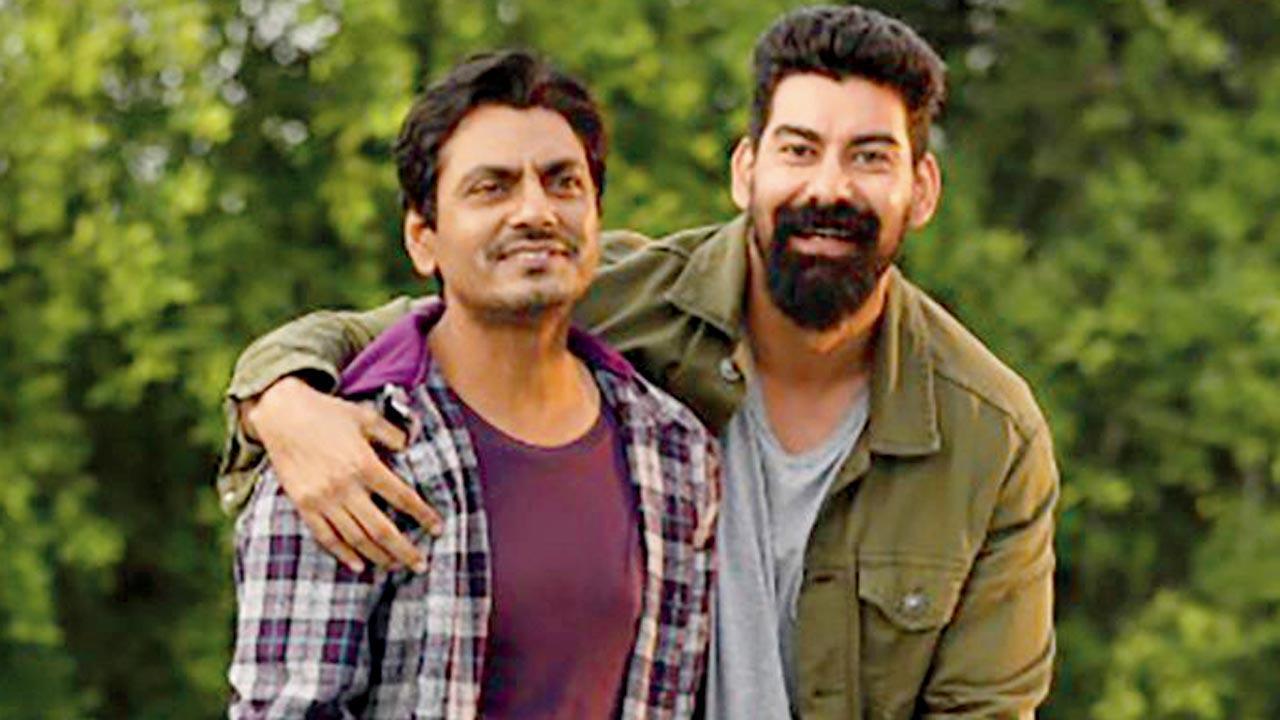
South star Kabir Duhan Singh, who turns villain in Nawazuddin Siddiqui’s Bole Chudiyan, on the evolving portrayal of antagonists in movies
Uma Ramasubramanian (MID-DAY; April 15, 2021)
When was the last time an actor said he preferred to play the villain over the hero? Despite portraying the baddie in Telugu, Tamil and Kannada films, South star Kabir Duhan Singh opted to play the negative lead in Nawazuddin Siddiqui’s Bole Chudiyan. “I am not scared of being typecast because the definition of villain has changed with time. Rana [Daggubati] has done several films [in the negative space]; that does not mean he is repeating his roles. Jaideep Ahlawat has been a game-changer [in that arena]. Several options have opened up for actors like me who are not industry kids,” said the actor, who is making his Bollywood debut with Shamas Nawab Siddiqui’s (Nawazuddin’s brother) romantic drama.
Unlike his roles in regional cinema, Singh won’t be seen going all guns blazing for this one. Playing Tamannaah Bhatia’s elder brother in the film, he said, “I play the boy-next-door for which I had to shed a lot of kilos. While he is protective [of his sister], he is not an aggressive character. For the first time, I am doing a film that is [an amalgamation of] action, romance, and comedy.”
While a major chunk of the film has been wrapped up, Singh still has a few more scenes to finish. ‘”We have three days of shoot left in Mumbai for the climax sequence. Everyone is waiting for the things to [relatively] get normal,” said the Jil actor, adding that it is a dream come true to share screen space with Nawazuddin. “It was such a fabulous experience working with Nawaz. He is a school of acting.”
Subscribe to:
Posts (Atom)