Showing posts with label RRR. Show all posts
Showing posts with label RRR. Show all posts
My favourite place in India is Uttarakhand-Edward Norton
10:55 AM

Vinay MR Mishra (MUMBAI MIRROR; July 19, 2026)
Edward Norton may not have had a lot to say during the virtual interaction for The Invite, but when the conversation turned to India, the Oscar-nominated actor lit up with memories from his travels. Speaking alongside director Olivia Wilde, who also stars in the movie, Norton reflected on his visit to India and the kind of dinner party he’d love to host.
Norton revealed that he has fond memories of travelling through the country. Recalling his favourite experience, he said, “I have travelled through India and loved it. My favorite area was up in Uttaranchal (now known as Uttarakhand), way up near Nepal. I went trekking there and hiking for days and days. It was so much fun. I loved it.”
When the conversation turned to Indian movies and which film he has watched, he quickly said, “RRR.”
Discussing his ideal Hollywood house party guest, Norton said, “I don’t know who. There are quite a few people I haven’t had over for dinner yet but would love to.”
The Invite released in India last week across PVR Inox. Directed by Olivia Wilde, The Invite is a sharp relationship dramedy set over the course of a single dinner party. The film stars Seth Rogen and Wilde as a married couple whose strained relationship is tested when they invite their enigmatic upstairs neighbours, played by Penélope Cruz and Edward Norton, for an evening that quickly spirals into an emotionally charged exploration of love, desire and commitment. Written by Rashida Jones and Will McCormack, the film is inspired by Cesc Gay's acclaimed Spanish film The People Upstairs.
Few films create a world as immersive as Tumbbad-Alia Bhatt
3:53 PM

Renuka Vyavahare (BOMBAY TIMES; July 14, 2026)
After much speculation, Bombay Times can now confirm that Alia Bhatt has officially joined the critically acclaimed Tumbbad franchise. The actress will appear in a pivotal role alongside Sohum Shah and Nawazuddin Siddiqui in Tumbbad 2, an anticipated sequel, marking one of the most significant collaborations in Indian cinema.
Known for her remarkable range and fearless choice of roles, Alia’s arrival marks a defining moment for the film. Her ability to seamlessly move between intimate character-driven performances has consistently made her one of the most compelling actors of her generation.
Alia told Bombay Times, “Tumbbad has stayed with me ever since I first watched it. Very few films create a world that feels this original and immersive, and even fewer continue to grow in people’s imagination years after they’ve released. That’s what makes this opportunity so exciting. To now become a part of that world is incredibly special. I’m looking forward to working with Sohum and Nawaz, two artists I’ve admired for a long time, and to exploring a character that belongs to a story as rich, mysterious and unforgettable as Tumbbad. I can’t wait for audiences to experience what we’re creating together.”
Celebrated for its rich world-building, atmospheric storytelling and visual ambition, Tumbbad redefined the folklore fantasy genre in India and has earned a cult following over the years. Its re-release went on to become the highest-grossing re-releases in Indian cinema. With Alia joining the cast featuring Sohum Shah and Nawazuddin Siddiqui, Tumbbad 2 is set to expand its canvas.
'Having Alia Bhatt come on board for Tumbbad 2 is truly delightful': Sohum Shah
Sohum Shah shared, “Having Alia Bhatt come on board for Tumbbad 2 is truly delightful for all of us. She is undoubtedly one of the most talented actresses of this generation, and I am sure the audience will get to witness something unique with her in the film. We have all witnessed her incredible performances on screen right from her debut. This is my first collaboration with her, and I am genuinely looking forward to working together.”
Tumbbad 2 is directed by Adesh Prasad and spearheaded by actor-producer Sohum Shah under his banner Sohum Shah Films, in collaboration with Pen Studios. The film is slated to release in cinemas on 3rd December 2027.
Producer Dr. Jayantilal Gada said, "Alia Bhatt is undoubtedly one of the finest actresses in our industry, and her joining Tumbbad 2 is truly incredible. This also marks our third collaboration with Alia after the phenomenal success of Gangubai Kathiawadi and RRR, making it even more special for us. She is the perfect choice for this film, and the audience will see her in a way like never before."
Its going to be a tough road ahead for films from the South
3:13 PM

Box Office India Trade Network
The past few years has seen films from the South score and even break records which was a rarity earlier but it has been presented as some sort of dominating wave which has left Hindi cinema behind which is very far from the truth. Whatever the struggles of Hindi films, it will remain the biggest film industry in the country simply because of the POTENTIAL audience it has in sheer numbers. Its a different matter that this potential audience has not been reached generally over the last few decades or so.
This so called pan India thing is just not there, no matter how much the media shouts as the majority of these so called pan India films bite the dust. But the ones which get though are talked about. It is going to be even tougher now for this South content as generally its built on sequels. The first film gets appreciation and then the second one gets the numbers but this game is just not valid for South films but all films.
The sequel thing will run its course as it cannot go on forever due to over supply be it from Hindi cinema or South. Hollywood has already seen this happen. There was this South wave in the 80's but it was slightly different as it was banners and directors from the South making films in Hindi with Hindi film stars and it lasted 3-4 years before normal service was resumed. Also that was actually a wave while the present is more media made.
The problem the South films will face are expectations because of this media made wave and their huge budgets and how they open when they are not sequels. The wider audience responds when its a sequel to an appreciated film but outside that, its just a few areas where there is a ready audience.
Below are the opening day collections of South films in Hindi when not sequels and they pretty much say it all with just a handful which can be called good opening and mainly Prabhas starrers who has a following in certain Hindi belts. There are not many films to get even 5 crore nett till date and it will be similar films going forward which history shows is always dwindling returns. The road is only going to be tougher from here.
1. Saaho - 25,82,00,000
2. Kalki 2898 AD - 20,86,00,000
3. RRR - 19,38,00,000
4. Salaar - 15,73,00,000
5. Devara - 7,13,00,000
6. Game Changer - 6,83,00,000
7. The RajaSaab - 5,03,00,000
8. Baahubali: The Beginning - 4,92,00,000
9. Coolie - 4,14,00,000
10. Radhe Shyam - 4,09,00,000
Our house help watches Korean TV shows dubbed in Marathi-Siddharth Roy Kapur
9:53 AM

As filmmakers across Asia, Africa and the Arab world rethink their place in global cinema, one question looms large: how do you build the kind of cultural wave South Korea sent sweeping across the world?
Anand Holla (MUMBAI MIRROR; November 30, 2025)
As filmmakers across Asia, Africa and the Arab world rethink their place in global cinema, one question looms large: how do you build the kind of cultural wave South Korea sent sweeping across the world?
It’s the longest-running, cross-cultural magnum opus in the world of cinema, and its story has only just begun. For nearly three decades, films from the Global South have continued to reshape the future of cinema. Today, more than ever before, stories, talent and financing from the Global South are overhauling the global film ecosystem. And the most potent force driving this shift is not technology, budgets, or marketing — it’s authentic, culturally rooted storytelling.
Earlier this week, in Qatar, during the Doha Film Festival, this idea dominated a fascinating industry panel discussion featuring creators and producers from across the Global South. Invited to speak at the event, seasoned producer Siddharth Roy Kapur told Mumbai Mirror, “What Hollywood has managed to achieve over the last 100 years, and South Korea over the last 25, is to reach out to the world with their soft power. Both the government policy and the creative forces worked together to push out Hallyu,” he said.
Hallyu: a real superhit formula
Also known as the Korean Wave, Hallyu refers to the global spread of South Korea’s popular culture — films, K-pop, K-dramas, beauty and food. Korean cultural exports has evolved into a multi-billion-dollar global industry, supported by a mix of state-led strategy and a creative sector willing to take daring, stylistic leaps.
Yet the panelists agreed that numbers alone don’t explain Hallyu’s force. It’s the connection. “Our house help watches Korean TV shows dubbed in Marathi. Now that could be time spent watching a Marathi show,” Kapur said. “So, clearly something somewhere has resonated with the audience on a very deep level. We need to understand what that is and be able to do that with our own entertainment as well.”
The takeaway wasn’t that countries should copy Korea’s model, but that audiences worldwide are ready, even hungry, for stories that feel specific rather than generic. Kapur’s own film Dangal, for instance, became a phenomenon in China, earning over $200 million because Chinese families saw their own struggles in that story about Indian wrestlers.
The film RRR spawned fan clubs from Tokyo to Los Angeles without changing a frame for foreign viewers. K-dramas like Extraordinary Attorney Woo topped charts across Asia, Latin America and the Middle East despite being rooted in Korean legal and social structures. Nigerian film The Black Book entered Netflix’s global Top 5 in 42 countries. Japanese anime films like Suzume and Demon Slayer set records in India and Brazil even though their logic, pacing and spirituality come straight from Shinto folklore. The pattern is undeniable: people want texture. Meaning. A point of view. Besides, when stories travel, they rewrite boundaries.
“Chinese girls were taking their parents to watch Dangal,” Kapur said. “Sometimes we are blind to the commonalities between cultures which some stories are able to bring out.”
The real bottleneck, thus, isn’t talent or audience demand. It’s money. Around the world, the stories with the most cultural potential are often the least funded, which keeps entire regions from playing on the global stage. South Korea’s government, for instance, has long supported storytelling through film. In fact, just this year, the Korean Film Council (KOFIC) launched an initiative to revive mid-budget Korean films. The scheme allocates around KRW 10 billion (Rs 61 Cr) to back films with budgets between KRW 2–8 billion ((Rs12 Cr to Rs 49 Cr). Selected projects can receive grants of up to 30% of their production costs. All of this is aimed at restoring the industry’s “backbone.”
Financing: the largest hurdle
Saleem Albeik, a Palestinian film critic, novelist and cultural editor based in Paris, spoke plainly about structural obstacles. “Arab cinema mostly relies on European funding, often from France and Germany. This means limitations on the scope of the narrative. In the long run, say, over a decade, this controlled framework plays a big part in shaping what constitutes Arab cinema,” he said.
Kapur, on the other hand, spoke of the challenges faced by films that have an “Currently, the ambition in the cinema from South India is very high. Their commercial yet inventive storytelling approach is commendable. They are also taking big, bold risks because of individual financiers who are willing to take a punt on those ideas unlike in the Hindi film industry, where the financing has become very structured,” he said.
Albeik believes the way forward lies in South–South partnerships. “It’s easier to retain an authentic voice and nuance for an Egyptian film when the funding or a co-production is sourced from the Global South, like from India, Brazil, or South Africa, which share similarities on issues like socio-political tensions or poverty. There is a mutual understanding untouched by any colonial past between them, and therefore no power dynamic,” he said.
Qatar’s launch of its Film Committee signals a wider regional push. In recent years, countries from Saudi Arabia to Kenya and Indonesia have expanded film commissions, rebates and co-production programmes to build local industries with global reach.
Africa’s rising wave
If any region embodies this transition, it is Africa. Nigerian media mogul Mo Abudu, who launched the $50 million Afro Film Fund last year, spoke passionately about the stakes. “The global gatekeepers and studios don’t seem to fully realize the potential of great storytelling that they can possibly tap into from our continent,” she said. “They should think of Africa not as a charity case, but as a business case, because Africa has the youngest population globally (70 percent are under the age of 30), which means an audience and a workforce that can spend.”
Africa’s demographic weight is impossible to ignore. With a population nearing 1.5 billion in 2025 and booming streaming markets in Nigeria, Kenya, Ghana and South Africa, production and investment have surged. Abudu believes the world has barely begun to tap the continent’s narrative wealth. “We have 3,000 ethnic groups. We have 250 tribes in Nigeria alone. Be it a movie about a wedding, a funeral, a heist, or any universal theme, the specificity of our society and culture that shines through is what makes the audience experience our stories like they have never before,” she said.
India’s inflection point
In India, the diversity of filmmaking voices could inspire far richer storytelling — provided it isn’t flattened into a Bollywood-versus-regional binary. “We must take a few chances on films that haven’t been made before and help the films that have the ability to travel to do so,” Kapur said. RRR, after all, proved how quickly a local film can become a global phenomenon.
“When RRR dropped on Netflix around the world, the film had exhausted its South Asian diaspora audience overseas but generated a renewed interest from a crossover audience that started to trip out on this incredible, larger-than-life, Indian film,” said Kapur. “The next Squid Game or Parasite is going to come from somewhere. It should come from India.”
You can’t expect a Pushpa, Kantara or RRR from Bollywood; makers want to play safe-Madhur Bhandarkar
10:10 AM

Toshiro Agarwal (BOMBAY TIMES; December 19, 2025)
Filmmaker Madhur Bhandarkar feels that talent can emerge from any platform when it comes to showbiz—theatre, TV, OTT or films. “Also, if a filmmaker wants to narrate a story today, all they need to do is take out a mobile and create the entire narrative,” he adds. Speaking to us on the sidelines of the second edition of Symbiosis Film Festival, the Page 3 and Fashion director touched upon his style of filmmaking, Bollywood’s lack of conviction and more. Excerpts:
‘My movies are grounded and my stories, basic’
In the 2000s, Madhur’s brand of cinema was celebrated as raw and realistic. Ask him how his storytelling has evolved over the years and he says, “My storytelling hasn’t evolved at all. I’m still making what I used to make back in the 2000s. I always say that I am a storyteller, not a tech-savvy filmmaker. My movies are very grounded and my stories are basic, about everyday lives of people. It’s just that my films have aged well as I mainly focus on human dramas.”
The Babli Bouncer and India Lockdown filmmaker adds that human drama is something that will connect with you ‘even after 100 years’. “Technology will come and go, but the emotions or complexities of relationships will always be relevant no matter what the backdrop is, be it a corporate world, or politics, or even the film industry. My style is to make realistic cinema and I will continue to do so,” he says.
‘Storytelling has changed, but Bollywood lacks conviction’
“Every five years, there is a major revamp in the film industry,” says the filmmaker, who will return to the big screen next year with The Wives. He feels that with OTT, a lot has changed. “The audience is now more aware of world cinema. As a result, Bollywood’s storytelling also has changed a lot. However, Bollywood lacks rawness and conviction. If tomorrow somebody narrates a story like Kantara to a Bollywood filmmaker, they will not be entertained,” opines Madhur.
Applauding Rishab Shetty for his vision, the Heroine filmmaker adds, “You can’t expect films like Pushpa, Kantara or RRR from Bollywood. Because Bollywood wants to play safe with tried and tested remakes of south Indian films. Actors ko original movie dikha denge, bol denge zyada mehnat nahi karni hai, yeh picture hai, South mein chal gayi yahan bhi chal jayegi. Despite this, in the last five years, most Hindi remakes of south films have flopped. There are so many stories in Bollywood that are waiting to be explored.”
‘There’s a lot of noise about everything due to social media’
His films have drawn contrasting opinions, and Madhur says he understands that. “There will always be people who liked something and others who didn’t like it. The reception of a film will never be unanimous,” he says, adding, “But, nowadays everyone is just picking films apart. Thanks to social media, everyone has a voice and now there is a lot more noise. Having said that, I care only about my audience. They are the reason I am where I am today.”
On the backlash on Ranveer Singh’s Kantara reenactment at IFFI
Madhur was at IFFI when the incident involving Ranveer Singh trying to mimic Rishabh Shetty’s Kantara performance happened. Sharing his stance on the controversy, he says, “I felt that he took it a little too far. That said, he owned up to it and apologised, which is commendable. I think he was praising the performance and got lost in the flow. In the process, he crossed a line.”
The RRR performance at the Oscars was awesome-Miles Teller
10:43 AM

Vinay MR Mishra (BOMBAY TIMES; December 3, 2025)
Across Whiplash, Only the Brave, and Top Gun: Maverick, Miles Teller has quietly built a loyal following in India. Ahead of the release of his recently released film Eternity, he sat down with us to talk about on-screen chemistry, the emotional core of the story, and what the journey has taught him about love. But before all that, he shares something unexpected — the one place here he’s genuinely curious to experience for himself.
“I've never been to India. But I have a lot of Indian buddies, so I've always been one to check it out. They're cool. I like what they're exporting on the human level, occasionally," he tells us.
He admits he has watched Indian content. “I have watched Indian content. Especially, RRR — the performance at the Oscars was badass. We love it. Keep it coming," he adds.
The conversation moves naturally to Eternity, where chemistry between long-tethered characters plays a crucial role. Teller explains how he found chemistry with his co-star Elizabeth Olsen.
“We knew the part of the country where these characters came from. There is a certain rhythm and energy to that. We knew just by the nature of how long these people had been together that there was a certain ease, a lack of vanity. They've just been coexisting for so long. But I thought that was fun about reigniting that excitement, too — that comes with no longer having to deal with the burdens of life. Being that age, you felt the best, and they get to go back to their "glory days". But you never know chemistry wise until you start working with the person. I thought we kind of hit it off right off the bat," he tells us.
As he talks about connection on screen, he also opens up about his idea of love and connection, off-screen. “I think you get out of it what you put into it. I find that for the different relationships in my life that are substantial… especially as you get older. And I'm thinking more of friendships, but in love and with family, you have to put some effort in to maintain it," he says.
Does he believe in the concept of partners for eternity? He quips, 'Yeah, my wife… she’s a very Catholic girl, and she's like, 'Oh, yeah, whoever dies first, the other person will be waiting to walk you over to the other side'.”
Talking about performing emotional scenes on screen, Teller states, "I do all the tricks. If the script is really well written, then it kind of is really going to serve you, and it's a lot harder when you don't have that luxury," he concludes.
The South is eating OTT’s lunch; Bollywood isn’t the main course anymore
9:49 AM

Once built around a Bollywood-first script, India’s streaming economy now finds its biggest growth engines and creative bets firmly rooted in the southern states
Javed Farooqui (THE ECONOMIC TIMES; November 26, 2025)
Over the last decade the gravitational pull of India’s entertainment economy has shi fted unmistakably southward. What began as sporadic national curiosity, gradually swelled into a full-blown cultural crossover. When Naatu Naatu from the Ram Charan-NTR Jr starrer RRR lit up the Oscar stage, it signalled that southern cinema was no longer rising quietly; it was asserting itself at the centre of India’s mainstream imagination.
That momentum has now spilled decisively into the OTT universe. For years, India’s streaming landscape ran on a Bollywood-first operating system. Budgets, narratives, and viewer targeting were all sculpted around the Hindi-speaking market.
But the lockdown years changed viewing behaviour dramatically. Housebound and hungry for fresh stories, audiences began exploring Tamil, Telugu, Malayalam and Kannada films in unprecedented numbers. The runaway popularity of Pushpa: The Rise - Part 01, Kantara and RRR ensured that southern storytelling was no longer incidental, it was central.
Among the southern-language industries, Malayalam cinema has emerged as the most intriguing outlier. Despite being the smallest in scale, it has consistently punched above its weight. Films like Manjummel Boys and Aadujeevitham - The Goat Life have travelled across states, while titles such as 2018 and Premam have shown modest overseas draws. Its combination of creative discipline and financial prudence has strengthened the entire value chain, making Malayalam cinema an appealing proposition not just for theatres but also broadcasters and streaming platforms chasing quality content with dependable economics.
Battle for Eyeballs
Today, the fiercest battle for subscribers, originals and film rights is unfolding in southern India. Tamil Nadu, Telangana, Andhra Pradesh, Kerala and Karnataka have become high-growth markets. Every major platform is investing aggressively, drawn by more than 250 million people, deep digital penetration, mature entertainment habits and a willingness to pay.
L V Krishnan, chief executive officer of TAM Media Research, notes that southern audiences have historically shown about 50% higher content consumption. “With growing digital penetration and diverse storylines, content consumption is being further boosted by streaming platforms. Easy and cost-effective AI-driven dubbing has broadened the appeal of southern content to a global audience.”
India’s streaming ecosystem has exploded to 57 OTT platforms, spanning national giants and regional players like Aha, Sun NXT and ETV Win. Ormax Media estimates the country’s OTT audience will touch 600 million by year-end, powered by rising connected-TV usage expected to hit 129 million. With 562 million smartphones and nearly 50 million connected-TV screens, digital entertainment is now the default mode of consumption.
Content Counts
Content supply has kept pace —India churns out close to 200,000 hours of original programming a year—from over 1,600 films to more than 2,600 hours of premium OTT series, says a FICCI-EY report. Paid streaming is also expanding, with subscription video users projected to rise from 47 million in 2024 to about 65 million by 2027.
Although platforms do not reveal regional subscriber splits, executives say the South contributes disproportionately to paid users and viewing hours. The region’s 143 million OTT users nearly match North India’s 151 million despite its smaller population base, according to Ormax. Half the southern population already consumes OTT content, the highest penetration in India.
The investment momentum reflects this energy. Platforms are building larger content teams in Chennai and Hyderabad, experimenting with new pricing models and aggressively commissioning original series that reflect local culture rather than merely ticking regional boxes. The era of token presence is over; depth is the new strategy.
For Netflix, Prime Video and ZEE5, southern growth is fuelled by blockbuster films and originals. For JioHotstar and Sony LIV, sports strengthen their entertainment pipeline. Local giants such as JioHotstar and ZEE5 also benefit from steady daily TV content that reinforces platform stickiness.
“Streaming created a watershed moment for South cinema. During the pandemic, high quality subtitles and dubbing removed language barriers and audiences discovered stories they never had access to,” said Monika Shergill, VP content, Netflix India.
On a New Platform
In 2022, South content viewership grew 50% year-on-year, with South titles appearing in Netflix’s global non-English Top 10 list in about 17 countries the following year. This number has now risen to 26. Last year, Vijay Sethupathi’s Maharaja became Netflix’s most-watched Indian film globally.
“South storytelling is not just becoming bigger in India, it is becoming mainstream. A large part of our slate today consists of South movies, and we acquire the Hindi dubbing rights along with multiple subtitle and dubbing language rights. This allows these powerful films to travel across different audiences,” Shergill said.
Early OTT investment focused heavily on acquiring South Indian films. Titles such as Pushpa, Kantara, Kalki 2898 AD and KGF fetched some of the highest digital acquisition fees. Films still trigger subscriber spikes, but platforms are now investing more in long-form originals to build retention.
Netflix recently announced six new Tamil and Telugu originals, underscoring long-term commitment.
“We currently have about 26 shows in development, negotiation or production for the South. This is the largest pipeline of South Indian content we have ever had,” said Nikhil Madhok, director and head of originals, Prime Video India, adding that 60% of users watch content in multiple languages.
Sony LIV is developing 13 regional originals, 11 of them from the South. Sony LIV’s business head Danish Khan said the South’s strong legacy in films and television raises creative expectations. “Tamil and Telugu are large markets both within India and internationally. Malayalam has become a supplier of strong stories across India.”
Khan noted that consumption patterns in South India mirror national trends—sports, films and originals drive engagement. Sony LIV acquires only select Malayalam films for cost efficiency. The subscriber split is around 80:20 male to female and viewership is 70:30 in favour of men. “OTT penetration in South India is already high and content consumption per user is higher than the national average,” he said.
“We anticipate a substantial rise in the volume of OTT content originating from the South in the coming years.”
JioHotstar plans to triple its South slate to 1,500 hours of original and acquired programming over the next year. JioStar head of entertainment, South cluster, Krishnan Kutty said one-third of the platform’s viewers are from the South and account for a disproportionately high share of watch time.
“The Tamil and Telugu markets are the largest in terms of heft and creative ecosystem. Kerala punches far above its weight because it has a strong pool of storytellers. Some of our most successful movies and specials have come from Kerala. In Karnataka, we are at an early stage, but we are very excited about that market too,” Kutty said.
ZEE5 chief business officer Siju Prabhakaran said, “South contributes up to 45% of our total OTT watch time. Language packs contribute roughly 60-70% of our new subscribers. Each market has a business head who understands local culture and stories. For us, content is the hero.” ZEE5’s language packs are priced at Rs. 99 per month and Rs. 699 annually.
Plot in Story-telling
Executives say South Indian audiences are shaping a distinct OTT playbook. The region’s entrenched TV habits and strong cinema culture push platforms to create habit-forming content. Films remain the biggest subscription catalyst, with Prabhakaran estimating 50- 60% of new subscribers still coming from movies. Prime Video also notes the South’s affinity for films.
To build retention, platforms are adopting TV style storytelling. JioHotstar’s 80–100 episode series are “breaking conventional norms of digital content” as viewers return weekly. ZEE5’s OTT-first reality shows are among its biggest non-fiction subscription drivers.
The South is no longer a regional appendage to the national entertainment market. It has become the creative engine powering India’s soft-power ambitions. As language barriers fall and audiences embrace Indian stories, creators from Tamil Nadu, Telangana, Andhra Pradesh, Kerala and Karnataka are leading the charge. Streaming has not only expanded southern cinema’s audience; it has reshaped India’s entertainment economy and its cultural centre of gravity.
THE GREAT EXPANSION
- JioHotstar plans to triple its South slate to 1,500 hours over next year.
- Prime Video has 26 South-origin shows in the pipeline.
- SonyLIV has 13 regional originals, 11 of them from the South.
- ZEE5 says the South accounts for 45% of its OTT watch time, driven by aggressively priced language packs.
- Netflix has announced six new Tamil and Telugu originals; says views of South content grew 50% YoY in 2022.
Every American has seen RRR-Jesse Eisenberg
10:10 AM

Vinay MR Mishra (BOMBAY TIMES; November 12, 2025)
Jesse Eisenberg is back with Now You See Me: Now You Don't, the third chapter in the hit illusionist-heist franchise. As he reunites with Isla Fisher and the rest of the cast, the actor says the film feels like returning to a “magical” place that still surprises him in his first interview in India with Bombay Times.
“This movie was a very magical experience. When we did the first movie, we didn’t really know how it would be perceived. And then it was just this magical thing that people love the movie. That was a really special. When you’re making a movie, especially a movie like this one, which has all these big elements and big action scenes and lots of characters, it’s hard to exactly imagine how it’s going to come out because there are so many different elements. And when a movie like this comes out really great, you know, it’s a magical thing,” he says.
The franchise - the third installment releases this Friday at PVR Inox across the country - enjoys a strong fan base in India, something Jesse admits he’s well aware of. “I am thrilled that the movie, Now You See Me, is popular in India. It’s amazing for us because Isla and I have been involved in these movies for 13 years, and everywhere we go around the world, where we live, people love these movies so much, which is one of the reasons we really wanted to do another one. We really know that these movies are beloved around the world," the Social Network star states.
Talking about Indian cinema, Jesse adds, “I think every American saw that movie - RRR. It was incredible and had an interesting mix of some of our style of filmmaking and mainly, of course, it being an Indian film.” He hasn’t been to India yet, but says, “My favorite trip I’ve ever taken was to Nepal, many similarities, but I did not cross the border.”
As the film brings in a younger set of performers, Jesse says watching them take the stage felt like another magic trick in itself. “We were so thrilled. I mean, the movie has tricks in the movie, but it also has this amazing magic trick. And I don’t want to give anything away, but it was an amazing pleasure to watch them take the spotlight. (We had to come) Because the story was so great," he concludes.
Kantara: A Legend Chapter – 1 is sixth highest South dubbed film in Week 2
3:22 PM

Box Office India Trade Network
KANTARA: A LEGEND – CHAPTER 1 had the sixth highest collection ever in the second week for a dubbed or bilingual film from the South. The list basically incorporates most of the biggest films from down the South because if a South film is collecting well in week two in Hindi, its almost certain the film is a grosser. Hindi is basically the ultimate frontier and the toughest hurdle for the South films.
The film is dominated by sequels and that is why films like RRR and KALKI 2898 AD deserve a special mention as they have done without the craze of a previous films. However, RRR was an exception; it had the advantage since it came from the makers of BAAHUBALI. It was a rare instance in Hindi cinema that the maker carried the film as its normally all about the stars as far as the bigger numbers go.
The list is dominated by Prabhas films who has four films in the list and even a film like SAAHO manages to get into the top ten. This guy is probably the only star till date who has made that breakout into Hindi cinema. The other one who was close was Rajinikanth and it remains to be seen what happens with the hero of PUSHPA, Allu Arjun.
This breakout of Prabhas makes a regional actor the biggest star in the country which is shocking and this was not even thinkable earlier and a its a lot down that the stars of Hindi cinema either doing bad films and others seeing lack of support in core Hindi circuits. It remains to be seen how long this remains as Prabhas will have a lot of Telugu content to satisfy his local crowd and this will not always penetrate into Hindi. If the film is too Telugu, it could even struggle for initials. Obviously, SPIRIT is there and when the biggest star and biggest director (arguable but as far as Hindi content goes, Sandeep Reddy Vanga stands alone at present) get together, then fireworks will be expected.
The top ten second weeks for dubbed/bilingual films are as follows.
1. Pushpa 2 - The Rule - 1,78,31,00,000
2. Baahubali 2: The Conclusion - 1,42,52,00,000
3. KGF - Chapter 2 - 79,57,00,000
4. RRR - 75,34,00,000
5. Kalki 2898 AD - 70,71,00,000
6. Kantara: A Legend Chapter – 1 - 50,75,00,000 apprx
7. 2.0 - 36,81,00,000
8. Baahubali: The Beginning - 25,26,00,000
9. Saaho - 24,04,00,000
10. Pushpa: The Rise - Part 01 - 20,02,00,000
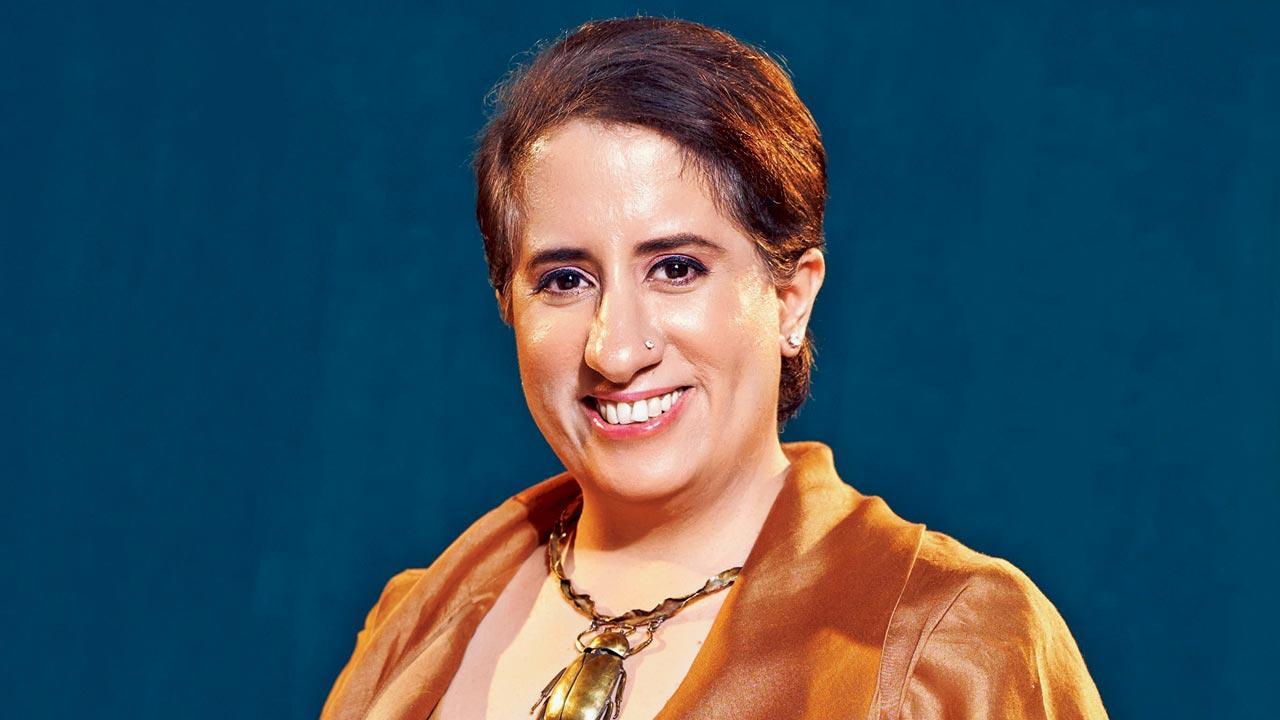
The world wants to see how India lives, moves and dances-Guneet Monga
9:20 AM
Shreya Varanasi (BOMBAY TIMES; July 31, 2025)
When The Elephant Whisperers made history at the Oscars 2023, it wasn’t just a proud moment for Guneet Monga — it was a milestone for Indian storytelling. Sharing the spotlight with Naatu Naatu’s big win that same night, Guneet remembers being awed by the impact of Telugu cinema on the global stage.
In a chat with Hyderabad Times, the producer, who was in town for the ‘Golden Lens’ symposium hosted by YFLO, opened up about her journey, the growing resonance of local stories, and her admiration for Tollywood. “I’m a big fan and would love to produce a Telugu film someday, if the stars align,” she said. “I’m always thinking about how I can add value to a project, and if there’s a meaningful way to contribute, I’d be more than happy to be involved.”
‘RRR is one of the best examples of how local stories resonate globally’
For Guneet, the success of Indian films on the world stage boils down to authenticity. “RRR is one of the best examples of how a deeply local story can have global resonance. Whether it’s Baahubali or RRR, our culture, language, and music captivate audiences around the world.”
It’s not just the big, grand spectacles that travel well. Films like The Lunchbox, Masaan, and The Elephant Whisperers also struck a chord globally because they’re rooted, real, and unmistakably Indian, she reckons. “These are the stories the world wants. People may not travel here, but they’re deeply curious about India, our culture, our people, and even our dances.”
‘My memories of Hyderabad are all about great food and vibrant places’
Guneet finds something enchanting about Hyderabad every time she visits. “My memories of Hyderabad are all about great food and vibrant places. And what really fascinates me is the number of lehenga stores! I always find myself looking at those big wedding wear storefronts, they’re everywhere.” There’s one Hyderabad staple she’s looking to discover more of though. “A really good biryani! I don’t have a go-to spot yet, but I’d love to try one.”
‘Many films have left an impact on me’
Whether it’s the timeless charm of Bollywood or the quiet brilliance of international indies, Guneet draws inspiration from across the spectrum. “My first memory of cinema was watching Dilwale Dulhania Le Jayenge. I was completely obsessed with the love story and the romance,” she recalls, adding, “And then I remember watching Boyhood on a flight, it completely blew my mind. I couldn’t stop thinking about how someone could film for so many years (the film was shot across 12 years from 2002–2013) and piece it together. That kind of ambitious storytelling inspires me.”
‘Portrayal of women is something I deeply care about’
Known for championing strong women-centric narratives, Guneet believes the strength of a woman’s portrayal lies in thoughtful writing, not just lead roles. “One of the films I’m proud to have produced is Soorarai Pottru. Though it was Suriya sir’s film, Aparna Balamurali’s character sparked meaningful conversation,” she says, adding, “In The Elephant Whisperers, Bellie stood out so beautifully, just like Huma Qureshi did in Gangs Of Wasseypur.”
For her, what matters most is depth. “Even submissive characters must have redemption. The portrayal of women is something I deeply care about as a producer.”
‘I fall in love with scripts that move or challenge me’
Reflecting on her journey post-Oscar, Guneet said the recognition has opened doors and pushed her to dream bigger. “It expanded what’s possible for me as a filmmaker,” she said. But for her, it’s never about chasing a trend. “I fall in love with scripts that move or challenge me,” she added. Among the stories she’s hoping to bring to the screen someday is a full-fledged female-led action film. “I think we’re ready for that, and I’d love to be part of making it happen.”
‘We’re building a space for women in cinema to connect, be heard & create change’
At the ‘Golden Lens’ symposium hosted by YFLO, Guneet struck a chord with an audience of over 200 with a nearly two-hour-long conversation as candidly she spoke about the highs and heartbreaks of her journey. “Life gave me 10 ‘Nos’ before a single ‘Yes’, but I chose to celebrate every ‘No.’ Because each one took me a step closer,” she said, drawing applause.
She also spoke passionately about the Women in Film – India Chapter, part of the global WIF network. “Less than 10% of Indian film directors are women. That reality deeply concerns me,” she said, adding, “Through this chapter, we want to build a space where women in cinema can connect, be heard, and create lasting change.”
Indian films big on style, find bigger global connect
10:04 AM

Overseas mop-up rises 30% between 2022 & 2024; ‘universal’ content, availability on streaming platforms enhance appeal
Rajesh N Naidu (THE ECONOMIC TIMES; March 31, 2025)
Mumbai: Indian films are showing higher growth in collections abroad than at home, with overseas box-office mop-up surging nearly 30% to $323 million ('2,760.6 crore) between 2022 and 2024, even as domestic growth crawled at 7.2%, according to the FICCI-EY Media and Entertainment 2025 report.
Between 2022 and 2024, domestic box-office revenue for Indian films increased a modest 7.2% to Rs. 11,800 crore, it said.
"Recently, Indian films have been telling stories which have universal emotions and global appeal. These films score well on the parameter of visual presentation of stories. Consequently, Indian films have been crossing language and geographical barriers," said Adi Tiwary, creative director and partner, Stuart Entertainment, an Australia-based boutique distributor and producer specialising in global content licensing, production and strategic partnerships.
Indian films such as 'Pushpa 2 – The Rule' (2024), 'Kalki 2898 AD' (2024), 'Pathaan' (2023), 'Jawan' (2023), 'Animal' (2023), 'Leo' (2023), 'Jailer' (2023), 'KGF - Chapter 2' (2022) and 'RRR' (2022) collected Rs. 200-500 crore each in overseas markets.
Experts said these films connected with people around the world because they use some of the same styles and techniques seen in popular Hollywood movies, and they discuss ideas and feelings that people of different ages can relate to.
For instance, 'Kalki 2898 AD' is fast-paced and uses several languages. Its style is similar to Marvel superhero movies and action films like 'Mad Max: Fury Road'. On the other hand, 'RRR' appealed to many international viewers by telling a story that felt deeply Indian and rooted in its culture.
The mix of global style and Indian storytelling has played a big role in the success of these movies overseas. It's also helped attract more non-Indian audiences to Indian films, according to industry executives and experts.
Rajat Agrawal, COO, Ultra Media & Entertainment Group, said, "Indian films have been gaining popularity even among non-Indians in overseas markets. Given the universal themes of love, family and friendship in Indian films, they have resonated with non-Indian audiences."
Producer and film business expert Girish Johar concurred, saying, "Apart from stories, Indian films are finding patronage even among non-Indian audiences because of the improved scale and quality of filmmaking."
Another factor aiding the acceptance of Indian films in overseas markets is their easy availability on global streaming platforms.
Ameya Naik, producer and founder of Fantasy Films, said, "Global streamers have played a key role in familiarizing Indian content to overseas audiences. Better subtitles and superior dubbing of Indian films on these global streamers have removed language barriers and provided overseas audiences anytime access to Indian films."
In addition to global streamers, growing online distribution, social media discussions, targeted marketing and prestigious awards at international film festivals have piqued overseas audiences' interest in Indian films. In addition, following the Covid-19 pandemic, Indian films rose to prominence as a result of the lull in Hollywood productions caused by the writers' strike.
In the overseas markets, the success of Indian films relies more on the Indian diaspora settled abroad. But there is demand for Indian films from audiences in non-traditional markets such as the Gulf (the UAE, Saudi Arabia and Qatar), North America (the US and Canada), the UK and Europe (Germany, France and the Netherlands) and Southeast Asia (Malaysia, Singapore and Indonesia). Despite such a wide overseas market, industry experts believe revenue from the Chinese markets will make a material difference to Indian films' collection given its size.
A testimony to this is the success of the Tamil film 'Maharaja' in China. Of its total worldwide collection of over Rs. 200 crore, it collected Rs. 91.6 crore from China alone, showing the potential of that market.
Top ten footfalls post pandemic; Pushpa 2 - The Rule rules
3:49 PM

Box Office India Trade Network
PUSHPA 2 - THE RULE in Hindi will finish its run with roughly 4 crore footfalls which has only been seen twice this century with GADAR 2 and BAAHUBALI 2: THE CONLCUSION and these two went over 5 crore. No other film has crossed the 4 crore mark with DANGAL being the best at 3.7 crore while before GADAR, it was RAJA HINDUSTANI in 1996 to hit 4 crore.
There are many films to hit 4, 5 and even 6 crore in the older days when cinema had less competition from other entertainment and also was the only option to watch films though population was also only half of what it is now which more than compensates. Basically the films held wide appeal in those days. PUSHPA 2 - THE RULE joins an elite group of around 15-20 films in history to get 4 crore footfalls.
This is a huge target that PUSHPA 2 - THE RULE has set as post pandemic, 4 crore seemed like an impossible target due to the dwindling audience coming to the theatres. There are four South films dubbed into Hindi in the list and are probably more to come in the next few years especially if sequels of liked films are released. A realistic target for most of the big Hindi films will be 3 crore as GADAR 2 also looks a one off as that sort of single screen business can be written off for most films.
The box office number of GADAR 2 could have been higher with better multiplex pricing and footfalls could have been a little higher as well if it was not released in a crowded period. But as mentioned before, this is probably a one off and its 3 crore which is the biggest original Hindi films but that is also more than good enough as its around 600 crore nett business this year for the film released as a blockbuster film.
The top ten footfalls post pandemic are as follows. The original Hindi films are in bold.
1. Pushpa 2 - The Rule - 4 crore
2. Gadar 2 - 3.4 crore
3. Stree 2 - 3.2 crore
4. Jawan - 3.1 crore
5. Pathaan - 2.8 crore
6. Animal - 2.7 crore
7. KGF - Chapter 2 - 2.55 crore
8. RRR - 1.70 crore
9. The Kashmir Files - 1.55 crore
10. Kalki 2898 AD - 1.50 crore
Dubbing rights bring in big bucks for South films
9:20 AM

Streaming & satellite rights of dubbed versions accounted for a quarter of their revenues in 2024, up from 10% 7 yrs ago
Rajesh N Naidu (THE ECONOMIC TIMES; January 2, 2025)
Mumbai: South Indian films generated as much as a quarter of their revenue by selling streaming and satellite rights of their dubbed versions in 2024, compared with less than 10% seven years ago, according to distributors and industry analysts.
Streaming giant Netflix paid Rs. 175 crore for the Hindi dubbed version of the recently released multilingual blockbuster Kalki 2898 AD, trade analysts said. The film's dubbed rights in southern languages were sold to Amazon Prime for Rs. 200 crore, they said. India's largest blockbuster film, Pushpa 2 – The Rule, recently sold the streaming rights of all languages for Rs. 275 crore, according to box office research firm Sacnilk.
"Among the various languages a pan-India southern hit is dubbed, it is the Hindi dubbed version which fetches the highest revenue to a producer given its reach," said Ramesh Bala, an entertainment sector analyst based in Chennai. A southern film can sell streaming and satellite rights separately for each dubbed language. For instance, the satellite and digital rights of a film originally made in Telugu and dubbed in Hindi, Tamil, Kannada and Malayalam can be sold separately to television channels and streaming platforms.
G Dhananjeyan, cofounder of Tamil Nadu-based production house Creative Entertainers & Distributors, said the 2017 movie, Baahubali 2: The Conclusion, opened the eyes of southern producers to an additional source of revenue: theatre release of a dubbed version in Hindi.
Over the past seven years, southern films such as KGF - Chapter 2 (2022), Kantara (2022), RRR (2022) and Kalki 2898 AD (2024), which have succeeded on a pan-India level, have consciously followed this strategy. The dubbed Hindi version of Baahubali 2: The Conclusion recorded lifetime box-office collections of Rs. 510.90 crore. The satellite rights of the Hindi dubbed version were sold to Sony TV Network for Rs. 51 crore, while its digital rights were sold to Netflix for Rs. 25.5 crore.
A large part of the success of these southern films can be traced back to the early acceptance of dubbed southern films on television.
Ameya Naik, a producer and founder of event management company Fantasy Films, said: "Pan-India channels such as Zee TV laid the foundation for a pan-India southern hit. The channel bought dubbed southern films as there was a potential audience for them. Then, the emergence of YouTube channels such as Goldmines Telefilms fuelled the interest of North Indian audiences in dubbed southern films."
This increasing acceptance in the North also led to a new trend: southern films featuring Bollywood stars. Examples include Ajay Devgn (RRR), Sanjay Dutt and Raveena Tandon (KGF - Chapter 2) and Amitabh Bachchan (Kalki 2898 AD).
Makers of Allu Arjun's Pushpa 2 - The Rule eye Oscars 2025
9:48 AM

Sources say Pushpa 2’s team to independently campaign for Oscars 2025; to adopt aggressive lobbying strategy in two weeks with screenings and press events
Mohar Basu (MID-DAY; December 13, 2024)
Box-office domination is not the only objective of Pushpa 2 – The Rule. The Allu Arjun-starrer, which has earned the distinction of becoming the biggest opener in Indian cinema, is now aiming bigger. Sources tell us that the makers of the Sukumar-directed venture are planning a massive marketing campaign in the United States, targeting both commercial success and a potential push for Oscars 2025. We’ve heard that Mythri Movie Makers, which has backed the action drama, is planning to independently submit the film for the 97th Academy Awards, vying for a spot in the Best International Feature Film nominations.
A trade source reveals, “The marketing campaign will be along the lines of RRR [2022], where the makers took the film to the Academy independently and generated significant pre-Oscars buzz. In two weeks, Pushpa 2 will employ an aggressive lobbying strategy in Hollywood by hosting special screenings, press events, and influencer campaigns.”
Arjun and the team will apparently head out on a 10-city tour that includes Los Angeles, New York, and Boston. Another source adds, “Academy is not the only goal, they also want to contribute to the growing trend of Indian cinema exploring international markets. It will also ensure that Pushpa 3: The Rampage has a larger global pull.”
When mid-day reached out to trade expert Ramesh Bala, he said it was too early to know if the film’s team is campaigning for the Academy Awards that will be held in March. “The litmus test will be the Netflix release eight weeks later. RRR was watched widely because of its story. Pushpa 2 has a long shot [at the Academy], but it’s a shot worth taking. They will show it to critics in LA, but the real challenge will be to capture the interest of the American audience,” he said.
Today, I am sitting in the same room as A R Rahman; I feel like a kid in a candy store-Ram Charan
4:07 PM
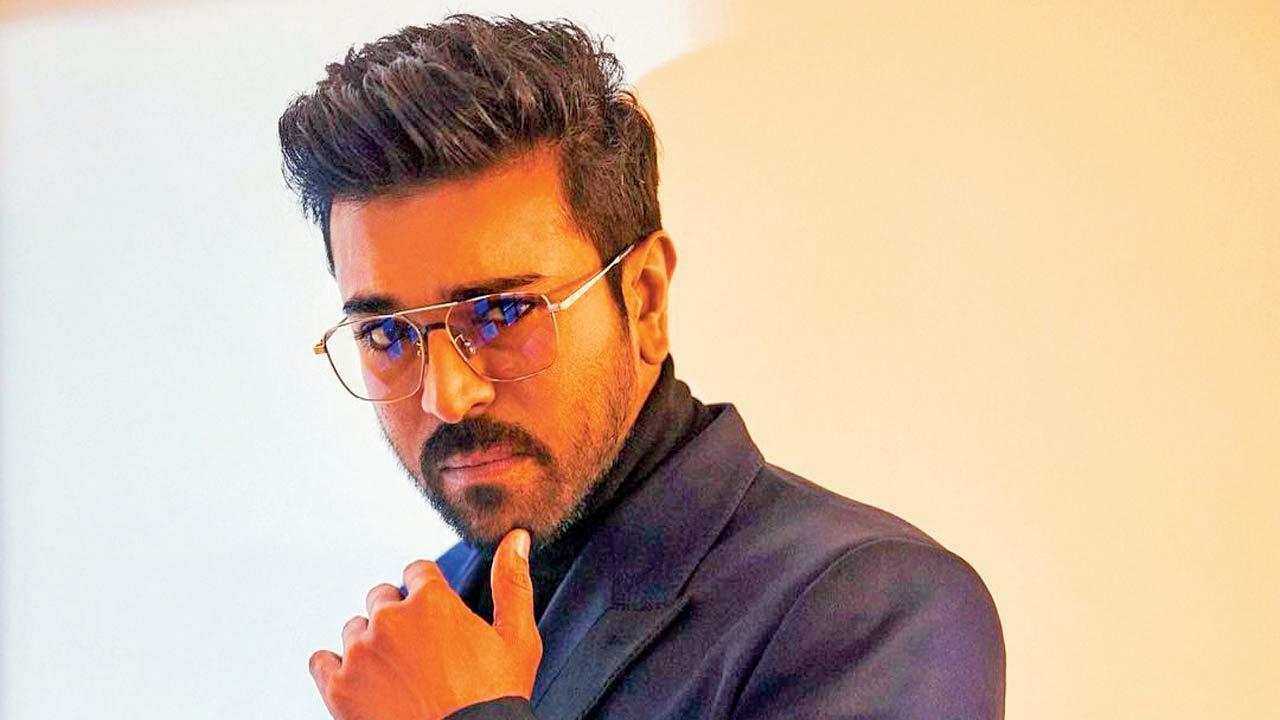
Gearing up for Game Changer with Shankar, RRR star Ram Charan says Indian films getting global attention because of their rooted stories
Mohar Basu (MID-DAY; August 21, 2024)
At this stage in his career, Ram Charan feels like “a kid in a candy store”. He considers himself fortunate to be collaborating with such talented filmmakers—be it S S Rajamouli, who gave him the blockbuster RRR (2022), or S Shankar, who is helming his next, Game Changer. In the upcoming political action thriller, the actor plays an IAS officer determined to combat corruption and promote fair elections. Charan says it was Shankar’s vision that drew him to the role.
“This film is special not only because of the story, but also because of the opportunity to work with Shankar sir, who brings a unique vision to everything he does. It’s a story that resonates with the current socio-political environment. I feel like a kid in a candy store because I am surrounded by people I have looked up to all my life. Today, I am sitting in the same room as A R Rahman; I’m grateful that I am starting a project with him in a month or two,” he says.
Life after RRR has been a joyride for the Telugu star. He says that the Oscar-winning film not only earned him fame beyond India, but also put Indian cinema firmly on the global stage.
“Films are a powerful medium through which we tell our stories, [show our] heritage, culture and emotions. Our struggles too are showcased, as are our victories—all done in an entertaining manner. The torchbearers for every film industry are the directors. Our stories are no longer just watched by the people from the diaspora, but by everyone across cultures! Our narratives are connecting with the world audience because we are keeping our stories rooted.”
No matter how much the world changes, there will always be a demand for soul touching music-Kailash Kher
8:08 AM

Having released the fourth song from his album yesterday to coincide with his birthday, Kailash Kher says his “genre” of music will continue to draw listeners across generations
Sonia Lulla (MID-DAY; July 8, 2024)
Released yesterday, to coincide with his birthday, Ishq hai is the fourth single from Kailash Kher’s album that the singer says is an extension of the work he has been doing in the industry since he stepped into it. Stating that he believes it is his calling to serve people with music, Kher tells mid-day,
“Since I was born, the almighty decided I would create a name in this industry. We released the first [edition] of my album, Kailasa, in 2006, and when we spoke to people about what it implies, they were impressed. Kailasa means divinity. We added spirituality to romantic music as well. Having grown up in an ashram in Rishikesh, in the company of saints, I was never exposed to film music. So, when I entered the industry with the idea of showcasing my music, I introduced a fresh take [to Bollywood music]. Our successive five albums were hits,” says Kher, adding that the latest album also attempts to make spiritual music mainstream.
The boom of streaming platforms may have music aficionados questioning the need for an album when singles can be easily accessed, but, Kher says, the demand for a cohesive musical piece will always continue to be there.
“If you notice, the past two songs from this album, Dil Jaani and Mera Dil Hai, are also rooted in spirituality. No matter how much the world changes, there will always be a demand for music that touches the soul. After food, art is of utmost importance for people. After the stomach has been satiated, the heart needs to be satiated, and that happens with knowledge and art. We created this album because our fans had been asking us to make more music.”
Asserting that his music is an extension of his lifestyle, Kher says his food is “as pure as the kind you can offer to God”.
“Even though I belong to this generation, I am drawn to [Indian practices] dating thousands of years ago. The food I eat is grown by me. Even the curd I consume is made from the milk I get from my gaushala in Lonavala. Even though I have created both film and non-film music, I am known in my concerts for the latter. The reason I received the Padma Shri title in the short tenure of 12 years is because I could bring spiritual music to the mainstream, and change the course of the creation of romantic music,” says the singer, who is set to head to the USA on tour in September.
Kher believes the Indian music space has seen a significant evolution, a major chunk of which has been brought about by the south Indian film fraternity.
“I believe that the energy of the places where the bigger Indian temples are situated is the most prominent. The power of the south Indian temples has enabled movies from this part of the country to reach the Oscars. In the past, there was another film that reached the Oscars; one that showed Indians jumping into a pile of shit. Think about how much that damaged our reputation. But, films like RRR [2022], which also make a reference to Lord Ram, are the ones that shone on [international turf]. I have never seen God’s music being played in movies. But, in films like Baahubali, such music was celebrated. These films also promote a good message. It isn’t like those that run for 20 years but have a shallow [message to propagate].”
In the pipeline for him is his book launch. Kher’s coffee table book, he says, will shed light on interesting anecdotes related to the lyrics of his songs. “It will describe how our popular tracks were made, and how our experiences influenced our work.”
When I see my voice being featured on the Oscar-winning actor Ram Charan, my happiness knows no bounds-Daler Mehndi
8:05 AM

Even as his latest track picturised on Ram Charan is being lauded for blending Punjabi and south Indian music, Daler Mehndi says he has been bridging the cultural divide right from the onset of his career
Sonia Lulla (MID-DAY; April 1, 2024)
North meets south in the latest release of Game Changer as Punjabi music veteran Daler Mehndi renders a track for actor Ram Charan. Jaragandi, which translates to ‘let it happen’, is set against Punjabi beats, even as it boasts a south Indian flavour.
“The song was the vision of the music composer Thaman [S], with whom my last song, Banti Poola Janki, was created. He said he had a number that required my voice. I have sung both the Telugu and Hindi versions of this song. At the time of dubbing this number, I did not know who I was singing for, or even the film’s plot. I simply enjoyed the energetic composition, as I love Thaman’s work,” says Mehndi.
The singer believes that the track, also featuring Kiara Advani alongside Charan, appropriately blends its arresting visuals with the “vibrant composition”. “When I see [my voice being] featured on the Oscar-winning actor Ram Charan, my happiness knows no bounds,” he says of Charan, who starred in RRR (2022) that bagged an Academy Award in the music category.
Ask him if the boundaries between the music industries of the north and south are fading, and he says, “Music is universal and is not bound by language, cultures, faith, or physical boundaries. In time, every song gets its due audience. The cultural blend, in my musical journey, happened in 1995, and I want to thank myself, Daler Mehndi, for this amalgamation. Bolo Ta Ra Ra seeped into every nook and corner of the country—north, south, east, and west. In fact, in Kerala alone, it sold two lakh units on its release. I am honoured to have my music break these boundaries.”
It is during his dubbing session for the title track of an upcoming Punjabi film that Mehndi responds to our questions. With a slate of projects in his kitty, he says he has his eyes pinned on his acting stint in Welcome To The Jungle.
“I am thoroughly enjoying my debut in acting for Ahmed Khan and Feroz Nadiadwala’s film. This is new to me, and I am making the most of each day on the shooting sets. In April, I begin my concerts. Soon after, I will announce my new EP,” he signs off.
Ram Charan’s makeup artist slams Shah Rukh Khan for ‘disrespecting’ RRR actor
9:50 PM
HINDUSTAN TIMES (March 6, 2024)
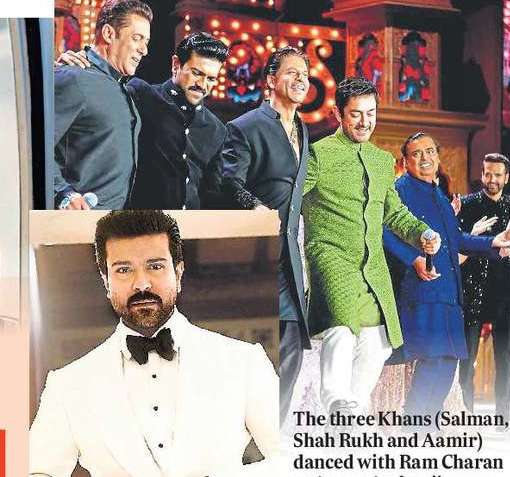
Actor Ram Charan’s makeup artist, Zeba Hassan Zaidi took to Insta to slam actor Shah Rukh Khan for “disrespecting” the RRR (2022) actor at Mukesh Ambani’s son Anant Ambani and businesswoman Radhika Merchant’s pre-wedding celebration in Jamnagar, Gujarat.
As the three Khans — SRK, Salman and Aamir — performed Naatu Naatu from RRR, the Bollywood actor looked for Charan to join them. “Where are you, Ram Charan? “Idli vada Ram charan kahan hai tu?” he asked. Referring to this incident, Zaidi wrote, “I walked out after this. So disrespectful towards a star like Ram Charan.”
The internet wasn’t pleased either. One user tweeted, “Shah Rukh Khan is being racist to South Indians after a South Indian director gave him the biggest hit of his career.”
India's box-office collections reach an all-time high of Rs 12,226 crore in 2023
8:21 AM

Hindi film industry bounces back with Rs. 5,380-cr mop-up last year: Ormax
Javed Farooqui (THE ECONOMIC TIMES; January 22, 2024)
Box office collection in India reached an all-time high of Rs 12,226 crore in 2023, exceeding the previous record of Rs 10,948 crore in 2019, and growing at a healthy 15% over 2022, according to the Ormax Box Office Report 2023.
This was the first time that box office collection surpassed Rs 12,000 crore, indicating a recovery in the Indian film industry, which had been battling a post-pandemic slump in business. Box office collections in 2022 were Rs 10,637 crore, just short of breaking the previous record set in 2019.
"One of the key drivers for the success of box office in 2023 is the industry’s ability to deliver event films that are a ‘theatre-worthy experience'—a must for the film to emerge as a theatrical success," said Ormax Media Head of Business Development (Theatrical) Sanket Kulkarni.
According to the report, cinema footfalls rose 6% in 2023 to 943 million, though it lagged the pre-pandemic high of 1.03 billion in 2019.
Kulkarni said footfalls have remained below pre-pandemic levels as audiences have turned selective in their theatrical choices because of post-pandemic inertia and the rise of video streaming platforms.
The average ticket price (ATP) increased by 9% over 2022, from Rs 119 to Rs 130, owing to a growth in box office contribution from Hindi cinema, which has a higher ATP compared to South-language films.
After a lacklustre performance in the post-pandemic phase, Hindi films had a record year in 2023, with gross box office collection of Rs 5,380 crore, crossing the Rs 5,000 crore mark for the first time.
According to the report, Hindi cinema's box office share hit a pre-pandemic high of 44%, from 33% in 2022. Tamil and Telugu cinemas maintained their 2022 share with a box office collection of Rs 2,265 crore and Rs 1,961 crore, respectively in 2023.
Meanwhile, the share of Hollywood movies fell by 3 percentage points in 2022 due to the absence of a Rs 200-crore grossing film, with overall collection at Rs 1,139 crore.
Kannada cinema shed its box office share by 5% points to finish the year at Rs 312 crore due to the absence of big-ticket films.
Box office collections are getting increasingly skewed in favour of big-ticket films, with the top 10 films contributing 40% of the total box office receipts of Rs 12,226 crore.
Kulkarni said audiences are more likely to watch a film in a theatre if there is a compelling reason to do so. He added that franchise films are gaining traction and engagement across languages, accounting for 45% of theatrical box office collection, up from 17% in 2019.
Over 1,000 films were released in 2023; however, only five films crossed the gross box office of Rs 500 crore.
Shah Rukh Khan's Jawan was the highest-grossing film of 2023, making Rs 734 crore, followed by Ranbir Kapoor's Animal (Rs 645 crore), Shah Rukh Khan's Pathaan (Rs 636 crore), Sunny Deol's Gadar 2 (Rs 619 crore), and Prabhas' Salaar: Part 1 – Ceasefire (Rs 512 crore).
Interestingly, the top four films of 2023 are all original Hindi-language films. In comparison, South Indian films dominated the top ten list in 2022, with KGF - Chapter 2, RRR and Kantara collecting Rs 970 crore, Rs 869 crore, and Rs 362 crore, respectively.
Salaar: Part 1 – Ceasefire, Rajnikanth's Jailer, and Vijay's Leo were the three South Indian films that grossed more than Rs 400 crore at the Indian box office in 2023.
Ormax noted it sourced the box office data from credible industry sources, including producers, distributors, exhibitors, and trade analysts.
Give us our due, why do we have to beg for it?, ask Bollywood choreographers
8:26 AM

After Bosco Martis raised the issue of choreographers not getting due credit, others from the fraternity join the discussion
Neha Maheshwri (BOMBAY TIMES; January 3, 2024)
Renowned choreographer Bosco Martis’s recent post on Instagram demanding due credit for choreographers on promotional platforms, especially on posters, radio, and YouTube, has garnered support. Calling it a fight of 22 years, he wrote, “When the music director, lyricist, singer or the writer is celebrated, then why not the choreographer who makes the actors and the nation dance. It’s heartbreaking.”
Talking about the need to recognize the hard work put in by choreographers, Bosco says, “The entire nation celebrates our hook steps and dance moves, but we rarely get credit. Even on YouTube, choreographers are seldom mentioned. Every time I choreograph a song, I have to insist on having our names on the poster. Unfortunately, our names don’t find a place even in teasers and trailers. Why should we beg for credit? It should be respectfully given to deserving people.”
He adds, “‘Naatu Naatu’ from ‘RRR’ reached the Oscars, but it was disheartening to see that the choreographer’s (Prem Rakshith) name was not acknowledged. I believe it was the choreography that contributed immensely to the song’s success.”
‘Established choreographers need to unite and fight for this cause’
Bosco hopes to get more support from the industry on this. “A film’s director, actor, and producer should be the first to acknowledge our work. This is just the beginning. Established choreographers need to unite and fight for this cause. It’s not about one choreographer’s credit, it’s a fight demanding a fair deal for everyone,” he says.
Meanwhile, the latest development is that Hrithik Roshan has initiated a dialogue with the makers of his upcoming film Fighter to include Bosco’s name in the latest track.
‘Logon ko lagta hai naachna asaan hai, which is a misconception’
Choreographer Mudassar Khan says, “Bosco’s post has struck a chord with every choreographer in the country — dil ki baat kar di. It’s strange to watch a song without knowing who put together those steps and movements. In Bollywood, a song gains popularity primarily after its visual presentation. What if a filmmaker likes the choreography, but how will they approach us if our names are not mentioned? Unfortunately, the industry always puts the lyricist, singer, and music director above a choreographer. Logon ko lagta hai naachna asaan hai, which is a misconception. Only 10 per cent of makers take the initiative to credit us in songs on TV and other platforms.”
‘Dance in the industry has lost its position as an art form’
Karishma Chavan, who has been part of the industry for 20 years and has choreographed for several films, including ‘Veere Di Wedding’, shares, “In the past, choreographers got their due, but dance in the industry has now lost its position as an art form. There is a lack of credit and monetary compensation for our experience, let alone respect. Bosco is justified in taking a stand and addressing the growing disrespect. The only way forward is for technicians to stand united on this.”
‘It’s a constant fight to ensure our names are mentioned’
Vijay Ganguly, who became an independent choreographer in 2013, says, “I was surprised when Bosco sir posted about this issue, as I would think it happened to those relatively new in the industry. Often our songs are released on platforms like YouTube, and credits are given to everyone but choreographers. It’s a constant fight to ensure our names are mentioned. For films like Sam Bahadur and Pippa, I requested the makers to mention the dancers in the end credit because they put in significant time and effort. I am glad they complied. Seeing our names on the big screen makes a significant difference to us.”
‘Even after 36 years in the industry, I feel unrecognized’
Jyothi D Tommaar, who choreographed the National Award-winning song Ghoomar in Padmaavat (2018), along with Kruti Mahesh, says, “I am grateful to filmmaker Sanjay Leela Bhansali for ensuring that Kruti and my name is mentioned every time the song is showcased. However, if others have had negative experiences, I will certainly support them. Unfortunately, choreographers face struggles despite bringing life to songs. Even after spending 36 years in this profession, I still feel unrecognized in the industry. If you don’t actively promote your name and achievements, recognition remains elusive. I empathize with Bosco and stand in solidarity with him.”
‘A song belongs as much to the choreographer as it does to the music director or the singer’
Vrushali Chavan, who assisted Farah Khan before starting independently in 2015 and has choreographed the single ‘Swag Mera Desi’, among others, asserts, “Every artiste deserves rightful acknowledgment. A song belongs as much to the choreographer as it does to the music director or the singer. In many cases, a visually appealing song serves as an invitation to watch the film. I have faced this situation – choreographed all three songs in a film only to find my name missing from the credits on YouTube. I had to request them to add my name, but by the third song, I gave up. It’s a sorry plight that we have to ask and remind people of our contribution.”

Subscribe to:
Posts (Atom)