Showing posts with label Dosti. Show all posts
Showing posts with label Dosti. Show all posts
My mother dreamt of becoming an actress and called herself the Beauty Queen of Bengal-Deepti Naval
8:36 AM
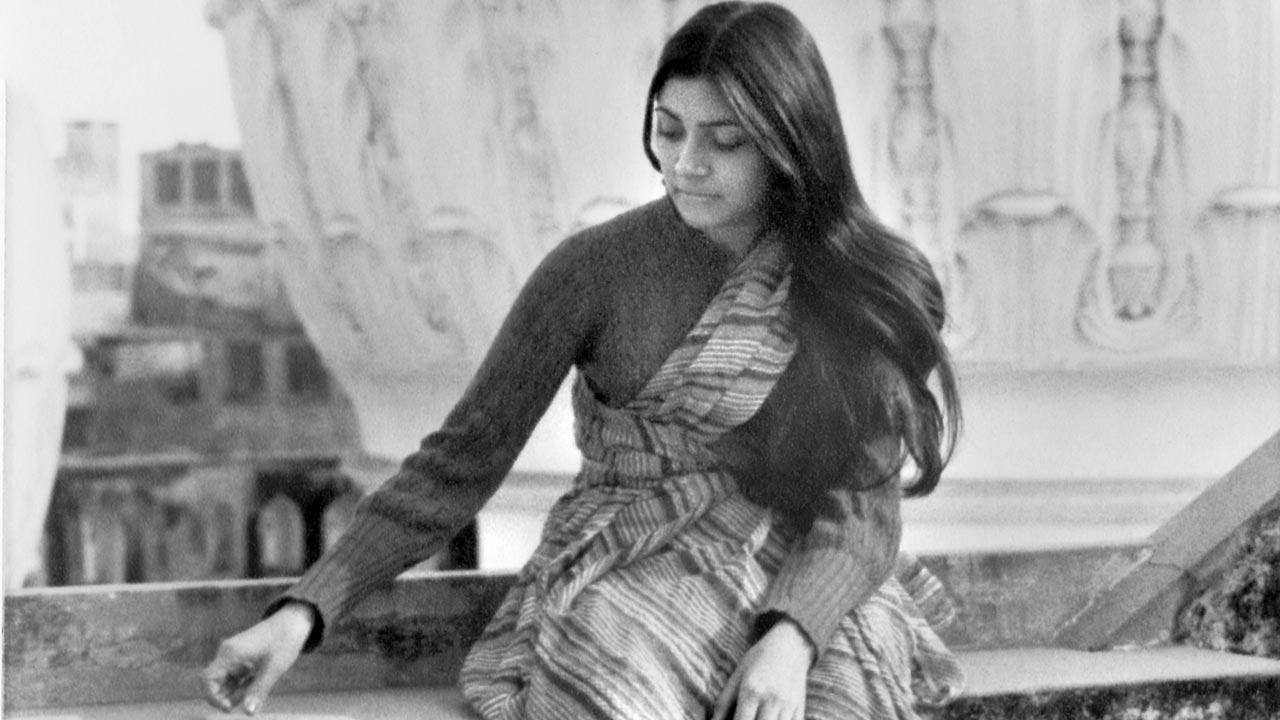
Deepti Naval, 18, at her home in Amritsar. Pic Courtesy/A Country Called Childhood: A Memoir, Aleph Book Company
In a just-launched memoir, quintessential girl-next-door Deepti Naval recalls how her mother’s love for dramas and star-struck cousins inspired her to be an actor
MID-DAY (July 3, 2022)
My family loved cinema but if there was one member of the family who actually loved to sing and dance, it was my mother. I have with me old black and white photos that are a visual record of this aspect in my Mama’s life. She was especially fond of doing dramas; she would direct plays, and also act in them along with other young women. I have one distinct memory of a scene being enacted in our house. I’m standing beside the dark blue curtain in the hall kamra and watching Mama rehearse with other women. She is in a saree and her hair is tied in a loose bun. She is wearing high heels and is holding a purse. I recall her entering the room, dangling the batua in her hand. She walks in and there’s some dialogue with the other two women, words that I no longer remember. I watch the scene being performed in front of me with fascination. The door opens and shuts as Mama walks in repeatedly from the thhada entrance, revealing street activity behind her. Light filters in as she stands backlit at the entrance, looking like a veritable star. I wish I could recollect details of the scene being enacted but that’s as far as it goes, my memory of that rehearsal.
Once, some cine stars from Bombay came to our city for a cricket match. Among them were Shyama, Nirupa Roy, and Bhagwan Dada. They performed a show at the Chitra Talkies. That’s the time my mother also performed along with them. When she made her entry on stage, Didi, sitting next to me in the hall started to shout, “Mama! . . . That’s my Mama!” All heads turned to look at us. It was a moment that embarrassed my mother but she’d recall it always with a lot of love. I assume that my mother did some more plays during my baby years, but by the time I was old enough to properly appreciate her talents as an actress she had stopped. Years later, she told me that Bibiji had once said to her, ‘The women at the Women’s Conference say that your daughter-in-law does dramas!’
“After that day,” said Mama, “I stopped. I never did another play. Never uttered a word to my mother-in-law. I just silently gave up everything.”
I was not aware of the impact of that finale in my mother’s life, for she never showed any bitterness. But I know what that sacrifice must have meant to her. This was the woman who dreamt of becoming an actress and called herself the Beauty Queen of Bengal. Today, as I live my life as an artiste, I realize the gravity of those words. “I silently gave up everything...”
It also made me think of Mama’s cousin in Burma, Sunny Bowrie, who had run away from Rangoon to become a dancer in Bombay Talkies. Brian Uncle once told me that Sunny was seen among the group dancers in the song Ramaiya Vasta Vaiya in Raj Kapoor’s film Shree 420. I have since been looking hard at the screen, peering crazily at the dancers in the back rows, looking for Sunny Bowrie, the face in Mama’s box of photographs, to somehow be able to spot him dancing in a movie, a dream that he’d left his home for. But according to Mama, Sunny Bowrie was lost to the family a long time ago.
Besides my mother, others in the family who loved the world of acting, or more properly Hindi movies, were my buas, my father’s sisters. Once a year, my buas would come down from Delhi to Amritsar along with their children. All of us cousins—Manju, Babbu, Indu, Ashu, Alok, Cheenu, Bunny, Didi, and me—would be quite a handful for the elders. In the afternoon, the women would put us kids to sleep and sneak out of the house, to go and see the matinee show at Chitra Talkies.
On hot summer afternoons, all of us kids would lay down for an hour on the terrazzo floor, its touch cool against the skin. The chicks would be drawn in the veranda to keep the sun out as we were all required to take our afternoon nap. That’s when my buas would get up from the floor, one by one, stand before the hat stand mirror, brush their hair, put on various shades of red lipstick, and one by one, slip out of the house. That was their ultimate getting-ready-real-fast trick—comb your hair, apply red lipstick, and off you go!
All the kids knew exactly what was happening, but almost all the time we pretended to be asleep. Occasionally, we’d open our eyes, glance at each other, and suppress giggles.
The biggest influence in my life as an actress perhaps was Indu Bhaiya, my older cousin. Indu Bhaiya, Santosh Bua’s older son, first came to live with us in the year 1958. I was six years old at the time and Bhaiya was probably in eighth class. He had not been doing well in school, so Pitaji suggested that Indu be sent to Amritsar so he could personally supervise his studies. I remember Didi, Indu Bhaiya, and me, playing with white plasticine balls, turning them into pigeons and buffaloes.
The second time that Indu Bhaiya came to Amritsar was in 1962. Bhaiya was by now eighteen, and I was ten. I sported the, then famous, Sadhana Cut, the much in vogue fringe those days, after the look in Love In Simla, and roamed around in my pinafore. Indu Bhaiya would every now and then tease me about looking like Sadhana, the star of those days. This was also the time I was just starting to become self-conscious as a girl. Indu Bhaiya had told his family that he wanted to go to Bombay to become an actor. He would tell us all about Dev Anand; he seemed to be obsessed with the film star.
• • •
Some years down the line, Indu Bhaiya went to Bombay nevertheless and joined films. I was ecstatic—my Bhaiya was so handsome, he looked like Dev Anand, he’ll surely make it. We heard that he’d already got work in a film produced by Rajshri Productions called Dosti. Though Bhaiya was in the supporting cast, for me this was exciting enough.
After his three-year stint in the film industry, and a few more roles, we were told that Bhaiya had given up on Bombay and come back home. When I saw him at Manju Didi’s wedding after his return, I was a bit taken aback. Bhaiya seemed to be in a disturbed state of mind. He later confided in me and told me how he’d fallen in love with an actress in Bombay, but was left heartbroken. He’d lost his mental balance and had briefly undergone treatment as well. Luckily, for him and the family, things would later fall in place for Bhaiya as he put his dream behind, and decided to move on with his life.
But for me, Indu Bhaiya was and has always remained a hero.
Excerpted with permission from A Country Called Childhood: A Memoir by Deepti Naval, published by Aleph Book Company
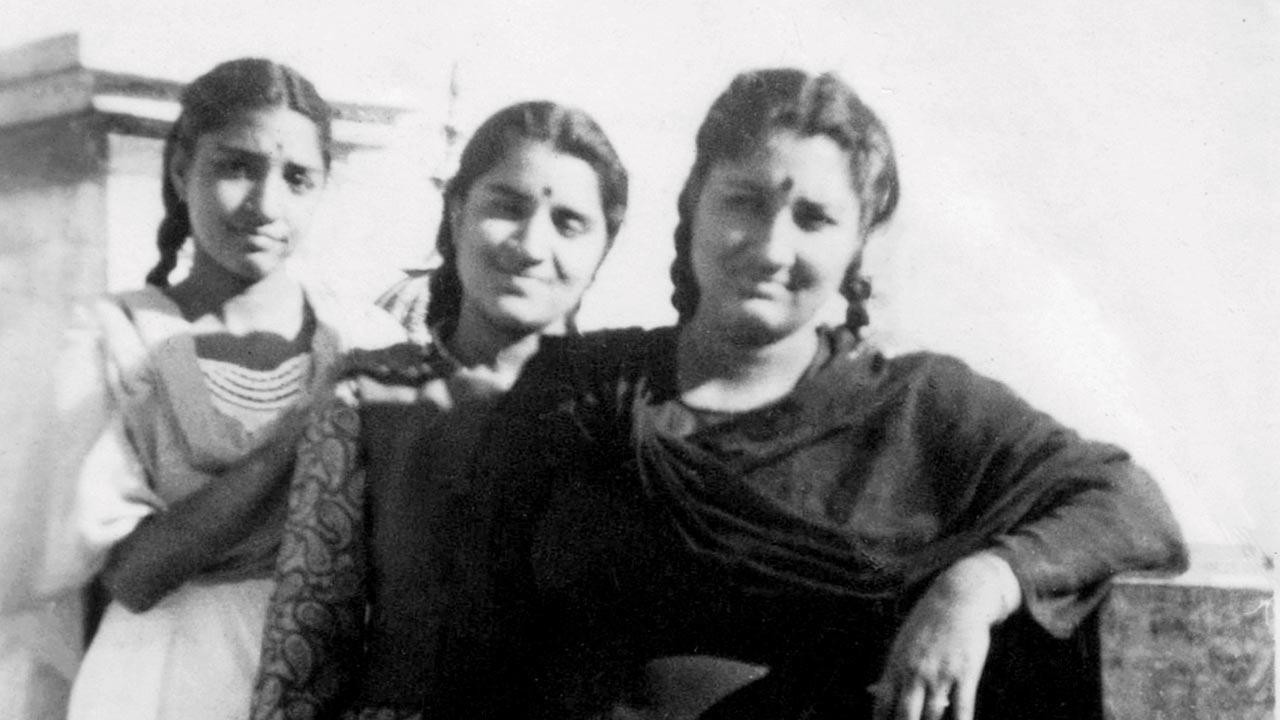
Naval’s buas
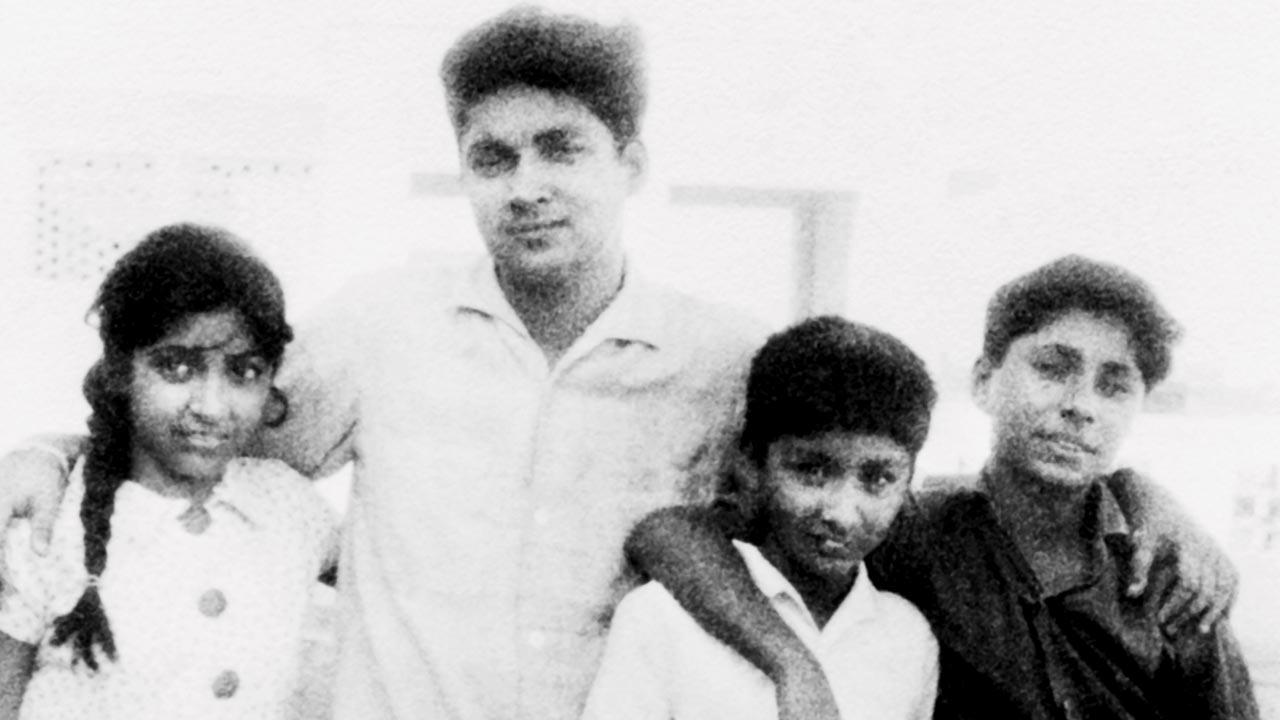
With Indu Bhaiya, Bunny, and Ashu
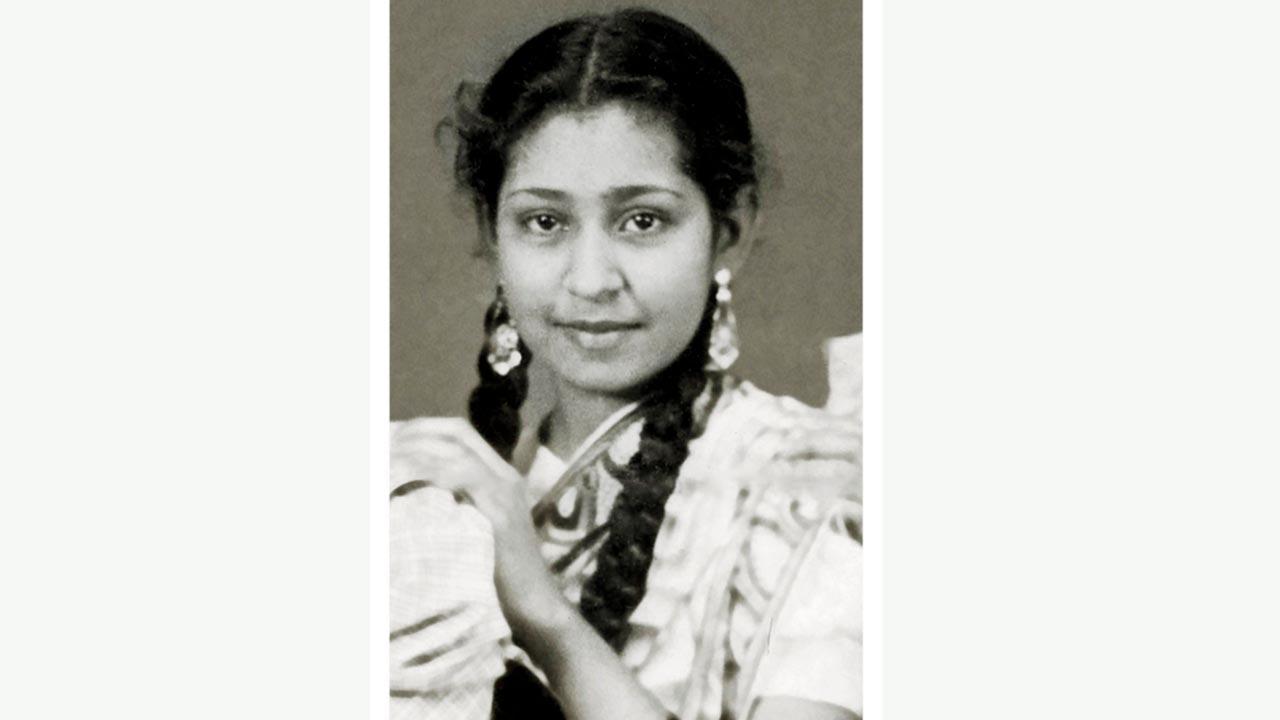
Deepti Naval’s mother Winnie, born Himadri Gangahar. Pics Courtesy/A Country Called Childhood: A Memoir
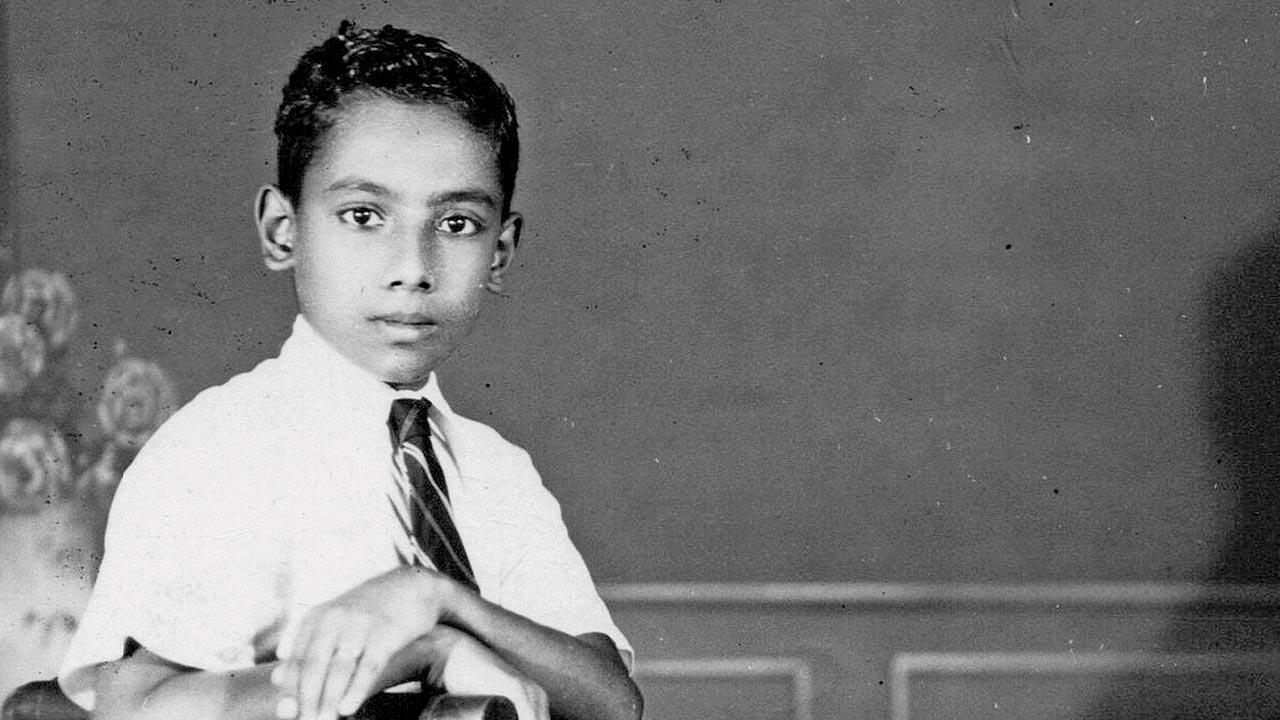
Sunny Bowrie
Shravan Rathod always had the urge to make music-Suneel Darshan
8:24 AM
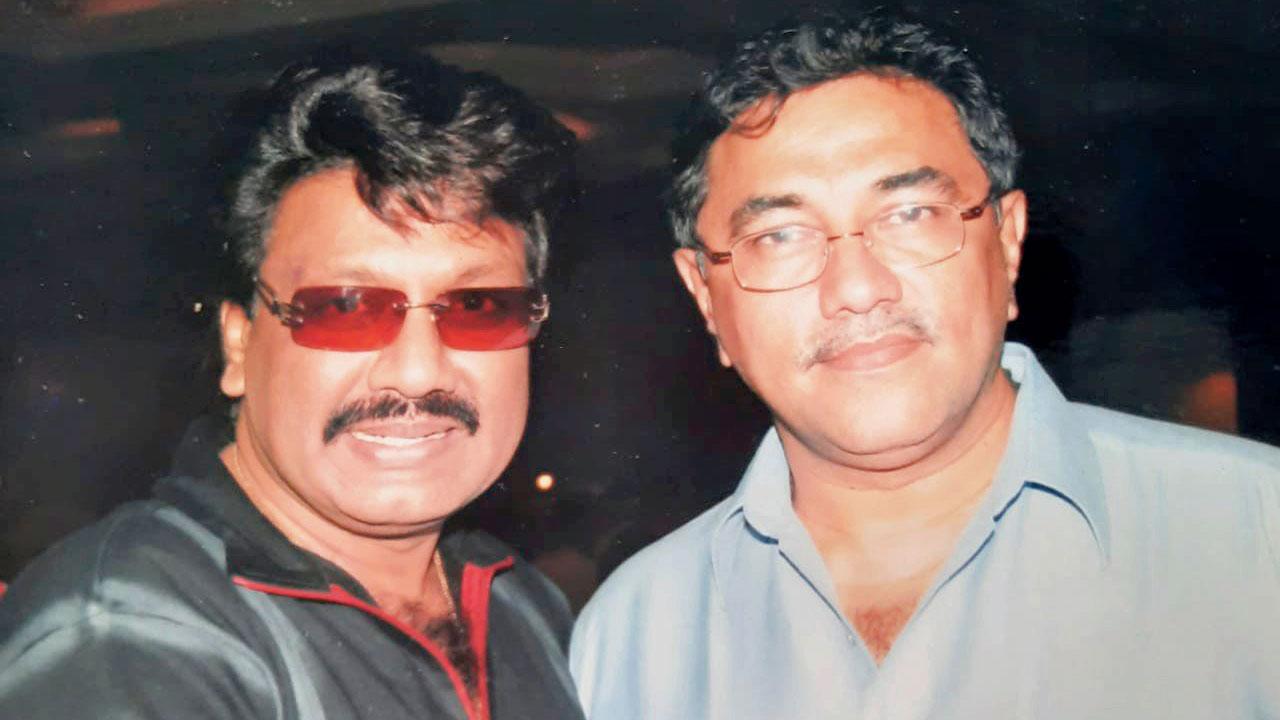
Suneel Darshan with Shravan Rathod
Filmmakers Suneel Darshan and Mahesh Bhatt pay tribute to the late composer Sharvan Rathod.
Upala KBR (MID-DAY; April 24, 2021)
In my mind, Nadeem-Shravan are always there. The audience appreciation for their music has always been tremendous. We were fans of the Nadeem-Shravan decade of remarkable music through the 1990s’. They went through a turbulent time when Nadeem was among the accused, now acquitted, in the Gulshan Kumar murder case. I first worked with the duo in Ek Rishta [2001]. [Post which], we worked in a string of movies - Haan Maine Bhi Pyaar Kiya [2002] Mere Jeevan Saathi [2006], Andaaz [2003], Barsaat [2005], among others.
While Nadeem handled 100 per cent of the composition from UK, Shravan orchestrated the song, got the vocals prepared and mixed the song in India. My film Dosti: Friends Forever [2005] was their last project together. In Nadeem’s absence, my association started with Shravan. As a creative man, the urge to compose music was always there in him.
-------------------------------
I hear echoes of him humming: Mahesh Bhatt
Filmmaker Mahesh Bhatt who collaborated with Nadeem-Shravan for Aashiqui, Sadak and Sangharsh, with a heavy hearts says, “Shravan left me with the afterglow of his heart-warming smile and the happy memory of those life-soaked days we spent together. I hear echoes of him humming the tunes of Aashiqui in the recording room. Endings are tough. Alas, this is the season of heart-breaking loss.”
I used to be heartbroken if my films didn’t work out-Karishma Tanna
8:22 AM

Kavita Awaasthi (HINDUSTAN TIMES; August 18, 2020)
“Downfall, depression and setbacks are a norm in this industry. It happens to every actor, though the degree might be different. One has to learn to move on,” says actor Karishma Tanna. While she found huge popularity on the small screen with shows such as Kyunki Saas Bhi Kabhi Bahu Thi, Qayamat Ki Raat and Naagin 3, Tanna’s journey in films wasn’t as smooth.
The actor, who debuted on the big screen with Dosti: Friends Forever (2005) and later starred in Grand Masti (2013), was looking forward to the Sanjay Dutt and Vivek Oberoi-starrer Sher, which she shot for in 2013, and later Tina And Lolo, co-starring Sunny Leone. But the former got shelved while the latter didn’t release.
Talking about the setbacks, Tanna admits, “I felt low, frustrated, angry, sad, upset and had mood swings when one after the other, my film projects didn’t work out. I used to be heartbroken as I had pinned a lot of hopes on these projects. I used to feel bad, but not anymore.”
She adds on a positive note, “Sometimes, things don’t go the way you want them to and that’s fine. I had to pull myself up. I believed God has something better in store for me. And my belief worked as He gave me Sanju (2018), where I had a small role, but the appreciation I received for it was huge. One has to stay positive and manifest what you want. That is the only way to pull out of a dark phase in your career... This industry can be draining and taxing at times. It makes you insecure. It is only natural to think about usko kaam mila, mujhe nahin mila, but that doesn’t help.”
Tanna, 36, credits her resilience and positivity to her mother’s blessings. “I have been in the industry for so long; yet I am not bored of it and neither is the industry bored of me (laughs). I have so much more to do. I never let success or adulation affect me too much. I don’t know how to behave like a star, as my mother has taught me to stay grounded. When fans tell me that they appreciate my work, I feel good, but it doesn’t sink in. Moreover, stardom never came easily to me as I always had to struggle and make my way,” says the actor, who is working on a web series next.
Few know about one of our first compositions for Hum Tum Aur Woh as the film was shelved-Pyarelal
7:42 AM

Roshmila Bhattacharya (MUMBAI MIRROR; August 31, 2017)
He comes from a generation
which believes that friendship is forever. Perhaps that's why, even
today, almost two decades after his friend and partner Laxmikant
Shantaram Kudalkar is no more, the nameplate outside Pyarelal Ramprasad
Sharma's Bandra apartment reads Laxmikant-Pyarelal. The singer-composer
goes on to reveal how, at the end of the day, when they'd get their
money, Laxmiji would crack open a bundle of Rs 10,000 notes and, without
bothering to count, give half of it to him with his right hand and put
the rest into his pocket with his left.
This relationship of trust blossomed early. Both boys started working at the age of 14 as musicians, Laxmiji playing the mandolin and Pyarebhai, the violin. They played for all the top composers before going on to arrange music for Kalyanji-Anandji, S D Burman and his son, R D Burman in his first few films. It was a unique bond that found expression in Tarachand Barjatya's 1964 black-and-white film, Dosti, revolving around a blind boy who sang on the streets and his lame friend who played the mouth organ. “(Mohammad) Rafi bhai, Pancham (R D Burman), Kalyanji-Anandji, some of the musicians and dance directors, Laxmiji and I would meet often and discuss work. When Pancham heard that Dosti had a boy who played the mouth organ, he instantly said, 'Mouth organ to mujhe hi bajana padega' and he played it beautifully,“ Pyarebhai reminisces.
The Satyen Bose-directed film bagged the duo their first Filmfare Award for evergreen Mohd Rafi hits like “Meri Dosti Mera Pyaar“, “Chahoonga Main Tujhe Saanjh Savere“, “Raahi Manwa Dukh Ki Chinta“ and “Jaane Walon Zara“. “But though everyone expected it, we didn't repeat Rafi bhai in our next film Milan. Laxmiji pointed out that this hero wore a dhoti and a gamcha, had short hair and pronounced 'shor' as 'sor'. So it had to be Mukesh,“ he smiles.
The L-P brand established itself with Babubhai Mistri's 1963 musical fantasy drama Parasmani, which produced unforgettable gems like Rafi's “Salamat Raho“ and the Rafi-Lata Mangeshkar duet, “Woh Jab Yaad Aaye“, Lata's “Ooi Maa Yeh Kya Ho Gaya“ and her duet with Kamal Barot, “Hasta Hua Noorani Chehra“, which entered the Binaca Geetmala's charts that L-P continued to rule for three decades. “People remember Parasmani's melodious mix but few know about one of our first compositions for Hum Tum Aur Woh because the film was shelved,“ Pyarebhai rues, going on to croon the first few lines of the song, “Kal raat humne sapna dekha, hum tum aur koi na tha. Wahan toh tha bas pyaar deewane, main bhi na thi aur tu bhi na tha“, which was recorded the previous year with Lataji and Rafi saab, but never heard.
Though Laxmiji fell silent on May 25, 1998, Pyarebhai, who turns 77 on September 3, continues to make music. He's made the corridors of London's Trinity College - which he's been visiting twice a year for five weeks in May and September - sing to his tunes. And last year, the composer of 500-odd films, created two western symphonies, “Om Shivam“ (in A Minor) and “Om Shivam“ (in D Minor), which were performed by a 100-piece orchestra in Germany last June.
Back in 1889, Rudyard Kipling in his ballad reiterated, “Oh, East is East and West is West, and never the twain shall meet.“ Pyarebhai has proved him wrong.
This relationship of trust blossomed early. Both boys started working at the age of 14 as musicians, Laxmiji playing the mandolin and Pyarebhai, the violin. They played for all the top composers before going on to arrange music for Kalyanji-Anandji, S D Burman and his son, R D Burman in his first few films. It was a unique bond that found expression in Tarachand Barjatya's 1964 black-and-white film, Dosti, revolving around a blind boy who sang on the streets and his lame friend who played the mouth organ. “(Mohammad) Rafi bhai, Pancham (R D Burman), Kalyanji-Anandji, some of the musicians and dance directors, Laxmiji and I would meet often and discuss work. When Pancham heard that Dosti had a boy who played the mouth organ, he instantly said, 'Mouth organ to mujhe hi bajana padega' and he played it beautifully,“ Pyarebhai reminisces.
The Satyen Bose-directed film bagged the duo their first Filmfare Award for evergreen Mohd Rafi hits like “Meri Dosti Mera Pyaar“, “Chahoonga Main Tujhe Saanjh Savere“, “Raahi Manwa Dukh Ki Chinta“ and “Jaane Walon Zara“. “But though everyone expected it, we didn't repeat Rafi bhai in our next film Milan. Laxmiji pointed out that this hero wore a dhoti and a gamcha, had short hair and pronounced 'shor' as 'sor'. So it had to be Mukesh,“ he smiles.
The L-P brand established itself with Babubhai Mistri's 1963 musical fantasy drama Parasmani, which produced unforgettable gems like Rafi's “Salamat Raho“ and the Rafi-Lata Mangeshkar duet, “Woh Jab Yaad Aaye“, Lata's “Ooi Maa Yeh Kya Ho Gaya“ and her duet with Kamal Barot, “Hasta Hua Noorani Chehra“, which entered the Binaca Geetmala's charts that L-P continued to rule for three decades. “People remember Parasmani's melodious mix but few know about one of our first compositions for Hum Tum Aur Woh because the film was shelved,“ Pyarebhai rues, going on to croon the first few lines of the song, “Kal raat humne sapna dekha, hum tum aur koi na tha. Wahan toh tha bas pyaar deewane, main bhi na thi aur tu bhi na tha“, which was recorded the previous year with Lataji and Rafi saab, but never heard.
Though Laxmiji fell silent on May 25, 1998, Pyarebhai, who turns 77 on September 3, continues to make music. He's made the corridors of London's Trinity College - which he's been visiting twice a year for five weeks in May and September - sing to his tunes. And last year, the composer of 500-odd films, created two western symphonies, “Om Shivam“ (in A Minor) and “Om Shivam“ (in D Minor), which were performed by a 100-piece orchestra in Germany last June.
Back in 1889, Rudyard Kipling in his ballad reiterated, “Oh, East is East and West is West, and never the twain shall meet.“ Pyarebhai has proved him wrong.
Bollywood rewind: The tale of the first Bollywood crore
9:26 AM

In an era of Rs 400- crore hits, here’s a flashback to the first Hindi film to make a crore, and other financial milestones
Divya Unny (BOMBAY TIMES; March 16, 2014)
A few weeks ago, the unthinkable happened. A Salman
Khan film failed to hit the coveted Rs 100 crore mark in its first week
of release. This was a rarity for the Bhai of Bollywood, who has
delivered back-to-back super hits since 2010. Yet, Salman is unlikely to
be affected by the film’s flat performance. If trade experts are to be
believed, Khan made his Rs 100 crore even before Jai Ho hit screens.
Says trade analyst Komal Nahata, “The film, budgeted at about Rs 75 crore, including print and publicity costs, and was sold to Eros International for Rs 120 crore. Its broadcasting rights were about Rs 55 crore and music around Rs 13 crore. So, the film had made Rs 113 crore even before release. This isn’t too bad a start for a film.”
The current era though is a far cry from the times when films depended solely upon crowds filling up single screen theatres across India. There were no elusive ‘100-crore’ clubs.
First one crore movie

One of the first films the masses showered with love and money was Lanka Dahan (1917), a mythological silent film by Dadasaheb Phalke. Veteran film historian Amrit Gangar says coins from ticket counters were apparently collected in gunny bags and transported on bullock carts to the producer’s office. “Lanka Dahan was a silent film, but people went crazy about it. There were long queues at Majestic cinema in Bombay where people would fight for tickets and toss coins at the ticket counter because the film was mostly houseful.” However, it was in 1943, that Kismet, directed by Gyan Mukherjee, became the first film to reach the coveted box office milestone of Rs 1 crore. Who would have thought that the journey of the crore in Indian films would begin with a movie made for under Rs 2 lakh? It was a time when India was in the throes of patriotic fervour. The Quit India movement had just been launched. Kismet, a crime thriller with patriotic sentiments, tapped into this feeling.
In the lead role was Ashok Kumar, playing a Robin Hood-like character who doesn’t mind breaking the law for the greater good. Says film scholar and archivist PK Nair, “Ashok Kumar was a superstar and people loved his part as a pickpocket who dodged the system to help the public.” Kismet was produced by Bombay Talkies. “It ran in Calcutta’s Roxy theatre for almost three years. It was by all estimates the first film to make a crore. It was released in undivided India, so the crowd was bigger,” adds Nair.
The song ‘Door hato ae duniyawalon, Hindustan humara hai’ then became an anthem. “At that time, films were allowed to be made only on restricted raw stock, as it was expensive and had to be imported. Between 1939-45, films had to be made with a maximum 12 reels. However, the British made an exception for movies that were considered a boost to their war efforts. The song ‘Door hato ae duniyawalon’ took an indirect dig at the British, but they never found out how,” says Nair.
The golden ’50s
 Post-independence
was a golden era for Indian cinema, when the industry started to
flower. The Partition caused a disintegration of the hitherto
influential film companies, such as Lahore’s Shorey Studios and Pancholi
Studios, and the era of independent producers began. Producer-directors
like Raj Kapoor, Guru Dutt, Mahesh Kaul and Mehboob Khan, among others,
brought out one masterpiece after another. “Guru Dutt paid homage to
Gyan Mukherjee in his film Pyaasa, because Kismet was such a cult.
Pyaasa created history of its own,” says Nair. It was the showman Raj
Kapoor, however, who really flourished financially with films such as
Barsaat, Awara and Shree 420. “Shree 420 was the film that made over Rs 2
crore and broke Kismet’s record,” adds Nair.
Post-independence
was a golden era for Indian cinema, when the industry started to
flower. The Partition caused a disintegration of the hitherto
influential film companies, such as Lahore’s Shorey Studios and Pancholi
Studios, and the era of independent producers began. Producer-directors
like Raj Kapoor, Guru Dutt, Mahesh Kaul and Mehboob Khan, among others,
brought out one masterpiece after another. “Guru Dutt paid homage to
Gyan Mukherjee in his film Pyaasa, because Kismet was such a cult.
Pyaasa created history of its own,” says Nair. It was the showman Raj
Kapoor, however, who really flourished financially with films such as
Barsaat, Awara and Shree 420. “Shree 420 was the film that made over Rs 2
crore and broke Kismet’s record,” adds Nair.
Randhir Kapoor, Raj Kapoor’s eldest son, says “My father never thought of money. He used to make movies for the passion of it and he’d do anything to fulfill his creative urges.”
 Another filmmaker who did not compromise on his
grand vision was Mehboob Khan. After his film, Aan, become a massive
hit, he made Mother India (1957), included among the 100 best films of
World Cinema by Empire magazine, was made with 26-year-old Nargis Dutt
playing mother of two.
Another filmmaker who did not compromise on his
grand vision was Mehboob Khan. After his film, Aan, become a massive
hit, he made Mother India (1957), included among the 100 best films of
World Cinema by Empire magazine, was made with 26-year-old Nargis Dutt
playing mother of two.
In an interview to The Telegraph, the late Sunil Dutt, Nargis’ co-star in the film and her husband, had said “We were amazed with Mehboob Khan’s conviction to be able to pull off a film like this. We shot in several states across the country and he spent more than Rs 35 lakh on it, which was a big amount in those days.” Mother India, the first Indian film to be nominated at the Oscars (in 1958), made approximately Rs 4 crore and ran for over a year at Liberty theatre in Bombay.
 The star system started to gain prominence in the ’50s
as well. The decade marked the rise of Dilip Kumar, Dev Anand, not to
mention Raj Kapoor. Dilip Kumar became the first actor to charge Rs 1
lakh per film. Sidharth Bhatia, author of Cinema Modern: the Navketan
story, says, “In the ’50s some South Indian producers had approached
Dilip Kumar with an offer. When he refused to take it up, Sriramulu
Naidu, a producer from the South who was making Azaad, offered him an
exorbitant amount to act in the film, which Dilip Kumar accepted.”
The star system started to gain prominence in the ’50s
as well. The decade marked the rise of Dilip Kumar, Dev Anand, not to
mention Raj Kapoor. Dilip Kumar became the first actor to charge Rs 1
lakh per film. Sidharth Bhatia, author of Cinema Modern: the Navketan
story, says, “In the ’50s some South Indian producers had approached
Dilip Kumar with an offer. When he refused to take it up, Sriramulu
Naidu, a producer from the South who was making Azaad, offered him an
exorbitant amount to act in the film, which Dilip Kumar accepted.”
The advent of colour
At the start of the 1960s came another epic, K Asif’s Mughal-E-Azam. Asif’s dream was to release it in technicolour. But the film’s mammoth budget of Rs 1.5 crore kept the film under production for nine long years. Says Haya Asif, granddaughter of K Asif, “There was a scene in the film where they had to show pearls being thrown on the floor. He (Asif) wanted real pearls. The financers initially refused, but he got it done eventually.” The film ran for over three years and made over Rs 5 crore. “Ticket prices were hiked from Rs 1 to Rs 50 and Rs 100,” says Nair.
Interestingly, the advent of Eastmancolour in the ’60s was one of the biggest factors in the success of films in India. Then came foreign shoots, the trend starting with Shakti Samanta’s Shammi Kapoor-starrer, Singapore (1960). Raj Kapoor, too, filmed several films abroad. Manoj Kumar shot Purab Aur Paschim extensively in England, France, Rome and Switzerland.
Another expensive film of those times was Vijay Anand’s Guide (1965). Says Sidharth Bhatia, “Guide was made for about Rs 60 lakh and this budget doubled because the American filmmaker, Tad Danielewski, who was directing the English version, had a falling out with Chetan Anand after the first three schedules. So they had to revisit many places and reshoot the English version. Also, Guide was a rich film when it came to locations since a lot of it was shot in palaces. Though it did make money when it released, it was much later that people recognised it as such a cult.”
The ’60s saw ground-breaking trends with films such as Dosti where the producers (Rajshree Productions) spent on publicity. Says PK Nair, “I remember that Dosti was made for about Rs 20 lakh. They spent almost the same amount publicising the film because it did not have many stars. There were hoardings and full-page ads in newspapers, which was new for a Hindi film. The first film to put out a full-page newspaper ad was a South film called Chandralekha (1948).”
When multi-starrers ruled
 The
’70s saw the superstardom of Amitabh Bachchan, considered the first
actor to command a fee of Rs 1 crore per film. The decade also saw the
rise of the multi-starrers, a trend set by Manmohan Desai with films
like Parvarish and Amar Akbar Anthony. Rosie Thomas, professor of film
at London’s Westminster University, who has been studying Indian cinema
for the past 35 years, says, “I came to Bombay from England in the 1970s
and I spent a lot of time with Manmohan Desai trying to understand the
mindset of filmmakers. I distinctly remember a story session I sat in
on, where they were segregating Hindu, Muslim and Christian characters
with different coloured chalks on the blackboard. It was fascinating how
stories were deliberately being targeted towards sections of crowd so
that it reached maximum people.”
The
’70s saw the superstardom of Amitabh Bachchan, considered the first
actor to command a fee of Rs 1 crore per film. The decade also saw the
rise of the multi-starrers, a trend set by Manmohan Desai with films
like Parvarish and Amar Akbar Anthony. Rosie Thomas, professor of film
at London’s Westminster University, who has been studying Indian cinema
for the past 35 years, says, “I came to Bombay from England in the 1970s
and I spent a lot of time with Manmohan Desai trying to understand the
mindset of filmmakers. I distinctly remember a story session I sat in
on, where they were segregating Hindu, Muslim and Christian characters
with different coloured chalks on the blackboard. It was fascinating how
stories were deliberately being targeted towards sections of crowd so
that it reached maximum people.”
 In
1975 came Sholay, the highest grosser of all time for almost two
decades. Ramesh Sippy started to make the film with a budget of a crore,
but spent an additional Rs 2 crore. Among the many things that made
Sholay an expensive and challenging film to make was the number of
extras and production people on set, believed to be the highest in
Bollywood history. Sippy says, “There were more than 200 people on set
at any given time. We had to build roads from scratch for many action
sequences. The film ran for five years (amounting to Rs 15 crore gross)
because there were no DVDs or video tapes or multiple screens at the
time. If I release Sholay with 5,000 prints today, it’s never going to
run for that long. Today a film will have to make at least Rs 1,500
crore to be equivalent to what Sholay made in its time.” Sholay’s box office record was broken 19 years later by Hum Aapke Hain Koun (1994), which earned approximately Rs 69 crore.
In
1975 came Sholay, the highest grosser of all time for almost two
decades. Ramesh Sippy started to make the film with a budget of a crore,
but spent an additional Rs 2 crore. Among the many things that made
Sholay an expensive and challenging film to make was the number of
extras and production people on set, believed to be the highest in
Bollywood history. Sippy says, “There were more than 200 people on set
at any given time. We had to build roads from scratch for many action
sequences. The film ran for five years (amounting to Rs 15 crore gross)
because there were no DVDs or video tapes or multiple screens at the
time. If I release Sholay with 5,000 prints today, it’s never going to
run for that long. Today a film will have to make at least Rs 1,500
crore to be equivalent to what Sholay made in its time.” Sholay’s box office record was broken 19 years later by Hum Aapke Hain Koun (1994), which earned approximately Rs 69 crore.
Then came another monster hit, Dilwale Dulhaniya Le Jayenge. The film also marked the beginning of the end of the silver and golden jubilees. Very soon a new business model would redefine the industry, bringing in crores of money even though the film itself wouldn’t last at the theatre or in public memory beyond a few days.
The magic of multiplexes
Multiplexes and film studios changed the dynamics of the business. Increasing number of digital prints and extended weekend releases resulted in films raking in more moolah faster than expected.
 “Earlier,
a film released in about 25 cinemas with four shows a day, making it
700 shows a week. Today if a film releases in 100 cinemas with 25 shows
per day, that makes it 1,625 shows per week,” explains Nahata.
“Earlier,
a film released in about 25 cinemas with four shows a day, making it
700 shows a week. Today if a film releases in 100 cinemas with 25 shows
per day, that makes it 1,625 shows per week,” explains Nahata.
This and an aggressive marketing campaign paved the way for Aamir Khan’s Ghajini (2008) the first 100-crore film ever. The success of Ghajini was followed by 3 Idiots (2009), which garnered over Rs 202 crore till Shah Rukh Khan’s Chennai Express broke this record, Aamir’s film Dhoom 3 broke the record again with over Rs 260 crore.
But the winners are also the producers who make smaller budget films, and yet set cash registers ringing, leading to big profits.
 According
to filmmaker Mahesh Bhatt, that is an important yardstick for measuring
a film’s financial performance. Vishesh Films, owned by Mahesh Bhatt
and his brother Mukesh, have adopted this prudent approach. Mahesh Bhatt
says, “What gets lost in the hype over collections is profitability.
The mindset is to make expensive, big budget films, but the actual
profit of these films may not be very high. Unlike these, Aashiqui 2 was
made with a modest budget of 35 crore, and yet made almost Rs 100 crore.”
According
to filmmaker Mahesh Bhatt, that is an important yardstick for measuring
a film’s financial performance. Vishesh Films, owned by Mahesh Bhatt
and his brother Mukesh, have adopted this prudent approach. Mahesh Bhatt
says, “What gets lost in the hype over collections is profitability.
The mindset is to make expensive, big budget films, but the actual
profit of these films may not be very high. Unlike these, Aashiqui 2 was
made with a modest budget of 35 crore, and yet made almost Rs 100 crore.”
Filmmaker Shekhar Kapur says that in many ways, the most successful film in Bollywood history is Monsoon Wedding (2001). “That film was made within a crore and technically speaking is probably the most successful Indian film in years (it earned Rs 180 crore overseas). But they are not the people who aspire to be part of the crore clubs.”
Interestingly, Kapur’s Paani, being produced by Yash Raj Films, is said to be among the most expensive films to be made in India. “The budget will be not less than $150 million. At that rate my revenue should hit at least Rs 5,000 crore,” says Kapur.

Says trade analyst Komal Nahata, “The film, budgeted at about Rs 75 crore, including print and publicity costs, and was sold to Eros International for Rs 120 crore. Its broadcasting rights were about Rs 55 crore and music around Rs 13 crore. So, the film had made Rs 113 crore even before release. This isn’t too bad a start for a film.”
The current era though is a far cry from the times when films depended solely upon crowds filling up single screen theatres across India. There were no elusive ‘100-crore’ clubs.
First one crore movie
One of the first films the masses showered with love and money was Lanka Dahan (1917), a mythological silent film by Dadasaheb Phalke. Veteran film historian Amrit Gangar says coins from ticket counters were apparently collected in gunny bags and transported on bullock carts to the producer’s office. “Lanka Dahan was a silent film, but people went crazy about it. There were long queues at Majestic cinema in Bombay where people would fight for tickets and toss coins at the ticket counter because the film was mostly houseful.” However, it was in 1943, that Kismet, directed by Gyan Mukherjee, became the first film to reach the coveted box office milestone of Rs 1 crore. Who would have thought that the journey of the crore in Indian films would begin with a movie made for under Rs 2 lakh? It was a time when India was in the throes of patriotic fervour. The Quit India movement had just been launched. Kismet, a crime thriller with patriotic sentiments, tapped into this feeling.
In the lead role was Ashok Kumar, playing a Robin Hood-like character who doesn’t mind breaking the law for the greater good. Says film scholar and archivist PK Nair, “Ashok Kumar was a superstar and people loved his part as a pickpocket who dodged the system to help the public.” Kismet was produced by Bombay Talkies. “It ran in Calcutta’s Roxy theatre for almost three years. It was by all estimates the first film to make a crore. It was released in undivided India, so the crowd was bigger,” adds Nair.
The song ‘Door hato ae duniyawalon, Hindustan humara hai’ then became an anthem. “At that time, films were allowed to be made only on restricted raw stock, as it was expensive and had to be imported. Between 1939-45, films had to be made with a maximum 12 reels. However, the British made an exception for movies that were considered a boost to their war efforts. The song ‘Door hato ae duniyawalon’ took an indirect dig at the British, but they never found out how,” says Nair.
The golden ’50s
Post-independence
was a golden era for Indian cinema, when the industry started to
flower. The Partition caused a disintegration of the hitherto
influential film companies, such as Lahore’s Shorey Studios and Pancholi
Studios, and the era of independent producers began. Producer-directors
like Raj Kapoor, Guru Dutt, Mahesh Kaul and Mehboob Khan, among others,
brought out one masterpiece after another. “Guru Dutt paid homage to
Gyan Mukherjee in his film Pyaasa, because Kismet was such a cult.
Pyaasa created history of its own,” says Nair. It was the showman Raj
Kapoor, however, who really flourished financially with films such as
Barsaat, Awara and Shree 420. “Shree 420 was the film that made over Rs 2
crore and broke Kismet’s record,” adds Nair.Randhir Kapoor, Raj Kapoor’s eldest son, says “My father never thought of money. He used to make movies for the passion of it and he’d do anything to fulfill his creative urges.”
Another filmmaker who did not compromise on his
grand vision was Mehboob Khan. After his film, Aan, become a massive
hit, he made Mother India (1957), included among the 100 best films of
World Cinema by Empire magazine, was made with 26-year-old Nargis Dutt
playing mother of two.In an interview to The Telegraph, the late Sunil Dutt, Nargis’ co-star in the film and her husband, had said “We were amazed with Mehboob Khan’s conviction to be able to pull off a film like this. We shot in several states across the country and he spent more than Rs 35 lakh on it, which was a big amount in those days.” Mother India, the first Indian film to be nominated at the Oscars (in 1958), made approximately Rs 4 crore and ran for over a year at Liberty theatre in Bombay.
The star system started to gain prominence in the ’50s
as well. The decade marked the rise of Dilip Kumar, Dev Anand, not to
mention Raj Kapoor. Dilip Kumar became the first actor to charge Rs 1
lakh per film. Sidharth Bhatia, author of Cinema Modern: the Navketan
story, says, “In the ’50s some South Indian producers had approached
Dilip Kumar with an offer. When he refused to take it up, Sriramulu
Naidu, a producer from the South who was making Azaad, offered him an
exorbitant amount to act in the film, which Dilip Kumar accepted.”The advent of colour
At the start of the 1960s came another epic, K Asif’s Mughal-E-Azam. Asif’s dream was to release it in technicolour. But the film’s mammoth budget of Rs 1.5 crore kept the film under production for nine long years. Says Haya Asif, granddaughter of K Asif, “There was a scene in the film where they had to show pearls being thrown on the floor. He (Asif) wanted real pearls. The financers initially refused, but he got it done eventually.” The film ran for over three years and made over Rs 5 crore. “Ticket prices were hiked from Rs 1 to Rs 50 and Rs 100,” says Nair.
Interestingly, the advent of Eastmancolour in the ’60s was one of the biggest factors in the success of films in India. Then came foreign shoots, the trend starting with Shakti Samanta’s Shammi Kapoor-starrer, Singapore (1960). Raj Kapoor, too, filmed several films abroad. Manoj Kumar shot Purab Aur Paschim extensively in England, France, Rome and Switzerland.
Another expensive film of those times was Vijay Anand’s Guide (1965). Says Sidharth Bhatia, “Guide was made for about Rs 60 lakh and this budget doubled because the American filmmaker, Tad Danielewski, who was directing the English version, had a falling out with Chetan Anand after the first three schedules. So they had to revisit many places and reshoot the English version. Also, Guide was a rich film when it came to locations since a lot of it was shot in palaces. Though it did make money when it released, it was much later that people recognised it as such a cult.”
The ’60s saw ground-breaking trends with films such as Dosti where the producers (Rajshree Productions) spent on publicity. Says PK Nair, “I remember that Dosti was made for about Rs 20 lakh. They spent almost the same amount publicising the film because it did not have many stars. There were hoardings and full-page ads in newspapers, which was new for a Hindi film. The first film to put out a full-page newspaper ad was a South film called Chandralekha (1948).”
When multi-starrers ruled
The
’70s saw the superstardom of Amitabh Bachchan, considered the first
actor to command a fee of Rs 1 crore per film. The decade also saw the
rise of the multi-starrers, a trend set by Manmohan Desai with films
like Parvarish and Amar Akbar Anthony. Rosie Thomas, professor of film
at London’s Westminster University, who has been studying Indian cinema
for the past 35 years, says, “I came to Bombay from England in the 1970s
and I spent a lot of time with Manmohan Desai trying to understand the
mindset of filmmakers. I distinctly remember a story session I sat in
on, where they were segregating Hindu, Muslim and Christian characters
with different coloured chalks on the blackboard. It was fascinating how
stories were deliberately being targeted towards sections of crowd so
that it reached maximum people.”In
1975 came Sholay, the highest grosser of all time for almost two
decades. Ramesh Sippy started to make the film with a budget of a crore,
but spent an additional Rs 2 crore. Among the many things that made
Sholay an expensive and challenging film to make was the number of
extras and production people on set, believed to be the highest in
Bollywood history. Sippy says, “There were more than 200 people on set
at any given time. We had to build roads from scratch for many action
sequences. The film ran for five years (amounting to Rs 15 crore gross)
because there were no DVDs or video tapes or multiple screens at the
time. If I release Sholay with 5,000 prints today, it’s never going to
run for that long. Today a film will have to make at least Rs 1,500
crore to be equivalent to what Sholay made in its time.” Sholay’s box office record was broken 19 years later by Hum Aapke Hain Koun (1994), which earned approximately Rs 69 crore.Then came another monster hit, Dilwale Dulhaniya Le Jayenge. The film also marked the beginning of the end of the silver and golden jubilees. Very soon a new business model would redefine the industry, bringing in crores of money even though the film itself wouldn’t last at the theatre or in public memory beyond a few days.
The magic of multiplexes
Multiplexes and film studios changed the dynamics of the business. Increasing number of digital prints and extended weekend releases resulted in films raking in more moolah faster than expected.
“Earlier,
a film released in about 25 cinemas with four shows a day, making it
700 shows a week. Today if a film releases in 100 cinemas with 25 shows
per day, that makes it 1,625 shows per week,” explains Nahata.This and an aggressive marketing campaign paved the way for Aamir Khan’s Ghajini (2008) the first 100-crore film ever. The success of Ghajini was followed by 3 Idiots (2009), which garnered over Rs 202 crore till Shah Rukh Khan’s Chennai Express broke this record, Aamir’s film Dhoom 3 broke the record again with over Rs 260 crore.
But the winners are also the producers who make smaller budget films, and yet set cash registers ringing, leading to big profits.
According
to filmmaker Mahesh Bhatt, that is an important yardstick for measuring
a film’s financial performance. Vishesh Films, owned by Mahesh Bhatt
and his brother Mukesh, have adopted this prudent approach. Mahesh Bhatt
says, “What gets lost in the hype over collections is profitability.
The mindset is to make expensive, big budget films, but the actual
profit of these films may not be very high. Unlike these, Aashiqui 2 was
made with a modest budget of 35 crore, and yet made almost Rs 100 crore.”Filmmaker Shekhar Kapur says that in many ways, the most successful film in Bollywood history is Monsoon Wedding (2001). “That film was made within a crore and technically speaking is probably the most successful Indian film in years (it earned Rs 180 crore overseas). But they are not the people who aspire to be part of the crore clubs.”
Interestingly, Kapur’s Paani, being produced by Yash Raj Films, is said to be among the most expensive films to be made in India. “The budget will be not less than $150 million. At that rate my revenue should hit at least Rs 5,000 crore,” says Kapur.
Big ticket collectionBetween 2008 and 2013, over 25 films crossed the Rs 100 crore mark. Dhoom 3 holds the record for the highest grosser in Indian cinema, earning, over Rs 260 crore in India and Rs 169 crore in the overseas market so far
Subscribe to:
Posts (Atom)