Showing posts with label Devashish Makhija. Show all posts
Showing posts with label Devashish Makhija. Show all posts
Nothing in the system is designed to nurture our stories-Arati Kadav
10:13 AM

Arati Kadav, Kanu Behl, Aditya Kripalani
As 46 filmmakers sign a joint letter demanding equitable screens, Kanu Behl and Arati Kadav discuss forming a body to secure minimum rights for indie cinema after years of being stifled by theatres and OTT
Mohar Basu, Priyanka Sharma (MID-DAY; November 19, 2025)
Change is what Kanu Behl urged for, as he spoke to mid-day last week after his film Agra was allotted only 70 screens across the country (I will quit filmmaking, Nov 15). Within days, his appeal has transformed into an industry-wide call for action. On November 17, 46 independent filmmakers across India signed a joint letter asking multiplex chains to give their films a fair shot by providing them equitable showtimes, transparency in how the screens are allotted, and urged OTT platforms for acquisition parity. The signatories include acclaimed voices such as Nandita Das, Chaitanya Tamhane, Cannes Grand Prix-winning director Payal Kapadia, Orizzonti Award winner Anuparna Roy, National Film Award winner Rima Das, Arati Kadav, Vasan Bala, and many more.
The first step
Behl reveals that the idea of a joint statement sprung from his conversation with a bunch of filmmakers right after Agra’s release. After all, each of their films, at one point or the other, had been snubbed the way Agra was. “So, we felt it was high time we came together and spoke about this in one voice,” he tells mid-day.
The letter appeals the industry to make space for independent films. It points out the irony of how countless indie movies have been celebrated at renowned film festivals — Cannes, Venice, and Busan — but fail to reach the Indian audience. It highlights that small films face limited screenings, morning or weekday-only slots, and cancellations even.
A wave of reactions
The letter has received an overwhelming support from the industry, with actors, filmmakers, and writers spreading the word through their social media accounts. The reaction itself is telling, notes Behl. “If there is such a huge public outcry, it’s because every single person in the town feels stifled in one way or another.”
Echoing the sentiment is Mrs director Kadav. She voices what every indie filmmaker feels when she says, “Nothing in the system is designed to nurture our stories! Indie filmmakers spend five, six years shaping a film, and when it’s finally ready, there is barely any space for it — not in theatres, not even on OTT, which was supposed to be the great equaliser! We’re constantly told to make what ‘works’, but what about what the artiste needs to say?”
Filmmaker-writer-editor Sumit Purohit, another signatory on the statement, believes solidarity in the industry needs to go beyond words.
“Everyone needs to actively support and promote independent voices. Especially actors and filmmakers who began their journeys with indie films and have gone on to do bigger work. They can make a huge difference by backing new, smaller films. If they cannot always be part of them as cast, they can still support as producers, executive producers, presenters, or by helping the films find funding,” he says.
Actionable change
Kadav terms the letter as “just the beginning”. The plan ahead is to make a filmmakers’ guild. Behl elaborates, “We are developing a collective of filmmakers, which will become an official body and will have a larger conversation about securing minimum rights for this kind of cinema.”
Main Actor Nahi Hoon director Aditya Kripalani highlights that a formal body will give filmmakers far stronger leverage than fighting these battles alone. It will also provide a streamlined approach to champion each other’s work. He cites an example from Hollywood to show how a community of filmmakers can bring the change they want to see. “Agnès Varda, Martin Scorsese, Francis Ford Coppola, Brian De Palma, and so many others were friends who backed each other’s films and ambitions. The same is true of the three Mexican auteurs — Alfonso Cuarón, [Alejandro Gonzalez] Iñárritu and [Guillermo] del Toro.”
Et tu, OTT!
Streamers, once considered the harbinger of a new wave of storytelling, have also been called out in the letter. It questions why OTT platforms consider a movie’s theatrical performance as a prerequisite for acquisition. Here, Kripalani points out that OTT has perhaps benefited the most from indie talent. “They find all their directors for their series from indie films — be it Avinash Arun [who directed Paatal Lok], Devashish [Makhija] who is now making Gandhari, or Vasan,” he shares, before making an appeal. “What would help us is if OTT platforms can keep aside some budget every year for indie films. Even if it’s one-tenth of the big films, it’s enough.”
Taapsee Pannu takes my mad ideas and runs wild with them-Kanika Dhillon
8:28 AM
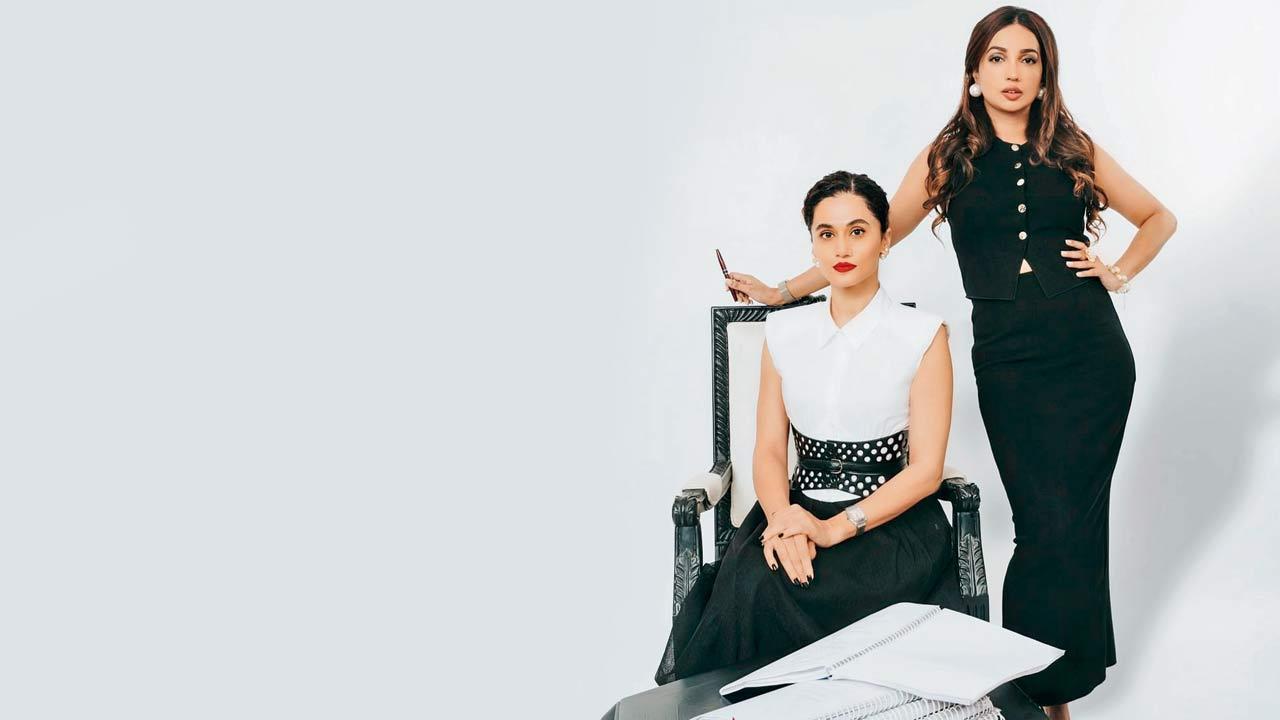
Writer-producer Kanika Dhillon, whose Do Patti has become 2024’s most-watched OTT film, on how her creative synergy with Taapsee Pannu has led them to make the woman-led actioner, Gandhari
Mohar Basu (MID-DAY; January 25, 2025)
There is no formula to a successful movie. But looking at writer-producer Kanika Dhillon’s filmography may make you think otherwise. With Do Patti (2024), she has delivered the most watched OTT film of the year, as per viewership data. In 2021, she achieved the feat with Haseen Dillruba. When we get on a call with her, that’s what we begin with: Has she cracked a formula to success?
“There is never a formula,” she laughs. “No subject is niche; the tryst is to make it accessible to a larger audience. That’s how even when I take a layered theme like domestic abuse, it has a large audience engagement. You have to determine early on who you want to reach out to. According to that, you determine the film’s syntax.”
Armed with these lessons, Dhillon has kicked off her next OTT film, Gandhari, helmed by Devashish Makhija of Joram (2023) fame. The two are as different as chalk and cheese. “It’s proven that the DNA of the most able babies are the ones that come from different bloodlines. Devashish is indie, and I’m [mainstream]. I think Gandhari will be the best baby,” says Dhillon.
It’s designed as a full-blown actioner led by Taapsee Pannu, who plays a mother out to rescue her abducted child. “I’m an action junkie. I watch two to three action films a week. What’s a gamble is doing an action film with a female at the centre. It’s not done often, but Gandhari will stand out because it’s also a compelling story.”
This is her sixth outing with Pannu after Manmarziyaan (2018), Rashmi Rocket (2021), the Haseen Dillruba franchise, and Dunki (2023). Working with the actor, she says, is great for a simple reason. “She takes my mad ideas and runs wild with them. Our sense of righteousness and rage have brought Devashish, Taapsee and me together. The hyper-masculine stories have taken over. Gandhari is perhaps the antidote we need.”
Even as male-led actioners are dominating the scene today, Dhillon notes that the tide is slowly turning. “The focus in the past year has been on stories. Of course, there are challenges with female-led films. The ambition is not always supported by the finance it deserves. But if a story is made on the correct budget and is engaging, you will get recognition.”
What else do people expect from a Joram? It can’t become a blockbuster-Manoj Bajpayee
8:16 AM

Unfazed that his maiden production is releasing in a volatile market, Manoj says people want to see heartland stories like Bhaiyya Ji and not urban films
Mohar Basu (MID-DAY; May 16, 2024)
At one point in our interview, Manoj Bajpayee abruptly pauses our chat because he remembers he had to make a call two hours ago. That is just a glimpse of how swamped he is as a first-time producer. The actor is not only leading Bhaiyya Ji, but also turning producer with it—a role that he describes as “a hell of a job!”
“As an actor, when the shoot is over, the film is over. But here, the work starts early and it ends way after the release. I’m taking baby steps, trying to get a hang of it,” he smiles, visibly happy about the next chapter in his three-decade career.
The idea is to produce all kinds of stories, some that won’t even star him. “The purpose is to find fresh voices, new directors and talent. I want to give people a chance to tell their piece. I don’t want to be genre-restricted; middle of the road, massy, indie, I want to create a home for every story. It’s important that storytellers get the space to tell their tales how they want to and be treated with respect.”
For his first step in that direction, the actor-producer has reunited with Sirf Ek Bandaa Kaafi Hai (2023) director Apoorv Singh Karki. With Bhaiyya Ji, the duo has designed a masala action fare set in Bihar. It is a monetarily turbulent time with most movies under-performing at the box office, but Bajpayee is unperturbed.
“Call it my naïveté or faith, but selling a film isn’t such a tough job as people make it out to be. Get the budget right. I’ve tried to make sure that every stakeholder feels safe and happy. The industry is in a flux. So, the solution is to plan well, stick to the budget, get a good story, make the best film you can and minimize risks, but certainly make the films,” he explains.
To him, the action fare—also starring Zoya Hussain—has the advantage of being a story rooted in Indian culture. He believes that is what the Indian audience is seeking.
“If we are to get past this phase [of uncertainty in movies], we should go back to our stories. Stories should be rooted in our world, and the hero has to represent the people of the country. I believe this is why south Indian films are working; their emotions are pure, they are rooted in our culture and people relate to the protagonist’s fight. Our [Hindi] films are set in urban areas and most of these characters are alien to the country’s masses.”
A few weeks ago, Bajpayee’s acclaimed work Joram (2023) was the subject of a social-media furore. On behalf of director Devashish Makhija and him, netizens were angry that the thriller was released on YouTube. Was it not getting OTT takers?
The actor clears the air, stating, “People took past interviews where Devashish had spoken about how hard it is to make an indie film, and posted them on social media. When the news came, the film was running on Apple TV, Amazon Prime Video, and then Zee Music released it on YouTube. It is being watched and recovering money. What else do people expect from a Joram? It can’t become a blockbuster! People like Devashish and I make a Joram because cinema is art for us. What hurts me is that despite winning love from people, the film hasn’t been getting many mainstream awards. When it comes to giving respect, films like Joram are forgotten. It happened to me with Pinjar (2003) too. When I won the National Award for it, I felt there was some poetic justice.”
I was the only actor left without a job after Bandit Queen-Manoj Bajpayee
3:56 PM

Anukriti Sharma (BOMBAY TIMES; February 4, 2024)
As Maan Singh in Bandit Queen, Manoj Bajpayee left an impression on viewers with his acting skills. Surprisingly, it was followed by five years of ‘looking for a role’. “I was the only actor left without a job after Bandit Queen," shared Bajpayee during a masterclass on acting at the recently concluded Pune International Film Festival. From being one of the busiest actors during his theatre days in Delhi, the Shool actor went into a phase of self-doubt due to no work.
“I used to feel that everything I had done in theatre was a lie and whatever I thought about myself was an illusion,” he added. Besides discussing his theatre days, Manoj also deep dived into stories from his early days in the industry and spoke about how narcissism shouldn’t be an actor’s best friend.
‘The uncertainty in theatre attracted me’
Manoj had his first brush with theatre after shifting to Delhi and soon realised that it was far bigger than the Dussehra or Ramnavami presentations he had seen. “Delhi jaake laga ki ye ek duniya hai jiska hissa main hamesha rehna chahta hu,” he shared, adding that even while he grew up admiring Amitabh Bachchan, he completely forgot about cinema, thanks to theatre. “I just loved the process of making a play. With each show, you felt like a newcomer. That uncertainty attracted me,” he said.
‘I realised early on that mainstream cinema will definitely need my craft’
Manoj also emphasised that he doesn’t believe in looking in the monitor or in the mirror and the last thing an actor should be is a narcissist. “The moment you start thinking about how you are looking or how your mouth is twitching, you stop concentrating on your character and subconsciously are only thinking about your face,” explained the actor, adding, “Very early in my life, I realized that mainstream cinema doesn’t need a face like mine, but it definitely needs my craft. Stardom bahut bada fluke hai. Stars are temporary; every Friday there will be a new one. But actors are forever. They are the people who are seriously working on their craft and their contribution is far bigger in the field."
On prepping for his character in Satya...
“Satya gave me recognition which I had never even dreamt of,” said Bajpayee, adding, “My reference for Bhiku Mhatre was a criminal from Bihar. I took reference from his clothes, the way he used to walk and the way he used to laugh. But I worked on my Marathi accent and body language by interacting with a Marathi lady who used to work at my house.”
On changing his approach towards acting...
Elaborating on his skill of getting into the skin of a character, Bajpayee said, “Mujhe lagta hai main rahoon na rahoon, kirdaar rehna chahiye.” However, adopting this approach resulted in a challenging period for him post Shool as he found it difficult to distance himself from the characters he portrayed. Following the advice of a mental health expert, Manoj actively worked on it.
“Pinjar was a result of my changed approach, and it was easy to come out of that role. It also gave me a new direction as an actor since I was really experimenting with my craft at that point,” he informed.
On working with various directors...
Speaking about some directors he has worked with, Bajpayee shared, “Shekhar Kapur (Bandit Queen) was different. After every scene, he used to talk to us about his own life or narrate some story and would tell us that this is the emotion he was looking for. Anurag Kashyap (Gangs Of Wasseypur I & II) makes you improvise a lot, while Devashish Makhija (Bhonsle and Joram) would ask me to give him two words instead of ten or use no words at all if I could just express the emotion through my eyes.”
---------------------------------------
“Mumbai is a tough city. In Delhi, even if you don’t have money, you are never insecure. You know food will come from somewhere or you will find a roof over your head. But in Mumbai, if you have no money, you are going to have a hard time surviving”
The international exposure that film festivals and film markets bring helps a movie chart its journey-Devashish Makhija
8:11 AM

Devashish Makhija feels film festivals are portals to global horizons
Kavita Awaasthi (HINDUSTAN TIMES; December 28, 2022)
After the acclaimed film Bhosle (2020), director Devashish Makhija is ready with his next, Joram. And he couldn’t be happier to collaborate with the National Film Award-winning actor Manoj Bajpayee for the third time.
The movie will have a world premiere at the 2023 International Film Festival Rotterdam. It has also been selected for the Film Bazaar Recommends category of the NFDC’s Film Bazaar. Makhija says, “The international exposure that film festivals and film markets bring helps a movie chart its journey, and eventual sales and distribution plans. I feel film festivals are portals to international horizon.”
Makhija admits that he has tried to shape Bajpayee into characters he’s never played before, and “he has deep dived into them with enthusiasm”. The director adds, “To me, performance is the beating heart of the cinema I make. Along with Manoj, we had another phenomenal artiste in Mohd Zeeshan Ayyub, both their characters traversing trajectories that were both tragic and thrilling.”
Being an independent filmmaker, Makhija feels his film’s journey will be unique, because it has the backing of a popular Indian studio. “The roadmap we chart may set new precedents for how an independent spirited artistic film can release and be watched,” he ends.

I had to struggle even after Bhonsle to make one film; system is corrupt-Devashish Makhija
8:40 AM

Rishabh Suri (HINDUSTAN TIMES; December 12, 2022)
Devashish Makhija is exasperated with the hurdles he’s facing to make another film after his critically-acclaimed 2020 OTT release, Bhonsle. The filmmaker feels the success of the Manoj Bajpayee-starrer should have made it easier to bring his next project to life.
“Bhonsle was one of the biggest OTT hits of 2020. My fortunes should have changed. I should have found financers and producers for my next feature film. I have been struggling for two years, and only now managed to set up a really small film with Manoj again. And it was only green-lit because he said yes,” he rues.
The Oonga (2013) and Ajji (2017) director also expresses uncertainty over the medium of release: “Everything is so up in the air, every three-six months everyone’s perspective changes. Where we will be six months from now, when my film will actually be set for a release, I don’t know.”
And that uncertainty only gets deeper when one realizes how films starring A-listers failed to win over the box office this year. The director says this was bound to happen. “It was not a surprise as there was so much money pumped into them. I’m not at liberty to reveal the numbers at which we sold Bhonsle to the OTT platform, but it didn’t make its money back. You can guess how little that film was made for. It’s a very corrupt system.”
He adds, “When the industry loses, makers like me are the first people to be jettisoned. They don’t want to hear our voices.”

OTT no longer a haven for small films, say experts
2:40 PM
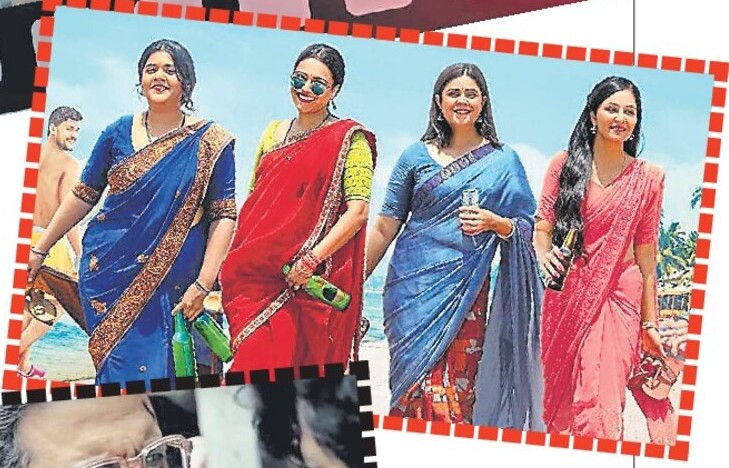
As theatres make a post-pandemic recovery, makers shed light on whether content still triumphs over big budgets on OTT
Rishabh Suri (HINDUSTAN TIMES; November 12, 2022)
Content does all the talking on OTT — this is the popular notion that has been attached to the medium for some time now. The OTT boom that was witnessed during the pandemic further strengthened this belief as a barrage of fresh and unique content flooded the web space. However, is the scenario still the same, now that theatres have become operational again? Is it still easy for small films, which are driven by good content, to get an OTT release? Experts weigh in.
‘OTT IS NOT A MESSIAH’
Recently, Manoj Bajpayee told us in an interview that it’s a struggle to release films regardless of the medium. He said, “What I have gone through in getting films like Aligarh (2016) and Bhonsle (2020) to cinema halls, and then OTT, has been quite a journey. One gets tired.” Attesting to the same, Devashish Makhija, director of Bhonsle, recalls, “Originally, we wanted a theatrical run, no matter how limited. But when Covid-19 hit, there was no scope for it. That’s when we got in talks with some OTT platforms.”
Makhija says the expectation for OTT to be a messiah for smaller films shouldn’t exist in the first place. “It’s filmmakers like us, who ascribe a lot of value to alternative mediums. I don’t remember OTT saying, ‘We are here to champion independent films’,” he says, and adds that they just got lucky as a newly-launched platform took a chance with them with Bhonsle. “Today, a big platform turns away original voices. They say, ‘We want to make money, we’re answerable to our bosses’,” he adds.
Echoing similar sentiments, Vinod Bachchan, who produced Jahaan Chaar Yaar, starring Swara Bhasker and Shikha Talsania, says he is yet to find an OTT platform for his film. “Sirf content criteria nahin hota. Many OTT platforms have grouped together. They don’t care whether the content is good or bad, but focus on stars,” he says.
NOT ALL OTT
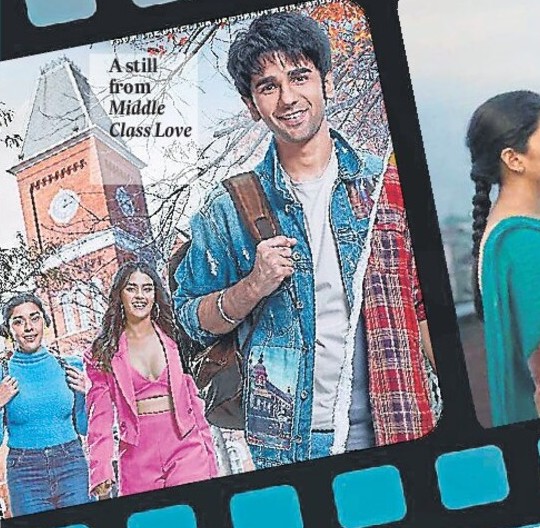
However, there are also some makers, who have had a good experience on the medium in the recent times. Director Ratnaa Sinha, who created Middle-Class Love, starring newcomers Eisha Singh and Prit Kamani, says the journey becomes easier for a small film when a production house owning a streaming platform, gets on board. “It is really difficult to make a film with new faces. Very few people believed that we could actually pull it off. Once we got a producer on board, however, it was fine. They gave us a good theatrical release, and since they own an OTT platform, we will get a release there automatically,” she says.
Palash Muchhal, director of the film Ardh, says the trick for him was to not approach any OTT platform, but to instead produce the film and then present it to the web teams: “We decided that we will sell the rights to the first platform that approaches us. I produced the film by selling off my car, but made back double profit.”
BOX OFFICE MATTERS
How a film performs at the box office is also a parameter now for OTTs. Trade expert Atul Mohan says films, which failed to attract footfall, were let go of by streamers. “During Covid-19, majboori thi OTT platforms ki as there was a lot of demand. Later, they realised yeh film jiske liye humne Rs. 20 crores diye, yeh toh Rs. 10 crores ke layak nahin thi. The journey is difficult for small films,” he says. Tara Vs Bilal was one such film whose OTT deal fell through after a dismal box-office run, a source reveals.
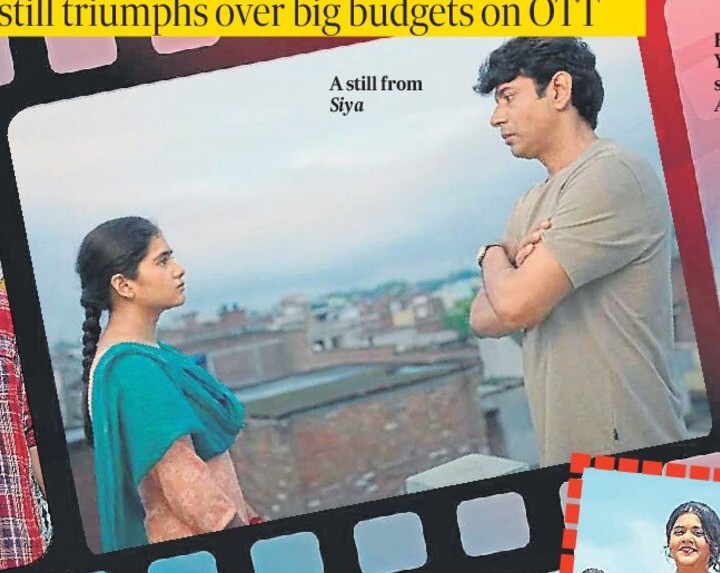
Actor Vineet Kumar Singh, whose film Siya got a theatrical release recently, says, “Things are changing fast. I’ve heard from people that streamers say, ‘Release in theatres first, we’ll take your film after that’.”
South blockbusters have sent a shiver down the spine of Mumbai film industry-Manoj Bajpayee
8:31 AM
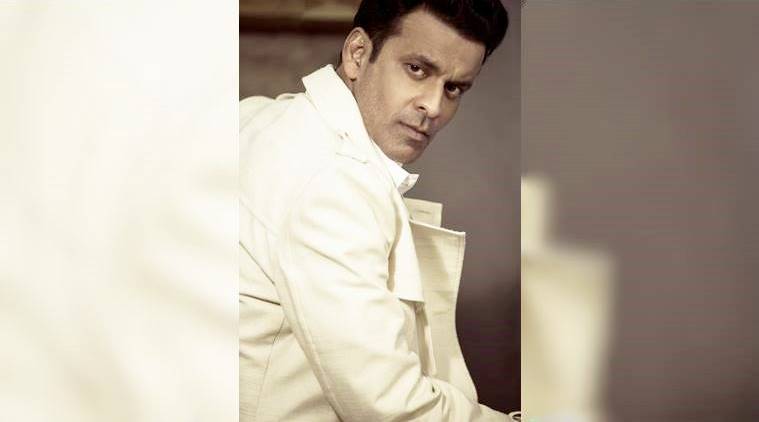
Anshul Chaturvedi (BOMBAY TIMES; May 2, 2022)
In the phase where halls were shut and anticipated blockbusters were on hold, OTT revitalised and rebranded Manoj Bajpayee yet again. However, he isn’t riding that wave to do mainstream projects at all. “I had a resolve that I will attach myself with middle of the road or independent cinema, and I am sticking to it,” he explains. And as to mainstream Hindi cinema, he has a word of caution: It has largely missed addressing the non-multiplex audiences for a while and so is unprepared for the current surge of the south. Excerpts from a chat:
You have acquired quite a degree of prominence via OTT in the phase when halls were closed and big-budget movies were on hold. But you haven’t used that to work with a big studio – you are instead working with a number of filmmakers who are, for want of a better word, non-mainstream. Stardom nahi chahiye aapko?
Star kaun hota hai hamare yahan? Dekhiye, star toh wohi banega, jo exhibitor aur distributor ki requirements ko puri karta ho. Woh requirement kya hai? Requirement hai: Larger Than Life. Extravaganza. Pushpa ne uss gap ko fill kiya, RRR ne kiya.
I had a resolve that I will attach myself with either the middle of the road cinema or with the independent cinema, and I am sticking to that. It is also about empowering all these filmmakers so that not only do I get to play those roles that I always wanted to play, work with scripts that I always wanted to be part of, but also, in that process, some very talented people are being empowered. And today one can take these decisions because of OTT. Kyunki agar woh (film) theatre mein nahi aayegi toh woh OTT pe aa jayegi.
When I work with Rahul Chittella (for Gulmohar), it gives me immense joy not only to play the character that I am playing, and be part of the film, which I am so proud of, but also I see a fantastic director-writer coming into the film world. Isiliye mere liye Rahul Chittella, Devashish Makhija, Kanu Behl, Dipesh Jain, ya phir Abhishek Chaubey, Ram Reddy – all of these directors have become very important for me. Mere liye bahut important baat hai. Main yeh nahi keh raha hoon ki industry ka har actor woh kare jo main kar raha hoon. Nahi, lekin woh mera resolve hai. I have been following this without even talking about it. But now I have to say this. I have to tell people what I am doing and why I am doing it. Inki filmein karte hue mujhe badi aantrik santushti hoti hai.
Independent cinema means smaller pay cheques for the actors, right?
That is true. Inke saath jab main kaam karta hoon toh mujhe apni bhi bahut saari sahuliyaton ko – jo dimag mein hai ki bhai yeh sahuliyat honi chahiye, ki itne saal ho gaye mujhe kaam karte hue, mujhe luxury chahiye – uss luxury ko mujhe cut down karna parta hai. Which is very good!
You are chasing the creative element over material luxury, or is this some sort of personal CSR, that you have to give back to the industry?
This is a responsibility that I have taken upon myself. I do things in a personal capacity, where I feel I have to give back, but I don’t talk about it. Many of us in the industry do what we can, where we can, but we keep it to ourselves.
Secondly, har actor ki yeh journey hai. Jahan bhi woh pahuncha hai uske liye bahut tyag karna pada hai. Maa-baap ka tyag karna pada hai, bhai-behen ka tyag karna pada hai, apne comfort ka tyag karna pada hai, apne ghar ka tyag karna pada hai. Woh kai raat rota-rota soya hai, bhookha toh chhor hi dijiye.
Har actor – actor as opposed to star?
Even stars. There are stars who have become so huge in our industry who have come from middle-class families. They have sacrificed so much before they have become what they’ve become. Lekin jab woh ban gaya hai toh (log) kehte hai samaaj ke liye kuch kyun nahi kar rahe ho? Samaaj ke liye karna na karna uska apna chunav ho sakta hai. Hum uss ke upar dabav nahi daal sakte hain. Kya yeh dabav hum corporates pe daalte hain? Kya hum unke accountable hone ke liye unke ghar ke bahar pradarshan karte hain? Nahi karte hain. Kyunki wahan par pradarshan kar ke humein kuch nahi milne wala evaj mein. Jab main Twitter pe ek star ko gaali deta hoon, toh uske evaj mein bahut kuch mil jata hai. Ek pehchan milti hai – ek identity.
(Pauses) We have always been looking for identity – for heroes. Unfortunately, we found our heroes in film stars. But they could not be. They cannot be. They are entertainers. They are actors.
This resolve to work with the names you have spoken of – is this purely on the basis of how good a filmmaker they are or is this because somewhere in your mind you are saying let me act as a bridge or let me use my stronger presence in box office because now I’m a name with a stature there, so let me bring this greater aura to their movies?
The intention comes from two-three things. I have always been looking for subjects that are genre-bending or stories which are not told or filmmaking that is not very familiar to our audience. These are my personal interests. When I watch a film say by Inarritu (Mexican filmmaker Alejandro González Iñárritu), it is a very new way of storytelling and I want to be a part of it. Where and how can I be a part of it? Definitely, Inarritu doesn’t know me. He is not going to cast me. So I have to find my own filmmakers here, whose films or storytelling I can be a part of. And yes, my own professional credibility will empower them to take the film forward.
Why is this space more interesting for you than conventional, mainstream Bollywood?
Had I chosen, say, only mainstream format, or maybe gotten a place as a celebrated villain, then I would have been finished long back, because even heroes look for new villains after five years. I would have been used, abused, and thrown away. Maybe because I wanted to do things differently, in my own way, so that I could be relevant, these filmmakers came to my mind as a rescue or as an alternative to really keep me going, keep my interest in filmmaking and acting going. And I’m still as interested. I am still as interested and enthusiastic and as angry as ever. That anger is only towards making these films possible for my own self and for the audience. I am really seeing to it that they get a platform and medium where they can showcase their work. Purely that.
Now, from Delhi, I have to go to Jharkhand where Devashish Makhija and the unit is waiting for me (for Joram). They want a certain kind of discipline from Manoj Bajpayee and they are not going to compromise on that. And I am not ready to compromise on my effort either. So everything is back-breaking, kneebreaking.
In 2012, Gangs Of Wasseypur in mainstream cinema and in 2021, The Family Man on OTT – they seem to be the projects that gave you the comfort to do things on our own terms, to be able to pick and choose, right? When you get a hit in the industry, it gives you the space for a while to make your choices
You said it. You just nailed it. You know, one Gangs Of Wasseypur (2012), one Rajneeti (2010), and then Special 26 (2013) has given me so much strength to do Aligarh (2016), Bhonsle (2018) and Gali Guleiyan (2018) and so many others...If I do Aligarh or Bhonsle, for me it is self-satisfying. I sleep very peacefully after doing it. And then The Family Man has given me choices that I never had till now.
That’s how I tried to maneuver my career. I always needed one project which could empower me, give me that strength to go ahead and be a part of these filmmakers’ vision which could help me to reinvent myself, and rekindle my energy. It’s all mutual when I am doing these films. For my next scene (as he was at a set) I’m ready to go, I’m all prepared. I’m ready to go. Everything is prepared. But having said that I must tell you that I am not a genre-specific person. After five-six films, you may see me in a complete mainstream film doing all sorts of stuff because it has attracted me, not the genre but the matter, the film as such or the passion of the director.
So you are saying that you’re not taking high moral ground ki mainstream nahi karna hai. But you are saying that I don’t need to be seen in mainstream for my inner satisfaction. If it works, it works, if it doesn’t work then it doesn’t work.
If it doesn’t work then it doesn’t work. I have done Baaghi 2 and Satyameva Jayate. I have done many films in the past, so the filmography itself says that I have done those films. I have never regretted, rather I have enjoyed because I don’t judge them. Because for me cinema is far more important. Films are important.
(Pauses) Itni blockbuster ho rahi hai (from the south). . . forget about Manoj Bajpayee and the likes of me for a minute, it has sent a shiver down the spine of all the mainstream filmmakers from the Mumbai film industry. They really don’t know where to look.
The south industry is shaking up Mumbai?
Yes! I have been part of Tamil films and Telugu films. I exactly know why this is happening.
Educate us. One reads so much about actors saying ‘the culture’ is different in making South films but one doesn’t get the specifics. Kya culture hai, koi samjhata nahi.
Koi nahi samjhaega aap ko kyunki apne aap ko criticise karna padega. Maine kaam kiya hai wahan pe. They are unapologetic, they are passionate, and every shot they take as if they are taking the best shot in the world. And so much thought and passion goes into it. Not even once do they talk about the audience in a demeaning way. They don’t say that the audience will understand. ‘Yeh massy hai, yeh chal jayega’ – they never talk in this language. They shoot a film as they have envisioned it, they don’t dumb it down for the audience because they hold their audience in the highest regard and their passion is supreme.
If you see Pushpa or RRR or KGF, the making of it – it is immaculate. Each and every frame is actually shot in a manner as if it were a life and death situation. This is what we lack. We started thinking about mainstream films only in terms of money and box office. Hum criticize nahi kar sakte na apne aap ko. So hum unko ‘different’ keh kar alag kar denge.
But it’s a lesson. This is a lesson for Mumbai industry mainstream filmmakers on how to make mainstream cinema.
As an observer, what you seem to be arguing broadly is that if somebody is looking for cinematic satisfaction as a viewer, he’s saying maybe OTT is giving me better choices. As an actor across all genres, you are doing half a dozen films outside of ‘mainstream’ Bollywood saying that is giving me more satisfaction and more space, and it excites me more. So your excitement quotient is not being met by the mainstream, at least at this moment in this space. But on the other hand, when it comes to the larger-than-life scale – then the south is doing better than Bollywood. Right?
I will tell you one thing – do you know that Ram Charan and Junior NTR and Allu Arjun and Pawan Kalyan were already stars in the B, C cities before their recent films became big hits. Their older films were already being watched in a dubbed version in all the interior places. Those were the films which were actually satisfying the B, C cities of this country. But we were satisfied with the multiplexes and popcorn films thinking that we are making the best mainstream cinema which is reaching everyone. No, it was not reaching everyone. That section – the audience of the smaller cities, the single screens – was really not entertained. They (mainstream Bollywood) stopped addressing those viewers. When multiplexes become very expensive and far away from their (audiences’) reach, then who is their star? Who is entertaining them all this while? For you, as a person who buys a ticket in a multiplex in Delhi, when you see RRR, Junior NTR is someone you have seen for the first time – but not for the viewers in the B, C cities. They have already seen him.
Someone told me before RRR’s release – “Bhaiyya, aap Junior NTR aur Ram Charan ko le kar chale jaiye Haryana ke kisi gaon mein, woh aaj bhi mob ho jayenge. Aap ka (Bollywood) superstar wahan mob nahi hoga kyunki woh audience unki filmein nahi dekhte hain. Woh inki filmein dekhte hai, dubbed version.”
That’s because Hindi cinema wasn’t giving them this content?
Upper middle class ko jab hero mila, aur multiplex bhi usi waqt aaye, uske baad humne ye space miss kar diya. Lekin multiplex mein jaana sabke bas ki baat rahi nahi. Ab Zanjeer, Naseeb, Khalnayak kahan banti hai? Ya Vishwanath? Kalicharan? Hamari upper middle class ka hero NRI ban gaya tha. Upper middle class ka aspiration woh raha. The successful huge megastars that we have created – they were not megastars of B, C cities.
----------------------------------------
‘THE MESSAGE WAS TO SPREAD HARMONY WHEN WE FIRST SHOT BHAGWAN AUR KHUDA TWO YEARS BACK’
Recently, a two-year old video (Bhagwan Aur Khuda ) of Manoj reciting a poem on harmony between religions has been circulating. He tells us, “This video was made during the lockdown. I was in Uttarakhand and Milap (Zaveri, film writer and director) wrote this poem and sent this to me, asking me to recite it. Mujhe poems recite karna waise bhi achcha lagta hai, and I really liked what he wrote, so I recorded it and sent it back to him. He then called me to say ki isko shoot kar ke bhej do agar wahan koi assistants hain jo mere saath phanse hue hain. It so happened that two assistant directors were there, stuck along with me, Sagar and Ashok. So we spent some time and shot it together.”
He reminds us that he also shot for another video during the first lockdown – Bambai Me Ka Ba for Anubhav Sinha. While it was initially posted online two years ago,it’s been seen more recently than it probably was then. “Jab uss samay daala tha tab bhi kaafi chala tha, lekin iss samay jis tarah se iss ka swagat ho raha hai woh unprecedented hai,” says Manoj, adding, “Mera apna maanna hai ki Bharat ko aage jaana hai toh sab ko saath mil ke chalna hoga. The message was to spread peace and harmony when we first shot this two years back. I am of course surprised that it has gone viral at this point. But as to why, perhaps the simplest answer is in what one of my co-actors messaged me: It was relevant then, it is relevant now, and it will always be relevant.”
‘I DELETED WHATSAPP TO STOP EXPECTATIONS’
While reaching out to Manoj for this interaction, we realised that our WhatsApp messages to him weren’t landing. The actor subsequently clarified that it was on account of him having deleted the app. “WhatsApp pe bahut saare known, unknown messages aate hain, everyone expecting you to respond to them quickly. There are invitation to all kinds of functions and then people expect you to respond in a positive manner. There are so many forwards – many of which are not in sync with my sensibilities – spams, unknown numbers and bulk messages coming in every day, unknown calls coming every day. It’s humanly not possible for any of us to entertain each and every message and answer them in positive. And your answer should match their expectation, which was getting a little too much. I also wanted to just keep a lot of time for my reading, for watching content and spending time with my family rather than just being stuck on the phone and being busy answering people. So I think it was just very, very important for me to delete it so that the expectations stop.”
The suspense from Amazon is killing the The Family Man team-Manoj Bajpayee
8:10 AM

Manoj Bajpayee on waiting for the third instalment of The Family Man and his future line-up
MID-DAY (March 25, 2022)
National Award winner Manoj Bajpayee says like fans, the team of his web series The Family Man is also waiting for the streaming giant Amazon Prime Video to announce the premiere date of its highly anticipated third season.
“The suspense from Amazon is killing the The Family Man team because for now we don’t have an answer,” said the actor. The second season of The Family Man, which premièred last June, was lapped up by viewers. The first season, which debuted on the OTT platform in late 2019, also received glowing reviews.
Bajpayee has a packed slate ahead with projects like Gulmohar, Kanu Behl’s Despatch, Joram with his Bhosle director Devashish Makhija, and Pahaadon Mein, and Soup, a Netflix series, his third collaboration with director Abhishek Chaubey after Ray and Sonchiriya.
“I’m currently shooting for Gulmohar and I finished Dispatch recently. I’ll start shooting in May for Joram. Then there is a film Pahaadon Mein by Raam Reddy that I have completed. There’s also the series, Soup for Netflix with Abhishek Chaubey. I think next year is going to be busy. People will either be entertained or get tired of me,” the actor, 52, added.
On Wednesday, Bajpayee turned showstopper for designer Samant Chauhan, a fellow Bihari and “a friend whom I have known for so many years”. “I have done theatre for so many years, but wearing something designed by Samant Chauhan is a big thing. Also, when I face the crowds, I not only feel uncomfortable but also a little embarrassed,” he said.
Describing his style as “casual and comfortable”, Bajpayee said he prefers jeans and T-shirt for his day-to-day use.
A National Award makes you forget everything wrong that’s happened in the past-Manoj Bajpayee
7:53 AM

Rishabh Suri (HINDUSTAN TIMES; March 24, 2021)
Manoj Bajpayee is no stranger to awards, and the latest addition to his list is the top recognition at the National Film Awards. He’s been named Best Actor for the film Bhonsle (2019), an honour shared with Dhanush, who won for Tamil film Asuran (2019).
Bajpayee is recovering from Coronavirus at the moment, but the excitement is palpable in his voice: “I am feeling so happy, not only for myself, but also for my director Devashish Makhija, who put all his belief and energy into it. I also feel thankful to Sandiip Kapoor, Piiyush Singh, and all the producers who have put in their energy and support. And everyone in the jury who thought if fit to give me this award.”
This is his third National Award. “Many times in the past, I felt many of my deserving films got left out, but Bhonsle getting it has completely made me forget everything I didn’t get in the past. I thank everyone,” he adds.
Asked if this award is again proof that acclaimed films such as Bhonsle are often ignored by other film awards, which usually focus on ‘commercial’ cinema, Bajpayee is non-committal. “I don’t know, these are very controversial questions. Putting one against the other is not something which is my scene. But it has happened in the past, my film Pinjar (2003) didn’t get any mention in the ‘mainstream’ awards. Getting the National Award definitely makes you forget everything wrong that has happened in the past. But why think about it? You celebrate, be thankful to the Almighty, to all the people who have shown so much belief,” he says.
Bhonsle, he shares, is more than an important film to him. “It is a mission, which has come full circle and completed its journey. It took us four years to arrange the finances, and my association with Devashish started because of this film. There were no takers in this industry. We have done it all alone, with the help of a few people like Sandiip and Piiyush, and many producers who have put little money into it. I really think this award is not only for me, but all these guys,” Bajpayee signs off.

67th National Award winners open up; explain why the trophy is 'a big deal'
8:46 AM
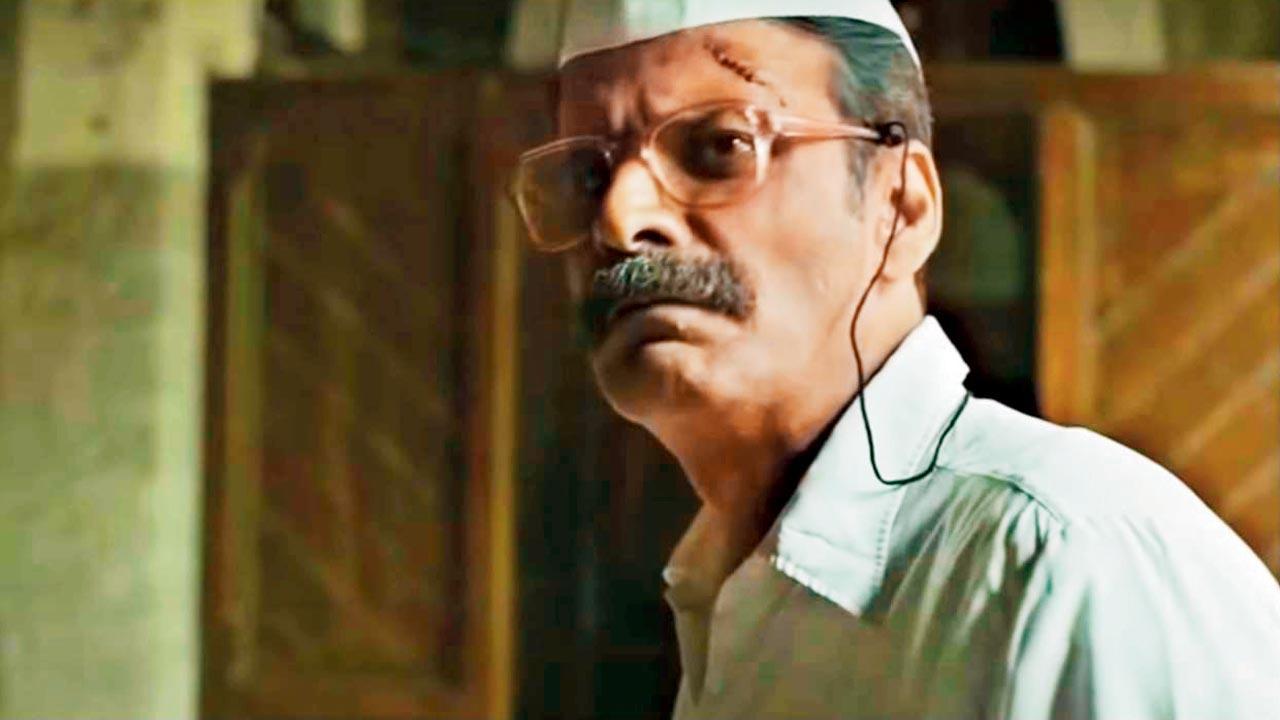
As National Award announcement evokes mixed reactions, winners tell mid-day why the title is prestigious
Mohar Basu, Uma Ramasubramanian (MID-DAY; March 23, 2021)
Kangana Ranaut, Manoj Bajpayee and Dhanush (Asuran) took home the big titles in the acting categories at the 67th National Film Awards, which were announced yesterday. Priyadarshan’s Malayalam film, Marakkar - The Lion Of Arabian Sea, won the Best Feature Film title, while Sanjay Puran Singh Chauhan was named Best Director for Bahattar Hoorain. Late actor Sushant Singh Rajput’s film, Chhichhore, directed by Nitesh Tiwari, took home the Best Hindi Film award. Producer Sajid Nadiadwala says, “I dedicate this prestigious award to Sushant. We can’t get over his loss, but I pray that this award gives a little bit of happiness to his family and fans, including me. And I am tremendously grateful to Nitesh for giving us this special film.”
Bajpayee, who won for Bhonsle, tells mid-day, “I thank my director, Devashish Makhija, [and producers] Sandeep Kapoor and Piyush Singh. I am grateful to everyone who believed in this film and supported it. ”
Best Supporting Actress Pallavi Joshi (The Tashkent Files) says she “wasn’t expecting” to win. “I knew that because of the pandemic, award functions weren’t being held. I assumed that they would either cancel it, or club projects across two years. When I heard Vivek’s [Agnihotri, husband and director] name, I was elated. This is his first National Award. It was a well-researched and well-written film. It took a moment for me to register my win because I had forgotten that I had acted in it. I was reminded of my first National Award win in 1994. Today is no different. This award is a big deal because it carries opinions of the finest talents. The icing on the cake is that the President gives you the award.”
The film picked up the honour for Best Dialogue. Agnihotri, who has also penned it, adds, “I was told this film has no screenplay and was too verbose. It was sabotaged after being stuck for a long time. We contributed in raising important questions about the right to truth in a democracy. When it released in 150 screens, it ran for 125 days, because the audience came to watch it. My view has been vindicated. I feel empowered to write good stuff. I dedicate this to Lal Bahadur Shastri.”
In a joint statement, the team of Marathi film Anandi Gopal, which won Best Production Design and Best Film On Social Issues, said, “We are humbled, honoured, and ecstatic. This was a labour of love; our first film and first National Award. The win has been a dream come true for all of us. We can only attribute the win to the passionate work of each and every one in the team.”
Other winners include Vijay Sethupathi, who took home the Best Supporting Actor award for Super Deluxe.
I realised only last year what going viral means, what being famous means-Abhishek Banerjee
8:06 AM

Juhi Chakraborty (HINDUSTAN TIMES; February 23, 2021)
For Abhishek Banerjee, hard work and perseverance has finally paid off as he was recently honoured for his portrayal in web series Paatal Lok. The actor says it has been quite a career graph which began from doing bit roles in films to casting to now a much-in-demand artiste.
“I look at the trophy, more like I steal glances every time I walk past it. I just can’t believe ki sahi mein mere ghar pe ye hain. I am quite humbled because it is a validation of the fact that I’m on the right track. You know how it is difficult to impress. It is a very different kind of satisfaction,” he says.
Banerjee, awarded as the best supporting actor for his portrayal of the lead antagonist, looks back at his journey and muses, “Like everyone I also came to Mumbai to make it big as an actor. Then when you don’t get to do roles which you might have wanted to do in your ’20s, with filmmakers you like as they usually cast raw actors, I thought kuch problem hai. Casting became the route to survival.”
But he is proud of his journey. “Casting helps you be in the drill so I know what’s happening around. I thought to myself that now the only way to keep the actor inside of me alive is to do short films, indie films and just keep up the process. I worked with Devashish Makhija and then Amar Kaushik saw it and Stree (2018) happened,” he says.
“Then opportunities started coming in and Paatal Lok also happened. I realised only last year what going viral means, what being famous means,” he adds.
International acclaim is overshadowed by box office numbers in India-Abhishek Banerjee
7:48 AM

Kavita Awaasthi (HINDUSTAN TIMES; November 24, 2020)
He had a busy year with multiple releases on OTT platforms, and there seems to be no stopping Abhishek Banerjee. The actor, who started his career with a short appearance in Rang De Basanti (2006), has shown his versatility with many challenging and entertaining roles. Adding another feather to his cap, his short film, Paash, recently secured a spot in the top five films from India in Shorts TV Film Festival, which is an Oscar-qualifying film festival.
Sharing his excitement, the actor says, “This is too special for me, and this year has been fantastic and thrilling, work-wise. One doesn’t expect anything while doing a short film and does it for the love of it. As an actor, you want a wide variety of audience watching your work. It gives you more opportunity to explore yourself and become less dependent on a particular kind of work.”
Banerjee, 32, however, admits that while having your work recognised globally definitely grabs you some eyeballs, whether it translates to better opportunities or not is questionable. “Unfortunately, the international acclaim is overshadowed by box-office numbers here, but it’s important to realise that everything is not about money, and definitely not art!” he says.
With rise in digital content, there has been a boom in shorts as well. The Paatal Lok actor credits short films for his career launch. “Ajji (2017) happened when director Devashish Makhija saw me in a short, and later, Ajji helped me get Stree (2018). Moreover, due to the rise of OTT platforms now, there’s an audience waiting to see interesting shorts. We even have an award-function category for short films. If you are talented, shorts are a great opportunity to prove yourself,” he concludes.
People are comparing me to Thor. And here I am scrubbing utensils in my briefs-Abhishek Banerjee
8:12 AM

The actor and talent scout on navigating his way from conducting auditions to cracking them
Kunal Guha (MUMBAI MIRROR; May 24, 2020)
Playing a ruthless, hammer-wielding assassin in the web series Paatal Lok has turned Abhishek Banerjee into an overnight sensation. In fact, several memes have compared his onscreen avatar to the Marvel superhero, Thor. He finds the comparison hilarious. “And here I am scrubbing utensils in my briefs,” he says, referring to the mundane chores keeping him busy during the lockdown.
The 35-year-old actor has featured in numerous supporting roles in films such as Stree (2018), Bala (2019) and Dream Girl (2019). But interestingly, he’s also a prominent casting director, credited for over 70 films, including Angrezi Medium (2020), The Sky Is Pink (2019) and Student Of The Year 2 (2019). His talent firm, Casting Bay, which he founded along with fellow casting agent Anmol Ahuja, clocks 11 years in 2020.
Banerjee had his first brush with the big screen when he bagged a “crowd scene role” in Rang De Basanti (2006). Then a third-year student and an active member of the dramatics society at Delhi’s Kirori Mal College, the gig somehow led him to believe that he had “arrived”. “I felt that since Rakeysh Omprakash Mehra had seen my talent, I was sorted,” he says. When the one-scene gig didn’t translate into much, Banerjee resigned himself to conducting theatre workshops after graduation. But as destiny would have it, he caught the eye of casting director Gautam Kishanchandani, who was in Delhi with director Anurag Kashyap to scout actors for Dev D in 2008. Kishanchandani tasked him with providing dialogue cues to auditioning actors, and ultimately asked him to come to Mumbai.
And so, like countless others, Banerjee shifted to Mumbai to realise his tinseltown dreams. Queuing up for auditions in Aaram Nagar studios sensitised him to the film industry’s “disorganised” recruitment process, where the supply far exceeds the demand. “I was feeling disillusioned as an actor but had to feed myself,” he says. Following brief casting stints, he got a chance to assist Kishanchandani with Once Upon A Time In Mumbaai (2010). “I got to deliver lines meant for Ajay Devgn and Emraan Hashmi during auditions and began to enjoy the process.”
Soon enough, Banerjee bagged his first solo casting break for The Dirty Picture (2011). The film’s astounding success resulted in a flurry of work and Banerjee set up his own talent agency the same year. “I was 24 then and had been in Mumbai for only a year-and-a-half, so it was a big deal,” he says.
Over the years, Banerjee has often been drawn to roles he was meant to cast for. While nominating himself would amount to a “conflict of interest”, at times, filmmakers have themselves asked him to take a crack at them. He recalls how director Rajkumar Gupta almost considered him for a role in Ghanchakkar (2013), but when Banerjee auditioned for it, his performance fell short and Namit Das landed the role. “I had recited the lines so many times the rawness had disappeared,” he remembers. Banerjee didn’t take this rejection well and plunged into casting gigs, while secretly “working on the craft”. “While conducting auditions, I got to act every day for eight hours with different actors… it was like a riyaz of acting,” he shares.
To test his skills, he latched onto every blink-and-miss role that came his way. “In Go Goa Gone (2013), they called me for a five-minute role for which I was paid five grand. In Bombay Talkies (2013), I just had a 10-second role but it was a learning experience,” says Banerjee.
His first prominent part came with Devashish Makhija’s Ajji (2017), a dark, modern retelling of ‘Red Riding Hood’. “I felt he was pulling my leg and just wanted me to cast for the film,” says Banerjee, who felt the role required him to shed all his inhibitions. “I was playing a child rapist. How do you train yourself to pull that off?” The critically-acclaimed film slipped through the cracks, but injected Banerjee with the confidence he needed.
Soon after, he landed his memorable turn in Amar Kaushik’s sleeper-hit Stree, where he played the role of Rajkummar Rao’s friend Jaana. “It got me in the public eye and, before I knew it, I was being considered for Dream Girl and Sujoy Ghosh’s horror film,” he says. For Amar Kaushik’s social comedy Bala, Banerjee had already lined up actors to play Ajju, the character he eventually essayed himself on Kaushik’s insistence. “Those I had shortlisted later joked, ‘tu humaara role kha gaya’.”
Today, as Banerjee juggles acting gigs with casting commitments, he says his process of scoping for talent remains the same. “I still visit theatres across the country to find talent,” he says, adding that he sometimes regrets his casting decisions when “those who crack auditions don’t follow through with their performance on set”.
What would be his dream role? “I want to play a cop once since my dad was with the CISF,” he says.
If award shows aren’t nominating deserving candidates, then it reflects badly on them-Manoj Bajpayee
7:56 AM

Harshada Rege (DNA; February 3, 2018)
The day I meet Manoj Bajpayee, he is battling a bad cold. Despite that, he powers through media interactions with the help of medication and his passion for his craft shines through. The National Award-winning actor is excited about his upcoming movie Aiyaary, in which he has donned many disguises for his role as Colonel Abhay Singh. In a freewheeling chat, he talks about working with director Neeraj Pandey once again, his process as an actor, and why it’s necessary to keep coming up with good content to earn respect. Excerpts…
The trailer gives us a glimpse of the many disguises that you sport in the film. How exciting was it for you? The make-up process must have been quite time-consuming?
It’s tedious, but it’s not a gimmick. That’s why the movie is titled Aiyaary. Neeraj sticks to the storyline and its requirements. Frankly, it’s difficult to come up with different kinds of physicality and mindset for every character. It’s not child’s play. But everything was worked out by Neeraj. He had a clear vision about which character comes when. I just had to be patient to go for the trial-and-look tests repeatedly. And do it all over again when the film was being shot. It’s torturous, but that’s our job (shrugs).
Do you have a favourite among them?
I am purely an actor. Everything that I do is my favourite. Colonel Abhay Singh is different with different people. The role was challenging and I took it very seriously. For me, portraying a character is not about liking or disliking it, it’s about meeting a challenge that’s thrown at you.
You have worked with Neeraj so many times now that there must be a comfort factor...
We have known each other for six-seven years but if you think that he makes my life easy, then that’s not true. He is a hard taskmaster. He is extremely clear about all the characters in his films and he doesn’t compromise on them. Sometimes, he takes your suggestion but most of the times, he flatly refuses them.
As an actor, my job is to fulfill all the expectations that he has from me. But it’s always a learning process with a director like him. His clarity of thought is something that you are scared of. You can’t fool him. You have to be ready with your explanations, answers, and excuses.
This is the first time you are working with Sidharth Malhotra. His kind of cinema has been very different from yours. How was it working with him?
It’s admirable for someone like Sidharth, who is from Delhi and a pure outsider, to make a place in mainstream cinema. Here, most people who are successful are somewhere related to each other. In that kind of a world to establish himself only calls for admiration.
After averting a clash on January 26, Aiyaary and Pad Man will release on the same day now...
We didn’t move to avoid a clash with Pad Man. When Padmaavat came in, our producer very wisely decided not to crowd January 25 and chose February 9. We changed the date with a heavy heart because our movie is about the army. It was announced seven months ago before we even started shooting. We had to choose another date because suddenly there were three movies on that day. Now, Pad Man is coming with us. If two films open in cinemas simultaneously, there’s no concern. But yes, three will definitely be a crowd.
What is your criteria while choosing a film? Do you look at the script, role, director, or production house?
I’ve always focused on a director and script. Now, I’m keen to work with new directors. Devashish Makhija, who is helming Bhonsle, met me with the script three-four years ago. I was looking for a producer for it. He had directed me in a short film called Tandav; his talent is unparalleled.
It won’t be wrong to say that the work, which you started with films like Satya and Shool, has in a way paved the path for actors like Irrfan Khan and Nawazuddin Siddiqui. Do you think that all of you have managed to break the dominance of stars?
I don’t know whether or how much we have managed to do so but it has definitely made a place for those who believe in portraying characters on screen. There are actors who believe in associating themselves with the content and not just one genre. I’m so happy that the actors that you’ve just mentioned have made a place for themselves. It was a long struggle, but I’m happy that it’s peaking now. It’s only going to peak further. It will do a lot of good for the industry. See, quality gets you respect from all over the world. Commercial cinema is necessary to get money, but to get respect, it’s necessary to keep coming up with good content and giving a chance to the talent whose craft and skill is immaculate.
Actors like Pankaj Tripathi consider you as their role model. He once said that after finding your shoes in a hotel room, where he worked before becoming an actor, he kept them with himself. How does it feel like to be inspiration for such artistes?
Yes, he told me about it, too. I found it very funny because I kept looking for those shoes and wondered where I had lost them. He told me about it when we were shooting for Gangs Of Wasseypur, I was amused and flattered. When talented actors like Pankaj talk about me in such high regard, I feel blessed and grateful. I want them to keep doing good work and not compromise on their passion. Sometimes, you will get good money, sometimes you won’t. Keep your needs limited, so that you can go on doing good work.
While good content seems to be important, movies like Aligarh and Newton are often ignored at popular award shows..
It doesn’t affect me as an actor, but if award shows aren’t nominating deserving candidates, then it reflects badly on them. They are not damaging my credibility. It’s essential for them to recognise who is deserving. By not doing so, they are not making fun of Rajkummar Rao or Newton as these have already been recognized world over.
Did Aligarh bring the spotlight back to your work?
In our career, there will be films that will bring the spotlight back. Actors like me endeavour to look for great roles and portraying them to the best of our ability. At times it’s noticed, at times it’s not. But when we keep doing it, we are definitely going to turn heads at some point or the other because that’s our passion. We believe in portraying a character in its totality and giving it the respect that it deserves.
In a recent interview, you had said that you want to act in a play...
Yes, I do. I’m taking a break after August. Hopefully, then I will concentrate on doing a play.
Investors back out of Manoj Bajpayee's feature film with Taandav director?
7:31 AM

Gaurav Dubey (MID-DAY; February 25, 2016)
After earning accolades for his act in Devashish Makhija’s nine-minute short Taandav, Manoj Bajpayee is collaborating with the budding director for a full-length feature film under his own banner. While the project titled Bhonsle was supposed to roll next month, shooting plans have been aborted with the producers walking out of it at the last minute.
Says a source, “Manoj’s next film is with Makhija and it has an exciting story. However, the funders suddenly pulled out of it. It came as a surprise since their short film, which released earlier this month, has received rave reviews.” Taandav was centered around a police constable who finds himself torn between righteousness and temptations that dishonesty has to offer. In Bhonsle too, Manoj’s character is a retired cop, we hear.
Makhija remained unavailable for comment while a source close to the actor confirms the story, saying, “It’s an interesting script and deserves to be made. Manoj is personally trying to get producers on board since he wants to take the film on floors as soon as possible.”
Check out Manoj Bajpayee in Devashish Makhija's short film Taandav
7:34 AM

Avinash Lohana (MUMBAI MIRROR; October 26, 2015)
Manoj Bajpayee, who recently featured in a short film, Jai Hind, alongside Raveena Tandon, has just wrapped up another nine-minute film, Taandav, directed by Devashish Makhija. He plays a police head constable in the film.
“Constables struggle every day to support their families on their meagre salaries after working so hard. Their struggle is humongous, far bigger than what we face,“ asserts the 46-year-old actor, pointing out that the online world, that provides short films a viable platform, is growing every day. “The feedback to Jai Hind was phenomenal so I thought why not make another one?“ The shoot kicked off last Friday in Trombay and wrapped up yesterday. But for Manoj, the length of a film doesn't matter, what matters is the script. He will be next seen in Hansal Mehta's Aligarh and in Missing, costarring Tabu. “I have seen both the films and they have turned out really well. I'm excited,“ he exults.
Interestingly, Manoj will also be making a feature film with Devashish under his own banner soon. He won't reveal much except that it's a niche film with a lot of drama. “We have been trying to make this yet-untitled film since the past year-and-a-half. It will finally go on floors in March 2016. Devashish is extremely talented and I really wanted to work with him. So we thought of starting off with this short film before we embark on a full length feature next year,“ he explains.
Subscribe to:
Posts (Atom)