Showing posts with label Asur. Show all posts
Showing posts with label Asur. Show all posts
Turning the good guy like Jitendra Kumar into a bad guy was our surprise for the audience-Harman Baweja
10:43 AM
Priyanka Sharma (MID-DAY; October 9, 2025)
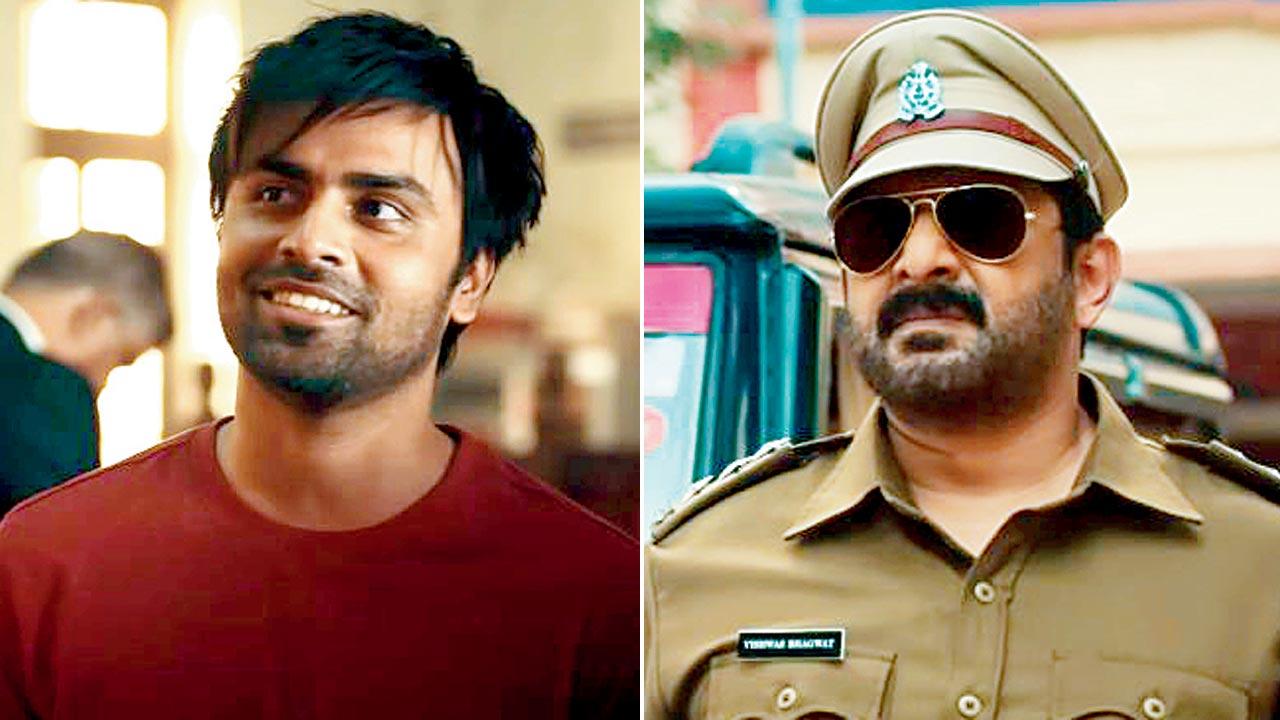
The trick behind a powerful film is to give the audience something unexpected — by way of the story or the casting. Believing that the script of Bhagwat Chapter 1: Raakshas took care of the first criterion, producer Harman Baweja wanted to fulfill the second. So, in came Arshad Warsi and Jitendra Kumar in a case of “anti-casting” with the former playing inspector Vishwas Bhagwat, who is pulled into an investigation of missing girls in small-town India, and the latter, a suspect.
Excited about roping in Kumar — best known for his goody-two-shoes roles in Panchayat and Kota Factory — as the antagonist of the Zee5 thriller, Baweja shares, “Jitu has built such a strong connection with the audience that the moment you say Jitu, you think of him as the good guy navigating the mess someone else made. Turning the good guy into a bad guy was our surprise for the audience. He is such a brilliant actor that you believe whatever he plays.”
While Warsi has been typecast as the funnyman, Baweja wanted to showcase his versatility. The co-producer says, “Arshad is one of the finest actors out there. The success of Asur [where he portrayed a serious role] spoke volumes about his nuanced performance. Having these two actors do unexpected things makes the experience compelling.”
It was extremely gratifying to work with Shah Rukh and Salman Khan-Ridhi Dogra
8:46 AM
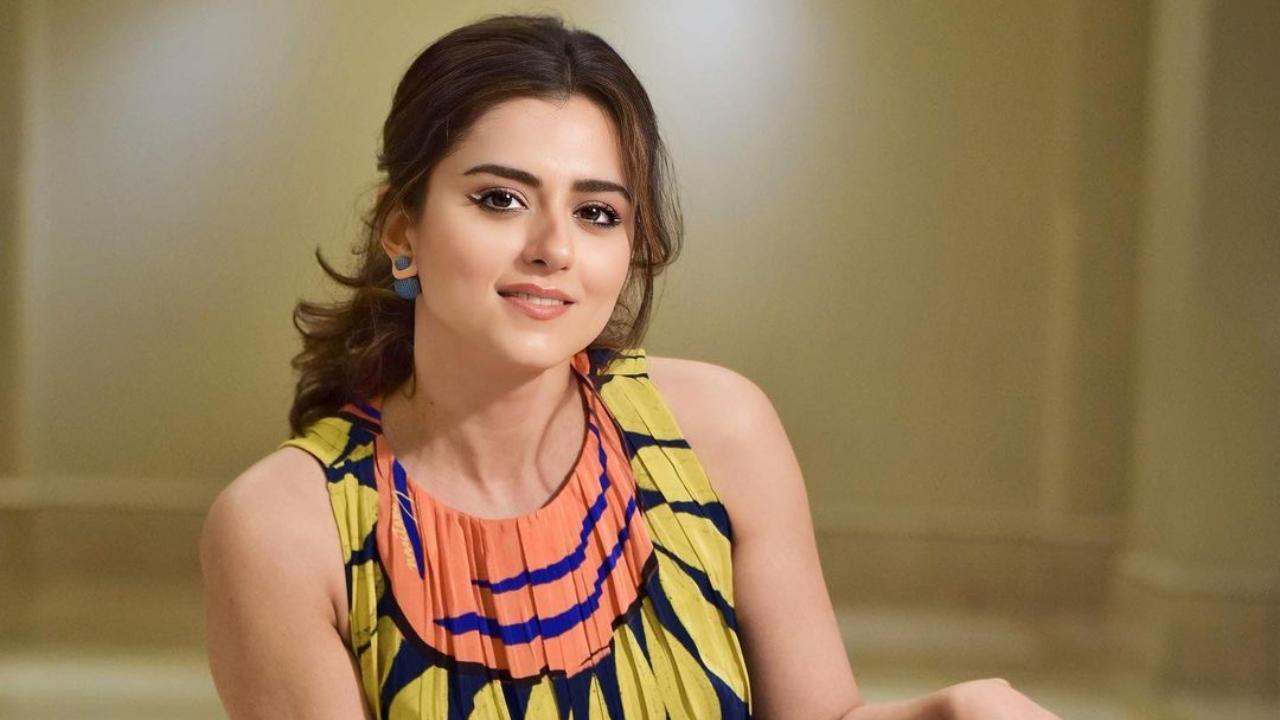
The actress talks about exploring the digital medium and making her foray into films
Onkar Kulkarni (BOMBAY TIMES; July 23, 2023)
After television, Ridhi Dogra has been exploring other mediums. In the last couple of years, not only did she foray into the OTT space, but has also managed to bag interesting roles in films.
‘I am my own product, I am my own start-up’
Ridhi, who’s been a part of TV shows like Maryada: Lekin Kab Tak? and Savitri, did her last fiction show Qayamat Ki Raat in 2018, before she took a break to make her web debut with Asur: Welcome To Your Dark Side, followed by The Married Woman. Given that some TV actors have taken a break to change tracks in the past, we ask Riddhi what makes this break mandatory.
“I think that’s because we don’t have the culture of agents in our country,” she says, adding, “Ideally, when you tell an agent about changing the medium, they guide you and tell you what to do. But, here you are on your own. It is your process, and you decide what you want to do, which requires time. I decided to work on myself and my craft and become a stronger artiste. I always say I am my own product, my own start-up, and I have always believed that whatever success I get, waqt se pehle na kisiko kuch mila hai, na milega. I believe in shukar and sabar.”
Talking about how OTT helped her get into films, she says, “I got my first film, Lakadbaggha, because of Asur. I give OTT a lot of credit. I have a purpose in mind about what I want to do as an artiste, and I need the means for it. I don’t know what I would have done if OTT had not come along. I think I would have changed professions.”
‘It was extremely gratifying to work with Shah Rukh and Salman’
Excited to be a part of big-budget commercial Bollywood films like Jawan and Tiger 3, Ridhi says, “These projects gave me an opportunity to work with actors like Shah Rukh Khan, Nayanthara, Deepika Padukone, Salman Khan and Katrina Kaif and directors like Atlee and Maneesh Sharma. It was extremely gratifying to work with them. When you are on a journey, it’s nice to see these people, who have probably reached the pinnacle and are still grounded and authentic.”
‘After my marriage ended, I shifted the focus on myself’
Riddhi’s professional transition began at a time when she got divorced from Raqesh Bapat in 2019. “I was giving so much of my time and energy to that relationship at the prime of my career. I got out of the marriage and then shifted the focus on myself, which is why the change happened. OTT happened because I took charge of who I am. I consciously decided to stay close to my family members when I am in the city. I need to live close to somebody I love. Otherwise, yes, it can get lonely,” she says.
‘I am a little too giving. I like making a relationship my centre’
Is she open to investing in a new relationship, or does she want to focus on work? She answers, “A relationship takes that focus away from my work because I am a little too giving. I like making a relationship my centre. And I do it willingly, it is not like I am forced to do it. I want to crack the balance where I am able to give everything to my work and also my relationship. My relationship is not my whole world, and neither is my work… I want to strike that balance.”
My family and kids have not missed me as much as fans have missed Lolark Dubey-Sharib Hashmi
10:19 AM

Sharib Hashmi, who has grown up on Charlie Chaplin’s movies, on attempting a silent comedy with Uff
Letty Mariam Abraham (MID-DAY; June 30, 2023)
If The Family Man or the recent Zara Hatke Zara Bachke has shown us anything, it’s that Sharib Hashmi is a natural when it comes to comedy. But silent comedy is a different ball game altogether. The actor is attempting the genre with Luv Ranjan’s production Uff. “I have completed the shoot,” he says.
Hashmi is eager to see how the movie has panned out, especially since filming it was a novel experience. “I have seen a lot of silent comedies featuring Charlie Chaplin and others from his era. Shooting for Uff was [challenging], but I enjoyed it immensely.”
Up next, the actor has Tarla opposite Huma Qureshi. But it looks like his absence from projects is making as much news as his presence in them. Fans of Asur 2, which dropped online earlier this month, sorely missed Hashmi, whose character was killed in the first season.
“How I wish [my character] was not killed. After the release of Asur 2, I received a lot of DMs and mails, stating that people were missing me. My family and kids have not missed me as much as fans have missed Lolark Dubey,” he laughs, adding that he was initially to be seen in a flashback sequence in the mythological thriller’s second edition. “But the scene was edited out before we could shoot it,” he rues.
The minute Maria Goretti saw a dead body with its fingers cut in Asur, she switched off the TV-Arshad Warsi
8:02 AM
Admitting that his role in Asur 2 is ‘edgier’, Arshad on how it was the only character he struggled to shake off after shooting
Upala KBR (MID-DAY; June 24, 2023)
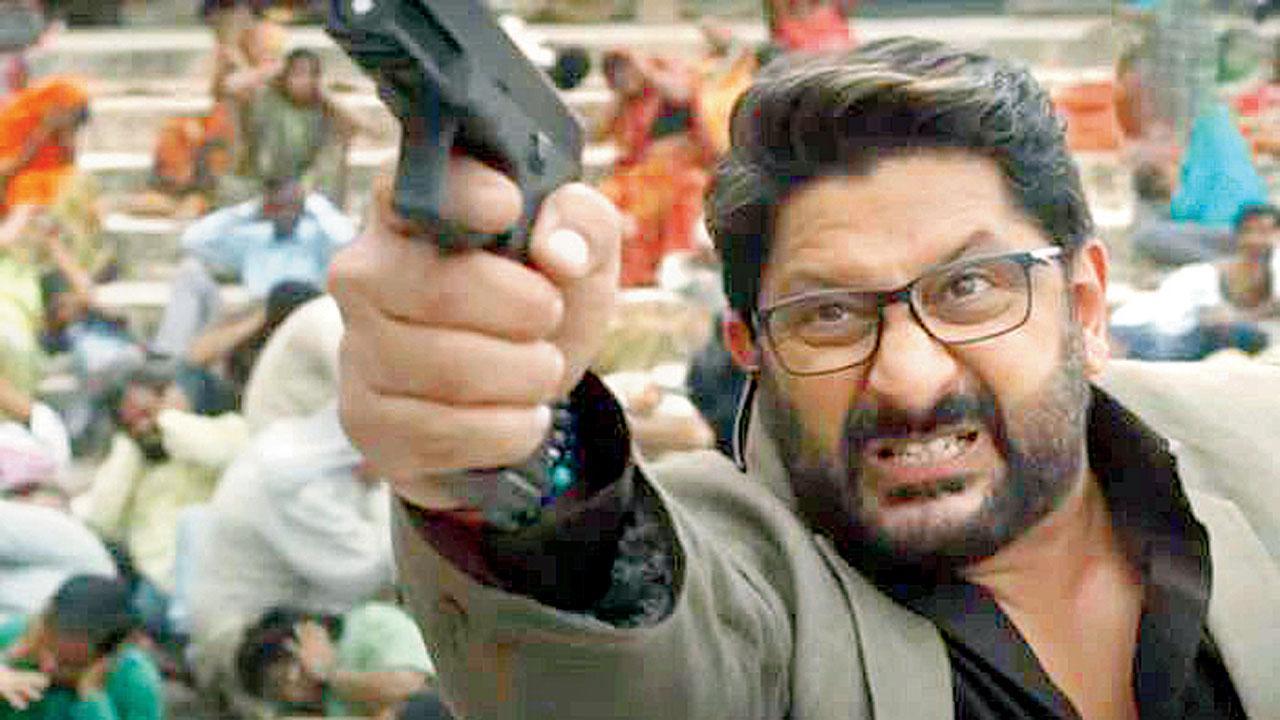
The upside of having a successful series is that the audience can’t wait for the second season. The downside is that the following edition has to match sky-high expectations. Arshad Warsi, who has reprised his role of forensic expert Dhananjay Rajput in Asur 2, admits that the pressure weighed on him through the shoot up to its release earlier this month. The actor believes his character took on more complex shades in the latest season of the mythological thriller, also starring Barun Sobti.
“Dhananjay is edgier, more unpredictable and intense than before. He is right in what he wants to do [catch the serial killer], but wrong in how he goes about doing it. It was not an easy character to play because Dhananjay is diametrically opposite to me. I’m an easy-going guy,” says Warsi.
In his 27-year career, rarely has any role affected the actor as much as this did. Warsi says that Dhananjay was one character he carried back home. “With most projects, you leave your baggage on the set and go home. But with Asur, I was with that darkness from the beginning to the end. It begins to affect you subconsciously.”
So, how did he shake off the character? “I kept telling myself, ‘It was work, it’s over. Now, move on to the next one.’”
While audiences across the country swear by the thriller, it hasn’t earned a fan in Warsi’s wife Maria Goretti. She hasn’t watched either season, he reveals. “She finds it too scary. After a lot of coaxing, she watched the first episode of the first season, but the minute she saw a dead body with its fingers cut, she switched off the TV and refused to watch anymore.”
We realised that basing Asur on Kali would make the series more contemporary-Gaurav Shukla
8:40 AM
From researching ancient texts to exploring karma, Asur writers Shukla and Khuman on how they wove in Indian mythology into the thriller
Letty Mariam Abraham (MID-DAY; June 13, 2023)
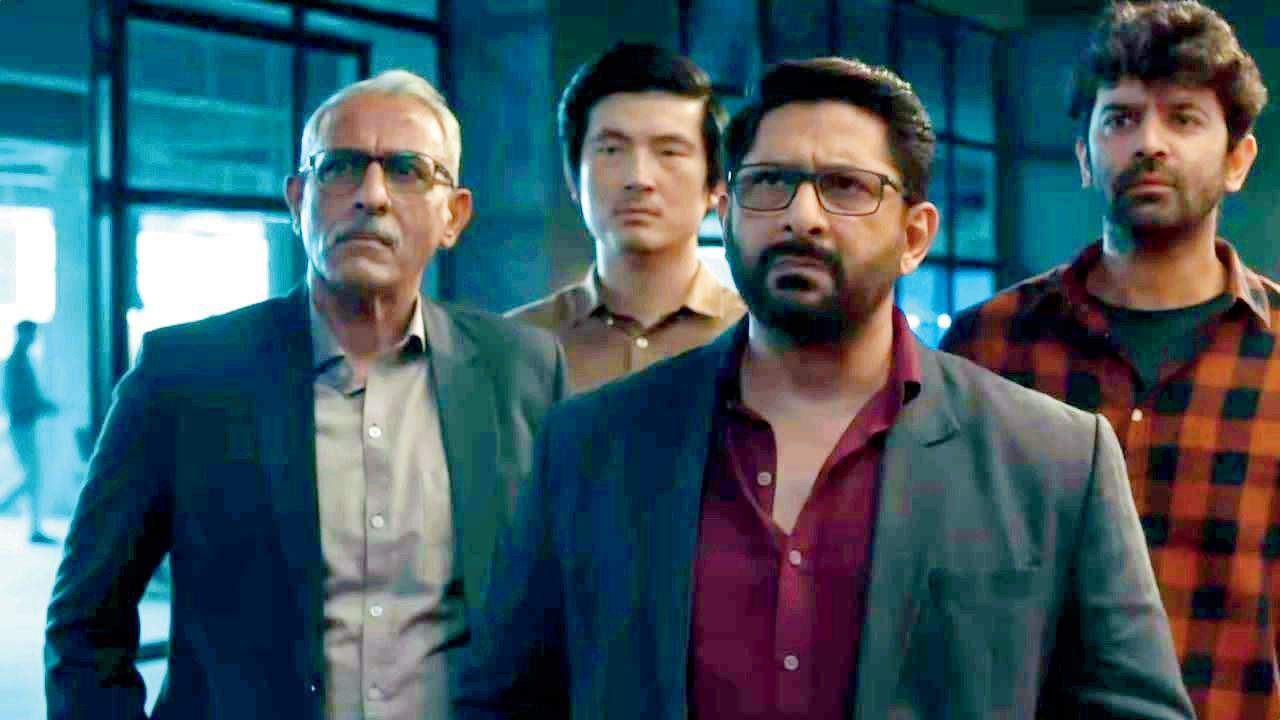
There are no good or bad people, only bad circumstances. This central thought is seamlessly conveyed in the two seasons of Asur. On the surface, the Jio Cinema offering revolves around the cat-and-mouse chase between two forensic experts and a serial killer. But what sets it apart from many others in the genre is that it has Indian mythology at its heart, with the central parts essayed by Arshad Warsi, Barun Sobti and Vishesh Bansal inspired by mythological characters.
Creator-showrunner-writer Gaurav Shukla, who has penned the latest season with Abhijeet Khuman, shares that he began writing Asur’s script in 2009 and struggled to find takers for his unique idea.
“Although everyone liked the concept, no one wanted to make it into a film or series because they [were dissatisfied about] one hero being in jail and the other in captivity.”
It was the need to tell an original story that pushed Shukla to set his story against the backdrop of an investigation of a serial killer. “The idea was to showcase a story rooted in India. That’s how we came up with the idea of having a killer with a mythological bent of mind,” he says.
Creating a thriller with mythology as its foundation was not going to be easy. Shukla says that the initial idea was to base the story on other asurs, but during their extensive research, they chanced upon Kali and Kalki — while the former represents chaos and destruction, Kalki is a symbol of hope and redemption.
“We realised that basing it on Kali would make the series more contemporary. We [could showcase] how Kali would come back in the kalyug to bring [a change in the order in the world]. The idea germinated from the fact that [some people with] strong belief in mythology try to align the Nakshatra [stars] to have a blessed child. That was the starting point.”
Khuman shares that their primary research on Kali and Kalki came from a few ancient texts. “We referred to Kalki Puran, Markandeya Puran, Adhyatma Upanishad, Vishnu Puran, Bhavishya Puran, Ashtavakra Gita, Katha Upanishad, and some portions were taken from Mahabharata and Rigveda as well. We concentrated on the parts where Kali’s genesis is mentioned. [Concepts taken from] the vedas and upanishads are accurate, but we didn’t study every part of it. There are millions of stories in those texts and it would become impossible to conclude it. Our focus was on Kali and Kalki.”
The conflict between the good and evil is a running theme in the series, depicted through Bansal’s character Shubh, who believes he is a reborn as Kali in kalyug and wants to compel Kalki for a duel. More importantly, it also depicts the far-reaching consequences of mental and physical abuse in one’s childhood.
“It is Shubh’s transformation [after years of mental and physical abuse at the hand] of his father that led me to see the concept of Kali and Kalki,” says Shukla. The mythological story of how the gods cheated the demons to gain the nectar of immortality is one of the stories that shape Shubh’s belief system.
Khuman adds, “He justifies his actions by pointing out that no one [including gods] is devoid of evil thoughts and actions when it comes to their own selfish reasons.”
Shukla interjects to say that Shubh views the world differently. “[His belief] is not stemming from mythology, nor did reading literature influence him. He was so evolved that all that knowledge let him see the world differently. According to him, if all the people in the world are good, why is there still chaos? So, maybe a change in order is necessary. It was his way to create equilibrium in society.”
In contrast to Shubh’s grey character are Warsi’s Dhananjay and Sobti’s Nikhil. Through them, the writers wanted to explore the ideas of karma and destiny. Shukla adds, “We wished to showcase both [thought processes] on karma — results are destined, followed by karma. If someone is failing, can we change it through karma? Or is he failing because he is destined to fail? Personally as a creator and showrunner, I believed in Shubh’s philosophy [not his actions].”
As per Hindu mythology
- Kali, who is the Hindu goddess of ultimate power, time, and change, is born of war and wrath, symbolizing the vicious aspects of death and destruction.
- Kalki is the tenth and final incarnation of the god Vishnu. The deity is described to appear in order to end the Kali Yuga, one of the four periods in the cycle of existence.
- Karma is a concept of action, deed, and its consequences. In Indian religions, the term refers to a principle of cause and effect, often called the principle of karma, wherein intent and actions of an individual influence his/her future or fate.
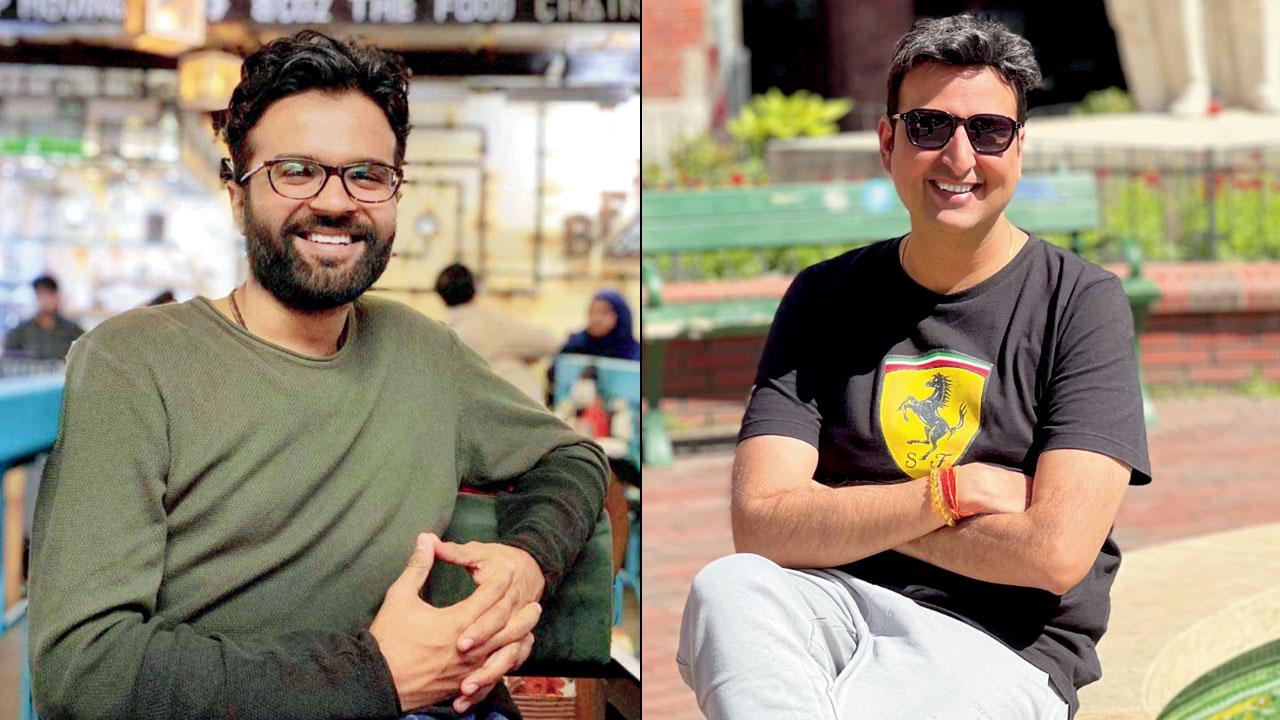
Abhijeet Khuman and Gaurav Shukla
Everyone is saying that Asur has done great, but I feel it is underrated-Barun Sobti
8:21 AM
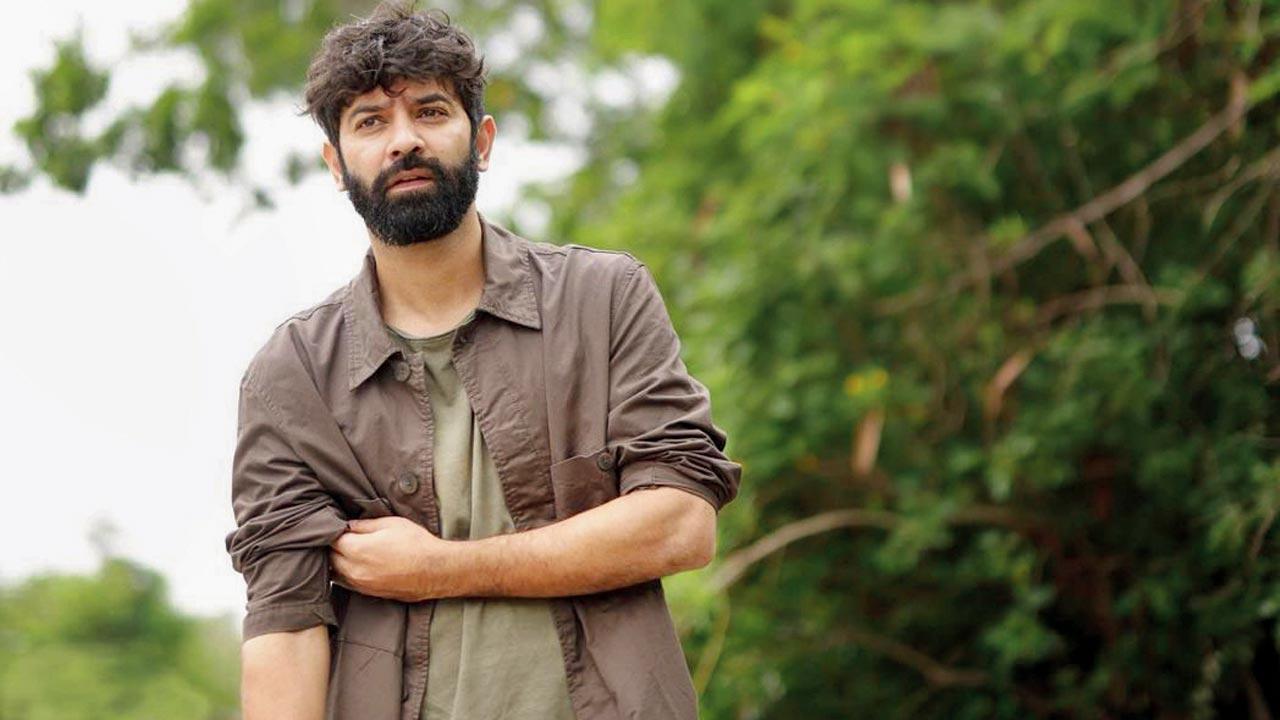
Even as the second season of Asur wins praise, Barun Sobti on its “phenomenal writing” and his understanding of karma
Letty Mariam Abraham (MID-DAY; June 6, 2023)
You won’t see too much of Barun Sobti on screen, and he likes it that way. After he shot to fame with his television show Iss Pyaar Ko Kya Naam Doon, the actor didn’t go on a signing spree, instead choosing his projects carefully. He is playing by his own rules in digital entertainment too. Sobti reprised his role of Nikhil Nair in the second season of Jio Cinema’s Asur. In conversation with mid-day, he talks about being off the radar, the mythology thriller’s popularity, and his belief in karma.
Edited excerpts from the interview.
Did things change for you after the first instalment’s success?
Not really. People took notice of me and said, ‘You can act’. But it wasn’t as if I got any phenomenal roles after that. That could also be because I am spoilt for choice, and only pick up roles that I want to do. The only show that I would credit for putting me on the map is Iss Pyaar Ko Kya Naam Doon. [After Asur], I was in the audience’s mind, but I was not offered mind-blowing roles. At the same time, itna mind-blowing kaam hota bhi nahin hai apne desh mein [laughs]. I am happy with how my career has shaped up, but I don’t know if it has happened because of Asur.
What did you think of the second season?
My wife and I watched it in two days straight. It’s so far ahead of the first season. I’d be lying if I said I was not looking at myself critically. If I see a series where I am good and everything else is bad, I will call [it out]. Conversely, if I were to see a show where I have not been good, but everybody else is phenomenal, I’d call that out too. With respect to Asur 2, everything was excellent.
What was your wife Pashmeen Manchanda’s reaction?
She is an influential person in my life. When she backs what I am thinking, it solidifies my [stance]. She instantly liked [the show] too.
The bathtub scene is among the most hard-hitting in the series. How did you go about it?
I read the whole script, then I prepare myself according to how I am placed in a [particular scene], and determine my road map. My character Nikhil Nair starts the second season with a lot of guilt. He is also the kind who doesn’t indulge much in vanity. He is focused on saving the world. That is why he sacrifices his daughter [in the previous season]. The show is about a national crisis more than how a family is affected by the [death of a child]. The bathtub sequence was consuming. I have a daughter, so [it helped me understand the nuances of the scene].
Asur stands out as much for its writing as for its performances.
Gaurav Shukla is a phenomenal writer. The scale in the first season was much lower; the genius of the writing was that it could accommodate the [low] budget. In the second season, the show became quite big and could go anywhere. So, one could make a lot of mistakes too. Gaurav upgraded [the show] to [tackle] a bigger problem, instead of writing himself into a corner. I am not a big fan of [mythology], but it’s remarkable how Gaurav aligned it all together. Everyone is saying that Asur has done great, but I feel it is underrated.
Do you believe in karma?
I believe in time. I was taught in childhood, ‘Neki kar, dariya mein daal.’ That’s where I stand. I think people who believe in karma are the ones who are waiting for good things to happen to them because they did good.
What’s next?
I have three shows coming back-to-back — a romantic comedy called Badtameez Dil on Amazon miniTV, a crime thriller called Kohrra on Netflix, and a coming-of-drama Bawandar.
Had the OTT space not opened up, actors like me would have felt far more restless and anxious-Anupria Goenka
8:01 AM

Onkar Kulkarni (BOMBAY TIMES; July 22, 2022)
She’s a prominent face in the digital space today, but Anupria Goenka didn’t grow up wanting to be an actor. Her love for theatre led her to movies and acting, which she feels is her identity today. So far, she has been seen in films like Padmaavat and War, as well as web shows like MX Player’s much-acclaimed Aashram. In a chat with BT, the actress talks about finding her comfort zone in the industry, how OTT platforms gave her career a boost and found a foothold in showbiz. Excerpts:
It’s been almost a decade since you made Mumbai your home and found a footing in showbiz. How do you look back at the journey?
I think Mumbai is home now and this city does give a lot to people. Yes, life isn’t easy here, but like most people say, and I too believe that Mumbai aapko apna leti hai. As long as you work hard, you will find a place and will be able to chase your ambitions here. Talking about my time in the industry, I left my cushy, corporate job and started working as an actor. I found my calling pretty late in life, but today, acting has become my identity.
Considering the fact that you didn’t have any contacts in the industry, how did you manage to bag projects with directors like Sanjay Leela Bhansali and Ali Abbas Zafar?
Thankfully, I entered the industry when casting directors were active and there was a set way of doing things. I didn’t have any contacts, so I did multiple auditions to get work. I am happy that we are in this phase; otherwise, 10 years ago, it was far more difficult to enter this industry. I got good work because of the casting directors we have today. It was because of them that I got films like Tiger Zinda Hai and Padmaavat. Director Pradeep Sarkar, who worked with me when I was new to the industry, showed faith in me. He liked me instantly and we went on to do so many ads together. There are good people in the industry, and they pushed me to work further. Then, of course, I got an opportunity to work with Sanjay sir (Sanjay Leela Bhansali), Ali Abbas Zafar and Siddharth Anand (director of War) and so on. I was never star-struck. I became a fan of all those great actors I got to work with only after I worked with them and saw their professional drive.
Outsiders always have to face their share of struggle in the industry and have many such stories. Did you face any harsh realities and how did you deal with those?
At the beginning of my career, I had a hard time distinguishing between good and not-so-good production houses and projects. I remember I almost took up a film thinking that it was a great opportunity as I was getting to play the lead role. But after seeing my friends’ reactions, I didn’t go ahead with it. I was too shy to visit production houses or call up casting directors for work. Today, I message directors saying, ‘Hey, I hear this project is being under discussion and I would love to test for it.’ Earlier, I was not comfortable doing that.
While earlier I was shy, over a period of time, I have realised that this is also a part of my job profile, and there’s no shame in asking for something you want or wish to do. If you ask me to narrate the other kind of hassles, where someone makes a pass at you or asks you to compromise, yes, I have faced that too. However, my early life experiences have made me strong, and that reflects in my personality. Probably, I could not get as much work as I could have if I had favoured a few people. Yes, favouritism exists, but talent is definitely appreciated in the industry.
Digital medium certainly gave your career a big boost. Can you imagine your career minus the OTT boom?
I am happy that I got an opportunity to play prominent roles in films like Tiger Zinda Hai, Padmaavat and War. At the same time, I also got to play some promising parts in web shows like Aashram, Asur: Welcome To Your Dark Side, Criminal Justice and The Final Call. The digital medium has played a big role in shaping my career. I got to play such diverse characters on these shows, which somehow went on to become the flagship shows of their respective platforms. This resulted in my OTT identity becoming so strong today. Had the OTT space not opened up, actors like me would have felt far more restless and anxious. With the digital medium, one can witness overnight success. We can show our talent and reach out to the masses with web shows. I stopped acting in ads because there’s so much work in the digital space. Otherwise, when I started off, for the first five years, ads were my bread and butter.
In your last interview with us a year ago, you said you are confident and ready to take up lead roles now. Are filmmakers receptive enough to cast you as the leading lady in their projects? Do you see the change?
This year, with my last release, I got to essay a lead role in Mere Desh Ki Dharti, where I got to play a village girl. That’s something I wanted to do for a long time. I have also shot for a film with Vinay Pathak, where I am in a lead role as a psycho killer. Then there’s Berlin, where I play the female lead. Apart from these, I am also excited about doing an action-oriented film, and a web series that will see me in a negative role. I am happy that I am doing a variety of roles this year. Yes, things are moving in the right direction, but whether it is really happening the way I wanted it to, well, not yet, to be honest! I hope filmmakers also start seeing me in that light.
The audience only focusses on the characters now, and not at who’s a hero or the supporting actor-Sharib Hashmi
8:32 AM

The actor says the digital medium provides room for every actor to shine equally
Rishabh Suri (HINDUSTAN TIMES; April 23, 2022)
Be it JK in The Family Man, Lolark Dubey in Asur or Sharad Bellary in Scam 1992: The Harshad Mehta Story — actor Sharib Hashmi is a force to reckon with in the OTT space. And it won’t be wrong to say the medium gave his career a new lease of life. The actor, who made his debut with the acclaimed 2012 film Filmistaan but hit a rocky patch post that, admits the digital revolution turned his life around.
“Though I did sign a few films after Filmistaan, somehow things didn’t work out the way I imagined. Career mein ek slump aa gaya tha, and then I got The Family Man, then Asur, followed by Scam 1992... I have now signed some big banner films like Vikram Vedha and Mission Majnu,” says the 46-year-old.
His portrayal of a spy alongside the protagonist played by actor Manoj Bajpayee in TFM, fetched him a lot of popularity, and proved that web shows provide room for every actor shines equally.
Hashmi agrees that the definition of a hero has changed. “The audience only focusses on the characters now, and not at who’s a hero or the supporting actor. If they want to watch a (conventional) hero, they turn to the big screen [for films] like Pushpa: The Rise, RRR and Sooryavanshi (2021). On OTT, they like to watch hardcore, realistic and engaging stuff,” says the actor.
Films have often been considered bigger than television and other mediums. So when the going was rough, was Hashmi advised to not work on the web, since it was comparatively new?
He replies, “No one advised me this, thankfully, and even if they did I wouldn’t have listened. But I was told ‘hero ke dost ka role kabhi mat karna, you will get typecast, sirf ussi type ke roles milenge’. But when I was offered TFM, my opinion changed. If it’s a role like my character, JK, main kud kud ke karunga, 50 baar karunga even if I get stereotyped!”
And, his discography is proof that he has been anything but typecast. From characters with shades of grey to comedy and action — he has touched upon multiple genres.
Ask him if there’s any particular genre he wants to try his hands at next, Hashmi shares he believes in prioritizing the script over the genre. “Maine aisa koi criteria nahin banaya hai. Never say never. I haven’t made any such plans. I just want a good script, director and production house — exactly in this order. And then the platform on which it will be aired,” he shares.
With such meaty parts in popular web shows coming his way, has his value as an actor increased? He shares, The medium you work on does not decide your market value. How well you negotiate, does.”
Majority of actors are busy building their image rather than working on their craft-Barun Sobti
8:07 AM

Kavita Awaasthi (HINDUSTAN TIMES; March 18, 2021)
With two web projects, Asur and Halahal, last year, Barun Sobti was noticed by “the mainstream industry”, but his transition to films wasn’t smooth. After gaining popularity with TV show Iss Pyaar Ko Kya Naam Doon? in 2011, his Main Aur Mr. Riight (2014), Tu Hai Mera Sunday (2017) and 22 Yards (2019) were stuck for the longest time.
Talking about his experience, Sobti says, “I won’t say I am a victim of the industry… Here, you have to dig your well every day. In fact, today I have a lot of work but it is still not easy... just that today my set of problems are different.”
His chocolate boy image got a total makeover with his web roles last year. “Image matters a lot, and majority of actors are busy building their image rather than working on their craft… these are sensible people, who know how the industry functions. And, at the same time, there [are those who] see potential in an actor beyond their looks or their image. That’s how I was cast in Asur and Halahal,” he explains.
Sobti, 36, admits there was a lot of resistance while casting him in Asur and Halahal, but producers Tanveer Bookwala and Zeishan Quadri were sure about him. “Their confidence gave me confidence… I am thankful to them that they pushed for me. They are visionaries,” he says.
Scam 1992 is a rare show where each and every department of the show was excellent-Pratik Gandhi
8:03 AM
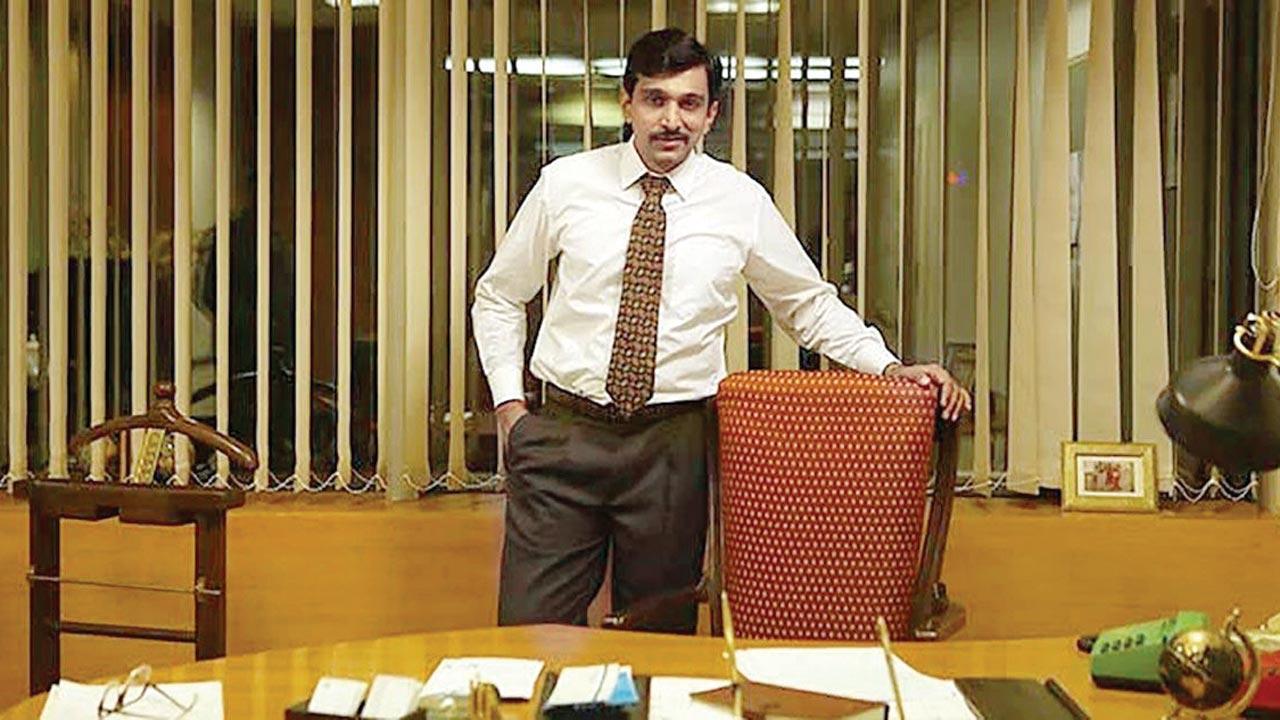
As Scam 1992 sweeps the mid-day and Radio City Hitlist OTT Awards with five wins, breakout star of 2020 Pratik Gandhi on the series that changed it all for him
Uma Ramasubramanian (MID-DAY; February 26, 2021)
Let’s take a moment and flash back to 2020: When we weren’t talking about the surging COVID-19 cases or the vaccine, we were discussing how we devoured Scam 1992: The Harshad Mehta Story in one sitting. Or dissecting the plot twist in Aarya. With all of us confined to our homes for the better part of last year, web series and OTT films became our only source of entertainment, the calm to the chaotic reality.
Naturally, when mid-day and Radio City Hitlist OTT Awards returned with its second edition, fans from across the country voted to make their favourites known, loud and clear. Hansal Mehta’s Scam 1992 was the big winner with five trophies under its belt. If Pratik Gandhi and Shreya Dhanwanthary won the top acting honours in the Series category, the Sony LIV offering also walked away with gongs for Best Series, Best Series (Drama) and Best Ensemble Cast.
Gandhi was arguably the breakout talent of 2020, mesmerising everyone with his Harshad Mehta act in the drama. Thrilled to have bagged the Best Actor (Series) award, he acknowledges that the raging success of the show is a once-in-a-lifetime phenomenon. “This is a rare show where each and every department of the show was excellent. Tomorrow, if we collaborate again, I don’t know whether we will be able to recreate the magic.”
With roots in theatre, Gandhi had graduated to Gujarati cinema before landing bit roles in Hindi movies. Now, as all eyes are on him, he says he is only getting started — Bollywood has already come knocking at his door. “I have been offered mainstream Bollywood films. I am a greedy actor, and I am looking forward to exploring different formats of entertainment. I will try to strike a balance between Bollywood, regional films and web series,” he says, before adding that he won’t forget his first love. “Theatre helps me hone my craft. Nothing gives me the amount of satisfaction that theatre does. So, I will never give up on that.”
The other winners include Kunal Kemmu, who was adjudged the Best Actor: Film (Male) for Lootcase, and Janhvi Kapoor, who bagged the trophy for her act in Gunjan Saxena: The Kargil Girl. “Just to see my name in the nomination list was a big deal to me. I would like to thank everyone for voting for me. It means that you guys enjoyed my film,” Kapoor, who played the nuanced role of an Indian Air Force officer in the film, tells mid-day. The film awards rounded up with Serious Men being adjudged the Best Direct-to-web film. Netflix’s Mismatched and Voot Select’s Asur won the Best Series: Comedy and Thriller respectively.
Meanwhile, on Gandhi’s plate is the big-ticket venture, Woh Ladki Hain Kahaan? opposite Taapsee Pannu. “I am also planning to open a play. I will have to prioritise things — earlier, I could do three regional films, but now I will probably be able to do only one.”
And the award goes to...
Best Series: Scam 1992 (SonyLIV)
Best Series (Romance/Comedy): Mismatched (Netflix)
Best Series (Drama): Scam 1992 (SonyLIV)
Best Series (Thriller): Asur (Voot Select)
Best Direct-to-web Film (Hindi): Serious Men (Netflix)
Best Direct-to-web Film (Other Indian languages): Soorarai Pottru (Amazon Prime Video)
Best Actor – Series (Male): Pratik Gandhi (Scam 1992)
Best Actor – Series (Female): Shreya Dhanwanthary (Scam 1992)
Best Supporting Actor – Series (Male): Barun Sobti (Asur)
Best Supporting Actor – Series (Female): Anupria Goenka (Criminal Justice 2)
Best Actor – Film (Male): Kunal Kemmu (Lootcase)
Best Actor – Film (Female): Janhvi Kapoor (Gunjan Saxena: The Kargil Girl)
Best Supporting Actor – Film (Male): Pankaj Tripathi (Gunjan Saxena)
Best Supporting Actor – Film (Female): Indira Tiwari (Serious Men)
Best Ensemble Cast (Series): Scam 1992 (SonyLIV)
Best Series – Non-fiction: The Fabulous Lives Of Bollywood Wives (Netflix)
Best Web Platform (User Experience): Amazon Prime Video
India’s top web bosses confess how the cloud of COVID had a silver lining that no one could’ve predicted
8:23 AM
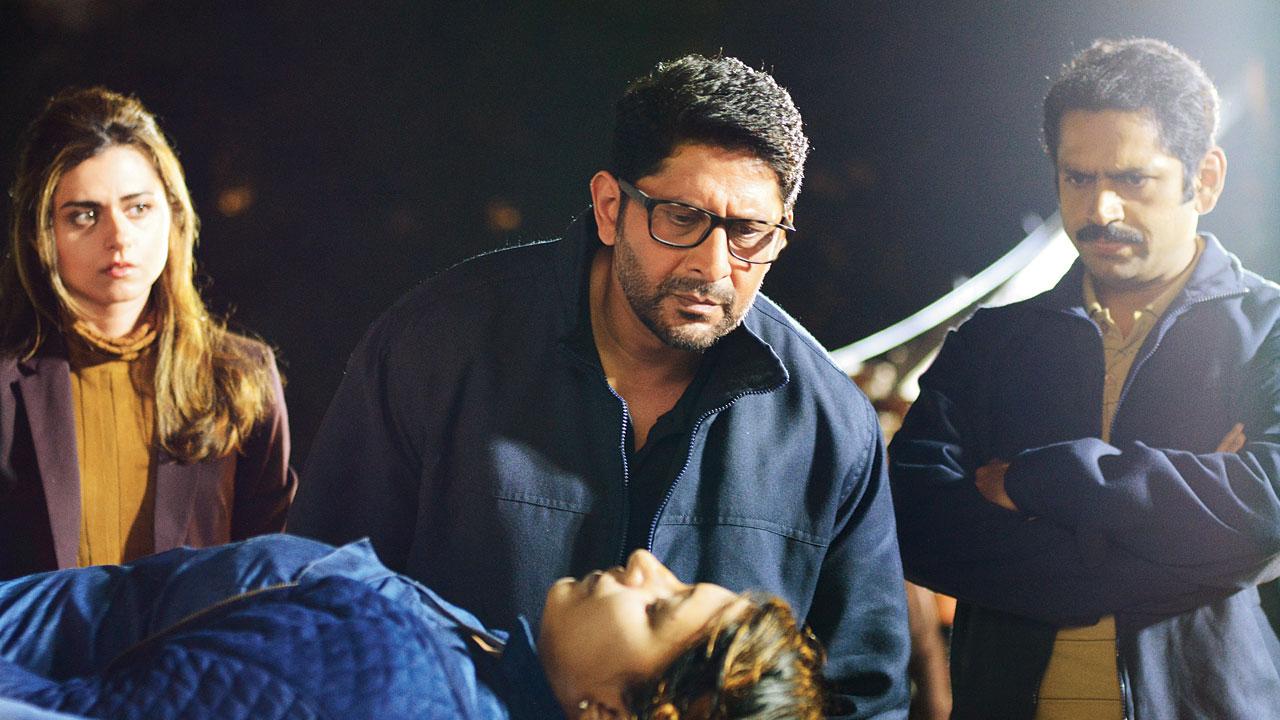
Ahead of mid-day & Radio City’s Hitlist OTT awards, India’s top web bosses weigh in how the cloud of COVID had a silver lining that no one could’ve predicted
Mayank Shekhar (MID-DAY; February 6, 2021)
Towards the end of 2019, Saugata Mukherjee, then with Disney+ Hotstar, switched job to head original content for rival, Sony LIV. Except, Sony LIV as a streaming app wasn’t quite Hotstar’s competitor in a real sense.
Because they had yet to develop a single web-only, original show or series. Which is strange, if you consider that Sony LIV is probably India’s first OTT platform - they’ve been around since 2013!
What was Sony LIV playing, up until early 2020? Catch-up TV - basically Sony broadcasting network’s shows downloaded on the app.
And then the pandemic struck. Production came to a halt. There was no new TV episode - only audiences with an insatiable visual appetite, sitting at home, staring at a screen, when not out of the window.
Mukherjee recalls, “Sony LIV re-launched right in the middle of the pandemic [with original web content]. One couldn’t have planned for the frenetic pace at which we had to recalibrate, from technology, business and content development point of view - [lead time on] all of which had to be crunched dramatically.”
Likewise for Ferzad Palia, from Voot, which as an app was also simply an advertising-led digital arm for Viacom as a TV broadcaster: “We’d been meaning to play the subscription game for sometime. We had to bring all the plans forward by about a year. Voot Select is a COVID baby. We launched on March 3, 2020. By March 16, we were working from home. To get tech like that so early in the game? It was chaotic as well, of course.”
But it paid off, as Palia points out, with audience numbers outgrowing estimates they’d made for both Year One and Two; and viewers from beyond top 10 Indian cities willing to pay for online entertainment, even post unlock!
Monika Shergill from Netflix, the nascent OTT industry’s first-mover in India, calls 2020 the year of “intense connection, with an acceleration in adoption [of streaming services]; a whole new set of audiences [coming in].”
The thriller Asur was the flagship show for Voot Select. Like Scam 1992 was for Sony LIV. Both of which have earned nominations at the mid-day and Radio City’s Hitlist OTT Awards that this discussion is a heads up for. Netflix has totally dominated the films and non-fiction nominations. They had 28 Indian original releases last year anyway, besides international productions, making Netflix an entertainment industry of its own! Rather than just a streamer/app.
The best instance of an independent producer inadvertently benefitting from Coronavirus might well be Sameer Nair, from Applause Entertainment, who delivered 11 shows in 2020 alone, across platforms, including the nominated Criminal Justice: Behind Closed Doors on Disney+ Hotstar.
Hungry eyeballs were all there. Library shelves on OTTs needed constant replenishment. While Nair denies there was a hard-sell on among platforms to pick up shows, rumours suggest the big Bollywood films were indeed up for top dollars, at astronomical rates, over a fierce bidding war, since theatres had shut down!
Shergill clarifies, “There is in fact a lot more juicy speculation around this; very little truth. What really happened is that with most services, there is already a pipeline of films you look at for a post theatrical [premiere]. Barring a couple of [mainstream] titles, most platforms that premiered [Bollywood] films [during pandemic] had already been signed up [from before].”
Which doesn’t take away from the bad blood between the OTT and cinema/theatre industry, as we speak, with the latter accusing top Bollywood producers of leaving the traditional exhibition sector in a lurch. Having sold off their major releases directly to web.
To a point that in a chicken-egg situation, theatre owners argue that, sure, cinemas have re-opened; and people aren’t still coming in. But even if they did, what’s there to watch?
Some of this drought was of course unavoidable. For example the Tamil event pic Soorarai Pottru that Guneet Monga co-produced: “We had a big music launch on a plane in February, 2020. And then with the lockdown and pandemic, we just kept sending out press releases for updates. We didn’t know how long this would continue?”
Nair reasons, “You really can’t fault anyone. Cinema is a heavily cash-flow business. And it’s not like movies will stop getting made. You can fight another day, once you survive.” Shergill is glad that Netflix and other OTTs stepped in to partner with Bollywood at this hour of need.
Rangita Pritish Nandy admits, “Surely there was job-loss in cinema business; even theatres that have shut down may never open again. But for a producer, [investment on a] film is a [financial] ticking bomb, until the [point of] release.”
Nandy should know, having been a film producer for almost a couple of decades. Her nominated show Four More Shots Please 2 was declared the most watched Indian content on Amazon Prime Video during the early part of pandemic.
While much is made of the current fracas between OTTs and cinemas, the impact of the pandemic on the television industry — a more direct competitor, with people’s changed viewing habits — isn’t perhaps highlighted enough. Also given that traditional TV is dependent on advertising, which in turn relies on the health of the economy.
Nair says the ratio between earnings from subscription and advertising had already reached 50:50 ratio by 2020. As for advertising revenue, Palia (Voot Select) and Mukherjee (Sony LIV), both broadcasters in the OTT space, contend the numbers have nearly returned to pre-pandemic levels already.
This is no time for media obituaries whatsoever. Whether TV, cinema, web, broad consensus at the Sit with Hitlist huddle is that they will all co-exist. Both audiences and their options are potentially limitless.
Right down to an app like Mubi that shows only world cinema and art-house titles, and that Monga helped launch in India in 2019: “That library has completely captured the imagination of cinephiles.”
And, why, even Netflix could become network TV, no? Shergill says, “Taking our shows back to a linear feed on TV in France is something new for us. Either way, choice and ease for consumers will determine audience behaviour. Linear TV versus streaming, versus cinema, are all slightly different spaces.”
Hardly five years old, the Indian OTT industry has clearly outdone itself in terms of globally competitive content. Rare happy news of 2020 was Delhi Crime (Netflix) winning an Emmy, where Four More Shots Please (Amazon Prime Video) was also nominated. Some of this has to do with how, unlike cinema and TV, web platforms in India (like with other democracies) have so far grown without the restrictive shadow of external control/suppression/editing.
Panelists don’t deny that this might just change, for the worse; who knows, with cloud of COVID-19 receding, and the darkness of state censorship looming instead. OTT content bosses, I suspect, would prefer to sit out this part of the discussion.
Nair says, “We’ve grown up watching flowers kissing instead of humans, but we grew up, right?” Palia says, “Take heart from the fact that we’re still better than a lot of countries.” Monga says, “Iranian cinema is so beautiful, and then you see Korean content that’s travelling across the world.” “She’s just drawn those parallels straight, and given you the best quote,” Nandy suggests. Well.

I started doing OTT work way back in 2017 and I never had second thoughts about it-Anupria Goenka
8:24 AM

Actor Anupria Goenka is all praise for web platforms and feels she could maintain connect with the audience only because of OTT last year
Juhi Chakraborty (HINDUSTAN TIMES; January 16, 2021)
The year 2020 has not been an ideal one for Bollywood, as theatrical releases took a big hit. But during this period, the medium of OTT took a centre stage and offered much needed respite to content creators and actors, something that Anupria Goenka is much thankful about. The actor, who had three web series that came out this year—Asur, Aashram and Criminal Justice 2, says it was rather nice that she was “working slightly at least and people got to see me.” This year too, Goenka, 33, has a bevy of OTT projects lined up as she exudes excitement for experimenting more with her characters. Excerpts from an interview.
Three of your web projects released last year, four if we count the two seasons of Aashram. Despite the pandemic situation, that was quite a silver lining for you?
Thank god for that silver lining. I did a lot of work in 2019 and that kept me relevant in 2020 as well. It is always nice that you still feel that you’re working slightly at least and people are getting to see you. There is some sort of connect I could maintain because I felt the audience is at least responding to my work. The year started well. Even when the lockdown started there was good news pouring in because of Asur. And somewhere mid way, Aashram happened and that again was a huge success. I was busy with promotions and taking in all the appreciation. Then at the end of the year we had Criminal Justice: Behind Closed Doors. The series did very well in its first outing and I’m happy it has repeated its success.
As an actor who embraced the OTT when it was in a very nascent stage in India, how do you see the evolution of OTT?
OTT has come into a new space altogether because of Coronavirus. I started doing OTT work way back in 2017 and I never had second thoughts about it. I think it was a right decision on my part to take up OTT back then, especially looking at what it has become today. Now everyone wants to be a part of OTT and that’s a great evolution for the medium.
How do you see the OTT revolution propelling the careers of actors, including yourself, and changing the landscape of entertainment in India?
OTT is now an important new space to consume content. I think it is great because it gives so much liberty to everyone involved in art. Not just actors but also directors, writers , costume people, designers… everybody. People have been consuming content online more than ever before now and even films have transcended there. In the coming days, a lot of films will be released on OTT. Now there will be a mechanism and differentiation about what kind of films would be released theatrically and what would go directly to OTTs. As we saw happen many times this year.
Many have applauded the OTTs for giving a much-needed liberty to every creative person, your thoughts?
We are progressing at a very good pace in terms of the content and also what we are building upon. I feel very privileged to be a part of this era. I still want to do a lot more in terms of content as an actor. I want to do comedy, even dark characters and period drama. We are seeing a change that’s happening both in the films space and the OTT space. So I think both film and OTT are exploding in terms of content, which is making it more meaningful. It is great time to be in the entertainment industry.
How would you look back at the last year?
It has been a very different year, both good and difficult. Good because we did a lot of things which we would not have done otherwise. I think that kind of pause was required for us in life, to just take a break and reflect. There was a lot of reflection that took place. I’m thankful for the privilege and feel responsible towards those who don’t have it. A kind of understanding and gratitude is there. It was an important year that way.
And how does the year 2021 look for you?
Covid or no Covid, we’ve to move on with our lives. In 2021, a movie is slated to come out and I’ve to shoot Asur 2 and Aashram season 3. I also have another series. I hope to do different types of content. I want to do much much more challenging roles. I want to do roles which have a lot of meat in terms of a huge graph of different emotions and characterizations.

Presenting lockdown list - Dil Bechara, Special Ops emerge most popular film and show
8:43 AM

As stay-at-home period runs into its sixth month, viewership tracking firm reveals Dil Bechara, Special Ops have emerged most popular film and show
Mohar Basu (MID-DAY; August 26, 2020)
 In a domino effect of sorts, the Coronavirus lockdown caused a shift in the entertainment consumption patterns of the Indian population. A country that has had more than its fill of dramas about shape-shifting serpents and family feuds turned to digital entertainment, thus discovering the grim journey of Hathoda Tyagi or rooting for Sushmita Sen as the unlikely queen of a drug cartel. As we enter the sixth month of lockdown, it is only fitting to determine which series and direct-to-web releases grabbed maximum eyeballs and dominated the mainstream consciousness.
 Refusing to divulge numbers, Shailesh Kapoor, CEO, Ormax Media, reveals that direct-to-web releases, though a recent phenomenon in the Hindi film industry, found an eager audience. "Dil Bechara has been the top film by a wide margin, followed by Gulabo Sitabo, Extraction, Shakuntala Devi and Gunjan Saxena: The Kargil Girl, in that order. These are based on estimates," he says. The results are arrived at basis the social media buzz generated by each offering, its reach and appeal.
Even as Paatal Lok captured the imagination of the country post its May 15 release and Jitendra Kumar sealed his position as an Internet star with the endearing Panchayat, Kapoor reveals that it is, in fact, an espionage thriller that tops the list of the most-watched Indian web series. "Disney+ Hotstar's Special Ops fared the best. Amazon Prime's Paatal Lok comes second, followed by Voot Select's Asur." Amazon Prime's Panchayat and Disney+ Hotstar's Aarya round off the top five shows.
He observes that TV consumption increased by 40 per cent during the lockdown, with viewers tuning in to news on a daily basis. The top five television offerings between April and June, when old shows were being rerun, were Ramayan (Doordarshan), Mahabharat (Doordarshan), Taarak Mehta Ka Ooltah Chashmah (Sony SAB), Mahabharat (Star Plus) and Shri Krishna (DD). "With fresh episodes being aired from July, Kundali Bhagya has become the most-watched show followed by Taarak Mehta..., Anupamaa, The Kapil Sharma Show and India's Best Dancer."

I felt envious, and kept wondering why I couldn't write something like Asur-Barun Sobti
8:44 AM

Dividing his time between acting and writing, Barun Sobti discusses facing the camera for his latest release, Asur
Letty Mariam Abraham (MID-DAY; March 31, 2020)
Asur, which recently dropped on Voot Select, is winning praise. Barun Sobti, known as the heartthrob of Indian television, is glad that his gamble with the mythological thriller has paid off. A writer in the making, Sobti insists that he recognised the merit of the story in the first narration itself. Edited excerpts from the interview.
Mythological thrillers are rare to come by. Is that what made you greenlight Asur?
The producer [Shashi Shekhar Vempati], who is a good friend, called and told me that he has a kick**s show. I didn't [pay heed to] it as everyone raves about their own projects. The eight-episode series talks about an era that is mythologically influenced. [At the start of the narration] I realised that the subject [serial killer] is unique, but I feared that they won't delve deep into it and will only operate at the surface. However, I was blown away with the narration of the first episode. I felt envious, and kept wondering why I couldn't write something like this.
You play a socially awkward but efficient forensic expert in the show.
My character Nikhil has a weird fetish to solve murders. In a scene, his wife tells him that he likes being around dead bodies. He is a highly intelligent person whose mind is constantly working.
Your Bollywood releases did not meet expectations. What do you think is the industry's perception of you?
I don't think anyone has a perception about me. I believe I am not [restricted to] only one industry; I [don't want to be bracketed as] film actor or television actor. I only look at the content irrespective of the medium. The industry's perception does not change anything.
Doesn't it affect the kind of offers you get?
I don't think perception does that; only reality can change that. Perceptions are usually misleading. Even if someone cast me assuming [a stereotype] and I perform inadequately, I will not get cast again. So, only my work on the set will speak for me.
When choosing projects, you seem to be steering clear of romance dramas even though your fans love to see you in them. Why?
There is no hard and fast rule. I have even written a romantic drama. That said, I am exploring other aspects of romance. I have grown up, and with time, my thought process has evolved. My experiences have proved that love is a million things and romance is not the only form of love. So, [that understanding reflects] in my shows.
You divide your time between acting and writing. How did you begin writing?
My wife [Pashmeen Manchanda] pointed out to me that I seem to have an issue with every script that comes my way. She suggested I write something that I see myself doing. Writing has been a passion since school. Back then, I used to write poems. Now, I have developed a script that a friend will be producing.
You are now a parent to a beautiful daughter, Sifat. How has the learning been?
I am spending time with my eight-month-old daughter. People say I am an obsessive parent, but then again, I love her too much.
I couldn't have missed Neeraj Pandey's series, Special Ops-Manoj Bajpayee
8:22 AM

Manoj Bajpayee bets big on director friend's thriller and Arshad Warsi's Asur as he shares his current favourites with mid-day
Mohar Basu (MID-DAY; March 30, 2020)
 Manoj Bajpayee, who had headed to Uttarakhand for a shoot, is nestled there amid the lockdown. "My family joined me before the lockdown was announced. While 95 per cent of the unit left to be with their families, we decided to stay back," shares the actor when we connect with him on a call. "It is freezing cold here because of the rains, and the network is [slightly weak]," he laughs, but adds that little comes close to the solace he finds in the mountains.
 One would assume that the poor connectivity will hold back The Family Man star from exploring the digital world, but Bajpayee reveals that he has binged on the new Indian releases over the past 10 days. "I am hooked to my iPad. I couldn't have missed Neeraj Pandey's series, Special Ops, so that was the first thing I caught up on. I quite enjoyed Voot Select's Asur. It stars Arshad Warsi and Sharib Hashmi, who is a dear friend and a big part of The Family Man. I also watched Guilty on Netflix. Besides that, Platform was a crackling watch."
An optimist at heart, the actor views the current scenario as an opportunity to spend quality time with family, and acquaint his daughter Ava Nayla with the simpler joys of life. "It's a different experience for her since she is born and brought up in Mumbai. She has grown up amid the hustle-bustle of a city, and now, she is getting to experience new things. Spending time with the local kids and playing with them is a refreshing experience for her."

Amid Coronavirus outbreak, OTT comes to the rescue
8:38 AM

As most of us are self-quarantining due to the Coronavirus outbreak, digital shows and OTT platforms have turned to be our sole entertainers
Juhi Chakraborty and Rishabh Suri (HINDUSTAN TIMES; March 25, 2020)
Staying in is what most of us are doing amid this pandemic situation. And naturally, the more we stay at home, the more we find ourselves glued to the screens. Now, with no film releases in sight because of the shutdown of theatres and shoot of TV shows stalled across the country, what everyone is finding solace in are the OTT platforms. In fact, web shows have become the best tool for people to ward off boredom, and the platforms, too, are ensuring that the audience is spoilt for choice.
RISE IN TRAFFIC
The web, in times of no new films or TV shows, has seen a drastic spike in their traffic. Tarun Katial, CEO, ZEE5 India confirms, “We’ve seen a spike across key metros, as audiences continue to consume a wide variety of content. Interestingly, we’ve seen a significant jump in the consumption on connected devices, too, and this could be because many people are working from home.”
 Neeraj Roy, Founder & CEO, Hungama Digital Media, shares that since the beginning of March, there has been an increase of over 20% in viewership on Hungama Play. While this trend started in Mumbai, Delhi and Bengaluru, they’re also beginning to notice this spike in other cities. “Further, being at home 24/7 has had a visible impact on consumption hours as well. Instead of peaking between 8-10 in the morning, consumption now remains high till 11.30 am. Likewise, consumption goes up during lunch hours. At night, instead of the usual 8 pm to midnight, consumption now starts peaking at 6 pm,” he informs.
Ali Hussein, CEO, Eros Now, on the increase in platform’s engagement during the current lockdown situation, says, “In the era of social distancing, consumers are turning to digital entertainment. We’ve seen an increase of 200% in paid subscribers on a daily basis and App Annie shows a 78% increase in daily traffic.”
 ON TREND
 With so much ‘spare’ time in hand, OTT content on varied themes has found acceptance. Ferzad Palia, Head- Voot Select, Youth, Music & English Entertainment, Viacom18, says their new shows are already trending. “Our growth can’t be attributed to increased consumption alone… new, original content like Asur (right) and Marzi have received phenomenal response,” he says.
Interestingly, apart from recent films such as Chhapaak, Tanhaji: The Unsung Warrior (both on Hotstar), and Street Dancer 3D (on Amazon Prime), doomsday films such as Contagion (featured pic; based on a fictional virus pandemic), Zombieland: Double Tap and the documentary Pandemic: How To Prevent An Outbreak (left), now figure among the top watched films on their respective streaming platforms. On Netflix again, films such as Resident Evil: The Final Chapter (left; above), a sci-fi movie in which humanity is wiped out because of a T-Virus outbreak is on top besides filmmaker Imtiaz Ali’s SHE, a web show, which is trending at Number 1.
 Director Neeraj Pandey, whose show Special Ops (left) has received rave reviews upon its release on Hotstar, says that it’s all about the content and the timing of the release doesn’t matter. “If the content is good, people will see it whenever they have time. As a story-teller, you’re essentially working for the audience, and want to have a wider base.”
 Roy further reveals that videos across various formats are being watched widely. “Recently we launched Damaged 2 and Kashmakash, or even the ones we launched earlier like Bar Code and Damaged, are witnessing a spike in streaming. Short-format videos under categories of humour, entertainment, health etc. are also being consumed,” he says.
Mentalhood (right) on ALT Balaji and Zee5 is also trending, and its actor Dino Morea says, “We came at a good time when everyone is binge watching stuff, and ours is a top-rated show. Glad that people are watching it.”
WHAT’S NEXT
- There’s no stopping these OTT platforms as they continue to churn out new content even in these times.
- ALT Balaji has three new offerings — Who’s Your Daddy, Baarish- Season 2 and XXX UNCENSORED S2.
- “The main objective of our community service campaign #StayALT is to encourage everyone to follow the precautionary directives, while keeping them engaged with a variety of content,” shares Divya Dixit, SVP, Marketing, Analytics & Direct Revenue at ALTBalaji.
- Amazon Prime has made a selection of kids and family content available for free, and will also release Four More Shots Please! Season 2 on April 17. Netflix, meanwhile, has one of its most popular shows, Money Heist’s season 4 lined up for an early April release.
OTT platforms asked to lower streaming quality to reduce internet overload
Industry body Cellular Operators Association of India (COAI) has written to the telecom department and OTT companies to lower the streaming resolution to reduce the burden on the networks in the wake of people staying at home due to the coronavirus outbreak. “During this critical time, it’s essential to cooperate with TSPs to manage traffic distribution patterns which are likely to strain network infrastructure at a time when it is needed for various critical requirements,” COAI’s official letter read.
OTT platforms witness a sharp spike in viewership due to Coronavirus lockdown
8:29 AM

OTT platforms witness six to 20 per cent boost in viewership due to lockdown; rejig their slate for the next two months
Mohar Basu, Letty Mariam Abraham (MID-DAY; March 24, 2020)
As the lockdown has left people homebound, OTT platforms have witnessed a sharp spike in the consumption of content. On one hand, with shoots across the country suspended, digital projects that were on floors are bound to be delayed. On the other hand, as they enjoy the undivided attention of viewers sans the competition posed by television that is churning out reruns of shows, some streaming platforms are considering advancing the release of their series. So, how are the big players charting the uncertain waters of the coming weeks?
Netflix and Amazon Prime are adhering to their India slate for the time being. A case in point being Manisha Koirala's Netflix film Maska that drops this Friday. Ask director Neeraj Udhwani how he completed the post-production in the current scenario, and he explains, "I delivered the film to them in the first week of January. As a rule, they ask for the material in advance because it then goes for an entire round of subtitling across the countries it is releasing in."
While the release of a project being advanced seems unlikely, there is a possibility that the April and May offerings — despite being complete — could be pushed ahead. An insider at Netflix India, requesting anonymity, shares, "Maska's promotional work was done in early March, so its release seems viable. But with the marketing team working from home now, the next month's line-up could change if the situation doesn't improve post March 31. It would be unwise to release a project without promoting it adequately."
At Amazon Prime, all eyes are on the second season of Four More Shots Please. The marketing team is devising a virtual promotional plan, thereby ensuring that the release is not deferred owing to low buzz.
An insider from the production team informs, "Combination dates from the leads of the show have been procured, and telephonic interviews have been lined up. All the video interviews have been called off for now, and will be pursued later over video call. Individually, the cast is promoting the show on social media."
Meanwhile, Zee5 — which has seen a six per cent rise in viewership — has ALT Balaji's Baarish season two and Who's Your Daddy lined up for next month. An insider informs, "However, the bosses at ALT Balaji and Zee5 have had to push the March release of Bebaki as its patchwork shoot could not be completed due to the suspension of shoots."
Hungama Play has seen a 20 per cent rise in viewership and a change in the watching patterns over the past month, says Siddhartha Roy, COO, Hungama Digital Media. It is arguably the only streaming platform to have advanced the release of a few shows to make the most of the period. "We had planned to release Comedycha Rada, a Marathi stand-up comedy special, in the second half of April. However, we are now bringing that forward to early April. We are also looking at the possibility of launching another show, Bhootatlela, a horror comedy in Hindi and Marathi, next month."
Ferzad Palia, head, Voot Select, acknowledges that the platform has witnessed an uptake of subscribers. But he believes that the new offerings also have a role to play in the rise in subscribers. "Our new content like Asur and Marzi have received a positive response. So, the growth could be attributed to the new content as well as the current situation. We have three Hindi originals and five regional shows [which are] ready for release."

Netflix's Maska

Voot Select head Ferzad Palia says new shows like Arshad Warsi-starrer Asur have received positive response and the growth in the subscriber base could be attributed to it

The second edition of ALTBalaji's Baarish is likely to release online next month
Subscribe to:
Posts (Atom)