A monologue should either come organically, or not at all, say writers
7:57 AM
Niharika Lal (BOMBAY TIMES; April 18, 2025)
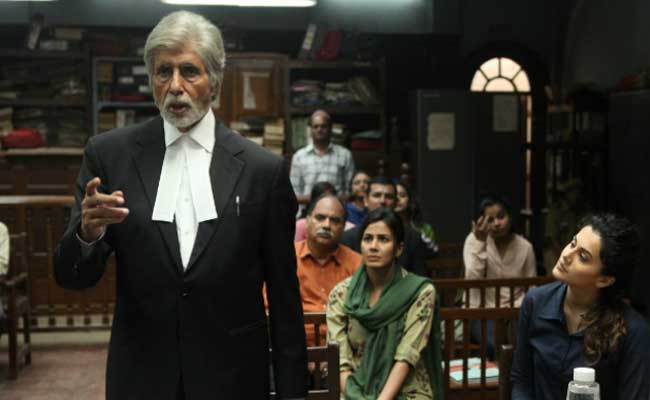
Whether it’s Shah Rukh Khan’s iconic sattar minute pep talk in Chak De India or Amitabh Bachchan’s impactful No means no in Pink, monologues have long been the showstoppers of cinema – that make you sit up, cheer, or rewind just one more time. These intense, emotional moments often explode across social media, becoming fodder for memes and giving rise to trends. But as much as these monologues can elevate a film to cult status, writers caution that forced monologues can do more harm than make an impact in a film.
WHEN SHOULD A MONOLOGUE COME IN THE FILM
“When a writer includes a monologue, it needs to convey something truly important. In cinema, a lot can be expressed through the visuals, and people prefer an economy of words,” says Sneha Desai, writer of Laapataa Ladies. Other writers suggest using them at moments when the audience is engaged.
Shibani Bathija explains, “There’s no action, it’s just delivering lines. So, the use has to be special and placed at the most dramatic point, where you want the audience to truly listen to what the character has to say.”
Sumit Arora, who wrote the dialogues for Jawan, says, “A monologue should either come organically or not at all. It shouldn’t feel forced, and it shouldn’t seem out of place in a film – because if it doesn’t belong, it will do more harm.”
‘A well-written monologue can have a life beyond the film’
Sumit says he tries to find moments in films where a character can say something powerful. He explains, “When a character speaks their feelings out loud, if the monologue is well-written, it can be hard-hitting. It can impact people. A character talking about their emotions can always have a life beyond the film. Whether it’s in the Chak De! India or Jawan monologue, it can find life outside the film.”
‘You want people to be intrigued and pay attention’
Writers say that the best kind of monologues are those that give the audience insight into that drama. Shibani Bathija, who has written films such as Fanaa, Kabhi Alvida Naa Kehna and My Name Is Khan, shares, “You want people to be intrigued and pay attention. For instance, in Fanaa, understanding what country means to the protagonist (Kajol) was crucial. Without the monologue, we wouldn’t be able to establish that sense of patriotism, which is essential to the film.”
One of the two key monologues in My Name Is Khan is when SRK’s character talks about his son, allowing him to express his emotions without explicitly saying, ‘I miss him.’ “That’s how the audience gets a deep insight into SRK’s relationship with the boy,” says Shibani, adding, “The dramatic situation and what the audience learns about the character needs to come together in a monologue.”
What makes a monologue memorable
- Organic sense of timing
- A monologue should not go on and on; otherwise, the audience gets bored
- The honesty of the monologue is important – the explanation given should be worth the screen time
- The dramatic situation and what the audience learns about the character should come together in the monologue

Subscribe to:
Post Comments (Atom)
Post a Comment