I don’t want people to say ‘he’s back for the money’-Imran Khan
9:59 AM
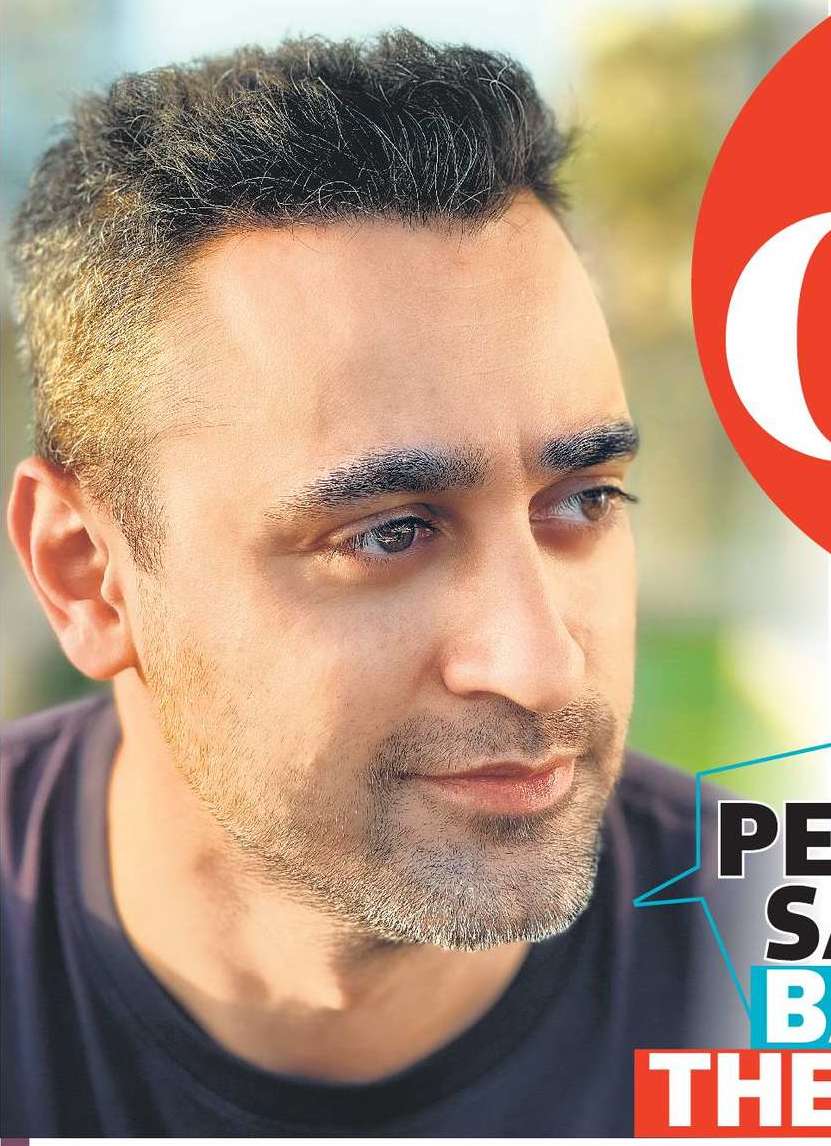
In a candid chat, actor Imran Khan talks to Rishabh Suri about his comeback after 10 years, fighting depression and ladylove Lekha Washington’s support
Rishabh Suri (HINDUSTAN TIMES; May 11, 2024)
His apartment is almost empty. We spot a leather chair that needs repairing. There are his daughter, Imara’s toys at one corner. He pulls out two floor cushions, and we start off. Imran Khan has just returned from South Mumbai from his “analysis”, he says.
We curiously ask what’s that, and he simplifies it: therapy. “I have four sessions a week,” he says. How does one go from being the chocolate boy in films such as Jaane Tu Ya Jaane Na (2008), Mere Brother Ki Dulhan (2011)... to seeking therapy? We get chatting over coffee:
Your comeback is hot property. How does this love by fans feel, nine years after you stopped working?
Truth be told, it is a little surprising. When I was actively working, I had PRs, managers, and then in addition to that, you also had to come on social media. When I sought to get away from all that, I dropped all. My intention was to not be present in the public domain. After spending 10 years trying to be invisible, for people to have that curiosity is somewhat counter intuitive. Almost all brands have approached me in the last year for endorsements. I turned down everyone. I don’t want people to say ‘he’s back for the money’.
From deciding to become an actor, to wanting to be invisible- how did this transition happen?
It was kind of a growing realization that the more of what I was engaging in... all of the things which one is told that if you do, you will have a successful career, your value will grow, you will be happy. I realized that actually they were not tied in for me.
Weren’t you fascinated with stardom since you saw it very closely via your family?
It’s quite the opposite. I’ve never had any interest or value for it. It is such a ridiculous ephemeral thing. I’ll tell you the first taste of fame that I got. I shot for my first film without it releasing. Then I shot for my second film Kidnap also without it having a release. Then I started shooting Luck. So by the time Jaane Tu.. released, I was halfway into the filming of Luck. So at that point, I was dubbing for Kidnap. The studio was pure vegetarian. At some point I had ordered non vegetarian food and they would not let me eat inside the studio. They gave me a plastic chair, put it outside where the cars are parked and I ate there. I had got accustomed to it. I spent a couple of weeks doing that, until the trailer of Jaane Tu... released and suddenly it was on television. I walk in and everyone in the studio is saying ‘Sir that’s you’ I’m like it’s the same guy who’s been coming here for three weeks. I go in, I do my dub, and then, lunch break. I step out and there is a row of these guys standing there with a tray of mutton biryani, plates, spoons, forks. They say ‘sir, why don’t you sit in the air conditioned lounge’. Sir? Now when these guys have spent three weeks making you sit on a plastic chair outside and then the next day they say sir, sir, sir, how much value do you give to this sudden outpouring of love and affection where they are falling over themselves? Do I take it seriously?
You are back in the limelight after a decade. How does receiving love from your fans feel like?
It is surprising. When I was working actively, I had PRs, managers and in addition to that, you also had to be active on social media. When I sought to get away from all that, I dropped it all (marketing machinery). I didn’t want to be present in the public domain. After spending 10 years trying to be invisible, for people to have that curiosity is counter intuitive. Many brands have approached me in the last one year for endorsements, but I turned them down. I don’t want people to say, ‘He’s back for the money’.
Your relationship with (actor) Lekha Washington has created a lot of buzz. Tell us about it...
I have consciously tried to shield this part because of the complications of me divorcing (former wife Avantika Malik) and ending my marriage... Lekha has been a really positive and healthy influence in my life. She is caring and loving. Having grappled with depression, I don’t know if I would have been able to make it without her.
What was your struggle with depression like?
The thing about depression and anxiety is that there are shades that exist, yet you don’t recognize them. It’s only as you start to become a little conscious, you can’t sleep at night and you wake up at 4.30 am thinking, ‘Oh, is that anxiety?’ I didn’t really consider that what I was going through could be depression. It didn’t strike me in a way that it was significant enough for me to pay attention. I guess around late 2016, I started to really get it. I still go for therapy four times a week.
Jaane Tu... became a big hit. You were the next big thing, compared with Ranbir Kapoor. Were you actively a part of the fame game?
I never considered competition. How do you actually measure this — and the idea that if I make a really good film and it is successful, then somebody else loses — until their next film comes? So then their film earns more, suddenly my film is now less? A great example is my uncle’s (actor Aamir Khan) Andaz Apna Apna, a box-office bomb. The film was a flop with an F, and today, we all love it.
So, you started telling people you have quit acting, and left your projects?
I was attached to a few films then. I backed out of a couple. I was in extended talks on a film which I believe, ended up being called Thar (2022). And Harsh Varrdhan (Kapoor) played that role. I started pulling back. These are also years that I was dealing with depression.
A lot was happening in your personal life, too. You were a father, going through separation...
Being a father made me resolute — that I need to fix my health, have to be there, be the best father that I can. If I am not well, if I am not the best version of myself, how could I be the best father?
You had disappeared, but rumours about your marriage and personal life would keep coming out. Were you reading?
I approached it with this idea of the separation between the real me and what people say. What I cared about is the people who will come to my face and say, ‘Imran, I have a question’ and directly say it. I can look at them and say, ‘Do I owe you an answer?’
How did your relationship with Lekha Washington begin?
It started during the pandemic. It was a very scary time. I had moved back into my mom’s place nearby. I had her, aged 60, and my young daughter, and no staff. They couldn’t go anywhere. It was terrifying for me. At that point, Lekha and I were in touch on the phone. She had also been locked down alone in Mumbai. She said, ‘I’ll take you out shopping and help you.’ I started to find the support in her. We would walk around the lanes of Bandra (Mumbai) to find food.
What kind of a mental space are you in right now?
I feel strength and clarity I’ve not felt since I was in my early 20s. My daughter is about to be 10. I have her with me Thursday to Sunday. It’s all settled and sorted. I do all of the stuff for Imara without any nanny. I drive her to school myself in the morning. I pick her up. The limited amount of cooking that I can do, I do for her.

Subscribe to:
Post Comments (Atom)
Post a Comment