Showing posts with label Yogesh Raizada. Show all posts
Showing posts with label Yogesh Raizada. Show all posts
15-min show delay is to accommodate latecomers-Exhibitors; Cinemas should offer an ad-free option-Moviegoers
3:23 PM

Niharika Lal (BOMBAY TIMES; April 5, 2025)
Are you that person sprinting through the mall, popcorn in hand, whisper-screaming “Excuse me!” as you stumble into a dark theatre – only to find that the movie still hasn’t started? You’re not alone. In most cinemas, arriving 10-15 minutes “late” still means you’re just in time for a parade of pre-movie ads, trailers and PSA.
But now, that buffer might just shrink. In a recent decision, the District Consumer Commission in Bengaluru called out this practice, directing a major cinema chain to start films on time and clearly display actual show start times. The message: respect the viewer’s time.
Exhibitors, however, say it’s not just about squeezing in ad revenue. Those ads, they argue, buy crucial minutes for latecomers. Start the movie exactly on time, and you risk half the audience missing the first 20 minutes – while the rest are distracted by the chaos of people finding their seats in the dark.
Meanwhile, film business experts point out that with declining footfalls for the second year running, cinemas can’t afford to test audiences’ patience further. So what’s the right balance? Here’s a closer look at the debate playing out in the dark before the main feature begins.
WE’VE TO WAIT FOR THE 10–20% OF PEOPLE WHO ARRIVE LATE: EXHIBITORS
Exhibitors say that when shows start exactly on time, half of the audience misses the first 20 minutes, and the rest are disturbed by constant walk-ins. So, they try to accommodate late moviegoers
‘We have to accommodate latecomers’
Yogesh Raizada, Director, Wave Cinemas, says, “It’s like the airlines – when the gate closing time is 10.30, why is the gate open for another 15 minutes? It’s to accommodate the latecomers. We have to wait for the 10–20% of people who arrive late. Indians operate on the mindset – Humein 10 baje pahunchna hai aur 10.15 tak pahunchenge. People are not just paying for the movie, we are also required to play PSAs from the central government, state government, and sometimes the Election Commission. And we also play commercials. Mall parking, traffic congestion, and other factors can also cause them to miss the film. So, we try our best to accommodate.”
CINEMAS SHOULD OFFER AN ADFREE OPTION: MOVIEGOERS
Moviegoers do have a problem with the barrage of commercials. While some want an “ad-free” cinema viewing option, others feel “too many advertisements kill the whole excitement of watching a film in a theatre.”
‘20–30 minutes of ads before a film can be frustrating’
Film producer Jitendra Mishra says, “As a regular moviegoer, sitting through 20–30 minutes of ads before and during a film can be frustrating. You’re excited for the movie, but instead, you’re forced to endure a long stretch of promotions. We understand that cinema halls need extra revenue, they should offer an ad-free option with a reasonable additional charge at all cinemas, just like online streaming services do.”
‘Delaying the film by 15–18 mins ensures that viewers don’t miss the beginning’
Devang Sampat, Director of Cinepolis India, says, “The movie start time depends on the length of the film, trailers, and ads. This has been the practice for decades, and it is done for the convenience of customers. Advertising is an essential part of the cinema business model. Delaying the start of a film by 15–18 minutes supports this business model while also ensuring that customers don’t miss the beginning of the movie. It’s a win-win for everyone.”
‘It’s a big turn-off when you’ve to watch ads for 30 minutes’
Manoj Dhiman, a software engineer, says, “Too many advertisements running for almost half an hour kill the whole excitement of watching a film in a theatre. It’s a task nowadays to venture out for a film, and we have become very selective. Then, if the time gets stretched like this, you’d rather sit at home and watch good content on OTT.”
Mauli, a movie buff, says, “It is a big turnoff when you have to watch ads for 30 minutes before the movie actually starts. I always walk into cinemas 15 minutes late to skip the ads.”
Film business experts say that with cinema footfalls down for the second year in a row, cinemas should avoid aggravating moviegoers’ pain points.
Girish Johar, producer and cinema business analyst, says, “A 5-10 minute leeway is something the audience can tolerate, but beyond that, it feels like taking them for granted. Currently, for moviegoers, coming to the cinema requires a significant commitment. There are many pain points at present, and while I understand the need for ads, limiting them to 5-7 minutes would be a reasonable balance to aim for.”
Oscar-nominated films pull audiences to cinemas
9:25 AM

Niharika Lal (BOMBAY TIMES; March 1, 2025)
It’s Oscar season, and cinemas are rolling out releases and re-releases of nominated films. Recently, a screening of Conclave sold out, and most of its shows are pulling in audiences. Last year, Anatomy Of A Fall (Best Original Screenplay) also drew large crowds. There was a time when Oscar-nominated films weren’t widely available in India, but that’s changed. Now, these films are available in cinemas, and some are also available on streaming platforms. However, most films released during Oscar week see increased footfalls in cinemas. Exhibitors say that the market for foreign films in India has grown, which is why they are able to secure more foreign films for theatrical releases. We spoke to cinema experts to understand how Oscar season releases work in cinemas.
‘Films that haven’t released on OTT attract the highest footfalls in cinemas’
Girish Johar, producer and cinema business analyst, says, “A major reason these films get the kind of occupancy they do is that movie buffs prefer the big screen over home viewing. Unlike regular Hindi films, where moviegoers often wait for them to arrive on streaming, award-season favourites drive people to theatres.”
Raj Bansal, exhibitor and cinema business expert, agrees, “It goes without saying that films that haven’t released on any platform tend to attract the highest footfalls in cinemas due to the FOMO factor.”
‘Foreign film market has grown in India, but some films get stuck at the CBFC’
Exhibitors say that the market for foreign films in India has grown, which is why they are able to secure more foreign films for theatrical releases.
Sanjeev Bijli, Executive Director of a cinema chain, says, “Last year, Anatomy Of A Fall and The Zone Of Interest, which were among the top 10 Oscar nominees, were released. This year, two foreign films, Emilia Pérez and I'm Still Here, are set for release. Foreign production houses definitely see India as a growing market. However, sometimes these films get stuck because of censorship. One year, The Favourite got stuck because of censorship and never got released. This year, Anora, a frontrunner for Best Picture, which was to be released in India is facing the same problem and could not get a release date. The Apprentice, which had already been acquired for release in India, also got stuck due to censorship.”
He elaborates, “Distributors are willing to take the risk and release these films in India during the Oscar buzz as it leads to some business. We tried a lot with The Apprentice, as Sebastian Stan has also been nominated in the Best Actor category. But it’s unfortunate that the censor board insisted on cuts. In such cases, the producer or director sometimes refuse to release the film with those cuts because it compromises their narrative and creativity.”
‘Access to news from BAFTA, Golden Globes fuels the appetite of Indian moviegoers to watch these films on the big screen’
Earlier, these films were not available to Indian audiences. In the last 10-12 years, Oscar-nominated films have become available for theatrical release. The availability of these films has increased, and the audience has become more evolved in their tastes, say exhibitors. Sanjeev Bijli says, “The award season buzz, which kicks off in November with the Golden Globes, SAG Awards, and BAFTAs, has become very newsy. I think access to all that news has fuelled the appetite of Indian moviegoers to watch these films on the big screen.”
Exhibitors say that by and large, most films released and re-released during Oscar season attract audiences from all age groups. This year, films such as The Brutalist, Conclave, and A Complete Unknown are expected to appeal more to an older audience.
‘A movie ticket costs less than video-on-demand’
Exhibitors say the demand for Oscar-nominated films has grown so significantly that cinemas now schedule screenings in Tier-II and Tier-III cities also, and not just in metros. Yogesh Raizada, Director of a cinema chain, explains, “The response to Oscar-nominated films has grown over the years. When streaming services were not widely available in India, people would go to websites to watch pirated versions of Oscar nominees, so the interest has always been there.”
A senior programmer of a cinema chain adds, “Some of these Oscar-nominated films are available on streaming, but not everyone has subscriptions to five or six streaming platforms. Plus, some platforms have a model of video-on-demand model, where you must pay additional Rs. 200-500 for a film. A movie ticket costs less. So, beyond the two or three films available on widely accessible platforms, there is an audience that eagerly waits for Oscar season releases.”
Analyzing the trend of re-releases: "Films are available for free online, but moviegoers want to see them on big screen"
8:21 AM
Niharika Lal (BOMBAY TIMES; August 31, 2024)
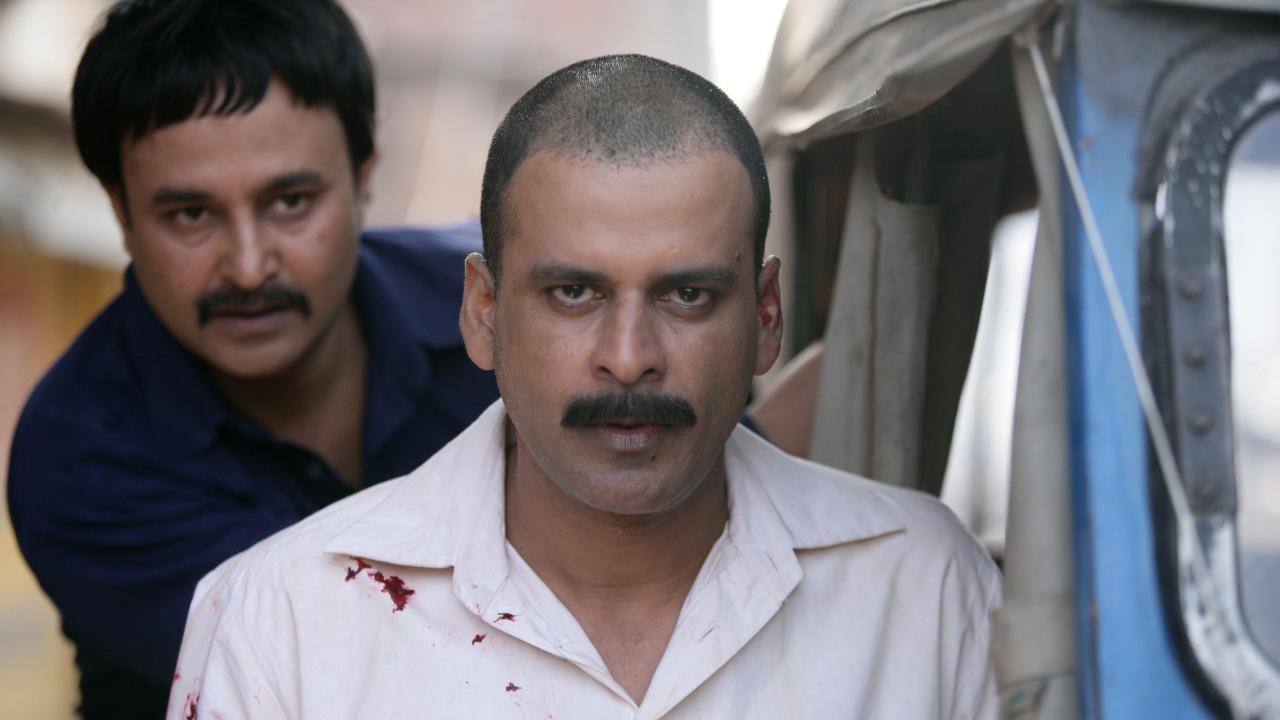
If the recent re-release announcements of Gangs Of Wasseypur and Rehnaa Hai Terre Dil Mein have you rushing to book tickets, you’re not alone. Cine buffs have been in for a treat with theatrical re-releases this year. Whether it’s to mark a film’s anniversary, generate buzz before a sequel, or simply revisit a cinematic hit, actors and filmmakers have been bringing their old films back to the big screen.
Films with a fan following being re-released
Ajay Bijli, MD of PVR INOX, says, “What’s interesting is that these films are available for free online, but moviegoers are still excited to see them on the big screen.”
Amit Sharma, MD, Miraj Cinema, adds, “September only has a couple of Hindi films scheduled for release. This is a major reason why cinemas are opting for re-releases of films with a strong fan following.”
‘The success of re-releases validates that people enjoy the theatrical experience’
Talking about re-releases, Yogesh Raizada, VP of Wave Cinemas, says, “Rereleases majorly work for two reasons – nostalgia for all things related to the 1990s, and a new audience that had only heard about these films but never had the chance to see them on the big screen.”
Kamal Gianchandani, president of MAI (Multiplex Association of India), adds, “The success of the re-releases validates how much people enjoy the theatrical experience. They are willing to come to cinemas despite these films being on TV and streaming platforms.”
A selection of Zoya Akhtar’s films were recently screened as part of her retrospective. Zoya Akhtar had said, “When we spoke about retrospective, there was one aspect of me which was like well, retrospective? Am I kind of done? And another part of me was jumping with joy that these films will be on the big screen again”
Imtiaz Ali’s Laila Majnu, which was first re-released in Srinagar, received an overwhelming response from the audience recently. “It gives us hope that people are coming to cinemas in huge numbers to watch old films,” the director said.
'A 3-4 week re-release calendar for Gangs Of Wasseypur'
Exhibitors say that the whole of September looks very empty and dull, with only a couple of Hindi films scheduled for release this month. This is a major reason why cinemas are opting for re-releases of films with a strong fan following.
Amit Sharma, MD Miraj Cinema says, "Whenever a film is re-released, it takes a little time to grow. People start learning about the film and its re-release. It's in the second and third week when the film starts picking up. So, we are planning a 3-4 week re-release calendar for Gangs of Wasseypur, which makes more sense."
'Playing of these older films in cinemas is a reflection of the fact that these films are doing well'
Kamal Gianchandani, president of MAI (Multiplex Association of India) says, "Some of these films can't even be classified as classics. There are several reasons for this - when these films were originally released, they were ahead of their time, or they simply didn't click with audiences. It's also a validation to how much people enjoy the theatrical experience that they are willing to come to cinemas to watch Rockstar or Jab We Met, despite these films being available on TV channels and streaming platforms. While there are various reasons why these re-releases work, the bottom line is that people are enjoying some of these older films, and it’s our job to bring them to all audiences. If people are enjoying older films in cinemas alongside new releases, then we are happy to offer them to our customers. Playing of these older films in cinemas is a reflection of the fact that these films are doing well."
National Cinema Day, blockbusters run of films prove that appetite to watch films in cinemas is still very much there
8:19 AM

From the first lockdown in March 2020 to the first half of 2022, whether moviegoers will return to cinemas like in pre-pandemic years remained a big question. But India’s first ever National Cinema Day, coupled with quite a few blockbusters, proved that the appetite to watch films in cinemas is still very much there
BOMBAY TIMES (December 24, 2022)
Sitting in a darkened cinema hall with friends and family, popcorn in hand, enjoying the latest releases – an activity we all took for granted became a distant memory during the two years of Coronavirus. Overnight, the century-old pastime became a safety hazard.
In 2022, when it was finally safe to go to cinemas and there was a slew of releases, the box office saw more duds than hits. There was debate over whether cinemas are relevant in the post-pandemic world. Now, as we approach the end of 2022, with major Hollywood films having sold out opening weeks and south blockbusters raking in the moolah, box office analysts say there is enough evidence to show that the pandemic-induced phase of struggle is finally over.
Executives of pandemic-battered movie theaters say that after surviving this three-year battle, even though they do not have all the answers yet, one thing is certain: audiences are back to cinemas as you can’t bring halls home.
--------------------------------------------------------

Price drop on National Cinema Day a success
Niharika Lal (BOMBAY TIMES; December 24, 2022)
After theatres in the USA and the UK slashed ticket prices on their National Cinema Day on September 3, the Multiplex Association of India (MAI) and cinemas across the country decided to follow suit, by celebrating National Cinema Day in India on September 23 with tickets priced at 75 (a considerable drop from the average price of 200-300).
The move was a big success and moviegoers queued up at as early as 6am to watch films back-toback. Several cinema and trade experts – who had initially predicted that it seemed unlikely that theatres would recover from the blow delivered by the pandemic – were proven wrong when houseful boards went back up at cinemas. Over 65 lakh viewers flocked to cinemas that day.
National Cinema Day also started a discussion around experimentation with an affordable price model. Several theatres offered movie tickets for a special festive price of 100 for consecutive weeks.
Eventually, stakeholders came to the conclusion that while there can’t be “uniform lower ticket price”, discounts and promotional prices on a per-movie basis can be the way ahead.
--------------------------------------------------------

Advance bookings are back
Niharika Lal (BOMBAY TIMES; December 24, 2022)
The recently-released Avatar: The Way Of Water has recorded more advance ticket sales in India in its first week than any other Hollywood film this year, outpacing all other Hollywood record-holders of 2022. With the return in demand for advance bookings, cinemas have started selling tickets a week or 10 days in advance for select movies. Cine experts talk about what the comeback of this trend means.
Devang Sampat, CEO, Cinepolis, says, “It is the franchise films – like KGF and now Avatar – which see the most advance bookings, because the audience knows what to expect. In the case of RRR, fans of Baahubali flocked to theatres. When viewers know that they will get the value for money, they purchase tickets in advance.”
Karan Taurani, cinema analyst, adds, “The major factors that prompt a higher rate of advance bookings are positive word of mouth, large-scale content, festive releases or franchises for which there is anticipation.”
Sometimes, price can play a role too. For example, on National Cinema Day, cinemas across the country witnessed a huge spike in advance bookings because tickets were priced at 75.
Raj Bansal, exhibitor and industry expert, adds, “It indeed signals the recovery of the cinema business. I wouldn’t be surprised to see fans creating a new record as we clock the year. This trend is going to continue for the most-awaited releases of the coming year too.”
--------------------------------------------------------
Houseful boards – a relic of the past?
Niharika Lal (BOMBAY TIMES; December 24, 2022)
Queuing for cinema tickets and houseful shows seem like things from the past. Cinemas – used to 30-50% occupancy on normal pre-pandemic days – have discarded the houseful boards long back. Now, these boards can only be found lying in a forgotten corner of some single screen theatres, a reminder of a bygone era.
Yogesh Raizada, exhibitor, says, “Houseful shows are so rare now that when it happens it reminds us of the guzra zamana of moviegoing. Those days are long gone when you would see a houseful board outside cinema halls. Barring two or three films in a year, that too for a few specific shows, none of the shows are sold out now.”
Cinema experts say, “Ab na ticket ki maaraamaari hoti hai, na darwaaze tootte hain.”
Adds Girish Johar, cinema business analyst, “Houseful boards are not just boards, these are sentiments. And those emotions are now missing – a sign of relief for the cinema proprietor and disappointment for viewers who couldn’t get a ticket. Ab agar houseful board kahin dikh jaye toh photo click kar lena chahiye.”
Agrees Raj Bansal, cinema expert and exhibitor, “In the era of single-screen theatres, giant sold-out boards would be kept outside the screens to tell moviegoers that all tickets have been sold out. Ab shows kabhi sold out hi nahi hote. The audiences do not exactly come in droves anymore.”
"National Cinema Day has brought the houseful board from the ’60s and ’70s back to cinemas"
8:56 AM

Niharika Lal (BOMBAY TIMES; September 23, 2022)
After announcing that they’d offer movie tickets for just Rs. 75 on National Cinema Day on September 23, cinemas across the country witnessed a huge spike in advance bookings. So, if you are planning to visit the cinema today, be sure to cross-check whether tickets are still available!
WE ARE SEEING ALMOST 100% OCCUPANCY: CINEMAS
While the average ticket price is in the range of Rs. 200-300, today several cinemas are offering tickets at Rs. 75 for all mainstream options. Cinemas are also offering discounted prices for luxury formats. For example, tickets for gold class seats, which are usually priced at Rs. 800-1,200, will be available for Rs. 400 today in some cinemas.
Exhibitor and industry expert Raj Bansal also pointed out that it seems like National Cinema Day may help some recent releases set new collection records. Yogesh Raizada, corporate head, Wave Cinemas says, “Across cinemas, we are experiencing the highest number of bookings since not just the last two years of the pandemic, but even before that. It seems like the National Cinema Day has brought the houseful board from the ’60s and ’70s back to cinemas. While we were expecting people to be back in cinemas on National Cinema Day, we hadn’t expected this surge in advance bookings.”
‘ADVANCE BOOKING NUMBERS ARE SHOWING THE MAGIC OF LOW TICKET PRICES’
Raj Bansal says, “What we are witnessing on the National Cinema Day is the magic of low ticket prices. It proves that the audience is still very much interested in watching films on the big screen. The houseful board is back this Friday because tickets are affordable.”
He adds, “At Raj Mandir in Jaipur, shows of recent releases are totally sold out. Other cinemas too say that they have received a massive number of advance bookings. By Wednesday night, cinemas in North India had sold approximately 8 lakh tickets in advance bookings, and the number may go up to 13 lakh on Friday.”
Girish Johar, producer and business analyst says, “In north, west, central and east India, the response has been quite positive. Audiences will be back to the theatres in huge numbers on the National Cinema Day and it will certainly provide the fraternity food for thought on lowering ticket prices on other days too.”
‘THIS DAY WILL BE ETCHED IN THE MEMORY OF CINEPHILES’
Gautam Dutta, CEO, PVR Limited says, “We have received an overwhelming response to the announcement of National Cinema Day. Almost all shows booked through the PVR mobile app have been sold out across the country a day before the designated day. As expected, this day will be etched in the memory of cinephiles. This clearly proves that cinema is the leading outof-home entertainment destination in India and the big screen experience continues to attract all segments of audiences”.
Devang Sampat, CEO, Cinepolis India, adds, “The advance booking numbers are very encouraging. In fact, on Friday, we will see our highest occupancy day –at almost 100% – in the history of Cinepolis in India.”
A RECORD WILL BE CREATED ON SEPTEMBER 23
Kamal Gianchandani, President, Multiplex Association of India (MAI) told us, “Almost 50% inventory of all participating cinemas were sold out in advance as pre-sales.”
“A record number of moviegoers are expected to visit cinemas on Friday to celebrate the National Cinema Day. The response to the pre-sales has been unprecedented and September 23 is on course to become the highest-attended day of the year for cinemas across the country,” MAI said in a statement.
Omicron wipes out January film release calendar
8:58 AM

From a star-studded mega lineup to ‘zero releases’!
Niharika Lal (BOMBAY TIMES; January 7, 2022)
With cinemas across the country either shutting down, or operating with 50% occupancy, with night curfews and weekend curfews in place due to rising Coronavirus cases, it seems filmmakers have little choice but to put release plans on hold. Jersey, starring Shahid Kapoor, was the first big ticket project to postpone release after cinemas shut down in Delhi, followed by RRR, which was slated for a January 7 release.
Now, Radhe Shyam makers have announced that they’ll be postponing the film’s release as well, while reports state that Akshay Kumar and Manushi Chhillar-starrer Prithviraj, which was meant to hit theatres on January 21, will be held back as well. So, what will be the fate of these films going ahead?

‘WE’RE STARING AT ZERO RELEASES IN JANUARY’
Girish Johar, producer and film business expert, says, “January was a month of solo releases, with one major mega star film releasing every week. Producers had ensured that their release got enough screens. However, now we are looking at an empty calendar. As an industry, we are hoping that this hiatus doesn’t last as long as the last one. Every other hour there is an update from another state and rules are changing quickly, hence there is a lot of confusion around.”

REGIONAL FILM RELEASES FEEL THE HEAT, TOO
While Bollywood releases — and those targeting pan-India audiences — have backed out of theatrical runs, the release of several regional films may depend on the scenario of their primary market. Akshaye Rathi, director, Aashirwad Theatres and an industry expert, cites the example of Valimai, starring Tamil superstar Ajith. “The film was expected to release on January 14, and now with the restrictions imposed in Tamil Nadu, it will be slightly unfeasible for the maker to release the film on that date. Then there is Bangaraju starring Nagarjuna and Naga Chaitanya, which might go ahead as planned because cinemas aren’t yet shut in its primary markets – Andhra Pradesh and Telangana.”
Yogesh Raizada, Corporate Head, Wave Cinemas, says, “A couple of other Punjabi films are still scheduled to release in theatres this month, but with new restrictions imposed in Punjab, occupancy will be low.”
Rajender Singh Jyala, Chief Programming Officer, INOX Leisure, adds, “We have no releases this week. Films that were already in cinemas will continue. Despite cinemas in some states still showing films, due to the restrictions, footfalls will be affected.”
‘FILMMAKERS READY TO WAIT FOR THEATRICAL RELEASE THAN GO THE OTT WAY’
Film business analysts say that filmmakers are likely to wait till the virus subsides to release their films in theatres than go the OTT route. Akshaye Rathi says, “Be it Sooryavanshi or Spider-Man: No Way Home, the business that these films have done recently is proof that the audience will come to theatres to watch films. Some producers with financial constraints may take the OTT route. However, most filmmakers are ready to wait and release films in cinemas. All of us are hoping that states will take a pragmatic approach – keeping both, the safety of people and the economics of businesses in mind – as the last one-and-a-half years have been extremely hard for the cinema industry.”
BIGGER ISSUE IS RESCHEDULING OF THESE FILMS: RAJ BANSAL, FILM DISTRIBUTOR
Raj Bansal, film distributor, points out that several filmmakers have been very reluctant to push back releases, and were ultimately forced to under the circumstances. He explains, “The biggest challenge for our industry is rescheduling the films that have been postponed. Now what happens is that till the first week of Diwali 2022 – the release date of the films announced in advance will remain the same. So, where will the makers shift these January-February releases to? Films which were earlier announced to be released in April, will either have to push back their release dates or go head-to-head with these films at the box-office.”

Piracy is at an all time high in the age of OTT releases
8:18 AM

Black Widow to Shershaah, this year’s most-awaited films were pirated soon after their digital release. What makes OTT platforms so vulnerable?
Niharika Lal (BOMBAY TIMES; August 29, 2021)
Ahead of their digital release in India, Black Widow and Cruella have both been available on pirated films’ websites here for months, following their international streaming release. Not just Hollywood, even the latest Bollywood flicks like Shershaah, AK vs AK, Mimi, Toofaan, Sardar Ka Grandson, and Roohi were immediately available on such sites post their digital release in India. Pirated versions of most films released on digital platforms are made available before or on the same day through links on WhatsApp and Telegram groups. In some cases — like Salman Khan-starrer Radhe, which released in May this year — pirates have been daring enough to even announce the sale of the movie on Facebook after its release and three persons were arrested under relevant sections of the Information Technology Act and the Copyright Act in this particular case.
People from the industry find piracy with regard to OTT releases especially worrying, as not only can the films be pirated easily after they release digitally, but also because illegally downloadable versions of the films are just as good in quality as the originals.
‘UNLIKE BEFORE, NOW QUALITY OF PIRATED FILMS AT PAR WITH ORIGINAL’
Yogesh Raizada, an exhibitor, says, “Easy availability of high quality downloads of latest releases is worrisome. Earlier, pirates would record in cinemas and only poor quality versions were available on pirated films’ websites. People used to also avoid watching pirated films because of bad quality.”
Many avid streamers tell us they watch pirated content because it’s free and high definition versions are easily available. One user says, “I’m already paying for broadband. Now, if I start paying for every service that I use online, then what’s the point? Also, I don’t download pirated films. My friends send links.”
Another user says, “I don’t download Japanese, Spanish or Korean films, as in most cases the subtitle file is missing, and it is impossible to understand these without them. I only watch Hindi and English films on websites with pirated films.”
WHY DON’T FILMMAKERS COMPLAIN AGAINST OTT PIRACY?
Few arrests have been made related to OTT piracy, as according to Anyesh Roy, DCP, Cyber Cell, Delhi Police, they haven’t received any complaints yet. So, what is stopping the producers from taking collective action? Lawyers say that while streaming content and pirates have moved on to far better technologies, the law has not caught up yet and that’s why enforcement of the Copyright Act is difficult.
There are several steps that can be taken to stop piracy. Vivek Narayan Sharma, a Supreme Court lawyer, says, “Producers should contact the police if their film is pirated and ensure that an FIR is registered, so investigations can follow. The reason why producers stay away from any legal action is because of the long procedure, but film piracy is a mass violation of copyright. Platforms where these films are circulated should also be made a party to it and it is the liability of these platforms to remove the content. Last year, newspapers went to the Delhi High Court stating how their PDF copies were shared through chats and the court ordered that unauthorised dissemination be stopped. If producers or film bodies will contact the court or the government will step in to create a mechanism then it can be stopped. The court can give an injunction to stop its circulation on unlicensed platforms if it is pirated.”
Vivek Sood, a senior advocate of Delhi High Court says, “Piracy of content from streaming platforms can be stopped by three methods. First, better security of content which can’t be bypassed (and if they get to know about software which assists in piracy, they can contact the court). Two, make content easily accessible and cheaper. Third, take action against organised piracy rackets i.e. go to court to get websites blocked or complain against pirates, as any action taken sends out a message to others.”
On the other hand, an official from an OTT platform points out that when titles are released all at once around the world on streaming services, it instead helps address piracy and protects the creative community’s hard work. They add, “Platforms like ours have economical subscription plans which cost less than `200 a month, which also has helped in fighting piracy as people can watch content on their own terms without any hassles rather than resorting to piracy.”
---------------------
‘IT’S NOT DIFFICULT FOR PEOPLE WITH SOFTWARE KNOW-HOW TO COPY FILMS FROM STREAMING WEBSITES’
As per an international publication, Black Widow star Scarlett Johansson’s recent lawsuit against Disney listed “piracy” as one of the reasons she was against the makers releasing the superhero film simultaneously in theatres and on digital platforms. The National Association of Theatre Owners, Los Angeles, in its statement issued in July, said, “Piracy no doubt further affected Black Widow’s performance, and will affect its future performance in international markets where it has yet to open. Pristine digital copies became available within minutes of release on Disney+. Black Widow was the most torrented movie for the week ending July 12. It is also available on myriad illegal streaming sites all over the internet. This was also the case for all simultaneous releases (Wonder Woman 1984, Godzilla vs Kong, Cruella, Mortal Kombat, etc).”
Sunny Nehra, a cyber expert, says, “Most streaming platforms use DRM protection. Pirates use screen recording and other tools specially developed to crack DRM. It is not that difficult to crack for software developers or those who work in this field.”
---------------------
CAN YOU BE ARRESTED FOR WATCHING A PIRATED FILM?
Let’s say your friend forwarded you the link to a movie downloaded from a pirated website or which was shared on an unlicensed platform. Or suppose you go on a pirated website to watch a film. Can either of these actions land you or your friend in jail? Vivek Sood, a senior advocate of Delhi High Court, says, “Downloading a film/web series/documentary from an unlicensed platform is a violation of intellectual property rights. But you can’t be arrested. Under Section 51 of the Copyright Act ‘reproduction of a literary, dramatic, musical or artistic work in the form of a cinematograph film shall be deemed to be an infringing copy.’ However, Section 52 clearly states that private viewing is not an infringement. What does that mean? It means if you forward it to others or sell it, then it is an infringement and you can be arrested.”
However, Sood adds, “While you can’t be arrested, for watching pirated content, you can still be hauled up, restrained and the OTT platform which has the original content can even ask you to pay for the damage (fine) if you watch their content from an unlicensed platform.”

Big screens miss their date with patriotic films this Independence Day
9:03 AM

Niharika Lal (BOMBAY TIMES; August 15, 2020)
Every Independence Day, movie buffs head to theatres to watch the latest releases. That’s why films released on I-Day have seen 80-90% occupancy. In the last 15-20 years, holiday weekends at the box office have usually been occupied by at least one major release, most often a patriotic film. However, this year, as cinemas remain shut due to the Coronavirus pandemic, exhibitors and distributors hope that by Diwali or the next national holiday, their businesses can resume.

INDEPENDENCE DAY RELEASES ENCASH EXTENDED WEEKEND
Advance bookings for I-Day releases, extended weekend and at least 75-80% occupancy are among the reasons why I-Day is one of the most profitable weekends for filmmakers. In the last two decades, from Chak De! India to Aarakshan, Ek Tha Tiger, Singham Returns to last year’s Batla House and Mission Mangal, several major films have released on or around Independence Day. Shaaminder Mallik, a distributor, says, “It’s not just one day, but the whole week between August 11-18 that films are scheduled, to benefit from the holiday. In fact, most of these releases perform well at the box office and have good collections.”
Usually, the slots for I-Day releases are booked a year in advance, with filmmakers and actors announcing the project and the release date. John Abraham, whose film Batla House released on Independence Day last year, said in a November 2019 interview that he feels the day belongs to him. Announcing his next, Attack, which was to be released on August 14, 2020, John had said, “I’ve come to believe that the day belongs to me, not just because it’s a national holiday, but also for the feeling it brings forth. Attack is an apt I-Day release, patriotic without being jingoistic.”

‘I-DAY HAS ALWAYS BEEN BIG FOR CINEMAS’
At a panel discussion on the reopening of cinemas in April, filmmaker Nikkhil Advani had said that he was optimistic that cinemas will reopen by August 15. Last month, before the announcement of Unlock 3.0, when we spoke to exhibitors, they, too, said they were expecting to reopen before I-Day. But that did not happen.
Akshaye Rathi, the Director of Saroj Cinemas, says, “August 15 is one of the most exciting release slots after Diwali. All of us in the film trade are missing the fire that we would usually witness on the I-Day weekend. It’s unfortunate that we are shut this year, but hopefully, that will change soon.”
Yogesh Raizada, Corporate Head, Wave Cinemas, says, “While August 15 is reserved for a single major release, last year, we had two movies — Batla House and Mission Mangal. I’ve been in this business for almost 30 years, and I remember that I-Day has always been a big day for cinemas. Every year, we would have over 80-90% bookings for I-Day. And with anticipated releases, such as a Salman Khan or an Akshay Kumar film, we would have 60-70% advance bookings. This year is a historic low for the industry, as theatres have never been shut on I-Day in the last 25-30 years.”
EXHIBITORS UNSURE IF BUSINESS WILL PICK UP BEFORE THE NEXT NATIONAL HOLIDAY
Exhibitors say that even if cinemas reopen, they are “unsure if they will be housefull even during the next national holiday.” They are not very hopeful about Diwali, while some are even unsure if business will pick up by January 26, 2021. Tinku Singh, Group President, SRS Cinemas, says, “Ticket bookings for I-Day releases are usually high because of the holiday. And, with Raksha Bandhan and Janmashtami falling around August 15 every year, an I-Day release would usually mean a weekend release. Cinemas have special pricing for such profitable weekends, but this year, the box office has been shut. Back in April-May, we didn’t expect that we won’t be operational even in August. Now, I don’t know if we’ll even reopen by January 26 next year.”
With inputs from Rachana Dubey

Not just during protests, we have to deal with hooligans even for ‘tasteless coffee’ and ‘cold popcorn’, say cinemas
7:59 AM

After the assault of a multiplex manager in Pune over the price of popcorn, cinemas say that hooliganism over such petty issues is quite common, but go unreported because they don’t want bad publicity
Rachana Dubey (BOMBAY TIMES; July 2, 2018)
Last week, a group of Maharashtra Navnirman Sena (MNS) workers thrashed the manager of a PVR multiplex in Pune over the price of food items sold there. A video of the incident soon went viral on social media. While several incidents of hooliganism and vandalism in cinema halls, by groups protesting the release of films, have been reported from across the country, assaulting of cinema hall staff over food prices is a rarity. However, a few exhibitors insist that now, they have to deal with hooligans not only when a film offends a group, but also for ‘cold popcorn’, ‘tasteless coffee’, ‘high rate of food items’, and ‘unnecessary frisking’. They say that even stopping drunk moviegoers can prove dangerous for the safety of their staff and patrons.
Meanwhile, PVR has filed an FIR against the attackers. In an official statement, Gautam Dutta, CEO, PVR Cinemas, says, “Safety and security of our employees and of our patrons is of utmost importance to us and we take all adequate measures to secure our employees and patrons. Handling unlawful action, violence and maintaining law and order in the city is the responsibility of the state government and the state police. We have full confidence in them, we are working with them closely so that appropriate steps can be taken in this matter at the soonest.”
‘SUCH INCIDENTS CAN HAPPEN HERE, TOO’
Manoj Desai, executive director of G7 and Maratha Mandir, says, “Every cinema hall or chain charges a price they think is apt for tickets and food. We don’t charge over Rs 30 for food and Rs 100 for tickets. We cater to the masses. As for the episode in Pune, let me tell you that such incidents can happen in Mumbai. So many times, political party workers try to get their point across. The person talking to them has to be tactful and polite. I don’t see any other way out.”
Yogesh Raizada, Corporate Head, Wave Cinemas, agrees, “We are in the hospitality industry and this is a given in our industry. We train our staff to be polite, but firm. However, we can’t stop such incidents completely and will have to deal with this hooliganism. No one in the industry can name even one cinema hall where the exhibitor or the staff members haven’t faced hooligans. But we don’t complain because it’s bad publicity for us.”
‘WORKERS AT CINEMAS FEEL THREATENED’
Nitin Datar, President, Cinema Owners and Exhibitors association of India says, “What happened in Pune was a shameful act. No one should take law into their hands, no matter what. People can always complain to the authorities, but as we can see, the situation is becoming deplorable, especially in cinema halls. Whether it’s about the prices of tickets or eatables, or the decision to run a film which has been cleared for release, people working at cinemas are bound to feel mentally and physically threatened because of protestors.”
Datar points out that the matter relating to revision in food prices is in court. The other problem is whether a patron can bring his or her own food inside the halls or not. “Even that matter is before the court. As far as I understand, no place except Delhi has a law prohibiting food from being taken inside the hall. Multiplexes have argued that if this can be allowed in one state, it should be in other states, too. Personally, I feel that they should allow children, sick people or the elderly to take their food, water and medicines inside the hall.”
He adds, “Multiplexes feel that they pay higher overheads and rents and eventually, the burden is passed on to the consumer. There is no law that restricts a person or an organisation from charging a fee they think is feasible for their products and/or services. Many years ago, the government of Maharashtra had passed a Government Resolution (GR), capping the rates of tickets, but cinema owners moved court against it and got it negated. So, it’s up to the public as to where they want to watch a film and whether they are willing to pay a price.”
Meanwhile, the Retail Association of India has also condemned the Pune attack. “Maharashtra is a state that recognises and respects the contribution of retail to the economy. It is the first state to initiate a policy especially for retail, that has helped increase the ease of doing business and employment in the sector. RAI condemns acts of violence against retail employees in Pune, who work hard to serve customers. Such acts are against the law, disrupt business and endanger the lives of retail employees. We trust the government to serve justice,” a statement issued by the association reads.
‘NOT A FAIR PRACTICE’
Arun Surve from MNS, whose member Kishor Shinde attacked the employee at PVR, Pune, says, “We have conducted similar protests in Mumbai also. If a bottle of water costs Rs 15, why should anyone pay Rs 100 for it inside a multiplex? I understand that there will be a price difference, but the margins that there are currently between the prices are too steep which we think is not a fair practice. In April, even the Bombay High Court had said that multiplexes are charging high prices. I want to understand what these taxes are that only multiplexes pay, for which they extort money from patrons. There is no law that can stop anyone from taking their ghar ka paani and khaana inside a cinema hall, but they don’t let us do that. When employees at these cinema halls are spoken to politely, they refuse to act on what we’re saying. As workers from a party, we’re not goons but as public representatives, we’re trying to underline the sentiments of the aam aadmi.”
With inputs from Niharika Lal

LEAKED: Katappa ne Baahubali ko kyun maara
7:56 AM

Baahubali: The Conclusion, which crushed several box office records, has hit a roadblock of sorts, albeit a minor one. Within days of release, the film has been leaked online. Producers and exhibitors believe that it won't be hit too hard since the film is all about the big screen experience
Niharika Lal (BOMBAY TIMES; May 7, 2017)
Just when the officials from
the I&B ministry were planning to make Baahubali series the Make In
India mascot to promote Indian cinema abroad, the pirate bay was busy
doing what it does best. The film was leaked online just a day after
I&B minister Venkaiah Naidu called it a shining example of Make In
India.
The very next day, the 'example', it seems, was available online for everyone to watch. People took to social media and posted the link to the film and those who really wanted to know the answer to “Katappa ne Baahubali ko kyun maara?“ relished the pirated version.
A viewer in Kuwait allegedly streamed the movie live on Facebook for nearly an hour before it was released. Before this, an unedited battle scene was also leaked online. The producer of the series, Shobu Yarlagadda, in an attempt to clear the air, tweeted, “Except for screening to various censor boards in different countries, there have been no screenings of @BaahubaliMovie2 till now anywhere.“ We spoke to exhibitors for their take on this.
The film is celebrating a record run at the box office and the exhibitors say that the pirated version might not affect the box office since it is dubbed and not in HD. Yogesh Raizada, the corporate head of a cinema chain, says, “It's indeed sad when a film like Baahubali is leaked online. When production houses with such huge budgets are not able to stop their films from being leaked, how can small budget films be saved? The silver lining here is that it is not an HD version, so it will not deter people from coming to cinema halls. At least we hope so.“
 Tinku Singh, the
group president and chief strategy officer of another cinema chain,
believes, “Leaks don't shock anymore. All the big-budget films including
Udta Punjab, Dangal, and Sultan were leaked online. Although Baahubali:
The Conclusion has done well, the business will be affected in single
screens.“
So far, no one knows when action will be initiated against the pirates. Exhibitors maintain that unless the I&B ministry for mulates stern guidelines to curb piracy with the help of the police, incidents like this will continue to plague the industry. Leaked prints of films will find their way online either before or right after release, while the culprits will go free.
CO-PRODUCER SPEAKS UP ...
Prasad Devineni, one of the producers of Baahubali: The Conclusion, says that there are various versions of the film, which have been released, the original print, however, hasn't found its way online. He says, “The various versions that you see online are camera prints and screen grabs. The full version has not been leaked. We have close to 100 people in Andhra Pradesh working constantly on pulling down any such prints of the film as and when they appear online. We have taken another step by creating and streaming dummy torrents that confuse downloaders. We are also working closely with the anti-piracy cell which is a part of our film chamber, as well as the Cyber Crime Cell in Andhra Pradesh. They are doing everything to ensure that the leak is controlled. The investigation on source of the online leak is currently on. It is extremely difficult to take legal action against those responsible for these leaks. The servers where they originate are in another country. By the time our government initiates action, the damage will be done. We are doing the next best thing - damage control.“
The very next day, the 'example', it seems, was available online for everyone to watch. People took to social media and posted the link to the film and those who really wanted to know the answer to “Katappa ne Baahubali ko kyun maara?“ relished the pirated version.
A viewer in Kuwait allegedly streamed the movie live on Facebook for nearly an hour before it was released. Before this, an unedited battle scene was also leaked online. The producer of the series, Shobu Yarlagadda, in an attempt to clear the air, tweeted, “Except for screening to various censor boards in different countries, there have been no screenings of @BaahubaliMovie2 till now anywhere.“ We spoke to exhibitors for their take on this.
The film is celebrating a record run at the box office and the exhibitors say that the pirated version might not affect the box office since it is dubbed and not in HD. Yogesh Raizada, the corporate head of a cinema chain, says, “It's indeed sad when a film like Baahubali is leaked online. When production houses with such huge budgets are not able to stop their films from being leaked, how can small budget films be saved? The silver lining here is that it is not an HD version, so it will not deter people from coming to cinema halls. At least we hope so.“
Tinku Singh, the
group president and chief strategy officer of another cinema chain,
believes, “Leaks don't shock anymore. All the big-budget films including
Udta Punjab, Dangal, and Sultan were leaked online. Although Baahubali:
The Conclusion has done well, the business will be affected in single
screens.“So far, no one knows when action will be initiated against the pirates. Exhibitors maintain that unless the I&B ministry for mulates stern guidelines to curb piracy with the help of the police, incidents like this will continue to plague the industry. Leaked prints of films will find their way online either before or right after release, while the culprits will go free.
CO-PRODUCER SPEAKS UP ...
Prasad Devineni, one of the producers of Baahubali: The Conclusion, says that there are various versions of the film, which have been released, the original print, however, hasn't found its way online. He says, “The various versions that you see online are camera prints and screen grabs. The full version has not been leaked. We have close to 100 people in Andhra Pradesh working constantly on pulling down any such prints of the film as and when they appear online. We have taken another step by creating and streaming dummy torrents that confuse downloaders. We are also working closely with the anti-piracy cell which is a part of our film chamber, as well as the Cyber Crime Cell in Andhra Pradesh. They are doing everything to ensure that the leak is controlled. The investigation on source of the online leak is currently on. It is extremely difficult to take legal action against those responsible for these leaks. The servers where they originate are in another country. By the time our government initiates action, the damage will be done. We are doing the next best thing - damage control.“

Hollywood shifts dates to avoid clash with Bollywood films
5:00 PM

With Kabali postponing its release, Ice Age: Collision Course will also do the same to avoid a clash, just like The BFG moved its date to avoid competing with Salman Khan's latest film. Industry insiders say that it's a prudent practice to minimise competition
Niharika Lal (MID-DAY; July 7, 2016)

 Hollywood films like Fast
and Furious 7, Jurassic World, among others have done better business
than Indian films released around the same time. However, the production
houses of big Hollywood releases are still cautious about avoiding box
office clashes with big-budget Indian films. The most recent example of
this is Ice Age: Collision Course. The film was scheduled to release on
July 15,
a week before the US release, to avoid a clash with Rajinikanth's Tamil
film Kabali, which was to release in the first week of July .Now that
Kabali's release has been postponed to the end of this month, Ice Age is
also looking for a new release date. This is the second Hollywood movie
that has postponed its India release in the last one month. Steven
Spielberg's The BFG, which was scheduled to release on July 1 in India,
will now release on July 15. Although no
official reason has been given for the delay, sources say that it was
done to avoid a clash with Salman Khan's Sultan, which released
yesterday. Earlier this year, Shah Rukh Khan's Fan and The Jungle Book
were both scheduled to release on April 15, but The Jungle Book release
was then preponed to April 8. While the official statement for change in
release date is usually 'technical issues', sources say that more often
than not, it is done to avoid clashing with a big Bollywood film.

SHIFT IS TO AVOID CLASH
Even as production houses maintain that shift in release dates are due to reasons other than big Bollywood releases, exhibitors tell us that the change in release dates don't affect the film's revenue, rather, it increases it. Yogesh Raizada, corporate head, of a multiplex chain, says, “The release dates of Hollywood movies are moved around to avoid clashing with Bollywood films. They don't want to create competition for themselves.“
Devang Sampat, business head of a multiplex chain, adds, “The films are often postponed because of unavailability of screens. If two major movies are released in the same week, then it is a loss for cinemas too because the screens and the audience get divided.“
FILM RELEASE IS SHIFTED ON BASIS OF THE MOVIE'S APPEAL
Amrita Pandey, the VP of the Indian arm of an international studio tells us, “For us, a movie's release date is based on the familiarity and existing appeal of the movie among the Indian audience. For a movie like The Jungle Book, which was an Indian story at heart, we did not want the audience to wait and wanted to bring it to India before the American release. We believed the movie would resonate strongly with the audience here. Also, the weekend we released the film, it was a long one in a few key states. In some cases, we prefer to wait for a week or two after the global release if we think that the movie will benefit from the international publicity and reviews. “

The Jungle Book is hitting Indian theatres a week before the US: An analysis
9:13 AM

As the market for Hollywood films grows in India, releasing big-ticket films here before the West prevents clashes with Bollywood releases and leads to better revenues
Niharika Lal (BOMBAY TIMES; February 20, 2016)
 The Jungle Book, starring
12-year-old Indian-American Neel Sethi as Mowgli, will release in India
on April 8, a week before it releases in the US. Apart from the fact
that a lot of us have grown up watching the Hindi TV series of the same
name, the timing of the movie's release couldn't be better - it releases
at the start of the summer holidays. Also, had the movie, which is based
on a children's classic, released a week later along with the US, it
would have clashed with a big-ticket Shah Rukh Khan release, Fan.
The phenomenon of major Hollywood movies releasing here before the US isn't new - it's been happening since 2008,when Bond film Quantum Of Solace released in India a week before the US. Over the years, the number of Hollywood movies banking on India's growth as a market has increased.
PREPONED HOLLYWOOD FILMS TEND TO DO WELL
Cinema owners and production houses say that so far, preponed Hollywood movies in India have had great collections, and this will lead to more production houses releasing films in India before the West. Devang Sampat, business head, of a theatre chain, tells us, “A number of Hollywood films were released in India before the West and they did well. India contributes a significant amount to the collections of these films, so it is obvious that Hollywood producers would want to tap the Indian market. With the movie releasing in India before the UK and the US, its collections are going to jump.“
Tinku Singh, Group president and chief strategy officer of a cinema group, adds, “The Jungle Book is popular in India and releasing it here before the US will benefit the film immensely. There could be two reasons behind this. Firstly, any film that prepones its release, benefits because it generates curiosity among the audience. Other movies which were released in India before the West, almost reached the Rs 100-crore club. Secondly, last year the revenue of Hollywood films increased in India. We have been observing this as a trend over the years, that films which release first in India, generate good revenue and see higher occupancy. It could prove to be a wise decision since other big-budgeted movies are releasing on April 15.“
 FILMS WHICH HAVE A MASS APPEAL ARE RELEASED FIRST
India has been growing as a market for Hollywood movies and films released here first have a mass appeal. Rajender Singh, VP, programming and distribution, of a multiplex chain, says, “Movies which have a mass appeal are released first in India. Sometimes it is to avoid clash with Bollywood biggies. The films released in India first had a hype around them, just like The Jungle Book does. It's a matter of time before others follow suit.“
WE WILL SEE MORE MOVIES RELEASING IN INDIA FIRST
Kamal Gianchandani, CEO, of a national multiplex chain, tells us, “There is also a marketing advantage to releasing a film in India first. Sometimes distributors come here a week before or after to avoid clash with Bollywood films. The Jungle Book is an ambitious project and it is very important that it releases at a time when it gets major market share. I think because of digitisation of infrastructure, this phenomenon will catch up and we'll see more films releasing in India before the rest of the world.“
IT WOULD BE WRONG TO SEE IT AS A TREND
Even though most cinema exhibitors insist that this trend is catching up, Yogesh Raizada, corporate head of a cinema chain, says, “Releasing movies in India before the US is certainly not a trend, but there have been several instances in the last few years. The reasons could vary from avoiding clashes to the success of the prequel. But we need to understand that for Hollywood producers, releasing a film in India is a risky decision as it is only two-three per cent of their total revenue.“

Subscribe to:
Posts (Atom)