Showing posts with label Vivegam. Show all posts
Showing posts with label Vivegam. Show all posts
My journey will not be complete till I do a film with Rajinikanth, Kamal Haasan-Vivek Oberoi
8:38 AM
Roopa Radhakrishnan (BOMBAY TIMES; September 21, 2024)
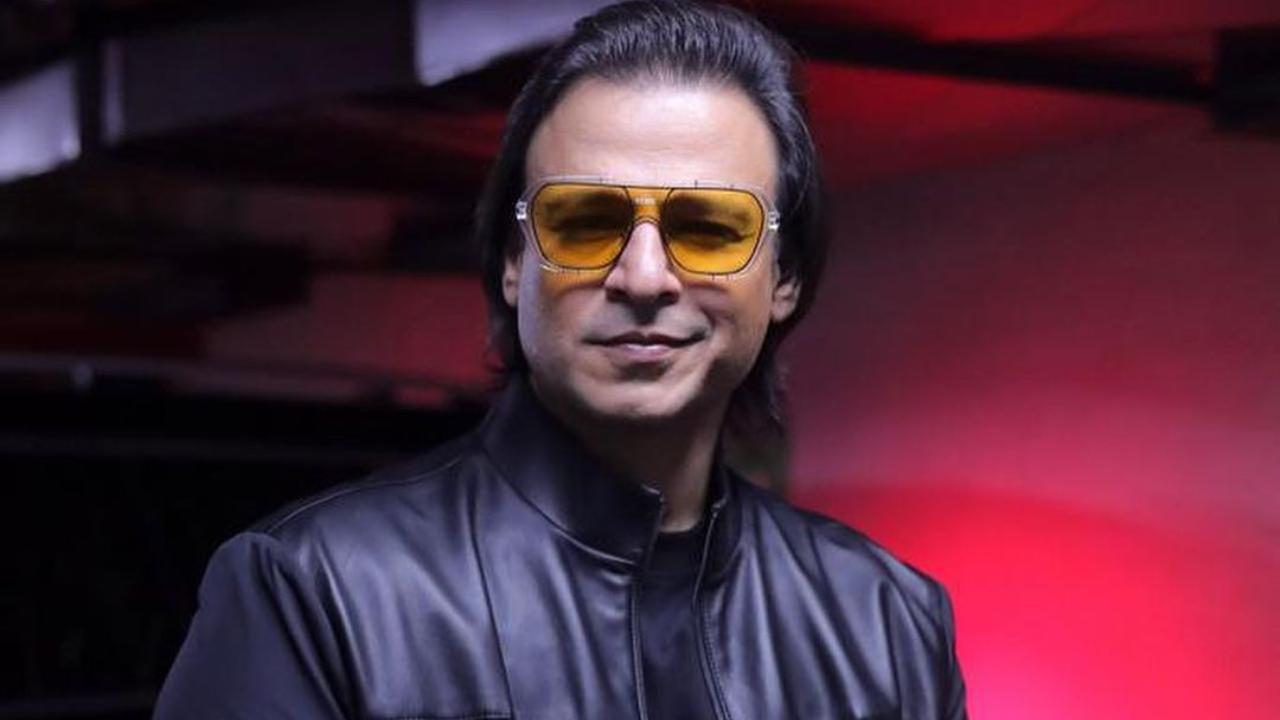
Vivek Oberoi made his onscreen debut in 2002 with Ram Gopal Varma’s Hindi film, Company. Since then, he has worked on many projects, including ones in all four South Indian film industries, and with some of the biggest names. This includes essaying the role of the antagonist to Ajith in Vivegam (2017). In a chat with us, he shares about his desire to work with Rajinikanth and Kamal Haasan, being anti-exploitation, and more.
‘AJITH ANNA TREATED ME LIKE A YOUNGER BROTHER’
Every actor in my generation has a dream to work with Rajini sir and Kamal sir. My journey will not be complete till I do a film with them. Also, I love working in Tamil cinema because the talent here is brilliant. It was fantastic working in Vivegam. The film’s team felt like a family, and Ajith anna is amazing to work with. What a gentleman he is! He gave me so much love and treated me like a younger brother.
‘I HAVE A LOT OF BEAUTIFUL MEMORIES IN CHENNAI’
Chennai has a beautiful and big heart. My mom is from here, and I used to come visit my grandmother. I have spent a lot of hot summers in the city, and I remember all of us cousins used to get together, eat lots of crispy dosa, and then drive to Coonoor to enjoy the cool weather. I have beautiful memories here. When the tsunami happened, many people supported me when I was trying to do Project Hope in Devanampattinam, Cuddalore. I still meet with many volunteers and students from then.
‘THE FAN FOLLOWING OF RAHMAN SIR AND ANIRUDH IS HUGE AND NOT NORMAL’
I’ve done a film in every single South Indian language and it was my dream to do that. That gave me a kick. The people in the South Indian film industries are extremely committed. The same can be said about the fans, as they love so deeply. If you look at the fan following of Rahman sir and Anirudh, it’s huge and not normal.
‘IF THEY REACH OUT TO ME FOR INSIDE EDGE SEASON 4, I’LL DO IT IN A HEARTBEAT’
I loved playing Vikrant Dhawan in Inside Edge. Its makers are like family to me. I started my OTT journey with them in 2016, when people didn’t know what OTT was. It was so new in India at the time. If they reach out to me for season 4, I’ll do it in a heartbeat. But that’s a creative decision that they have to take.
‘EXPLOITATION, EVEN OF MONEY AND POWER, IS CANCER TO SOCIETY AND ANY INDUSTRY’
Any kind of exploitation, whether it is sexual, financial, or emotional, is absolutely wrong. I’m anti-exploitation. You have to be fair and honest in life and have integrity. When you have stardom, the least you can do is facilitate harmony and live without exploiting people who are poorer or weaker than you. Exploitation is cancer to society and any industry. Every one of us should work together to remove exploitation.
Why are Bollywood's heroes looking at Tamil and Telugu films for villainous roles?
8:10 AM
Deepali Singh (DNA; May 11, 2019)
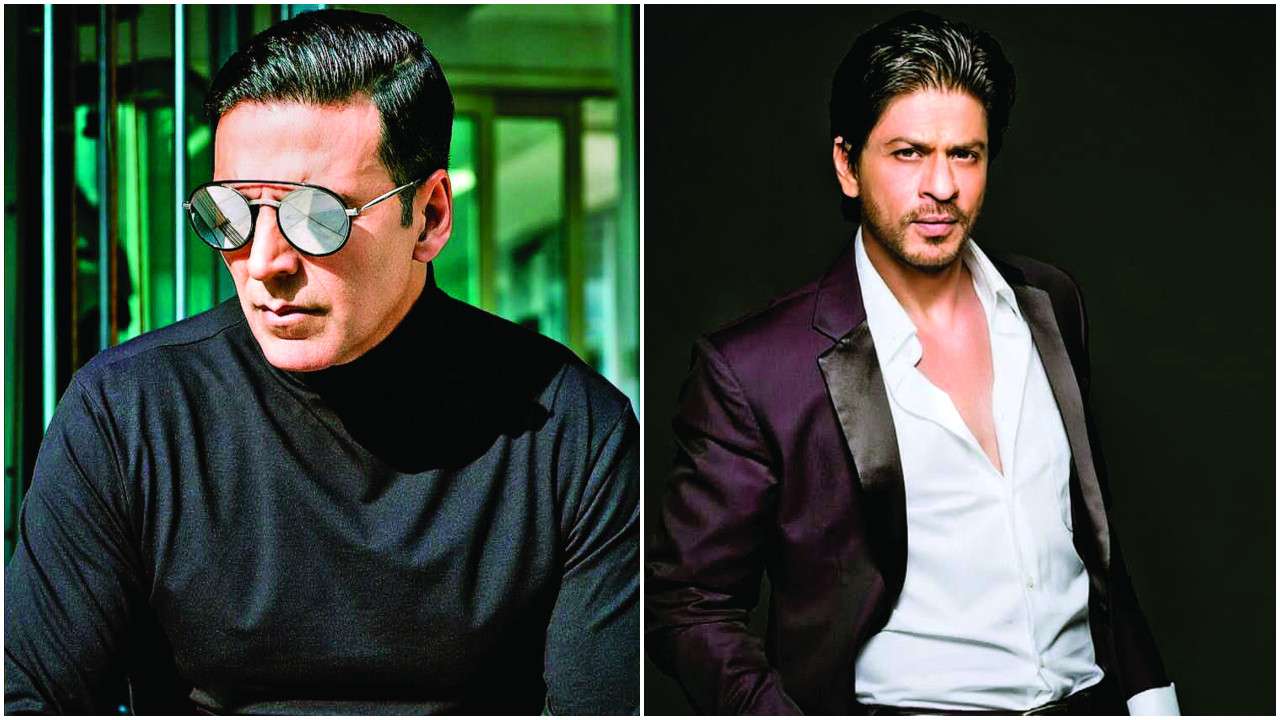
Much before he donned the costume for Shankar’s 2.0, where he played the antagonist, we had asked Akshay Kumar why he said yes to playing a negative role in the Rajinikanth starrer. “Because villains ke award mein lobbying nahin hoti hain!” he had responded with a loud laugh. The superstar might have been kidding about his villainous turn, but the fact remains that his negative act coupled with Rajinikanth’s might have helped the sci-fi film’s final collection for all formats to reach a massive Rs 655.81 crore!
Honestly, the idea of a conventional hero playing a villain is not new to Hindi cinema. Akshay himself played a man with amoral values in 2001’s Ajnabee. Shah Rukh Khan, who is looked upon as the king of romance, ironically played the anti-hero in more than one film — Baazigar (1993), Darr (1993), Anjaam (1994), Duplicate (1998) and Don (2006). In fact, the shahenshah of all heroes — Amitabh Bachchan, too, could not resist the lure of playing a baddie in movies such as Faraar (1975), Parwana (1971), Aankhen (2002) and Ram Gopal Varma Ki Aag (2007). Actors like Aamir Khan, Ajay Devgn, Saif Ali Khan, Hrithik Roshan and John Abraham among others, too, have explored their darker sides. Last year, it was Ranveer Singh who got the maximum applause in Padmaavat, even though he played the cruel ruler Alauddin Khilji.
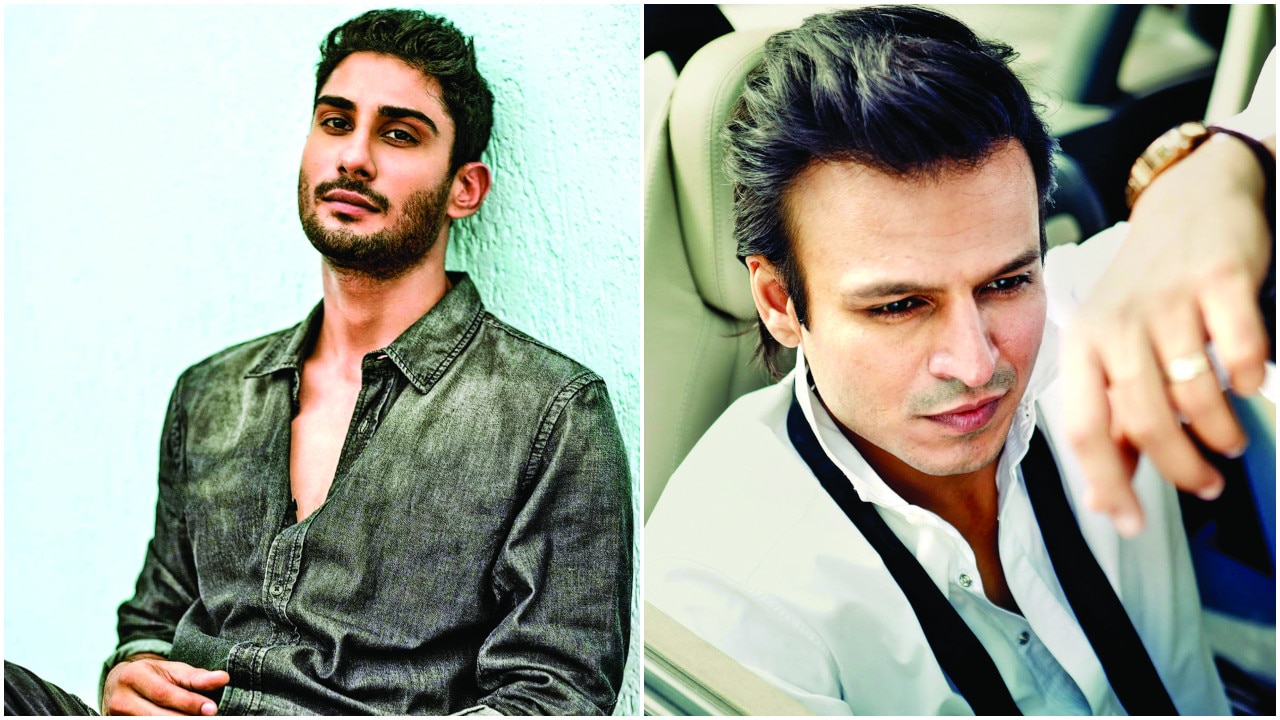
While these villainous portrayals were few and far between, lately, the grey shade seems to be holding quite an appeal for B-Town’s heroes. Prateik Babbar has recently been named the antagonist in A R Murugadoss’s Darbar featuring superstar Rajinikanth as a cop. And if rumours are to be believed, SRK will once again play the bad man in his Tamil debut, actor Vijay’s upcoming film Thalapathy 63.
HEROISM IS OVERRATED
How does a hero prove that he’s a hero if there isn’t a villain to make his life hell? Akshay, who knows this quite well, told another publication why he took on the role of the shape-shifting antagonist Pakshirajan in 2.0. “Many people asked me why I wanted to play a villain and I told them, ‘Why not?’ A hero exists only when there’s a villain.”
Shah Rukh, who has seen success in both his avatars — heroic as well as villainous — has, in the past, been vocal about the lure of the darker side. “Evil or devil, black or little grey characters, be it in books, stories, films or television, have some sort of attraction... I enjoy doing it. I am in no way glorifying negative characters. These are stories and characters. But as an actor, it is one of the greatest highs to play a villain. It is a different kind of a high for an actor,” he has been quoted as saying.
EYEING THE SOUTH
The other notable thing that seems to be happening is that a number of these ‘switchovers’ are happening in the South film industry. While AK’s 2.0 was a Tamil film, Vivek Oberoi has become a sought-after actor in the South after playing a villain successfully in movies such as Vivegam (Tamil) and Lucifer (Malayalam). Darbar, in which Prateik will be crossing swords with Rajinikanth, too, is a Tamil project. It might be a co-incidence but the fact remains that including a Hindi cinema star to a South film lends the movie a pan-India appeal. Also, there is curiosity about what the combination of two stars from two different film industries will bring to the table. Take 2.0, for instance. While Rajinikanth is a superstar in every sense of the word, the Khiladi is undisputedly one of the most successful actors in Bollywood today, with the ability to pull in the masses. His presence in the film ensured that the Hindi version became the fifth-highest Hindi grosser of 2018, netting Rs189.85 crore at the domestic box office.
Trade analyst Taran Adarsh agrees that a movie starring a Bollywood actor in a South film does have its charms. “People are bound to give it a second look because of curiosity. Also, the pan-India appeal makes it viewer-friendly,” he says. However, he doesn’t believe that the South connection is a major factor when it comes to actors making the switch. “Maybe the offers they received were lucrative. It all boils down to the content. Roles are not defined anymore and the lines have blurred. Actors, today, want to do all kinds of roles to showcase their range and versatility. If they are getting an opportunity to do that in a South film, why not?” he concludes.
Prateik Babbar will be the antagonist in A R Murugadoss’ Darbar (left); Vivek Oberoi
Cinema's relentless cyber bullies crossing all limits; targetting critics with abuse and...
8:17 AM

How violence spills over from politics into film fandom online, and why it won't stop any time soon
Supriya Nair (MUMBAI MIRROR; September 17, 2017)
Charu Nivedita didn't enjoy
Chennai's big August hit Vivegam, and had no compunctions about saying
so. An acclaimed experimental writer, Charu has written about all kinds
of cinema, including popular Tamil hits - he uses the word “trash“ with
some relish - for ten or fifteen years. More recently, he recorded brief,
pithy video reviews of some new releases for the YouTube channel Madras
Central.
“Writers don't exist for society,“ Charu says, but if they didn't know his name before, they certainly did over the weekend of Vivegam's release. The film's male lead, Ajith Kumar, is one of Chennai cinema's bona fide superstars. He's critic-proof, but his large following of young men who adore him is not.
He knows it, too. Before Vivegam came out, Ajith issued an unprecedented public statement, through his lawyers, in which he apologized unconditionally for those “misusing his name,“ and condemned the unauthorized use of his name and image on social media. He had prepared for the eventuality that not everyone would stay quiet about the flaws in his film out of love for his handsome face.
It's unclear if this made any difference to the trolls who came out swinging after Charu's YouTube review appeared. Men called to tell him they knew his home address. They wrote saying they knew he had female relatives. “I got death threats,“ Charu says wryly. “But the women of my family received threats straight out of the writings of the Marquis de Sade.“ More or less the same filth besieged another popular YouTube critic, “Blue Shirt“ Maran, who also candidly disliked Vivegam. A parody video recorded in response to Maran's review featured actors threatening “Blue Shirt“ with a machete to his throat, then beating him brutally.
Threats of rape and murder are run of the mill for anyone who offends another's idol on the internet: it's how we punish blasphemers these days. It can be a criminal offence, and offenders may be charged on a variety of counts, including intimidation and obscenity. But while it was not always the case, this kind of abuse is now as much a force in film fandom as they are in politics.
As many have learned in the years since trolling became a feature of Indian public life, the predatorial edge that trolls have over regular people such as you and I and Charu Nivedita is their tirelessness. They are legion. They work in shifts. They can attack for hours and days and weeks. They stalk you. They take - and fake - screenshots. They'll respond to everything you say in public. They are the persistence hunters of digital life, intent on wearing their prey down to destroy them.
The normalization of political cyber bullying has spilled over into Hindi cinema fandom online, where supporters of Hindu right-wing causes have been popularising an imagined conflict between “Muslim“ Bollywood and its “Hindu stars“ for some years now. Like most meaningful developments in Indian cinema, however, the south is the real crucible of change.
Never was this clearer than in early August, when Dhanya Rajendran, journalist and editor-in-chief of The News Minute, fired off a casual, snarky tweet late on a Friday evening about how much she hated Jab Harry Met Sejal. “I watched Vijay's Sura till interval and walked out,“ she wrote. “#WhenHarryMetSejal has made me break that record. Could not sit till interval.“ It wasn't SRK-ians or Anushka-maniacs who found her. Within an hour the tweet had 700 replies, all angry comments from self-proclaimed worshippers of the Tamil star Vijay, considered Ajith's great rival. They were followed by thousands more and included filthy abuse, rape and murder threats. “Here, I understood that people were organising the response to the tweet, so I deleted it,“ Dhanya says. The onslaught only intensified. Over the weekend, the hashtag #PublicityBeepDhanya - the 'beep' standing in for a word that can get you banned for abuse even from notoriously lax Twitter - trended menacingly for hours.
It didn't stop there. “By Monday or Tuesday the next week, when they felt the tide was turning against them, Vijay's women fan clubs“ - online accounts run or appearing to be run by women -“joined in,“ she recalls. Users found stray comments she made about Vijay films in 2011 and 2013 and raked them up, trying to prove that Vijay was a victim of a long-running, sinister agenda.
Over the next few days, it seemed to Dhanya as though every group was trying to isolate her. Someone posted fake screenshots of tweets she had never made about Rajinikanth. Another person, clearly hoping to extend the melée, circulated a collage of isolated tweets from 2012, in which Dhanya had poked fun at M Karunanidhi, leader of the Dravida Munnetra Kazhagam. “At one point, TV show hosts were saying there was fair game because I had tweeted about the DMK,“ she says. M K Stalin, working president of the party, subsequently issued a statement condemning acts meant to “strangulate the freedom of expression, especially of a woman journalist in Chennai,“ and recommended that the rule of law be applied promptly in “curbing this menace.“ Eventually, Vijay himself issued a subdued statement to his followers, asking them to respect women at all costs.
Both Suprateek Chatterjee and Charu Nivedita noted that any sexual violence that came their way tended to target their female relatives By then, the juggernaut had acquired a momentum of its own. Many speculate that Vijay's prolonged silence and lukewarm response to this incident are directly linked to his political ambitions, about which he has made no formal announcements. There's no doubt that many public figures would enjoy being able to control a loyal following by appearing not to control them at all. We have no reason to claim this is true in Vijay's case. Still, the incident reveals how the real ugliness of political discourse can inflect everything, even the way we enjoy and defend our cherished popular cinema.
“Even Twitter wasn't like this a few years ago,“ says film critic Baradwaj Rangan, who says he usually escapes troll scrutiny, such as it is, because he writes lengthy features in English, which fly under the radar of fans who respond more readily to three-minute videos and punchy social media posts. “None of these people read,“ Charu Nivedita says bluntly. (“They react,“ Baradwaj adds.) “And any way, who is telling them to stop?“ Charu says. “They say Ajith is a good guy, but he hasn't had a word to say after these incidents.“
Both Vijay and Ajith are “mass heroes,“ which makes it easy to dismiss their troll armies as uncouth mobs, trapped by their class status and education, and by their Montague Capulet hatred for each other. These biases are hard to confirm in any meaningful way, though. They also don't explain what incentivizes or encourages people to join in witch-hunts that go well beyond the fundamental satisfaction of belonging to a community, and ostensibly defending a person or a movie they love.
Unreasonable accusations of bad faith have always been an occupational hazard for film reviewers. Once, fans upset with negative reviews might have sent snarky letters and gave editors an earful over their rotary phones. For years now, they have left comments below the fold and quote tweeted the critics they hate. With no real language of taste or discrimination to deploy, they complain not of impaired judgement, but of corruption. On any given Friday afternoon, a critic may be accused of being paid off by Shah Rukh when they aren't thrilled by a Salman film, or of being in the Ranbir camp when they write off Ranveer, and so on. But this routine harassment is distinct from the sort of v2 trolling that shades into st unchecked, criminal abuse.
That's what happens to critics like Anna M M Vetticad, author of The Adventures of An Intrepid to Film Critic. Vetticad is no stranger to the highly literate and and extremely misogynist sections of Malayalam language social media, always ready to attack critics for disparaging their icons. Just two weeks ago, her lukewarm review of a new Mammootty film outraged his male devotees so much that they were reduced to describing the favours they imagined she was trading with his rival Mohanlal in incoherent, unprintable desperation.

But it is Vetticad's Hindi movie reviews that have put her in the crosshairs of a section of self-declared rightwing patriots online, who hate it when she is critical of “Hindu stars“ - Hrithik Roshan, Akshay Kumar and Ajay Devgn - and “Hindu“ films like the Baahubalis. Responses to her review of Kumar's Toilet - Ek Prem Katha, were so appalling that they prompted the international Committee To Protect Journalists put out a statement condemning the violence.
Vetticad has written that the “dam burst“ for the right wing when both Aamir Khan and Shah Rukh Khan spoke up against rising cultural intolerance in 2015, after which the religious bigotry that had started to seep into movie conversation online rose in spate. Her Malayali Christian background became a special obsession for her trolls, as has her outspoken feminism. “Go watch Shah Rukh Pai Khan ****ing your mother,“ a commenter spat when her Toilet - Ek Prem Katha review came out. “In both Dhanya and Anna's case, gender had a big role to play,“ says Suprateek Chatterjee, writer and former entertainment editor at the Huffington Post. Both Chatterjee and Charu Nivedita noted that any sexual violence that came their way tended to target their female relatives - in return for an unfavourable review of Chennai Express in 2013, Chatterjee received, among other things, a manipulated image of his face on the body of a naked woman porn star, captioned, “We'll do this to your sister.“
“Until then it was funny,“ Chatterjee, who faced sustained ire (“nothing like what happened to Dhanya or Anna“) from Shah Rukh Khan's fans for that Chennai Express review, remembers. “I don't have a sister, but that was the moment that really took me aback.“ He never reported it to the police, believing it would have little effect. Nor has Charu, who says he doesn't “believe in police action.“ Vetticad, too, believes the chances of concrete action against her trolls are slim.
On the other hand, Dhanya registered an FIR with the Chennai Police the week after the trolling began. The cyber-crime team identified and arrested at least one abuser, who is currently out on bail, and who posted an apology video online, cautioning others not to end up like him.
Over the last couple of years, J Melwyn, inspector in charge of the investigation, has observed a gradual increase in crimes such as this one, he says. They are “not difficult,“ to solve in principle. “But we are slowed down by the communication gap with these social media companies“ - the third party in all these incidents, whose lack of enthusiasm for tackling this variety of criminal abuse has made life on social media untenable for many users. “With their headquarters in other parts of the world, it takes a long time to get responses from these with the information we need,“ Melwyn says. “In this case, we have requested further details from Twitter, and will proceed once we have them.“
Dhanya's Twitter mentions have been quiet for a few days, but it's too soon to say that the trolls have gone. She knows this sort of thing could affect her work, and was proven right in the weeks following the Vijay fallout. A tweet about a major news story - the suicide of the Dalit student Anitha - provoked another wave of outrage against her, this time from people claiming to be offended that she had used the word “Dalit,“ widely considered standard, self determined usage. Among those orchestrating the abuse at her this time was film director Venkat Prabhu, and several film publicists. Perhaps most bizarre, even to her, is the question of how she unwittingly became a flash-point in the Ajith-Vijay stand-off at all. Something that happened to her last year plays on her mind, though. In Madurai with her young son, covering state elections, she was stopped by a male stranger who asked her, “You are Dhanya, isn't it? The Ajith fan?“ “The last Ajith film I saw was Kandukondain Kandukondain (released in 2000),“ she says.
Facts have limited currency in public life, though - and not even the absurd romantic warmth of our movies can offer us respite from our pathologies any more.
“Writers don't exist for society,“ Charu says, but if they didn't know his name before, they certainly did over the weekend of Vivegam's release. The film's male lead, Ajith Kumar, is one of Chennai cinema's bona fide superstars. He's critic-proof, but his large following of young men who adore him is not.
He knows it, too. Before Vivegam came out, Ajith issued an unprecedented public statement, through his lawyers, in which he apologized unconditionally for those “misusing his name,“ and condemned the unauthorized use of his name and image on social media. He had prepared for the eventuality that not everyone would stay quiet about the flaws in his film out of love for his handsome face.
It's unclear if this made any difference to the trolls who came out swinging after Charu's YouTube review appeared. Men called to tell him they knew his home address. They wrote saying they knew he had female relatives. “I got death threats,“ Charu says wryly. “But the women of my family received threats straight out of the writings of the Marquis de Sade.“ More or less the same filth besieged another popular YouTube critic, “Blue Shirt“ Maran, who also candidly disliked Vivegam. A parody video recorded in response to Maran's review featured actors threatening “Blue Shirt“ with a machete to his throat, then beating him brutally.
Threats of rape and murder are run of the mill for anyone who offends another's idol on the internet: it's how we punish blasphemers these days. It can be a criminal offence, and offenders may be charged on a variety of counts, including intimidation and obscenity. But while it was not always the case, this kind of abuse is now as much a force in film fandom as they are in politics.
As many have learned in the years since trolling became a feature of Indian public life, the predatorial edge that trolls have over regular people such as you and I and Charu Nivedita is their tirelessness. They are legion. They work in shifts. They can attack for hours and days and weeks. They stalk you. They take - and fake - screenshots. They'll respond to everything you say in public. They are the persistence hunters of digital life, intent on wearing their prey down to destroy them.
The normalization of political cyber bullying has spilled over into Hindi cinema fandom online, where supporters of Hindu right-wing causes have been popularising an imagined conflict between “Muslim“ Bollywood and its “Hindu stars“ for some years now. Like most meaningful developments in Indian cinema, however, the south is the real crucible of change.
Never was this clearer than in early August, when Dhanya Rajendran, journalist and editor-in-chief of The News Minute, fired off a casual, snarky tweet late on a Friday evening about how much she hated Jab Harry Met Sejal. “I watched Vijay's Sura till interval and walked out,“ she wrote. “#WhenHarryMetSejal has made me break that record. Could not sit till interval.“ It wasn't SRK-ians or Anushka-maniacs who found her. Within an hour the tweet had 700 replies, all angry comments from self-proclaimed worshippers of the Tamil star Vijay, considered Ajith's great rival. They were followed by thousands more and included filthy abuse, rape and murder threats. “Here, I understood that people were organising the response to the tweet, so I deleted it,“ Dhanya says. The onslaught only intensified. Over the weekend, the hashtag #PublicityBeepDhanya - the 'beep' standing in for a word that can get you banned for abuse even from notoriously lax Twitter - trended menacingly for hours.
It didn't stop there. “By Monday or Tuesday the next week, when they felt the tide was turning against them, Vijay's women fan clubs“ - online accounts run or appearing to be run by women -“joined in,“ she recalls. Users found stray comments she made about Vijay films in 2011 and 2013 and raked them up, trying to prove that Vijay was a victim of a long-running, sinister agenda.
Over the next few days, it seemed to Dhanya as though every group was trying to isolate her. Someone posted fake screenshots of tweets she had never made about Rajinikanth. Another person, clearly hoping to extend the melée, circulated a collage of isolated tweets from 2012, in which Dhanya had poked fun at M Karunanidhi, leader of the Dravida Munnetra Kazhagam. “At one point, TV show hosts were saying there was fair game because I had tweeted about the DMK,“ she says. M K Stalin, working president of the party, subsequently issued a statement condemning acts meant to “strangulate the freedom of expression, especially of a woman journalist in Chennai,“ and recommended that the rule of law be applied promptly in “curbing this menace.“ Eventually, Vijay himself issued a subdued statement to his followers, asking them to respect women at all costs.
Both Suprateek Chatterjee and Charu Nivedita noted that any sexual violence that came their way tended to target their female relatives By then, the juggernaut had acquired a momentum of its own. Many speculate that Vijay's prolonged silence and lukewarm response to this incident are directly linked to his political ambitions, about which he has made no formal announcements. There's no doubt that many public figures would enjoy being able to control a loyal following by appearing not to control them at all. We have no reason to claim this is true in Vijay's case. Still, the incident reveals how the real ugliness of political discourse can inflect everything, even the way we enjoy and defend our cherished popular cinema.
“Even Twitter wasn't like this a few years ago,“ says film critic Baradwaj Rangan, who says he usually escapes troll scrutiny, such as it is, because he writes lengthy features in English, which fly under the radar of fans who respond more readily to three-minute videos and punchy social media posts. “None of these people read,“ Charu Nivedita says bluntly. (“They react,“ Baradwaj adds.) “And any way, who is telling them to stop?“ Charu says. “They say Ajith is a good guy, but he hasn't had a word to say after these incidents.“
Both Vijay and Ajith are “mass heroes,“ which makes it easy to dismiss their troll armies as uncouth mobs, trapped by their class status and education, and by their Montague Capulet hatred for each other. These biases are hard to confirm in any meaningful way, though. They also don't explain what incentivizes or encourages people to join in witch-hunts that go well beyond the fundamental satisfaction of belonging to a community, and ostensibly defending a person or a movie they love.
Unreasonable accusations of bad faith have always been an occupational hazard for film reviewers. Once, fans upset with negative reviews might have sent snarky letters and gave editors an earful over their rotary phones. For years now, they have left comments below the fold and quote tweeted the critics they hate. With no real language of taste or discrimination to deploy, they complain not of impaired judgement, but of corruption. On any given Friday afternoon, a critic may be accused of being paid off by Shah Rukh when they aren't thrilled by a Salman film, or of being in the Ranbir camp when they write off Ranveer, and so on. But this routine harassment is distinct from the sort of v2 trolling that shades into st unchecked, criminal abuse.
That's what happens to critics like Anna M M Vetticad, author of The Adventures of An Intrepid to Film Critic. Vetticad is no stranger to the highly literate and and extremely misogynist sections of Malayalam language social media, always ready to attack critics for disparaging their icons. Just two weeks ago, her lukewarm review of a new Mammootty film outraged his male devotees so much that they were reduced to describing the favours they imagined she was trading with his rival Mohanlal in incoherent, unprintable desperation.
But it is Vetticad's Hindi movie reviews that have put her in the crosshairs of a section of self-declared rightwing patriots online, who hate it when she is critical of “Hindu stars“ - Hrithik Roshan, Akshay Kumar and Ajay Devgn - and “Hindu“ films like the Baahubalis. Responses to her review of Kumar's Toilet - Ek Prem Katha, were so appalling that they prompted the international Committee To Protect Journalists put out a statement condemning the violence.
Vetticad has written that the “dam burst“ for the right wing when both Aamir Khan and Shah Rukh Khan spoke up against rising cultural intolerance in 2015, after which the religious bigotry that had started to seep into movie conversation online rose in spate. Her Malayali Christian background became a special obsession for her trolls, as has her outspoken feminism. “Go watch Shah Rukh Pai Khan ****ing your mother,“ a commenter spat when her Toilet - Ek Prem Katha review came out. “In both Dhanya and Anna's case, gender had a big role to play,“ says Suprateek Chatterjee, writer and former entertainment editor at the Huffington Post. Both Chatterjee and Charu Nivedita noted that any sexual violence that came their way tended to target their female relatives - in return for an unfavourable review of Chennai Express in 2013, Chatterjee received, among other things, a manipulated image of his face on the body of a naked woman porn star, captioned, “We'll do this to your sister.“
“Until then it was funny,“ Chatterjee, who faced sustained ire (“nothing like what happened to Dhanya or Anna“) from Shah Rukh Khan's fans for that Chennai Express review, remembers. “I don't have a sister, but that was the moment that really took me aback.“ He never reported it to the police, believing it would have little effect. Nor has Charu, who says he doesn't “believe in police action.“ Vetticad, too, believes the chances of concrete action against her trolls are slim.
On the other hand, Dhanya registered an FIR with the Chennai Police the week after the trolling began. The cyber-crime team identified and arrested at least one abuser, who is currently out on bail, and who posted an apology video online, cautioning others not to end up like him.
Over the last couple of years, J Melwyn, inspector in charge of the investigation, has observed a gradual increase in crimes such as this one, he says. They are “not difficult,“ to solve in principle. “But we are slowed down by the communication gap with these social media companies“ - the third party in all these incidents, whose lack of enthusiasm for tackling this variety of criminal abuse has made life on social media untenable for many users. “With their headquarters in other parts of the world, it takes a long time to get responses from these with the information we need,“ Melwyn says. “In this case, we have requested further details from Twitter, and will proceed once we have them.“
Dhanya's Twitter mentions have been quiet for a few days, but it's too soon to say that the trolls have gone. She knows this sort of thing could affect her work, and was proven right in the weeks following the Vijay fallout. A tweet about a major news story - the suicide of the Dalit student Anitha - provoked another wave of outrage against her, this time from people claiming to be offended that she had used the word “Dalit,“ widely considered standard, self determined usage. Among those orchestrating the abuse at her this time was film director Venkat Prabhu, and several film publicists. Perhaps most bizarre, even to her, is the question of how she unwittingly became a flash-point in the Ajith-Vijay stand-off at all. Something that happened to her last year plays on her mind, though. In Madurai with her young son, covering state elections, she was stopped by a male stranger who asked her, “You are Dhanya, isn't it? The Ajith fan?“ “The last Ajith film I saw was Kandukondain Kandukondain (released in 2000),“ she says.
Facts have limited currency in public life, though - and not even the absurd romantic warmth of our movies can offer us respite from our pathologies any more.

It was like a fatwa was issued against me from the powers that be-Vivek Oberoi
8:04 AM
The
actor who was once forsaken by the industry on reinventing himself,
finding comfort in philanthropy and how family time is non-negotiable
Kunal Guha (MUMBAI MIRROR; September 17, 2017)
Once an industry pariah, 41-year-old Vivek Oberoi is “not defined by how people perceive” him any more. The actor, who clocks 15 years in the industry, of which the last few have been less active, recently surfaced playing the negative lead in the web series Inside Edge and the Tamil movie Vivegam, which crossed the Rs 200 croremark at the box office. When Mirror caught up with him at his Juhu home, he’s readying for a TV appearance. We are offered a corner couch in the L-shaped hall on the ground floor of his bungalow. Soon, the actor emerges from a metallic elevator and suggests we conduct the interaction, while he gets his hair and makeup done. Before we settle down, we can’t miss his book collection. Two titles stand out — How to read a film and a coffee table volume, Bollywood. Some would argue that his career would’ve taken a different turn had he read the second before the first.
Oberoi’s latest avatar in Inside Edge, that of a ruthless owner of a sports management company, has resonated with many and marked his second innings of sorts. He claims to be “the first mainstream actor to jump into the medium”. “I realised this is the beginning of the future,” he says of video-on-demand players. Since his character on the show channels a more nuanced evil, it required him to be “measured and deliberate with his body language” and introduce “pauses at odd points in dialogue”. “The idea was to be so confusing that one feels uncomfortable around him. When Karan Anshuman (the creator of the show) narrated the character to me, he was worried it was too dark. But I told him my only reservation was that it wasn’t dark enough.” Another recent success for him is Tamil superhit Vivegam — a project he calls “gratifying” and “challenging”. “I had to speak in a language I didn’t understand and yet be convincing,” he says of the thriller, which stars Ajith Kumar and Kajal Aggarwal.
That we don’t see much of him now is for his “selective approach to work”. His priorities, in order of importance, are family, charity, films and business. “It so happened that between 2012-13, when Vivaan was born, I only saw him growing up in the cradle. I’d return late at night and missed all the landmark moments that I will never get back. I was making so much money, but felt empty,” he says, as the hairdresser sprays his hair to hold it in place. “Give me more height,” he says, requesting the stylist to puff up his hair, raising his palm over his slick hairdo.
Oberoi, who debuted with the noir hit Company, which won the Filmfare award for Best Debut and Best Supporting Actor, straddled genres from the beginning. With Saathiya, he established his ability to sink into romance; with Masti, he played to front bencher seetis. But his dream run came to a halt, following a public bout with superstar Salman Khan and he became “the guy nobody was supposed to work with”. “It was like a fatwa was issued against me from the powers that be,” he says. But not everyone agrees with this. “To what extent Salman blacklisted him from the industry is a matter of conjecture. It’s easy to assume that he used his clout to ask people to exclude Vivek from projects. But then, Salman didn’t get along with Ranbir Kapoor and John Abraham either and they’ve both got work through the years,” says an acquaintance of Vivek’s.
The various setbacks that marred his career seems to be a topic Oberoi is prepared for and he leans in to reflect on them. “When my personal life got messed up, I couldn’t keep my eye on the ball,” he says of his “difficult phase”. “Even if I gave a hit, work wouldn’t follow. Shootout At Lokhandwala became a huge hit, but I sat at home for a year after that.” Apart from projects Oberoi was denied, there were also those he refused which could’ve catapulted him from his slump. “Vivek only chose the worst films. He let go of Hum Tum, Bunty Aur Babli and Om Shanti Om. If your films are successful, people work with you, regardless. Vivek had 9 to 10 flops in a row,” an industry insider tells us. Oberoi is quick to refute that he was ever offered Bunty Aur Babli and says he had valid reasons for refusing the others. “Hum Tum was offered to me on the exact same day that I was supposed to begin shooting for Kisna, which was delayed since I had an accident during Yuva. Some things were just not meant to be.” He refused Om Shanti Om because he was also working on Shootout at Lokhandwala and “didn’t want to play a negative character again”. Director Indra Kumar, who gave Oberoi his first 100-crore hit, Grand Masti, the second in the Masti franchise, feels the actor “hasn’t got his due as luck didn’t favour him”. “If you select wrong subjects, films or directors, your luck will run out. Aamir [Khan] gave seven flops before doing Dil, after which, he never looked back,” says Kumar.
That Oberoi’s public perception has been coloured by media reports brings us to his relationship with the press. Senior journalists who’ve followed his career allege that he’s had ‘attitude problems’. Even before his debut, a reporter remembers Oberoi demanding a frontpage coverage for an interview. “I am sure that if people found me difficult at that time, I probably was,” he says with a smile. But he adds that he’s maintained a symbiotic relationship with the media. “My PR agency may have requested for a prominent display, but I never have. Also, even if an actor does, I don’t think that’s wrong because media houses ask actors to visit Ganesh pandals or other events. It works both ways.”
As the makeup artist covers up his crow’s feet, Oberoi shares his grouse with industry folk. “Everything is personal, be it success or failure,” he says, sounding almost exasperated. “People can be supportive but at the end of the day, the fight is yours. If you break down, the game is over.” Luckily, before Oberoi could crack, he found solace in charity. He remembers the defining moment when he was “wallowing in self pity”, following a string of flops, and his mother took him to the pediatric wing of Tata Memorial Hospital to meet five-year-olds, who were fighting cancer. “Seeing the smiles on their faces, I realised that my problems were nothing, and I had no right to crib about my life.” The actor instantly swore to use his celebrity status to make an impact. His Project DEVI (Development and Empowerment of Vrindavan Girls’ Initiative) has cared for 2000 minors in the last nine years, even earning him a place in Forbes’ Top 40 philanthropists under 40.
Another life-turning event was his marriage to Priyanka Alwa. He remembers the first time they met. It was his parents who set them up. “We chatted for seven hours and there was a 40-minute silence, which didn’t feel uncomfortable,” says the actor, who was sure he had found his partner the very same day. “Marriage can be a window to your ownself. You think ‘I am not like this’ and then your wife says ‘No, you are’ and it helps in course correction or just appreciating who you are.” Before Oberoi leaves for his meeting, he has a question for us. “Tell me, who was the biggest star in 1956?” he asks, almost certain he wouldn’t get an answer. “Forget knowing, would you even care? No matter how big a star you become, how many awards you win, I know now that it doesn’t last.”
Once an industry pariah, 41-year-old Vivek Oberoi is “not defined by how people perceive” him any more. The actor, who clocks 15 years in the industry, of which the last few have been less active, recently surfaced playing the negative lead in the web series Inside Edge and the Tamil movie Vivegam, which crossed the Rs 200 croremark at the box office. When Mirror caught up with him at his Juhu home, he’s readying for a TV appearance. We are offered a corner couch in the L-shaped hall on the ground floor of his bungalow. Soon, the actor emerges from a metallic elevator and suggests we conduct the interaction, while he gets his hair and makeup done. Before we settle down, we can’t miss his book collection. Two titles stand out — How to read a film and a coffee table volume, Bollywood. Some would argue that his career would’ve taken a different turn had he read the second before the first.
Oberoi’s latest avatar in Inside Edge, that of a ruthless owner of a sports management company, has resonated with many and marked his second innings of sorts. He claims to be “the first mainstream actor to jump into the medium”. “I realised this is the beginning of the future,” he says of video-on-demand players. Since his character on the show channels a more nuanced evil, it required him to be “measured and deliberate with his body language” and introduce “pauses at odd points in dialogue”. “The idea was to be so confusing that one feels uncomfortable around him. When Karan Anshuman (the creator of the show) narrated the character to me, he was worried it was too dark. But I told him my only reservation was that it wasn’t dark enough.” Another recent success for him is Tamil superhit Vivegam — a project he calls “gratifying” and “challenging”. “I had to speak in a language I didn’t understand and yet be convincing,” he says of the thriller, which stars Ajith Kumar and Kajal Aggarwal.
That we don’t see much of him now is for his “selective approach to work”. His priorities, in order of importance, are family, charity, films and business. “It so happened that between 2012-13, when Vivaan was born, I only saw him growing up in the cradle. I’d return late at night and missed all the landmark moments that I will never get back. I was making so much money, but felt empty,” he says, as the hairdresser sprays his hair to hold it in place. “Give me more height,” he says, requesting the stylist to puff up his hair, raising his palm over his slick hairdo.
Oberoi, who debuted with the noir hit Company, which won the Filmfare award for Best Debut and Best Supporting Actor, straddled genres from the beginning. With Saathiya, he established his ability to sink into romance; with Masti, he played to front bencher seetis. But his dream run came to a halt, following a public bout with superstar Salman Khan and he became “the guy nobody was supposed to work with”. “It was like a fatwa was issued against me from the powers that be,” he says. But not everyone agrees with this. “To what extent Salman blacklisted him from the industry is a matter of conjecture. It’s easy to assume that he used his clout to ask people to exclude Vivek from projects. But then, Salman didn’t get along with Ranbir Kapoor and John Abraham either and they’ve both got work through the years,” says an acquaintance of Vivek’s.
The various setbacks that marred his career seems to be a topic Oberoi is prepared for and he leans in to reflect on them. “When my personal life got messed up, I couldn’t keep my eye on the ball,” he says of his “difficult phase”. “Even if I gave a hit, work wouldn’t follow. Shootout At Lokhandwala became a huge hit, but I sat at home for a year after that.” Apart from projects Oberoi was denied, there were also those he refused which could’ve catapulted him from his slump. “Vivek only chose the worst films. He let go of Hum Tum, Bunty Aur Babli and Om Shanti Om. If your films are successful, people work with you, regardless. Vivek had 9 to 10 flops in a row,” an industry insider tells us. Oberoi is quick to refute that he was ever offered Bunty Aur Babli and says he had valid reasons for refusing the others. “Hum Tum was offered to me on the exact same day that I was supposed to begin shooting for Kisna, which was delayed since I had an accident during Yuva. Some things were just not meant to be.” He refused Om Shanti Om because he was also working on Shootout at Lokhandwala and “didn’t want to play a negative character again”. Director Indra Kumar, who gave Oberoi his first 100-crore hit, Grand Masti, the second in the Masti franchise, feels the actor “hasn’t got his due as luck didn’t favour him”. “If you select wrong subjects, films or directors, your luck will run out. Aamir [Khan] gave seven flops before doing Dil, after which, he never looked back,” says Kumar.
That Oberoi’s public perception has been coloured by media reports brings us to his relationship with the press. Senior journalists who’ve followed his career allege that he’s had ‘attitude problems’. Even before his debut, a reporter remembers Oberoi demanding a frontpage coverage for an interview. “I am sure that if people found me difficult at that time, I probably was,” he says with a smile. But he adds that he’s maintained a symbiotic relationship with the media. “My PR agency may have requested for a prominent display, but I never have. Also, even if an actor does, I don’t think that’s wrong because media houses ask actors to visit Ganesh pandals or other events. It works both ways.”
As the makeup artist covers up his crow’s feet, Oberoi shares his grouse with industry folk. “Everything is personal, be it success or failure,” he says, sounding almost exasperated. “People can be supportive but at the end of the day, the fight is yours. If you break down, the game is over.” Luckily, before Oberoi could crack, he found solace in charity. He remembers the defining moment when he was “wallowing in self pity”, following a string of flops, and his mother took him to the pediatric wing of Tata Memorial Hospital to meet five-year-olds, who were fighting cancer. “Seeing the smiles on their faces, I realised that my problems were nothing, and I had no right to crib about my life.” The actor instantly swore to use his celebrity status to make an impact. His Project DEVI (Development and Empowerment of Vrindavan Girls’ Initiative) has cared for 2000 minors in the last nine years, even earning him a place in Forbes’ Top 40 philanthropists under 40.
Another life-turning event was his marriage to Priyanka Alwa. He remembers the first time they met. It was his parents who set them up. “We chatted for seven hours and there was a 40-minute silence, which didn’t feel uncomfortable,” says the actor, who was sure he had found his partner the very same day. “Marriage can be a window to your ownself. You think ‘I am not like this’ and then your wife says ‘No, you are’ and it helps in course correction or just appreciating who you are.” Before Oberoi leaves for his meeting, he has a question for us. “Tell me, who was the biggest star in 1956?” he asks, almost certain he wouldn’t get an answer. “Forget knowing, would you even care? No matter how big a star you become, how many awards you win, I know now that it doesn’t last.”
Akshara Haasan has found peace in Buddhism
7:44 AM

Actress says she wants to reach the peak but by living life on her terms
Avinash Lohana (MUMBAI MIRROR; July 29, 2017)
Akshara Haasan, who had made her Bollywood debut with R Balki’s satire, Shamitabh, alongside Amitabh Bachchan and Dhanush, followed by the romcom Laali Ki Shaadi Mein Laaddoo Deewana, is currently promoting her forthcoming Tamil film, Vivegam, with South superstar Ajith Kumar. And while chatting, the 25-year-old actress admitted that she has embraced Buddhism, taking even her filmmaker-father by surprise. Kamal Haasan took to the social media, stating, “Hi. Akshu. Have you changed your religion? Love you, even if you have. Love unlike religion is unconditional. Enjoy life. Love - Your Bapu.”
When contacted, Akshara clarified, “I have not converted to Buddhism, I am still an atheist, but I have embraced Buddhism as a way of life. A friend of mine has been following it and my conversations with him along with my curious mind and my parents’ (Kamal and Sarika) open mindedness made me contemplate Buddhism. Gautam Buddha, himself, didn’t want to be looked up to as God, he found nirvana by following the path, which he had created for himself. I too want to reach the peak by following my own path and living life on my own terms.”
The actress asserts that the faith has made her a better person. Today, she understands that one should be kind and not hurt anyone. “My actions speak louder than words. Yes, all of us make mistakes at times, but we must learn from them and move on. Today, I am at peace with myself and also at peace with everyone around me,” says Akshara, who had discussed the ‘path’ with her actress-sister Shruti. “We are an open-minded family and accept each other for what we are. She was very encouraging.”
She maintains that Buddhism has definitely made her life more enriching. “I am really happy, I wish I could have met Buddha,” she adds.
I don't know if I'll do adult comedies again-Vivek Oberoi
7:43 AM

Upala KBR (DNA; June 14, 2017)
In his next film, Bank Chor, Vivek Oberoi teams up with Riteish Deshmukh again, and for the first time in a film it’s not an adult comedy. While the actor says that he’s not ashamed of those films, he’d rather steer clear of them now. We catch him in a reflective mood, as he speaks about marriage and fatherhood.
Tell me abut Bank Chor...
I play a highly-decorated and tough cop, Amjad Khan, who busts a regular bank robbery. While Riteish Deshmukh’s character and the rest of the gang are pulling off the heist, you don’t know whether Amjad is a good cop or bad, there to save or nab them. That’s the parallel track that keeps unravelling and gives the comedy an edge and adventure.
How was it working with Riteish Deshmukh again?
This is our fourth project together after Masti, Grand Masti, and Great Grand Masti. But, this is the first film that you can actually sit with your family and watch us on screen without being embarrassed. I’m familiar with Riteish’s comic timing and there’s great scope for improvising when working with him. Sometimes our director, Bumpy, would just roll the camera and ask us to do whatever we wanted.
Riteish has given up adult comedies. How about you?
The Masti series was the only outing I had in that space. I used to call Riteish ‘daddu’ because he was the Dadasaheb of adult comedies. You name the adult comedy brand, and he has been a part of it. I think for him it was a big conscious decision to split away from that space and image, as he had done so much of it that he was tired. Adult comedies were never much of my repertoire. I’m not a hypocrite. If I have done a film, I have done it knowingly and unabashedly. However, what I am right now, I don’t know if I will do adult comedies ever again because that was a phase.
Have marriage and fatherhood brought about more maturity?
I think they are two extremely important milestones in your life. Priyanka makes me feel there’s so much more to life. My children make me want to be the best human being every single day. I never leave home without seeing them no matter what. I try to reach home by 7 pm every day so I can bathe and feed them and read them stories.
There’s buzz that you have a negative role in Vivegam with Tamil superstar Ajith Kumar...
Yes, I am doing my first Tamil film. People are confused about whether I play the hero or the villain, or I have a negative role or not. It’s a powerful parallel role. I have always admired Ajith’s work and the way he is constantly reinventing himself. I was blown by his performance in Vedalam. When the director of the film Siva called me and said that he created the title Vivegam (my name in Tamil) only because he wanted me in the film, I was really humbled. It’s a Rs 120 crore film and shot all across the globe in countries like Romania, Albania, Bulgaria, Serbia, etc.
Biopics are quite popular these days. Who would you like to essay on screen?
I’m offered biopics everyday but most are gangster biopics. However, there is something that might work out. I don’t know if I should talk about it right now because the subject’s name is iconic. But, my dream role would be to play Swami Vivekanand. He brought this new face to spirituality. I was named after him; my real name is Vivek Anand Oberoi.
One quality you would like to steal from these stars
Shah Rukh Khan: His amazing confidence.
Aamir Khan: His dedication and commitment.
Salman Khan: His spontaneity. I love it.
Saif Ali Khan: His sense of humour.
Akshay Kumar: His good habits. He sleep at 9 pm and wakes up at 4 am. He’s brilliant.
Hrithik Roshan: I have already stolen a lot from Duggu, as I have learned a lot from him. I’d like to imbibe his ability to embrace adversity and go beyond it — like he did with his stammering.
Farhan Akhtar: His quirkiness and cool attitude.
Katrina Kaif: Her dance moves.
Alia Bhatt: The combination of those 1000 watt dimples that go into the 10,000 watt smile in her eyes.
Priyanka Chopra: Her self-belief — look where it’s taken her and look where she is today. Hats off to her. I am really proud of her.
The Serbians are honest and welcome Indians with open arms-Vivek Oberoi
4:25 PM

For centuries, straddling the boundaries between the East and the West, the territory of Serbia has been divided among the Eastern and Western halves of the Roman Empire, then between Byzantium and the Kingdom of Hungary, and in the early modern period between the Ottoman Empire and the Habsburg Empire. These overlapping influences have resulted in cultural varieties throughout Serbia. The country’s capital Belgrade is characteristic of the Balkans, the Mediterranean and the Orthodox Church, and is covered in culturally significant monuments, five of which are UNESCO World Heritage sites. Actor-businessman Vivek Oberoi who is presently shooting in the European country shares his experiences:
History lessons
This is my first visit to Serbia and I’m happy it’s a 40-day schedule for my Tamil film Vivegam. The production unit worked really hard getting the requisite permission and now we have a very supportive government on our side. I’m a history buff and followed the country’s political and demographical evolution from the Celtic times, through the Ottoman Empire to the Second World War. Serbia was India’s strong strategic partner in the non-aligned movement, when the country was still Yugoslavia. Like us, Serbians are traditional in their thought, have strong family bonds and extremely proud of their heritage and culture.
Brrr, it’s minus 12 degrees!
Shooting in minus 12 degrees is difficult, and night shoots are colder. We get sunlight for eight-nine hours, but as soon as it’s ‘Cut”’, two unit hands run to me with blankets. When we aren’t shooting, I wear jackets and long coats. My wife Priyanka enjoys sipping hot coffee in the cold. We’ve mostly been filming in Belgrade. I’ve had time to explore the city centre and visit the Belgrade Military Museum with its exhibition of tanks down the ages.
The Nikola Tesla Museum houses over a million books, historical exhibits, photo plates of original objects, plans and drawings. It is registered as a part of UNESCO’s Memory of the World Programme register owning to its critical role in the electrification of the world and future technological advancements in this area. The highlight of my trip was a visit to the Belgrade Air Force Base. Not many tourists get permission to enter it, but because of my association with the film, I landed this opportunity. I also went to the church of Saint Sava on the Vracar plateau, one of the largest Orthodox churches in the world. It is dedicated to Saint Sava, the founder of the Serbian Orthodox Church and an important figure in medieval times. It offers a panoramic view of Belgrade’s cityscape.
Fresh from the streets
I love the local cuisine. The markets sell fresh street food and you can buy organic fruits and veggies daily. I could actually taste the difference in the produce here in their size, colour and flavour. The vendors are as beautiful as the region and so helpful. I’d recommend the grilled meat, stuffed cabbage, minced beef and pork preparations with rice stuffed in vine leaves. I love Serbian beans, podvarak, which is roast meat, and moussaka, which is minced pork or beef mixed with eggs and potatoes and baked. Yummy! Priyanka and I took a tour of Belgrade by night. While walking the streets around midnight, Priyanka and I noticed how safe the country was.
I started shooting only recently but the crew has spent almost two months here and no one has ever faced a problem. The Serbians are honest and welcome Indians with open arms. I was surprised to see so many tourists in Serbia. People visit during winter too, in November and December. I did not bump into any fans but the locals are familiar with our film culture. Since, Priyanka and I are both gypsies, we love wearing our boots and backpacking. We’ve travelled extensively through Europe. Next, I’d like to explore stunning Central and Eastern Europe by visiting Montenegro, Croatia, Bosnia and Macedonia. They’re all alluring regions!
Check out Vivek Oberoi shooting for Vivegam in Serbia
7:35 AM

Sanyukta Iyer (MUMBAI MIRROR; April 24, 2017)
Vivek Oberoi who was last
seen in Indra Kumar's multi-starrer comedy Great Grand Masti last year,
kicked off shooting for the Tamil film, Vivegam, last week in Serbia.
The action-thriller, co-written and directed by Siva, features South
stars Ajith, Kajal Aggarwal and Akshara Haasan, as leads with Vivek
stepping into the role of the villain. “It's more of an anti-hero
character,“ Vivek pointed
out, adding that he has been riding battle tanks and shooting
high-voltage stunts at the Belgrade Air Force base in minus 12 degrees.
The unit's ongoing 30-day schedule was preceded by a shoot that had taken place in Slovenia in August 2016 with leading man Ajith. Made at a whopping budget of Rs 120 crore with action sequences being choreographed by an international crew, Vivegam is expected to be one of the biggest projects rolling out of the Tamil film industry this year.
The unit's ongoing 30-day schedule was preceded by a shoot that had taken place in Slovenia in August 2016 with leading man Ajith. Made at a whopping budget of Rs 120 crore with action sequences being choreographed by an international crew, Vivegam is expected to be one of the biggest projects rolling out of the Tamil film industry this year.
Vivek Oberoi is back as anti-hero with Tamil film Vivegam & web series Power Play
7:53 AM

In the Tamil film Vivegam, Vivek will lock horns with South superstar Ajith. He is also set to make his debut on the digital platform with the web series, Power Play
BOMBAY TIMES (March 22, 2017)
Vivek Oberoi has always
pulled off dark characters with elan. Be it as gangster Chandu in his
debut outing Company, Maya bhai in Shootout At Lokhandwala,
gangster-turned-politician Pratap Ravi in Rakht Charitra, or the evil
Kaal in the superhero franchise Krrish 3, the versatile actor has made
bad look good.
Now, he is all set to return to the grey zone with two distinct characters. Upcoming Tamil film Vivegam will see him locking horns with South superstar Ajith. He will also make his debut on the digital platform with Excel Entertainment's soon-to-be-released web series Power Play, in which he plays a pivotal role.
While he enjoys doing comedies, Vivek finds negative characters more challenging, because they are drastically different from the kind of person he is in real life.
Now, he is all set to return to the grey zone with two distinct characters. Upcoming Tamil film Vivegam will see him locking horns with South superstar Ajith. He will also make his debut on the digital platform with Excel Entertainment's soon-to-be-released web series Power Play, in which he plays a pivotal role.
While he enjoys doing comedies, Vivek finds negative characters more challenging, because they are drastically different from the kind of person he is in real life.
Subscribe to:
Posts (Atom)