Showing posts with label Tillotama Shome. Show all posts
Showing posts with label Tillotama Shome. Show all posts
Shweta Tripathi talks about juggling Mirzapur and her maiden production Mujhe Jaan Na Kaho Meri Jaan
10:57 AM
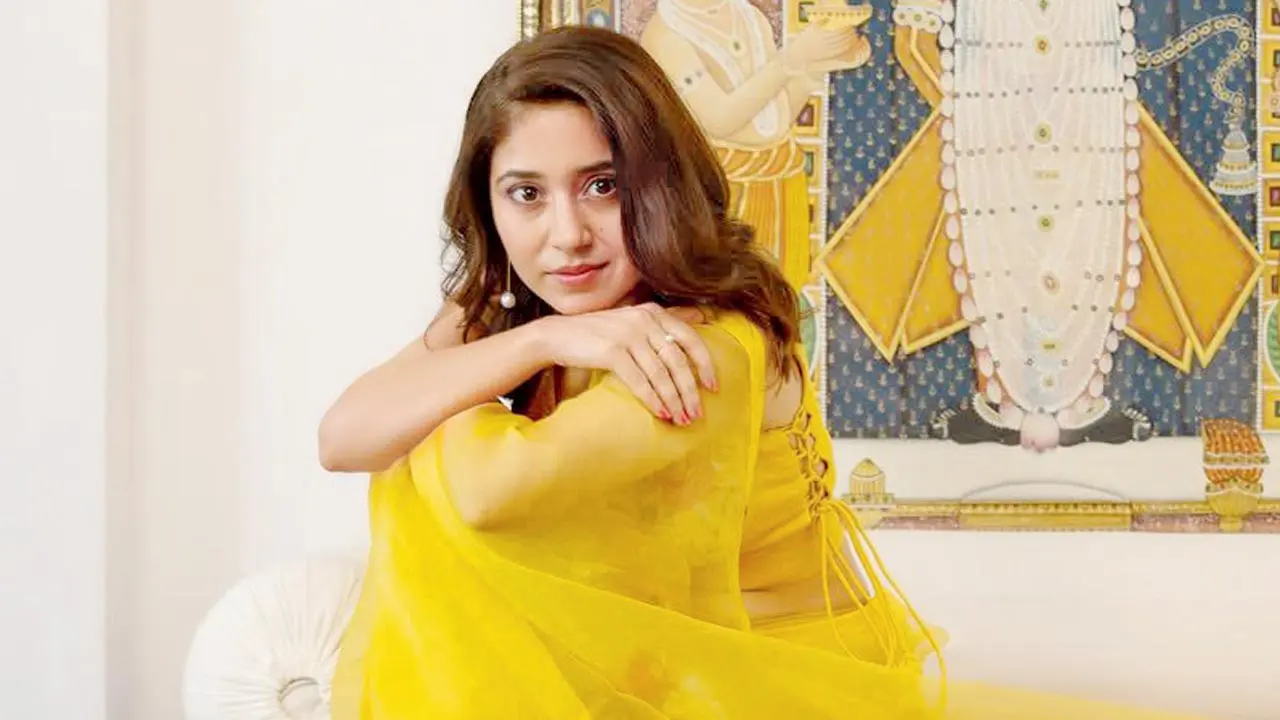
Mohar Basu (MID-DAY; August 7, 2025)
Shweta Tripathi is in prep mode, not just to return as Golu Gupta in the cult crime drama Mirzapur: The Film, but also for her maiden production venture, Mujhe Jaan Na Kaho Meri Jaan. With double the responsibility, the actor is thrilled to dive deep into both her passion projects.
Having already locked the cast for Mujhe Jaan Na Kaho Meri Jaan — a queer love story under her banner — Tripathi reveals she will begin principal photography on her debut production once she wraps up Mirzapur: The Film.
The Prime Video series, now being adapted as a film, has already sparked curiosity and excitement among fans and industry insiders, particularly with the return of beloved characters. “Mirzapur: The Film will kickstart shooting in September. All my energy will be directed towards it for the next few months,” says the actor-producer, who is currently in the pre-production phase of the Tillotama Shome-starrer.
“We’re in the midst of building the world and locking final details. This story is extremely close to my heart and I’m so glad to have someone like Tillotama on board. I want to give both the projects the focus they deserve.”
The Shome-starrer will go on floors in November. “I am so excited for this phase of my career. It feels like I’m expanding the canvas and emotional core of myself as an artiste, and am chuffed about it,” she adds.
Shweta Tripathi launches her production house Bandarful
9:35 AM

Mohar Basu (MID-DAY; July 26, 2025)
Ten years ago, as Shweta Tripathi starred in Masaan (2015), she saw how the film propelled the careers of many, including that of director Neeraj Ghaywan, actors Vicky Kaushal, Richa Chadha, and her. As the acclaimed film completed a decade on July 24, Tripathi felt ready to launch her own production house, Bandarful. It’s more than a business move; she says the decision comes from the desire to create a space where talent meets opportunity.
“Right from the beginning, I’ve had support from people like Guneet Monga [Kapoor], Anurag Kashyap, and Karan Johar. I never felt like an outsider. I’m happy that filmmakers took a chance on me. They saw beyond the stereotypes and noticed the talent in me. Now, I want to see that in others and give them a platform,” says the new producer.
Often, we wait for others to drive change, notes the actor. By launching the production house, she wanted to take the lead in ushering in new talent. “There are so many talented people. If I have the resources, at least I will be able to provide them with an opportunity. It’s easy to point fingers at others for not supporting such talents, but we first need to ask ourselves: What am I doing for them? That was the original thought behind launching this venture.”
Bandarful’s first film, featuring Tillotama Shome, is in pre-production. Revealing that she has begun casting for her next, Tripathi says she wants to tell stories with like-minded people. “It’s about collaborating with people who care about art and about making a difference.”
Revealed: Saare Jahan Se Accha is one of Netflix India’s biggest series, with a budget of around Rs 100 crore
9:12 AM
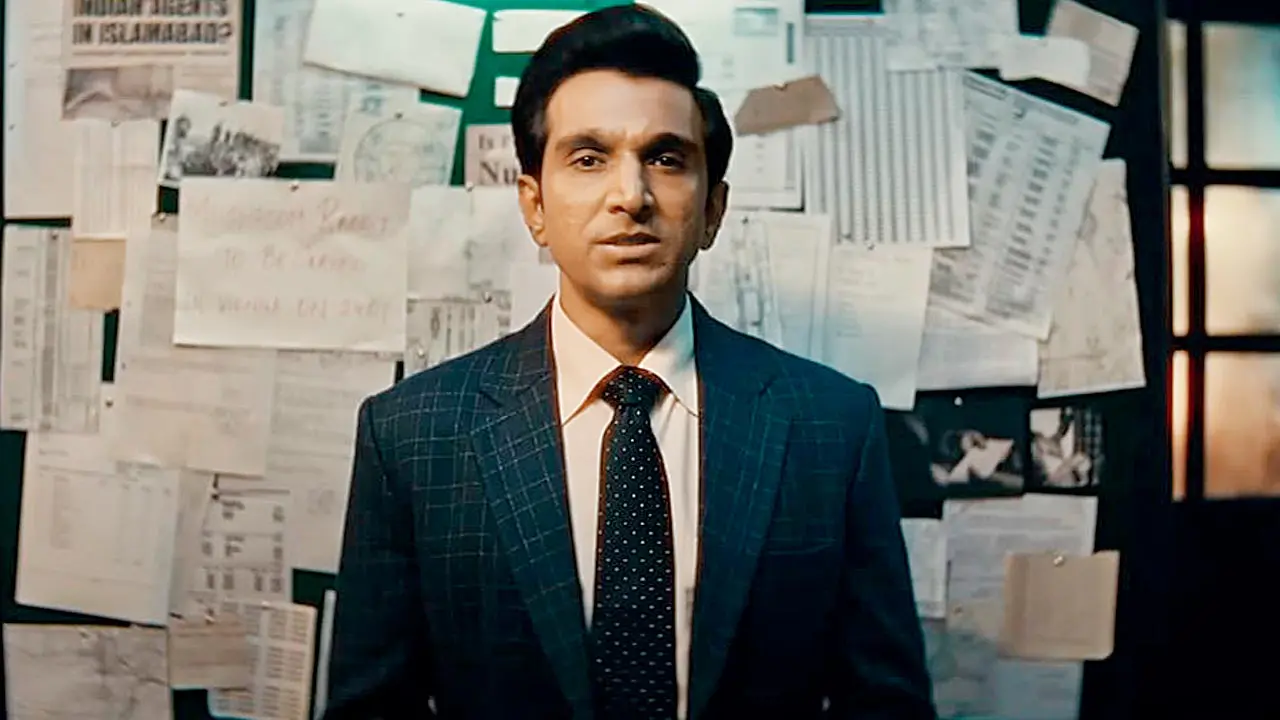
Makers of Pratik Gandhi’s spy thriller Saare Jahan Se Accha recreated parts of Karachi in Mumbai and Chandigarh
Upala KBR (MID-DAY; July 25, 2025)
When Netflix India unveiled its 2025 slate in February, one of the shows that caught attention was Pratik Gandhi's Saare Jahan Se Accha. Set in the 1970s, the spy thriller — which also stars Tillotama Shome, Rajat Kapoor, and Sunny Hinduja — revolves around an Indian undercover agent who is sent to Pakistan to stop it from becoming a nuclear force. Sources indicate that with a chunk of the series set in Pakistan, director Sumit Purohit and his team had to recreate parts of the country in India.
A source said, “More than half the story is set in the neighbouring country. As the unit couldn’t travel to Pakistan, massive sets reflecting Karachi were made in Mumbai and Chandigarh. One was built at the Golden Tobacco Factory in Vile Parle, Mumbai, and a Karachi marketplace was recreated at a local market in Chandigarh.”
Sejal Shah and Bhavesh Mandalia, who recently backed Nawazuddin Siddiqui’s Costao, serve as the series’ producers and showrunners. “It is one of Netflix India’s biggest series, with a budget of around Rs 100 crore,” added the source.
Saare Jahan Se Accha comes as the latest offering from Gandhi, who is on an upward streak with Madgaon Express (2024), Do Aur Do Pyaar (2024), and Dhoom Dhaam earlier this year. But unlike these projects, the spy thriller will see him step into a grey role — something that he excels in, if his breakthrough show Scam 1992: The Harshad Mehta Story (2020) was any indication.
“The makers needed someone who could give a strong performance, and Pratik fit the bill. He is playing a complex character — under the cover of being a diplomat, he is an R&AW [Research and Analysis Wing] agent who stops Pakistan’s nuclear program. The role has been inspired by different real-life Indian spies. The show depicts the period when late Prime Minister Indira Gandhi was at the helm, and R N Kao was heading R&AW, as India and Pakistan were trying to edge out one another in the nuclear arms race.”
Initially, the six-episode series was titled For Your Eyes Only. What brought on the rechristening? The source added that it was a mutual decision between the makers and the streaming giant. “All the stakeholders felt Saare Jahan Se Accha was a better fit as it’s desi and reflects the show’s patriotic theme.”
Despite good intentions, visuals can end up sexualised even if that wasn't the intent on paper-Rasika Dugal
8:30 AM

Actors from web series share experiences, apprehensions amidst entertainment’s changing narrative
THE ECONOMIC TIMES (June 16, 2025)
In a panel discussion titled 'Women in OTT: Changing the Script' at The Economic Times Women's Forum 2025, acclaimed actors Rasika Dugal, Tillotama Shome, Riddhi Dogra, Sheeba Chaddha, and Anjali Anand came together to share personal journeys, career pivots, and how the streaming revolution transformed the narrative arc for women in Indian entertainment.
Rasika Dugal, widely recognized for her role as Beena Tripathi in the critically acclaimed web series Mirzapur, opened the conversation with a candid take on the early promise of streaming platforms.
"When OTT first exploded, everyone was suddenly saying 'female-centric story, female-led character'. It was exciting, but I was skeptical. Would it be real change or just another form of tokenism-women doing the same things men do?"
Dugal added that scripts are now beginning to explore femininity more meaningfully. "We don't always succeed because our ingrained references often objectify women. Despite good intentions, visuals can end up sexualised even if that wasn't the intent on paper. We're all working to unlearn and undo that baggage," she said.
Veteran performer Sheeba Chaddha, who has transitioned fluidly between theatre, film, and streaming, spoke of clarity rather than challenge. "I've always approached them (theatre and film) as completely separate mediums and we engage with them differently," she noted.
Tillotama Shome reflected on her shift from theatre to film and OTT, emphasizing the emotional safety the camera offered. "The camera was like an unobtrusive, gentle friend," she said.
"The concept of multiple takes wasn't about repetition-it was about trying something new. It suited someone like me who doesn't enjoy the adrenaline rush of a live performance." She also spoke about the impact of her role in Qissa, where she played a woman raised as a man by her father. The part, she said, reshaped her understanding of gender and identity.
Riddhi Dogra, who played a woman grappling with same-sex desire in The Married Woman, admitted to initial hesitation. "It was a subject that needed absolute non-judgement and great sensitivity," she said. "But when I met the director and writer, I understood the care they were bringing to the story."
She said that a script supervisor-herself in a same-sex relationship-was brought in to guide the process. "I think that is what has sort of resonated with the audience, whoever has appreciated that show, is that they see that care, they see that sensitivity but not overly doing it. We kept it as normal as possible," she added.
For Anjali Anand, Rocky Aur Rani Kii Prem Kahaani marked a turning point. "I came from television-did it for three years after my first web show, back in 2016-17, when the web shows weren't really considered cool. Television throws every imaginable situation at you-especially if you're the protagonist in a daily show," she said.
"When Rocky Aur Rani came along, it felt like the right opportunity to finally show what I was capable of. I had been preparing for it, and I chose to take it on."
Reflecting on her role as Beena Tripathi in Mirzapur, Dugal said the role became a form of exploration-something she hadn't had the courage to pursue or allowed herself to experience in real life.
"I feel I had an upbringing that was as free from gender bias as possible within a patriarchal society. I also went to a college with a strong feminist ideology," she added.
Speaking about changing perceptions of indie cinema, Shome observed that independent films are experiencing a resurgence. "It feels funny-like coming full circle. When I started out with independent cinema, it was looked down upon, and considered neither mainstream nor commercially viable. So it's really nice to now be in an environment where people understand the commercial viability of an independent project. And by 'independent,' I mean having the creative freedom to do what you want."
As a society, women are thrust into the shadows as they enter their forties-Tillotama Shome
8:41 AM
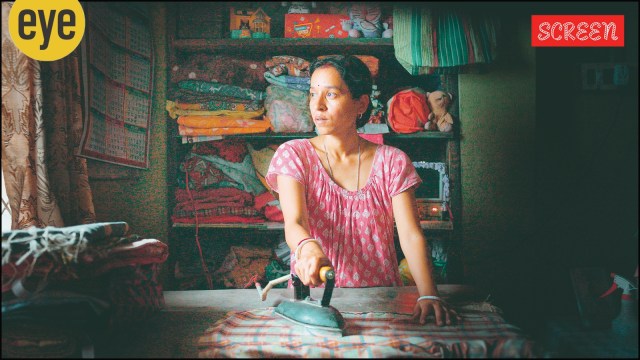
Tillotama Shome (BOMBAY TIMES; May 30, 2025)
A change in perspective is medicinal and life altering. A person, a book, an institution, a conversation, a walk, a disease, a film; can do that for you. In my case, professionally speaking, Shadowbox (pictured above) became the gift that kept giving. Because Tanushree Das and Saumyananda Sahi (the directors) were generous and open at a time when my life was very tumultuous. Being at the Berlinale was not just extraordinary creative stimulation, but also a celebration of the six-year long journey with this film.
As a society, women are thrust into the shadows as they enter their forties. Our worth is directly proportional to our ability to reproduce. As women fight back against these archaic ways of thinking, it will take more than platitudes of equality to calm us down. We are asking for information, access, and education to be shared. That is power. Women in films is an aggregator that is talking to this urgent need. WIF chapters around the world have seen clear success in increasing the number of women at work and better advocacy. So it’s not a shot in the dark and hope and a prayer, IT is real change. Give women access to rooms where knowledge is shared and decisions are made. We are not asking for favours.
The maiden outing of the WIF India chapter, was to send three of us to attend the producers network at Cannes. Seven days of rapid information shared about the various aspects of producing, case studies of models that worked and those that failed. The collective is not a warm, fuzzy, emotional relationship (nothing wrong with any of this) that can easily devolve into yet another clique, but a professional network that gains momentum with its strength of number and its desire to share information and access. The core focus is to skill women up and close the gap between men and women in our industry. Men who become allies will only benefit from this inclusion and those who resist it, will be resisting the very idea of change, which is inevitable.
To go from the Baksho Bondi collective to the WIF collective, from Berlin to Cannes, I see a pattern emerge. I am my best, when I am learning without the fear of ridicule and when I am sharing without the fear of competition. From Feb to May of 2025 I have learnt from many lives, and I hope to continue actively nurturing this collective, while I enjoy the solitude of my own creative process. One feeds the other.
Tillotama Shome recalls how a director’s hurtful comment made her “fight” for her due
9:08 AM
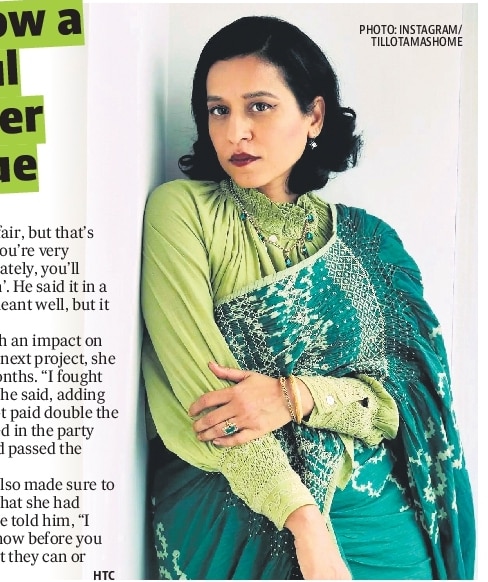
HINDUSTAN TIMES (April 10, 2025)
Actor Tillotama Shome left her fans shocked yesterday, when she revealed an unpleasant experience in the industry. The 45-year-old, who is known for her acting prowess, recalled how a director’s remark had reduced her to tears.
“I once worked with a director who paid me very less. At the wrap party [of the project], we were all talking when someone asked me, ‘What is it that you are really lusting for?’ I mentioned a particular car and said, ‘If I do a film where I’m paid this much, I could buy that car’,” she said in an interview with The Hollywood Reporter India.
The actor added, “The director then said, ‘I’m so sorry to break this to you, but you’re never going to earn that kind of money. It’s unfair, but that’s how this industry is. You’re very talented, but unfortunately, you’ll never make that much’. He said it in a tone that felt like he meant well, but it stayed with me.”
The remark left such an impact on Tillotama that for her next project, she negotiated for four months. “I fought hard for the money”, she said, adding that eventually, she got paid double the amount she had quoted in the party where the director had passed the hurtful comment.
The actor said she also made sure to let the director know that she had proved him wrong. She told him, “I thought you should know before you tell another actor what they can or can’t do.”
If only five big producers can support independent cinema, things can drastically change-Rima Das
9:13 AM
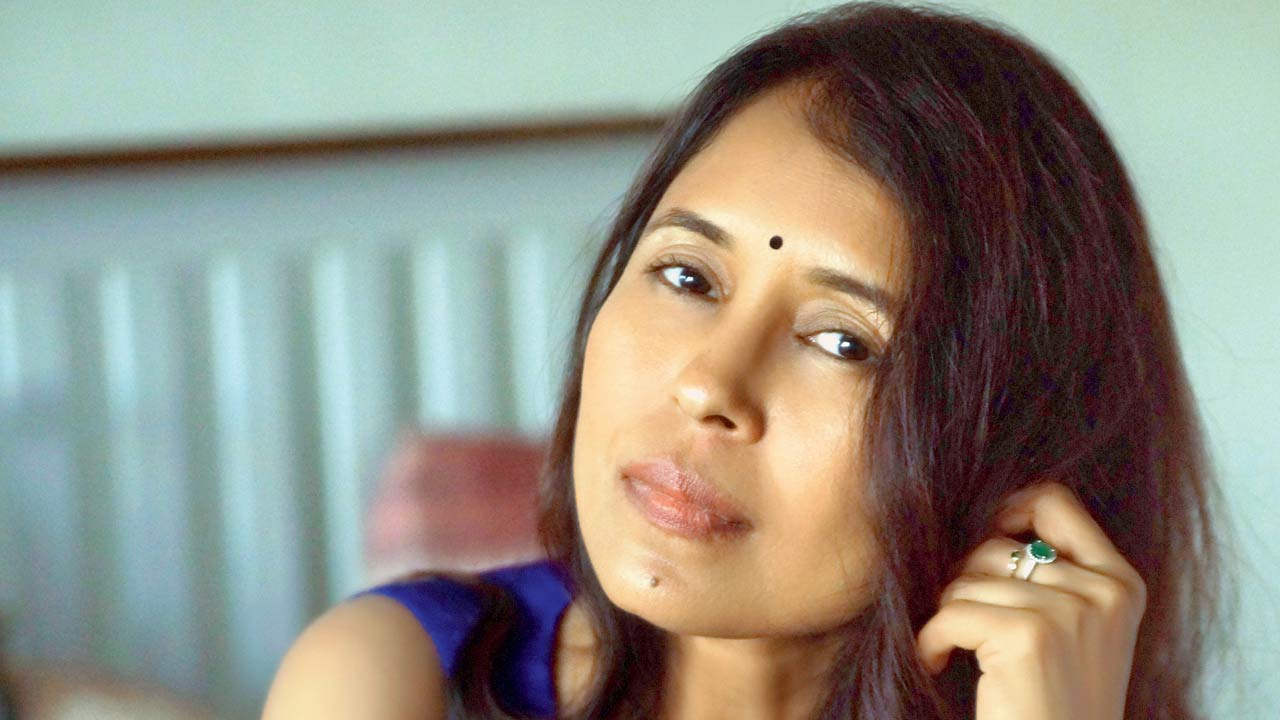
As Village Rockstars 2 premieres at the Berlin Festival, Nation Award-winning filmmaker Rima Das opens up working on a folk-horror story for her next, and why financial support for independent filmmaking in India needs to go beyond just lip service
Priyanka Sharma (MID-DAY; February 16, 2025)
It's time for Rima Das 2.0. The National Award filmmaker is currently at the coveted Berlin International Film Festival for the premiere of her latest work, the Assamese movie, Village Rockstars 2. The festival darling lets us in on a new resolution when we speak to her—she is ready to turn over a new leaf. “I have realized going to festivals is not enough. Now, my main aim is that my work reaches more people,” she says.
In her over a decade-long career, Das has created an enviable filmography—her breakout film Village Rockstars, Bulbul Can Sing to Tora’s Husband—and now the sequel to her National Award-winner, which has already travelled to several national and international festivals.
“At Busan Film Festival last year, a producer from Singapore told me, ‘Rima, I think this is the only sequel of an independent film. We haven’t had any other sequel to an indie film before’.” Das laughs as we mention that her film couldn’t have come at a better time, as sequels seem to be the latest obsession.
“While making Village Rockstars [2018], I never thought of a sequel. But while editing it, it did strike me that the story has a natural progression and another film can be made. But I thought if I took it to festivals, how will they react to a sequel? Also, for the audiences who haven’t watched the first part, will the title Village Rockstars 2 work? Then, I thought about the long-term value of a story and that’s why I decided to make the sequel.”
Village Rockstars is about Dhunu, a 10-year-old girl, who dreams of buying a guitar and is saving up for it. However, when calamity hits her village, she must re-evaluate her priorities. Part 2 revisits the life of Dhunu, seven years after the events of the last film.
The filmmaker began working on the film, on which she also serves as the writer, cinematographer and co-producer, in 2020. But it ended up consuming Das’ time more than she anticipated.
“In 2020, I wanted to start something with Tillotama Shome. Then, the pandemic happened. I felt like I was in a cocoon, so I started making Tora’s Husband and Village Rockstars 2 simultaneously, but there was a lot of physical, mental trauma because of the pandemic. I lost my father. So, to finish both the films took a long time. I had to rewrite and re-shoot portions of Village Rockstars 2. It took me four years to finish the film,” she shares.
As rewarding as making Village Rockstars 2 was, it also left the filmmaker feeling stagnated. Das knew it was time for a reboot. “I had been shooting in the same location for years because Village Rockstars and Bulbul Can Sing were shot in the same area, while Tora’s Husband was shot nearby. I stopped enjoying it. So, during that time I started developing other ideas because I felt like doing something new,” she says.
Now brimming with ideas, the filmmaker is having a party. “I am writing something set in Mumbai, and it’s folk horror. When I look around, I see a lot of stories. Then, I feel like telling these stories is more important than making something perfect.”
With creative expansion on her mind, Das wants to enter unfamiliar territories. “Now, I also want to do commercial and semi-commercial films. Not being officially trained in filmmaking, my perception and knowledge of art is probably different from other filmmakers. Keeping the essence of cinema intact, I want my films to be accessible and reach a wider audience. Some films I think feel very arty. If I am making a Village Rockstars, I have a message to tell. If only cinephiles are watching it, it’s not enough for me. I want my films to reach marginalized sections or the [regular] audience. That is success for me. I don’t like my films to be a piece of art that is consumed by only a section of the audience. This wasn’t exactly on my mind when I made Village Rockstars. It was made without music and I thought the way it had shaped up was for a foreign audience but when it was released in India and I saw people loving it, I realized there are no boundaries to art.”
What also calls out to the filmmaker today is the need to embrace collaborations. Since the beginning of her career, Das has made movies largely by herself— from writing to producing. “I am looking for more collaborators, who are like-minded. I don’t want to be in the lonely place of doing everything by myself. I know when the time is right, the right kind of people will align with my vision and understanding of cinema.”
Making movies is as much about having talent as it’s about finding people who believe in it. It becomes particularly difficult to find believers of stories that don’t conform. Das, one of the biggest success stories in India’s independent space believes, “If you look at our audience, it should not be difficult to be an independent filmmaker in India. But there aren’t many forces to support it. There is a lot of lip service. If only five people, who are big producers, can support the scene, it can drastically change. But that’s not happening and I don’t know why. We look at old architecture and marvel at it, but nothing new is being built. Good art, poetry, and film are as important as good architecture. When I hear about the box office, it is only about two per cent of our population watching a film that is called a huge success. So, when we spend Rs. 50 lakh to a crore on an indie film, the recovery in India is very easy. You just need to find your audience. But there is no support.”
On this note, Das registers praise for actor-producer couple Richa Chadha and Ali Fazal, who made their production debut with the marvellous Girls Will Be Girls. “We need more people like Richa and Ali. Look how they supported an independent filmmaker [Shuchi Talati] and a beautiful film got so much visibility.”
Beyond that, Das believes one has to just be at it. “These problems have always been there in the independent space. Films are a catharsis for me. Every time I am doing something, I am creating opportunities for people, whether the number is 10 or 40.”
If we start taking writers for granted, we will return to mediocrity-Tillotama Shome
6:43 AM
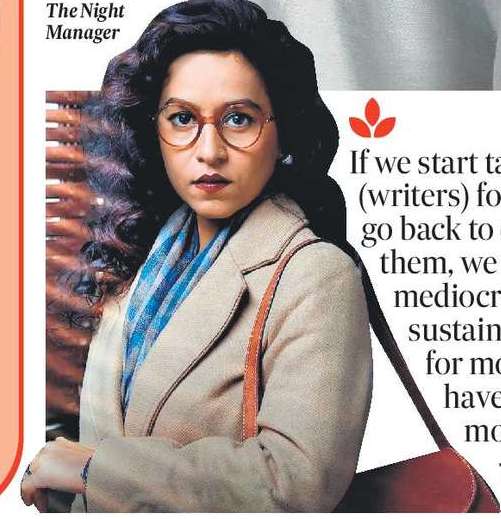
Actor Tillotama Shome feels those who pen web projects must be valued in order to sustain the higher ask for digital content by viewers
Akash Bhatnagar (HINDUSTAN TIMES; August 3, 2024)
Tillotama Shome has been a part of some notable web projects, including Delhi Crime 2, The Night Manager, Lust Stories 2 and Kota Factory (season 3). Even with such projects to her credit, the actor calls herself a “late bloomer” on the medium.
Ask her if she feels the excitement of the OTT platforms has faded away with time due to the overload of content, and she says, “When freedom comes after a long wait, there’s a sense of overdoing it; people go crazy. I’m a part of the problem, so I will, hopefully, be a part of the solution as well. It’s going to be an ongoing process.”
However, the 45-year-old believes that there will be a point of balance in the future. “There will be a state of equilibrium at some point. The stories will be about the way you say it and the restraint with which you say it,” the actor says.
Shome asserts that the main players in making a digital project work are the writers, and it’s their uniqueness that’s responsible for the medium’s success. “If we start taking them for granted and go back to devaluing them, we will return to mediocrity,” she insists.
Emphasizing the need to acknowledge the writers, she says, “They gave us the OTT boom. In order to sustain a higher ‘ask for more’, we will have to give the writers more. Otherwise, we will get stuck in another trench. Imagine if media houses wanted to talk to writers and creators; they would get the stories they want, and we would get the stories we want to portray. Everybody will be happy.”
In her latest web outing, Tribhuvan Mishra CA Topper, Shome plays the part of a woman called Bindi Jain, who goes out of her marriage to look for physical pleasure with a sex worker. The actor found this role “liberating”. “[Most of the time] you don’t realize that you are imprisoned. It’s like staying next to the smell of piss; you get used to it after some time. When it comes to the loss of personal freedom, you don’t even know when you’ve lost it, when you’ve started giving away bits of it, even when no one is asking for it,” she shares, adding, “When I got to play a woman like Bindi and see the other females that inhabit the show, who are unafraid to ask and pay for pleasure, it was like coming out of a closet that we have created on our own, for just being flesh and blood.”
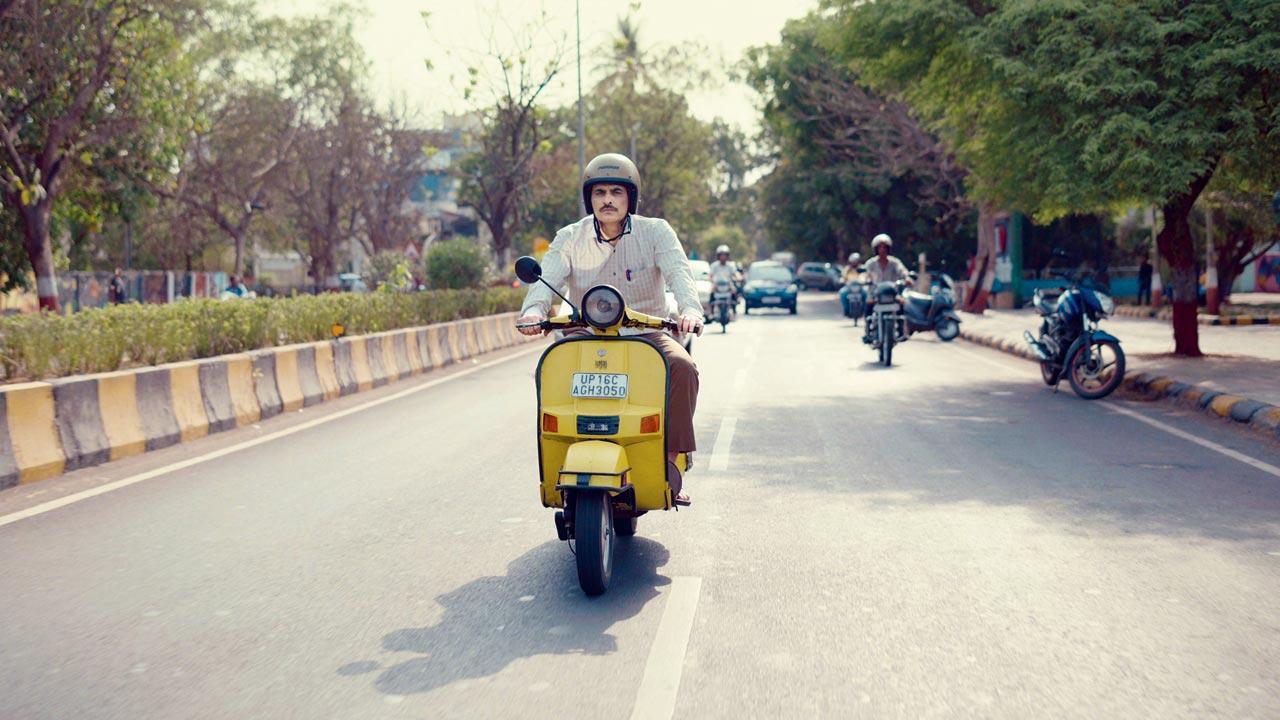
In Tribhuvan Mishra: CA Topper, Manav Kaul plays an ordinary man who becomes a gigolo to support his family
8:45 AM
Mohar Basu (MID-DAY; June 28, 2024)
What do you get when you bring together the makers of the slice-of-life series Gullak and the violent Mirzapur? A delightful comedy. Gullak director Amrit Raj Gupta and Mirzapur creator Puneet Krishna have joined forces for Tribhuvan Mishra: CA Topper, which tells the story of an ordinary man who becomes a gigolo to support his family. While Manav Kaul leads the nine-part Netflix series, he is joined by Tillotama Shome and Shweta Basu Prasad.
In a chat with mid-day, Kaul says he was so intrigued by the titular part that he chased creator Krishna and producer Ram Sampath.
“I was a mad actor hungry for a [good] story. I sent Puneet and Ram scores of texts to land the audition. I knew I could crack this character. His voice would echo in my ears long after the narration was over,” says the actor.
As the showrunner-creator, Krishna had to bring alive a world that had not only goons, guns and gore, but also love and family values. The most critical part was researching the world that the story was set in.
“We met a lot of [gigolos]; they were open about their experiences. What surprised us was the amount of respect in those interactions. The men address the women as Ma’am. The more we dug into these stories, we realised there is agency, desire and vulnerability.”
Sampath, who met Krishna during the making of Bangistan (2015), says his vision made him back the series. “Puneet has the foresight to know what will be relevant a few years from now. That makes his stories out of the box.”
'Tribhuvan Mishra: CA Topper' will be released on the platform on July 18.
A woman’s desire is still a taboo subject-Tillotama Shome
8:30 AM

Raima Ganguly (BOMBAY TIMES; January 30, 2024)
Today, many know her as Ishita Sengupta from Lust Stories 2, or as Lipika Saikia Rao from The Night Manager, but for a 21 year old Tillotama Shome, being on the set of her first film- Monsoon Wedding (2001) was like Alice (which also happened to be her character name) discovering her wonderland. The actress was recently in town for the Literary Meet, and CT took the opportunity to speak to her about the importance of being able to connect to a script, her plans of doing a Bengali film and more.
‘It’s important to be able to connect with the script’
There are two factors that Tillotama considers before saying yes to a script. First, how it is written and second, whether the director trusts and inspires the actor. “If the writing is not powerful, the actor’s hands are cuffed. How the director makes me feel is very important. It doesn’t matter if it’s a big or a lesser known director I’m working with, they need to see the potential in me to be able to pull off a challenging role,” shares the Sir actor.
Stereotypes, a myth?
According to Tillotama, an actor is often cast in a role based on a character they’ve essayed before. Even though she was going through a Goth phase when Mira Nair cast her in Monsoon Wedding, it was after its release that she started receiving numerous maid roles. She explains, “I didn’t want to do the same thing again, even if it meant waiting for a prolonged period and compromising on opportunities and money. It was almost two decades after the film that I said yes to Sir. In between, I was lucky to have done so many different types of roles.”
On the new crop of writers
The actress believes the kind of work she’s been doing over the past few years is because of the writers who’ve come into the industry. “There are writers who have come in from different parts of the country. The strength of their vernacular, woh jahaan se hain, unki kahaniya, upbringing, lehza require ‘actors’. It’s only after such roles are portrayed on screen that the actor’s prowess is acknowledged,” adds the Kolkata born actress.
“I’m grateful to Konkona for giving me an age appropriate role”
The Mirror from Lust Stories 2, according to the actress, was an important exploration of an individual’s relation with their body, beyond moral judgment. “Women’s desires are not limited to their 20’s but it’s there in their 40’s too. It’s such a taboo, even today, to be able to talk about it. The episode, to me, was deliciously complicated. It also explores complex, day-to-day female relationships in urban spaces which still have very little space for a woman’s desires,” adds Tillotama.
Quotes:
- “I was amazed to know that now, the director is often the writer of a show. It makes a huge difference to have the writer on the set with you”
- “Our industry is obsessed with young, conventionally beautiful and rich actresses. Directors often don’t know what to do with an actor who’s not all that”
- “The maximum number of films that have come to me happened to be Hindi, but it has never been a conscious choice. I’d love to do more Bengali films, but it’s just that not many has happened yet”
- “It was freeing to be able to do The Mirror in my 40’s where the man didn’t have agency. I’m grateful to Konkona for giving me something age appropriate”
Pics: Samik Sen
Calling them technicians makes them seem non creative-Jim Sarbh, Zoya Hussain
8:35 AM
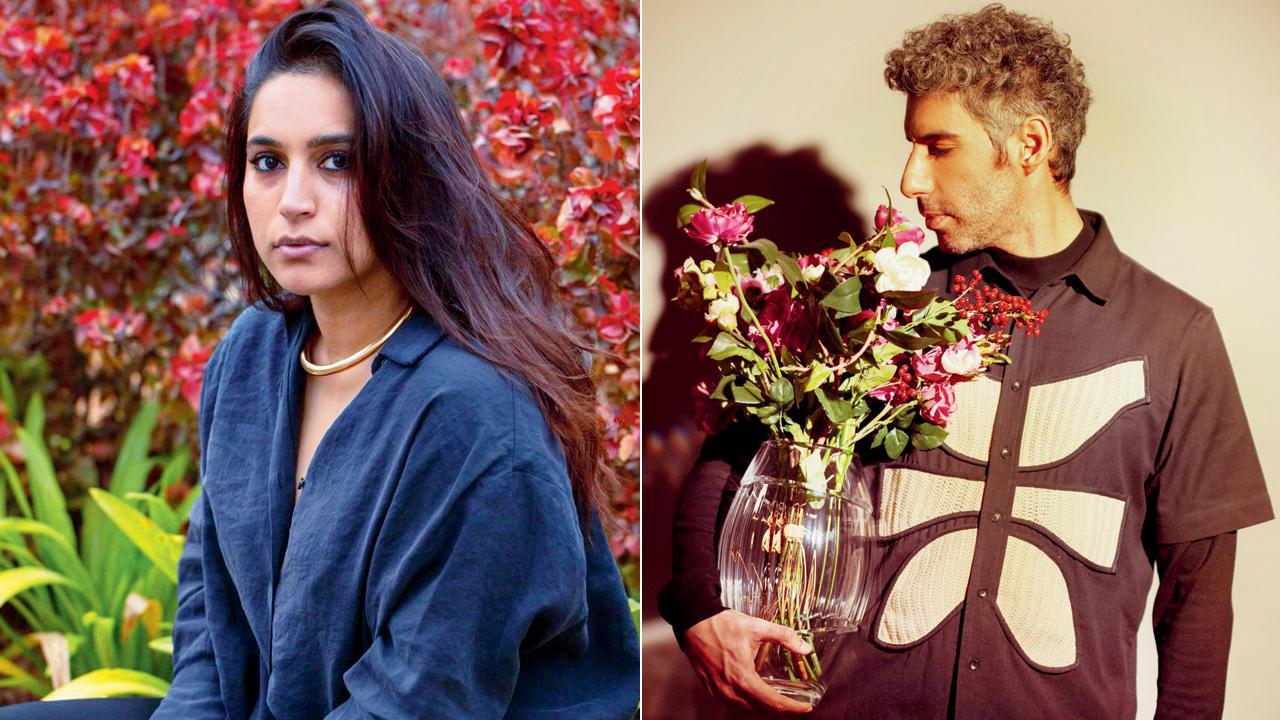
Actors Zoya Hussain and Jim Sarbh’s new talk show turns the tables, putting actors in the interviewer’s seat to speak to composers, editors and make-up artists
Mitali Parekh (MID-DAY; January 14, 2024)
There is a certain perverse delight in hearing actor-producer-director, SoBo boy-gone-movies Jim Sarbh talk about how much research he had to do as preparation and how he had to learn to not interrupt people when they were speaking. And assess what kind of questions made for interesting answers and which did not.
This has been in preparation for Crew Cut, co-actor Zoya Hussain and his new endeavour on YouTube that takes the audience into conversation with technicians in the business. “I like the term crew better than technicians, because it makes their contribution seem, well, technical and not creative,” says Sarbh, whom we saw most recently as Adil Khanna in Made In Heaven and in Rocket Boys as Dr Homi J Bhabha. “Often, they are the ones with a sense of entirety about the project, a sense of visual storytelling matched only by, perhaps, the director. As actors, we only know a section of the project.”
Sarbh confesses to be “endlessly curious” about filmmaking and is constantly speaking to music composers, sound artistes, cinematographers about their craft, or wondering how the set designers on Gangubai [Kathiawadi] gave the walls that patina so evocative of age and decay. “If a costume designer has put two pens in the pocket of the character (as for Rocket Boys), I need to know why,” he says. “Are they different coloured? Which colour would Dr Homi Bhabha use for what? Is it because he has many documents to sign and doesn’t want to run out of ink.”
Hussain, also, has been “fascinated by what film [the actual reels] look like, shadows, lights, the nostalgia. I romanticised light and how long takes made you feel. As I gained a better understanding of things, I gravitated towards how cinematographers make the visual language of a film. The intake while we watch a movie, way more than we realise, is thanks to them.”
Fascinated as much as both were by these aspects, they knew the general populace may not be drawn to these conversations, so they reeled in more recognisable friends to spotlight these heroes with their fame. So, actor Vidya Balan speaks to long-time collaborator, costume designer Niharika Bhasin who won the National award for Costume Design for The Dirty Picture. Rasika Duggal quizzes editor Namrata Rao (Fan, Mrs Chatterjee VS Norway, Made In Heaven), Hussain speaks with make-up artist Ayesha Seth (Queen, Slumdog Millionaire), and Sarbh himself chats with cinematographer Harshvir Oberoi (Rocket Boys, Kathal) and music composers Naren Chandravarkar and Benedict Taylor (Udta Punjab, Nil Battey Sannata).
In waiting are sound designer Resul Pokutty (Slumdog Millionaire, Highway), make-up and prosthetic artist Preetisheel Singh (Padmavat, Bajirao Mastani), costume designer Maxima Basu, music composers Dub Sharma (Gully Boy, Made In Heaven) and Achint Thakkar (Rocket Boys, Scam 1992), editor Sanjukta Kaza (Tumbbad, Bhediya, Paatal Lok) in the wings with actors Kalki Koechlin, Ali Fazal, Arjun Mathur, Vivek Gomber and Tillotama Shome.
“We just reached out to people we know first, and then kind-of-know, and then don’t-know-but-want-to-know,” says Hussain about the process of pairing actors and technical experts. “And almost everyone was thrilled to participate,” says Sarbh. “There was the matter of getting dates, but that’s just technical.” Balan, for instance, was so immersed that she had memorized the three sheets of questions handed to her to conduct the interview seamlessly.
While Hussain says “there wasn’t much prep” as an interviewer, Sarbh admits at first getting into the technicalities of the craft such as the type of lens used, etc and then realising as he saw the episode, that it didn’t make for engaging conversation for everyone. “What was interesting was the minutea of the vision. For example, for Rocket Boys, two timelines converge and I asked Oberoi what was the overriding emotion he was trying to evoke at this point of conversion. He said ‘death of the utopian ideal’. Two decades into independent India, which was built on non-violence and a dream of a great country, the country was besieged. We had lost a war with China, things weren’t great with [East and West] Pakistan, and Bhabha and Sarabhai had to now build a bomb.”
Besides these technicalities, Hussain wanted to know the human elements: Why they picked the profession, what inspires them, what they like outside of work, who they are, some jokes, lots of advice, and how their brains just cook up things. “It’s been lovely to see what technical aspects of film viewers are fascinated by. It’s also just lovely to be a silent participant to watch and listen to energies come together,” she says.
It is dfficult to be creative if you don’t feel safe-Tillotama Shome
9:02 AM
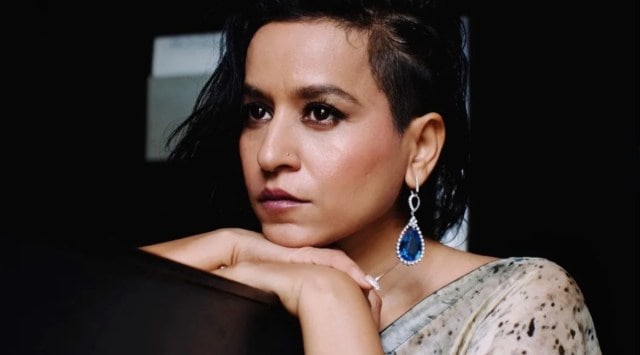
Reema Gowalla (HINDUSTAN TIMES; August 12, 2023)
With projects like Sir (2018), Delhi Crime 2, The Night Manager (TNM) and Lust Stories 2, Tillotama Shome manages to make a mark with each role.
Giving an insight into her process of picking projects, Shome says, “A good script and a director I can trust are key. A director who is also the writer is a big bonus. A professional setup is obviously a given. It is difficult to be creative if you don’t feel safe.”
Calling herself “the quintessential late bloomer”, she shares OTT gave her space. She adds, “The staggering response of the audience to an independent film, called Is Love Enough - Sir, was very unexpected. And everything since has been a blessing. I was lucky to work with directors who gave me the freedom to be myself, and the space and time for all my questions and suggestions. It has been two years since I got busy with work and not a day goes by when this fails to fill me with wonder. I am grateful to all the women [characters] I have played on screen; my life is so much richer because of them.”
The actor portrayed the role of a gritty RAW agent in TNM while the Konkona Sen Sharma-directorial segment in Lust Stories 2, titled The Mirror, saw her as Isheeta, who derives pleasure from peeping at her house help, Seema, and her husband, Kamal, getting intimate in the bedroom.
Having worked with Sen Sharma in A Death In The Gunj (2016) previously, she says, “Konkona is a reluctant, but wonderful director. I find it very exciting to work with directors who are also writers, as having a writer on the set can really free an actor.”
The audience fought for me to be on the poster of The Night Manager 2-Tillotama Shome
9:28 AM
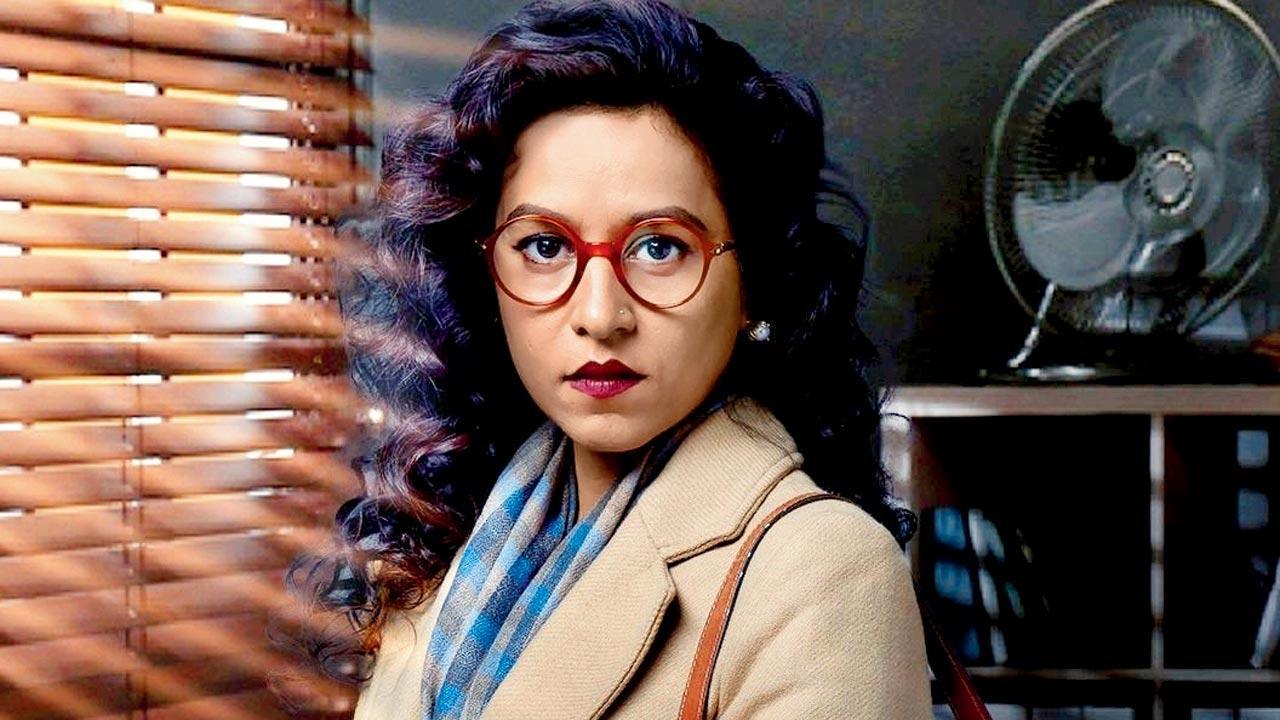
Gearing up for The Night Manager part 2, Tillotama Shome expresses gratitude to fans of the thriller series for ‘connecting with her’ work
Priyanka Sharma (MID-DAY; June 25, 2023)
I thought either I was hallucinating or the audience! My work hasn’t been exposed to such numbers before,” exclaims Tillotama Shome, whose performance in The Night Manager was loved by the audience when it dropped online in February. Four months since its release, the spotlight is still firmly on the actor, who plays a focused R&AW officer with a quirky sense of humour in the thriller.
“I’m used to finishing my work and moving on, and not having journalists interview me because they would interview mainstream actors,” she laughs.
Shome now awaits the release of the second part of the Disney+ Hotstar series led by Aditya Roy Kapur, Anil Kapoor and Sobhita Dhulipala. In a big win, the streamer and makers have ensured she not only features in the new posters with her co-stars, but also gets her stand-alone poster. This move comes after the audience criticized the makers for not including her—a pivotal character in the adaptation of the British original of the same name—on the poster, the first time around.
“The media asked about it and so did the audience, that’s why the Hotstar team put me on the poster of the second part. I got this position because of the audience’s love. The audience has felt connected with my work, and fought for me to be on the poster.”
For an actor, who has delivered many powerful performances in films—from Monsoon Wedding (2001) to Qissa (2015) and Sir (2020)—Shome should have had her moment in the sun much sooner. She, however, views her journey with a sense of gratitude rather than bitterness.
“I still stand by all those movies. If I hadn’t done those independent films, I wouldn’t be doing The Night Manager. I’d change nothing about my journey. It makes sense for the marketing team to put faces on the poster that are more seen, it will draw the audience in. Then your work will speak for itself. Changing something takes time, and we all have to work on it rather than being angry. I remember Irrfan Khan telling me once, ‘You will not get anything by crying like Meena Kumari! Learn to love life. If you aren’t getting work, do something else with your time.’ Thanks to him and people around me, I have an enriching life.”
With Lust Stories 2, we didn’t want to titillate, and that’s a value we have stood by-Ashi Dua
8:52 AM
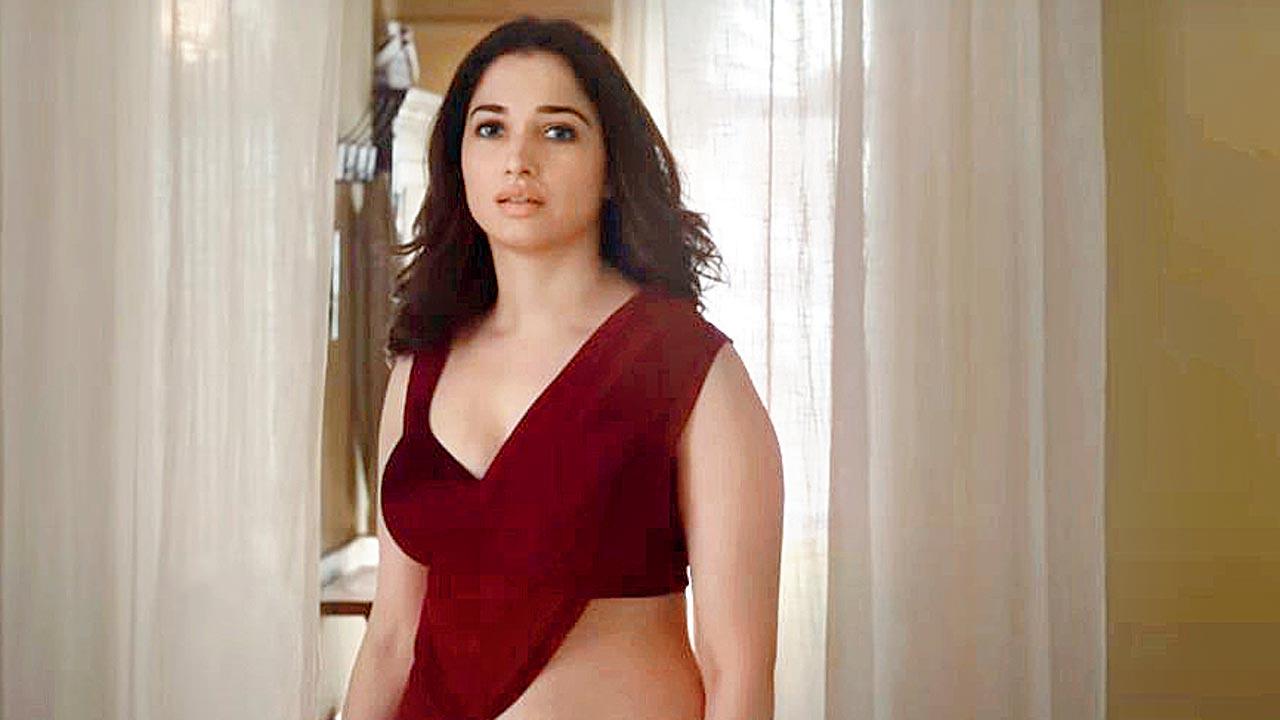
Lust Stories 2 creator Ashi says that while having a female director on board was crucial to her, each filmmaker organically told a woman-led story
Mohar Basu (MID-DAY; June 20, 2023)
When Lust Stories dropped on Netflix in 2018, India hadn’t witnessed too many homegrown anthologies. But creator Ashi Dua was willing to bet on the format, having previously tasted success with Bombay Talkies (2013). Five years and an International Emmy nomination later, Dua is ready with Lust Stories 2, which brings together directors Sujoy Ghosh, Konkona Sen Sharma, R Balki and Amit R Sharma.
“Casting [the right] directors is key to an anthology, and getting everyone together is hard. Thematically, we were in sync, but the brief was to experiment. Sujoy took the idea of lust and made a thriller. Amit went to Rajasthan and made a story about a family. Balki did a wacky story. Getting Konkona was the toughest. She had not directed anything after A Death In The Gunj [2017]. When I went to her, she came up with a cool story,” smiles Dua.
For the creator, having a woman director on board was non-negotiable as it would bring the female gaze to one of the stories.
“I was clear we needed at least one female filmmaker, if not two. To see things from female writers’ and directors’ perspective was important to elevate the idea. Another important facet is to have directors who tell stories sensitively. We don’t need to show sex to reflect lust. We didn’t want to titillate, and that’s a value we have stood by.”
The upcoming anthology stars Kajol, Neena Gupta, Vijay Varma, Tamannaah Bhatia, Mrunal Thakur and Tillotama Shome, among others. What’s interesting is that all four segments are led by women. Dua says it happened organically. “When we finished the shorts, we realized that all protagonists were female and not by design. The male actors have great roles, but each film is led by a woman.”
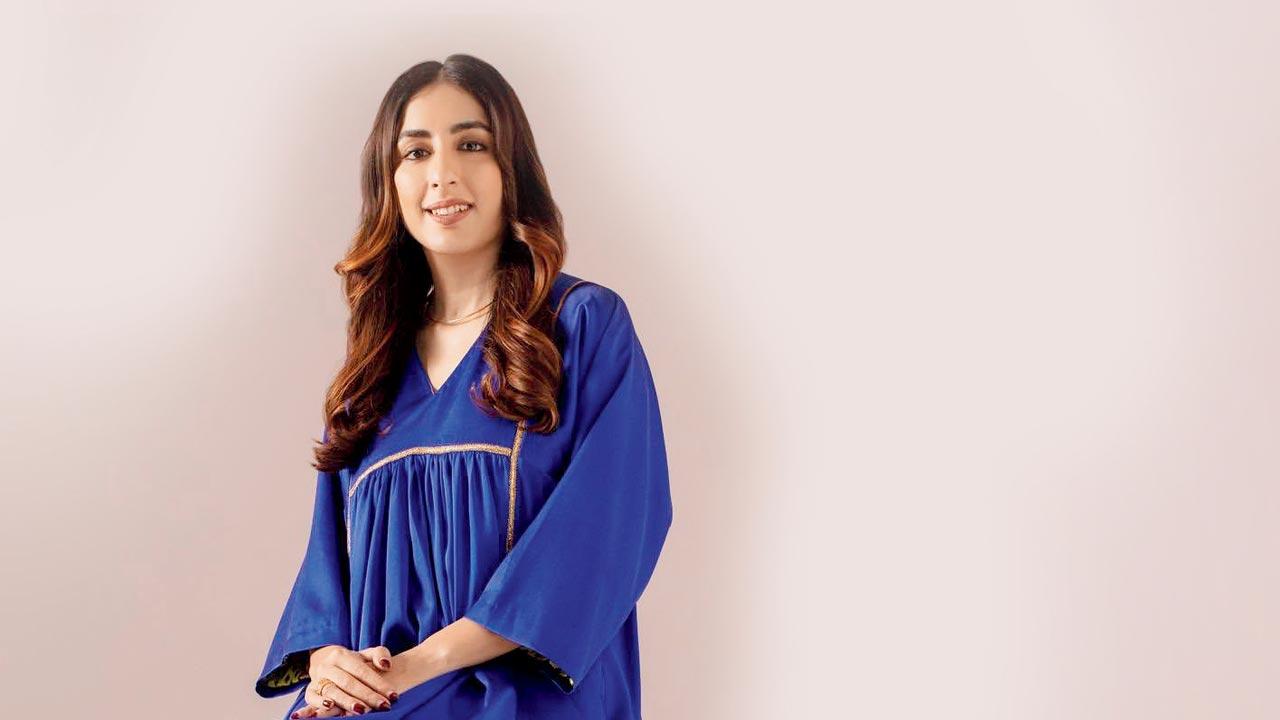
Women aren’t trusted enough to handle action, says The Night Manager co-director Priyanka Ghose
8:29 AM
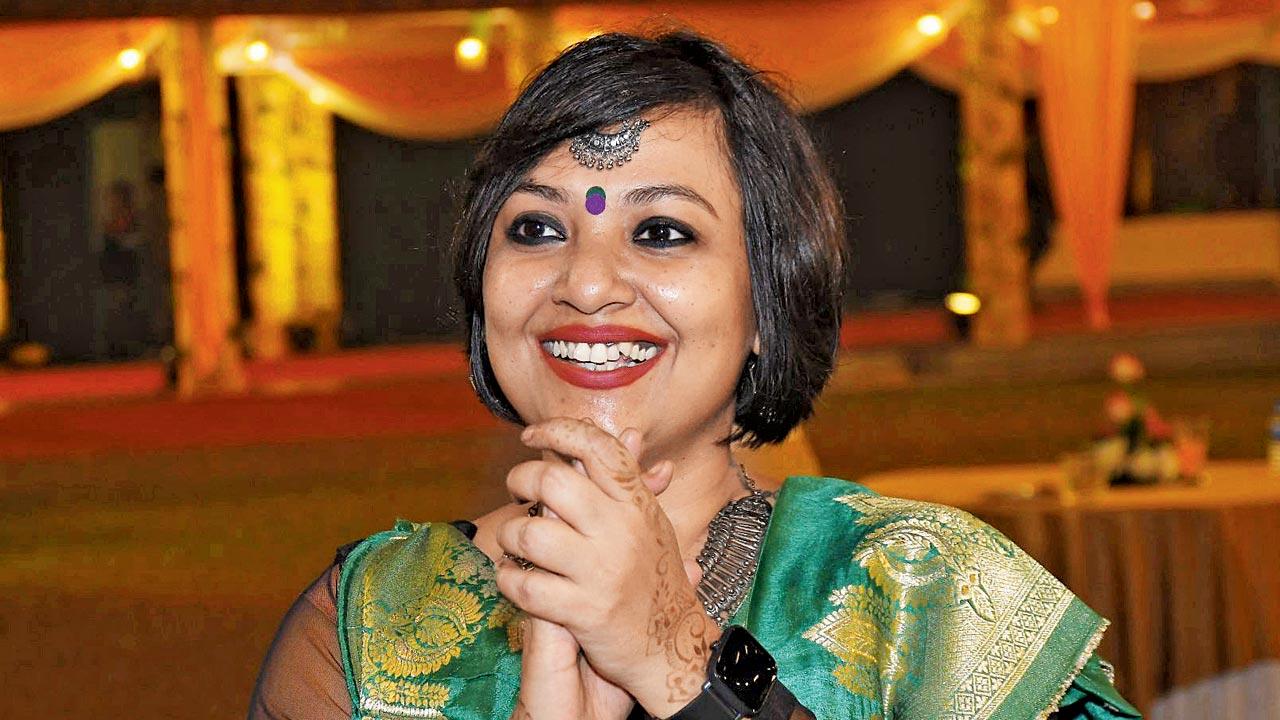
Lamenting that action has long been a male bastion, The Night Manager co-director Priyanka on how she fought stereotyping and detractors to enjoy helming the genre
Mohar Basu (MID-DAY; June 16, 2023)
Call it the Hindi film industry’s bias or what you may, but action movies are always associated with men. Which is why Priyanka Ghose co-directing The Night Manager could be viewed as an anomaly by many around her. When we sit down to chat with her ahead of the thriller’s second part dropping online this month, Ghose states matter-of-factly, “[Action offerings] are a male bastion.”
So, when she got the opportunity to helm the Anil Kapoor, Aditya Roy Kapur and Sobhita Dhulipala-led action series, she “ran with it”. “Over the years, female directors rarely took up action. It could be a mix of both — a lack of interest from their side, and they are not trusted enough to handle it. I got the opportunity here, and had a lot of fun doing the action extravaganza. There are elaborate set-pieces directed by me. All it takes is one man to trust you, and Sandeep [Modi, showrunner-director] trusted me. He saw value in my interest in the genre,” she says.
However, there were different issues on the ground level. Stunt crews are male-dominated, and Ghose heading them was out of the ordinary. The trick, she says, is to know your job so well that those around start respecting you for what you bring to the table.
“I studied the process of [setting up fight sequences] and understood their technicalities early on in my career. I knew my edit beforehand, I knew how to budget it correctly. At the end of the day, if you know the craft, the technical crew will respect it. Our action director Paramjeet Dhillon has worked with me a lot. But sometimes, there would be a local line producer, who would think, ‘Arre, isey kya pata hoga?’ But I was so thorough with my homework that no matter what they threw on the table, I knew how to solve it.”
Having a woman at the helm benefited the Disney+ Hotstar series, which is an adaptation of the Tom Hiddleston-led British series of the same name, in many ways. A case in point being the depiction of women.
“During the London screening, many studio executives told me that the female characters were stronger in our adaptation than in the original. It was heartwarming to hear that. During the pre-production, we did a lot of back and forth on our female characters. I would keep changing things, saying that women don’t talk like this. I ensured that Lipika [Tillotama Shome’s character] did not come across as a feminist propaganda mouthpiece.”
Her belief was only reaffirmed by Hiddleston who, at the London screening on March 17, couldn’t stop raving about the adaptation. “He spent the evening discussing scenes and asking us how we did a certain sequence. He felt that Aditya was better than him in certain parts.”
So, do we see a crossover soon? “We’re talking of a multiverse set-up. I hope we get enough love to pursue that route.”
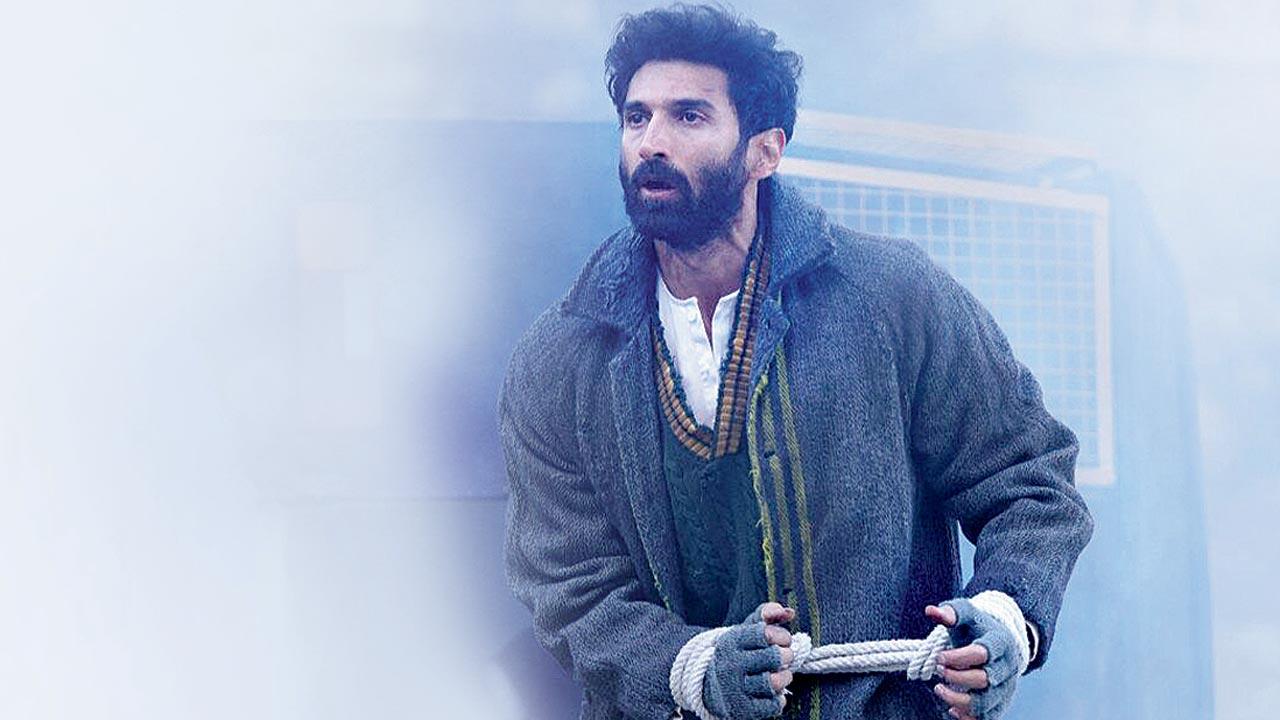
Suddenly, a lot of people are watching my work, as opposed to the indie films I did-Tillotama Shome
10:33 AM

Having done indie films for 20 years, Tillotama says The Night Manager won her mainstream recognition when she stopped pursuing it
Priyanka Sharma (MID-DAY; March 6, 2023)
Tillotama Shome is not new to acclaim. Her 20-year career is dotted with memorable performances in brave indie films, be it Monsoon Wedding (2001), Qissa (2015) or Sir (2020). But the actor, who is winning praise for her act in The Night Manager, admits that adulation makes her awkward. “I think most of us [feel that way], don’t we? Very few people grow up being praised all the time. So, it’s bound to make any one of us, who grew up in the shadows, [feel odd when praised],” she reasons.
Taking on the part of Lipika Saikia Rao in the Anil Kapoor and Aditya Roy Kapur-led series was a tall order. After all, the role of the handler was essayed by Olivia Colman in the original British show, The Night Manager (2016), on which the recent Disney+ Hotstar adaptation is based. Now, as her character is winning the audience’s hearts with her determination and wit, Shome looks at the adulation with a sense of wonder. Reason — the mainstream recognition is a first in her 20-year career.
She shares, “I am overwhelmed. Suddenly, a lot of people are watching my work, as opposed to the indie films I did that had limited releases. So, for me, the numbers and the scale are new; they have increased exponentially. But thankfully, it has happened. After 20 years of waiting, let’s just say that I was not waiting for this anymore.”
My Delhi Crime character was judged for leaving her child behind-Tillotama Shome
8:21 AM
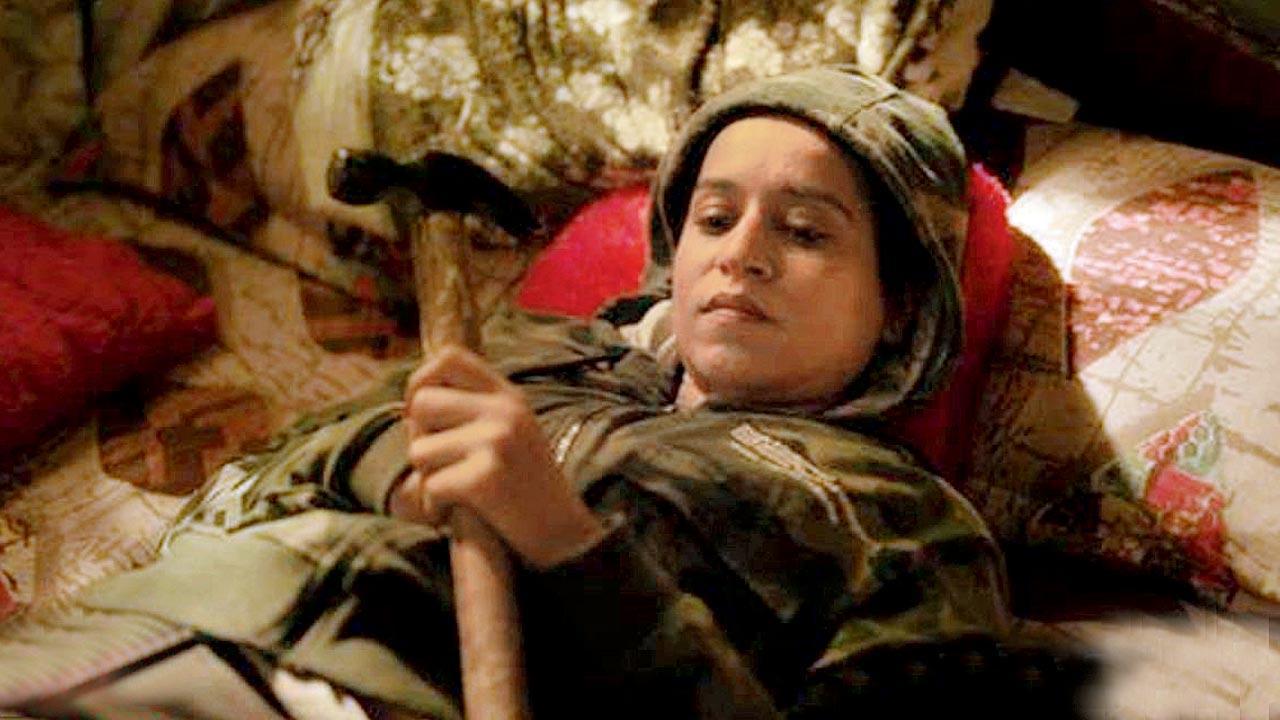
Tillotama, Best Supporting Actor: Series nominee at mid-day and Radio City Hitlist OTT Awards, says Delhi Crime 2 showed society’s judgment towards women, through her role
Uma Ramasubramanian (MID-DAY; February 14, 2023)
The appreciation that Tillotama Shome got for the second season of Delhi Crime has been a long time coming, she believes. Two decades, to be precise. To the actor, who previously collaborated with director Tanuj Chopra on several short films, the Netflix crime drama is the perfect example of the kind of stories they want to tell.
“It was the validation of young dreamers, Tanuj and I, who dreamt together in our twenties about what we wanted to do. We finally did it in our forties,” says Shome, happy to have bagged a Best Supporting Actor: Series nomination at the mid-day and Radio City Hitlist OTT Awards.
In the second instalment of Delhi Crime that revolves around a series of gruesome murders in Delhi, Shome’s Karishma is easily the most intriguing character. A beautician who closely witnesses the luxuries of the wealthy, Karishma resorts to violence to attain the life that otherwise seems out of her reach.
The idea, Shome says, was to understand her character’s motivations without judgment, thus humanising her. “What interested me was [understanding] why she does this. Did she have a choice? Our choices increase with our privilege. She did not want a child, but had no say in the matter. She was judged for leaving her child behind. It is not a crime to not be maternal, but our society makes it out to be. The yearning for a better life twists within her, and becomes a creature that needs expression. She does what needs to be done, to realize her dreams. You can judge her for it, but she does not care for your approval.”
Cast your vote for the Hitlist OTT Awards
Tillotama Shome has been nominated in the Best Supporting Actor (Female): Series category for Delhi Crime S02.
The other nominees are:
- Aishwarya Sushmita (Khakee: The Bihar Chapter)
- Bani J (Four More Shots Please S03)
- Neena Gupta (Panchayat S02)
- Rytasha Rathore (Masaba Masaba S02)
- Shilpa Shukla (Four More Shots Please S02)
There are 16 categories that the public can vote in. Log on to www.radiocity.in/hitlistott to cast your vote.
Voting lines close on February 22.
Pratik Gandhi to play R&AW agent in ’70s spy thriller For Your Eyes Only
8:28 AM
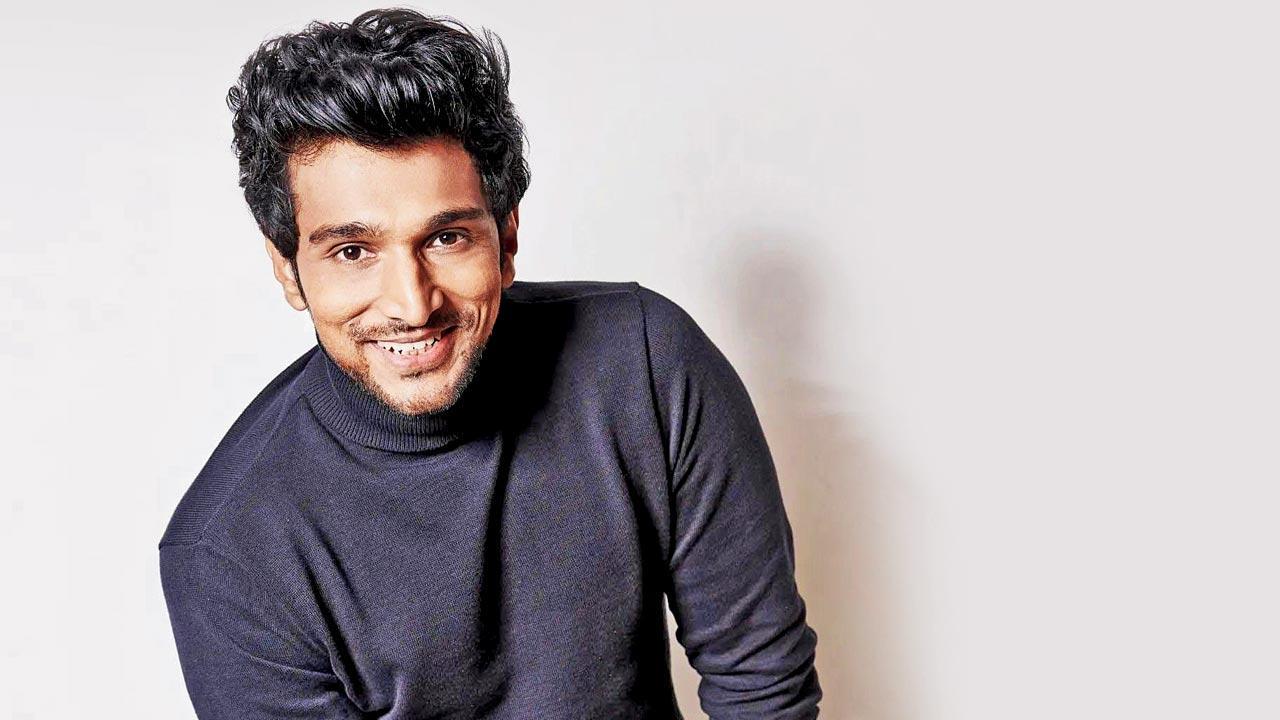
Scam 1992 star Pratik Gandhi to play R&AW agent in ’70s spy thriller For Your Eyes Only; series, inspired by real-life events, to roll next month
Upala KBR (MID-DAY; September 18, 2022)
After 'Scam 1992: The Harshad Mehta Story' (2020) and 'The Great Indian Murder', Pratik Gandhi has zeroed in on his third web series. Next month, the actor will begin filming 'For Your Eyes Only'. One hears that the Netflix show—produced by Sejal Shah and Bhavesh Mandalia, the creators of 'Serious Men' (2020) and 'Decoupled' (2021)—will be an espionage thriller set in the ’70s, with Gandhi portraying an R&AW agent.
Mounted on a grand scale, the story of 'For Your Eyes Only' travels across India and all the way to Budapest as the protagonist goes undercover to find and neutralise security threats to the country. A unit member informs, “Backed by Sejal and Bhavesh’s production house, The Bombay Fables Motion Pictures, the project will roll on October 1. An elaborate set is being put up in Mumbai, which will be the venue for the first schedule. After that, the team will move to Delhi, Rajasthan and Visakhapatnam, before heading to Budapest. It will be a start-to-finish schedule of over 40 days.”
The series also stars Rajat Kapoor, Tillotama Shome, Sunny Hinduja, and Kritika Kamra. In keeping with the style of the ’70s, Gandhi will sport a different look. “The designer and make-up teams have already created the looks of the primary characters, including that of then-Prime Minister Indira Gandhi and R N Kao, the first chief of India’s external intelligence agency. While many films have depicted spies as suave and stylish, this story remains authentic, depicting Pratik’s character and other R&AW agents as everyday men whose job requires them to blend into the crowd. The subject has been researched for over a year. The creators including Gaurav Shukla and director Sumit Purohit want it to be authentic and gritty. Important real-life events of that decade will be depicted.”
The source adds that 'For Your Eyes Only' will be one of the biggest drama series sanctioned by Netflix India, besides Sanjay Leela Bhansali’s Heeramandi. “A foreign DoP has been hired. The budget too is steep as sets resembling certain cities of Pakistan will be built for crucial sequences. The title is derived from the fact that when the intelligence agencies send confidential documents to the prime minister, they are always put in an envelope with the words ‘For Your Eyes Only’ written on them.”
The why behind my Delhi Crime character's actions interested me-Tillotama Shome
8:40 AM
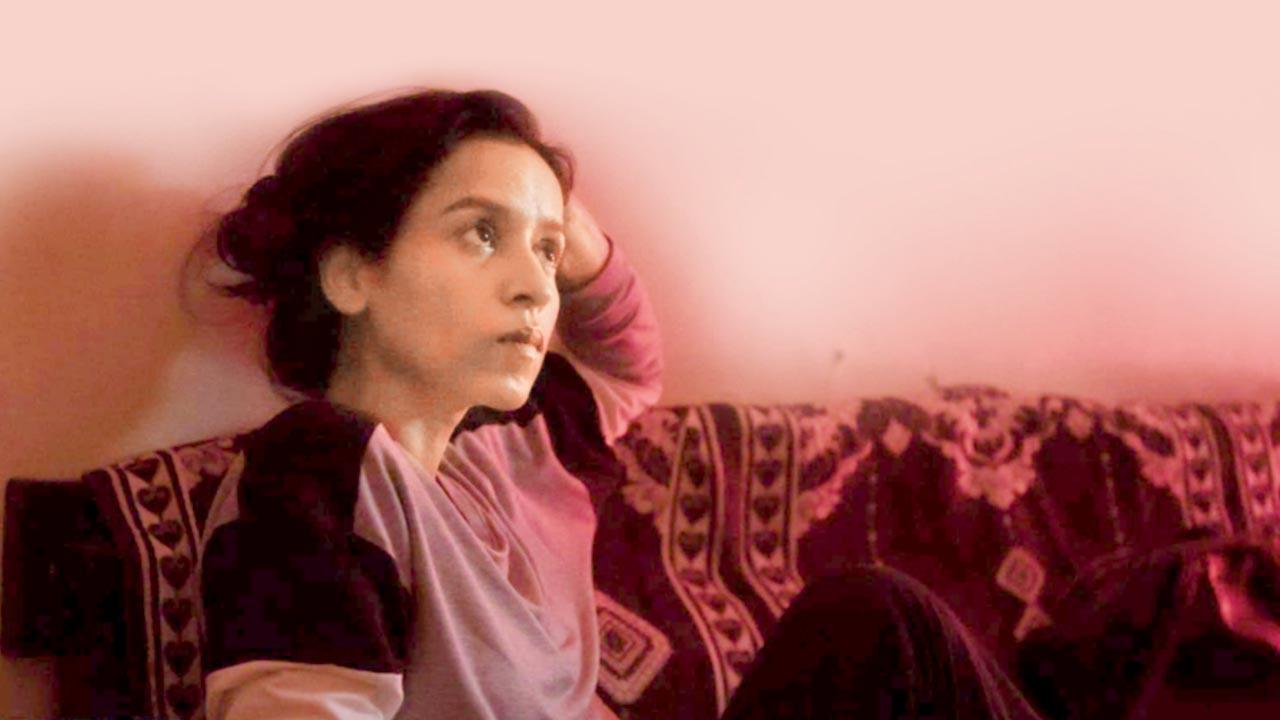
Playing criminal mastermind in 'Delhi Crime 2', Tillotama says series explores how systemic marginalization of the underprivileged leads to crimes
Uma Ramasubramanian (MID-DAY; August 27, 2022)
To Tillotama Shome, joining the cast of 'Delhi Crime 2' is “a sweet homecoming” of sorts. The actor, after all, has collaborated with director Tanuj Chopra on several short films, including Butterfly (2003) and Chop Chop (2009). Over a decade on, when Chopra needed an actor who could do justice to the angst and violence of Karishma — depicted on screen as the mastermind of the Kachcha Baniyan gang — Shome was his first choice.
“She masterminds heinous crimes. The why behind her actions interested me. Why does she do what she does? The institutions that punish criminals are often punishing them for [the system’s] own failure to provide basic access to human rights. Karishma’s dreams are not criminal, but her ways of getting to them are violent,” says the actor, evidently fascinated by her character.
In the second season of the Shefali Shah and Rasika Dugal-starrer, the Delhi Police is seen investigating a multiple murder case involving senior citizens. Through the case, the Netflix series revisits the gruesome crimes of the Kachcha-Baniyan gang that operated in north India. What drew Shome to the project was that it went beyond a police procedural to delve deep into how society pushes the marginalised to the wall.
“A person is not born a criminal. Karishma, like many of us, wanted a better life and imitated the likes of those who were more affluent. But to them, she was invisible. For Karishma, [the invisibilisation] took the shape of violence. In some, it takes the shape of self-harm. One is criminalized, the other is not. The police find it shocking that she left her child. Fathers are not blamed as harshly for doing the same. It isn’t a crime to not want a child, but our society makes it out to be.”
Playing such an intense role for months can take a toll on an artiste. But the actor views it differently. “Real life is far more triggering than fiction. The pandemic underlined that. I have a supportive family, and friends. My partner diffuses my work-related stress. I garden, cook, and now even embroider,” she laughs, before adding, “One has to find inspiration and calm in the everyday.”
I had never heard of The Sandman; my writer friends freaked out when they heard about the offer-Vijay Varma
8:25 AM
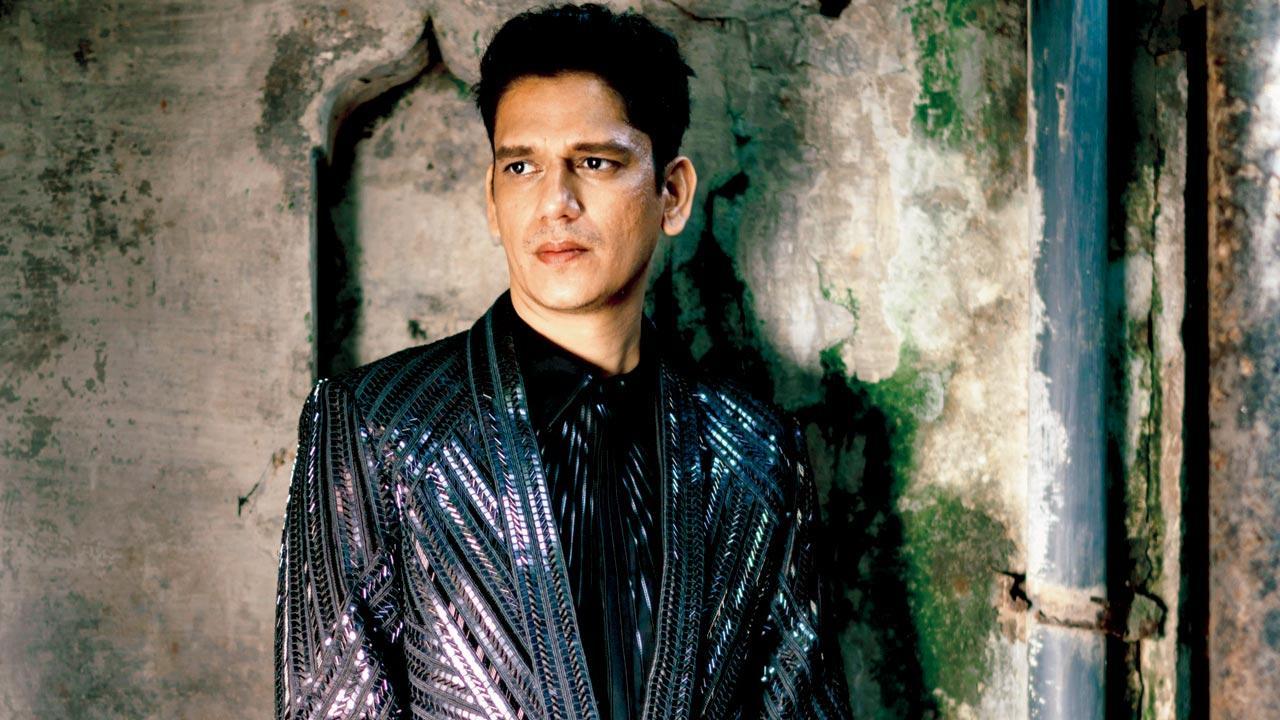
An ardent fan of Indian comics, Vijay Varma discusses the joy of recording his first Hindi audio series, The Sandman
Letty Mariam Abraham (MID-DAY; May 17, 2022)
He may have taken a long time to break out of anonymity, but Vijay Varma has earned his place in the industry today. Even as he juggles multiple films, the actor has recorded his first audio show, The Sandman, for Audible. It’s sheer joy for Varma, an ardent comic book fan, to step into the character of Morpheus in creator Neil Gaiman’s world. In conversation with mid-day, the Gully Boy actor shares his love for comics and the potential of audio shows.
Edited excerpts from the interview:
Are you a fan of graphic novels?
I followed a phenomenal Indian comic book series called Raj Comics, which had our homegrown superheroes — Nagraj, Bhedia, Doga, Bhokal, Parmanu, and so on. I had a collection of almost 500 comics when I was about 17 or 18. I was never into English comics. I was made aware of those superheroes through cinema or television. When I was approached for The Sandman to play the part of Morpheus, I had never heard of the character. A few writer friends of mine freaked out when they heard [about the offer]. That is when I realised the magnitude of the opportunity. I heard the English series on Audible [recently].
Who introduced you to Indian comic books?
I was born and raised in Hyderabad. Every summer vacation, we would go to Rajasthan. In the course of travelling from Hyderabad to Rajasthan by train, I [discovered] Hindi books available in AH Wheeler shops. This generation would not probably know about AH Wheeler stories! [laughs] When I was about eight years old, I happened to go to this shop at the station where people were renting comic books for 25 paise. That was when I picked up my first comic book. The next 15 years of my life were dedicated to reading comic books during summer vacations. My father used to deal in antiques and handicrafts. He’d go to the markets where people were selling old books. I started going there with him and found comics in some shops.
Only recently, we realised the character of Morpheus has been adapted in the Matrix franchise from Neil Gaiman’s universe. Did you have any revelations while doing this show?
There have been constant revelations. What Mr Gaiman has made is so profound and vast. It’s rooted in mythology, culture, history, science fiction, and every realm. There is a chapter on how Dream [Morpheus] met William Shakespeare and encouraged him to write two plays, one of which is A Midsummer Night’s Dream. It’s like somebody did not hold their imagination back.
This is your first brush with an audio series. How was the experience?
It was daunting right from the onset. We worked with our voice and tried to create visuals through our words. It was a great learning curve for me. I don’t remember spending so much time in a booth before. By the end of it, I could go on for a few more hours.
Were you nervous about lending your voice to such an important character?
I was nervous throughout the experience. I would hide it well because I am trained to do that. I am more excited and nervous about this project because Mr Gaiman will hear it.
Do you think people have screen fatigue and will be drawn to audio shows?
I know I have [fatigue], and so many people are, unless they are in denial. I feel this is old-school storytelling. It’s like hearing stories from your grandmother. With Tabu walking people through the show, along with Manoj Bajpayee, Adarsh [Gourav], Kubbra [Sait], Tillotama [Shome], Neeraj [Kabi], [the show] is bound to create curiosity. If we can widen the audience pool a bit, that itself is a victory.
Subscribe to:
Posts (Atom)