Showing posts with label Sumit Saxena. Show all posts
Showing posts with label Sumit Saxena. Show all posts
Sumit Saxena, sexuality educator Apurupa Vatsalya discuss how Kaalkoot challenges gender roles and toxic masculinity
8:08 AM
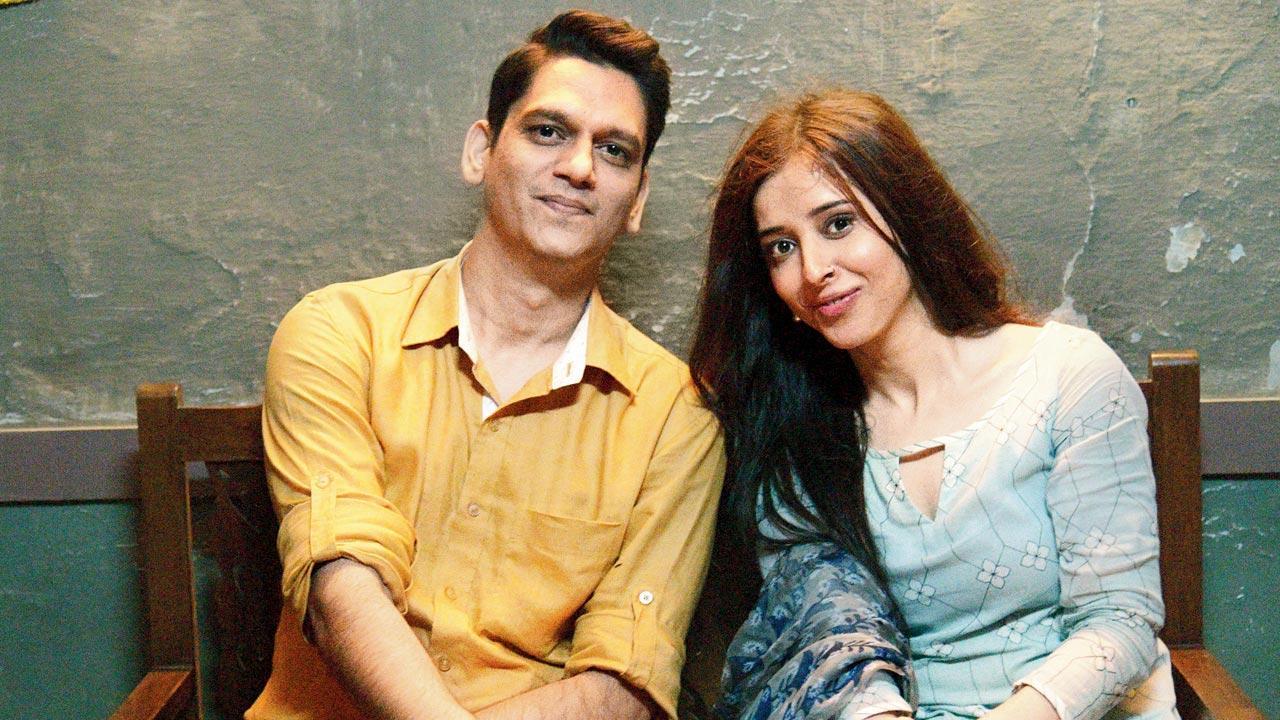
Vijay Varma and Suzanna Mukherjee in Kaalkoot
With Vijay Varma playing an unassertive cop in Kaalkoot, director Saxena and sexuality educator Vatsalya discuss how the show challenges gender roles and toxic masculinity
Letty Mariam Abraham (MID-DAY; August 1, 2023)
In a scene in Kaalkoot, we see Vijay Varma’s character, cop Ravi Shankar Tripathi, climbing a wobbly ladder, tentatively and hesitantly. His fear is only heightened by his boss, who hollers at him from below. Moments later, a junior cop climbs up the ladder swiftly, while Ravi is mocked for his inability to perform the task. The humiliation is repeated in another instance when he is unable to stand up to his boss in a game of badminton. Through these little snippets, Kaalkoot presents a meek, hesitant and quiet-mannered protagonist. And fortunately, a new gaze through which to look at a ‘hero’.
“When Kabir Singh [2019] released, it was lambasted for romanticizing toxic male behaviour. But there was another film, Bareilly Ki Barfi [2017], which wanted the audience to laugh at Rajkummar Rao’s character for not being ‘masculine’ enough. Now, if that is the kind of clown you create, then Kabir Singh is the kind of hero you will get. What we have tried to do in our show in the initial bits—when he looks unassertive, unambitious, and lost—is that we empathized with him,” begins writer-director Sumit Saxena.
Toxic masculinity
Kaalkoot sees Varma’s character investigating an acid attack case. In telling the tale of acid attack survivor Parul, essayed by Shweta Tripathi Sharma, the series delves into society’s distorted idea of masculinity, how that propagates toxic masculinity, and gender violence.
Sexuality educator Apurupa Vatsalya says the Jio Cinema offering holds up a mirror to society and challenges its notions that an ideal man is assertive, domineering and is the protector and provider. “At the outset, you see the hyper-masculine cops ridicule a fellow cop for being too empathetic. It is viewed as a character flaw. The suggestion is that he will not be capable as a cop because he is too emotional. He is doing all the macho things—riding a bike, investigating—and looks masculine, but because he is not assertive enough, he is suddenly incapable of his position. Toxic masculinity is sometimes ingrained. You’re not supposed to express your emotions or cry. They have grown up internalizing their emotions,” shares Vatsalya.
As the series progresses, it sheds light on the microaggressions that often denote toxic masculinity. In an instance, the cops are quick to determine that Parul must be a sex worker, after discovering a bottle of whiskey from her bag. Another scene sees two cops discussing slapping their wives for not being submissive and quiet—“haath chhoot jaata hai,” they say.
Breaking down such patterns, Vatsalya says, “I perceive toxic masculinity as when men do not have the opportunity and space to express and explore the wholeness of masculinity. It therefore spills out in ways that are harmful, not just for themselves, but also for the people around them. They subjugate women by slapping them, and disallow other men from expressing their identity.”
She adds that masculinity should not immediately be implied to be toxic. “There are beautiful expressions of masculinity. It’s important to also see whether a person, irrespective of their gender, is in touch with their masculinity and femininity, both.”
Toxicity not gender specific
The sexuality educator also highlights that toxic masculinity is not always gender-specific, women are often seen as gatekeepers of this mindset and behaviour. “Women also perpetuate this masculinity. So, these expressions of masculinity and femininity are gender-agnostic. If we then automatically move away from the notion that masculinity and femininity are equal to men and women respectively, we can then move away from the binary formula.”
In Kaalkoot, Saxena illustrated this point through the character of Rashmi. Envious of Parul’s beauty, confidence, and the attention she garners from men, Rashmi uploads Parul’s explicit pictures on an adult website and poses as her to talk to men. “One brute way would have been to cast Rashmi as someone who is oversized and has attention deficiency [from the opposite gender]. Instead, we showed her as an average-looking person, but who suffers from her own insecurities, which gave her [that vicious] personality,” explains Saxena.
Vatsalya agrees that misogyny stems from different markers and years of patriarchy, and makes us all victims. “The privilege of beauty is something we value. Unfortunately, it is based on how one appears, their body size, the complexion of their skin, and so on. Rashmi, like all of us, is victimized by the structure of patriarchy. We are raised with a scarcity mindset—we are taught constantly that women have few opportunities, we are fighting for the same few jobs and the same few men. We are taught and raised to be each other’s competition, and are not taught the values of sisterhood.”
The series, while offering commentary on society’s ills and prejudices, is equally cognisant of its protagonist’s shortcomings. Varma’s character calls off his marriage when he realizes that his fiancée has epilepsy. His anger stems from the fact that his fiancée hid the detail from him. As he evolves in the course of the narrative, he realises that he too harbours male entitlement and patriarchy—the very ideas that he claims to fight. Vatsalya, who is also a lawyer, explains this dichotomy.
“Nobody who is inflicting harm on another person is thinking of themselves necessarily as a perpetrator. They might be viewing themselves through a moralistic lens, and considering themselves the saviour or hero. Everyone is a hero in their own story, but they might be a villain in someone else’s story. When Vijay Varma’s character invites or rather tries to humiliate his fiancée by saying, ‘Have sex with me, then I will marry you,’ [he is using] sex and sexuality as a tool of control. This draws us back to [the clause of the ideal woman being a virgin]. The negotiations we make with patriarchy are not rational.”
Need for dialogue
Saxena and Vatsalya agree that the only way to combat misogyny or toxic masculinity is to have a constant dialogue about it, thus fighting our conditioning. The director asserts, “We must talk about whatever makes us uncomfortable. Clinical psychologist Jordan Peterson had noted that Voldemort in Harry Potter is called, ‘He who must not be named’. Why is that? Because the true nature of horror is unspeakable. So when you speak about the horror of life, it reduces [the conflict]. There is a sense of grim horror in the show. To end the horror, we must speak of it.”
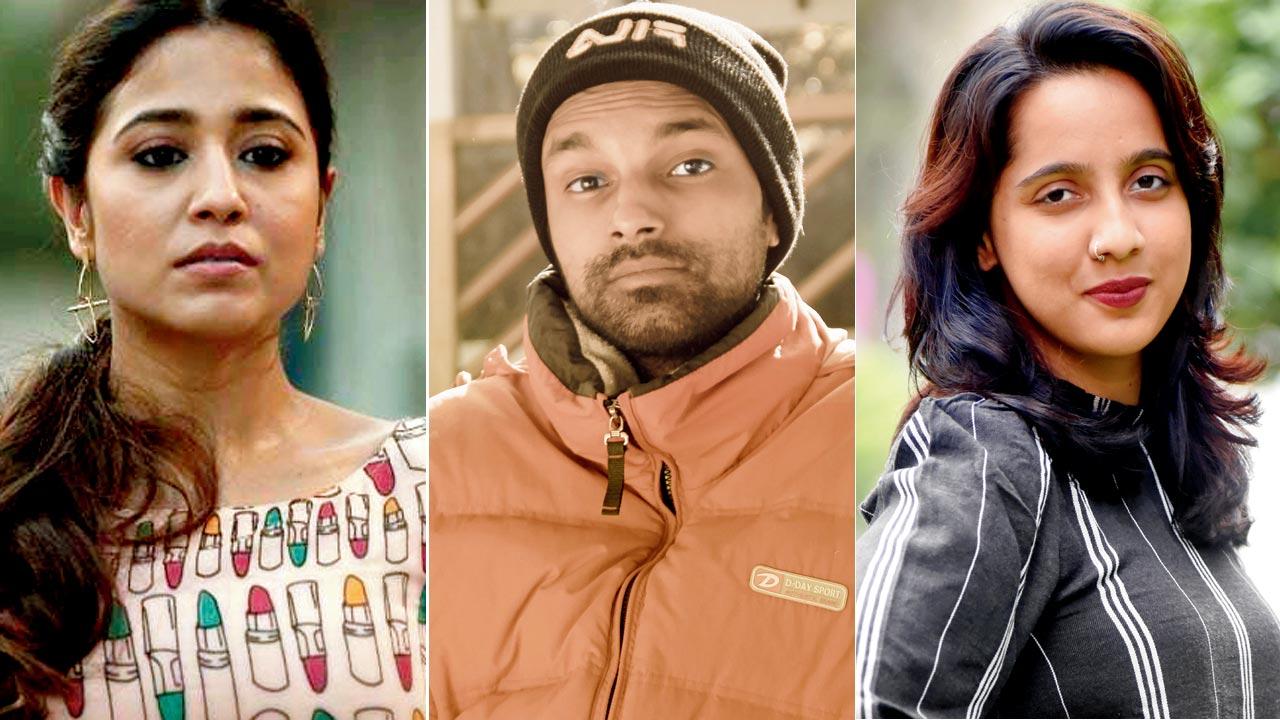
Shweta Tripathi, Sumit Saxena and Apurupa Vatsalya
Studios would say, ‘Who the f**k is Vijay Varma?’, says Kaalkoot writer-director Sumit Saxena
8:44 AM
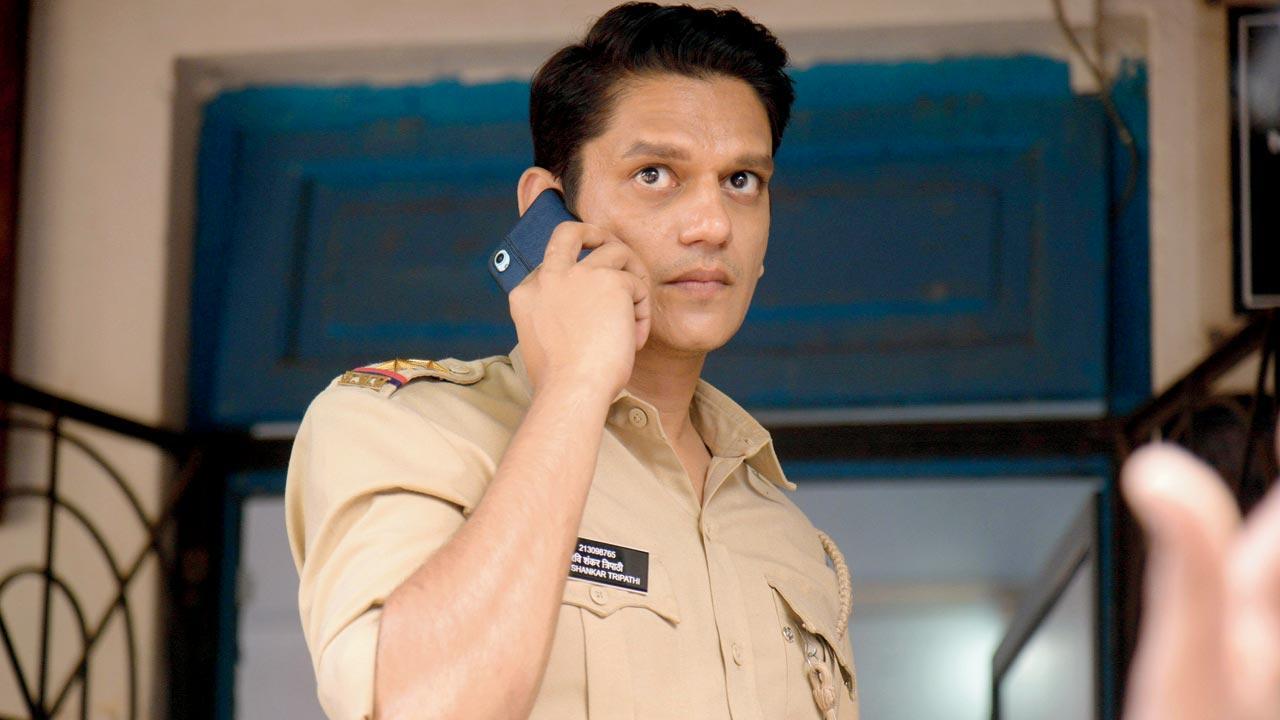
Director Sumit, who was pitching Kaalkoot to studios since 2016, on how he waited many years to make the series with Vijay
Letty Mariam Abraham (MID-DAY; July 29, 2023)
It speaks volumes about an actor’s calibre when a writer pens a story keeping him in mind. To Kaalkoot writer-director Sumit Saxena, Vijay Varma was always the only choice to lead his series. This, years before the industry woke up to the actor’s talent with Gully Boy (2019). “This was even before Pink [2016] happened,” Saxena highlights, underlining that he had developed the story in early 2016.
The director recounts that he knew Varma since 2008, and teamed up with him on a show titled Cheers in 2016. That was enough to tell him that the actor would be the perfect choice for the Jio Cinema series, which revolves around a police officer investigating an acid attack case.
“[After I wrote Kaalkoot], I had countless meetings with studios, where I showed them the script and asked them to cast Vijay. They would say, ‘Who the f**k is Vijay Varma?’ [In my head], I’d say, ‘There will be a time when you will know who he is.’ At the time, I told Vijay that I’d make the show with him some day, and that we would give a resounding clapback to all those who didn’t know him.”
Besides co-writing the series with Arunabh Kumar, Saxena penned poems that take the narrative ahead, often conveying a message. While some are uplifting, others are bold, sprinkled with expletives.
“You usually don’t hear cuss words in literary Hindi poetry. A literary artist fought with me over using Maa ch**** duniya in a poem. She argued that this is not how a great Hindi poet would ever write, and I said that was exactly my point,” he shares, adding that they wanted to show Varma’s on-screen father, portrayed by Tighmanshu Dhulia, as a liberal poet.
Another poem is titled Tumhari jaangon ke beech. The director emphasises that the idea is “not to titillate or entertain”. He says, “It’s a sincere poem, postdated by the late husband reminding his wife to move on after he is gone.”
Asked why he wanted Varma’s character to read out the poem to his mother, Saxena reasons, “The father wanted his son to be okay with his mother’s sexuality, to be okay with it if she chooses another partner after his death.”
Men manufacture a certain idea of masculinity-Shweta Tripathi
8:50 AM
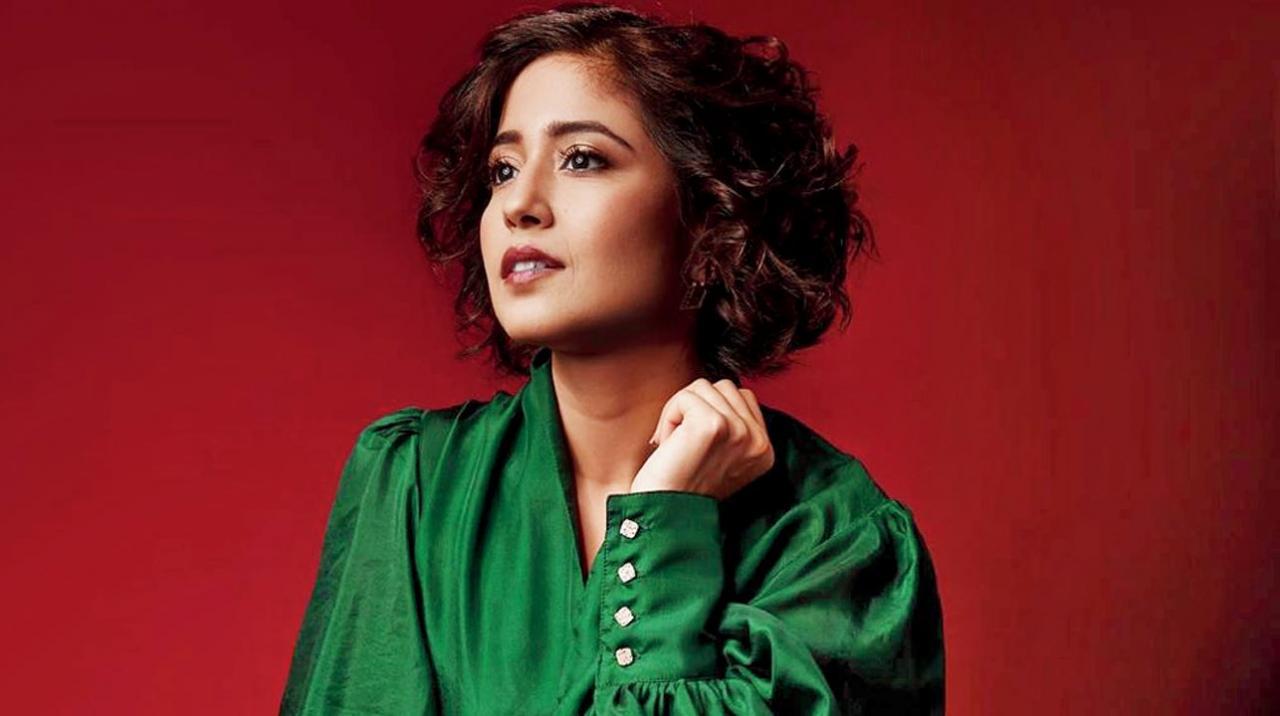
Leading Kaalkoot that delves into acid attack cases, Shweta says the show goes beyond to reflect toxic masculinity
Letty Mariam Abraham (MID-DAY; July 23, 2023)
Shweta Tripathi Sharma is inherently drawn to “tougher, edgier, and morally hazy roles.” Kaalkoot ticked the first box, giving her a powerful role. Couple that with the opportunity to work with director Sumit Saxena, and it was an instant yes from the actor.
“When I choose any project, the material, character, and story are of the utmost importance, but it is also important to know who the makers are. If you have a great script in the wrong hands, it isn’t [going to bear fruit]. I trusted Sumit’s vision because I had worked with him before on a short film,” says Tripathi.
The Jio Cinema series sees Tripathi play an acid attack survivor, while Vijay Varma essays an earnest cop who puts his might behind solving an acid attack case. As part of her research, she met a few acid attack survivors. While she struggled to keep her tears in check while listening to their stories, she drew from their strength.
“They were laughing, giggling, sharing stories, and telling me about their lives. Hats off to them because when something like this happens, you are changing not only their face or skin; you are changing who they are, their dreams, and who they want to be. No one has the right to change somebody’s life.”
Even as the crime thriller is centred on acid attacks, writers Saxena and Arunabh Kumar have gone beyond the subject to show how society sets unrealistic beauty standards and promotes toxic masculinity.
Emphasizing that validation comes from within, the leading lady says, “We live in a world of capitalism and consumerism, and the concept of beauty that we sell bothers me. Also, Ravi [Varma’s character] is often told that in order to be a good cop, he needs to project masculinity. This story also delves deeper into the reasons why men are the way they are in our society. They manufacture a certain idea of masculinity, a certain beauty standard, and [create a flawed ideal of] how a woman should be.”
A lot of wrong decisions were made in the script of Doctor G-Anubhuti Kashyap
7:54 AM
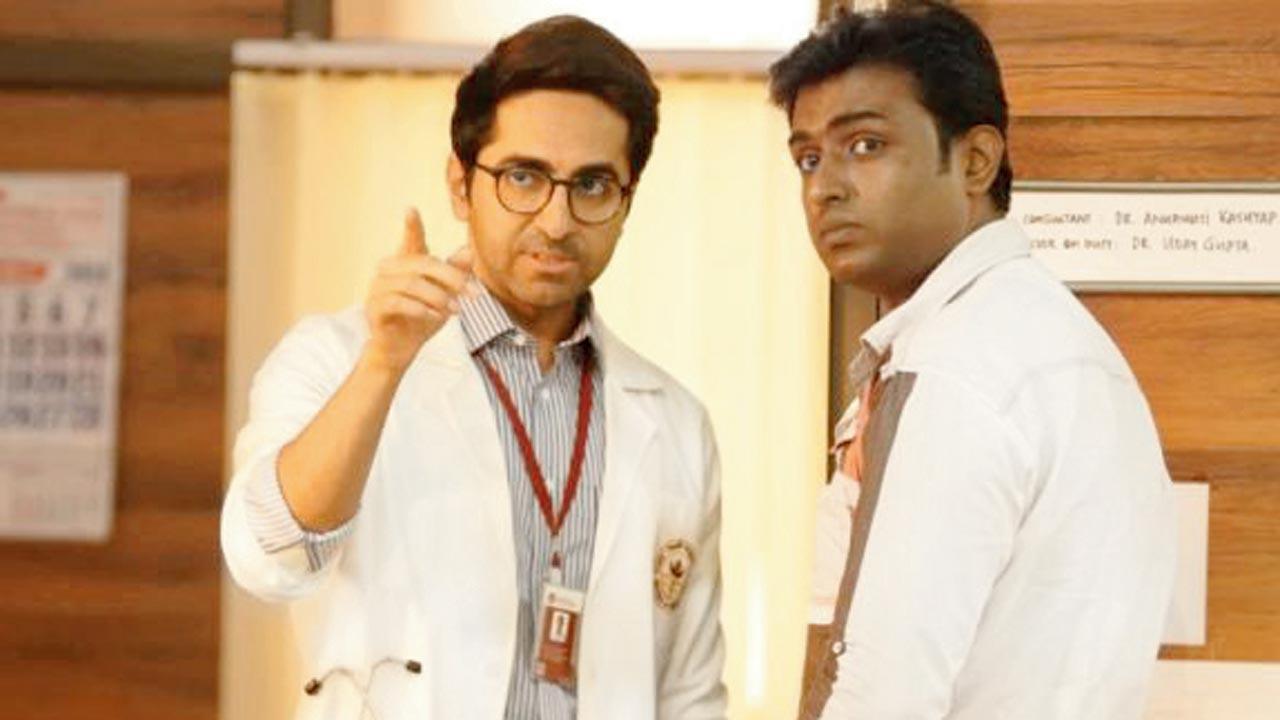
Taking Doctor G’s lacklustre performance in her stride, director says biggest learning is to shoot only when ‘completely satisfied’ with material
Priyanka Sharma (MID-DAY; November 4, 2022)
Our firsts often leave us with valuable lessons. Anubhuti Kashyap would agree. In the three weeks since her maiden feature film Doctor G opened to an underwhelming response, the director has cut the emotional cord that bound her to it, to gain an objective perspective. So, what has been her been biggest takeaway?
“There were a lot of wrong decisions made, even in the script and narrative arc,” she says thoughtfully. A coming-of-age story of a sexist gynaecology student, the Ayushmann Khurrana-starrer was well-intentioned but inconsistent. Kashyap, who co-wrote the script with Sumit Saxena, Saurabh Bharat and Vishal Wagh, attributes it to the tonal differences.
“Sumit and I are different writers. [That resulted in] tonal differences. More than regrets, there has been learning. The biggest one is that you must be completely satisfied with the script before going to shoot.”
While making the social comedy, Kashyap drew from her experience as an assistant director on filmmaker-brother Anurag Kashyap’s movies. In hindsight, she realises that every director must find their distinct approach. “Anurag’s scripts are mostly half-written, and he forms them as the films are made. I came from that school [of filmmaking]. So, [when approaching Doctor G], there were certain parts that weren’t finished in the script, but we thought, ‘Let’s shoot it now, we will see it later.’ The film would’ve probably worked better had it been completely my script, giving me more control while shooting it.”
That said, she stuck to her guns on most occasions, including changing the lead character from being “out-and-out misogynistic” to “casually sexist”.
She has taken the box-office misfire in her stride. “Its opening figures were better than our expectations. Also, those who watched it liked it. That is the saving grace.”
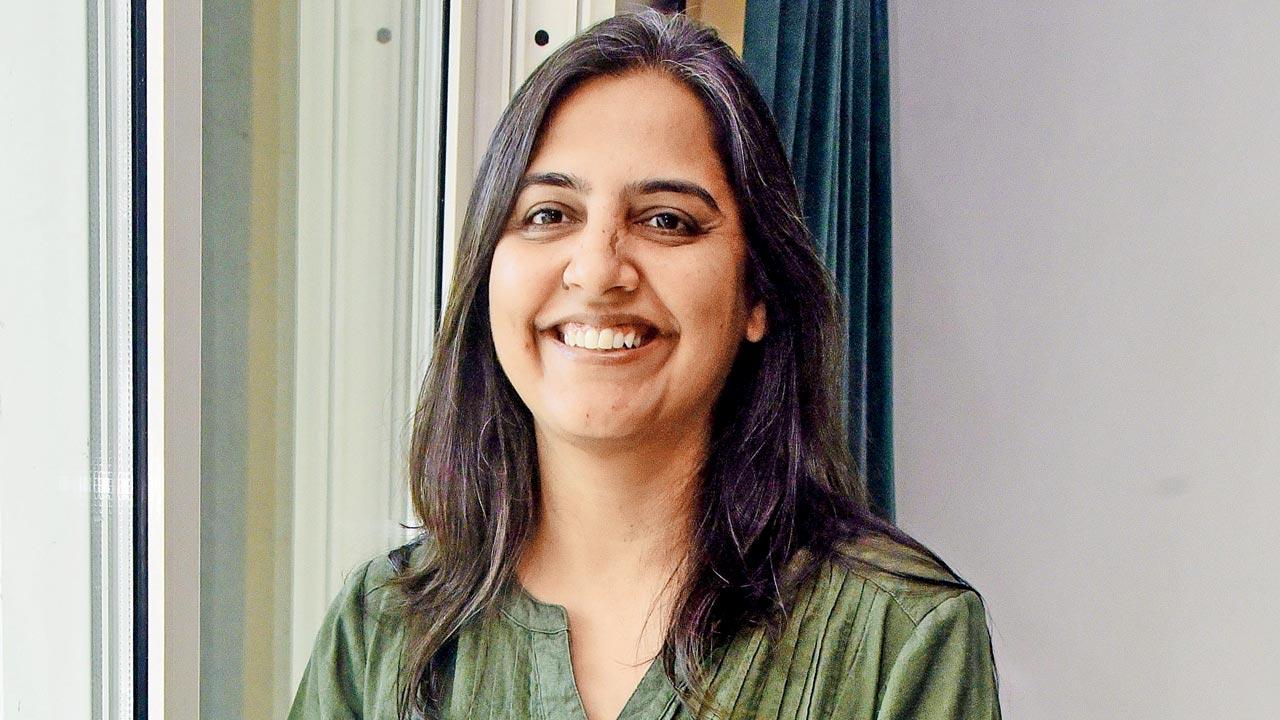
We rarely see women making bad choices on screen-Konkona Sen Sharma
8:12 AM

Winning praise for her Geeli Pucchi act, Konkona Sen Sharma discusses how writer-duo made her character human by lending it grey shades
Upala KBR (MID-DAY; April 28, 2021)
With Geeli Pucchi, one of the short films in Ajeeb Daastaans, director Neeraj Ghaywan highlighted two truths — that our society, even today, refuses to rise above casteism. And, if you have a demanding role, Konkona Sen Sharma is your best bet to portray it with all heart and honesty. The actor has won glowing reviews for her portrayal of Bharti Mondal, an efficient Dalit factory worker who is keen to climb up the ranks but is sidelined due to her caste. “I am used to my films not being seen by or not reaching many people, so this outpouring of love has been overwhelming. It’s my first film that has received such a strong response,” says Sen Sharma.
Through the principal characters, the film studies queer love, gender politics and caste conflict. The true win, according to her, lies in its nuanced writing. “For me, the trickiest scene was where Bharti talks to Priya [Aditi Rao Hydari] in the locker room after her confrontation with a male worker. That’s the turning point of the story. Bharti was a complex character, but her complexities make her more human on screen. It’s thanks to Neeraj and co-writer Sumit Saxena’s nuanced writing that these characters have come to life. We rarely see women making bad choices on screen. But here, [Bharti] is not a monolithic identity; there are shades of grey to her.”
When the segment was being shot last October, the makers were hunting for an appropriate title. “We had other titles in mind, including Deewani. Sumit suggested Geeli Pucchi once the film was ready. As a Bengali, I wasn’t familiar with the term, but I love that it comes straight from the characters.”
Ayushmann Khurrana in and as Doctor G in Junglee Pictures’ next
8:10 AM

BOMBAY TIMES (December 22, 2020)
With two successful collaborations, Bareilly Ki Barfi (2017) and Badhaai Ho (2018), under their belt, both Ayushmann Khurrana and Junglee Pictures are coming together with their next movie titled Doctor G, to create magic yet again.
Talking about the project, Ayushmann says, “Doctor G is a script that I fell in love with instantly because it is super fresh. It is an extremely unique and innovative concept that will make you laugh and also make you ponder. I am excited to don the doctor’s coat for the first time in my career and also deliver a message in the process that will hopefully speak directly to your hearts.”
To be directed by Anubhuti Kashyap, this film is a campus comedy-drama, where the main protagonist will be seen playing a doctor. It’s been a while since that has happened in Hindi films and with Ayushmann playing Doctor G, the wait is definitely going to be worth it. Anubhuti Kashyap, who is all set to make her feature directorial debut with this film, shares, “I am stepping into my filmmaking journey with all my passion, and this project has me thrilled to be on sets. I am looking forward to working with Junglee Pictures and the versatile and talented Ayushmann. This film is definitely exciting because it appeals to both the younger and the family audiences equally.”
Amrita Pandey, CEO Junglee Pictures, adds, “We are thrilled to partner with Anubhuti on Doctor G as her first feature film. The creative development team at Junglee along with the writers of the film, Sumit, Vishal, Saurabh and Anubhuti, have developed this high-concept and superbly entertaining script that we can’t wait to bring to life. Ayushmann will elevate the experience even more with this third outing with us.”
Ayushmann says, “Junglee’s vision towards storytelling excites me. Their focus has always been towards high-concept films, which matches with my thinking as an artiste. We have had two very successful outings before, and I hope that Doctor G will be a hat-trick of hits for us.”
Ayushmann’s previous collaborations with Junglee Pictures have owned the box office collections. Badhaai Ho won two National Awards, one of them for Best Popular Film Providing Wholesome Entertainment. Bareilly Ki Barfi was widely appreciated by the audience as well as the critics.
Anubhuti, who has co-written this film, has previously directed the dark comedy mini-series Afsos and the acclaimed short film, Moi Marjaani. Doctor G is written by Sumit Saxena, Vishal Wagh and also Saurabh Bharat, who interestingly is a doctor-turned-writer and has drawn inspiration from his medical college life experiences. Sumit, who has written films like Pyaar Ka Punchnama and Lust Stories (one of the films in the anthology, which was directed by Karan Johar), has also penned the dialogues of this film.

Subscribe to:
Posts (Atom)