Showing posts with label Sony LIV. Show all posts
Showing posts with label Sony LIV. Show all posts
The South is eating OTT’s lunch; Bollywood isn’t the main course anymore
9:49 AM

Once built around a Bollywood-first script, India’s streaming economy now finds its biggest growth engines and creative bets firmly rooted in the southern states
Javed Farooqui (THE ECONOMIC TIMES; November 26, 2025)
Over the last decade the gravitational pull of India’s entertainment economy has shi fted unmistakably southward. What began as sporadic national curiosity, gradually swelled into a full-blown cultural crossover. When Naatu Naatu from the Ram Charan-NTR Jr starrer RRR lit up the Oscar stage, it signalled that southern cinema was no longer rising quietly; it was asserting itself at the centre of India’s mainstream imagination.
That momentum has now spilled decisively into the OTT universe. For years, India’s streaming landscape ran on a Bollywood-first operating system. Budgets, narratives, and viewer targeting were all sculpted around the Hindi-speaking market.
But the lockdown years changed viewing behaviour dramatically. Housebound and hungry for fresh stories, audiences began exploring Tamil, Telugu, Malayalam and Kannada films in unprecedented numbers. The runaway popularity of Pushpa: The Rise - Part 01, Kantara and RRR ensured that southern storytelling was no longer incidental, it was central.
Among the southern-language industries, Malayalam cinema has emerged as the most intriguing outlier. Despite being the smallest in scale, it has consistently punched above its weight. Films like Manjummel Boys and Aadujeevitham - The Goat Life have travelled across states, while titles such as 2018 and Premam have shown modest overseas draws. Its combination of creative discipline and financial prudence has strengthened the entire value chain, making Malayalam cinema an appealing proposition not just for theatres but also broadcasters and streaming platforms chasing quality content with dependable economics.
Battle for Eyeballs
Today, the fiercest battle for subscribers, originals and film rights is unfolding in southern India. Tamil Nadu, Telangana, Andhra Pradesh, Kerala and Karnataka have become high-growth markets. Every major platform is investing aggressively, drawn by more than 250 million people, deep digital penetration, mature entertainment habits and a willingness to pay.
L V Krishnan, chief executive officer of TAM Media Research, notes that southern audiences have historically shown about 50% higher content consumption. “With growing digital penetration and diverse storylines, content consumption is being further boosted by streaming platforms. Easy and cost-effective AI-driven dubbing has broadened the appeal of southern content to a global audience.”
India’s streaming ecosystem has exploded to 57 OTT platforms, spanning national giants and regional players like Aha, Sun NXT and ETV Win. Ormax Media estimates the country’s OTT audience will touch 600 million by year-end, powered by rising connected-TV usage expected to hit 129 million. With 562 million smartphones and nearly 50 million connected-TV screens, digital entertainment is now the default mode of consumption.
Content Counts
Content supply has kept pace —India churns out close to 200,000 hours of original programming a year—from over 1,600 films to more than 2,600 hours of premium OTT series, says a FICCI-EY report. Paid streaming is also expanding, with subscription video users projected to rise from 47 million in 2024 to about 65 million by 2027.
Although platforms do not reveal regional subscriber splits, executives say the South contributes disproportionately to paid users and viewing hours. The region’s 143 million OTT users nearly match North India’s 151 million despite its smaller population base, according to Ormax. Half the southern population already consumes OTT content, the highest penetration in India.
The investment momentum reflects this energy. Platforms are building larger content teams in Chennai and Hyderabad, experimenting with new pricing models and aggressively commissioning original series that reflect local culture rather than merely ticking regional boxes. The era of token presence is over; depth is the new strategy.
For Netflix, Prime Video and ZEE5, southern growth is fuelled by blockbuster films and originals. For JioHotstar and Sony LIV, sports strengthen their entertainment pipeline. Local giants such as JioHotstar and ZEE5 also benefit from steady daily TV content that reinforces platform stickiness.
“Streaming created a watershed moment for South cinema. During the pandemic, high quality subtitles and dubbing removed language barriers and audiences discovered stories they never had access to,” said Monika Shergill, VP content, Netflix India.
On a New Platform
In 2022, South content viewership grew 50% year-on-year, with South titles appearing in Netflix’s global non-English Top 10 list in about 17 countries the following year. This number has now risen to 26. Last year, Vijay Sethupathi’s Maharaja became Netflix’s most-watched Indian film globally.
“South storytelling is not just becoming bigger in India, it is becoming mainstream. A large part of our slate today consists of South movies, and we acquire the Hindi dubbing rights along with multiple subtitle and dubbing language rights. This allows these powerful films to travel across different audiences,” Shergill said.
Early OTT investment focused heavily on acquiring South Indian films. Titles such as Pushpa, Kantara, Kalki 2898 AD and KGF fetched some of the highest digital acquisition fees. Films still trigger subscriber spikes, but platforms are now investing more in long-form originals to build retention.
Netflix recently announced six new Tamil and Telugu originals, underscoring long-term commitment.
“We currently have about 26 shows in development, negotiation or production for the South. This is the largest pipeline of South Indian content we have ever had,” said Nikhil Madhok, director and head of originals, Prime Video India, adding that 60% of users watch content in multiple languages.
Sony LIV is developing 13 regional originals, 11 of them from the South. Sony LIV’s business head Danish Khan said the South’s strong legacy in films and television raises creative expectations. “Tamil and Telugu are large markets both within India and internationally. Malayalam has become a supplier of strong stories across India.”
Khan noted that consumption patterns in South India mirror national trends—sports, films and originals drive engagement. Sony LIV acquires only select Malayalam films for cost efficiency. The subscriber split is around 80:20 male to female and viewership is 70:30 in favour of men. “OTT penetration in South India is already high and content consumption per user is higher than the national average,” he said.
“We anticipate a substantial rise in the volume of OTT content originating from the South in the coming years.”
JioHotstar plans to triple its South slate to 1,500 hours of original and acquired programming over the next year. JioStar head of entertainment, South cluster, Krishnan Kutty said one-third of the platform’s viewers are from the South and account for a disproportionately high share of watch time.
“The Tamil and Telugu markets are the largest in terms of heft and creative ecosystem. Kerala punches far above its weight because it has a strong pool of storytellers. Some of our most successful movies and specials have come from Kerala. In Karnataka, we are at an early stage, but we are very excited about that market too,” Kutty said.
ZEE5 chief business officer Siju Prabhakaran said, “South contributes up to 45% of our total OTT watch time. Language packs contribute roughly 60-70% of our new subscribers. Each market has a business head who understands local culture and stories. For us, content is the hero.” ZEE5’s language packs are priced at Rs. 99 per month and Rs. 699 annually.
Plot in Story-telling
Executives say South Indian audiences are shaping a distinct OTT playbook. The region’s entrenched TV habits and strong cinema culture push platforms to create habit-forming content. Films remain the biggest subscription catalyst, with Prabhakaran estimating 50- 60% of new subscribers still coming from movies. Prime Video also notes the South’s affinity for films.
To build retention, platforms are adopting TV style storytelling. JioHotstar’s 80–100 episode series are “breaking conventional norms of digital content” as viewers return weekly. ZEE5’s OTT-first reality shows are among its biggest non-fiction subscription drivers.
The South is no longer a regional appendage to the national entertainment market. It has become the creative engine powering India’s soft-power ambitions. As language barriers fall and audiences embrace Indian stories, creators from Tamil Nadu, Telangana, Andhra Pradesh, Kerala and Karnataka are leading the charge. Streaming has not only expanded southern cinema’s audience; it has reshaped India’s entertainment economy and its cultural centre of gravity.
THE GREAT EXPANSION
- JioHotstar plans to triple its South slate to 1,500 hours over next year.
- Prime Video has 26 South-origin shows in the pipeline.
- SonyLIV has 13 regional originals, 11 of them from the South.
- ZEE5 says the South accounts for 45% of its OTT watch time, driven by aggressively priced language packs.
- Netflix has announced six new Tamil and Telugu originals; says views of South content grew 50% YoY in 2022.
We've stopped fighting for the other's right to exist regardless of differences of opinions-Sudhir Mishra
9:12 AM

Filmmaker Sudhir Mishra has adapted his grandfather DP Mishra's memoir for his eight-part series Summer Of '76. He talks to us about how it is absolutely possible for different viewpoints and polarising opinions to peacefully coexist in a healthy democracy
Mohar Basu (MID-DAY; July 13, 2025)
On Samvidhaan Hatya Diwas, June 25, a reminder of the Indian Constitution’s suspension during the Emergency, we sat down with filmmaker Sudhir Mishra at his Versova bungalow to discuss his Sony Liv series, Summer Of '76. It’s supposed to be an adaptation of a political memoir by his grandfather Dwarka Prasad Mishra, former CM of Madhya Pradesh — Living an Era.
He clears the air right away saying “it’s not just based on my grandfather’s book”. Then what is it? For Mishra, it’s a retelling of a time that’s never studied with the clarity it deserves. “I have an intimate understanding of the power politics of the Congress and in a very odd way, the politics of India in general. My grandfather had been active since 1939. I’m not totally in agreement with his politics. I’m also my father’s son. My father’s a mathematician. For me, you know, there’s a hypothesis, and it has to be proved. DP Mishra may have been opposed to or followed another kind of politics, like the socialist movement. There was someone called Ramesh Dixit, one of the students who was arrested. So, we took the rights to his life. He’s very close to me, almost like an elder brother. There’s this person called Pushpesh, who is a writer. He was a professor. So he’s also an activist,” he says.
The series is a work of imagination based on the lives they have studied. As Mishra says, “It is roughly based on memories. I was 15 when the Emergency happened. We also have the benefit of hindsight. The Emergency, for me, becomes a metaphor. It’s when the powerful stop listening. What happened during the Emergency was that the connection to the ground was lost. There’s a whole generation of people who did not agree with the idea of India that was being handed down to them by their parents. They thought it was problematic. Summer Of '76 is a bit of everything. It’s a rebellion. It’s a rebellious time, which confronts people in power.”
The eight-part series for Sony LIV begins in a university in Delhi. That’s where the confluence of varied ideologies starts. Mishra says, “Everyone is from different backgrounds. There are characters from Dalit backgrounds for whom political commitment is not a choice — it’s a necessity. There are also Muslims whose parents chose to remain in India, and they wanted to participate in this development. It’s a flux of people who accidentally meet and then it becomes their story — a story of passion, of youth, of young people, and excitement..”
A common dialogue about Emergency is the blatant unconstitutional censorship. Censorship has been a constant in India regardless of the party in power. Mishra tells us, “Artistes find a way to tell their stories. Many times, we are censoring ourselves. There’s also market censorship. ‘You can’t make this film because people say it won’t run’. Or, ‘You can’t make a film with a woman protagonist because it won’t work’. When I was making Yeh Saali Zindagi, the head of the CBFC asked why the title should have ‘Saali’. Even when I was making Hazaaron Khwaishein Aisi, they said, ‘Take out the name of the Congress party’. But if you’re not a sensationalist, and if you have facts behind you, you can make it work. I’m not saying I want censorship, I’ve always opposed it. But sometimes it forces you to avoid the obvious and do something else. There’s a line I use all the time, ‘The shortest distance between two points is a straight line, but the shortest real distance between two points, taking obstacles into account, is never a straight line’. There are always obstacles. So, you have to mark that path and navigate it.”
But censorship in cinema in 2025 has been alarming. A few days ago, mid-day reported how the CBFC’s e-cinema website, which listed all the cuts made to films, went down due to a technical issue. And now it’s clear that people will no longer be able to access what cuts or changes are being requested by the body. Films like Punjab 95, Santosh, Monkey Man, L2 Empuraan, have faced the ire of the CBFC, most not even making it to the release. Mishra says filmmakers need to fight for each others’ rights regardless of their own beliefs.
“We’ve all retreated into our own rooms and platforms. We don’t meet each other like we used to. Something changed after the pandemic. The lockdown disconnected people. That community feeling is gone, which is sad. We have stopped fighting for each others’ right to exist regardless of differences of opinions! Politics has become quite polarizing. But contrast that with the 1970s during the Emergency. People were still taking stands, even if they were ideologically opposed. Everyone should have views, but we must also support the right to another view. Now, obviously, there are extremes — like supporting rape or genocide. I cannot support that. But if we disagree on how the world should be better, and we’re both coming from good faith, then that’s a healthy disagreement. I had a very good friend, we used to have massive fights. We’d yell and scream at night, but in the morning, it was fine again.”
Even at 66, Mishra constantly wants to be challenged. “I’ve had people come up to me and say, 'That’s the crappiest film I’ve ever seen'. And I didn’t agree, but they had their reasons. I remember one boy once told me, ‘Your film was like the binding on a canteen’s menu—it’s ugly.’ It’s the best criticism I’ve ever heard! It’s about having a view, engaging with the film. Now everything is about 'likes'. That word has become a four-letter word. Instead of provoking thought, we want likes. Even among left-leaning or liberal artistes—there’s a kind of toxicity that mirrors the right. I’m not into constant negativity either. A lot of critics sound like there’s nothing to celebrate in India. But I want to celebrate India more. And I have issues with nepotism too—especially the kind of liberal nepotism where people believe genius comes from genes. Nobody owns cinema. It belongs to all who love it. There are kids in Darbhanga making films now.”
One of the prototypes that came out of the ’70s was the Angry Young Man, which everyone says was born out of the rage the common man was feeling at the time. Was there an antithesis to the Angry Young Man?
“The angry young man broke the established monopoly and turned everything on its head. He broke the rules because that was the only way in. That’s why he was called a fixer — because there was no other way for him to enter the system. Not everybody was angry, but a lot of people were. They were not being heard. That’s what the Congress didn’t get at the time. The anger wasn’t directed at a specific figure — it was because people weren’t getting justice. They weren’t receiving what was promised. That’s what the Angry Young Man represented — especially in the Salim-Javed films, right? There were people before that too — like Guru Dutt and Bimal Roy — who had already begun questioning society. Popular filmmakers back then were very connected to the people. They came from among them. That’s not the case now. And that’s the criminal act of nepotism — today, cinema has been handed over to people who have no real connection to the audience. How will you make popular cinema if you’re not connected? Cinema needs healthy popular storytelling. For a while, it happened — with people like Vishal Bhardwaj, Anurag Kashyap, and Imtiaz Ali. They all came from small towns and had that connection. But then those doors shut again. Every few years, the industry needs a correction. Back in the day, the state supported cinema. Pather Panchali wouldn’t have been released without government support. That support made Indian cinema what it was.”
OTT platforms come under scrutiny as dark patterns erode consumer trust
9:03 AM

Consumers are increasingly flagging deceptive design tactics, or dark patterns, that make the experience less transparent
Javed Farooqui (THE ECONOMIC TIMES; July 14, 2025)
Consumers in India are increasingly flagging design practices on over-the-top (OTT) platforms that make the user experience less transparent, say industry executives and market observers.
Frequent complaints include unexpected rental charges, ads during paid subscriptions and difficult cancellations. These tactics, commonly referred to as dark patterns, can mislead users into continuing subscriptions, sharing personal data, or paying extra charges not clearly disclosed.
Some users also report being asked to install separate apps or re-register to access certain content.
A LocalCircles study of over 95,000 responses from OTT users identified six dominant dark patterns: interface interference, forced action, bait and switch, drip pricing, subscription traps and SaaS billing. Users cited hidden cancel buttons, surprise rental fees, unclear final pricing and charges even after cancellation.
To tackle these concerns, the Department of Consumer Affairs introduced Guidelines for Prevention and Regulation of Dark Patterns in 2023, listing 13 such practices, including false urgency, confirm shaming, basket sneaking, disguised ads, nagging, trick wording and rogue malwares.
While the union government's guidelines are aimed at improving digital transparency, some OTT platforms argue they apply only to e-commerce services.
“Dark patterns like forced action, where ads are added to a plan that was earlier ad-free, or subscriptions with difficult cancellation processes lead to a direct erosion of consumer trust,” said Sachin Taparia, founder of LocalCircles.
“The need of the hour is for all OTT platforms to assess which of the 13 dark patterns exist on their platforms and resolve them at the earliest. Such a move will improve transparency, and platforms that act swiftly will gain a long-term advantage over their competitors,” he added.
Experts say greater clarity and enforcement are needed as streaming becomes the primary mode of content consumption in India. The ministry of information and broadcasting listed 69 OTT platforms in the country, including Netflix, Amazon Prime Video, JioHotstar, Zee 5 and Sony LIV.
“India’s regulatory approach is rapidly evolving from a reactive stance to a proactive one. The CCPA (Central Consumer Protection Authority) has taken the lead by defining and warning against dark patterns, and by holding platforms—including OTT services—accountable. MeitY’s (ministry of electronics and information technology) policies and TRAI’s (Telecom Regulatory Authority of India) oversight play supporting roles in ensuring that digital marketplaces are fair and that no regulatory gaps allow these practices to persist unchecked,” said Consumer Protection Association president Kashyapnath N Upadhyay.
“While enforcement is still ramping up and some platforms are dragging their feet by claiming the guidelines are not binding, the trajectory is clear: deceptive design in OTT subscriptions is on the regulators’ radar, and India is moving towards a regime of greater transparency and stronger consumer rights online,” he added.
Rising costs force OTT platforms to buddy up
8:51 AM
Streaming giants are increasingly sharing content rights to split costs amid shrinking budgets: Industry execs
Javed Farooqui (THE ECONOMIC TIMES; June 19, 2025)
Mumbai: OTT platforms in India are increasingly adopting content rights sharing models to distribute expenses across players amid tightening content budgets as costs rise and profitability becomes a key priority, industry executives.
Content rights sharing works best for event-led properties such as live sports and films, where the immediacy of release matters more than exclusivity, they said. “Films don’t help in building loyalty,” one executive said, “which makes them more viable for this model.”
A recent example is the Tamil film Viduthalai 2, which was streamed on both ZEE5 and Prime Video with a three-month gap between the releases. Prime Video premiered it first, followed by ZEE5. Similarly, the Telugu film Mazaka was co-shared between the two platforms, but with a shorter, 30-day gap; this time, ZEE5 went first. Both titles were distributed by Beginnen Media.
Sony Pictures Networks India (SPNI) sublicensed the digital rights for the 2025–26 India–England cricket series to JioHotstar, despite having its own OTT platform, Sony LIV. The move allowed SPNI to offset part of the cost, while giving JioHotstar access to live cricket content—crucial for sustaining subscriber interest after the Indian Premier League season ended. The India-England test series begins on June 20.
Recently Netflix too inked a licensing deal with SPNI for CID, the long-running Sony Entertainment Television (SET) show, adding legacy content to its catalogue. These developments reflect a growing willingness to move beyond strict exclusivity in favour of broader reach and cost efficiencies.
Industry sources say leading OTT platforms are in talks with Indian broadcasters to license reruns of soap operas and film libraries in a bid to expand their audience base.
“Movie costs are expensive, and licensing models are evolving,” said Amit Goenka, president – digital businesses and platforms at Zee Entertainment. “Production houses are experimenting with new approaches, and we are too. For the first time, we’re trying windowed licensing, where we take the movie asset for the first three weeks, after which it can be sold to another OTT platform. This helps share the cost.”
Goenka added that cost was now a major factor for all OTT players, including the largest ones. “Even the biggest platforms are exploring innovative ways to manage expenses. Since digital revenues now form a significant part of a film’s recovery and profitability, producers must find smarter licensing strategies—and we’re working with them on that.”
Bharat Ranga, managing director of Beginnen Media, said every film can find a platform if the pricing is right and stakeholders are willing to innovate through rights sharing.
“Global streaming giants can collaborate by sharing film rights, especially where there’s minimal audience overlap. Unlike shows, films don’t significantly contribute to building a loyal user base, making them more suitable for content-sharing arrangements.”
He added that big-budget films are unlikely to be shared as they still serve as key user acquisition tools. “But mid-budget films, which often constitute the bulk of acquisition costs, offer strong potential for shared rights models.”
Ranga also pointed out that a similar shift is visible in satellite TV, where many film rights remain unsold, while shows continue to be tightly held due to their subscriber-retention value.
Vikram Malhotra, founder and CEO of Abundantia Entertainment, described content sharing as a tactical, cost-driven strategy that helps reduce acquisition costs and occasionally provides access to high-value content like live sports or tentpole films. However, he warned that the model is not sustainable in the long run.
“It undermines exclusivity—the cornerstone of subscriber acquisition, retention, and platform differentiation,” Malhotra said. “Shared content risks audience migration, especially if it's cheaper elsewhere, and primarily benefits smaller players with limited budgets.”
He added that larger platforms with premium audiences may have more to lose. “Globally, services like Netflix and HBO have been built on exclusive content. While content sharing may work for short-term events, it risks commoditizing content and weakening a platform’s value proposition over time.”
Ranga, however, sees a strategic future for the model. “While many view this as a tactical move, I believe it will remain relevant for at least the next five years,” he said.
“There are two emerging models in this space,” he added. “One is a day-and-date premiere across platforms—which hasn’t been implemented yet. The other is a staggered release, where one streamer gets the premiere window, followed by another. That model is already being tested.”
Licensing models are also getting shorter and more flexible. “Traditionally, Indian platforms acquired movie rights for 10 years. But now, deals are being made for one year, two years, 18 months, or even based on a fixed number of viewings—like 1, 10, or 20. There are many ways to structure deals to control costs,” Goenka said.
Sony Pictures sharpens India focus amid M&E shake-up
3:42 PM
Javed Farooqui (THE ECONOMIC TIMES; June 17, 2025)
Sony Pictures Entertainment (SPE), the entertainment arm of Tokyo-based Sony Group Corporation, is intensifying its focus on the Indian market as the country’s media and entertainment (M&E) sector undergoes rapid transformation, a top company official said.
SPE CEO Ravi Ahuja, who assumed office in January, noted that the boom in India’s M&E industry is being driven by strong economic and population growth. He also acknowledged that the company’s Indian operations are being reshaped following the failed merger with Zee Entertainment over a year ago.
“We believe the Indian market holds tremendous potential. We have a new MD and CEO, Gaurav Banerjee. His team is now focused on strengthening content production, building out distribution-related partnerships, and rebuilding and reorienting their growth strategy following the merger we previously attempted,” Ahuja said during the company’s annual presentation.
India’s media and entertainment (M&E) sector grew modestly by 3.3% in 2024, reaching Rs. 2.5 lakh crore, according to a report by EY in collaboration with FICCI.
Banerjee, previously with Star India, which is now jointly owned by Reliance Industries and Walt Disney, now leads Sony Pictures Networks India (SPNI), legally known as Culver Max Entertainment. SPNI owns and operates 27 linear television channels and the streaming platform Sony LIV. In FY24, the company reported a net profit of Rs. 839 crore on revenue of Rs. 6,510 crore.
A significant part of the growth strategy includes a renewed focus on digital platforms. "This includes increased investment in digital platforms, particularly in Sony LIV, our streaming service,” Ahuja added.
SPNI recently sublicensed the digital rights to India’s 2025–26 cricket tours of England to rival JioHotstar while retaining the television rights. SPNI is believed to have paid between $200–250 million for the England and Wales Cricket Board (ECB) media rights, with the India tours comprising the lion’s share of the value.
Sony Entertainment Television (SET), facing challenges in its fiction segment, is revamping its lineup. This includes relaunching the popular drama Bade Achhe Lagte Hain in a new format and introducing the thriller Aami Dakini later this month. Other recent launches include Chakravarti Samrat Prithviraj Chauhan (June 4) and Shirdi Wale Sai Baba (April).
This adds to a content slate featuring Kaun Banega Crorepati, Indian Idol, CID, Crime Patrol, and Shark Tank India. SET India, Ahuja noted, remains the fourth most-viewed YouTube channel globally with 184 million subscribers.
“Early signs are promising — ratings for Sony’s channels have seen a notable uptick since the leadership change, reflecting growing viewer engagement,” he said.
“We also recently secured exclusive media rights for the Asian Cricket Council tournaments, starting in 2024 and running through 2031—a move we believe will significantly boost viewership and further enhance Sony LIV,” Ahuja said. SPNI paid $170 for the exclusive media rights.
However, the upcoming Asia Cup in September is uncertain due to escalating tensions between India and Pakistan following the Pahalgam terror attack and the resulting war-like situation.
SPE posted sales of $9.9 billion and operating income of $774 million, despite headwinds from lower series deliveries due to the Hollywood strike and reduced revenue from the India media networks business under SPNI.
Rob Stringer, chairman of Sony Music Group, said the company is expanding its presence in high-growth markets including India, Latin America, Eastern Europe, Africa, and the Middle East. “In India and Latin America, we are still number one in recorded music,” he added.
If we are only going to show how bad society is, what are we showing our kids?-Sooraj Barjatya
4:51 PM
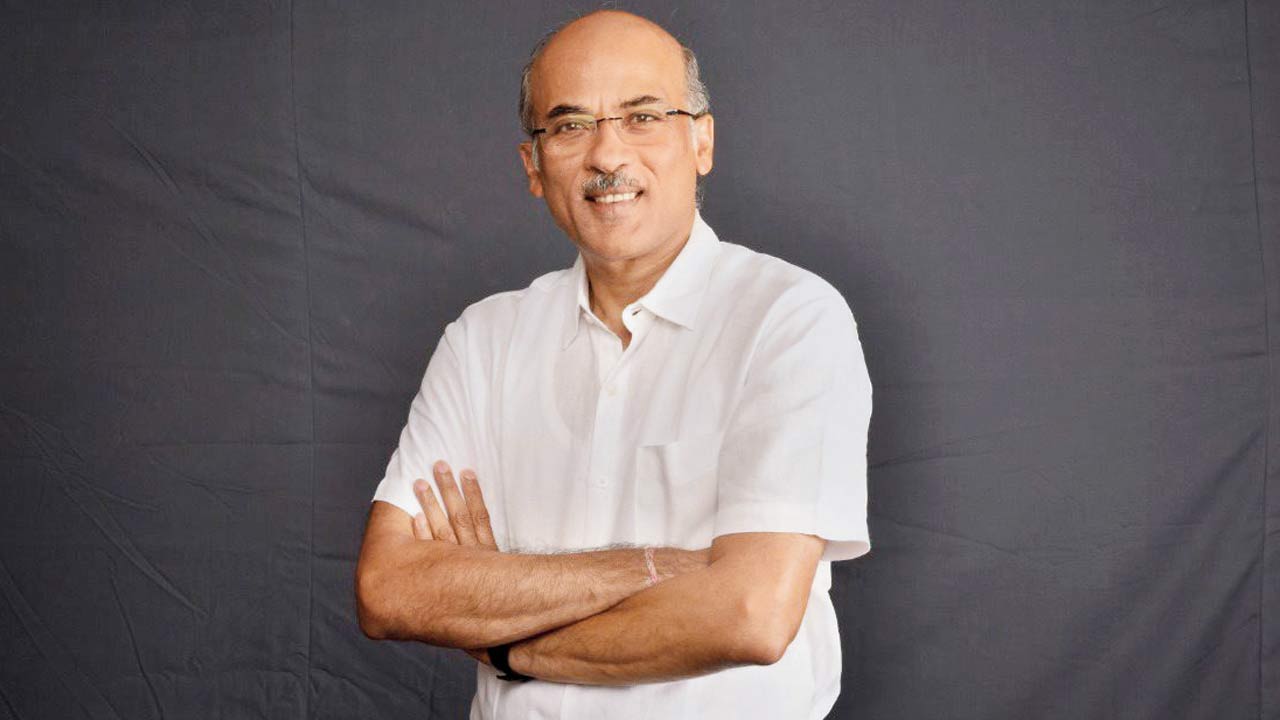
With thrillers and regional offerings dominating OTT entertainment, Sooraj Barjatya is confident his family drama Bada Naam Karenge will stand out
Letty Mariam Abraham (MID-DAY; February 11, 2025)
OTT shows have primarily become about personal viewing experiences. As filmmaker Sooraj Barjatya forays into the OTT world with Bada Naam Karenge, he hopes the nine-episode series will take people back to the culture of family viewing. In conversation with mid-day, the showrunner talks about making content for Gen Z, why his projects always boast of green-flag characters, and how a section of OTT viewers misses family dramas.
Where did the story originate from?
It was narrated to us by S Manasvi; he came up with the concept in 2013. We were [struggling] with the climax then. In 2020, when we had a meeting with Sony LIV, they wanted a Rajshri show. They wanted to recreate the world of Hum Saath Saath Hain [1999] and Vivah [2006] on OTT. So we met Manasvi, and cracked the story. I’m grateful that the streamer backed our vision. The other [platforms] told us that OTT is a younger and urban space.
Tell us about the story.
It’s about a boy from Ratlam, who wants to expand the family business and a woman from Ujjain, who wants to do her Masters in microbiology. They are not able to fit in, in Mumbai nor are they able to fit in where they come from. The story is about how they fall in love.
Thrillers and gangster dramas dominate OTT entertainment. Will a romantic family-oriented show find its place?
After the pandemic, a lot of people have moved on to the fire stick. But there are many who want to see something different, who are not happy reading subtitles or watching gore. I believe there is an audience for everything. So, why shouldn’t I make a romantic family drama? I think it’s the right time for us to enter with Bada Naam Karenge.
What did you learn while making the series?
The platform was clear that they wanted to bring the audience from Tier II and III. The best thing about the project was to get Gullak director Palash [Vaswani] as a director. He comes from this world and is experienced. We’ve made a lot of films and television shows, but he guided us on how it is different from television. It took us almost a year to write, two years to get this project through, and post-production took another six months. The web is a beautiful medium to tell a story.
Do you think you can bring the family-viewing culture back with this show?
I think [we] will and we should. It is a necessity of the day. If you talk to the OTT platforms, the money is missing. [So, we need] everyone to come together and watch. Today big televisions screens are back. This culture has to come back where everyone watches content together. For my movies, youngsters would come less to theatres. But they’d come to show the film to their grandparents and parents. That is what we are aiming at.
For people living in the right-swipe generation, how will you convince them that old-school romance is real?
Here, we are catering to the audience that wants [fast-paced] content. That is the world Palash has brought. I feel we try to show youngsters as kids who are partying, taking drugs, drinking or smoking, but that’s not true. I look at my own kids who make mistakes, are stressed, but they rise again. I think Gen Z will connect with the story, especially kids from small towns, the Bharat.
All your characters are green flags. Isn’t that far from reality?
In this show, they are not entirely green flags. But a lot of people tell me that my [depiction] isn’t the reality. I feel at least one in 10 would be [like my characters], but they don’t show that because they want to fit in. I want to show dreams. If we are only going to show how bad society is, what are we showing our kids? My daughter is 26 and wants to get married, but she doubts [the kind of partner she’ll get]. If they are not [like my characters], at least they can try to be and they may get a Poonam [Amrita Rao’s character in Vivah].
Check out Sidhant Gupta as Pandit Jawaharlal Nehru in Nikkhil Advani's Freedom At Midnight
9:46 AM
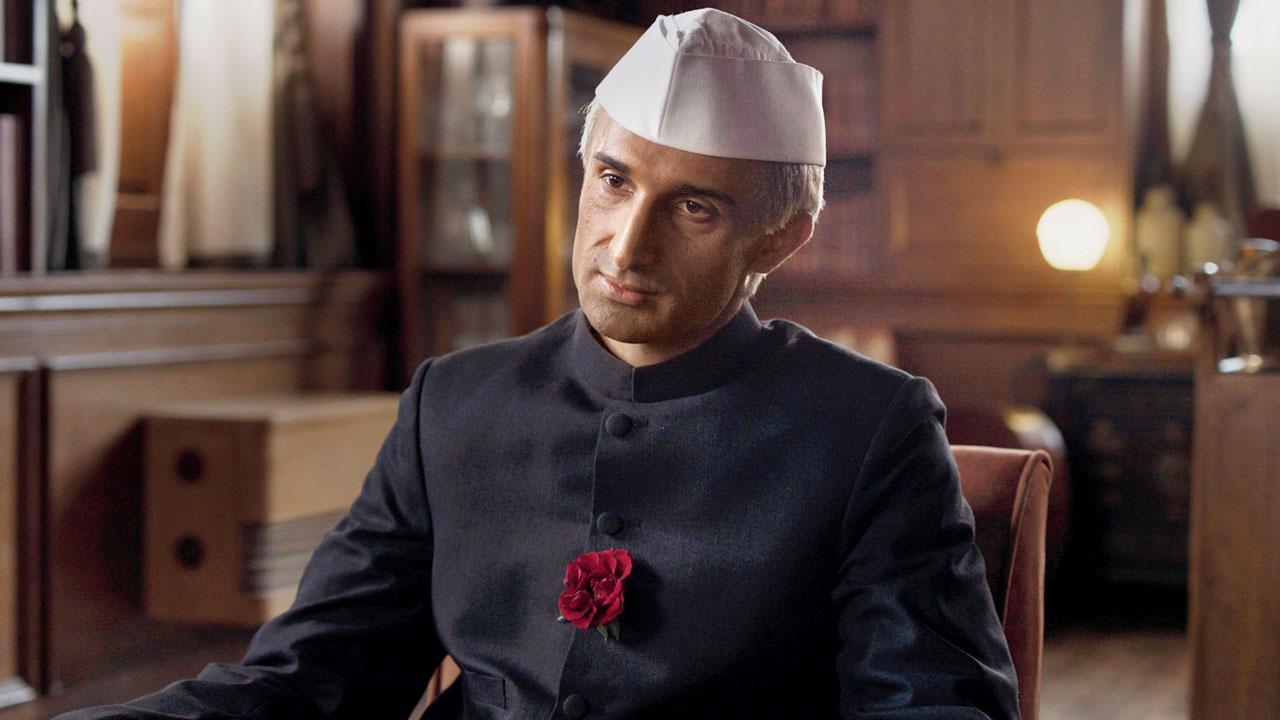
Sharing exclusive picture of Sidhant as Nehru, Freedom at Midnight creator on how the series adapted from the eponymous book looks at India’s independence struggle through personal accounts
Letty Mariam Abraham (MID-DAY; May 3, 2024)
There is something about history that draws Nikkhil Advani, something about real-life events that make for compelling storytelling. A case in point—Rocket Boys that focused on Homi Bhabha and Vikram Sarabhai. Now, the director-showrunner is gearing up to bring the most important chapter of Indian history to the screen with Freedom At Midnight.
In June 2022, Advani had announced the historical drama that is based on Dominique Lapierre and Larry Collins’ acclaimed book of the same name. Almost two years on, he has shared the series’ first look with mid-day, which sees actor Sidhant Gupta as Pandit Jawaharlal Nehru.
“This show is a profound tribute to the luminaries of our freedom movement—Mahatma Gandhi, Jawaharlal Nehru, and Sardar Vallabhbhai Patel,” says Advani. While Gupta will be seen on screen after his breakout role in Jubilee (2023), Chirag Vohra and Rajendra Chawla will slip into the roles of Gandhi and Patel respectively. The Sony LIV series took birth over a simple conversation between Danish Khan, the platform’s business head, and Advani.
“Over the course of interacting on [shows], Danish sir and I have become not just collaborators, but also friends. He took one second after hearing the initial pitch of Rocket Boys to greenlight it. For Freedom, he came to me with a sparkle in his eye and asked, ‘How would you like to make your favourite book into a show?’”
The rest, as they say, is history. The team took the project on floors in late January this year. Besides being an ode to the heroes, Advani says Freedom at Midnight is also a means to take the audiences back to their roots, as they view India’s freedom struggle and the Partition through untold tales.
“We know the major sacrifices and struggles that led to our independence. What Dominique Lapierre and Larry Collins got was access to Lord Louis Mountbatten’s diaries and notes. So, in between all those milestones, we have some personal accounts that make that time come alive. We have tried to capture that.”
OTT platforms may spend less on entertainment shows amid focus on margins
8:08 AM

Javed Farooqui (THE ECONOMIC TIMES; April 18, 2024)
Over-the-top (OTT) platforms are likely to ease spending on entertainment content due to hectic merger and acquisition (M&A) activity in the media sector, impacting commissioning of fresh content amid stagnation in subscriber growth and a renewed focus on profitability after years of unbridled investment, say experts.
Experts believe that OTT entertainment content spending will continue to be driven by streaming giants Netflix and Amazon Prime Video as Indian media companies are either recalibrating their content strategy or going slow on greenlighting new shows due to M&A activities.
According to Media Partners Asia (MPA) research, online video contribution to total content investments including TV and films has nearly tripled since the pandemic with total video content investments touching $5.8 billion in 2023.
"We estimate a slight fall of 5% in 2024. Some of the key factors are the sluggishness in the SVOD (subscription video on demand) market, move towards profitability, and attempt at TV plus content cost models," said Ashish Pherwani, Media & Entertainment Leader, EY India.
According to the latest FICCI-EY report on the entertainment sector, online video content investment in 2023 stood at Rs 12,500 crore ($1.4 billion), with live sports comprising nearly 51% of the spending and the remaining 49% on originals and films.
Sony LIV content head Saugata Mukherjee said there will be a correction on the number of Hindi originals produced by OTT platforms. "There was a sudden glut of shows all across; I feel that will come down. And more of the same will no longer work," he added.
The Sony Pictures Networks India-owned streaming platform is scaling up original content offerings in non-Hindi languages such as Telugu, Tamil, Malayalam, Marathi, and Bangla. "We will also continue to expand our unscripted and premium television content pipeline," Mukherjee said.
The FICCI-EY report noted that 48% of all OTT titles produced were in Hindi, compared to 52% in other Indian languages. In 2023, streaming platforms produced a staggering 3,000 hours of original content.
“Given the flurry of M&A activities among major networks in the industry, the commissioning of new projects has taken a backseat over the last 4-6 months," noted MPA VP Mihir Shah.
The first half of 2024 will be dominated by live sports and elections, with entertainment likely to take a backseat.
"It will likely take some time for the entertainment industry to regain momentum, primarily hinging on the rebound of the advertising market and consumer sentiment in the second half of this year," Shah said, adding that streaming video is poised to match linear TV's content investments in the next five years.
Production companies anticipate a challenging year in 2024 due to a decrease in OTT content investment.
"In light of recent content experiments, it's no surprise to witness the anticipated consolidation across OTTs, a trend that transcends mergers alone. While pull content—defined by its creator, cast, and scale, garnering subscribers—remains steady, the landscape for push content—new, niche, and esoteric—is poised for significant reduction," said Friday Filmworks CEO Devendra Deshpande.
He emphasized that there is a need for precise content curation to adapt to changing audience preferences and industry demands.
Banijay Asia chief operating officer of Scripted Division Rajesh Chadha, however, believes that overall content spends might not go down even as OTT platforms rationalize costs.
"We are observing a trend of rationalization in the market where there may be more shows per platform but with lower costs per unit for creators. While there might be fewer marquee shows each year, overall spending is expected to grow, albeit marginally," he said.
With Netflix and Prime Video unveiling their biggest-ever content slates for the Indian market, Nitin Menon, NV Capital Founder, feels that content spending by the streaming giants will not plateau any time soon.
"The fact that Netflix and Prime Video continue to add subscribers globally and their valuations continue to skyrocket makes it unlikely that they will reduce their OTT spends in India."
Broadcasting Services Regulation Bill 2023: OTT players fear curtailment of creative freedom
8:13 AM
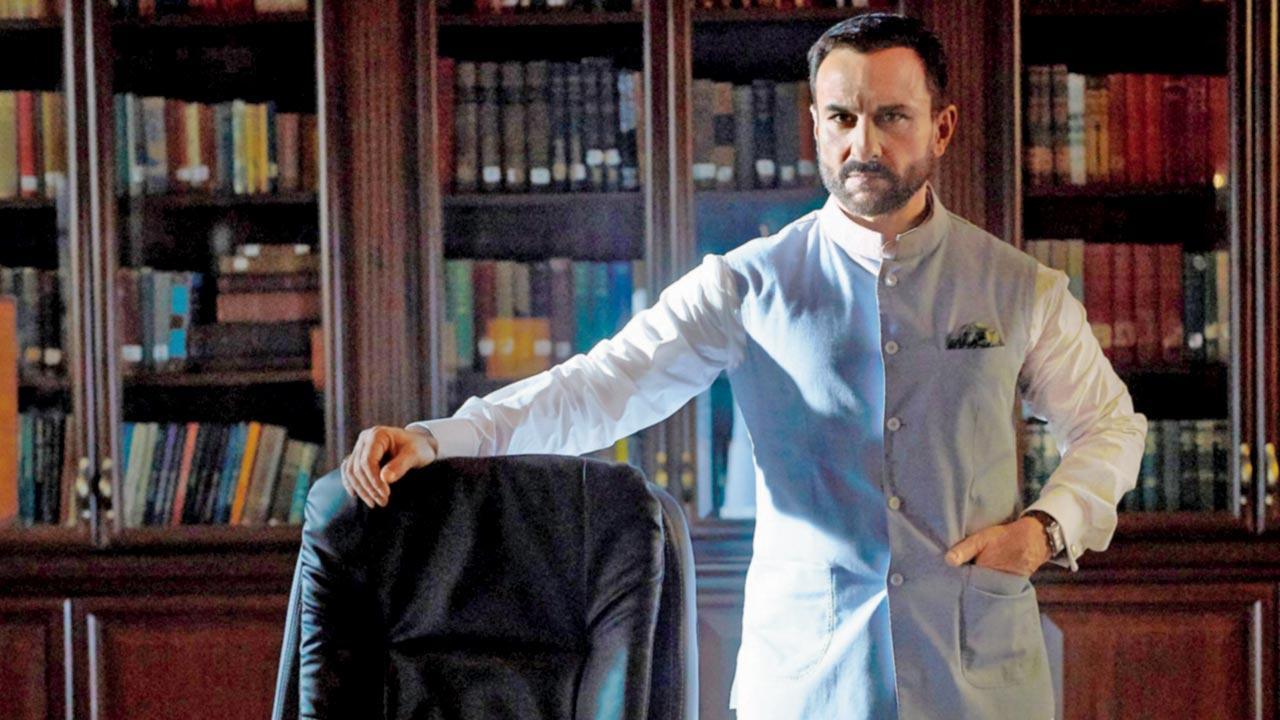
The I&B Ministry had introduced the Information Technology Rules after the Tandav fiasco in 2021
Weeks after I&B Ministry floats Broadcasting Services Regulation Bill 2023, OTT players wary of proposed advisory council that will regulate content; fear curtailment of creative freedom
Mohar Basu (MID-DAY; December 7, 2023)
In the past few years, the broadcasting industry underwent a sea change due to the advent of direct-to-home (DTH), Internet protocol television (IPTV) and most significantly, over-the-top entertainment (OTT). Consequently, the Ministry of Information and Broadcasting (MIB) emphasized that regulatory measures should evolve in tandem with these changes.
Last month, the MIB presented the Broadcasting Services Regulation Bill 2023. By replacing the Cable Television Networks Regulation Act of 1995, it wants to bring diverse broadcasting services—including OTT and digital news platforms—under a single regulatory framework. The MIB contends that it will help establish a comprehensive legal structure for the entire broadcasting sector.
One of the important features of the bill is the proposal of establishing a Broadcast Advisory Council. This will be over and above the Content Evaluation Committee, the self-regulation committee that each platform had to put into place from 2021, as per the Information Technology Rules. The proposal has evoked paranoia in some sectors of the OTT industry.
A top executive at Sony LIV, on condition of anonymity tells mid-day, “The industry had pre-empted this because self-censorship has been the internal diktat for the past two years. Every show in development goes through three rounds of Standards & Practices [legal passes]. But [if the bill goes through], the committees will only become stronger and the leash on creative hands will be tighter.”
The proposed council will have one independent person with not less than 25 years of experience in media, entertainment, broadcasting and other such relevant fields, appointed as chairperson.
Joining the chairperson will be five officers nominated by the Central Government, representing the MIB, Ministry of Women and Child Development, Ministry of Home Affairs, Ministry of External Affairs, and Ministry of Social Justice and Empowerment. In addition, five independent persons nominated by the Central Government, with experience in the fields of media, entertainment, broadcasting, child rights, disability rights, rights of women, human rights, and law, will be roped in as members.
The move is being viewed by many in the industry as a means to curtail creative freedom on streamers. A filmmaker, known for his spirited and political movies, says, “It might get tougher to tell a lot of political stories, but that’s the challenge. Most of us are taking a cue from Iranian filmmakers. Stories of the democracy’s flaws won’t entirely stop. We just have to hide the messaging better, bank on comedy a little more, and do everything within the legal gambit.”
The bill not only confers the government significant censorship and regulatory powers, but also has penalties and contraventions for the broadcasters and digital platforms. For the first contravention, the broadcaster will be fined up to Rs. 20,000, and for the subsequent contravention, up to Rs. 1,00,000. The clauses within the bill empower the government to restrict the broadcasting of channels or programmes for reasons linked to “safeguarding India’s sovereignty, integrity, or security, maintaining amicable relations with other nations, and upholding standards of decency and morality.”
The MIB, which floated the bill on November 10, has invited feedback from the stakeholders and public within 30 days of its release. Commenting on this, a Jio Cinema executive says there will be pushback.
“One must remember, there is ample room for negotiation. One has to stop assuming that the government is trying to put its stooges in the committees and councils. [The council] will be a good mix because the industry is a money-churner represented by a diverse group of people with different ideologies.”
While some are concerned whether this will lead to banning of shows or movies by the government, a senior filmmaker dismisses the notion. “The fears are often from the OTT platform’s side, with Tandav [2021] having been made into an example. Now, the shows that aren’t seeing the light of day are only because platform heads don’t want to ruffle feathers. The OTT market will boom in the next five years, TV-plus will soon be a thing. At such a time, let’s make the money and gain some power before sharpening our pencils to tell the fiery stories.”
The Bill, at a glance
- Unified legal framework for the entire broadcasting sector
- It proposes to introduce the Broadcast Advisory Council, over and above the Content Evaluation Committee that assesses content compliance with Program and Advertisement Codes . It has prescribed advisory measures, warnings, censure, penalties or financial fines, applicable to operators and broadcasters. While the option for imprisonment and/or fines persists, it is reserved for exceptionally severe offenses
- Implementation of accessibility measures for individuals with disabilities
Punjabi artistes have been shot dead while performing at shaadis-Rohit Jugraj
9:09 PM
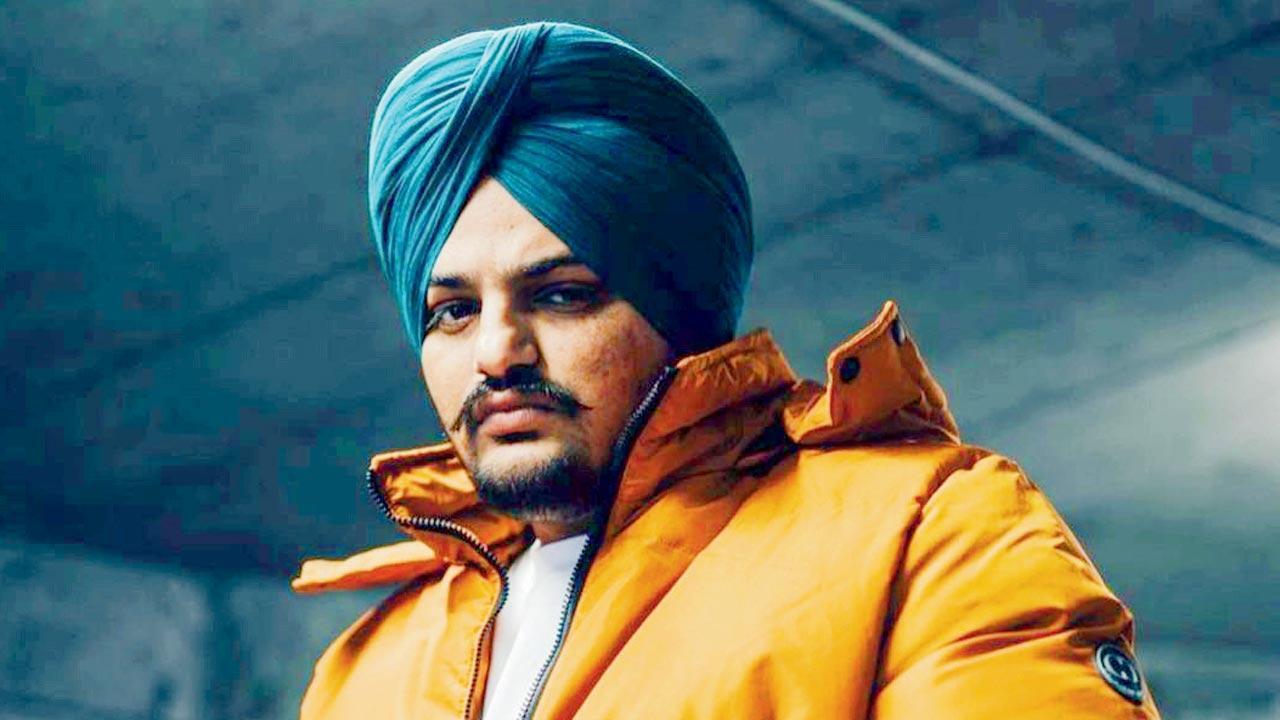
Lamenting that Moose Wala was killed before Chamak rolled, creator on how his murder fired up the team to fearlessly tell story of Punjabi music industry’s underbelly
Mohar Basu (MID-DAY; November 24, 2023)
For long, Punjabi pop numbers were known for groovy beats, catchy lyrics and the artistes’ swag. But the murder of Sidhu Moose Wala in May 2022 brought to the forefront the underbelly of the Punjabi music industry. Over a year-and-a-half since Moose Wala’s untimely demise comes Chamak, a musical thriller that tells the story of a Punjabi singer shot dead in broad daylight. When we get on a call with creator-director Rohit Jugraj, he says that the series doesn’t flinch from looking at the underbelly of the Punjabi music scene.
“Punjab is a land that reveres music the most. There, music is big, and the amount of money singers make is shocking. When money increases, crime follows. I have seen extortion of artistes. The underbelly of Punjab and crime are age-old issues; people are only hearing about it now. The biggest Punjabi stars don’t live in the state, they live abroad. This is not because of Sidhu Moose Wala’s [murder]. It has been happening since 1986, two years before folk artiste [Amar Singh] Chamkila was killed. Artistic jealousy is to the point that they can kill each other. Artistes have been shot dead while performing at shaadis, like Dilshad Akhtar was in 1996. What boils my blood is that people didn’t know about it till a global icon died.”
The Sony LIV series— starring Paramvir Singh Cheema, Mohit Malik and Isha Talwar—tells the story of pop star Kaala, who returns to India from Canada to unravel the mystery around the death of his father, who was a popular singer in Punjab. It’s evident that the story is not inspired by Moose Wala’s killing. But his death had a huge impact on the project. “We spoke about him every day on set. Not a day passed when we didn’t listen to his music or think of him,” rues the director.
The late pop star was originally to star in Chamak. The director recalls, “I had reached out to Sidhu bhai for a cameo in the second episode. He had said, ‘Veere, yeh karenge!’ But it wasn’t meant to happen. When [his murder] happened, we were yet to take the show on floors. I have to give it to Saugata Mukherjee [head of content], Danish Khan [business head] at Sony LIV that they decided to make this show. After Sidhu’s death, I thought they would back out. But they went all in and said, ‘Let’s make it well.’ They gave me the freedom to tell the story unabashedly. And they decided to retain his mention in the series as well.”
Another reason why the show matters is the timing of its release. Coming amid the strong anti-Khalistani wave from peace supporters across the world, the show takes us into the psyche of Punjabi musicians. Major pop stars like A P Dhillon, Shubh have had to cancel shows due to the hate directed at them. With Chamak, Jugraj has tried to show that the sanctity of music and the passion for uniting people through art is the core essence of Punjabi artistes.
“The music of Punjab is pure. There are two states in India that focus on culture more than religion—Bengal and Punjab. Punjabi music is far bigger than politics. Artistes, musicians, filmmakers have all strongly condemned terrorism of any kind. No one stands by that thought process.”
The director hopes that Chamak will have a second season, in which he wants to capture Punjabi music’s impact on the global scene. “This is the year Diljit Dosanjh played at Coachella. His attire, his music are now a phenomenon, and that has been highlighted in the show.” So, has Dosanjh made a cameo in the upcoming show? “Maybe,” he signs off with a grin.
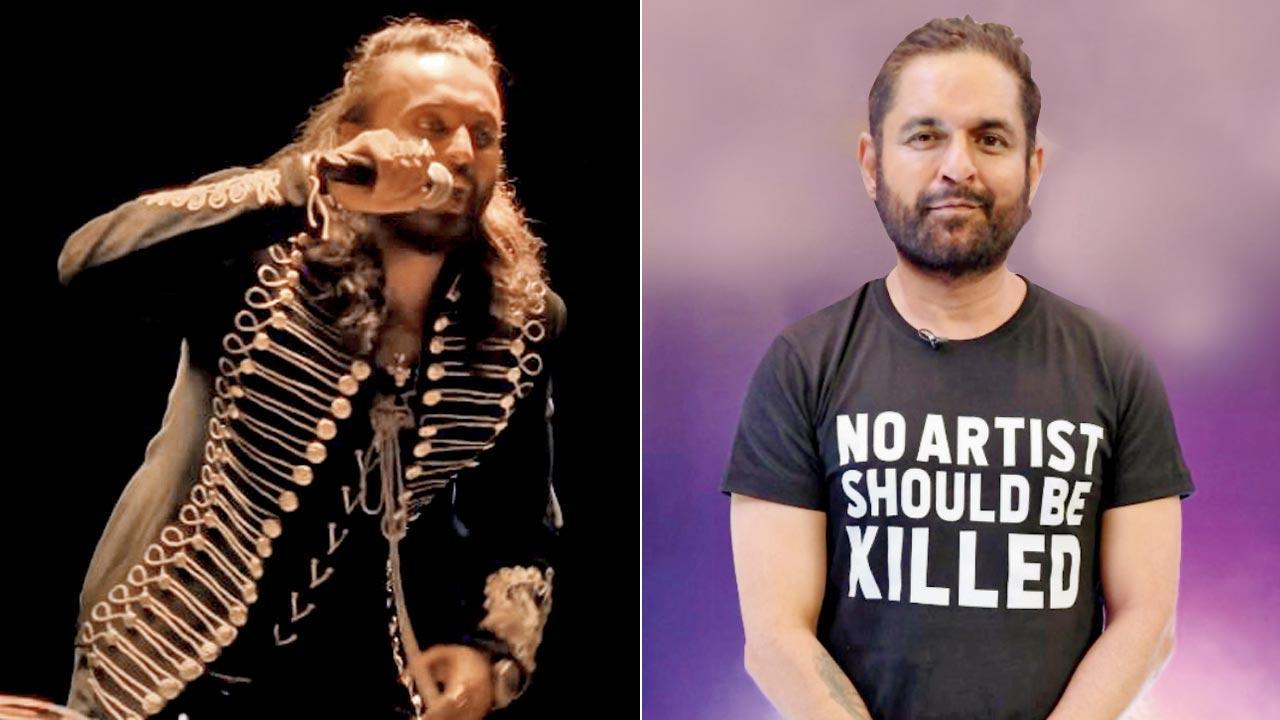
Chamak; (right) Rohit Jugraj
I am pissed that Sandwiched Forever was not renewed for a second season-Aahana Kumra
8:39 AM

Navya Kharbanda (HINDUSTAN TIMES; July 18, 2023)
Aahana S Kumra, who has starred in OTT shows of different genres, including comedy, action, drama and family entertainer, reveals that she is annoyed with a streaming platform for not renewing her show, Sandwiched Forever, for a second season. The 38-year-old was a part of a comedy-drama series revolving around a couple whose life changes after their marriage, because of constant intervention by their parents.
“I would not like to name them, but I am pissed,” says the actor, adding, “I was a part of this incredible show with an amazing ensemble cast. They (the platform; Sony LIV) did not give it a nod for season two. To date, the makers and the entire cast get asked why that did not happen.”
Kumra feels the reason could be the lack of acceptance of comedy-genre shows and movies by some platforms. “It was a comedy drama; maybe that’s the reason why it was not renewed for season two,” she shares, adding, “Makers are also very angry. The platform seems to be very happy making violent shows. They don’t want to take any risk.”
Citing examples of shows like Sarabhai Vs Sarabhai and Khichdi, Kumra says, “These iconic shows never had to show any violence or rely on gimmicks; it was just pure content.”
She rues the fact that there is a scarcity of family entertainers and comedy dramas on OTT. “I feel very annoyed about the fact that they just don’t want to attempt comedy because it is difficult to write,” she ends.
In India, OTT companies spend more on original shows despite market challenges
8:28 AM
Javed Farooqui (THE ECONOMIC TIMES; December 8, 2022)
Mumbai: Leading over-the-top (OTT) platforms are continuing to invest heavily in original content production, buoyed by an expansion in audience base and strong growth in content consumption. According to market estimates, top OTT players have spent between $600 million and $700 million on producing original shows in 2022.
This amount excludes movie and sports content which account for a significant chunk of the OTT content expenditure. Amazon Prime Video, Netflix and Disney+ Hotstar are the top spenders on original content productions, followed by platforms like Sony LIV, ZEE5 and Voot.
In 2019 and 2020, Netflix spent $400 million on content, including on movies. In April, Amazon Prime stated that it will double down on content investments in India with plans to launch more than 40 new titles across series and movies in Hindi, Tamil and Telugu. The platform's content plans are on track.
According to industry watchers, OTT platforms are expected to increase their content spending to fuel their business growth, notwithstanding the fact that revenues are under pressure due to inflation and a global economic slowdown.
“The content creation cycle for OTTs is very long and most of the projects to be delivered in 2023 are already at different stages of production. The investment in content will continue to increase as the OTT market expands and users increase their consumption because of better connectivity and increasing sales of connected TV,” said Uday Sodhi, partner at Founder's Room Capital.
Sony LIV, which has tasted success with original shows in recent years, is upbeat about the year ahead. “We are very bullish on our original content plans and we have a lot of big launches coming up in 2023. We are also dialling up on the originals space in regional languages,” said Saugata Mukherjee, its head of content.
As per Media Partners Asia estimates, the online video content investment in India stood at $1.3 billion in 2022 and is projected to increase to $4.2 billion by 2027.
"Since 2019 the contribution of online video to total content investments for the industry, including television and films has almost doubled. For 2022, online video grew 18% Y/Y to reach $1.3 billion, as domestic and global streaming majors invested heavily to bulk up their local content offerings. Over the next five years, these investments will scale further to $4.2 billion, to catch up with pay-TV," said Mihir Shah, Vice President of MPA.
‘India has Over 130 m Paying Subscribers’
Mumbai: The Indian over-the-top (OTT) market has 130.2 million paying (SVOD or subscription voice on demand) audiences compared to 110.5 million in 2021, media consulting firm Ormax Media has said in its latest study titled The Ormax OTT Audience Sizing Report 2022. The total SVOD base has expanded by 18%. The direct SVOD subscriber base stood at 49 million, while the indirect SVOD subscriber base came in at 81.2 million. Over 2021, direct and indirect SVOD subscribers will have grown by 19% and 16%, respectively. The study also reveals that there are 119 million active paid OTT subscriptions in India., which translates to an average of 2.4 subscriptions per paying audience member. — ET Bureau
We have received complaints against Maharani and The Family Man 2-Vikram Sahay
8:10 AM
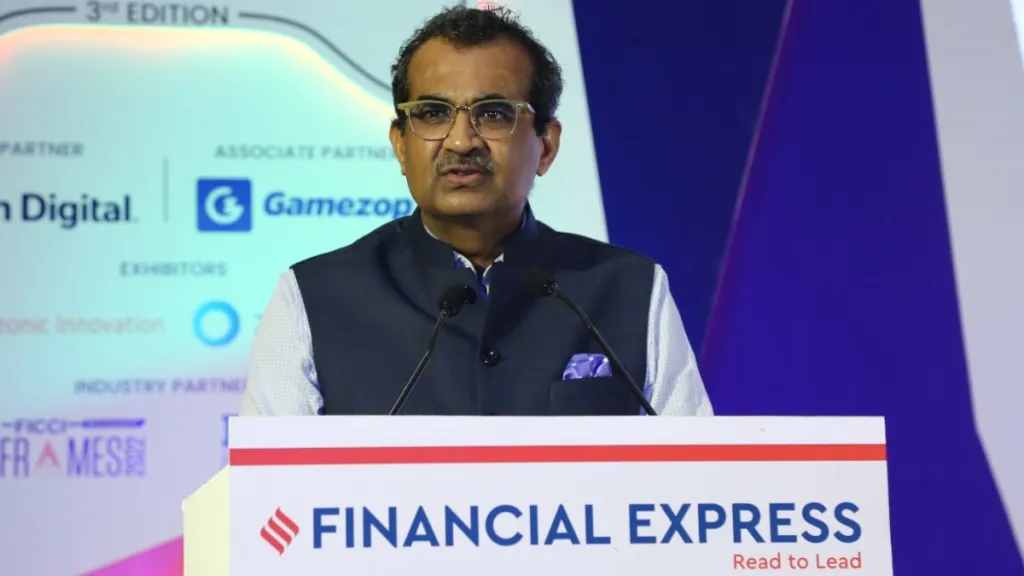
At FICCI Frames 2022 in Mumbai, Vikram Sahay, Joint Secretary, I&B spoke about why self-certification is a better model of regulation on OTT platforms
Niharika Lal (BOMBAY TIMES; October 1, 2022)
During a discussion titled ‘The Magic Of Online Curated Content’ at FICCI Frames 2022 in Mumbai, the panellists – that included Vikram Sahay, Joint Secretary, I&B – spoke about regulation of content on OTT platforms. Unlike films released in theatres, web series and films on OTT do not require CBFC certification. Sahay spoke about the ministry’s more liberal approach to online content, and why self-regulation is the way ahead on these platforms.
He said at the session, “Initially, certain people said that even on OTT, films should need certification. However, we in the ministry disagreed. These (theatre and OTT) are two very different platforms, and the nuances are very different. Unlike with the big screen, OTT content is viewed from the privacy of your home or on your laptop or mobile, it is a one-on-one (channel) between the content and the consumer. Hence, we felt that there has to be self-certification and self-discipline instead.”
Currently, there’s a three-level grievance redressal mechanism for OTT content, where platforms are required to have a Grievance Redressal Officer and self-regulatory bodies, while the I&B ministry has an inter-departmental committee for hearing grievances.
-----------------------------
‘WE HAVE RECEIVED COMPLAINTS AGAINST MAHARANI AND THE FAMILY MAN 2’
Talking about the type of complaints received so far through the grievance redressal system, Sahay shared, “One of the first grievances that came to our knowledge was from a person from Rajasthan against the series Maharani. The complainant was unhappy with some remarks against a community in an episode. I then watched the series and also sent the grievance to Sony LIV. I told them, ‘Iska ek achcha jawab bana dijyega aur inko de dijyega. The platform sent back a one-and-half-page reply, and after that there were no more concerns (from the complainant).”
He added, “The point I am trying to make is that most people in this country are happy when their grievances are heard. Citizen ka grievance jo hota hai, usko agar aap jawab de dein, toh woh khush ho jaate hain – chahe woh hum (I&B ministry) de, producer de, ya OTT de. We haven’t had any OTT platform tell us that they feel overburdened in replying to these grievances. It is not a burden at all on OTT platforms.”
The Joint Secretary cited another case, where two days before the release of The Family Man 2, they received a request to not allow its release. “Just before the launch of The Family Man season 2, there was a request received by the ministry from an elected representative to not allow the release of the series because it hurt Tamil sentiments. It was a Saturday, and on Sunday I did a video call with Manoj Bajpayee, the Amazon team and the producer. I asked them – ‘please help me understand why people are complaining?’ In that one-and-a-half-hour session with them, I told Manoj ji – ‘You are a person with high credibility, so obviously, you will not want to do something that will affect your image.’ And they assured us that nothing of that sort is in the series (which could hurt sentiments). And the series was released. We in the ministry are not here to distort or suppress (content).”
Sony LIV removes sensitive scenes of spiritual guru from Imtiaz Ali's web series Dr Arora
8:37 AM
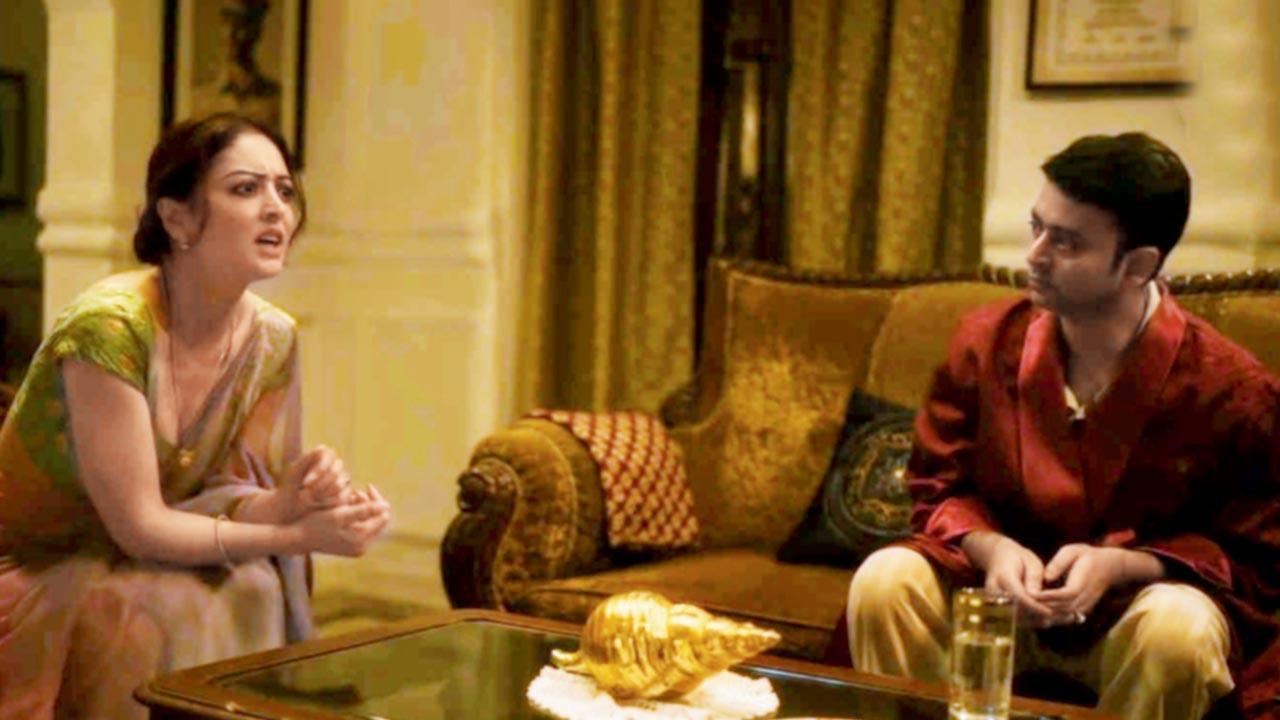
In compliance with I&B Ministry’s self-regulation rule, Sony LIV heads preemptively snip sensitive scenes about spiritual guru from Imtiaz’s web series Dr Arora
Mohar Basu (MID-DAY; May 17, 2022)
In February 2021, the Information & Broadcasting Ministry had released a set of guidelines, titled Information Technology (Guidelines for Intermediaries and Digital Media Ethics Code) Rules 2021, to be adhered to by Indian OTT platforms. Among its many guidelines, video-streaming platforms were instructed to practice self-regulation for their offerings. Imtiaz Ali-created Dr Arora appears to be the latest web series to feel the blow of self-censorship.
The Sony LIV series about a sexologist, played by Kumud Mishra, sees Secret Superstar actor Raj Arjun as a spiritual guru. It is heard that Arjun’s track has several sensitive sequences, including a nude scene, which have been flagged off by the platform.
An insider reveals, “He plays a lust-driven character in the series. Given the current socio-political climate, depicting any spiritual or religious figure in such light could be problematic. So, the platform heads have requested Imtiaz and his team to make considerable changes to the track. His role will be toned down, and many of his scenes will be edited out of the final cut.”
The team has apparently decided to introduce another character of a firangi baba to facilitate the modifications to the script. The source adds, “A three-day patch shoot has been lined up for next week.”
The series, initially slated to drop in early May, will now drop in the second half of June.
mid-day reached out to the Sony LIV team and Ali, who remained unavailable for comment.
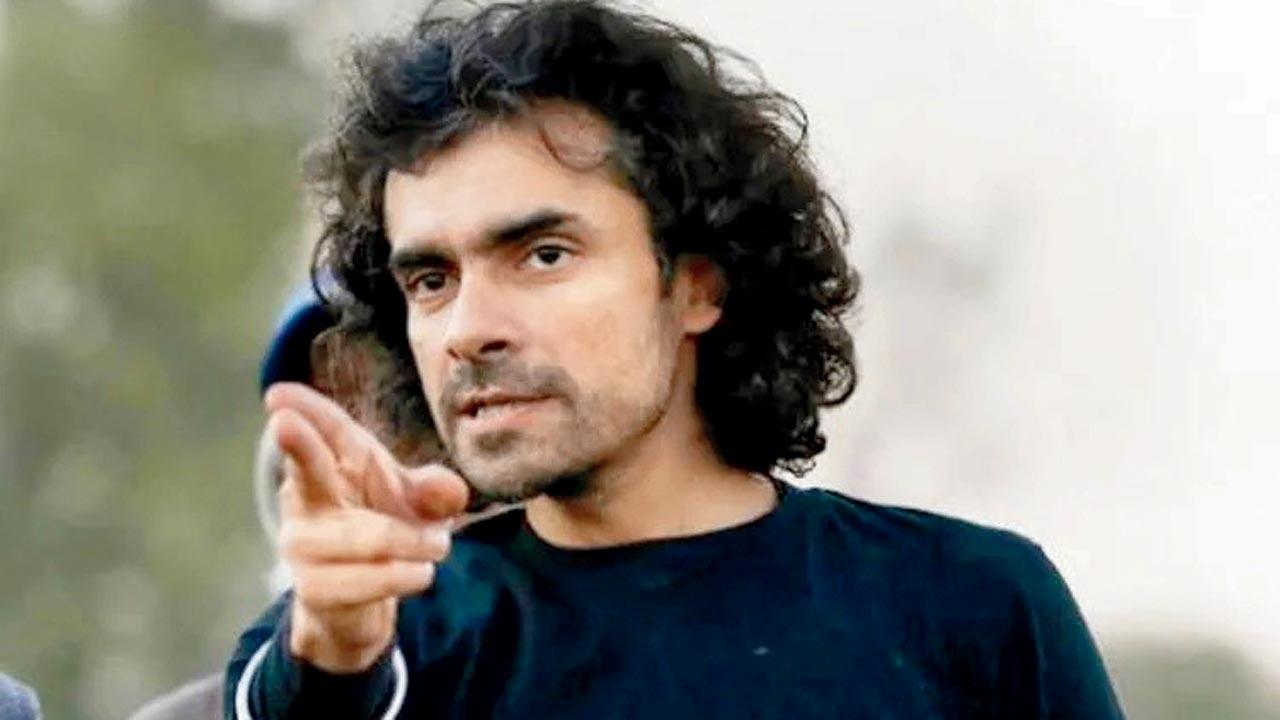
Paying OTT users in India could be fewer than 10%, reveals EY survey
8:52 AM

EY SURVEY: Proportion of paid users in India is still in single digits with many people sharing account passwords
Rajesh N Naidu & Gaurav Laghate (THE ECONOMIC TIMES; April 28, 2022)
Mumbai: Video streaming or over-the-top (OTT) platforms have shown a strong traction in consumer growth over the past few years. However, the proportion of paid subscribers has remained in single digits reflecting the impact of sharing of account passwords and content piracy. A recent sector report by EY points out that less than 10% of the total 50.3 crore Indian OTT consumers actually pay for these services.
“The number of OTT consumers is probably much higher than the number of subscriptions; like how a newspaper is consumed by several people in a family or around a tea stall in smaller towns,” said Ashish Pherwani, leader, media & entertainment sector, EY (Ernst & Young) in the report.
Danish Khan, EVP and business head, Sony LIV and SET at Sony Pictures Networks India, feels that there is a lot of potential for growth in paid subscribers. “One has to look at both — the direct-to-consumer (D2C) subscriptions, which are around 20-25 million at present, as well as a large B2B segment, which is offered as bundled service along with telecom or other bundled offers.”
He added that the B2B has grown significantly and is around 40-45 million. A low percentage of paid subscribers can be attributed to sharing of passwords with family and friends. The EY report estimates that on average a paid subscription was used by 3-3. 5 people in 2021. “Our estimate of 40 million OTT households could have a potential reach of up to 120-140 million people, or even more,” mentioned the report.
Khan of Sony LIV counts piracy as the biggest challenge for the OTT platforms. “As an industry we must come together and find a solution since piracy is hurting the entire industry. We are not too worried about password sharing, as it helps in increasing sampling and will increase our base in near future.”
Khan added that concurrency and number of device-based pricing will help platforms to convert the password sharing users to become direct subscribers.
According to Ameya Naik, founder, Fantasy Events, an event management company, piracy is not just restricted to films or songs in India. “The hunger for OTT content is rising. This has alerted people who are into creating pirated versions of OTT content given the increasing market size,” Naik said.
He added that the advent of applications through which viewers can access OTT content have impacted subscriptions thereby prompting streaming platforms to consider introducing advertisements in their offerings in a bid to seek a viable source of revenues.
Disney+ Hotstar, with 4.75 crore subscribers, is the top streaming platform in India by a distance
8:15 AM
Box Office India Trade Network
Disney+ Hotstar is the top streaming platform in India in terms of paid subscribers and that too by a distance. The main reason for this is live IPL coverage. The surprise is Sony LIV which is third best but that is also due to live sporting events.
The difference in subscribers between a Disney+ Hotstar and a Netflix means the number of views when it comes to films in India has to be taken with a pinch of salt. It is being seen that films on Disney+ Hotstar gets far more views than other platforms and that is the case with a film like HUNGAMA 2 which in no way can be called popular but the views are higher than many other bigger films.
It is basically like you are getting a 5000 screen release on Disney+ Hotstar but 500 screens on Netflix if we translate into cinema. The difference being that in cinema you get it on merit and the demand of the film but in streaming its about which platform and not about the film.
LAXMII (2020) probably remains the biggest film in terms of a streaming premiere though the numbers of this film have been surpassed by a film or two but it has to be looked in terms of the numbers of subcribers when the film was released. LAXMII (2020) also is the biggest blockbuster on satellite of all the films that premiered on OTT.
Also looking at the box office results of SOORYAVANSHI and PUSHPA: THE RISE - PART 01, it can be now said with certainty that this would have been the only film to become a HIT which did not release in cinemas in the last two years. LAXMII again would have been driven by Maharashtra, Gujarat and the Central belts.
The status quo of all these platforms can change as the IPL rights are up for renewal this year and another player Jio is expected to come into the foray.
The top streaming platforms and apprx paid subscribers in india at the beginning of 2022 were as follows.
1. Disney+ Hotstar - 4.75 crore
2. Amazon Prime - 2 crore
3. Sony LIV - 1.2 crore
4. Zee5 - 75 lakh
5. Netflix - 55 lakh
Some OTTs rejected us and next day we would see something really bad launching on their platforms-Ajitpal Singh
8:16 AM
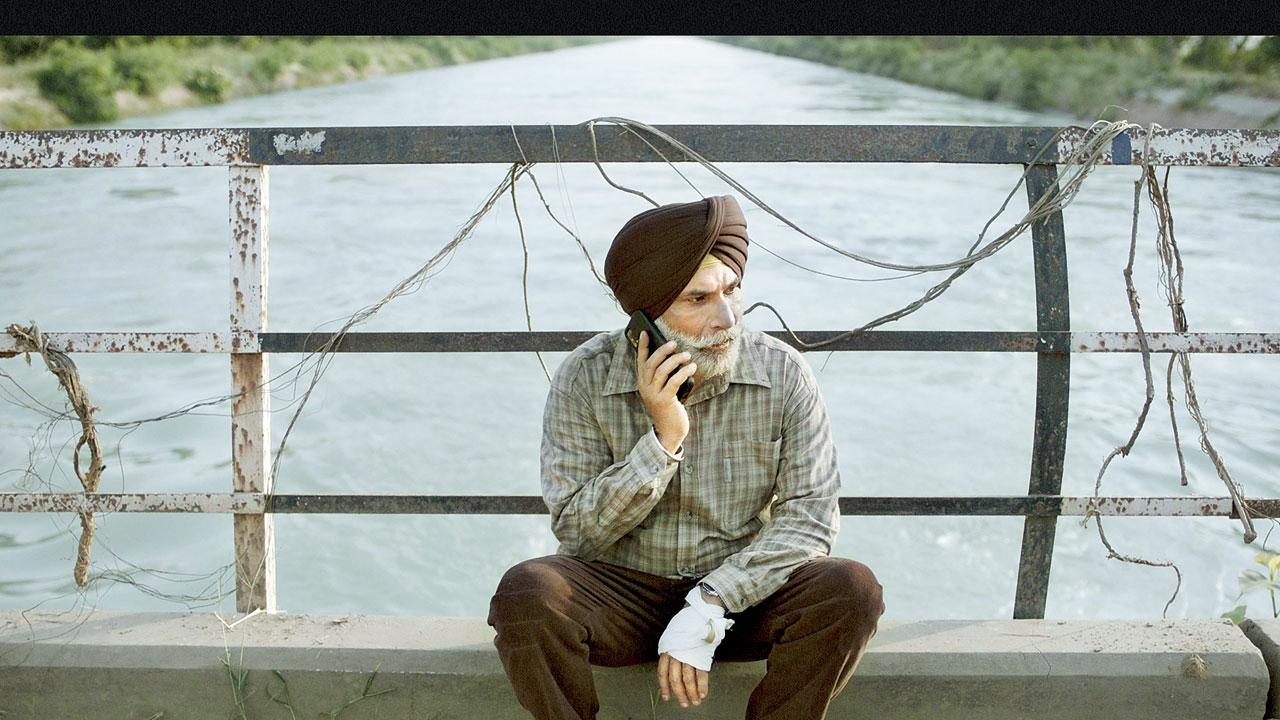
Tabbar director on knocking on the doors of OTT giants before his series got picked up
Mohar Basu (MID-DAY; November 15, 2021)
Meddling with tried-and-tested methods to hold viewers’ attention can be a gamble, but it certainly paid off for Tabbar director Ajitpal Singh. Despite being well aware that OTT viewers can switch between series as easily as they can flip a coin, Singh decided to toy with their patience instead of focusing on gripping attention from the word go.
“[OTT makers] fear that if they don’t provide a lot of information [at the onset], the audience won’t understand what’s going on. We took the other route and played with the material to evoke curiosity. We were afraid that the audience wouldn’t have the patience to watch the show [till it gathered pace], but its success shows that we don’t give our audience enough credit. We wanted to make a show that’s realistic; not one that was like a fantasy,” says Singh.
Singh credits his superlative cast members Pavan Malhotra and Supriya Pathak for elevating the material. But, the journey to success was ridden with hardships. “Only Sony LIV had faith in me. I was an indie maker with a script. We went to small, medium, and large platforms. Some of them didn’t even read our pitch. There was no response, and we kept following up. There were excruciating periods of lull; some of them stretched to three months. Sony believed that an independent filmmaker can bring a fresh gaze to a story of this nature. It’s hard to keep faith in your material after rejections. [Some platforms] rejected us, and the next day we would see something really bad launching on their platforms. It made us wonder if our material was worse than that. I suppose, platforms have their own parameters. Everything is a cold algorithm now.”
He says a second season is in the works.
Friendship is at the core of Jahaan Chaar Yaar, but that is where the similarity with Veere Di Wedding ends-Shikha Talsania
7:58 AM

Shikha Talsania, who features in upcoming web series Potluck, says she has avoided being typecast by the virtue of constantly evolving digital content
Mohar Basu (MID-DAY; September 8, 2021)
At a time when streaming platforms continue to dole out investigative thrillers, Shikha Talsania’s Potluck comes as a refreshing change of pace. The Sony LIV offering revolves around the members of a middle-class family who have little time for each other until they are brought together by the patriarch’s ill-health. For Talsania, the story — “full of heart and soul” — was an instant draw. “What resonated with me was Prerna’s [her character] different equation with each of her family members as she tries to figure out her individuality,” she says.
The actor, who featured in Veere Di Wedding (2018), is currently shooting for another buddy film, Jahaan Chaar Yaar. “Friendship is at the core of Jahaan Chaar Yaar, but that is where the similarity [with Veere Di Wedding] ends. Jahaan Chaar… is about four married women from small towns in north India who find themselves in a unique situation that makes them discover their true potential.”
Having burst on the scene with Wake Up Sid (2009), Talsania, over the years, has spoken about the industry’s tendency to typecast actors. She is glad that of late, things are changing for the better. “We are riding the wave of change now. Our collective consciousness has changed — as creators and as an audience. That I’ve been part of three projects this year, which have not typecast me, is a testament to the fact. We are looking for nuances and truth in each story.”
Dil Bechara was the top film of 2020; Akshay Kumar’s Laxmii got great viewership-Shailesh Kapoor
8:24 AM
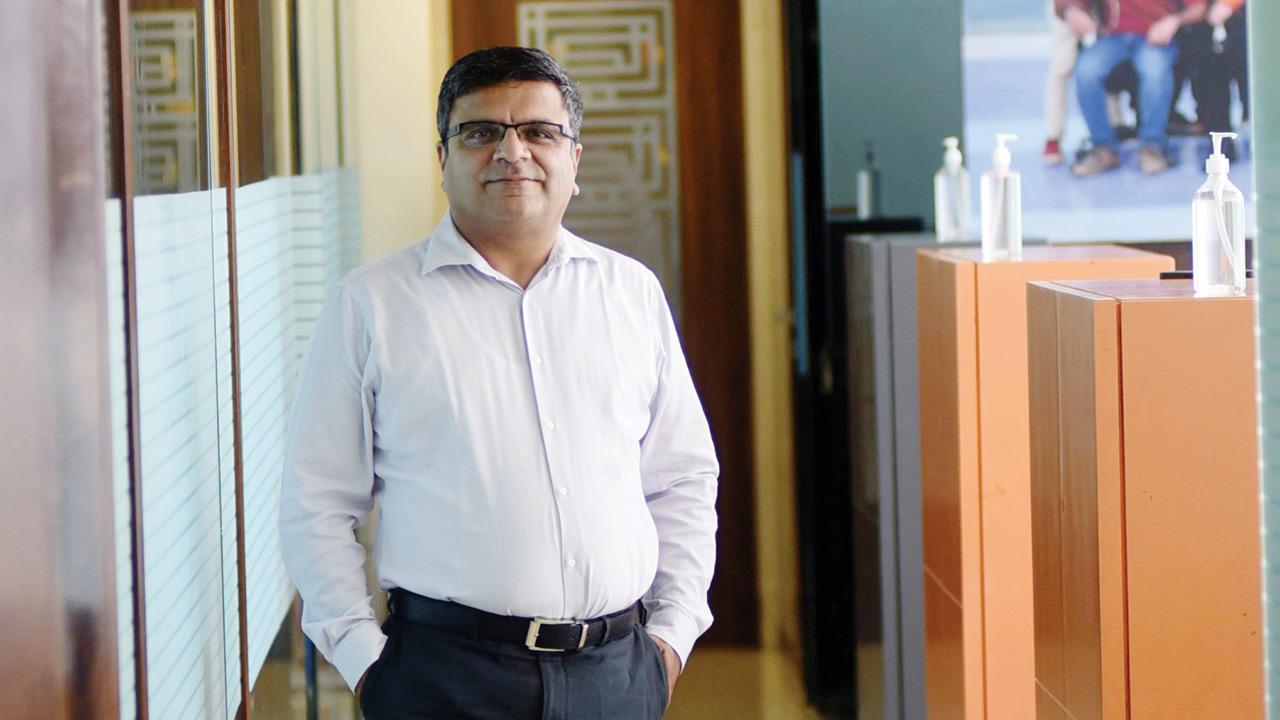
As movies traded theatres for OTT in the past year, Ormax changed the post-release conversation from box-office collection to viewership figures. Here’s the man who made it happen
Letty Mariam Abraham (MID-DAY; July 23, 2021)
Shailesh Kapoor, 45
The IIM Calcutta alumnus led his team as they launched Ormax Stream Track, a weekly listing of top 10 originals (films and series), in March 2020
What’s the first day collection?’
‘Will the film reach the coveted Rs 300-crore club?’
No sooner would a Khan- or Kumar-starrer hit the screens than all eyes would be on its opening collections, with trade analysts keenly following its daily performance to see whether the film sets a new box-office record. With theatres shut down since March 2020 and films trading the big screen for an OTT release, box-office became a thing of the past. But did our ‘kitna banaya’ obsession end? Not really. The conversation merely shifted, thanks to Ormax Media.
Founded in 2008, the media research and tracking firm recognised the need-gap in the industry and launched Ormax Stream Track last March, evolving from a B2B company to the new-age OTT box-office in one swift move. “When studios started announcing their films for the web and there was [substantial] growth in the OTT-viewing audience, we decided to focus all our attention on [this product]. We were already engaging in [tracking] for some studios or platforms, but the lockdown gave us momentum to build on new ideas to measure [the reach of] OTT,” begins Shailesh Kapoor, CEO, Ormax Media.
With Stream Track, Kapoor — a product of IIT Delhi and IIM Calcutta — brought about two significant changes. First, not only films, but also web series became a part of the rat race as Stream Track shared its listings of top 10 originals (films/series), week on week. Secondly, it added a new dimension by focusing on viewership patterns rather than viewership measurement.
“Our job is to analyse what is happening around, and how people can use the data to make better content. For instance, we collected data from audiences for Scam 1992: The Harshad Mehta Story. Basis our research, we figured that around 23 million in India have watched the show, but Sony LIV’s official subscriber base is only around two million. So, even if the two million subscribers and their families watched the series, the total figure comes to about six-to-seven million. There is a gap of 16 million, which means that a lot of people have watched it via piracy through apps like Telegram. That is how we gathered the insight that piracy is much bigger than what it was in films,” he explains.
Most OTT platforms refuse to share viewership figures, but Kapoor says they depend on online and telephonic consumer surveys to understand the offerings that viewers are aware of, and have watched through the week. “We have an analytics algorithm in the back-end, which converts all that data to give us an estimate. Listed companies like Netflix in the US, as per protocol, have to release the number of subscribers in their quarterly report. In India, ZEE5 is one of the companies that publishes its subscriber figures.”
So, which film fared the best in 2020? “Sushant Singh Rajput’s Dil Bechara was the top movie, but that was largely because it was free and due to its timing. Akshay Kumar’s Laxmii got great viewership, owing to the actor’s popularity. Among web series, Scam 1992 and Special Ops had high viewership. This year, The Family Man 2 has been a huge success, and Pagglait did well among films.”
Check out Jim Sarbh as Homi Bhabha in the upcoming web series, Rocket Boys
8:15 AM
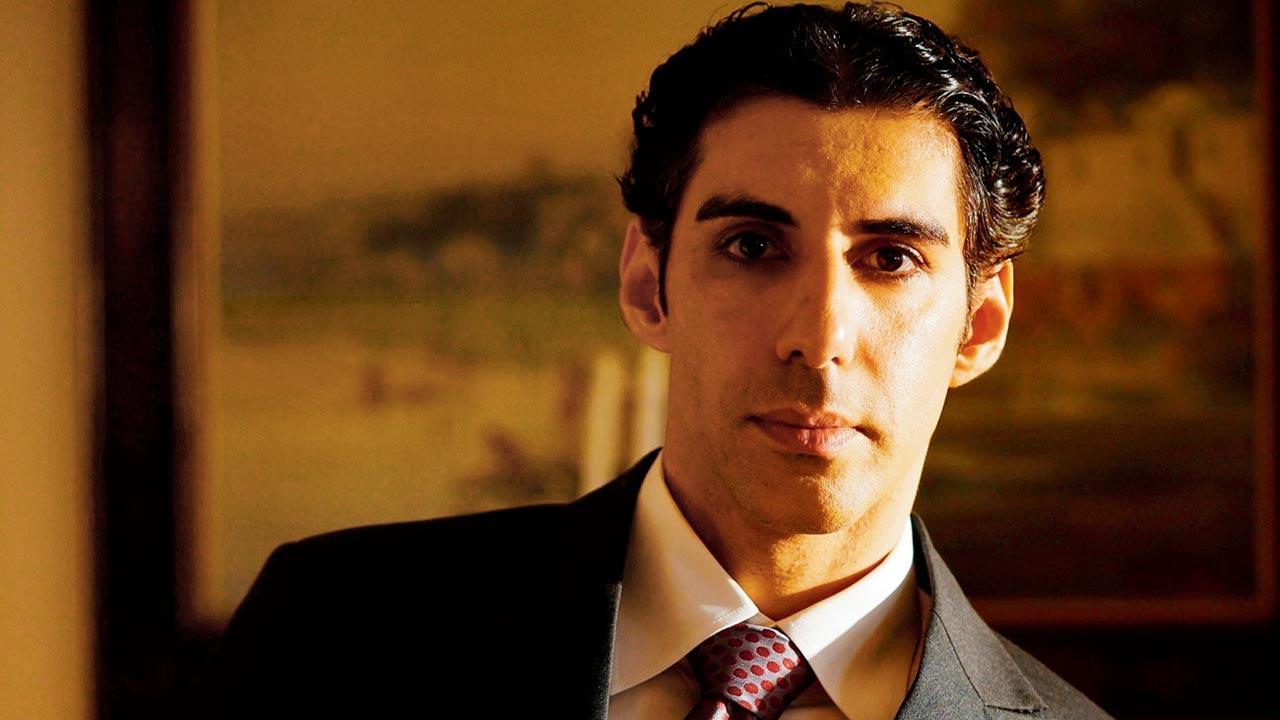
Jim Sarbh honoured to pay tribute to India’s brightest scientists as he plays Homi Bhabha in Rocket Boys; Ishwak steps into Vikram Sarabhai’s shoes
Letty Mariam Abraham (MID-DAY; June 23, 2021)
Bollywood has had more than its share of biopics on athletes, war heroes and freedom fighters, but little screen time has been devoted to the scientists that the country has produced. With 'Rocket Boys', director Abhay Pannu intends to show that scientific discoveries make for stimulating stories as he offers a dramatised retelling of the lives of Homi Bhabha and Vikram Sarabhai, thus celebrating their contributions to the fields of atomic and space research. Finding actors who can do justice to the geniuses could not have been easy, but the director has found his leads in Jim Sarbh, and Ishwak Singh of Paatal Lok fame.
As he shares his first look as Bhabha in the Sony LIV series, Sarbh says that stepping into the celebrated nuclear physicist’s shoes was an honour. “Taking on the role of Homi Bhabha is special, partly because of our shared Parsi heritage. But more importantly, it is [a privilege] because he was an interesting, driven, Renaissance man. His dedication to scientific process and discovery, his notes on arts and culture, and his ability to have a good laugh make him a delicious character to play,” says the actor, who began shooting for the Nikkhil Advani and Siddharth Roy Kapur-backed series in late 2019.
A story about India’s brightest minds is incomplete without Sarabhai, considered the Father of the Indian space programme. The show will study his early years of research. Singh remembers saying an enthusiastic ‘yes’ to the project right after the narration. “The concept of [remembering] India’s science heroes grabbed my attention. As a youngster, I was fascinated by stories of space and what lies beyond. By playing Vikram Sarabhai, who established the Indian Space Research Organisation, I will help other enthusiasts know more about his accomplishments.” The series, shot across Mumbai, Pune and Rajasthan, marks his second project with Advani after Unpaused.
Subscribe to:
Posts (Atom)