Showing posts with label Kanu Behl. Show all posts
Showing posts with label Kanu Behl. Show all posts
I don't even have 8 hit films in 32 years. Doesn't my being here negate this language of trade and box office?-Manoj Bajpayee
10:28 AM

Anshul Chaturvedi (BOMBAY TIMES; March 31, 2026)
Manoj Bajpayee was in Delhi for a session at the IFFD (International Film Festival of Delhi). When an alumnus of Ramjas College, talks about cinema, in Delhi, a throwback is inevitable – the journey to come to Delhi to learn acting from his village in Bihar at 18, a lifetime back. The struggle, the uncertainty, and the 32 long years spent in an industry, that he strongly feels, is too star-centric. That industry, along with a media and the audience that is too star-struck, just does not give many talented actors their due in time, he rues. Not wistfully, but angrily. Anger about the years lost before they are given their due. About the discrepancy in money and stature – ‘second-class citizens’, he calls them. About the fixation of evaluating movies, and actors, basis their box office numbers. Read on to see the otherwise gentle Family Man in unchecked Shool mode:
Back in 2012, when you were in Cannes for the premiere of Gangs of Wasseypur, you had told me, ‘Indian media hamari baat nahi karta hai. Aaj ka media baat karta hai ki stars ne kaun se kapde pehne.’ You and Nawazuddin were saying that the stage that star kids reach with their debut – multicrore films, producers chasing you – you don’t reach that in many many years. I had asked you, 'aapko nahi lagta samay aapke haath se nikla ja raha hai?’ To which you had said something that has stayed with me:
‘Badi lambi ladai hai hamare liye - khud se bhi hoti hai, poora system lad raha hota hai. Ya toh khaane ko le kar jaddojahad hai, ya jo logon ke perceptions ban jaate hain hamare baare mein, usko le kar jaddojahad hai, hum apni jagah banana chahte hain, uski jaddojahad hai. A lot of our energy, which should have gone to our craft, instead goes into these fights. By the time people want to use your talent in the right way, tab tak bada late ho chuka hota hai. Like I am a very desperate man right now. I want to work with all the fantastic filmmakers. Mujhe lagta hai, mera samay nikla jaa rahaa hai, jaldi karo, jaldi karo...Yeh samay kyun nikla? Kyunki hum bina matlab ke jaddojahad me phanse reh gaye.’
How do you feel about that sentiment now?
I am at a stage when a lot of roles are physically not possible for me. Or I will not be able to do a mentally exhausting role - iss dar se ki kya main isko survive kar paunga? Kya koi ghatna toh nahi ghat jayegi. Kanu Behl hamare Hindustan ka ek bahut hi pahuncha hua filmmaker hai. Zyada log usko tavajjo nahi dete hain kyunki Rs 1,000 crore ki film nahi banayi hai usne. Lekin uss generation mein bahut hi kam brilliant, international level ka jise kahein, woh director hai Kanu Behl. I did Despatch (2024) with him, jo mujhe lagta hai meri behtareen film aur behtareen performance mein se hai. After that, he came to me with another story, but I told him, 'Kanu, kaash ki main 30-40 ki umr mein hota, toh teri film zaroor karta'. Kyunki Kanu ka apna ek process hai jismein aadmi bahut thak jata hai, mentally aur physically. Bahut demanding hoti hai uski direction. Mujhe afsos iss baat ka hai ki main uss umr mein nahi hoon ki main Kanu Behl ki film kar paoon. Late isliye hua. Late hua hai. Aur bahut late hua hai.
Uska karan sabse bada ye raha hai ki media aur darshak dono hi busy rahe stars ko celebrate karne mein. They don't care that a very talented Nawazuddin Siddiqui has been 15 years late in his career. No one cares that it's late for a Pankaj Tripathi. They got the respect and recognition so late - by then they can't do a lot of roles. But the good thing is that at least jab bhi woh aaye - aapne unke talent ko pehchana. Lekin, yakeen maaniye late ho gaya. Agar woh 25 saal ki umr mein ya 30 saal ki umr mein unko woh pehchan ya maanyata mili hoti toh bahut saare roles thay joh woh kar sakte thay. Ab uss age category mein woh log rahe nahin.
Hamare Hindustan mein talent ko kabhi celebrate hi nahi kiya gaya. If you go on social media now, you'll see that the films that are doing well - no one is talking about the performances in them, or the director's brilliant craft. What are we talking about? Today the film crossed Rs 100 crore - kal 150 ho jayega, koi dusra kehta hai nahi, 200 ho jayega. Films are celebrated as numbers or that actor's hairstyle was so good or who wore which designer. Hum log filmon ke baare mein ya kisi bhi kaam ko lekar ke - hum na talent ki baat karte hain, na craft ki baat karte hain. Humne apne aap ko ek darshak ke taur pe - ek media ke taur pe usi daayre mein rakha hai.
If box office numbers are so amazing that they decide everything... I've been in this industry for 32 years. I don't even have 8 hit films in these 32 years. So how am I here? Doesn't my being here negate this language of trade and box office? 8 filmein bhi hit nahi hai meri - Satya se le kar ke ab tak. Toh box office number kitne valid hote hain? Kahin na kahin darshakon ko ya filmmakers ko Manoj Bajpayee chahiye tha. Unke karan maine unki filmon mein kaam kiya.
Anurag Kashyap didn't take me in Gangs Of Wasseypur after seeing box office numbers. Meri kaabiliyat dekh ke liya tha usne. Ram Gopal Verma ke paas jab mujhe Satya mili thi tab dar-dar bhatakne wala ek actor tha main. Kabhi kisi serial ke episode mein dikh jata tha ya kisi actor ya producer ke darwaze pe dikhta tha.
The way we have started celebrating box office numbers - it not a sign of a good film industry. If I give a story, a script to a trade journalist and ask kitne hazar crore ka ya kitne 100 crore ka collection ye film karegi? No one will be able to tell. Ye sab batane lagte hain jab film lag jati hai. Iska matlab ye hai ki sab mithya hai. Ye sab bakwas hai. When the audience starts changing - the films will start changing.
So if a film is recognized and celebrated based on how much money it makes, an artiste’s stature is also recognized by how much money they command. Back then, you had shared that actors like you - the people you named earlier - the problem you face is that when you are cast in a big budget film, you get a side role, so you don't get big money. And when films cast you in the lead role, the people making it do not have big money. So either way - paisa nahi aata. Is that still the same or has anything changed?
Nothing has changed. Ek hero ne bahut achhi baat mujhse kahi thi - main naam nahi lunga. Maine kaha - bhai, aap bahut secure actor ho, yaar. Toh unhone kaha tha - yaar, bahut seedhi si baat hai. Tu bahut badhiya kaam kar raha hai. Lekin agar film hit ho gayi toh tere Rs 400 badhenge aur mere Rs 4 lakh badhenge. Toh aap samajh sakte hain hum kahan par hain?
Isi system se ladai karte hue mujhe itne saal ho gaye hain. I say it with a lot of pride that I got a lot of films, big films, but I said no to them because they treated those doing secondary roles as secondary citizens. Whether it is about the level of amenities or the level of pay.
That was my fight. That's why I tried that either I don't say yes to multi-starrer or if I do them, I make sure that the amenities that the others are getting, I also get the same. Self-respecting aadmi hoon.
In this tale of your struggle, I think a defining moment was the film 1971. You had told me earlier: 'Isko dekhne ke baad Anurag Kashyap ne aur mere bahut saare doston ne kaha ki this was the best film on the Army they had seen. Aur uske baad na uss film ki tickets sell hoti hain, na uss ko kisi awards function mein koi tarjeem di jaati hai toh bahut... I wouldn't say it broke me, but yes, it taught me a big lesson. Ki yaar agar ab kuch bhi karna pade, naachna pade Juhu Circle pe jaa kar toh woh bhi karenge, humko compete toh karna hi padega... Humari jaisi film ki koi jaankari nahi milti hai public ko, aur nah hi woh jankari lene ke liye kahi jayenge.'
It is very difficult for small films to compete in this industry. Chhoti filmein achha bhi kar rahi hoti hain toh unke shows ghata diye jaate hain. Meri apni film - Aligarh ho, Bhonsle ho, Gali Guleiyan ho - main khud dekhne nahi jaunga subah 9 baje. Toh main audience se kaise expect karunga ki jo exhibitor ne time diya hai 9 baje ka meri chhoti si film ko - woh audience dekhne jayegi?
Ye jo pura system hai - it is so flawed. And it is so dominated by hierarchy - ki ismein compete karna bahut mushkil kaam hota hai. Lekin mere bahut saare aise actors dost hain - unko jab main ye kehta hoon ki tum ye sab ladai lado toh kehte hain ki sir, hum log aapki terah nahi hain na.
Lekin main isliye ladta hoon kyunki main gaon se aaya tha. Aur main saara samaan le kar aaya tha toh ab wapis ja bhi nahi sakta hoon. I have no other option in my mind, but to fight - fight to survive, fight to showcase my talent.
Post COVID - ye pura system jo hai woh hil gaya hai, uske foundation hil gaye hain, power centre hil gaya hai industry mein.
Coming back to your first thing - lekin hamare liye toh late ho gaya na! Lekin saath hi saath main ye dekhta hoon ki kitne saare talent iss industry ne barbaad kar diye - some of them became alcoholic, some of them ended their lives.
When I look at all of that - I feel blessed and grateful ki at least upar wale ne, darshakon ne aur kuch ek directors ne mujhe woh jagah di jiska phal mujhe mil raha hai. Mujhe ek position diya - so, I feel grateful about it.
Talking about 1971, uski journey jo hai bahut hi inspiring hai. When the film released, the distributor couldn't even put up a poster outside any cinema hall. Aur mera manana hai, ya aap Anurag Kashyap se ja kar bhi puchhiye, jin logon ne bhi film dekhi thi uss samay - unhone kaha tha ye Hindustan mein banne wali best Army film hai.
But the film met a terrible fate. When we went to promote it, we were told there's no one in the theatre, so if you sell the tickets, people might buy.
If you are in this profession, toh haar maan kar kya kar loge? Kaun aap ke sar pe haath rakhega? Haar maan liya toh iska matlab jaiye phir!
But that is not the option. The option is to be here, and to keep fighting, to keep fighting to do good work.
That fight was, however, difficult for your director right?
After 1971, the film's director (Amrit Sagar) went into depression. When the National Award submission was announced, I was at a party in Delhi. An official told me Manoj ji aapki koi film hai toh bhej do submission ke liye. When I called the director, he said, 'mujhse aage se aise mazak mat karna yaar!' Daant diya usne mujhe woh itne depression mein tha. Maine uske father ko keh kar ke film ko submit karaya. When 1971 got two National Awards (Best Film and Best Audiography in 2007), maine apne director ko phone kiya toh woh rone laga gusse mein - ki tu mere saath itna bura mazak kyun kar raha hai. Sochiye aap kitna toot chuka tha woh!
During the pandemic, he called and said, '1971 ko toh koi dekh nahi paya. Isko hum log YouTube par daal de?' Usne creative bheja, maine khud daala, usko promote kiya. It became the first digital blockbuster (in India). 50 million views in no time. No time.
That proves that there is a lacuna in the system. There is a flaw in the system where we don't celebrate, we don't promote good work. We don't.
Personal level pe, individual level pe, media ka ek-ek aadmi, audience ka ek-ek jagrook aadmi decide karta hai toh woh bahut kuch badal sakta hai.
Akele actor aur creative log nahi badal sakte hain. Woh ek hi cheez kar sakte hain - tikey rahein.
Lekin, main aapk bataoon hum yahan tike hue hain. With or without your support, with or without your best wishes - hum tike hue hain. I am personally here - even after 32 years. I am here - working, fighting and fighting to do the work - all the time.
From Kanu Behl to Chaitanya Tamhane, filmmakers are challenging a system that decides what India can and cannot watch
9:52 AM

Jane Borges (MUMBAI MIRROR; November 23, 2025)
“It’s taken me over nine years, a large chunk of my life and a lot of blood, sweat, toil and tears to make Agra,” filmmaker Kanu Behl shares over a phone call, “I couldn’t have let this go.” Agra, which won Best Indie Film at the Indian Film Festival of Melbourne and premiered at the Cannes Directors’ Fortnight to critical acclaim, is a psychological drama, exploring sexuality and loneliness. Earlier this week, after being given severely limited screenings for his film—only 70 screens across the country—the filmmaker took to social media to call out the “long-standing systemic pattern affecting all independent films in India”: the denial of theatrical access.
His post immediately found support within the community, with 46 filmmakers, including Chaitanya Tamhane, Payal Kapadia, Shaunak Sen, Vasan Bala, co-signing a statement demanding fair access for independent films.
“The group is expanding as we speak,” Behl told Mirror, “We are now in the process of forming a body that will come together to talk about our collective rights.”
Reel dreams, real struggle
Directors Alankrita Shrivastava and Arati Kadav, co-signees to the statement, say their solidarity stems from having experienced similar helplessness. Shrivastava remembers the difficulty she faced in getting a theatrical release for her film Turning 30 (2011), a romantic comedy, starring Gul Panag, revolving around an ad executive who gets dumped and has her ideas stolen before her 30th birthday.
“We got screens in certain places where the film honestly did not have any resonance, whereas we needed more screens in places where the film was doing well,” she says.
For Kadav, who found OTT fame with Mrs (2023) — a remake of the Malayalam film, The Great Indian Kitchen — bootstrapping her career had been the norm for the longest time. Her sci-fi fantasy film Cargo (2019), starring Vikrant Massey and Shweta Tripathi, set aboard a spaceship where souls of the deceased arrive before they are prepared for reincarnation, went to over 25 festivals, including the Miami International Science Fiction Film Festival (MiSciFi).
“Though it was lapped up by everyone outside India, I struggled with distribution for about one-and-a-half years. I had put in a lot of money into this project, and felt quite dejected,” she says.
While the film didn’t get a theatrical release — Kadav says she understands “theatrical reservations for some festival films”, though the need of the hour is to find “incentives for them”—it was eventually picked up by Netflix where it had a decent five-year run. Having the backing of an industry powerhouse like Anurag Kashyap, who was among Cargo’s many co-producers helped. “I got lucky,” Kadav admits.
Showtime comes at a price
The fight at the ground level for independent films is getting harder with each passing year, says Kimaya Hemdev, director and head of acquisition at Star Entertainment Pvt Ltd. “Companies that were once only theatre owners have now also become distributors. So, you’re competing with a distributor who also has the bargaining power of a theatre,” she explains.
When producers, distributors and exhibitors are the same people, it creates a monopoly—one where, she says, “there’s a clear preference for the films they distribute, especially studio movies.”
Quality time slots and cinemas are carved out for the big studio films, which are also exonerated from paying a Virtual Print Fee —a charge producers pay to exhibitors to help cover the costs of converting to digital cinema projectors — which Hemdev says is anywhere between Rs 25,000-Rs 50,000 per screen, per show, and can be prohibitive for independent filmmakers. If a film had to run for a week with a single show daily, it would translate to Rs 3.5 lakh approx.
Audience is king
The long-held argument that there’s no audience for independent films, Behl says, is “fallacious”. “On Tuesday night, when I finally got a show [for Agra] at PVR Citi Mall in Andheri, there were 119 people who came to watch it,” he says.
According to Shrivastava, what’s happening right now is neither fair to independent films, nor the audience. “If the audience can’t access these films, how will they ever get a taste of another kind of cinema?”
Vishek Chauhan, CEO of Rupbani Cinemas, Purnia, Bihar, says that ultimately, “the programming power lies only with the audience.” He stresses that no exhibitor in their right mind would deliberately refuse a good film that promises viewership, because theatres operate as businesses and decisions depend on demand and viability. He finds it unfair to pin the blame solely on exhibitors.
Theatrical success, he says, is no longer the only metric of a film’s performance. The majority of the viewers consume films at home on OTT or television, with theatre earnings form only “12–20 per cent of a film’s overall pie.” Therefore, he says, forcing exhibitors to run films with low turnout “jeopardizes other films that could do better.”
Kerala files
Down South, in the Malayalam film industry, filmmakers working with novel scripts have tried to negotiate the system to reach the right kind of viewers. A case in point is the 2023 National Award-winning drama Aattam, written and directed by Anand Ekarshi, which turns the spotlight on a theatre group whose sole actress faces sexual assault by one of the men. According to him, “shooting and making the film is actually the easiest part; releasing the film is the toughest.”
As an early business strategy, Ekarshi raised funds to make a 10-minute pilot of his film to show producers. “The idea was to give them a glimpse of the script, understand the characters, and see what the actors could pull off.” Joy Movie Productions came on board soon after. Aattam, despite its experimental nature, turned into commercial project. It was made on a shoestring budget of Rs 3 crore, of which Rs 80 lakh was dedicated solely to marketing—the movie enjoyed a successful theatrical run and bagged a prime OTT release.
Meanwhile, the theatre run of Prasanth Vijay’s Ithiri Neram, a romantic drama starring Zarin Shihab and Roshan Mathew, earlier this month in Kerala has been hard-won. Vijay has made two critically acclaimed films before, Athisayangalude Venal and Daayam, funded by a school friend and his wife respectively, which didn’t make it to theatres. He tried to cut the risks with Ithiri Neram by getting a producer — Jomon Jacob of Mankind Cinemas and four others — who shared his sensibility. “Even after the film was made, it took a while to find the right distributor,” he says.
“But I waited, because I wanted the film to reach the last mile, even if it were fewer theatres.” The goal was also to be able to get a good OTT platform for wider reach. The film opened in 60 theatres in the first week of November and continues to reach newer audiences.
The fact that the Kerala state government has taken up initiatives to support the arts, has also come to the aid of filmmakers. Debutante filmmaker Sivaranjini J won a Rs 1.5 crore woman’s empowerment programme grant for her film, Victoria in 2022 — there is no such equivalent grant in Maharashtra for women. The production was taken care of by the Kerala State Film Development Corporation and the movie, when it releases next week, will be shown across eight government-run theatres in major cities. A government grant comes with its own set of challenges with filmmakers having to deal with red-tapeism and mounds of paperwork. “But it gives you a good start,” she admits.
Meenakshi Shedde, Senior Programming Advisor-South Asia at the Toronto International Film Festival (TIFF) and South Asia Delegate to the Berlin Film Festival for 27 years, says that in contrast with Bollywood, Kerala has a very strong grassroots film movement.
“Even the rice farmers know their cinema, and that’s unthinkable in most parts of the country,” she says, adding “that the International Film Festival of Kerala and film societies have played a huge role in shaping their taste”.
Alternative script
Internationally, independent American production house A24 has been backing indie and artistically driven films in its attempt to push high-quality cinema. Closer home, Manish Mundra, filmmaker and founder-producer, Drishyam Films has emerged as an unlikely champion of independent films — Masaan (2015) and Newton (2017) are part of the success story.
“For things to change, everyone must play a part. Producers and distributors cannot do it alone. Audiences need to show up for these films, and the government needs to recognize that cinema is a cultural resource. We need more single screens, art-house theatres and community spaces across the country, and not just urban and expensive multiplexes focused on mainstream releases,” Mundra says.
Shedde believes that independent filmmakers should also tap into movements taking place within cities like Mumbai, that provide platforms to showcase good, quality cinema. “Film Heritage Foundation and VHS [Versova Homage Screenings], for instance, regularly screen indie productions and also get audiences for these screenings.” She stresses the need for filmmakers to think more about “how to help create an audience for their films as well.
Karan Talwar, filmmaker and co-founder of Harkat Studios, has for the last decade been building an alternative community-driven space for independent and experimental films. “Harkat now screens nine to 10 films a month under our independent calendar, with guest curators and rotating themes,” he says. They operate on a 50-50 box-office sharing model, to help filmmakers earn revenue.
“We are seeing a massive uptick of people who want to come in for these screenings,” he says, adding. He believes that the one way to fight this system is to make new inroads and find new friends.
Nothing in the system is designed to nurture our stories-Arati Kadav
10:13 AM

Arati Kadav, Kanu Behl, Aditya Kripalani
As 46 filmmakers sign a joint letter demanding equitable screens, Kanu Behl and Arati Kadav discuss forming a body to secure minimum rights for indie cinema after years of being stifled by theatres and OTT
Mohar Basu, Priyanka Sharma (MID-DAY; November 19, 2025)
Change is what Kanu Behl urged for, as he spoke to mid-day last week after his film Agra was allotted only 70 screens across the country (I will quit filmmaking, Nov 15). Within days, his appeal has transformed into an industry-wide call for action. On November 17, 46 independent filmmakers across India signed a joint letter asking multiplex chains to give their films a fair shot by providing them equitable showtimes, transparency in how the screens are allotted, and urged OTT platforms for acquisition parity. The signatories include acclaimed voices such as Nandita Das, Chaitanya Tamhane, Cannes Grand Prix-winning director Payal Kapadia, Orizzonti Award winner Anuparna Roy, National Film Award winner Rima Das, Arati Kadav, Vasan Bala, and many more.
The first step
Behl reveals that the idea of a joint statement sprung from his conversation with a bunch of filmmakers right after Agra’s release. After all, each of their films, at one point or the other, had been snubbed the way Agra was. “So, we felt it was high time we came together and spoke about this in one voice,” he tells mid-day.
The letter appeals the industry to make space for independent films. It points out the irony of how countless indie movies have been celebrated at renowned film festivals — Cannes, Venice, and Busan — but fail to reach the Indian audience. It highlights that small films face limited screenings, morning or weekday-only slots, and cancellations even.
A wave of reactions
The letter has received an overwhelming support from the industry, with actors, filmmakers, and writers spreading the word through their social media accounts. The reaction itself is telling, notes Behl. “If there is such a huge public outcry, it’s because every single person in the town feels stifled in one way or another.”
Echoing the sentiment is Mrs director Kadav. She voices what every indie filmmaker feels when she says, “Nothing in the system is designed to nurture our stories! Indie filmmakers spend five, six years shaping a film, and when it’s finally ready, there is barely any space for it — not in theatres, not even on OTT, which was supposed to be the great equaliser! We’re constantly told to make what ‘works’, but what about what the artiste needs to say?”
Filmmaker-writer-editor Sumit Purohit, another signatory on the statement, believes solidarity in the industry needs to go beyond words.
“Everyone needs to actively support and promote independent voices. Especially actors and filmmakers who began their journeys with indie films and have gone on to do bigger work. They can make a huge difference by backing new, smaller films. If they cannot always be part of them as cast, they can still support as producers, executive producers, presenters, or by helping the films find funding,” he says.
Actionable change
Kadav terms the letter as “just the beginning”. The plan ahead is to make a filmmakers’ guild. Behl elaborates, “We are developing a collective of filmmakers, which will become an official body and will have a larger conversation about securing minimum rights for this kind of cinema.”
Main Actor Nahi Hoon director Aditya Kripalani highlights that a formal body will give filmmakers far stronger leverage than fighting these battles alone. It will also provide a streamlined approach to champion each other’s work. He cites an example from Hollywood to show how a community of filmmakers can bring the change they want to see. “Agnès Varda, Martin Scorsese, Francis Ford Coppola, Brian De Palma, and so many others were friends who backed each other’s films and ambitions. The same is true of the three Mexican auteurs — Alfonso Cuarón, [Alejandro Gonzalez] Iñárritu and [Guillermo] del Toro.”
Et tu, OTT!
Streamers, once considered the harbinger of a new wave of storytelling, have also been called out in the letter. It questions why OTT platforms consider a movie’s theatrical performance as a prerequisite for acquisition. Here, Kripalani points out that OTT has perhaps benefited the most from indie talent. “They find all their directors for their series from indie films — be it Avinash Arun [who directed Paatal Lok], Devashish [Makhija] who is now making Gandhari, or Vasan,” he shares, before making an appeal. “What would help us is if OTT platforms can keep aside some budget every year for indie films. Even if it’s one-tenth of the big films, it’s enough.”
I cannot struggle anymore. I will not keep pushing anymore-Kanu Behl
9:32 AM
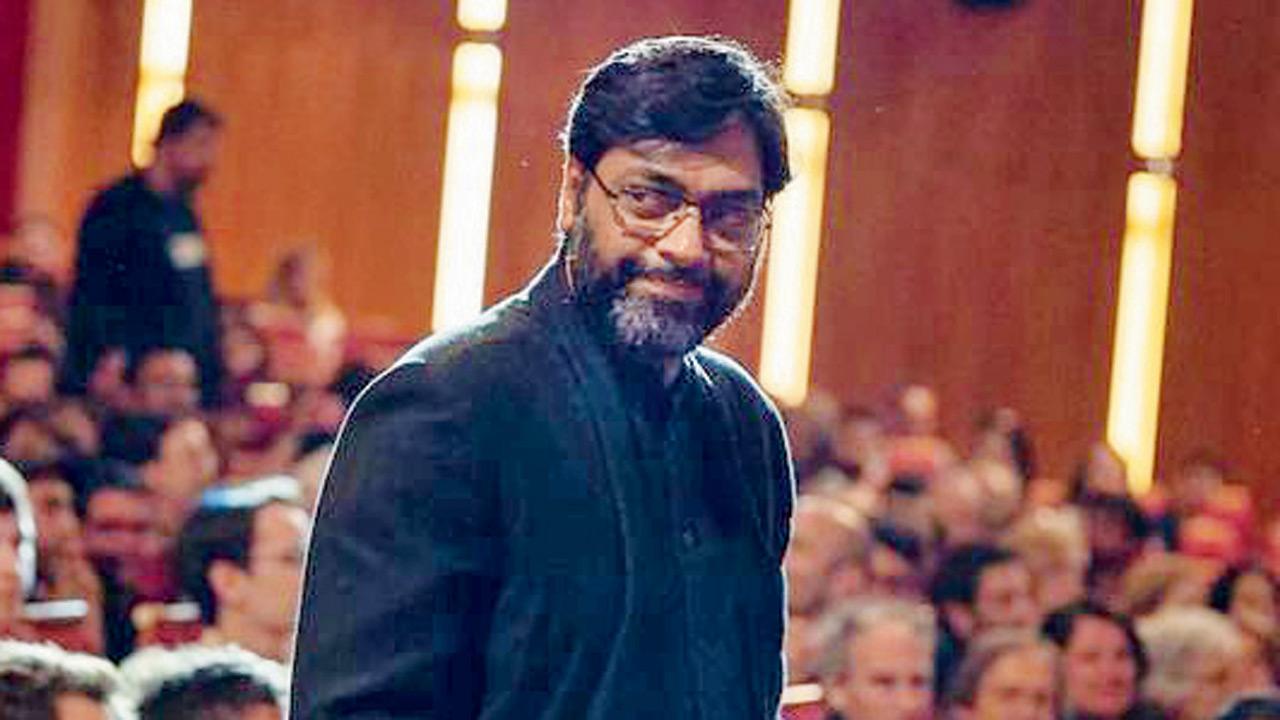
Priyanka Sharma (MID-DAY; November 15, 2025)
The morning of a release day for a filmmaker is usually filled with hope, excitement and anxiety about the audience’s response. But for director Kanu Behl, it was marked by struggle and disillusionment. After a wait of almost two years, Behl’s Agra released on Friday on 70 screens across the country. The filmmaker criticised multiplexes on social media over the film’s showcasing. “We’re being denied shows because small films ‘don’t fit into’ multiplex chain programming,” he wrote on X.
On a call with mid-day, Behl shared his frustration over the relentless fight he had to put up until the day before the release. “Till the last minute, we were told [by theatres], ‘We’ll figure, but nothing [happened],” he said.
When told that only four shows were available in Mumbai on the opening day, Behl pointed out the irony. “On Thursday night, we held a screening in Bengaluru. We had to turn away people because it was houseful. We got a standing ovation. I did around 12 pre-release screenings in India and at least 10 were with aam janta. It played to packed halls,” he said.
Agra has also gained recognition on global platforms, premiering at the Cannes Film Festival 2023. The anticipation was heightened because this is Behl’s theatrical comeback after the 2015 acclaimed Titli. It’s why the cold response of theatrical stakeholders has alarmed Behl — not for himself but for the future of young filmmakers.
“If this is their treatment of a film that opened at Cannes, I shudder to think what younger filmmakers and the next generation will go through. Then they [multiplexes] turn around and say, ‘Aisi filme chalti nahi hain.’ And those they run across 2000 screens, play to empty theatres. So when is this system going to change?”
Behl shared that releasing a film on the big screen is becoming a mental health crisis for independent filmmakers. “The illusion that multiplexes were there to accommodate all kinds of films is long gone. Now it is just about fighting for survival. But I am not going to fight for survival anymore. Either this system has to work or I’m out. I don’t want to do this anymore. How long will a filmmaker fight? This is a larger mental health issue within the industry. This happened with All We Imagine As Light and Sabar Bonda. It will keep happening,” he lamented.
Unless, the audience proves the decision makers wrong, Behl said. Even though the director never believed in putting the onus on the audience to make a film breathe on the big screen, this time he could only look towards the viewers for some hope. Behl said that if Agra doesn’t find audience support, he would quit filmmaking.
“I really want to reach out to the audience and say, ‘It’s in your hands. You come and watch this film and show these guys how much money a film like this can earn or I'm quitting filmmaking. Mujhe nahi karna. I cannot struggle anymore. I will not keep pushing anymore. I will leave filmmaking. (In any other scenario) I would never put this sort of a responsibility on the audience. It's not their responsibility. It is of the gatekeepers. It is these guys who should be doing their job. But in the absence of that, I think the responsibility finally comes upon the audience, including me. This has to be a protest and some sort of a coming together for the audience. So, if there’s only one show available, it should run houseful. If the audience wants to give them an answer and tell them what it wants, this has to come out of the social media echo chamber. Only that will wake these guys up.”
Shouldn’t the industry also unite against the crisis, we asked the filmmaker. The industry would never do it, he replied. “Because they are a cabal. They're a mafia. They all have their families. They all have the kids within the families to protect. It is an incestuous sort of mafianess. So they are not going to move,” he said.
Kanu Behl on Agra getting limited screens: "Are we only going to talk about the next Bollywood star kid vehicle?"
10:29 AM

Vinay MR Mishra (BOMBAY TIMES; November 15, 2025)
Kanu Behl’s Agra — a Cannes-lauded, deeply personal film about sexual repression and constrained spaces — final hit the Indian theatres; however, the celebration is bittersweet. On the eve of its release, Behl publicly accused multiplex chains of denying his film adequate shows, laying bare a recurring struggle in independent Indian cinema.
Expressing his frustration, Kanu, who had directed the critically acclaimed film, Titli (2015), wrote on X, "Update on ‘Agra’, the film: We’re being denied shows because of the so-called ‘big blockbusters’ and because small films ‘don’t fit into’ multiplex chain programming. It’s up to you the audience now! Speak up and tag the chains. Say that you want to see the film!"
He added, "Spread the word, or this will just go on and on. And the space for anything else other than mindless ‘infantilized cinema’ will disappear."
'I am going to continue fighting'
While talking to us Behl says, “I am now immune to all of this. All that remains inside me is the fight. I am going to continue fighting. This film has been a nine year long fight. I am not about to give up now. I have faced every single roadblock that this film right from the time I started writing it, to trying to find finance for it. This is an independent filmmaker's life. But I'm done keeping quiet now. Now I think I want to speak out.”
'We were not looking for 1,000 shows or 500 shows'
It’s not just about the number of screens; according to Behl, the shows they do get are marginal, poorly timed, and not conducive to reaching a real audience. “The kind of shows that we were getting were very peripheral at odd timings and that would not have given proper access to the film. We were not looking for 1,000 shows or 500 shows. We were supposed to release only on 100 screens, but we were looking for 100 significant shows," he informs.
Behl insists the issue isn’t just his — it’s deeply structural. He calls on the broader filmmaking community to unite: “We need more voices from within the industry to come together and fight not just for … This is not anymore about just Agra. These past two – three months, we've seen Jugnuma, we've seen Sabar Bonda, we've seen Homebound, all acclaimed films, acknowledged films, and we've seen what has happened with them.”
He goes on to add, "It’s really time where the community needs to come out and speak up all in one voice. All those people who strut around on red carpets in these film festivals need to finally speak about a film that actually showed in one of these film festivals.”
'It absolutely does demotivate you'
Behl admits that this is not just a business or artistic crisis — it’s deeply demoralizing. “It absolutely does demotivate you. That is the truth. I don't know how many filmmakers will come up and talk about this.” The fight to be heard, he says, wears you down. “It is disheartening. It is very troubling.”
'Are we only going to talk about the next Bollywood star kid vehicle?'
This isn’t merely about Agra getting its due. For Behl, there’s a larger battle happening — for the kind of cinema we allow, normalise, and reward. “We need to move the needle beyond just doing Disneyfied rubbish entertainment, which is essentially for third standard or fourth standard students sold to adults,” he argues.
He poses a broader question: “How long will this go on and how long are we, the audience, going to accept it? What is the kind of world that we are creating for ourselves today and for our children that are going to follow? Is this going to be the level of nuance in this country, the level of conversation, the level of debate where each weekend we are only going to talk about the next Bollywood star kid vehicle, and there's no other conversation to be had?”
I was so bored of hearing adjectives like ‘hot and sexy’, ‘sultry actress’-Priyanka Bose
8:19 AM

Priyanka Sharma (MID-DAY; October 19, 2025)
Six years is a long wait for any actor, more so if it’s for a project close to their heart. Naturally, Priyanka Bose is relieved that Agra is finally set to release in theatres in less than a month, after much struggle.
“What’s the use of so much hard work if no one in the ecosystem nurtures it and sees that this film is potent? I am very grateful that Agra, by far my most favourite work in the Indian milieu, is coming out. Had this film become a cult, [only] Kanu [Behl, director] would have been celebrated. Artistes who are in the film need our films to come out for people to know that we are reliable.”
Also starring Rahul Roy and Mohit Agarwal, Agra premièred at the Cannes Film Festival 2023. Though the film was ready for over two years, Behl struggled to find distributors in India owing to its central theme — sexual repression in the context of urban space constraints. Bose admits she had apprehensions about taking up a part that might reinforce the stereotype she had long wanted to shed.
“I came with a lot of fear because I [have been] trying to change a certain narrative about myself. I was so bored of hearing adjectives like ‘hot and sexy’, ‘sultry actress’. I was willing to be very fearless. [But] Agra felt like a perceived danger. I would think, ‘When this comes out, the attention I will get will not be because of my craft, but because of how bold it is.’ But do people even understand this adjective? I don’t want a bravery award. I want people to understand that I am a very reliable artiste,” she says.
Bose adds that Behl understood her concerns and gave her the freedom to navigate them. “I never had that with any of the directors. Kanu Behl gave me the space to explore my skill set and potential. There is so much vulnerability in boldness. Only we know how we did it.”
The actor says she took up Agra also because of the support she received from her partner and friends. Her perseverance seems to have paid off. Last month, her film Jugnuma, co-starring Manoj Bajpayee and directed by Raam Reddy, opened in theatres to unanimous praise.
Even as she celebrates back-to-back collaborations with filmmakers she admires, Bose says her focus remains on growth. “I want to work with Neeraj Ghaywan, Konkona Sen Sharma, and Payal Kapadia. I want to work with the best. Whether they see me worthy right now or not, I’m just going to continue working on my craft. I’ll be ready when they’re ready with a script saying, ‘Pri, we think you’ll be great at this’.”
Kanu Behl on bringing Agra to Indian theatres: "Difficult, disheartening, and sometimes depressing"
9:27 AM
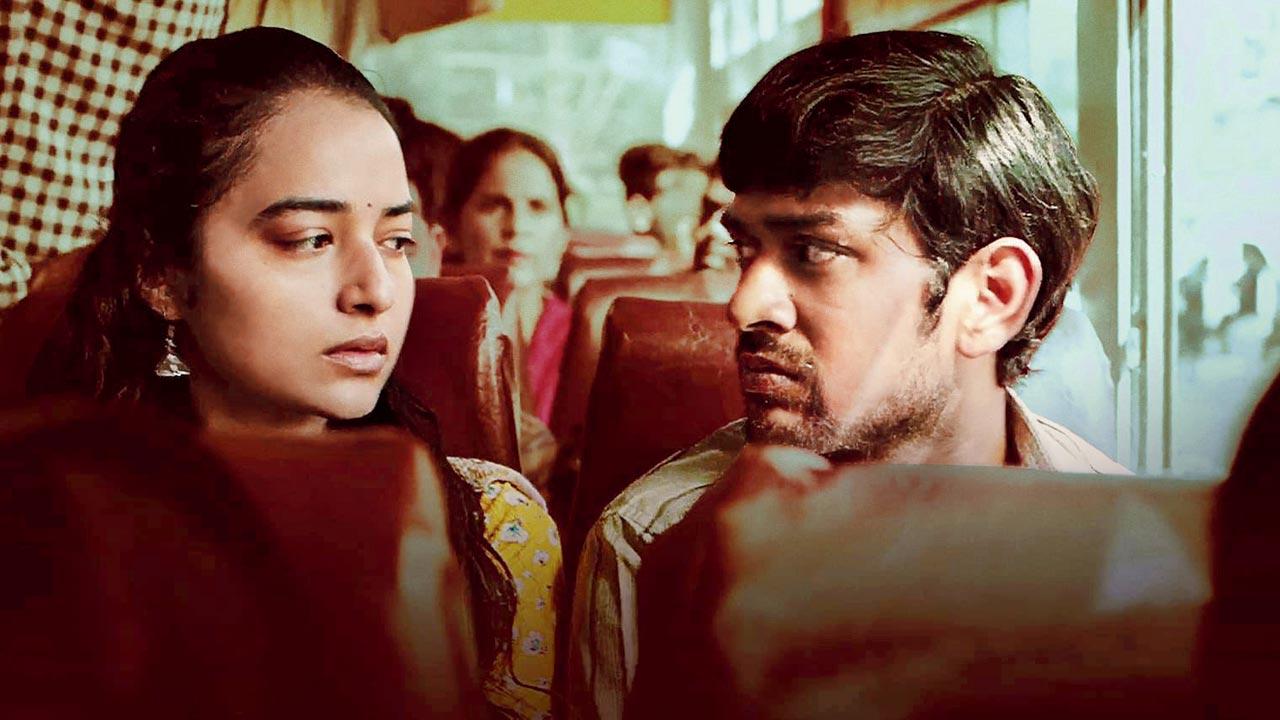
Priyanka Sharma (MID-DAY; October 14, 2025)
“Difficult, disheartening, and sometimes depressing” — that’s how Kanu Behl describes his last two years as he fought to bring Agra to Indian theatres. This, even though the Rahul Roy, Priyanka Bose, and Mohit Agarwal-starrer won wide praise at the Cannes Film Festival 2023. Now, the drama is finally arriving in Indian cinemas on November 14.
Behl’s jubilation is evident when he, over a phone call, tells us, “It was such a long and hard battle. We all know the state of independent cinema now. To finally get here where the film will meet its real audience is an indescribable feeling of joy.”
Finding a distributor that could put faith in the story — of a sexually repressed man in the context of India’s space crunch — was the struggle. Eventually, Saregama Films came on board as the distributor. Behl, who has written the story with Atika Chohan, shares, “It was a daily battle. If you’re trying to make a difficult film, you need to have strong collaborators from the production point of view.”
Film banners apart, the director has another collaborator in mind — the government. He believes it’s imperative for the government to sponsor a distribution channel so that independent films can thrive in Indian cinema.
He says, “The top five or 10 films that come through festivals should get government support. There must be a quality check. If a film clears that, the government must mandate a certain number of screens for its release. It also needs to give tax breaks so that the audience has an incentive to watch that film as opposed to the next blockbuster playing in the next screen.”
Agra is coming to theatres a month after a slew of indie films, from Jugnuma to Sabar Bonda, released on the big screen. Does it seem like a shift? “I hope it’s a shift,” asserts Behl, before adding, “But I’ve seen this before. When I came out with Titli [2014], a lot of independent voices were emerging. Then there was a lull. So, I’m happy about all of these films, but I’m also wary because I don’t see a sustainable system. I hope we all can create a system for independent films.”
I was struggling to do intimate scenes for the camera-Manoj Bajpayee
10:36 AM
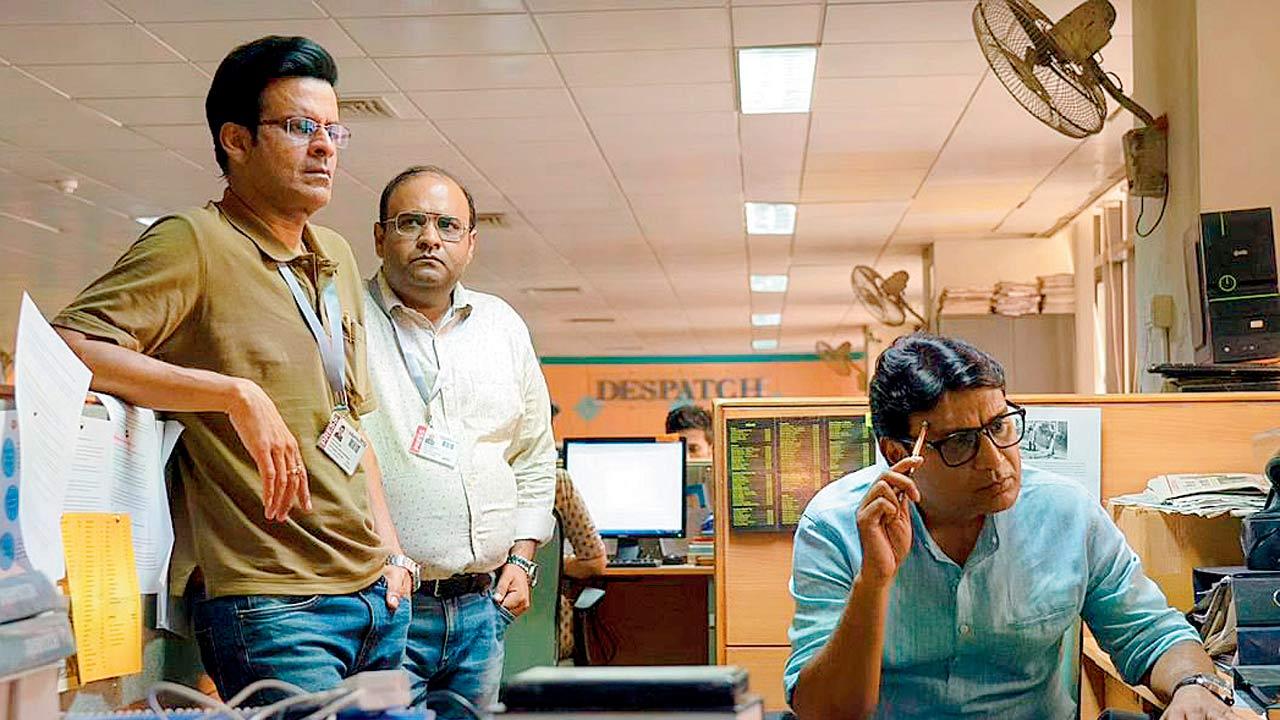
Bringing a crime journalist’s story to the screen with Despatch, Manoj Bajpayee on his skepticism about doing sex scenes and being convinced by director Kanu Behl
Priyanka Sharma (MID-DAY; December 5, 2024)
Can an actor be surprised by the possibilities of their own craft after a 100-film career? Manoj Bajpayee doubted it. That is, until he worked with director Kanu Behl on Despatch. “After a point, you stop knowing what all is buried in there. You need a passionate and visionary [filmmaker] like Kanu, who can see those aspects in you that you haven’t even thought about,” starts the actor.
Written by Behl and Ishani Banerjee, Despatch tells the story of a crime journalist who chases a high-stakes story even as his personal life is falling apart. Saying yes to the ZEE5 project came easy to Bajpayee as he trusted that the director, who helmed the acclaimed Titli (2015), would bring a novel approach to the thriller.
“I knew Kanu would dwell on something else, even if the format is of a thriller. He’d walk into the dark areas of the character,” says the actor. His faith has paid off now as multiple screenings of the film have begun. “The way Shekhar Kapur and some of my own people—whose opinion I value and who helped me grow as an actor—responded to the film made me happy.”
But shooting for the movie was not all about happiness. If there is one aspect that Bajpayee found difficult to reconcile with, it was shooting intimate scenes. ‘Is it necessary?’—that was the actor’s first reaction when he learnt about their presence in the storytelling. “At the initial stage, I told him, ‘I just want to know. Is it necessary?’ I wanted to know his [thought process] behind it. He came up with his answer, and I was quite okay with it. [That said], how I was going to be [while shooting it] was the question. By nature, I am a very shy person. I was struggling to do the scenes for the camera. But that wasn’t evident to my director or to anyone else.”
Bajpayee praises his co-star Shahana Goswami on this count. He recalls being in awe of her approach to the scenes. “I wanted to be like her because she wasn’t only doing that scene or playing it sexy, but also depicting the mental state of the character. That was quite fascinating to me about her as an actor,” he says.
If event films are just a circus, eventually the audience will reject them-Kanu Behl
8:12 AM
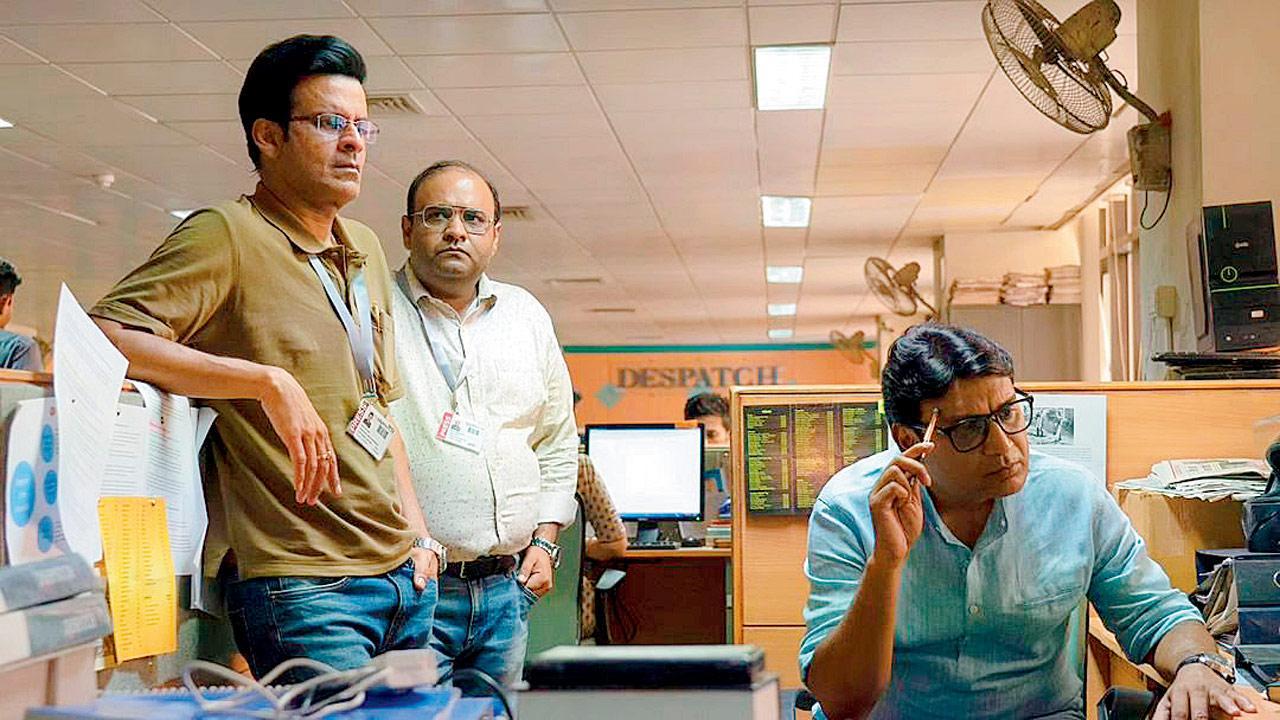
As Despatch premieres at MAMI Film Festival, director Behl on researching the murders of Gauri Lankesh and several journalists for the crime thriller
Priyanka Sharma (MID-DAY; October 21, 2024)
On Saturday, director Kanu Behl’s Despatch had its Indian première at the MAMI Mumbai Film Festival. But the filmmaker’s journey of the Manoj Bajpayee-starrer began in 2016 as he, with co-writer Ishani Banerjee, set out to explore the world of journalism.
“Stories about journalism often end up being one-dimensional—there are God-like protagonists fighting to break a story. I always felt that a better understanding of how the world looked from the inside was missing. I had been toying with the idea, and it criss-crossed with so much violence happening with journalists, starting with Gauri Lankesh. The world around us was changing so much. So, I decided to do a Faustian piece about a journalist, who is breaking a story, but not only with an altruistic purpose. Ishani and I dove into eight-nine months of research, looking into several cases of journalists getting [killed].”
While writing the protagonist, Behl didn’t have Bajpayee in mind. But after the script was complete, the actor became his first choice. “Manoj was the first person I went to. As a director, you are always looking for collaborators who are in love with cinema. Manoj is in love with the art of filmmaking. It’s amazing that he has had a trailblazing career, and yet he approaches every film with that impulse.”
Months ago, Bajpayee had told mid-day that working with Behl was challenging (Kanu is a difficult and tedious director, Aug 20).
Mention this to the director and he laughs, “As a director, it’s my job to push the actor in a new territory. Often, films feel staccato because they are done from a pedestal where the filmmaker [operates from]. The moment you accept that you don’t know everything as a director, it gives the film freedom. Some days, you don’t know what you are doing, nor does the actor. My job is to make myself and my actors feel a little lost once in a while. It’s only from there that something new emerges.”
Since his first film, Titli (2015), Behl has championed indie cinema. Even though event films are dominating the scene, he is unfazed. “If you see the films that have re-released now like Tumbbad [2018] and Khosla Ka Ghosla [2006], they might not have done box-office numbers at that time. The audience only sees the emotion of a film. Post COVID, the world has changed so much. Cinema is being turned into more of an event, but I have faith in the audience. If event films are just a circus, eventually the audience will reject them and ask for something that [moves] them.”

CBFC instructs Agra director Kanu Behl to replace frontal nudity scene and drop sex sequence
8:30 AM
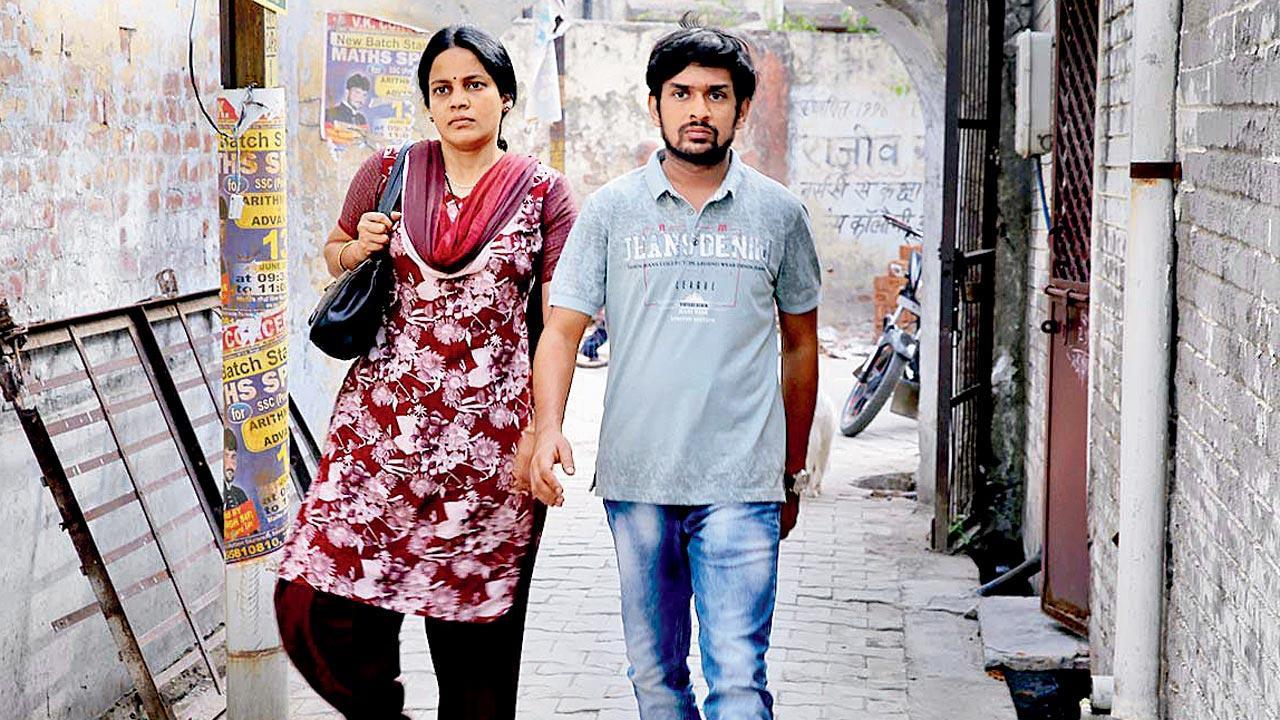
CBFC grants ‘A’ certificate to Agra, instructs director Behl to replace frontal nudity scene and drop sex sequence; makers yet to consider challenging it
Mohar Basu (MID-DAY; June 10, 2024)
During our last conversation with Kanu Behl, the director wasn’t worried about Agra—which explores the subject of sexual repression—having a hard time with the Central Board of Film Certification (CBFC) as his previous experience with the board was “reasonable” (To find a producer is the toughest bit, Aug 6).
Unfortunately, the film has now had a run-in with the board. It has granted Behl’s movie an ‘A’ certificate, with two instructions—that a scene with frontal nudity be replaced with another visual, and a sex sequence be deleted altogether.
A copy of the CBFC certification is in mid-day’s possession. A source tells us, “They have asked for a few expletives to be eliminated, which the makers agreed to. However, the team is deliberating over the remaining two instructions. For a film that explores the protagonist’s sexual journey, the two sequences are crucial to the narrative.”
Over the next few days, the director and the team at Saregama’s Yoodlee Films, which has produced the Mohit Agarwal and Priyanka Bose-starrer, will decide whether they will accept the cuts or head to the court to challenge the board’s decision.
The news about the CBFC’s objections to Agra’s scenes is likely to add to the ongoing discourse about censorship in Indian cinema. The subject came under the spotlight recently with Dev Patel’s Monkey Man, the release of which remains in limbo.
Agra is not sensationalizing sexuality; I hope CBFC sees Agra reasonably-Kanu Behl
8:32 AM
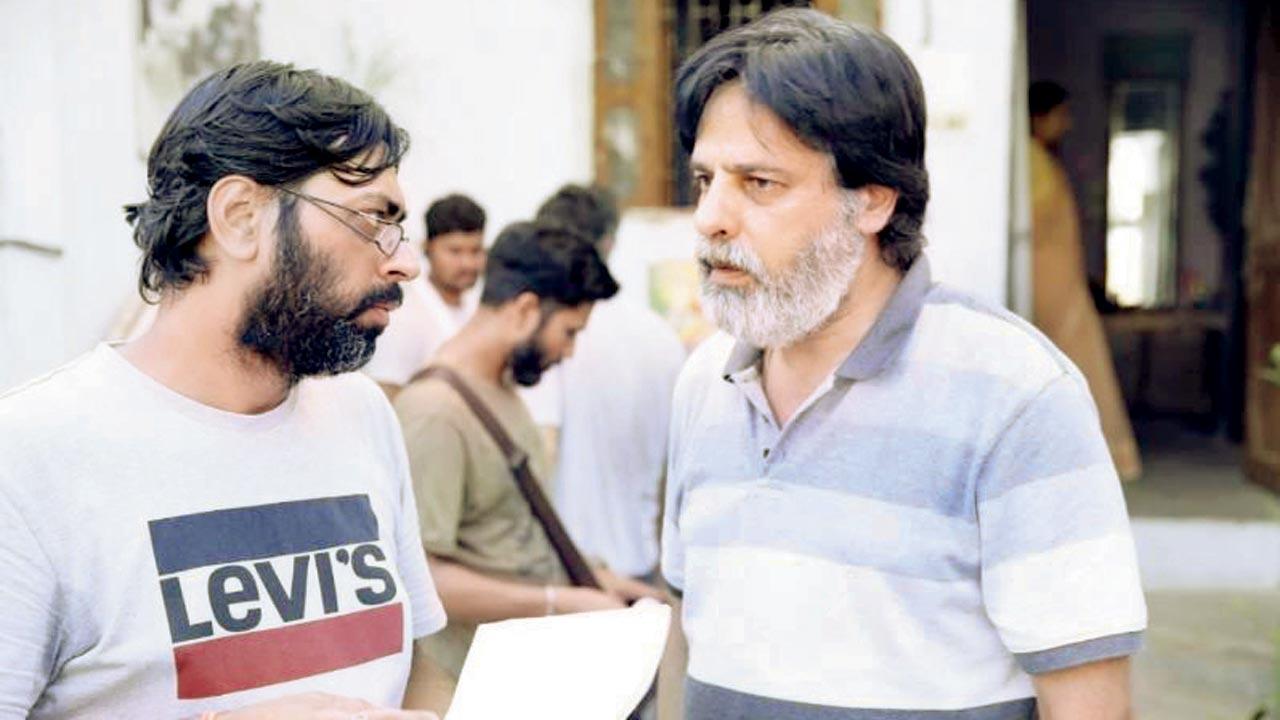
With Agra set to be screened at Melbourne film fest, director Kanu Behl on how indie filmmakers struggle to get backing for movies
Mohar Basu (MID-DAY; August 6, 2023)
“Making the kind of films I make is tough,” Kanu Behl’s opening line hits us hard. At a time when we believe that there is enough space for diverse voices out there, the director observes that independent filmmakers still find it difficult to get backing for their movies. It was the same story with Agra, which won immense love at the Cannes Film Festival this year. Now, the drama is set to be screened at the Indian Film Festival of Melbourne on August 15.
“It takes a lot of work to make a film exactly the way you make it. I have many more stories I’d love to tell at a quicker pace. But to find a producer and get the film released is the toughest bit. This, even when there is no dearth of courageous people, who want to push the envelope,” says the director.
Starring Rahul Roy and Priyanka Bose, Agra is described as an exploration of sexual dynamics within a family. It is a deeply personal film for Behl. “Growing up, from the age of 15 to 25, I felt sexual repression and an inability to express myself. This was still coming from a place of privilege; I lived in a 3 BHK in Delhi. But imagine, people who were a few notches below me economically going through the same thing. There is a sense of transactionality in our most intimate moments. It was an important emotion to discuss.”
It is worrisome that the story is being told at a time when censorship is at its peak. But the director isn’t perturbed at the moment. Right now, the film is enjoying its festival runs, and hasn’t got a CBFC certificate. “My previous experience with the CBFC was reasonable, so I hope they see Agra in the same light. It is not sensationalizing sexuality.”
A story about sexual repression will most likely elicit strong reactions in the sensitive and reactive world of today. Does he find his voice curtailed in such a scenario? “For a while on the initial drafts, I was censoring myself. I’d ask myself how to make this movie. But the only way to battle it is to continuously try and be honest. I asked myself, what is my base impulse to work? My output should be fair to my impulse.”
Kanu Behl talks about Agra and Cannes honour: "Like me, I had seen a lot of young men who had felt this repression"
8:23 AM
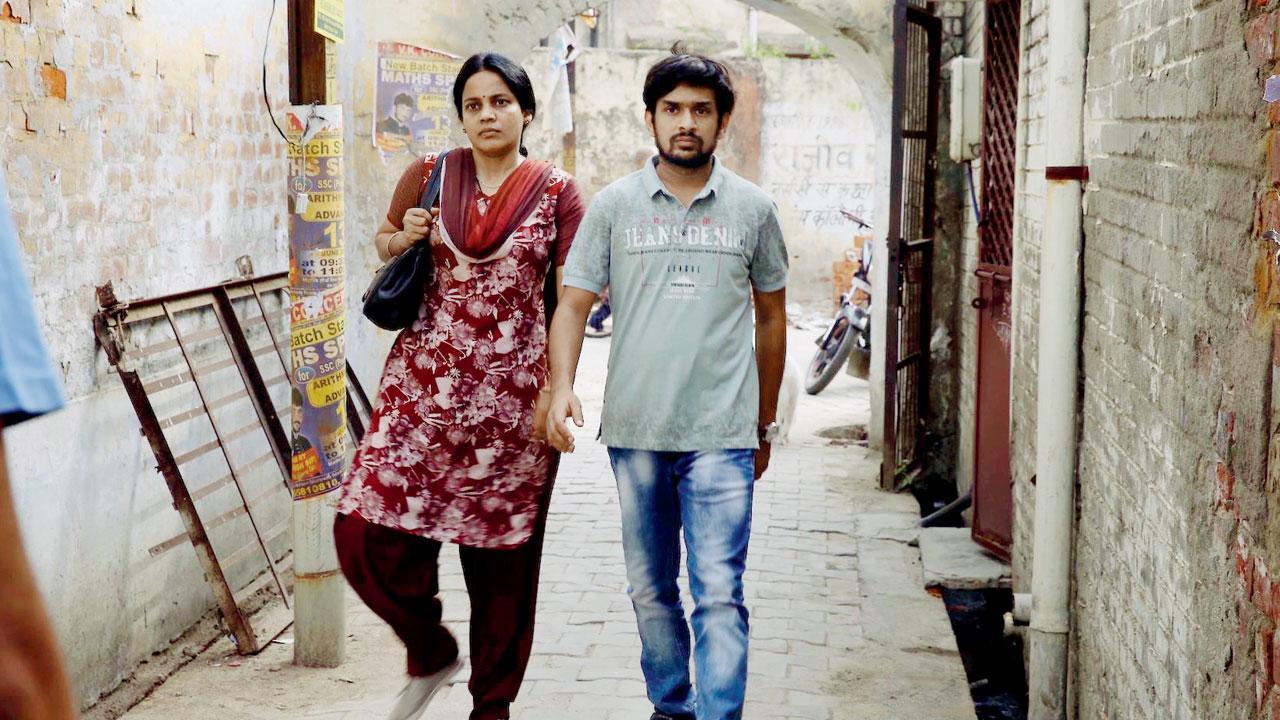
As Agra is set to premiere at Cannes, director Behl says festival support is important for offbeat films to reach the audience
Priyanka Sharma (MID-DAY; April 24, 2023)
Having one’s feature screen in the prestigious section of Directors’ Fortnight at the Cannes Film Festival is a matter of pride. But to director Kanu Behl, the upcoming première of Agra at the French Riviera is the means to an end. “The biggest reason for feeling good is because I know that the film is one step closer to reaching the audiences in India,” beams Behl, whose last feature film, Titli (2015), premièred at the Un Certain Regard section of the 2014 Cannes Film Festival.
Behl’s films are divorced from the mainstream, frothy offerings of Bollywood. This knowledge has come to him with the realization that his movies will need a festival endorsement to see the light of day in India.
“I am clearly not Bollywood. There is a certain kind of film that gets financed here through a certain structure. Unfortunately, there is no commercial structure for the cinema I subscribe to, and hope a certain audience would want to engage with. So, a film festival debut becomes a necessary component in the journey of such a movie,” he explains.
Starring Rahul Roy and Priyanka Bose, Agra is described as an exploration of sexual dynamics within a family. The director believes that the movie tackles an urgent subject.
“After Titli released, I asked myself, ‘What do I want to talk about?’ That’s when I realized there was a part of me, which I had felt over the years, but not expressed. Like me, I had seen a lot of young men who had felt this repression. It made me question the presence of sexuality and desire within our lives in the specific cultural context of our country.”
I felt alone during the National Awards; my wife and daughter were supposed to be there-Manoj Bajpayee
8:09 AM
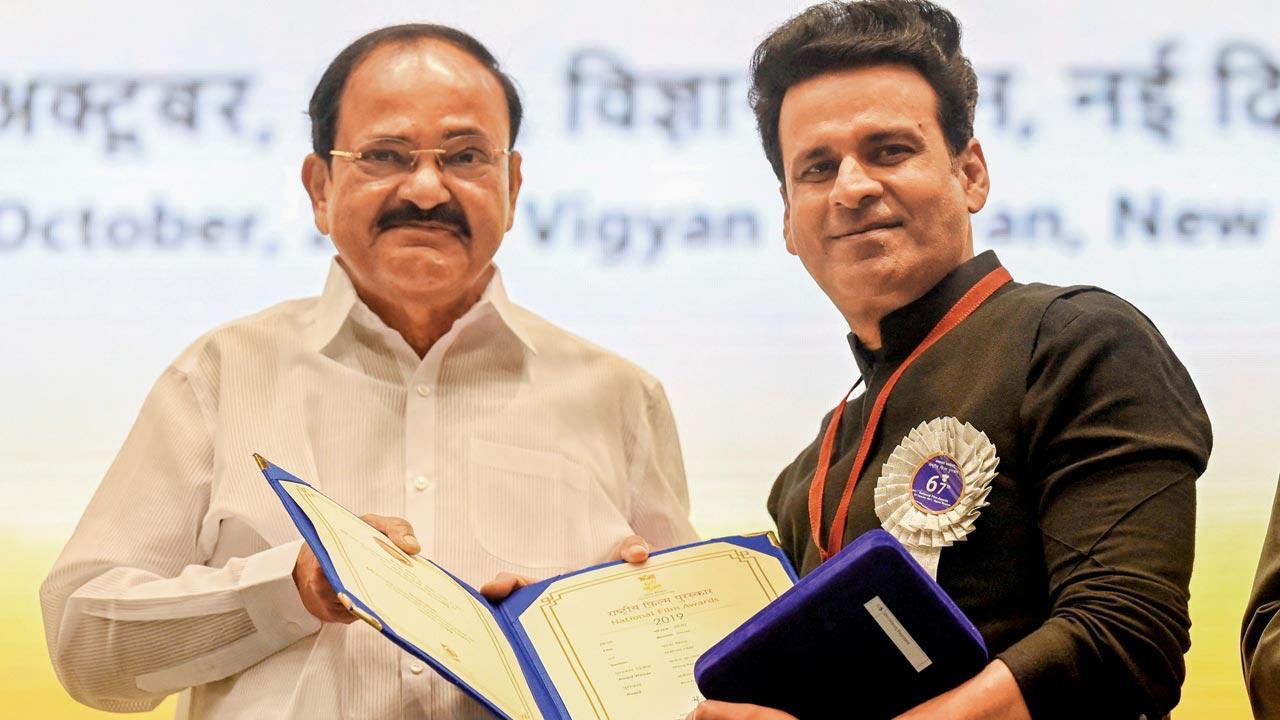
Humbled to have received his third National Award, Manoj says win would have been more memorable if family was in attendance
Upala KBR (MID-DAY; October 27, 2021)
There was a bustle at New Delhi’s Vigyan Bhawan as the top brass of Bollywood collected to receive the National Awards on Monday. For Manoj Bajpayee, who took home the gong for Best Actor for his performance in Bhonsle at the ceremony’s 67th edition, the experience, although sweet, could have been more memorable.
“I felt alone,” says Bajpayee, who lost his father on October 2. “On wonderful occasions such as these, people celebrate with their loved ones. My wife [Shabana] and daughter [Ava Nayla] were supposed to be there. But, I was rushing from Kerala to attend it, so they couldn’t come with me. I missed my parents a lot. My father was such a film buff! He would keep a track of everything that I have done, including every award and honour that I received. He would be very proud of every achievement. So, while attending the function, I felt a mixed bag of emotions.”
After Best Supporting Actor (Satya, 2000) and Special Jury Award (Pinjar, 2005), this win marks Bajpayee’s third National Award. He acknowledges that in an industry that is becoming increasingly competitive, with each act outshining the other, winning this title is nothing short of an honour. “The title is bestowed upon you by jury members who are celebrated in their respective fields. If they honour you and your work that year, you can only accept the compliments with pride and humility, and shrug it off your shoulders and prepare for the next day’s shoot.”
In the pipeline for him are three mammoth projects, including one for Kannada director Raam Reddy, and Kanu Behl’s thriller, Despatch, a direct-to-OTT release. “Raam’s movie is going to be quite an experience for the audience to witness. He’s only 29-years old, but when he starts talking about philosophy, his views leave me spellbound. Kanu is a challenging director to work with. You have to be [mentally prepared] to work with him. He is brutal and may dislike every take. These young guys are making me grow, and I am going to work with them all the time. I don’t want to become [complacent]; I want to grow as an actor.”
Bajpayee is also shooting for Abhishek Choubey’s Netflix movie. “I have done two movies with him — Sonchiriya and Ray. He has many great ideas on approaching an act. Working with him is like attending an acting workshop.”
---------------------
The actor on winning his third National Award and catching up with the legend
Titas Chowdhury (HINDUSTAN TIMES; October 27, 2021)
After bagging two National Awards for Satya (1998) and Pinjar (2003), actor Manoj Bajpayee received a third on Monday, as he was honoured with the Best Actor award for his performance in Bhonsle (2018). He reveals that each time he goes up on the stage to accept the award, memories of his first win come rushing back. And while winning the top award is always special, this honour is more special for the actor.
“It feels even better when you win awards for films that are close to your heart. We wanted to make this movie for a while, but we weren’t getting money from anyone who could produce it. It took us four years to make Bhonsle. So, it definitely means the world to us. It’s kind of a poetic justice that has happened to the film,” he says.
The ceremony held at Vigyan Bhawan in New Delhi will remain a fond memory for the 52-year-old actor, as it also gave him the opportunity to interact and exchange notes with other artistes. Quiz him about meeting superstar Rajinikanth, who was bestowed the Dadasaheb Phalke Award, and Bajpayee says, “Rajinikanth sir is a legend and I’ve always looked up to him for the journey he has had. He came from a humble background and created such a big name for himself. He treats everyone with a lot of humility. I spoke to him. It had nothing to do with cinema, but spirituality.”
Talking about his interaction with actor Dhanush, who also won the Best Actor award, he says, “I had a long conversation with him. We shared our thoughts on the films we like and his films that I’ve watched. He’s a remarkable young mind doing some remarkable films.”

Sadly, 50 per cent of my films are for adult viewers and 50 per cent for everybody-Manoj Bajpayee
8:18 AM

Aditi Giri (MUMBAI MIRROR; August 8, 2021)
It took many years for the masses to really love and accept me’ shares a humble Manoj Bajpayee. Patience, perseverance, and dedication have allowed the actor to create a niche for himself in showbiz. Ahead of the release of his upcoming movie, the actor spoke about this new inning, the challenges in maintaining individuality, and how he reflects back on 26 years of his journey. Excerpts:
You’ve played the role of a cop, spy, and soldier multiple times. While others may have complained about being typecast, you’ve made these kinds of roles your calling card.
In 26 years of my career, I have played a cop three-four times, played an army personnel three-four times, an intelligence guy twice, a gangster three-four times, criminals a few times, and a professor a couple of times. When you have a decades long career, you are bound to play repetitive characters. But, at the same time, the fact that they looked different was because I was more interested in portraying the person, than their profession. My focus has been the person and not the uniform - that’s how I could make a difference from the last cop I played. Speaking of adversity, I am not somebody to prove people’s opinions wrong. I am interested in doing the characters well so that it helps me evolve. With each performance, I am trying to better myself. This is what interests me the most.
While OTT has allowed you to have a newfound audience with your stellar performance, people also have so much expectations. How do you deal with that?
Yes, true, OTT has expanded my fan base. Now, even children come to me for pictures and autographs; they are exploring all my past work. It’s so overwhelming; it is quite a compliment and an achievement for me. Expectations are always going to be there but I have a certain idea of me as an actor and what I want to do. It’s never about expectations, it’s about following your path with conviction and having a singular mind. This is exactly what I have been doing, unaware of the pressure. It keeps me grounded, and gives me a sense of freedom. I am never scared of failures, criticism, or rejection. I’ve seen too many rejections; in fact, I’ve seen more rejections and failures than acceptance or success. I am really happy and humbled that people are liking my work and I thank God and the audience for loving me.
You have been wholeheartedly accepted Gen Z. How do you connect with everyone?
Believe me, there’s no secret. I wish I knew the secret behind all of this. Your question is more a compliment to me, which I accept wholeheartedly. For Gen Z, I am a new actor and it feels so fresh that way. They are looking forward to my new work, so it’s exciting. This is a great situation to be in. I just hope they like everything they watch, even in the future.
Sadly, 50 per cent of my films are for adult viewers and 50 per cent for everybody. I am hoping that that 50 per cent is entertaining enough for them to keep loving me (smiles).
With back-to-back critically acclaimed projects, there’s a lot of recognition coming your way now. How did you keep going when it wasn’t?
Consistency. I was focused right from the beginning with all my projects. Whether they succeeded or bombed - nothing ever deterred me from my own path. My love for acting is quite massive and that drives me to really indulge in the projects and the work that I do. Also if I am not working on a project, I am constantly working on myself. I am more interested in evolving as an actor. It indeed took many years for the masses to really love me but I never regretted it.
Upcoming projects?
I have Raam Reddy’s film; he has directed ‘Thithi’. I have finished 80-85% of Kanu Behl’s film; he has directed ‘Titli’ in the past.
Actor Lalit Behl succumbs to Covid-19; Adil Hussain mourns
8:01 AM

HINDUSTAN TIMES (April 25, 2021)
Veteran actor-filmmaker Lalit Behl, known for films like Titli (2014) and Mukti Bhawan (2016), died of Covid-19 related complications, his son, director Kanu Behl said. The 71-year-old actor was diagnosed with the Coronavirus last week.
Among those who mourned his demise was actor Adil Hussain who starred with him in Mukti Bhawan. Hussain tweeted: “Extremely saddened by the demise of one of my dearest and most respected Co-actors, Lalit Behl jee. Who, so brilliantly played the father in @MuktiBhawan! I feel the loss of my father again! Dear Kanu I am so very sorry for your loss!”
I felt challenged by the rigorous workshop for Despatch-Manoj Bajpayee
8:01 AM
Manoj recounts his three-week prep in isolation before kicking off shoot for Kanu Behl's Despatch
Mohar Basu (MID-DAY; March 10, 2021)
Manoj Bajpayee dabbled in digital content long before it became a rage. It's hardly surprising then that he has greelit another direct-to-web film, Despatch, directed by Kanu Behl. Buzz is that the actor went on a digital detox, prepping in isolation for three weeks before he began shooting for the film last months.
Refusing to discuss the film's premise, Bajpayee says that he opted for strenous prep as the subject demanded it. "Despite years of conducting workshops in acting institutes and participating in hundreds of them, I felt challenged by the rigorous workshop for this film," he says.
In 2020, he juggled both medium - where Mrs Serial Killer was a Netflix film, Suraj Pe Mangal Bhari became the first Bollywood film to hit screens post the Coronavirus pandemic. The actor says that Despatch's digital premiere doesn't alter his approach to the subject. "Every film I have shot recently will premiere on web though the initial agenda of each movie was to target a theatrical release. But theatres are taking their own time to regain normalcy. OTT platforms are running parallel to theatres and shouldn't be pitted against them. The purpose is to reach as many as possible collectively."
Manoj Bajpayee will also produce and star in long-time collaborator Apurva Asrani's directorial debut. "To me, he is family. I am waiting for him to call me once his final draft is ready."
I haven’t done one naach gaana film, it’s a miracle that I exist in Bollywood-Richa Chadha
8:20 AM

Renuka Vyavahare (BOMBAY TIMES; January 22, 2020)
 Not someone to mince words, Richa Chadha says it like it is. Ahead of the release of her next, director Ashwiny Iyer Tiwari’s Panga, she talks to BT about her film career, relationship with actor Ali Fazal, casting director woes and why freedom of speech is important. Excerpts...
You feature in Panga alongside Kangana Ranaut. Given the fact that you have never been a conformist, your choice of this film is quite apt...
Not just me, I think it holds true for every independent, opinionated woman. When you voice your thoughts freely, even normal things are perceived as ‘yeh toh pangey le rahi hai.’
Don’t you think women are often conditioned to not take pangas, be it at home, workplace or society at large? Even putting across your point can sometimes be misconstrued as being rebellious...
We are not sheep. Sheep need shepherds. We should not be confused about who we are. Everybody is entitled to an opinion and we should be able to express it. This is what democracy is all about. If an issue is troubling your heart, you should be able to say it.
What is it like to work with people who may have contradicting political ideologies? Does it have any bearing on you as an actor?
Vivek Oberoi (her co-star in a web series) and I have discussed everything — from the Trump presidency to India to Brexit, and we never agree on things, but at least, I feel comfortable to have that discussion with him. It is perhaps because I have worked with him longer. Kangana and I, we never discussed politics. We just didn’t. Also, ours is a democracy. You work with people you may or may not agree with.
With the kind of diverse content that we are seeing in our movies and other platforms, isn’t it an exciting time for actors like you, who have always been experimental?
The boom in the digital space has helped a lot of actors. Shefali Shah, Neeraj Kabi, Amit Sial.. these actors are finding good work and their visibility makes me happy. They deserve to be stars in their own right. I have done a lot of supporting roles in my career and I have no issues with that. I didn’t come into the industry with the news of a big affair or a famous boyfriend that the media won’t stop talking about. I didn’t have a producer dad. I had to start somewhere, and I feel that I have done well for myself. I haven’t done one naach gaana film and it’s a miracle that I exist. I am glad to have proved a lot of people wrong.
While a lot is changing in the industry, stereotyping still happens. For instance, we have rarely seen you in glamorous roles. Do you agree?
Does stereotyping happen? Of course! The casting directors need to know that. I feel certain casting directors are more destructive to outsiders than producers. They have their prejudices. Barring Honey Trehan who insisted that I should be in Fukrey (2013), I have never been cast by a casting director in any of my films. Honey pushed me to do Fukrey when other casting directors told me not to do it as they wanted to plug their own people. Writer-filmmaker Kanu Behl auditioned me for Oye Lucky! Lucky Oye (2008). He was Dibakar Banerjee’s assistant director (AD) then. He saw me in a play and wanted to cast me. Filmmaker Vasan Bala auditioned me for Dev D (2009) through someone’s reference. He was also an AD with Anurag Kashyap. From that audition, I got Gangs Of Wasseypur (2012). As far as being glamorous is concerned, I’ll be that off the screen. That’s my motto. Because on screen toh mar jayenge na log. Saavli ladki? Glamorous?
Your first attempt at stand-up comedy was well received. It also revealed that you are good with imitating people’s voices. Many wondered why you haven’t been approached for voice-over opportunities yet?
I did stand-up for fun as I wanted to do something that was scary. As far as voiceover is concerned, again, that’s the problem of casting directors and how myopic the industry is. I wonder why they haven’t seen that side of me. Recently, I was dancing at a party and some film colleagues asked me, ‘Wow, you can dance! Since you did Fukrey, we weren’t sure if you could.’ People still come to me and ask if I can speak English as I did Gangs Of Wasseypur. I don’t care about what these people say anymore.
Your actor-boyfriend Ali Fazal was in the audience for your stand-up show. Was it comforting or unnerving?
Ali is a sweetheart. He was expected to reach at 8 pm for the show, as I was to perform at 8.30. He showed up at 6.30 with coffee and cookies for everyone. He is extremely supportive. I couldn’t have asked for a better man in my life. Our relationship is a great creative partnership. No one that sees us together feels like it’s a mismatch. It wasn’t unnerving to have him in the audience at all. My friend, Ali and my brother Pranav were all sitting together. I made jokes about my family, too. It was nice that people liked it and were pleasantly surprised by my comic side.
You said somewhere that it was a miracle that Ali and you found love in each other...
I said it’s a miracle because it’s rare to find like-minded people who share certain core values and have similar interests like poetry, music, films and literature. Ali is also progressive and liberal. To find someone like that in your industry is rare. Also, we never expected to end up together. It happened organically.
Have the two of you thought about marriage?
We don’t have time. If we were to talk about marriage, it will be like... I don’t have dates in March, May is too hot, we are shooting a film in June, it rains too much in July... It will become like a line production job. We are waiting and chilling, and we are in a happy space.
Ali is working with Gal Gadot. Was there even a pinch of jealousy to see your man working with one of the hottest women in the world?
Not at all. That film has such a great cast. It has Armie Hammer and he is also hot. Ali and I never get jealous about these things. We are partners who are excited about each other’s careers. I am so happy that he is getting such good work abroad. People are seeing what an incredible actor he is.
As an industry, aren’t we gradually overcoming our bias for fair skin?
Why don’t you ask Bhumi (Pednekar) and me? Yes, the situation is better now, as we do have duskier actresses, but just observe this. An actress who gets launched at 20, look at her skin tone at 34. It’s completely different. What happened there?

Image: Titli director Kanu Behl gets married to music director Sneha Khanwalkar
8:07 AM

Natasha Coutinho (MUMBAI MIRROR; January 24, 2019)
Director Kanu Behl tied the knot with music director Sneha Khanwalkar in Indore on Wednesday. The couple met on the sets of Dibakar Banerjee’s 2008 slice-of-life comedy Oye Lucky! Lucky Oye! on which Kanu was the assistant director and Sneha the composer. They also teamed up for Kanu’s directorial, Binnu Ka Sapna.
It was a traditional Maharashtrian wedding that started at 11.30 am on Wednesday and went on till afternoon. “Later at night, the couple hosted a reception for family and close friends. On the menu were popular Maharashtrian dishes along with Indore specialities and continental cuisine,” informed a guest. The haldi and mehendi ceremony happened the previous day. There will be another reception for friends in Delhi on January 27. Among their industry friends was producer Guneet Monga, actor-musician Piyush Mishra and actress Amruta Subhash.
Next, the couple will be heading to France for the Clermont-Ferrand Film Festival where Kanu’s film will premiere.
After bagging Titli, I got myself a beer at 12:30 in the afternoon-Shashank Arora
12:19 PM

Following a string of failed auditions, his debut took him to Cannes, his second to Sundance
Kunal Guha (MUMBAI MIRROR; October 2, 2016)
"I hope you don’t mind if I keep my shades on,” says Shashank Arora, as he settles down for breakfast at an all-day eatery in Versova. The actor made waves with his piercing gaze as the lead in last year’s disturbing tale of desperate measures, Titli. The reason for hiding behind his kaala chashma, he continues, is because he can barely keep his eyes open. “I was dubbing for Rock On 2 till 4:30 this morning,” he says of his upcoming release, where he plays a bassist in a rock band. Also on the cards for Shashank, is Alankrita Shrivastava’s Lipstick Under My Burkha and Qissa director Anup Singh’s The Song of Scorpions, which stars Irrfan Khan, Waheeda Rahman and Iranian actor Golshifteh Farahani. “Galti se I’m also there in it,” he says cheekily of the latter.
“When I first came to Mumbai, following a film course in Montreal, I auditioned for every role — films, TV, commercials — but didn’t nail a single one. From Famous Studios to Aaram Nagar, I walked as much as the next guy and eventually took up art direction for a horrible TV show which didn’t even pay me.” It is then that it dawned on the 27-year-old that “Mumbai was a city of business” and that breaking into Bollywood was about more “than just the craft”. “My mom and dad have always taken care of me, so I was never into it for the money. But then, people took advantage of this and wouldn’t pay me.”
Following a string of rejections, when Shashank was on the verge of a breakdown, his dad suggested he approach the art “like it were a science”. “Acting is something one can invest the entire life in learning, so I joined Whistling Woods,” the Delhi-born actor says. He credits his professor, Robert Reece, for teaching everything he knows. “Most actors say that they ‘feel it’. But what is the process to conjure an emotion required in a scene, is what I learnt from him.” Reece even hired him as an assistant at the film school for a year, posing a more pertinent question. “If I was good enough to teach, why wasn’t I getting a single break? But teaching taught me a lot and I convinced myself that cracking auditions has little to do with my knowledge and kept at it.”
He even took a job with casting director Saher Latif (Furious 7, The Best Exotic Marigold Hotel) on the condition that she’d allowed him to audition for every part that came her way. While nothing materialised from this arrangement, in 2012 Shashank met writer-director Kanu Behl, who offered him hope. “Kanu told me he’s writing something and that I should come and see him in a year.” When he did, he learnt that he hadn’t made the cut. “Then he (Behl) asked me to make tea for him and I went into kitchen. That’s when he said that Dibakar (Banerjee) and Aditya Chopra (the producers) liked my audition and I was cast for the lead in Titli. I broke into tears. Just a day prior to that, I was willing to do a one-scene role as a security guard. I thanked him and left his apartment, and sat down on the street and called my dad to share the news. Then, I got myself a beer at 12:30 in the afternoon.”
Shashank’s performance didn’t go unnoticed as the film travelled to festivals across the world, endorsing his potential. “Steve Barron, a producer, saw it at London Film Festival and cast me as the lead in Brahman Naman,” he says of the Netflix release, directed by Q. “I hadn’t seen many films by Q apart from Gandu, which I saw half and didn’t quite like.” In the film, Shashank essays the eponymous role of a quiz nerd from the 1980s. “It was a Brahman character from 1980s Bangalore. I am from Delhi and I had no clue of that time or culture. So, I did my own research.” His best compliment remains the one he received from Reece, who felt that “Titli and Naman were two different people”. Abhishek Banerjee, the casting director of Rock On 2 was also impressed with Shashank’s debut. “I had initially auditioned for a different role but then I got cast as a band mate,” says the actor who has learnt to play the ukulele, guitar and flute.
“My first film went to Cannes and my second (Brahman Naman) to Sundance in the competition category for Best Drama feature, so I am very lucky.” But despite all the accolades, he feels that the audience for films depicting reality is scattered. “We don’t want to confront our lives through films. This is why most prefer films which are like happy meals. But a happy meal doesn’t stay with you. That fish you once had, which had a million bones, of which one even pricked you, stays.”
It doesn’t bother me if Titli is being perceived as a Dibakar Banerjee film-Kanu Behl
7:42 AM

MID-DAY (October 27, 2015)
The marketing of films hinges on big, established names and the same seems to be happening in case of Kanu Behl’s Titli, albeit inadvertently. The critically acclaimed indie film is being talked of mostly as a Dibakar Banerjee project, although he is only co-producing it with Yash Raj Films.
Is it a tad unfair on Kanu? The debutant director disagrees, stating, “The general perception to a lot of things in the universe is different from the way it should be. I don’t believe in the idea of films being directors’ films. It belongs to Dibakar as much as me, the cinematographer, actors and everyone who is part of the film. So, it doesn’t bother me. All I want is the film to be promoted and people should see it in theatres.”
Dibakar, on the other hand, says he does not believe in the concept of using a big name to market a film. “My brand value is not as big as Rajkumar Hirani’s or Mahesh Bhatt’s. Everyone knows I am a small-to-medium-budget filmmaker. I tried to do one big budget film, Detective Byomkesh Bakshy, but it didn’t do well commercially. So, going by that logic, YRF will have to exercise caution with regard to the treatment of a film like Titli because they are trying to make it a profitable project,” he tells hitlist.
Dibakar says those looking at Titli solely as his film or his directorial venture will change their mind after watching the film. “In the first few minutes, they will know it’s not my film. As far as marketing is concerned, we never said that I have directed it. If mediapersons want me to give interviews, I can’t step back and not promote the film,” he adds.
Subscribe to:
Posts (Atom)