Showing posts with label Kani Kusruti. Show all posts
Showing posts with label Kani Kusruti. Show all posts
An A list actor might receive better treatment, while others don’t. Everyone should be treated equally-Kani Kusruti
9:15 AM

Niharika Lal (BOMBAY TIMES; January 4, 2025)
Kani Kusruti says she is happiest at home with her plants in Goa, practicing the sitar - a routine that got disrupted due to the year-round celebrations of All We Imagine As Light and Girls Will Be Girls, two internationally critically acclaimed films she was part of this year.
Kani says, "I think this is mostly the first time I felt there was more celebration than work. I feel it’s very disproportionate in terms of celebration - it’s like too much celebration. I’ve never had a year like this."
'Like in every field, in cinema, I think sometimes people get picked up by chance rather than the most deserving ones'
Kani shares, "I will honestly say, I don't think acting is really my cup of tea. I just happened to become an actor at a young age, and I ended up practicing it and continuing with it. I have many fellow actors and colleagues from Kerala, theater, and elsewhere who are way more talented, passionate about acting, and hardworking than I am. But, like in every field, especially in cinema, I think sometimes people get picked up by chance rather than the most deserving ones."
She continues, "Payal is a really nice person, a good director, and it was a great team. So, I loved working on Payal's film. Some projects come along like that, and I feel truly happy about the way we work together. But when I talk to other actors, I know they feel very happy just acting alone, just being able to play a character - they're genuinely happy. I don't have that kind of happiness. For me, happiness comes when the team is great or when we enjoy the process. I find joy in other things, like the stories we tell, not necessarily in my character."
"I thought maybe Payal reached out to me for a diploma film at FTII, didn't know it was feature film." Payal contacted Kani Kusruti for the film when she was studying at FTII. Over the years, Kani has seen different drafts of All We Imagine As Light. Payal initially offered her younger part and years later when the project was finalized she ended up doing the elder nurse role."
Today, it's understandable when someone is excited to work with Grand Prix winner Payal Kapadia. But back then, when she was just a film school student, what was it about her that made you look forward to working with her? Kani says, "It was not so much about the character for me. Why should women bear the burden of making only good films and proving themselves constantly? They should be able to make bad films too."
Kani has worked with many female directors. She says that she didn’t plan it; it just naturally happened. She says, "I’m just very happy every time it’s a female director - I feel a different kind of happiness. Maybe it’s because I’m a woman in India, and when I see female directors coming up, I already feel a sense of joy. It’s like, 'Oh, who is she? How is she thinking?' You also feel a little safer and that you can express yourself. I’m not saying all women directors are always going to be nice and amazing- not necessarily. In fact, true diversity will come when more women enter the field. Then, we’ll have all kinds of films - even bad films - made by women. Why should women bear the burden of making only good films and proving themselves constantly? They should be able to make bad films too, just like everyone else."
Kani says that the female directors who have helmed projects in the last 10 years, whether in commercial cinema or other sections, have really paved their own paths by putting in a lot of work on themselves. She says, "I believe these women are slightly exceptional in some way, which is why they’ve reached where they are today. It’s not an easy journey. They’ve worked hard, and some may have had certain privileges, but they’ve earned their place."
She says, "I’m sure male gazes and patriarchal perspectives may sometimes come from female directors too. Most female directors I’ve worked with have been kind, collaborative, and understanding. They created environments where we felt safe. And it’s not just about female directors - the sets are often run by women. Right now, we mostly talk about two genders, women and men, but there are many genders. When the industry becomes more inclusive of all genders, I think everyone will feel safe. I believe all artists, regardless of gender, have to work hard on themselves to create a healthy workspace. I consider myself fortunate that most of the male directors I’ve worked with were also good, with only a few exceptions where I felt the working environment wasn’t healthy. Most of the male and female directors I’ve collaborated with have had good spirits. However, there have been instances where I worked with female directors and felt that the workspace wasn’t ideal. So, it’s not exclusive to one gender. Creating a positive and healthy working environment is everyone’s responsibility."
Often luxuries take away from ensuring that other crew members get enough rest
What does she mean by a healthy working space? Kani explains, "What I meant by a healthy workspace is that there are often different kinds of abuses that happen- taking people for granted, exploiting their time excessively, underpaying them, making them work overtime, not providing proper contracts, or verbal abuses that sometimes occur during shooting. We have many such practices in India. I understand that someone may get angry once during a 60-day shoot. People are under stress - that much I can understand. Everyone is human. But when such behaviour becomes a habit is what is a problem. For example, an A-list actor might receive better treatment, while others don’t. Everyone should be treated equally. That’s what I meant by a healthy workspace."
Kani says that it is normal that people may occasionally misbehave, but that’s not the only issue. There are entrenched hierarchical and unethical practices in workspaces that need to be removed. She shares that fortunately, the next generation is already bringing in new ideas, and she is hopeful things will change. However, even when people don’t intend to misbehave, bad workspace practices and lack of resources can lead to stress-induced behaviors, like shouting. She says that’s why she believes the resources of a film should be allocated properly, not just for stars. Sometimes, the allocation feels excessive - for instance, spending disproportionately on entourages.
She says, "I understand the need for one or two assistants in some cases, but often, these luxuries take away from ensuring that people, like those in lighting crews, get adequate rest. These crew members often sleep the least, leave last, and arrive first."
Kani shares, "We have a history of bad practices; how to change it, I don't know. For example, in Kerala, they are trying to have an ICC (Internal Complaints Committee), but what kind of power it can have depends on whether people are willing to consciously change and whether producers are willing to put the money in the right places to establish good ethics and practices, such as ensuring people get enough rest. Are we able to allocate money in a way that we can give everyone an ample amount of rest, proper conveyance, and good food? In Hindi projects that I’ve been a part of, I see there are different eating places. Actors eat in a separate mess with specific catering, technicians have a different one, and daily-wage artists who work on the film have another buffet. I don't understand this. It's unbelievable. That disparity is so clearly visible, even in the food. So, we have to work a lot to achieve equality and treat everyone with equality."
Kani on her directors
Payal Kapadia, All We Imagine As Light
Payal was completely different. At the location, we were just trying to remake what we had achieved all day in the rehearsals. It was more like a theater production. Before going to the location, we already knew everything. Payal shot all that rehearsal on camera. Then she also edited it to see how it looked. So, she already made a film, which looked very similar, sometimes even with the actual costumes. Sometimes, it wasn't the actual actor, but another actor playing the role. We all felt we knew how the film was turning out because she made everyone involved in the film - like an equal collaborator
Shuchi Talati, Girls Will Be Girls
We would first rehearse, then every department would watch it. Everyone would know what the actors are going to do. Everybody is part of it. Then everyone would prep for the scene, right there, and then we would shoot the scene. Also, Shuchi had a completely different interpretation of the characters. The same dialogues were said with completely different intentions. So, I was very curious to watch Girls Will Be Girls finally because I was like, which Anila is coming out? I was also curious Is it the Anila close to the script, or the Anila that was discovered on the set? Shuchi made Anila different on set. She interpreted Anila very differently on set, so that was very interesting.
Richie Mehta, Poacher
Richie is not much of a rehearsal kind of person. He'd rehearse a bit on the spot but doesn't really fix the performance exactly how he wants it. He also goes with the spontaneity and what the actor brings to the scene. Most of my scenes in Richie's series were shot with handheld cameras. So, the DOP (Director of Photography) had a free-flowing approach, following the actor's movements. The DOP also chooses which parts to focus on, and sometimes it's not your face; it might be yourzfingers or what your hands are doing. This approach brings out a different kind of performance.
People think that a nuanced, quiet film means it’s slow and boring-Shuchi Talati
8:36 AM
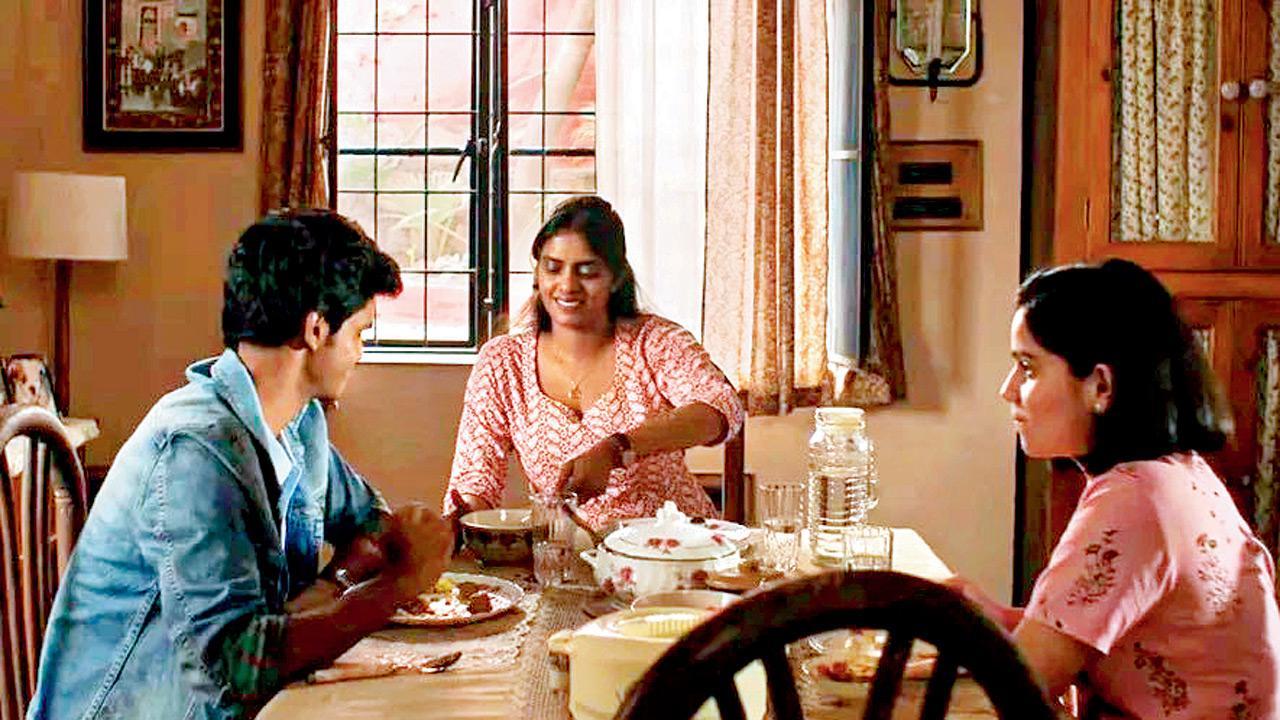
Girls Will Be Girls stars (centre) Kani Kusruti and (right) Preeti Panigrahi
Director of Sundance winner Girls Will Be Girls, Shuchi Talati, speaks about how rebellion sparked the mother-daughter story starring Preeti Panigrahi and Kani Kusruti
Mohar Basu (MID-DAY; November 29, 2024)
Why is that skirt so short? Why are you bending over the desk like that? Who is calling you so many times? Shuchi Talati remembers these questions being thrown at her constantly during her teenage years. Those years of being questioned and her defiance have led to her maiden feature film, Girls Will Be Girls.
“I started to make this film from a place of anger and rebellion. As teenagers, [girls] are subjected to constant policing and surveillance, which instills in them a deep shame about desire or sexuality. I wanted to tell a story about a young girl’s first romance, her sexual awakening, but treat it as a normal part of growing up. I wanted to do it in a way where the storytelling doesn’t shame it at all,” starts the director.
Girls Will Be Girls—which won two awards at the 2024 Sundance Film Festival—tells the story of 16-year-old Meera, essayed by Preeti Panigrahi, and her complex relationship with her mother, played by Kani Kusruti. Their friction only increases when the daughter’s boyfriend starts showering attention on the mother. Talati reveals that the mother’s track came to her much later.
She recalls, “The character of the mother appeared in a later draft. It was so rich because I was closer in age to the mom. I felt, ‘This woman is in her late 30s. Why should she not have desire? Why should she not have fun?’ This boy is giving her attention. Nobody else in her life did that. So, I started feeling a lot of empathy for her. The film became about the two generations of women, who are trying to break out of the box that society [imposes] on them. They are trying to subvert, circumvent, and somehow live their life with more freedom.”
She adds, “Their friction is key to our story [because initially] Meera looks down on her mother, who stays at home and seems unfulfilled. Through the film, she grows up to see her mother as a full person. That kinship comes to them eventually.”
To Talati, the movie is of much emotional value, not only because it is her first feature film, but also because it comes from a personal space.
However, she points out that it is not autobiographical in nature, as she says, “With first-time women filmmakers, people assume that they’re writing about their life. This film is deeply personal. Not because any of these things happened to me, but because I felt all of these things. For instance, Meera gets worried that her boyfriend is getting close to her mother. I have felt [a similar] insecurity when my boyfriend was talking to some girl who seemed older, cooler and more interesting. I have felt [that pang of sadness] that the mother feels when she sees that someone is going to have so many more opportunities than her.”
Filmmaking is a career that happened by chance to the Baroda-born writer-director, who was almost on her way to become a doctor. But a conversation with a friend made her realise that her calling is in the arts. It is in journalism school that she met classmate Richa Chadha, who, years later, along with actor-husband Ali Fazal, backed Girls Will Be Girls as their maiden production.
“Richa was the first person to come on board. I was pitching it at Film Bazaar at the co-production market. I called Richa as she is the only person I knew in the industry. She read the script and loved it. She said, ‘I wanted to produce for a long time. What could be better than backing one of my oldest friends’ scripts that I love!’”
In the past few weeks, All We Imagine As Light director Payal Kapadia has shed light on the challenges of indie filmmakers in India. Talati chooses to be optimistic as she gears up for her movie’s 2025 release.
“Hopefully, people will hire me to do other films. I am hoping to write something new. The thing is people misunderstand nuance. People think that a nuanced, quiet film means it’s slow and boring. But since we all observe humans all our lives, we understand nuance. So even though this film is nuanced, it’s extremely accessible,” she states.
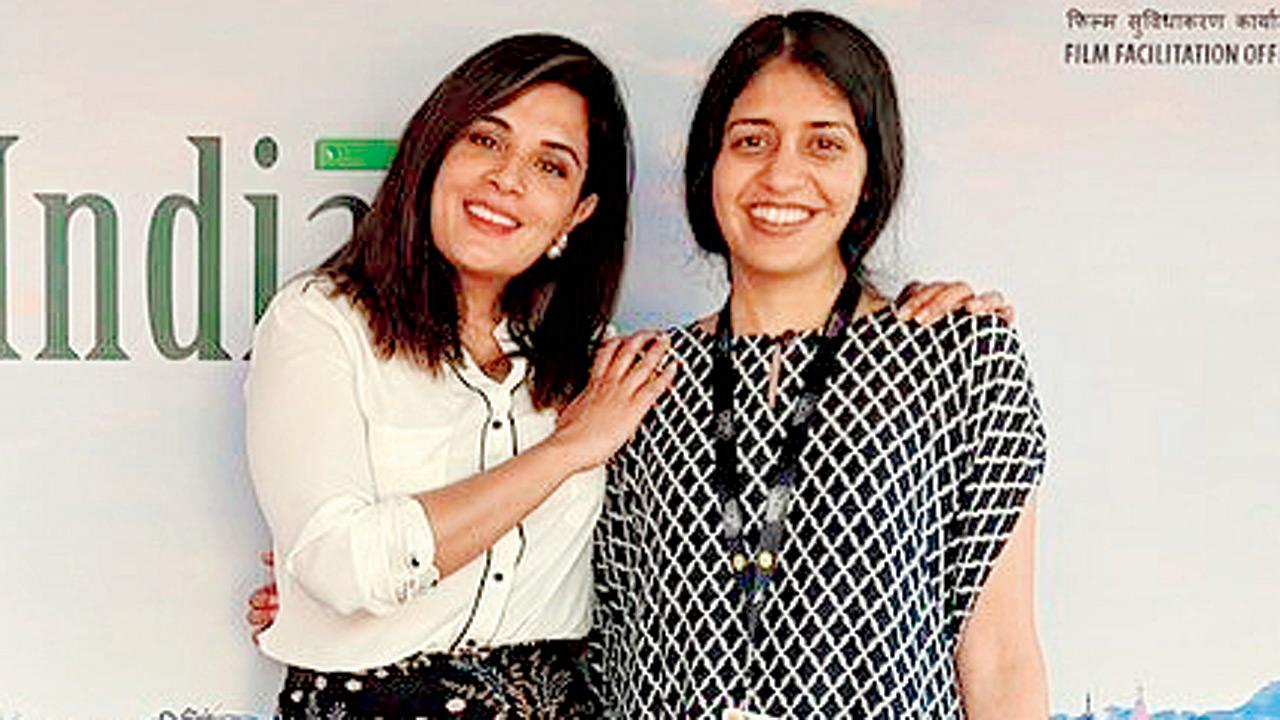
Kani Kusruti recalls she was almost rejected for Payal Kapadia's All We Imagine As Light
7:58 AM
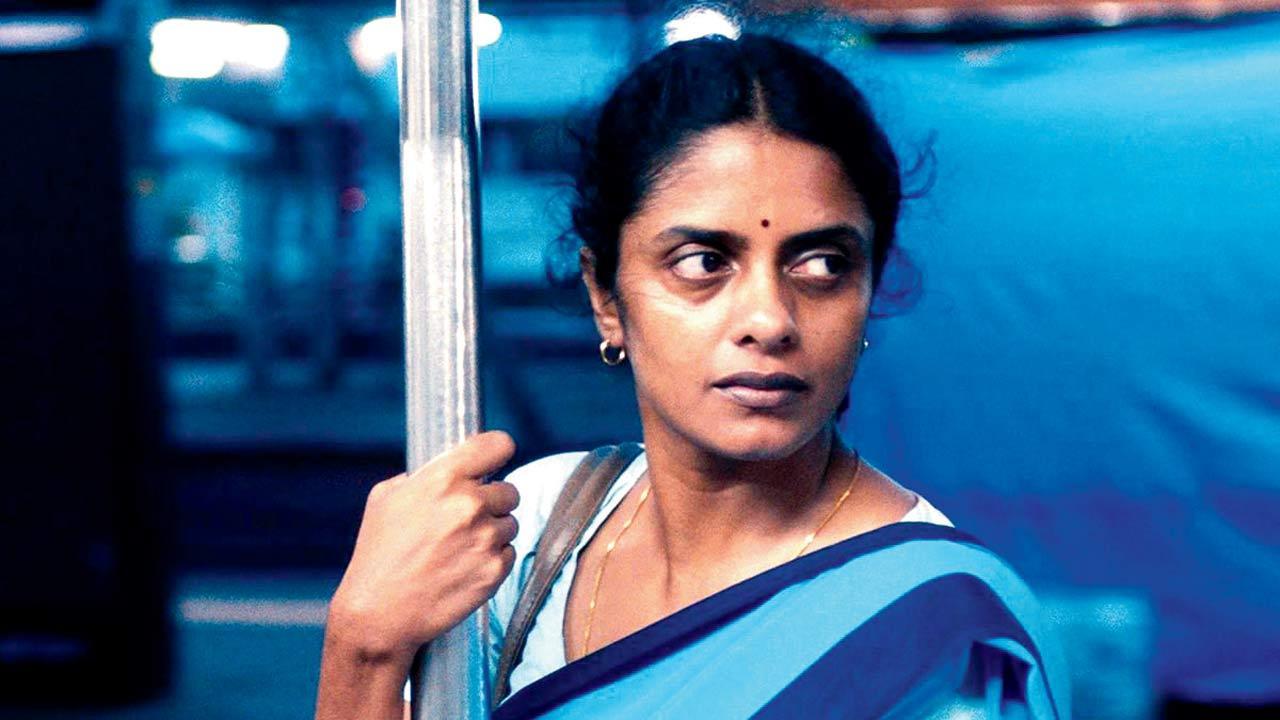
From initially being considered for another role to almost being rejected after a bad audition, Kani Kusruti reflects on her three-year journey with All We Imagine As Light
Priyanka Sharma (MID-DAY; November 22, 2024)
If movies are fated, All We Imagine As Light definitely was for Kani Kusruti. This, even before director Payal Kapadia had penned the story. Kusruti shares that the director, then a student at the Film & Television Institute of India, had reached out to her right after developing the idea.
“Payal said she was thinking of me while developing the protagonist. She had liked my work in a short film. I just wanted to be a part of her film,” she smiles.
In the Cannes Grand Prix-winning movie, Kusruti plays a nurse, Prabha, who develops an unlikely friendship with another nurse, Anu. She reveals that Kapadia had first chosen her for the role of Anu.
“Then years passed [without the film going on floors]. Since I had aged, I thought the chance was gone. Then Payal asked me if I wanted to audition for Prabha.”
While she jumped at the idea, there was a longer wait for Kusruti. Her first audition, held two years ago, didn’t quite go well, and Kapadia began auditioning other Malayali actors. The actor laughs that at one point, many actors she knew in Kerala were screen-testing for the film.
What’s more, she not only encouraged Divya Prabha to audition for the role of Anu, but also requested Kapadia if she could audition again. Lady luck smiled on her this time. Kusruti recounts, “After the second audition, when Payal asked me whether I’d like to be part of the film, I was in tears.”
All We Imagine As Light, which released today, is centred on three women’s friendship and their relationship with the city of Mumbai. Kusruti says the city is aspirational for people of Kerala. “When I was living here, a friend from Kerala visited me. She looked outside my beach-facing house and said, ‘Lovers, lovers everywhere. This is heaven.’ We discussed how you can just go out and sit. In Kerala, even that is difficult.”
It’s only in cinemas where you can cry in front of strangers-Payal Kapadia
10:18 AM
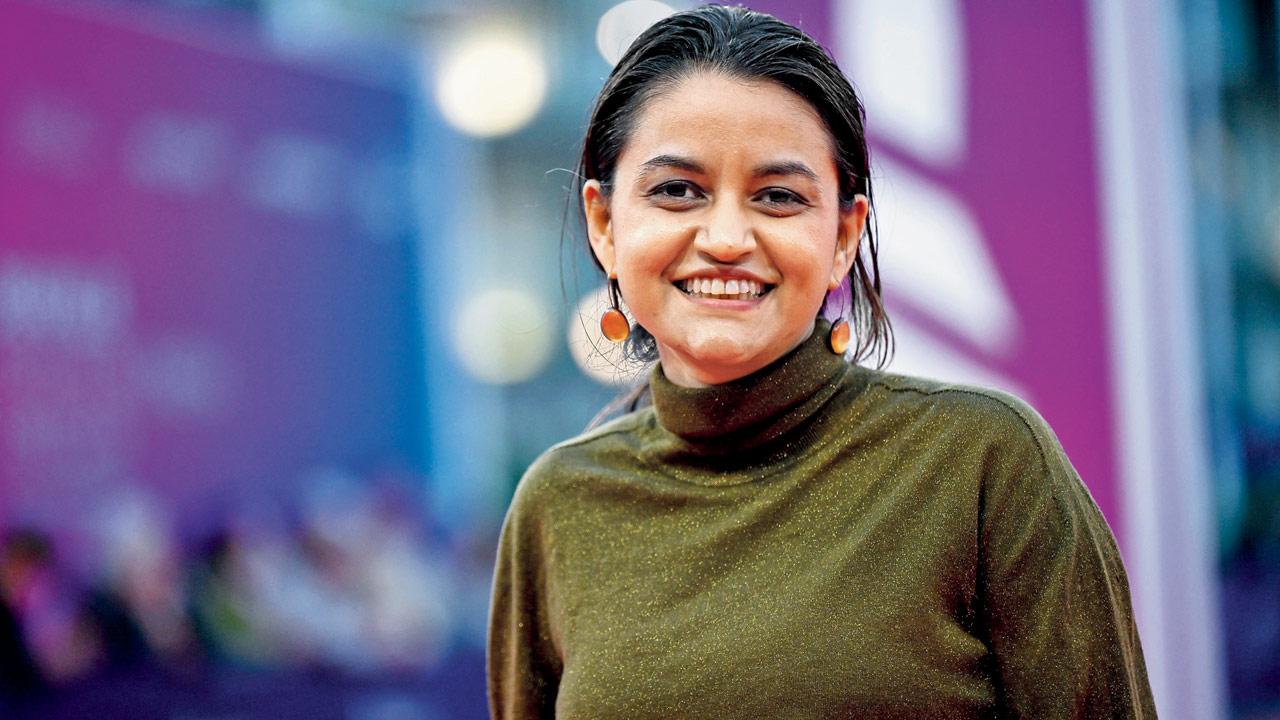
Niharika Lal (BOMBAY TIMES; November 18, 2024)
Despite her historic Grand Prix win at Cannes for All We Imagine As Light, Payal Kapadia says she didn’t want too much spotlight.
“I didn’t want to put so much out there because I felt that somewhere the film’s story gets lost in my personal story. It’s too much about ‘me, me, me’, and that sometimes overshadows the film. And I always felt like I (should) guard myself from that. As things moved on, I’ve tried to reconcile more to talking about myself and my work. Now that the film has got a lot of love, I’m feeling a little bit more confident. I want to show it around.” The filmmaker speaks to us about the themes in her film and the role that FTII played in her journey.
This FTII alumna, who brought the institution so much glory, was rejected in her first attempt when she applied for the editing course. Interestingly, becoming an editor was her first choice. "Woh safety bhi hota hai ki aap editor banoge toh you can get some work and job," she says. But then this rejection pushed her to work as an assistant director and in several other capacities in advertising and documentaries before attempting FTII again five years later in direction.
Payal believes in the importance of public institutions and says, "I love public institutions where you get some time to focus on your work, kyunki kuch bhi artistic cheez padhna aise jaldi se nahi hota. Hamare public institutes humein bahut support karte hain in sab cheezon mein. I'm totally for it. Ek accessibility honi chahiye ki aapko kuch bhi padhna ho toh ek university jahan pe aap afford kar pao. Journalism, filmmaking, or engineering - ek institutions hona chahiye jahan pe har koi ja sake. Normally, private film institutes are very expensive. It's too expensive! In our country, it is ridiculous to have it like that, I feel."
She adds, "For me, FTII was also about other students who were there. Itni diversity thi, pure desh se log aate thay wahan. Jab bhi itni diversity hoti hai toh koi bhi art school, film school, ya journalism school mein ek discourse banta hai jisse as a human being you can grow. That helped me a lot." Excerpts from an interview-
‘I love the catharsis cinemas bring’
Payal shares that when she is in India, then she go to watch films too and feels that the theater is only place where we can cry in the company of strangers. She says, "That's something you can only do in the cinema. To do it in a cinema, and where you feel so open, which is something you never do with people around. I love that catharsis. As an audience, I cry in most movies. For me, I want to be able to create that experience for the audience as a filmmaker."
Talking about the cinema scene from All We Imagine As Light she says, "The scene in All We Imagine As Light where Kani's character cries in the cinema hall is a homage to that feeling. She has tears; she is crying in the scene. I was thinking about a woman like her who's always saying - you should not show your emotions to anybody - and then she is sitting in the cinema where she finds a place to cry. Woh tab tak royi nahi aur cinema ke andar usne chhor diya aur woh aansu aane lage. That was what I was feeling."
‘I think my film is like QSQT in a way’
Whenever asked about the films she loves, Payal often says that while growing up, she used to watch Govinda's films and says, "Some of Govinda's films are really good, you have to watch them! I used to love QSQT (Qayamat Se Qayamat Tak). That was my favourite film as a kid. I used to love it. And I think my film (All We Imagine As Light) is that only. You see, how it is! It's connecting to my childhood days of QSQT (the escape theme). I loved that they were running away with the song - humne ghar chhora hai. It's a Romeo-Juliet. I loved that. And yes, so many more movies."
Hamara system aisa hai ki woh female friendship se bahut darte hain
The film is also about inter-generational friendships and female friendships. Elaborating on how female friendships are often not encouraged in our society and how women are frequently pitted against each other - whether in families, society, or the workplace - Payal said, "I wanted to make a film about this kind of internalized misogyny - hamara system aisa hai ki woh female friendship se bahut darte hain. Unko lagta hai agar ye sab auratein dost ban jayengi toh pata nahi kya ho jayega. So, that's what I wanted to make the film about. Sometimes, responses toward other women come that way, not because you're really feeling that way, but because the whole conditioning is such that it’s like we are pitted against each other."
She added, "That's something I wanted to talk about in the film because sometimes I find myself falling into that trap too. Then I think - why did I respond like this? It was a kind of self-reflexivity that I was thinking a lot about, and it came out in the writing. As I grow older, I'm reflecting more on my responses. I want to tackle that."
'So many times men are not physically in our lives, but they are still lingering there'
Talking about how she wrote about those men who seem to be present in women's lives even when they're either gone or not physically present, she shared, "Actually, my nani, to whom I've dedicated this film - when she was in her late 90s, she was kind of losing her memory, so I encouraged her to write a diary so that she could recall her past. So, she would write every day, and sometimes she would write – he (her husband) has come, and I can see him over there and smell tobacco. I started thinking about it because he died when my nani was 50 years old; she lived up to 98, so more of her life she was alone than she was with him. And I got the feeling she didn’t like him very much. Phir bhi woh aa rahe hain, woh 98 ke age mein woh tapak ke aa rahe hain, unke husband. Usko leke main bahut sochne lagi – what's this thing in our culture? That she would never remarry - at 50, you're still very young, but it's still hard for women that age to move on. Or be with somebody else because life can go on without men too, it's totally fine. That's what Parvati (Chhhaya Kadam's character) wants to do. It's her choice. I was thinking a lot about that. "
She continues, "Also, I have met women like Prabha (Kani Kusruti's character). So much of her life - how these women think and how they would respond to things - was about this guy who was not even there. Even when they were not estranged, just living somewhere else. Woh mujhe ek lady mili jo kehti thi – 'You're wearing jeans, I also want to wear jeans.' And I would say – 'Then wear jeans.' So, she would say – 'Mere pati rehte hain Dubai mein aur agar unko pata chalega ki main jeans pehen rahi hoon toh woh pareshan ho jayenge bahut, toh woh nahi pehen sakti.' He is far away, but still lingering there.
"There was another girl I met who was wearing a sari, and I asked her – 'Aren't you feeling hot? It's Bombay.' And she was like – 'My father-in-law lives in the village, but he will be very upset if I wear salwar.' Then one day, I spotted her on the street, and she was wearing a salwar. I asked her – 'What happened?' And she said – 'Off ho gaye.' (Laughs)."
Payal adds, "Toh yehi hai, ye log hote nahi hain tab bhi itna control karte hain. I connected the dots that how so many times men are not physically in our lives, but they are still there."
'It is so interesting to discover your own mother at the age of 21 - how she was and how she would think'
The title of Payal's film All We Imagine As Light has been borrowed from the title of one of her mother's paintings. Talking about how her mother and her work have encouraged her, she shares, "It took me a long time to make films. My mother was always encouraging - 'What do you want to do with your life?' Recently, she had an exhibition at Chhatrapati Shivaji Museum where they have the Jehangir Nicholson Gallery section, and they have the earliest paintings of my mother from when she was in her early 20s. So they decided to do an exhibition, and in that, I saw one of her works when she was 21. I'm just saying it is so interesting to discover your own mother at the age of 21 - how she was and how she would think."
She says, "I wish I had known at 21 what exactly I wanted to do. Seeing that painting was like meeting her again, but in a younger version. It really overwhelmed me. She was always pushing me, but never too much. She was like, 'Take your time and figure it out.' I was anyway doing odd jobs, making documentaries and all kinds of stuff. But she was always telling me - 'Maybe you want to study.' She herself went to JJ School of Arts in Bombay, where she studied for five years."
'These actresses are really the ones who made the film. They were not like actors who came to do the job'
These actresses are really the ones who made the film. Unke bina koi film hoti hi nahi. I thought it was very normal to take them there on the stage. They were not like actors who came to do the job. Hum bahut saath mein kaam kiye, script pe kaam kiye, dialogues pe, gestures pe. Nobody gives this kind of time to, especially, first-time directors like me. They were so giving and so generous. They didn't think, "Oh! It's your film, and we're part of it. They were like, hamari film hai. And not just them, but the entire crew - from make-up to costume - it became like a true team. It was really a collaboration, and I think that can only lead to a true feeling amongst all of us. Audience mein sab log baithe thay toh mujhe laga ki we should take everybody, but they were already giving me dirty looks, so I just took the three main actresses.
Greta Gerwig hugged me at the after party for Cannes Film Festival award ceremony-Kani Kusruti
8:36 AM

Gopika IS (BOMBAY TIMES; May 31, 2024)
Kani Kusruti, who returned to Kochi after the prestigious win at the Cannes Film Festival for Payal Kapadia directorial All We Imagine As Light, says what she loved the most about Cannes was “how it celebrated the directors, and rightfully so”. “A film is ultimately the director’s baby and the director deserves to be the main star. I was very happy with that,” says the actress. Excerpts from an interview:
‘It was a message to the entire world that we’ve arrived’
The best thing for me about being there on the world stage was that I was there with my co-actors and crew, most of whom were women. It was a message to the entire world that we have arrived, that we see you and that you all can do it, too. I thought of all the amazing female actors and directors, and this was for all of us. I genuinely loved the audience of our film there. That mattered a lot and most of the people who saw our film loved it.
Director Greta Gerwig, who was the president of the Cannes jury, hugged me at the after-party for the award ceremony. All the artistes there had a warmth and love towards us.
‘Want to do more things that resonate with my beliefs’
I don’t see roles as big and small. All roles are equally important. If it’s an interesting part, then great. Unfortunately, I am not in a place where I can pick and choose my films as I want. My first priority, for now, is to be financially independent. Step by step, I am trying to be part of the right stories. The sort of films I want to be part of need to have an amazing story to tell, a good director and crew. In future, I’d like to do more things that resonate with my beliefs.
‘The Malayalam industry is creating diverse movies’
Malayalam cinema has always been amazing, except for the dip from the late ’90s to 2010. In the ’70s, ’80s and ’90s, Malayalam has had great actors, directors and films. There was the issue of patriarchal outlook and views in some cases, but many had great stories to tell. Then, in the late ’90s, the stories were underwhelming. From the end of 2010 to now, I feel, Malayalam cinema has diverse stories to showcase once again. We are also more aware of having better stories with more diversity. I am very proud of most of the directors, actors and scriptwriters in the industry.
‘If I am offered similar characters, I see it as a challenge’
I don’t think I’m being offered only a certain kind of role. I did OK Computer, Killer Soup and Girls Will Be Girls, which are all different from the other. But, like every actor, I would like more variety. That said, even when some characters are similar, I see it as a challenge. I try and make these similar roles different each time. Most times, I feel I have failed. I sometimes wonder what I will do if all the roles I am offered in future are that of a police officer. How will I play them?
On why she chose Kusruti as her last name
My parents didn’t want to state my caste or religion when they enrolled me at school. The teachers and administration found it a bit difficult to accept. They said I should at least have a last name. My mother had to give in and gave my initial as K. When I grew up, I asked my parents, what the K was for? My parents would answer with random Malayalam words, such as Kusruti or Kundamandi (both meaning mischievous). And I thought Kusruti works. I feel it suits me, because I am still mischievous. If I am alive at 90, it will be very funny.
About the Palestinian solidarity gesture
Many people were happy about the Palestinian solidarity gesture. Artistes there were representing other causes, too. A lot of people came over to me and expressed their solidarity.
'Red carpet dance was spontaneous'
The dance on the red carpet was spontaneous. They asked us which song should be played when we walked the red carpet. I think Payal requested a very old film song, which we had used in the film as well. It gave us a chance to express our joy and we ended up dancing.

Subscribe to:
Posts (Atom)