Showing posts with label Jitendra Kumar. Show all posts
Showing posts with label Jitendra Kumar. Show all posts
Amol Parashar on Gram Chikitsalay being compared to Panchayat: "We have found our own standing"
9:48 AM

Letty Mariam Abraham (MID-DAY; July 14, 2026)
Why does Amol Parashar seamlessly blend with Dr Prabhat, his character from Gram Chikitsalay? Because they both seem grounded and refreshingly honest. He is deeply connected to his roots, and finding joy in the little things is another reason why they seem similar. As the Prime Video series returns with its second season, the actor talks to mid-day about finding the show’s own identity beyond inevitable comparisons with Panchayat, why stories about good people still matter, and stepping out of Chitvan’s long shadow. Excerpts from the interview.
Your character, Dr Prabhat, experiences a culture shock moving to a rural set-up. Was it a culture shock for you as an actor?
Not as much. For the sake of the storytelling, we’ve shown him as someone who has never stepped inside a village. But that’s not the case with me in real life. I have relatives who live in rural areas. My grandmother used to live in a village and we would often go there during the summer holidays. My uncle still lives in a village on the Jaipur highway. While I am unable to go there as often now, I was there recently for a wedding.
The show tackles corruption, poor medical infrastructure, and systemic inefficiencies. How much of that was new information for you?
None of these things are industry-specific. We all know the inefficiencies of our system. Some of us choose to look at it and call it for what it is. Some choose to look away and pretend that everything is perfect. But deep down, we all know it is not. I also believe there is a lot of scope for improvement. That’s why people relate to the story. I don’t think anyone in the audience will ask, ‘Ghoos kya hota hai?’
The rural setting invites comparisons with Panchayat. How did you ensure Dr Prabhat felt like a different character?
This is something we were aware might happen, more for the show than for us as actors because everyone has their own style and personality. I believe there is a difference at the character level. While both stories begin with a city boy arriving in a village, their motivations are different. Dr Prabhat has chosen to be there, while Jeetu’s [Jitendra Kumar’s] character wants to leave. So I wasn’t worried about comparisons. By season two, we have found our own standing.
After the first season, several medical professionals reached out to you. Did any of those conversations influence the performance in season two?
No, I don’t remember that. What made me happy was receiving messages from people facing the choice between bending to the system or sticking to their values, who were inspired by the story. Everybody knows it’s a fictional character. But it gives you a lens of what is possible. [Besides entertainment], stories are also supposed to imbibe values in society. Over time, we have stopped telling stories of just plain good people because it was considered boring. Gram Chikitsalay is an example that a story about an aspirational protagonist can still be entertaining.
For years, people associated you with Chitvan from Tripling. Has that changed now?
I think some people, not many, are probably discovering Chitvan through Prabhat. Most people know Tripling or Chitvan, or at least know the song even if they haven’t seen the show. Some people are saying they like Prabhat more, while others still prefer Chitvan. But the perception is shifting. As a character, and as a show, there is no longer the shadow of a previous role. There is also a niche audience that remembers me as Bhagat Singh from Sardar Udham (2021).
Back to the stage
After nearly a decade away from theatre, Amol Parashar returned to it with the play, ‘Besharam Aadmi’. “It had been around eight to nine years. The whole story started from the stage, after I left my job. I used to miss it. I just didn’t know how to make it happen. With film and series schedules making ensemble theatre difficult, the only way to do it is to create a one-man show. I feel your instinct gets trained by direct and unfiltered feedback. It is a nice way to connect and have conversations with people after the show.”
Sonal Chauhan to feature in dance number Mirzapur: The Movie on the lines of Sholay's Mehbooba Mehbooba
8:32 AM
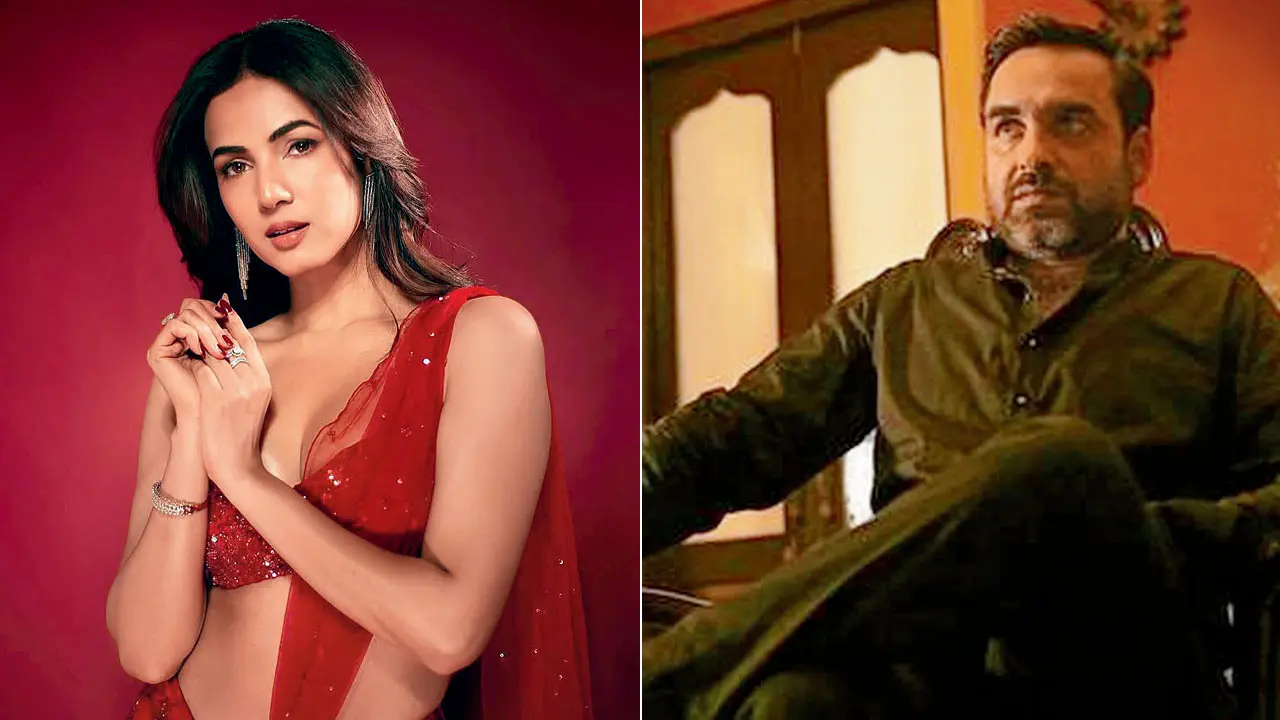
‘Mirzapur: The Movie’ actors Pankaj Tripathi, Ali Fazal, and Divyenndu join Sonal Chauhan to shoot a dance number, along the lines of ‘Sholay’ chartbuster ‘Mehbooba Mehbooba’
Upala KBR (MID-DAY; March 21, 2026)
When crafting a full-blown action spectacle, it’s not surprising for a filmmaker to take inspiration from Hindi cinema’s most enduring movie, Sholay (1975). Gurmmeet Singh would agree. After all, the director, who is readying Mirzapur: The Movie for the big screen, has created a dance number along the lines of Mehbooba Mehbooba, which featured late Amjad Khan and Helen. Pankaj Tripathi aka Kaleen bhaiyya, Ali Fazal, Divyenndu, Jitendra Kumar, Abhishek Banerjee, and Ravi Kishan feature in the track that has Sonal Chauhan at the centre.
We’ve heard that the unit filmed the track in Jodhpur last month. Tripathi’s Kaleen bhaiyya may be more skilled with guns than with dance moves, but it turns out producers Farhan Akhtar and Ritesh Sidhwani were certain that such a song would only amp the sequence.
A source told mid-day, “Sonal Chauhan has performed the item song against a desert backdrop. The mood is such that Kaleen bhaiyya and the other characters are having fun at a rural bar where she is shaking a leg, and eventually they all join in the revelry. Tents were put up across the deserts of Jodhpur, where the song was shot over three nights.”
Mirzapur: The Movie’s soundtrack has been composed by Khandal and Junaid Kumar, while Vijay Ganguly choreographed the dance number.
The source added, “Pankaj is not known to dance much, but he enjoyed shaking a leg. Whatever he does, he does with great satisfaction.”
If you observe Circuit closely, Arshad Warsi humanized the comedy-Jitendra Kumar
3:02 PM

Priyanka Sharma (MID-DAY; October 20, 2025)
It’s natural for an actor to feel apprehensive about alienating their audience when breaking away from their screen image. But Jitendra Kumar had no such worries when he said yes to Bhagwat Chapter One: Raakshas. “Of course, there are things that connect with the audience. But no matter how strong an actor’s image is, the audience wants to be surprised,” starts Kumar, who has built a fan base with his dependable characters in TVF’s Panchayat and Kota Factory.
The Zee5 film felt like a necessary step. To him, it’s thrilling that even though he is best known as Jeetu bhaiyya of Kota Factory, the makers envisioned him in a dark role. “Harman [Baweja, producer] and the team’s excitement about having me in this complex, grey part excited me a lot. But it also raised expectations,” he smiles.
In fact, he believes that most filmmakers have never typecast him. “Those who are interested in collaborating with me, bring me different characters. I’ve never had a maker bring something like Panchayat. I’ve been offered a different world every time.”
There was another reason to star in Bhagwat — his co-star Arshad Warsi. Kumar says he has been Warsi’s fan since he watched his cop drama Sehar (2005). “He brings human emotions [to any part]. If you observe Circuit closely, Arshad sir humanized the comedy; it didn’t feel like a written stand-up comedy set,” he explains.
Next, Kumar will be seen in the theatrical venture, Mirzapur The Film. While he plans to be medium-agnostic, many actors, who have risen to fame with their OTT work, have complained about the industry’s resistance to bet on them for big-screen stories. The actor has a different opinion.
“Today, big-screen actors are coming to OTT because they want to try long-form storytelling. [Conversely], everyone who works in the OTT space is excited to be on the big screen. Right now, everyone is excited to do good work. If everyone does everything, the theatrical-OTT [divide] will reduce. If some actors refuse [work], saying, ‘I don’t want to do a film in a different medium’, the bracketing will start because then producers will know that certain actors think this way. So, the bracketing depends on actors rather than producers.”
Turning the good guy like Jitendra Kumar into a bad guy was our surprise for the audience-Harman Baweja
10:43 AM
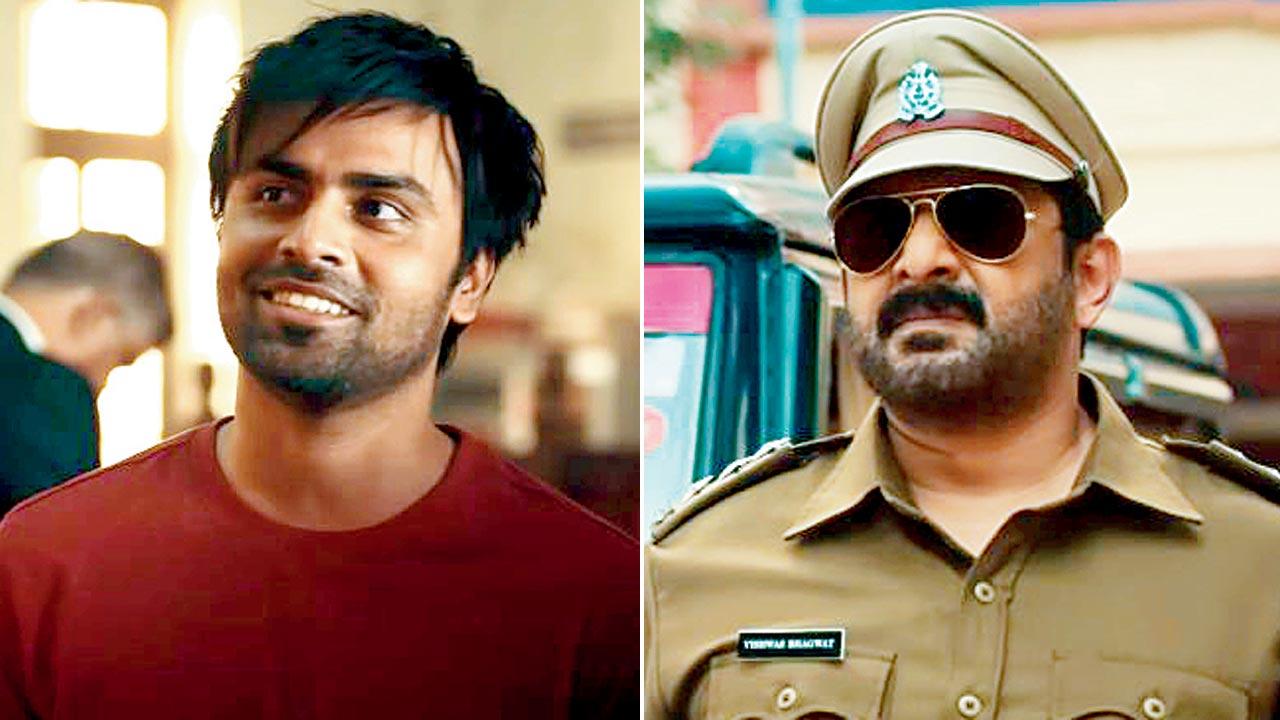
Priyanka Sharma (MID-DAY; October 9, 2025)
The trick behind a powerful film is to give the audience something unexpected — by way of the story or the casting. Believing that the script of Bhagwat Chapter 1: Raakshas took care of the first criterion, producer Harman Baweja wanted to fulfill the second. So, in came Arshad Warsi and Jitendra Kumar in a case of “anti-casting” with the former playing inspector Vishwas Bhagwat, who is pulled into an investigation of missing girls in small-town India, and the latter, a suspect.
Excited about roping in Kumar — best known for his goody-two-shoes roles in Panchayat and Kota Factory — as the antagonist of the Zee5 thriller, Baweja shares, “Jitu has built such a strong connection with the audience that the moment you say Jitu, you think of him as the good guy navigating the mess someone else made. Turning the good guy into a bad guy was our surprise for the audience. He is such a brilliant actor that you believe whatever he plays.”
While Warsi has been typecast as the funnyman, Baweja wanted to showcase his versatility. The co-producer says, “Arshad is one of the finest actors out there. The success of Asur [where he portrayed a serious role] spoke volumes about his nuanced performance. Having these two actors do unexpected things makes the experience compelling.”
Jitendra Kumar, Ravi Kishan board big-screen adaptation of Mirzapur
8:27 AM
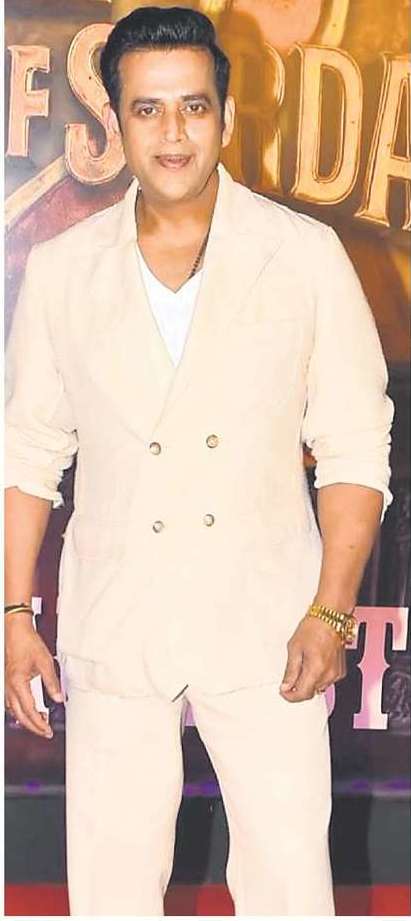
Yashika Mathur (HINDUSTAN TIMES; August 17, 2025)
The film adaptation of the hit web series Mirzapur is among the most anticipated projects for fans. While actors Ali Fazal, Pankaj Tripathi and Divyenndu are set to reprise their iconic roles, HT City has exclusively learnt that actors Jitendra Kumar and Ravi Kishan have also joined the ensemble cast.
Details of their roles are being kept under wraps, leaving fans curious whether they will step into existing characters from the series or bring in fresh faces. A source close to the project shares, “Jitendra and Ravi Kishan have joined the cast of the film. The mahurat puja took place on Thursday and they were present at the celebrations. Their characters are being kept as a big surprise for the fans.”
The source adds, “Look tests and reading sessions have already begun and will continue over the next few days. Jitendra and Ravi are also part of the pre-production work. The film will go on floors next month.”
While Ravi Kishan declined to comment, Jitendra Kumar remained unavailable for response.
Directed by Gurmmeet Singh and created by Puneet Krishna, the film will release in theatres across India before making its way to an OTT platform. Shweta Tripathi, who plays Golu in the series, is also expected to return.
Industry insiders tell us how much leading actors on OTT are paid
8:31 AM
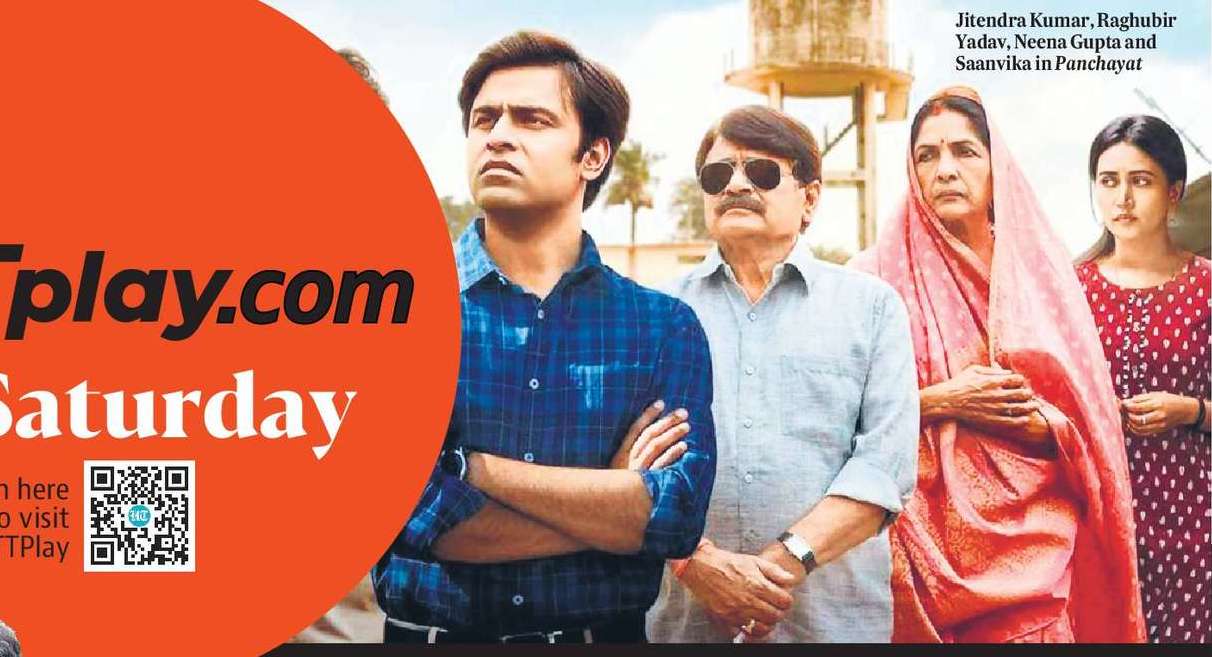
No, Panchayat stars Neena Gupta and Jitendra Kumar weren’t paid Rs. 50,000 and Rs. 70,000 per episode for the show. Industry insiders tell us how much leading actors on OTT can actually make
Yashika Mathur (HINDUSTAN TIMES; July 6, 2024)
Recently, several media reports claimed that actor Jitendra Kumar, widely known as Sachiv Ji on the hit web series Panchayat, is paid a mere Rs. 70,000 per episode. To top that, reports claimed that his co-star, the remuneration of the much senior Neena Gupta, who played Manju Devi, was just Rs. 50,000.
But when we reached out to Kumar and Gupta, both refuted the information. Indicating that the reports couldn’t be further from the truth, trade analyst Taran Adarsh tells us that the earnings for popular OTT stars are “much higher” than the range rumoured for the Panchayat actors. A source suggests that Kumar was paid Rs. 1.5cr- Rs. 2cr for the show.
It is natural to wonder if OTT could be on par with theatrical films when it comes to fat paycheques for stars. “I won’t be able to comment about Jitendra’s remuneration, but stars who are popular on OTT, charge a massive amount, sometimes it can go up to crores,” says Adarsh, adding that a lot depends on producers’ willingness to invest in talent.
Trade analyst Atul Mohan concurs, “These are actors who are loved by the audiences. Seeing the scale [of their popularity], [their remuneration is ] almost at par with leading actors who appear in big-screen films.”
REMUNERATION GOES UP IF THE SHOW TAKES OFF
An industry insider shares that when a talent is locked for a series, the actor is signed on for the following seasons as well. “It is believed that in a standard contract, every actor is expected to get an average of 5% to 10% increase for the next season. This, however, is subject to show’s popularity,” adds the insider.
Building on the above point about how a show’s popularity and actors’ remuneration go hand-in-hand, Mohan notes that successful stars like Kumar, who are pivotal to shows like Panchayat, witness substantial increase in pay as their importance and impact grows across seasons.
“It’s different with every season, as and when popularity increases. Good actors, who have a strong following, can demand a hefty amount. Jitendra is the face of Panchayat. From the first season to the third one now, he has had the maximum impact,” Mohan explains.
You can’t rush with a script driven show like Panchayat, because that would affect the quality-Jitendra Kumar
7:41 AM
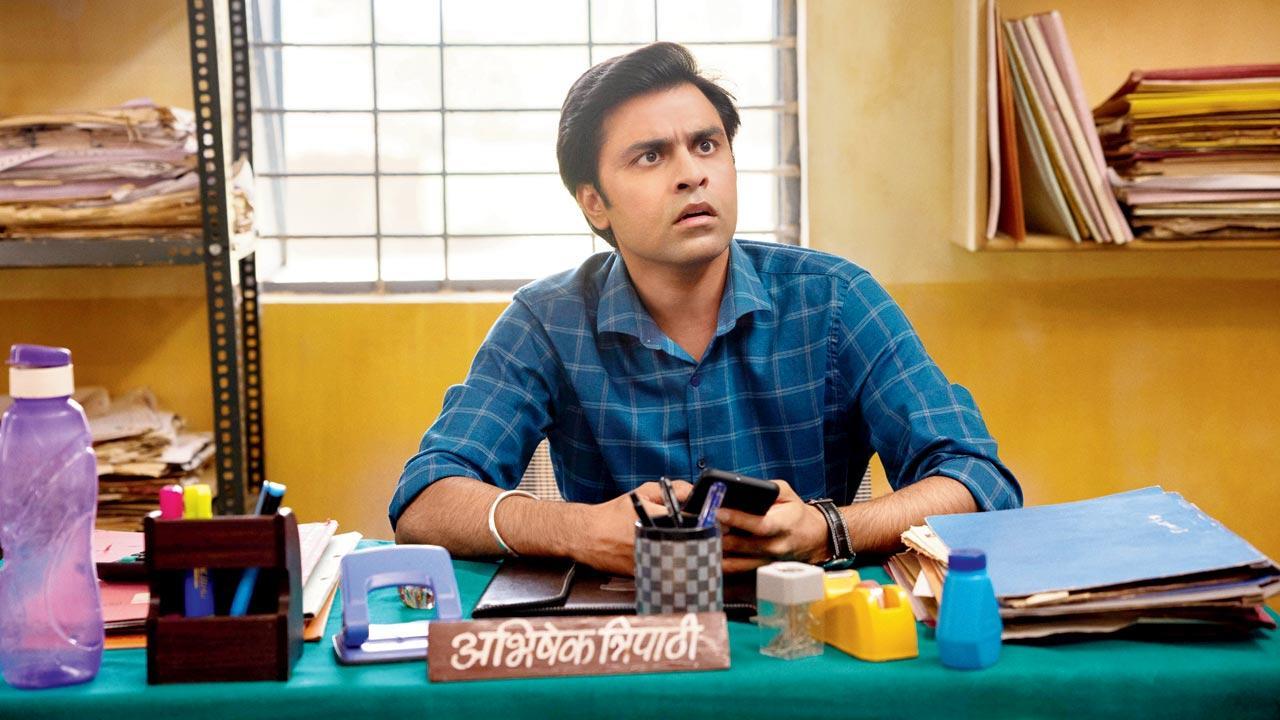
Jitendra Kumar discusses the trajectory of his character in the third season of the social comedy, Panchayat and how he reconnected with the show
Hiren Kotwani (MID-DAY; May 26, 2024)
About four years ago, when people were still coming to terms with the pandemic-induced lockdown, Panchayat came as a breath of fresh air for audiences restricted to their homes. As the third edition is set to drop on Amazon Prime Video soon, lead actor Jitendra Kumar says the novelty factor of The Viral Fever produced show made it a success.
He explains, “The audience had not seen such a narrative in a long time. Earlier, directors and creators would make shows set in rural India. So, Panchayat brings nostalgia. With other genres, you prefer to watch when you’re alone, but Panchayat could be seen with families.”
This time around, his character, Abhishek Tripathi, gram panchayat secretary, aka Sachiv Ji, is back in the Phulera village. “After his return, the character only wants to do his work. But he gets into solving the problems of the village, so it is in a similar space,” says Kumar about the new season that also sees a new party enter the gram panchayat political space.
Even though he is essaying the character Tripathi for the third edition, Kumar shares that it requires a certain prep. He elaborates, “Before starting the new season, I revisit the previous edition and go through my favourite episodes. Of course, we also have readings and workshops before we begin shooting. We can’t perform too differently; that would make it a completely new character.”
Is the fourth season in the offing too? Kumar says that it all depends on the script. “It takes about eight months to write eight episodes, discuss with the team, incorporate changes, and lock in the final screenplay. Since there are so many actors, their dates need to be coordinated. You can’t rush with a script-driven show like Panchayat, because that would affect the quality,” he signs off.
I’ve already been typecast and I can’t help it-Naveen Kasturia
8:27 AM
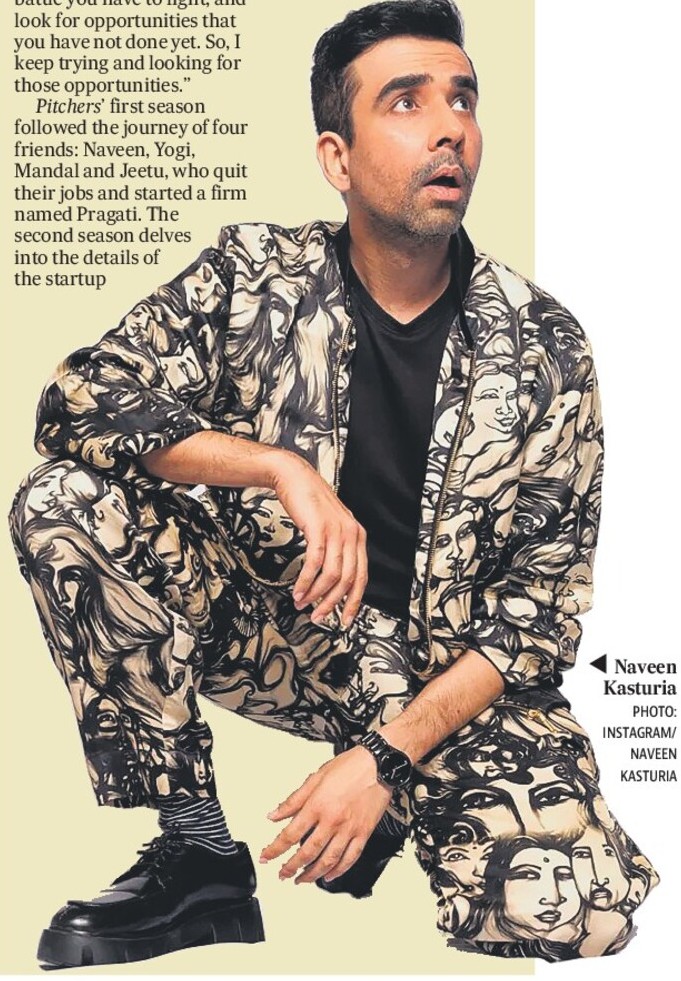
Reema Chabda (HINDUSTAN TIMES; February 25, 2023)
Seven years ago, Pitchers, the web series, saw the light of day and yet its second season, that released in December 2022, generated a lot of buzz.
Actor Naveen Kasturia, who plays one of the lead characters in the series, feels “it was incredible”. “I had almost given up on it. For a long time, I hoped that there would be another season. But since it didn’t really happen, I ended up accepting that it won’t ever happen. Season two began so abruptly that it seemed a little unreal. I wondered if it was actually happening,” says the actor.
He has been a part of Aspirants as well as Pitchers, so when asked about being typecast, he tells us, “I’ve already been [typecast] and it’s organic; I can’t help it. But that’s the battle you have to fight, and look for opportunities that you have not done yet. So, I keep trying and looking for those opportunities.”
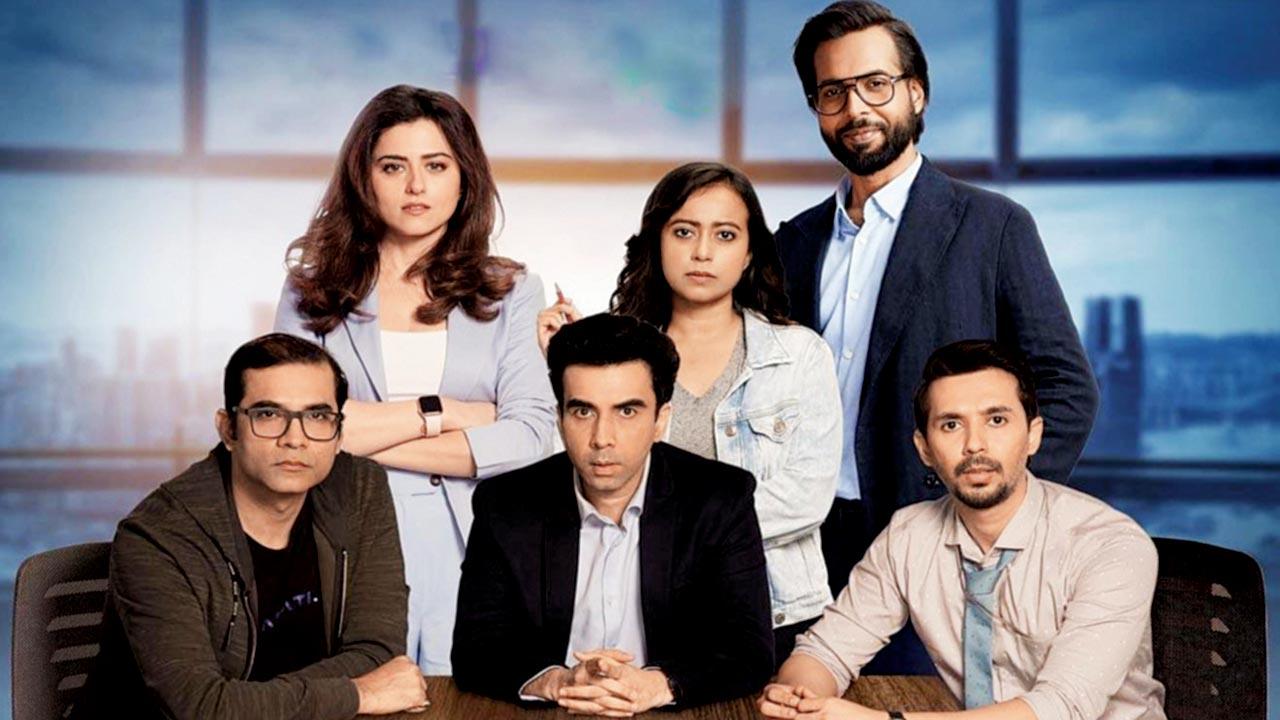
Pitchers’ first season followed the journey of four friends: Naveen, Yogi, Mandal and Jeetu, who quit their jobs and started a firm named Pragati. The second season delves into the details of the startup sector, where interpersonal ties gradually but steadily turn into economic transactions.
Kasturia shares, “The actual problems begin in the second season as the characters have to keep up the pace of the business and keep it running, despite the risks and difficulties encountered.”
Kasturia admits he was “shocked to find that Jitu (Jitendra Kumar; actor) was not a part of season 2”. “Without him, Pitchers is unimaginable to me. From the director to the writer and the crew — most of the previous gang was missing.”
Despite season one’s success, Kasturia felt no pressure to recreate what had worked before. “I prefer not to replicate something that has already been done. There is no set formula, so what worked previously might not work now,” he says.
When I learnt Jitendra Kumar was not part of Pitchers 2, I was shocked, like everyone one else-Naveen Kasturia
8:21 AM
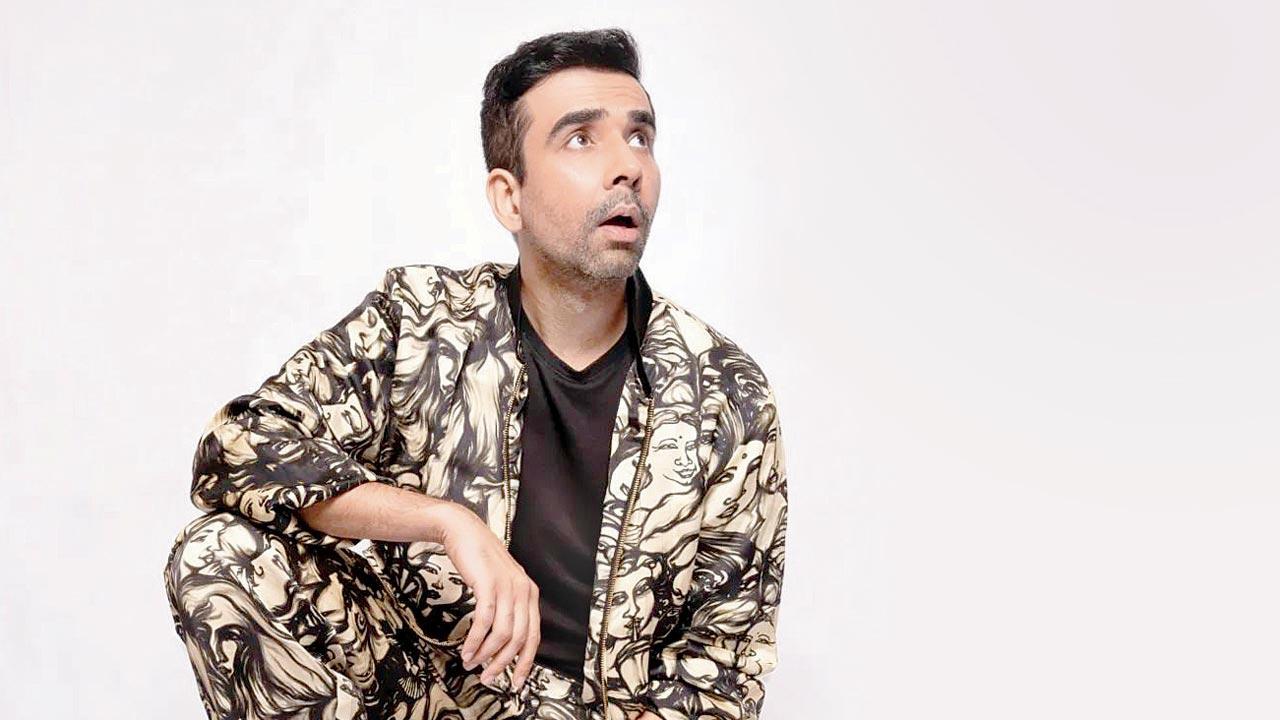
Though Pitchers 2 got mixed response from audience, Naveen says he prefers it over opening season for its realistic drama
Letty Mariam Abraham (MID-DAY; January 17, 2023)
Naveen Kasturia, who came into the spotlight seven years ago with Pitchers, has grown both in talent and experience. The past year was significant for the actor as he featured in Breathe: Into the Shadows season 2, and the much-awaited Pitchers 2. In a candid chat with mid-day, he talks about seven-year wait for the second instalment, and the audience’s reaction.
Edited excerpts from the interview.
Was the seven-year wait for the next season of Pitchers worth it?
I don’t know how to answer that. I am happy that it finally happened, and that they didn’t try to copy what they did in season one. This time, the team, crew and cast were all different, as was the approach.
Was the reaction to season 2 similar to how the first instalment was received?
When Pitchers first came [in 2015], it started my career. When Aspirants came on YouTube [in 2021], the pulse lasted quite long. Neither was promoted. When Pitchers 2 started, there was a buzz [among the audience]. I have been getting messages from the day it went on air on ZEE5, but it is difficult for me to gauge the show’s success. The reviews have ranged from average to very good. Some people found it better than the first season, but some have not liked it as much. People whom I admire have said good things about it. My peers praised my acting, and said the season was mature. I am glad that this season didn’t have gags. I like real drama more than jokes or gags. But how do you judge success [on OTT]? Personally, I have liked it more than the first season.
Through both editions, there is no description of what they are selling. So, what exactly is the product?
I am not sure of the product [laughs]. I feel that is the reason the writing took time. When we were discussing this idea five years ago, the [storyline] was to revolve around education, which later became obsolete. Back then, the team was different with Biswapati [Sarkar] writing the storyline. The new team has taken a different approach. At one point, one team was writing with a product in mind, while another team was writing a drama without it. Ultimately, the second [approach] caught their attention.
Why have there been so many changes in the team?
This is not a question for me. When I learnt that Jitu [Jitendra Kumar] was not part of this season, I was shocked, like everyone one else. I couldn’t imagine Pitchers without him. The old team was not there — from the director, to writer to crew. The assistant directors of Pitchers 1 have all become directors — Raghav Subbu directed Kota Factory, and Prem Mistry, who served as an art director, is now a director.
Were you ever morally in conflict with the character?
In the first season, my character was simple. His ethical core was correct. But this time around, I didn’t understand what he was doing. He doesn’t have anything with him, but agrees to commit Rs. 50 crore. Personally, I would never do that. We didn’t have rehearsals or extensive readings [to understand these emotions]. In fact, I came to know what my character was doing at the end of the fifth episode, only on the set. But I believe it is the director’s medium. The makers have done their research.
Is another season in the works?
They have left so many cliffhangers, that it should have a third season. But finally, that is a call the makers will take.
Hard work and consistency of five years has put me where I am today-Sanvikaa
8:22 AM

Digvijay (HINDUSTAN TIMES; June 18, 2022)
Sanvikaa is seen in a pivotal role in Panchayat 2 and she is basking in the success of the show. Talking about how she is feeling, she says, “Life has completely turned around.” Talking about the unexpected response, she says, “I am getting so many messages on social media. People and critics are loving the show and the characters,” she says.
Some might say it was an overnight success but she says otherwise, “It’s the tip of the iceberg. Hard work and consistency of five years has put me where I am today.”
Sanvikaa’s role is set in a village and is far from a glamorous leading lady. To bring the character to life, she even shot without makeup. Ask her if she was worried about taking up this role and she says, “I had no inhibitions playing a village girl.”
Growing up in Jabalpur, Madhya Pradesh helped her play Rinki as she understood the character from her own experiences. “I come from a similar background and I have seen people like Rinki around me. I am very familiar with that world, that’s why I was able to bring that to the table,” she asserts.
In the series, she worked with actors Neena Gupta and Jitendra Kumar, and says it was the “best workshop”. She adds, “Everyone was so supportive. Neena (Gupta) ma’am treated me like family and Jitendra was always there for improvisations.”
Following this successful stint, Sanvikaa wants to do a variety of roles and has an inclination towards regional cinema. “Malayalam industry and OTT has the best content right now with the way they portray women. I am open to all industries,” she concludes.
I would like to do something for the villages in the future-Jitendra Kumar
8:01 AM
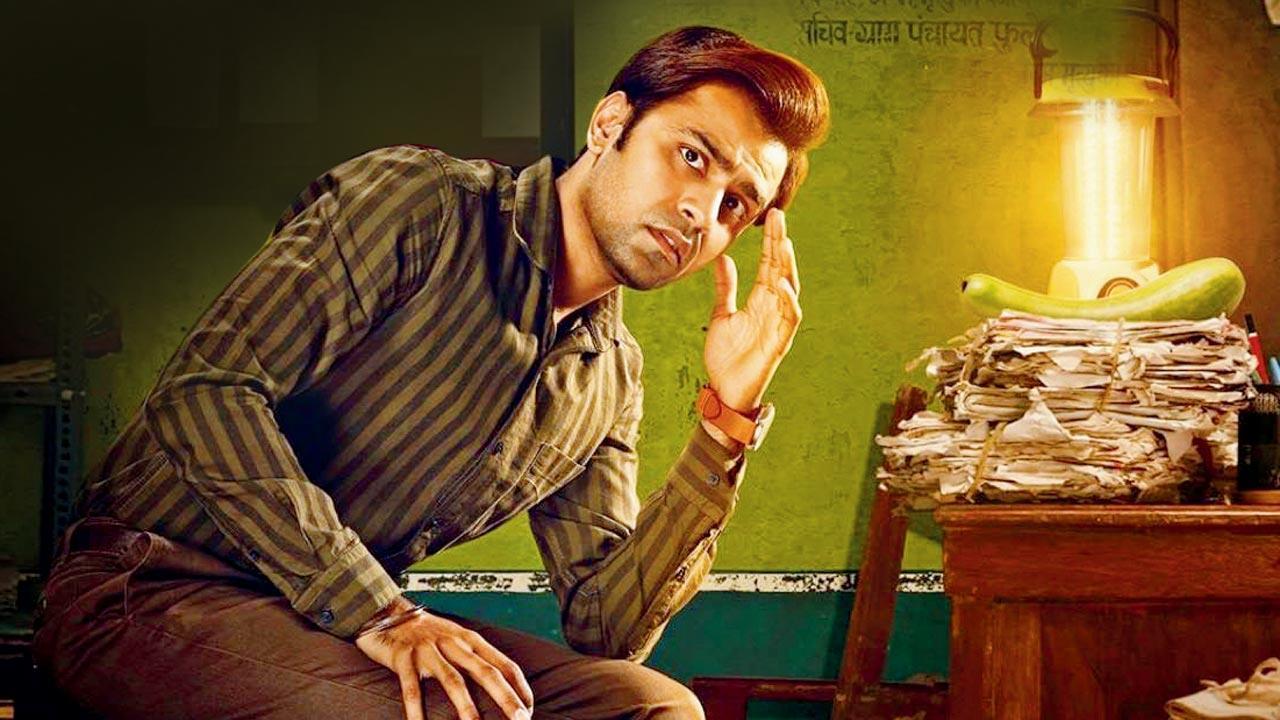
Panchayat actor Jitendra Kumar says making “simple man” Abhishek Tripathi enjoyable to watch required a lot of effort
Uma Ramasubramanian (MID-DAY; May 20, 2022)
In the role of a city boy who is forced to become a panchayat secretary in a remote village after failing to procure a job post graduation, Jitendra Kumar knew he was tackling a character that wasn’t traditionally glamorous.
Discussing his work on Panchayat season two, Kumar says, “It is challenging to play a character who is simple. There are a lot of areas to work on. I have to seek advice from my writer, and director to bring more to the table to essay a simple character. If you watch any episode of Panchayat, you’ll notice that there isn’t too much drama. No one takes the effort to crack a joke either. This is how the character is written, and if an actor is expected to deliver, a lot of hard-work needs to be put into it.”
At the same time, showcasing Abhishek Tripathi’s antics in the Amazon Prime Video show is a feat he finds enjoyable. “It was nostalgic to return to the village again for season two. When we were making the show, a lot of urban stories were being told. We felt that we must tell the stories of a village, not because urban stories had been gaining attention, but because it was [important] to explore stories from villages. Sending an educated boy to a village was the unique element in the script, because we usually see people from villages moving to cities.”
The show starring Kumar, Raghubir Yadav and Neena Gupta, has had a lasting impact on the actor. “I’ve realised that it is important to visit your village every now and then. There is purity in the food, in people’s honesty, and in the simplicity of the place. Everybody should experience this life. Our country is an agricultural country. It’s important to push technological advances in villages for the sake of agriculture. Currently, I’m not making much effort, but I would like to do something for the villages in the future.”
Kota Factory had all the ingredients of a flop show; it was B&W, slow, and 40 mins long. Yet it worked-Raghav Subbu
8:28 AM
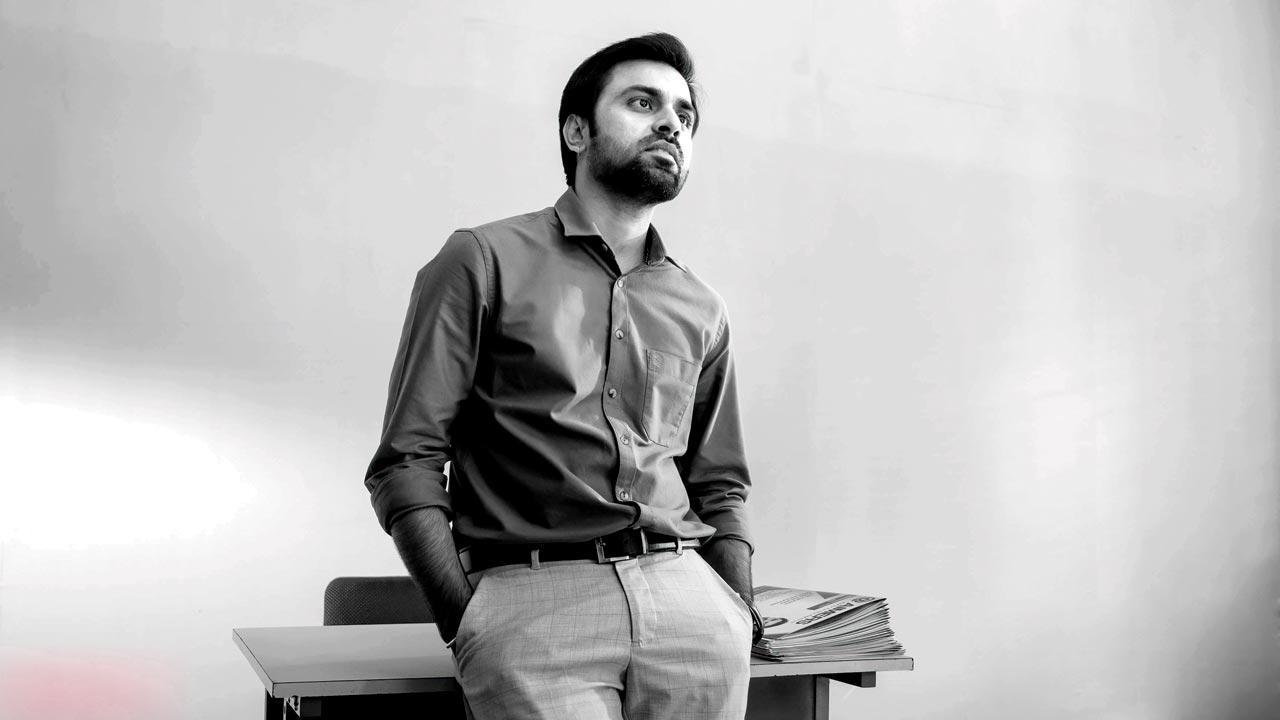
Actor Jitendra Kumar plays Jeetu Bhaiya, a mentor for the students
The director and lead of the hit Kota Factory tell you what the city, where IIT dreams are made, taught them
Aastha Atray Banan (MID-DAY; October 3, 2021)
“The Kota story actually began in the ’90s, when educationist VK Bansal started Bansal Classes. From that one classroom with a handful of students, the coaching scene in Kota has just taken off today. Students from all over the country come here to prepare for JEE or NEET examinations, which help them get into the IITs,” says Raghav Subbu, director of the Netflix show Kota Factory.
Bansal, who went to the Indian Institute of Technology (BHU) Varanasi, suffered from muscular dystrophy later in life and started coaching students in 1991. Thirty years later, Kota in Rajasthan, is an educational hub, with almost 1,50,000 students passing through it every year. The entrance coaching industry in Kota generates business of about Rs 40,000 million. As Subbu says, “We have met so many children who have lived the Kota life. The IIT life itself is so organic to the Indian fabric that somebody had to tell this story, and tell it well.”
Kota Factory was created by video on demand and OTT streaming service TVF, in 2019, and initially was only available on YouTube. Following its stupendous reception in its second season, Netflix came on board. It tells the story of 16-year-old Vaibhav (Mayur More), who hails from Itarsi in Madhya Pradesh, and other students, who arrive in the city. The show also stars Jitendra Kumar as Jeetu Bhaiya, a well-intentioned teacher. It’s stark, real, with a relaxed pace that comes with being set in a small town, and reflects the Indian obsession and passion for the IIT dream in a candid, and endearing way.
Kumar, who studied at Kota in 2006 himself, says that the internal brief he followed for his character was to not be like a teacher, but like the older brother at home, whom you seek out for advice. “The character sketch was quite detailed, and I added from my own experience. The teachers there have a certain manner about them. I wanted to be a bada bhai, like Jeetu,” he says.
The writer of the show, Abhishek Yadav, along with creators Arunabh Kumar and Saurabh Khanna of TVF, all went to IIT, and Subbu says that’s responsible for the tone of the show. “We didn’t even know it would become a show—it was supposed to be a comedy. But, the ground on which it stood had all the stories,” he says.
The team had to update themselves on the lives of teens now. Because even if the aspirations and vibe of the city has remained unchanged, the habits of the kids surely haven’t. “Instead of playing video games in cinema cafes, they were playing PUBG on their phones, and instead of eating the ’90s’ favourite patties, or the puff pastry, there is now a sub-culture of kachoris in the city. We had to update the whole experience of being in Kota,” adds Subbu, who says that he brought an “untouched” perspective to the show. “I have never been to an IIT, and I hate math. For me, it was all about recreating the world these children lived in.”
Its black-and-white world makes Kota Factory stand out in the Netflix world of glossy Korean shows, gory crime dramas and colour. “It’s a slow city — children come here and study. Like any small town, it has a relaxed vibe. That’s why the pacing of the show is slow. When we were on YouTube, it was almost like it had all the ingredients of a flop show—black-and-white, slow, and 40-minutes long. But it worked. It’s like Kota makes you embrace the monochrome life,” says Subbu.
Both Kumar and Subbu say that the show has made people more aware about what Kota is all about, and it’s not just about suicide. Kota has seen many student deaths year after year, owing to high pressure and fear of failure. According to the Kota district administration data in 2018, 58 students enrolled at private coaching centres in Kota committed suicide between 2013 and 2017. In 2017, there was a dip in suicides, which were down to seven compared to 17 in 2016 and 16 in 2015. There were over 20 deaths in 2019. “I think things are improving—kids are more open with their parents, and their expectations are more practical. But they are still very ambitious, and we wanted to highlight the good side as well,” says Subbu.
For Kumar, the show’s success and his own popularity points to why students need a good mentor. “It’s hard to find a person who can be honest with you, encourage you, but not show you false dreams. We lack good role models. The show in a way says it’s possible to find one.”
Kota Factory is one of those roles where I could use my real life experiences-Jitendra Kumar
8:23 AM
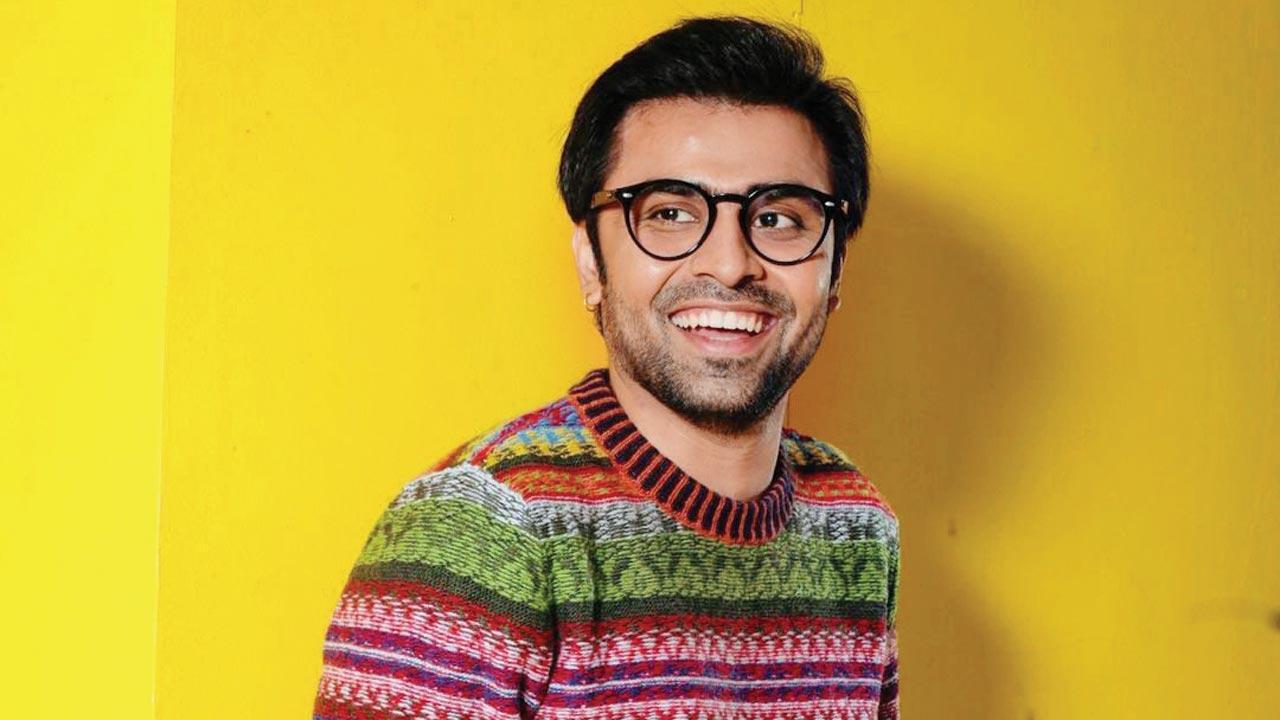
Internet star Jitendra, who reprises his Jeetu bhaiyya act for Kota Factory 2, says series helped him relive days of teaching IIT aspirants
Uma Ramasubramanian (MID-DAY; September 10, 2021)
Teaching physics at a coaching centre for IIT aspirants was a side-gig for Jitendra Kumar while he struggled to establish his acting career. Little did he know that years later, the experience would come in handy when shooting for Kota Factory. In a way, the web series and Kumar have grown together. From its humble beginnings on TVF, Kota Factory today has become a successful show, with Netflix India acquiring its second season. Similarly, Kumar — or Jeetu bhaiyya to his fans — is returning to the show as a bona fide OTT star with a hit film under his belt.
“Kota Factory has changed my life,” says the actor, who plays an assured teacher in the drama. “This is one of those roles where I could use my real-life experiences. I taught IIT aspirants, and have studied in Kota. I saw many teachers who had nuances like Jeetu bhaiyya. So, this character fills me with nostalgia.”
The second season will take ahead the story of teenager Vaibhav and his bond with his teacher. “My take-away from this show is that if you want to achieve something, keep working towards your goals. There will be people who will help you in your journey; you need to find them.”
The actor is surely attaining his goals, with or without support. The past year has been crackling for Kumar, who shone in Shubh Mangal Zyada Saavdhan and followed it up with Panchayat. How does he feel about the newfound stardom? “People love you for the characters you play, and I am grateful for that. I wish I could consider myself a star, but I still have to do grocery shopping for my kitchen.”
When my parents saw me on TV, they were assured of my skills-Jitendra Kumar
8:47 AM

The actor on his journey from IIT to sketch comedies to riding the digital wave
Kunal Guha (MUMBAI MIRROR; July 5, 2020)
When Jitendra Kumar essayed a gay character in Shubh Mangal Zyada Saavdhan earlier this year, many found the actor’s choice rather bold. But the 29-year-old, who shot to fame with digital sketch comedies and series such as Pitchers, Bachelors, Kota Factory and Cheesecake, felt the film qualified as “important content”.
“I hope such stories, and the intention with which they were made, reach a larger audience,” says Kumar, who admits that his two lockdown releases, Panchayat and Chaman Bahaar, were both banking on the Ayushmann-starrer to elevate him to a household name despite his big screen debut with Gone Kesh last year. “When you’re starting out, you sometimes can’t refuse work because you have to survive. But I’ve learnt that if you focus, and are patient, you can find recognition and also get the roles that you believe in.” Considering the actor has recently become a digital sensation, keeping at it, perhaps, pays handsomely.
During the Coronavirus lockdown, Kumar, unlike many, hasn’t rekindled his culinary passion, but has been just “cooking for survival”. “I am very lazy, so I knead aata for two or three days at a go, and can make two rotis in one minute,” says the actor, who takes pride in whipping up dal tadka, egg curry, aloo shimla mirch and bhindi. Kumar credits his survival skills to his days in the NCC camps he attended in school, where he also learnt to cook on an open fire pit.
Surprisingly, Kumar’s formative years in Rajasthan’s Khairthal were singularly insular and his access to the world of entertainment was largely restricted to the small screen. “My childhood was all about cricket, cooking and studies. We usually watched Doordarshan, but during summer breaks, we would have a dish installed, and watch whatever played on the cable channels,” he says. “Back then, I never thought that I would ever become an actor or even visit Mumbai.”
A civil engineer from IIT Kharagpur, Kumar shares that he was initially drawn to acting while participating in college plays. “In IIT, we’re told to keep up with extracurriculars, so I took to the stage.” It is here that Kumar also met his college senior Biswapati Sarkar — someone who he would later collaborate with — who went from helming college plays to writing sketches for TVF, a digital content outfit, which began producing content for YouTube in the early days of web streaming in India.
Kumar remembers diving into the digital scene just after college, in 2012, spreading himself thin by straddling acting, numerous production jobs and assisting gigs. “Initially, I was unsure if this was my calling, so I gave it up in three months and took up a job with a construction company in Bangalore.” But nine months on, Kumar knew that he wasn’t cut out for civil engineering either. This is when one of his older sketches Munna Jazbaati dropped online and was received well... just enough to nudge him to face the camera again.
It helped that apart from numerous digital skits, he also bagged the show Change Aayega, Hum Laayenge (Bindaas), which was also sufficient to convince his parents of his career choice. “When they saw me on TV, they were assured of my skills,” he says. “Since my father is also a civil engineer, he understood that if I wasn’t interested in it, I wouldn’t do a good job.”
That Kumar joined the digital wave just before it became a rage also helped him get a firm foothold in the medium. “I literally saw digital content grow. And when Permanent Roommates became a hit, it changed the rules of the game and, in a way, helped establish the burgeoning industry.” The IIT-ian only featured in one episode of the show, but was convinced of its potential and reach by the overwhelming response the show garnered.
Today, Kumar feels blessed for having shared the screen with masters of the craft such as Raghubir Yadav and Gajraj Rao and feels that he’s picked up a lot from closely following their process. “When you see such actors approach a certain character through their iterations with writers and filmmakers, you learn about the different ways of internalising a character,” says the actor, who also credits acting workshops for sharpening his craft. “I am yet to develop the instinct of an actor, but that will come with time too, I hope.”
We have to work towards removing the stigma around mental health-Jitendra Kumar
8:21 AM

Kavita Awaasthi (HINDUSTAN TIMES; June 25, 2020)
After starring in the feature film Shubh Mangal Zyada Saavdhan (SMZS) that released in February, his web show, Panchayat, was well received, too, and the current positive response for his digital film Chaman Bahaar — actor Jitendra Kumar is no doubt on a roll. He says all of these were interesting projects and a blessing. “I don’t have a strategy and I make organic choices. I became an actor to act, so I try to pick the best from what is offered. The idea is to do different and interesting stories, which is happening. The credit goes to the audiences as they are enjoying and consuming different stories, which encourages us to make them,” says the actor, adding, “When people reacted to SMZS, I realised how important the film was to so many people which I didn’t know while shooting, as I was busy focusing on my craft. Films have a wide reach with a major chunk of family audience, while web shows are consumed more by people between the ages of 17 to 35.”
Kumar admits that there are certain risks “when one is trying to attempt different stories” but thankfully many OTT platforms are backing good content. “Now is the time to create content that one hasn’t seen before or that was maybe thought of as too different. A number of writers and directors are working in that direction, as many producers do support such ideas,” he says.
Like many in the industry, Kumar, too, has been affected by Sushant Singh Rajput’s demise. He feels, “Mental stress is in every industry. We have to work towards removing stigma around mental health. I feel, the support of family and friends is crucial in life and not just when you have anxiety or depression. One should share happiness and sadness with family and close friends. Before the lockdown, we were all running after fame, money and career and to prove ourselves in society. And while the lockdown has been tough on everyone, we also learnt how to be good to ourselves and appreciate our families and slow down a bit.”
With the Coronavirus pandemic, the actor admits the situation is worrisome. “We are all in this together and have to win over the outbreak collectively. We all want to go out there and work. I have been working on ideas and projects with people and will be ready to start soon, once things get better. But no one can say for sure how life will be post the lockdown,” he wonders.
After Shubh Mangal Zyada Saavdhan, aunties, mothers and uncles know me-Jitendra Kumar
8:13 AM

Internet star Jitendra Kumar on how Shubh Mangal Zyada Saavdhan and Panchayat changed the game for him
Mohar Basu (MID-DAY; June 23, 2020)
It all started with an innocent bet after watching Amazon Prime's Panchayat, headlined by the delightful Jitendra Kumar. In one of the episodes, he has to let go of a chair that he holds close to his heart. At the end of the episode, his boss Sarpanch-ji brings a similar chair into the office. As my friend and I placed a bet on whether it was a new chair or not, we called the one man who would know the answer. Kumar incidentally is in the midst of promoting his Netflix film, Chaman Bahar, which tells the story of unrequited love. "My character aspires to run a paan shop and the film traces the reality of one-sided love. We've set the story in Chhattisgarh, complete with its local dialect and flavour," he says.
Kumar forayed into Bollywood earlier this year with Shubh Mangal Zyada Saavdhan. As an actor balancing both mediums, where does he stand on the OTT-versus-theatre debate? "The theatre experience can't be replicated. How do you shrink a Baahubali to a 13-inch screen? But, some stories reach better on OTT. For instance, people had missed Gone Kesh when it had released, but the film grabbed eyeballs on Amazon. On the other hand, Shubh Mangal is for community viewing where people can hoot, laugh and cry together."
Though Kumar was already a bona fide Internet star, he agrees that Shubh Mangal Zyada Saavdhan brought him mainstream appeal, and in turn, gave a boost to Panchayat. "Earlier, 15 to 35-year-olds would watch my work. After Shubh Mangal, aunties, mothers and uncles knew me, and that helped more people watch Panchayat. Their constant reference point was: 'Woh Shubh Mangal wala ladka hai iss show mein'. On some days, I wake up to long texts from fans who explain how the character resonated with them." The actor informs that the second season is in the works. "The writers are working on it."
Having started out with TVF sketches in 2012, Kumar was gradually perceived as the quintessential boy-next-door as small-town stories became a sub-genre into themselves. Ask him if he fears that his middle-class-boy act will get repetitive, and he reasons, "Am I stereotyped? Probably, but Aman Tripathi of Shubh Mangal is nothing like Sacheev in Panchayat. Small-town stories are far too many and we have just started to explore them on screen. If we write fresh material, I don't think we will run out of ideas. I came from IIT Kharagpur to Mumbai to become an actor. I was confident that in a month, I will have movies, and in a year, I will be a star. The reality was starkly different. Despite how long it took to reach here, I can say with complete faith that hard work and relentless effort are rewarded. My college friends still don't take me seriously as an actor, but I have a sense of contentment." In the wake of Sushant Singh Rajput's tragic demise, Kumar's is the much-needed story of an engineer from a small town who broke into Bollywood.
Of course, the chat will be incomplete without asking him about the chair. He laughs, "The Sarpanch buys himself a new chair to show the young city-bred boy who is the boss of the village!" That's a bet won, alright.
I am okay playing a relatively smaller character in Shubh Mangal Zyada Saavdhan-Ayushmann Khurrana
9:00 PM

Acknowledging that co-star Jitendra Kumar has a 'more interesting arc' in Shubh Mangal Zyada Saavdhan, Ayushmann says he was drawn to his part as it had agency
Mohar Basu (MID-DAY; February 21, 2020)
 For anyone who assumed that he spent weeks deliberating whether he should greenlight Shubh Mangal Zyada Saavdhan, Ayushmann Khurrana bursts the bubble. "It was an easy decision to make because the script was funny and commercial," he reasons. However, the actor accedes that he bided his time before zeroing in on the character he would play in the same-sex love story. "Hitesh [Kewalya, director] had asked me to choose the role I want to play. Jitu's [Jitendra Kumar] character is in the closet, and hence, has a more interesting arc. But I didn't want to play the victim this time, I wanted to be the instigator. My character is confident about his sexuality. He is rare [in that regard] because he doesn't give a damn about [what society thinks of] his sexual orientation. I am okay playing a relatively smaller character."
As the building block for his part, the actor referred to Lie With Me by Philippe Besson, an acclaimed book about queer love. "I wanted to know what a gay man goes through daily. I met this guy called Sharif in Delhi, who explained to me that a heterosexual man can go anywhere and find someone to date. But how do you spot a gay man? It's difficult for them to find love."
Khurrana hopes the film will be an "induction for an average Indian homophobe." "With the film, we had to adopt an over-the-top approach to reach out to people. I wish people would say, 'Chalo apne ladke ke liye ladka dekhne chalte hai'. Realistically, that won't happen. But, as long as parents understand that their child has the right to live his truth, that's a big win. With this film, we have focused on how a family warms up to the idea of their son being gay."
For the first time, I don’t play a victim. Here, I am the instigator-Ayushmann Khurrana
8:26 AM

Abhimanyu Mathur (BOMBAY TIMES; February 20, 2020)
 Shubh Mangal Zyada Saavdhan sees Ayushmann Khurrana play a homosexual character for the first time. He is paired opposite a relative newcomer, Jitendra Kumar, in the film (and also reunites with Badhaai Ho co-stars Neena Gupta and Gajraj Rao). But the actor is quick to point out the film is not another ‘Ayushmann film’ about a non-mainstream topic. It is different from anything he has done before, he maintains. We sit down with him to let him elaborate on that difference, why this film needed to be a family entertainer, and how he made sure to not let his character become caricature-ish. Excerpts:
When it comes to LGBTQ characters in Hindi films, there are two kinds of stories — either where they are comic relief or caricatures, or serious films that talk about homophobia, like Aligarh. In that, Shubh Mangal Zyada Saavdhan has taken a new approach – a romcom with a gay lead pair...
It’s progressive. Let me first state that it is not a message-oriented film or some in-depth look at same-sex relationships. It is a comedy film. It is a family entertainer and we have primarily made the film like that because we want the families to watch the film with their kids. They will not feel iffy about it when they watch it. That’s the aspiration of the film, which is why it is more of comedy and less of romance between these two boys. The homophobe is the target audience here.
You say it is not a message-oriented film or an in-depth look at same-sex relationships, but a comedy. Is entertainment a better way of getting a message across as opposed to sermonising?
I think that’s the correct approach. We should not be preachy. At the same time, we have to normalise the same-sex relationship — the love story between two boys. More than the love story, it is about the reaction of the parents and the family, and how they react when they find out that their son is gay. I am playing the instigator in the film while Jitendra is the son. So this is a crazy comedy from the eyes of that family that is regressive but ultimately they have to accept things. This was the right time to make this film and send this message, too, particularly after the Supreme Court verdict on Section 377.
Has the verdict changed how the Indian society sees homosexuality? Is it easier to make mainstream romantic films on the issue now?
It was difficult to make such a film before the verdict. In the 90s, there was a film called Fire and right-wing activists tore down posters and burned the theatres. Today, the kissing scene (between the two leading men) is also a part of the film. Otherwise it was impossible. But yes, the sanction of the court has nothing to do with the sanction of the society. There is little acceptance for same-gender relationships. But this is definitely a step up. That’s why the film needed to be from the family’s perspective. Just like Badhaai Ho, in this film, the whole family is the hero.
The kiss between your and Jitendra’s characters in the film is being talked about a lot. A kiss in a heterosexual love story does not receive the same spotlight these days.
This was important for the film because we have to normalise it. I recently saw two boys kissing in a mall and then I realised, we are ready for it. We normally don’t see PDA between same-sex couples, but that happens abroad. That will happen in India also. It’s about basic human rights. People think that it is unnatural, abnormal because they are wired like that. So, acceptance is importance. Probably, this is the introduction to homosexuality for an average Indian homophobe. Right now we are discussing the same-sex kiss, and I think the next step will be that nobody will ask this question again when it happens in a film. Just like nobody asks a question about a heterosexual kissing scene anymore. Back in the ’90s if there was a kissing scene, there were a lot of questions, headlines, kitni kisses hain iss film mein and all that. In fact, just ten years ago, Emraan Hashmi ko lekar kissing scenes ke bare mein kitni baat hoti thi. Ab hoti hi nahi hai. Toh aisa hi hoga, jab same-sex relationship ko lekar film banegi aage, nobody will be asking about the kiss.
The film is shot in Varanasi and not a Delhi or Mumbai. Is that a conscious call to show that a same-sex relationship is not something that happens only in the metros, as it is still perceived by a large section of the society?
Most of my taboo-breaking or stigmabusting films are — by default — based in small towns and middle-class families. There is a reason behind it. For instance, my last film (Bala) was on baldness. People in urban India are already confident. They have ten other means to feel confident about themselves. The same is with sames-ex relationships. They are still acceptable in Delhi and Mumbai. We have gay pride parades in Delhi, Bangalore, Mumbai and Kolkata. But you never see that in a Kanpur. That’s the reason. There is no conflict in the urban city because we are aware, we are woke. There is lack of awareness in small cities. When there is no conflict, there is no story. The conflict only arises in the small city in the middle-class.
You said you are the instigator here. Be it Bala, Badhaai Ho,or Dum Laga Ke Haisha, you have played victims or people who happen to face some tough situations. Here, we see you taking charge and making things happen.
(Laughs) They had given me a choice of picking up one of the characters. I chose this one because I thought I don’t want to be a victim anymore, let me be an instigator. This is a guy more confident about his sexuality and Jitendra’s character is still in the closet. He is the parallel lead and he has got a great arc in the film because he is the one who comes out and fights the family. It was a conscious decision to do this character, to have something different to do. He (Jitendra) is the subtle one and I’m the more flamboyant one.
In playing a gay character that you describe as ‘flamboyant’, how do you make sure that the portrayal is fun and yet does not become a caricature like the LGBTQ characters we have seen in mainstream films in the past?
See, one character in the film has to imbibe certain stereotypical features also. Like he (Jitendra) looks like a ‘regular’ heterosexual male, while I am the one with certain nuances to the character that are perceived as effeminate. I have a nose ring for example. But that is important for the masses to relate because unhone aisa bhi dekha hai. Relatability bhi chahiye and for that you have to use certain stereotypes, but without going over the top. You have to take the middle path.

This is hopefully the last time people talk about a same sex kissing scene-Jitendra Kumar
8:23 AM

Riya Sharma (BOMBAY TIMES; February 19, 2020)
 He wanted to do an entertaining romantic film, and in Shubh Mangal Zyada Saavdhan, Jitendra Kumar is doing exactly that. The only difference is, instead of romancing a girl, he will be romancing Ayushmann Khurrana. In a chat with us, Jitendra says that SMZS is actually a love story between two individuals with a family bhasad. From addressing homophobia in the film to his family’s reaction to his character, the actor talks about how the film aims to normalise same-sex relationships. Excerpts:
You play Ayushmann Khurrana’s love interest in Shubh Mangal Zyada Saavdhan — was it a calculated risk?
There was no calculation. I got to know that the makers were thinking of casting me in a film on a same-sex relationship, I met them and read some scenes with our writer-director Hitesh Kewalya. Hitesh could see in me what he wanted from the character. Then, I met Aanand (L Rai, co-producer) sir, did one more reading and I was part of the film. I was more keen to know how the story has been written. They were sure that I was the right person to play the character but I wanted to know more about the story. When I got to know the entire story, I really enjoyed it. The most interesting part was how the topic (of same-sex relationship) was normalised visually in the film. Joh hum general ‘conventional’ romance dekhte hain between people of the opposite gender, waisa hi romantic feel iss couple ke saath hai.
Many actors talk about how certain roles can be emotionally draining. In the trailer, we can see your character being beaten and dealing with parental disapproval. You are going through the same emotions that many others go through when they come out to their families. How did you prepare for that emotionally, since your character did not require you to change physically?
I have a few friends who have come out to me. When I got to know their stories, I realised how badly they have been treated by their own family. Mujhe zyada pata nahi tha, par jab Section 377 pe verdict aaya I was shocked to know that having a same-sex relationship was considered a criminal activity till then. As far as the movie is concerned, jab bhi aap ek naya character karne ja rahe hote ho toh aap physically changes laate ho — the way you walk or talk. So I started watching videos of people who are open about their sexuality. While watching their interviews and talks, I also got to know about the pain they went through and I felt emotionally connected to them. Then I realised that there are many who are ‘normal’ in the way they talk and behave and I felt stupid that why was I even looking for such stereotypical things? In the script also, my character’s requirement was that he should look like any other boy.
In metros, people are becoming more open about same-sex relationships. How do you think people in small towns, like the one in which the film is set, will react to two men in love?
This film is about people who have homophobia. And we have no education on the topic. In our textbooks, we are only taught about reproduction with the opposite gender and we get to know about samesex relationships only through negative information. It has been seen as taboo for long, so obviously, people won’t accept it as something natural in a day. This story is about them. I think the movies that have been made so far on the topic have reached only those who already knew about it and were evolved. This might be the movie that reaches the small towns and cities of the country. Ek raat mein kuch nahi badlega par unhe ye zaroor feel hoga ki ek natural cheez hai. It is not even a choice, we say ‘It is a choice, let them do whatever they want to’. But it is natural for them to love people of the same gender. The audience will get to hear these things a lot in the film so I think the next time, they will be a bit more accepting if someone tells them that they are homosexual. People won’t be shocked, kyunki ye movie woh shock khatam karne ka kaam kar degi.
The film has been pitched as a rom-com but the topic is sensitive. How did you maintain a balance and make sure you didn’t offend anyone?
Hitesh had done that as part of the script. When we all heard the story, we felt it was like any other love story. Family ki bhasad hai par romance normal hai. There were a lot of discussions on the set, all of us would give inputs, add a particular word to a scene to normalise the topic.
Your kiss with Ayushmann is being talked about a lot. Why do you think it is such a big deal?
This is the first time the audience has seen something like this on the big screen, and it’s natural for them to react. I remember the kiss in Raja Hindustani (between Aamir Khan and Karisma Kapoor), people talked about it a lot as well. Whenever we see something new on the big screen that we are generally awkward to talk about, toh thodi baatein hoti hai. This is the first, and hopefully the last time, people talk about a kissing scene between two people of the same gender.
How did your family react to it?
When I was finalised to play this part, they got to know that I am doing a lead role in a romantic film, but thodi different romantic film. Of course, my parents were a bit awkward and they didn’t talk about it openly for two-three days, but they were happy. Later, we discussed it and they were okay with it. But I think log ab dheere-dheere evolve ho rahe hai. Jaise meri family, jo middle-class, small town se hai, unka reaction waisa nahi tha jaise maine socha tha. But it is okay for people till the time it is being shown in a movie or is happening with someone else. The real reaction would come when it would happen in our family, but ek raat mein nahi hoga, time toh lagega.

For Yaar Bina Chain, we made Ayushmann Khurrana recreate the step of Anil Kapoor-Vijay Ganguly
8:36 AM

Vijay Ganguly on choreographing Yaar Bina Chain from Saaheb, which was directed by his father, for Shubh Mangal Zyada Saavdhan
Sonia Lulla (MID-DAY; February 9, 2020)
 During the shoot of Saaheb (1985), Vijay Ganguly, then five, would run about the set as his director father Anil Ganguly filmed Yaar Bina Chain with the movie's leads Anil Kapoor and Amrita Singh. Almost 35 years later, in a quirk of fate, Vijay found himself being appointed to choreograph the rehashed version of the song for Ayushmann Khurrana-starrer, Shubh Mangal Zyada Saavdhan. "Initially, the team, including director Hitesh Kewalya, simply told me I would be working on a remix of Bappi da's [Lahiri] song, and that they were sure I would be excited about it. As soon as the track began, I was taken aback. I thought, what are the odds that of all the choreographers and all the songs, this one would come to me?" exclaims the choreographer, talking about the song that releases on Tuesday.
In keeping with the theme of the same-sex love story, the track—now titled Arrey pyaar kar le—has Khurrana romancing his on-screen love interest, Jitendra Kumar. "Since the song didn't have [the usual] guy-girl dynamics, there wasn't much that we could [use] from the original. So, we decided to [reference] the period instead. When my dad made the film, the unit went to Ballard Pier, used water, and employed the star filter that made water [droplets] look like light. So, we used the same filter for our song to [evoke a sense of nostalgia]. We also made Ayushmann recreate a step of Anil sir." He adds that Khurrana, delighted to learn of the coincidence, urged him to invite his mother and actor sister Rupali Ganguly to the shoot.

Vijay Ganguly with Bappi Lahiri on the set
Subscribe to:
Posts (Atom)