Showing posts with label Gali Guleiyan. Show all posts
Showing posts with label Gali Guleiyan. Show all posts
I don't even have 8 hit films in 32 years. Doesn't my being here negate this language of trade and box office?-Manoj Bajpayee
10:28 AM

Anshul Chaturvedi (BOMBAY TIMES; March 31, 2026)
Manoj Bajpayee was in Delhi for a session at the IFFD (International Film Festival of Delhi). When an alumnus of Ramjas College, talks about cinema, in Delhi, a throwback is inevitable – the journey to come to Delhi to learn acting from his village in Bihar at 18, a lifetime back. The struggle, the uncertainty, and the 32 long years spent in an industry, that he strongly feels, is too star-centric. That industry, along with a media and the audience that is too star-struck, just does not give many talented actors their due in time, he rues. Not wistfully, but angrily. Anger about the years lost before they are given their due. About the discrepancy in money and stature – ‘second-class citizens’, he calls them. About the fixation of evaluating movies, and actors, basis their box office numbers. Read on to see the otherwise gentle Family Man in unchecked Shool mode:
Back in 2012, when you were in Cannes for the premiere of Gangs of Wasseypur, you had told me, ‘Indian media hamari baat nahi karta hai. Aaj ka media baat karta hai ki stars ne kaun se kapde pehne.’ You and Nawazuddin were saying that the stage that star kids reach with their debut – multicrore films, producers chasing you – you don’t reach that in many many years. I had asked you, 'aapko nahi lagta samay aapke haath se nikla ja raha hai?’ To which you had said something that has stayed with me:
‘Badi lambi ladai hai hamare liye - khud se bhi hoti hai, poora system lad raha hota hai. Ya toh khaane ko le kar jaddojahad hai, ya jo logon ke perceptions ban jaate hain hamare baare mein, usko le kar jaddojahad hai, hum apni jagah banana chahte hain, uski jaddojahad hai. A lot of our energy, which should have gone to our craft, instead goes into these fights. By the time people want to use your talent in the right way, tab tak bada late ho chuka hota hai. Like I am a very desperate man right now. I want to work with all the fantastic filmmakers. Mujhe lagta hai, mera samay nikla jaa rahaa hai, jaldi karo, jaldi karo...Yeh samay kyun nikla? Kyunki hum bina matlab ke jaddojahad me phanse reh gaye.’
How do you feel about that sentiment now?
I am at a stage when a lot of roles are physically not possible for me. Or I will not be able to do a mentally exhausting role - iss dar se ki kya main isko survive kar paunga? Kya koi ghatna toh nahi ghat jayegi. Kanu Behl hamare Hindustan ka ek bahut hi pahuncha hua filmmaker hai. Zyada log usko tavajjo nahi dete hain kyunki Rs 1,000 crore ki film nahi banayi hai usne. Lekin uss generation mein bahut hi kam brilliant, international level ka jise kahein, woh director hai Kanu Behl. I did Despatch (2024) with him, jo mujhe lagta hai meri behtareen film aur behtareen performance mein se hai. After that, he came to me with another story, but I told him, 'Kanu, kaash ki main 30-40 ki umr mein hota, toh teri film zaroor karta'. Kyunki Kanu ka apna ek process hai jismein aadmi bahut thak jata hai, mentally aur physically. Bahut demanding hoti hai uski direction. Mujhe afsos iss baat ka hai ki main uss umr mein nahi hoon ki main Kanu Behl ki film kar paoon. Late isliye hua. Late hua hai. Aur bahut late hua hai.
Uska karan sabse bada ye raha hai ki media aur darshak dono hi busy rahe stars ko celebrate karne mein. They don't care that a very talented Nawazuddin Siddiqui has been 15 years late in his career. No one cares that it's late for a Pankaj Tripathi. They got the respect and recognition so late - by then they can't do a lot of roles. But the good thing is that at least jab bhi woh aaye - aapne unke talent ko pehchana. Lekin, yakeen maaniye late ho gaya. Agar woh 25 saal ki umr mein ya 30 saal ki umr mein unko woh pehchan ya maanyata mili hoti toh bahut saare roles thay joh woh kar sakte thay. Ab uss age category mein woh log rahe nahin.
Hamare Hindustan mein talent ko kabhi celebrate hi nahi kiya gaya. If you go on social media now, you'll see that the films that are doing well - no one is talking about the performances in them, or the director's brilliant craft. What are we talking about? Today the film crossed Rs 100 crore - kal 150 ho jayega, koi dusra kehta hai nahi, 200 ho jayega. Films are celebrated as numbers or that actor's hairstyle was so good or who wore which designer. Hum log filmon ke baare mein ya kisi bhi kaam ko lekar ke - hum na talent ki baat karte hain, na craft ki baat karte hain. Humne apne aap ko ek darshak ke taur pe - ek media ke taur pe usi daayre mein rakha hai.
If box office numbers are so amazing that they decide everything... I've been in this industry for 32 years. I don't even have 8 hit films in these 32 years. So how am I here? Doesn't my being here negate this language of trade and box office? 8 filmein bhi hit nahi hai meri - Satya se le kar ke ab tak. Toh box office number kitne valid hote hain? Kahin na kahin darshakon ko ya filmmakers ko Manoj Bajpayee chahiye tha. Unke karan maine unki filmon mein kaam kiya.
Anurag Kashyap didn't take me in Gangs Of Wasseypur after seeing box office numbers. Meri kaabiliyat dekh ke liya tha usne. Ram Gopal Verma ke paas jab mujhe Satya mili thi tab dar-dar bhatakne wala ek actor tha main. Kabhi kisi serial ke episode mein dikh jata tha ya kisi actor ya producer ke darwaze pe dikhta tha.
The way we have started celebrating box office numbers - it not a sign of a good film industry. If I give a story, a script to a trade journalist and ask kitne hazar crore ka ya kitne 100 crore ka collection ye film karegi? No one will be able to tell. Ye sab batane lagte hain jab film lag jati hai. Iska matlab ye hai ki sab mithya hai. Ye sab bakwas hai. When the audience starts changing - the films will start changing.
So if a film is recognized and celebrated based on how much money it makes, an artiste’s stature is also recognized by how much money they command. Back then, you had shared that actors like you - the people you named earlier - the problem you face is that when you are cast in a big budget film, you get a side role, so you don't get big money. And when films cast you in the lead role, the people making it do not have big money. So either way - paisa nahi aata. Is that still the same or has anything changed?
Nothing has changed. Ek hero ne bahut achhi baat mujhse kahi thi - main naam nahi lunga. Maine kaha - bhai, aap bahut secure actor ho, yaar. Toh unhone kaha tha - yaar, bahut seedhi si baat hai. Tu bahut badhiya kaam kar raha hai. Lekin agar film hit ho gayi toh tere Rs 400 badhenge aur mere Rs 4 lakh badhenge. Toh aap samajh sakte hain hum kahan par hain?
Isi system se ladai karte hue mujhe itne saal ho gaye hain. I say it with a lot of pride that I got a lot of films, big films, but I said no to them because they treated those doing secondary roles as secondary citizens. Whether it is about the level of amenities or the level of pay.
That was my fight. That's why I tried that either I don't say yes to multi-starrer or if I do them, I make sure that the amenities that the others are getting, I also get the same. Self-respecting aadmi hoon.
In this tale of your struggle, I think a defining moment was the film 1971. You had told me earlier: 'Isko dekhne ke baad Anurag Kashyap ne aur mere bahut saare doston ne kaha ki this was the best film on the Army they had seen. Aur uske baad na uss film ki tickets sell hoti hain, na uss ko kisi awards function mein koi tarjeem di jaati hai toh bahut... I wouldn't say it broke me, but yes, it taught me a big lesson. Ki yaar agar ab kuch bhi karna pade, naachna pade Juhu Circle pe jaa kar toh woh bhi karenge, humko compete toh karna hi padega... Humari jaisi film ki koi jaankari nahi milti hai public ko, aur nah hi woh jankari lene ke liye kahi jayenge.'
It is very difficult for small films to compete in this industry. Chhoti filmein achha bhi kar rahi hoti hain toh unke shows ghata diye jaate hain. Meri apni film - Aligarh ho, Bhonsle ho, Gali Guleiyan ho - main khud dekhne nahi jaunga subah 9 baje. Toh main audience se kaise expect karunga ki jo exhibitor ne time diya hai 9 baje ka meri chhoti si film ko - woh audience dekhne jayegi?
Ye jo pura system hai - it is so flawed. And it is so dominated by hierarchy - ki ismein compete karna bahut mushkil kaam hota hai. Lekin mere bahut saare aise actors dost hain - unko jab main ye kehta hoon ki tum ye sab ladai lado toh kehte hain ki sir, hum log aapki terah nahi hain na.
Lekin main isliye ladta hoon kyunki main gaon se aaya tha. Aur main saara samaan le kar aaya tha toh ab wapis ja bhi nahi sakta hoon. I have no other option in my mind, but to fight - fight to survive, fight to showcase my talent.
Post COVID - ye pura system jo hai woh hil gaya hai, uske foundation hil gaye hain, power centre hil gaya hai industry mein.
Coming back to your first thing - lekin hamare liye toh late ho gaya na! Lekin saath hi saath main ye dekhta hoon ki kitne saare talent iss industry ne barbaad kar diye - some of them became alcoholic, some of them ended their lives.
When I look at all of that - I feel blessed and grateful ki at least upar wale ne, darshakon ne aur kuch ek directors ne mujhe woh jagah di jiska phal mujhe mil raha hai. Mujhe ek position diya - so, I feel grateful about it.
Talking about 1971, uski journey jo hai bahut hi inspiring hai. When the film released, the distributor couldn't even put up a poster outside any cinema hall. Aur mera manana hai, ya aap Anurag Kashyap se ja kar bhi puchhiye, jin logon ne bhi film dekhi thi uss samay - unhone kaha tha ye Hindustan mein banne wali best Army film hai.
But the film met a terrible fate. When we went to promote it, we were told there's no one in the theatre, so if you sell the tickets, people might buy.
If you are in this profession, toh haar maan kar kya kar loge? Kaun aap ke sar pe haath rakhega? Haar maan liya toh iska matlab jaiye phir!
But that is not the option. The option is to be here, and to keep fighting, to keep fighting to do good work.
That fight was, however, difficult for your director right?
After 1971, the film's director (Amrit Sagar) went into depression. When the National Award submission was announced, I was at a party in Delhi. An official told me Manoj ji aapki koi film hai toh bhej do submission ke liye. When I called the director, he said, 'mujhse aage se aise mazak mat karna yaar!' Daant diya usne mujhe woh itne depression mein tha. Maine uske father ko keh kar ke film ko submit karaya. When 1971 got two National Awards (Best Film and Best Audiography in 2007), maine apne director ko phone kiya toh woh rone laga gusse mein - ki tu mere saath itna bura mazak kyun kar raha hai. Sochiye aap kitna toot chuka tha woh!
During the pandemic, he called and said, '1971 ko toh koi dekh nahi paya. Isko hum log YouTube par daal de?' Usne creative bheja, maine khud daala, usko promote kiya. It became the first digital blockbuster (in India). 50 million views in no time. No time.
That proves that there is a lacuna in the system. There is a flaw in the system where we don't celebrate, we don't promote good work. We don't.
Personal level pe, individual level pe, media ka ek-ek aadmi, audience ka ek-ek jagrook aadmi decide karta hai toh woh bahut kuch badal sakta hai.
Akele actor aur creative log nahi badal sakte hain. Woh ek hi cheez kar sakte hain - tikey rahein.
Lekin, main aapk bataoon hum yahan tike hue hain. With or without your support, with or without your best wishes - hum tike hue hain. I am personally here - even after 32 years. I am here - working, fighting and fighting to do the work - all the time.
Ask anyone who won a National Film Award last year, and most won’t remember-Manoj Bajpayee
4:11 PM
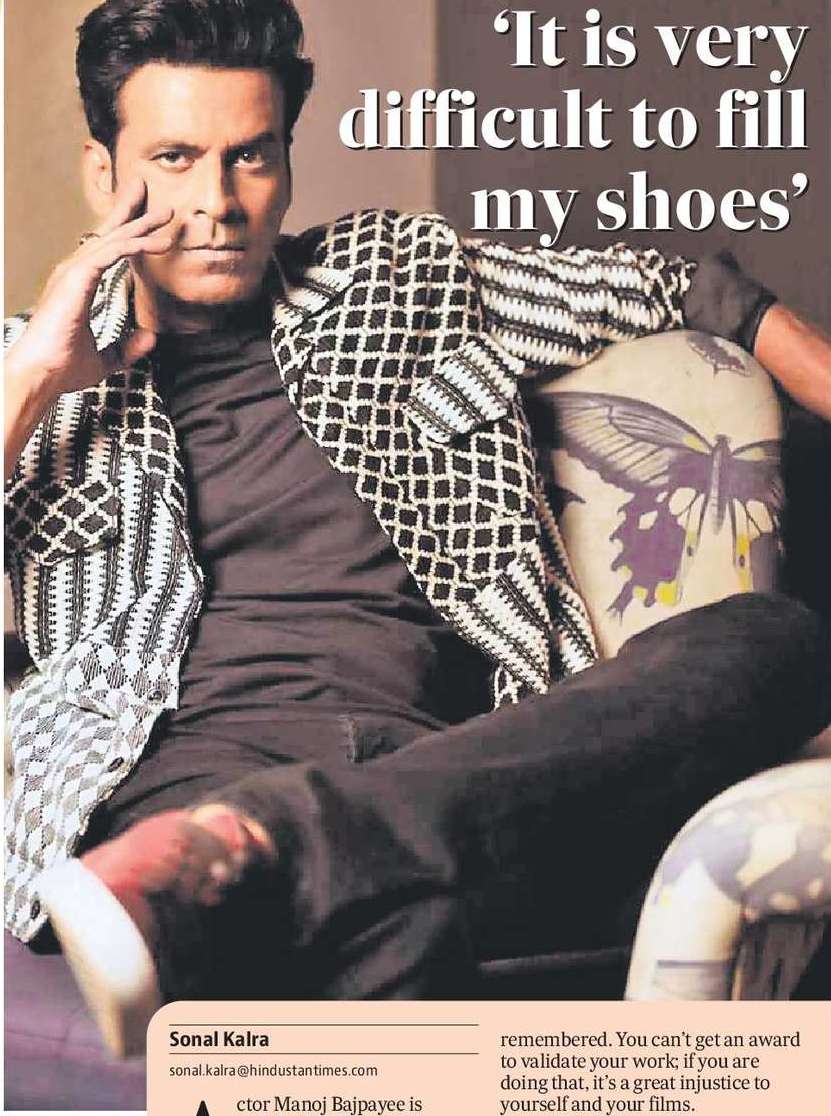
Sonal Kalra (HINDUSTAN TIMES; September 6, 2025)
Actor Manoj Bajpayee is making waves for his trademark knack of playing middle-class men and turning the ordinary into unforgettable stories in his latest release, Inspector Zende. Now, he is reuniting with filmmaker Ram Gopal Varma after 27 years.
Manoj, 56, joined Sonal Kalra, Chief Managing Editor, Entertainment and Lifestyle, in this week’s episode of The Right Angle with Sonal Kalra, and opened up on the money struggles of actors across mediums, and how passion, not validation, drives him.
If someone wants to be the next Manoj Bajpayee, what do they need to do?
Very difficult shoes to wear (laughs). I’ve been crazy about acting since I was 10 and I still am. I’m not giving any gyaan, nobody wants that. [But] today, too, I feel every great role should only come to me and no one else. If you want to buy a nice car, live in a nice house, wear good clothes, or tour the world through your acting, don’t go for it. The ratio of people who achieve that is very low. The passion for your work must always be present. If you want to act because without it you might die, then come.
You’ve received many awards. Have you ever felt bad about losing one?
That’s very difficult to judge. Ask anyone who won a National Film Award last year, and most won’t remember. But they’ll remember Sirf Ek Bandaa Kaafi Hai and Joram (both 2023) as great films, even though they didn’t get any National Awards. What matters to me is how great the films are and how proud I am of my work. Awards are for one evening; your work will be remembered. You can’t get an award to validate your work; if you are doing that, it’s a great injustice to yourself and your films.
OTT stars have the same fame as theatrical stars, but when will they be paid like them?
I never get paid (laughs). And nowadays, even those in theatres aren’t getting paid like they used to because of the risk and budget constraints. On OTT, I’ve been busy for seven years. The biggest advantages are out-of-the-box stories and actors getting respect, and writers and directors getting employed; it’s a win-win situation for all of us, including the platforms. Theatres are slowly making a comeback, but budgets are lower. I really want all mediums — films, OTT, and satellite — to do really well. If they do, there won’t be a monopoly, and that will only be good for filmmakers, actors and all creative departments.
Fans are excited about you reuniting with Ram Gopal Varma after 27 years. What was it like?
I’ve finished one schedule, and I am completely zapped. He is the real OG (laughs). This guy has not gone anywhere; he is going to be back, and how! Ramu’s ability to go beyond anybody’s imagination as a filmmaker, his courage, and his audaciousness have not changed! But he has become very inclusive. Unlike the Ramu I saw and experienced during Satya (1998), Shool (1999) and Kaun? (1999), this one is like a three-year-old kid in a candy store. And even today, he sits down with you and tells you what has gone wrong with him in all these years. The output so far is mind-blowing. A director like Ram Gopal Varma can always come back and throw you out of your alignment; he is that kind of talent.
Which of your roles is closest to your heart, discounting their commercial success?
I’ll be the last person to keep the commercial thing in mind. Very few films of mine have been theatrical hits (laughs). My own personal favourites are Gali Guleiyan (2017; Prime Video) and Budhia Singh (2016; Netflix). Of all the cop roles, Inspector Zende is the most chilled out and realistic. And Jugnuma; I’ve spent seven years on this film, and it is now about to release. It started filming before lockdown, and when we went back, the Delta variant of Covid hit. Somehow, we completed the film. It had a great festival run. That film is very close to me, like Inspector Zende.
The trailer of Inspector Zende looks very interesting. Tell us something about him.
Inspector Zende is a celebrated police officer in Maharashtra for some impossible tasks he accomplished, but the rest of India doesn’t really know him. (Producer) Om Raut’s father always wanted a film on him because he caught an international criminal. But as we researched, we realized his story couldn’t be told as a grim film because he’s such a chilled-out man. I’ve been told he never fired his pistol, yet solved incredible cases — releasing trapped police officers, rescuing people from the mafia. His life deserved this tribute.
Was the team concerned about humour diluting the seriousness of the role?
Nobody is trying to create a comedy here. But everything that will happen will compel you to laugh. Zende was a regular 48 or 49-year-old middle-class man with a team of lower-middle-class policemen. Before their Goa mission, nobody had ever been on a flight. In Goa, they had to blend in but the team doesn’t even have money, so they took an accountant to track expenses. That leads to a very comic thriller. None of us is trying to be funny, but the way things unfolded is very funny.
I am not somebody who gives up. I fight for a film till the end-Manoj Bajpayee
9:41 AM
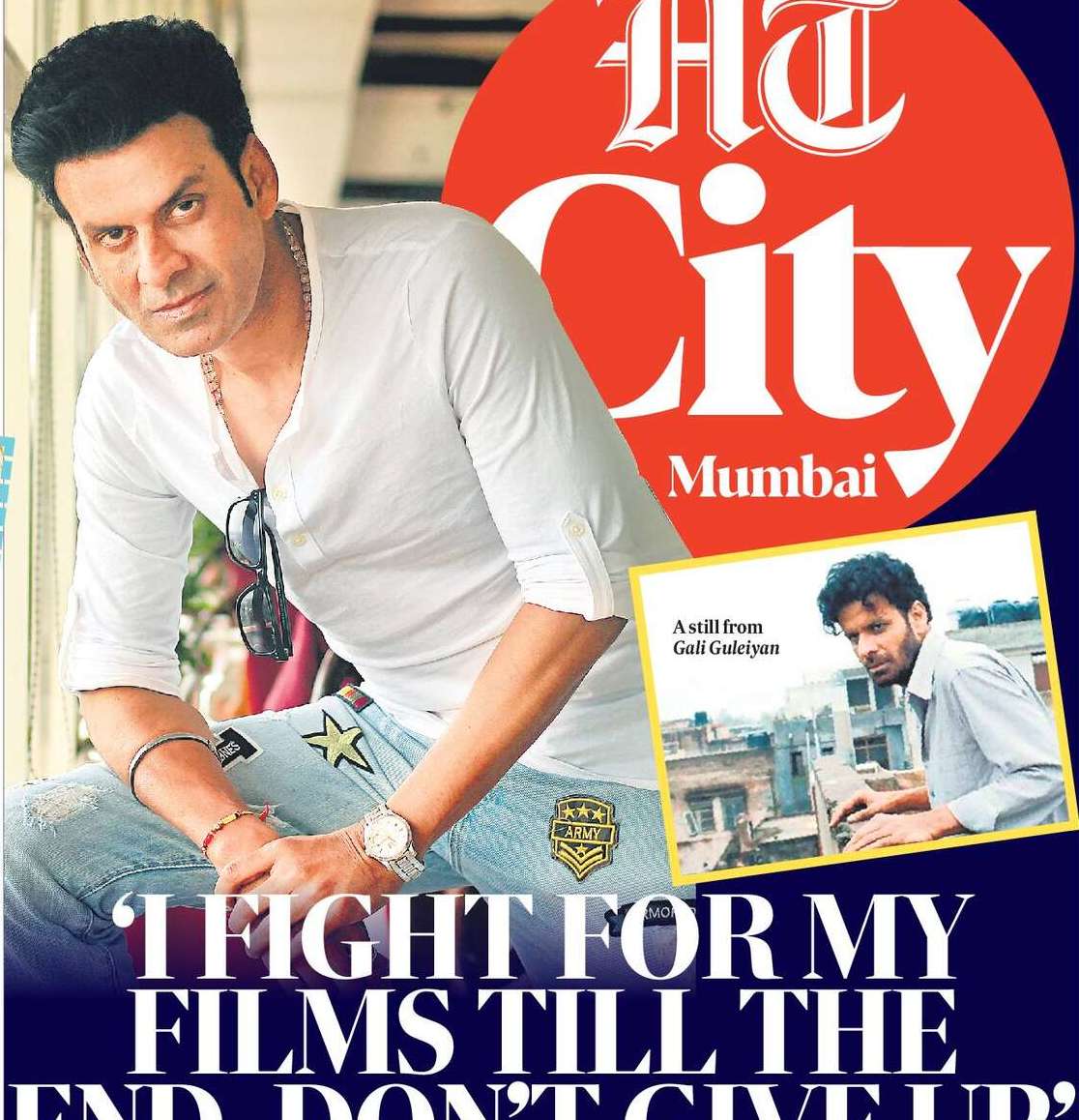
Manoj Bajpayee is glad to see the response to his 2018 film Gali Guleiyan, which got a web release; calls the role his ‘toughest’ so far
Rishabh Suri (HINDUSTAN TIMES; November 6, 2022)
Manoj Bajpayee’s film Gali Guleiyan may not have made the numbers when it hit theatres back in 2018, but its recent OTT release has sprung a surprise. Currently, it is among the top 10 films on a major streaming platform. And the actor is ecstatic, to say the least.
“What I have gone through in getting films like Aligarh (2016) to cinema halls, and then OTT, has been quite a journey. One gets tired, but when you make great content, you have to fight for it,” he says.
The 53-year-old shared on Instagram recently how he was on the “verge of losing mental stability” while prepping for the role. Calling it his “toughest” till date, he adds, “It took a lot out of me, mentally and physically, and really made me push myself.”
Does a film doing well on OTT reinstate his belief, more so when it doesn’t amass much at the box office? He says, “I am not somebody who gives up. I am not into this for one or two films; I love my job. I fight for a film till the end.”
However, the Padma Shri awardee says the fact that the film has been received so well is testimony to the fact that audiences’ tastes have changed. He adds, “If you give the audience an opportunity, they’ll always go for content.”
But, does he feel small films have a lot more to prove than big star-driven films being promoted more by OTT platforms? “What will happen on OTT is democratization of the industry. Now, you have small stars, big stars, YouTube stars all getting work. It’s the best thing that can happen to this industry,” he signs off.
Manoj Bajpayee ecstatic on 1971 getting 50 million views; says "Kai cinema halls mein film ke poster bhi nahi lage thay"
8:25 AM
Anshul Chaturvedi (BOMBAY TIMES; October 28, 2022)
In an industry where actors are quick to distance themselves from projects that fail at the box office, here is an actor, at the peak of his popularity, batting for a 15-year-old release which, as he vividly remembers, did not even have posters in many of the halls it released in, and yet won two National Awards. Manoj Bajpayee explains why 1971, a 2007 release, being watched by millions online in 2022 feels like poetic justice and how he cannot disown projects once he takes them on.
The year is 2012.
Manoj Bajpayee is talking about the just-released Gangs Of Wasseypur. Never one to be seen at movie promotions, isn’t the current campaign – unfamiliar territory – tiring for him? Manoj replies, “Things have changed a lot; the fact that everything is temporary was perhaps never as true as it is now. Meri kuch filmon ka jo hashr hua woh mujhe yaad hai, when I faced situations where the producer could not ensure much visibility for my movies, sometimes from lack of funds, or from other reasons.”
‘Meri kuch filmon ka jo hashr hua woh mujhe yaad hai’ – there’s a fair amount of angst in his tone. What happened that has left him in such pain, we ask him, and he responds, “1971 is the prime example! It is one of the best films of my career. Uss film mein har cheez thi. It was the first real film on the Army in a very long time. But due to a lack of resources, or attention, or visibility, woh kab aayi aur kab gayi, pata hi nahi chala. Yeh aalam tha ki jin theatres mein film lagi thi, unn ke baahar film ke posters tak nahi lage! Aur usi film ko National Award mila for the best Hindi film of the year! So I don’t know whether the promotions work or not – yeh fact hai ya myth – but I am not going to find out. Sometimes, publicity can be a braindead thing, but I say, let it be, if it is working for a film, I am available, because I have suffered the cost of no publicity – not in one film, but in two-three films very dear to me! If it’s a fruitful conversation, I am very happy – but even when it is not, I tell people, no, I don’t mind it (laughs)!”
Cut to a decade later – 2022.
Manoj has just gone on his social media, thanking viewers for 1971 hitting 50 million views on YouTube. A film that was released in 2007, which Manoj was wistfully looking back at as a fine effort that nobody watched in 2012, has finally come of age, in views if not in box office returns, in 2022. And he is a very happy, vindicated actor to see that. So, how did this all happen, we ask him.
Manoj says, “To go back to the conversation I had with you in 2012: It had been many years since Satya but even then, jis kism ki filmein main kar raha tha, jin mein mehnat aur mashaqqat kar raha tha, unko logon tak le jane mein badi mushkilein ho rahi thi. The practices and patterns of promotions that had been largely introduced in the industry – it was very difficult for low-range or middle-range producers to match those. Bahut mushkil tha. The challenge was always ki kaise logon ke paas le kar jaaeyein apna kaam, kyunki itna paisa kharch karne ki apni aukaat hai nahi.”
“1971 ke saath jo hua woh apne aap mein ek daastaan hai. The producer had put what little money he had in making the film. I recall we had gone to Bengaluru and at one hall, I was asked to sit behind the ticket counter myself in an attempt to sell more tickets! Aap samajh sakte hain ki kis hadd tak hum gaye uss film ko promote karne ke liye.”
“Woh film Studio 18 ki pehli film thi distribution ki. After acquiring it, unke paas paise nahi thay ki ismein laga sakein, unke budget mein nahi aa raha tha. Kai saare cinema halls ke baahar poster bhi nahi lage thay picture ke…”
He pauses, recollects his thoughts. “Yeh sab ho raha tha with a film jo itni achhi bani hai ki jisko dekhne ke baad Anurag Kashyap ne aur mere bahut saare doston ne kaha ki this was the best film on the Army they had seen. Aur uske baad na uss film ki tickets sell hoti hain na, uss ko kisi awards function mein koi tarjeem di jaati hai toh bahut… main ye nahi kahunga ki mujhe tod diya, lekin haan mujhe bahut bada sabak mila tha, ki yaar agar ab kuch bhi karna pade, naachna pade Juhu Circle pe jaa kar toh woh bhi karenge, humko kahin se jaa kar compete toh karna hi padega. Ek chalan jo chalaya hai bade banner ki filmon ne aur unke stars ne ki yaar utna paisa kharch karoge tabhi public care karegi ki bhai hum iss film ko dekhne jayenge. Humari jaisi film ki koi jaankari nahi milti hai public ko, aur nah hi woh jankari lene ke liye kahi jayenge.”
How did it impact the filmmaker? “My director (Amrit Sagar) went into a depression. And when I asked him to submit the film for the National Awards, he said to me, ‘Tum mera mazak mat udao yaar, ab iss film ka kya hoga’. He was very, very low. And then, much later, on the day it was announced that the film had won two National Awards, mujhe abhi bhi yaad hai, I called him in the morning and woke him up to give him the news. He did not believe it at first. I still remember that morning. He heard me and then said to me, ‘Manoj, main bahut depression mein hoon, meri zindagi mein mujhe samajh nahi aa raha main kya karun, I don’t know what’s left for me in this industry, so don’t play such a dirty joke with me!’”
“I said, ‘Tu news dekh, tujhe do National Award mile hain!’ He cut the call, then saw the news, called me back, and started crying on the phone. And this was not a one-off; I have seen this happening to a couple of producers and directors of mine.”
He pauses again, as if wondering whether to talk about the others. But then we come back to the film being discussed at the moment.
He says, “That is the space I am coming from. And then, skip a few years, come to the COVID time. One day he (the director) decides to put the movie on YouTube. And then he sends me a message – I was in Uttarakhand during the lockdown – he says to me, ‘bas ek kaam kar, main ek creative bhej raha hun, bas apne handle se ise share kar de.’”
“Within three months, twenty million people had watched it. And then people began talking about it. And now it is fifty million!”
Fifty million. We let it register afresh. “I am only talking about the numbers for the sake of the industry, which is so box office-oriented. I am just happy that X number of people have seen and are talking about it. Finally, that is the goal of any creative work, right?”
“And this where social media, with all its faults and all its disadvantages, has really changed the dynamics and the demography of filmmaking. This is giving me so much happiness (laughs, pauses)… and also making me forget all the struggle and the stress that one has gone through fighting for it (pauses again).”
Well, Manoj, let’s use the omnipresent cliché: Kaisa lag raha hai aap ko? “I am relieved,” he laughs. “I am relieved that the people who called me – and those were people, you know, who only thought good for me – they called me an idealist, a person living in utopia. It was difficult. They warned me that it was very difficult to fight that system… But even now, it is not that I have fought the system, you know. It is technology that has fought the system!”
“But yes, I had the stubbornness and the resolve in me, that if I love this job, then I should focus on my love for the work, not on the box office or the other factors which can distract me… And I admit this, I am saying this with all the pride in my filmography, the films that I have collected very slowly, that it is not because of me that this happens. It is because of the sheer innovation in technology that has taken this film to the peak after this long.”
How else is technology changing things in the industry he is such a core component of today?
“OTT, of course. Aaj koi baat karta hai OTT ke baare mein toh main kehta hoon, yeh kitni khushi ki baat hai ki hamare Hindustani cinema space mein itni aukaat hai ki itne saare talent ko consume kar sake, engage kar sake. Isn’t that great? Ek bane-banaye formula mein cinema kaam kar raha tha, aur woh ussey bahar ja kar talent ko tap karne main yakeen nahi rakh raha thaa. Aur aaj? Aaj kisi bhi department ka koi bhi creative aadmi khaali nahi hai! Isn’t that a great thing for the industry? This is where it has completely democratised film-viewing and filmmaking,” says Manoj.
So would you now count 1971 as among your ‘successful’ films – assuming that success is counted at least in terms of how many people saw a movie, if not the box office collection in theatres, we ask him.
“I actually try to, I consciously try not to talk about my films in terms of the box office. I do it for the reason that I really, really don’t want to fall into this trap. I personally feel that my producer should make moneyso that he is encouraged to make more good films, okay? But when I as an actor am talking about it, I should be talking about it in a very creative way. And when I talk about 1971, I would like to repeat what Anurag said when he saw it. He said it was the best Army film he had seen – not war film, mind you, Army film. A film that tells you what an Army man in that situation goes through. What does being a prisoner of war mean? When we read that a soldier is captured, what does it mean for him, physically and mentally? This is a film I am very, very proud of. In the end, the director and meand the team feel that finally poetic justice has been done, not by anyone else but by technology.”
That may well be true, but on the other hand, this is a film that he has batted for, long, long after it sunk at the box office. Like how he mentioned it in vivid de Gangs Of Wasseypur, when at that point the focus was on the attention his role in GOW had got. Actors sometimes distance themselves from projects that have failed and hope that everyone forgets about them. Manoj clearly didn’t distance himself from this one at any point, even when most had forgotten that such a film had ever been released.
This time he doesn’t need any moments of reflection; the response is instinctive and immediate.
“I have never done that. When you choose a film, you do it with conviction–and then there is no scope for disowning it later. I own 1971. I own Budhia Singh (2016), which is on OTT. It has been hailed as one of the best sports film. I keep urging people, please watch this great film that Soumendra Padhi has made, the man who has made Jamtara. The next film of mine that is coming on OTT, one that I regard as one of the topmost films I have done, is Gali Guleiyan (2017). It is one of the performances I am very proud of. And again, for this as well, for a long time, we were not getting a platform, but we kept on fighting to get a buyer. Once it releases, I will back and support Gali Guleiyan as if it is a new film. I have backed it all this while and I will back it now. My belief and the conviction in a film is not based on how it did at the box office, but is based upon the subject matter, the script, and the craft that one has achieved while doing the film.”
Well, he does walk the talk on this.
Lockdown has been enjoyable for me-Fatima Sana Shaikh
8:31 AM

Fatima Sana Shaikh has packed in a lot, from dabbling in photography to shooting & directing a music video; a wedding comedy is up next
Akash Bhatnagar (MUMBAI MIRROR; August 26, 2020)
Five months of being locked in may have driven many over the edge, but Fatima Sana Shaikh has enjoyed chilling at home. “Lockdown has been enjoyable for me. I’m a very private person and hardly attended any social gathering even when life was normal. When I went out, I’d often go unrecognized because people were looking for Dangal’s Geeta, the same body type and hair, and I was very different. Sometimes, they come up to me looking confused and wonder if I was really Geeta and just to test them, I’d say no,” she admits, breaking into peals of laughter, and admits that now no one follows her downstairs when she goes out for a walk. “I’m not a star yet,” she reasons.
To keep herself occupied, the actress brought home a hyper active puppy, Bijli, who’s kept her busy through the Coronavirus lockdown. That apart, Fatima has been honing her photography skills for the collaborative work she is doing. “I’m exploring editing and following the works of some well-known editors and cinematographers. I dabbled in bird photography which required a fair amount of research. Soon, I hope to head for Dharamshala, my favourite holiday spot, for some travel clicks,” she informs.
Her camera skills came in handy recently when she did a music video with Vishal Bhardwaj, based on a poem by Dr Bashir Badr, “Palkein Kholo”. “The song is about appreciating people around us during these unprecedented times. I’ve been pestering Vishal sir to make a film with me and when he made me this offer, I jumped at it,” she exults, adding that she also got a chance to direct herself in it. “Vishal sir asked me for my inputs, then, gave me the freedom to shoot the music video the way I wanted.”
She points out the National Award-winning filmmaker-composer must have expected her to opt for a static camera, but wanting to impress him with her photography skills, she got creative, shooting on the road and inside her house, with her brother as her one-man crew. “Even Bijli makes an appearance in the song. She is lucky to debut in a Vishal Bhardwaj music video. Even if she steals the limelight, I would be a proud mother,” Fatima chuckles.
So, will she move behind the camera next? “No, shooting is just a hobby. Managing myself is different from managing a whole unit. I just want to please the director as an actor,” she asserts, adding that now she wants to be directed by Vishal. “On a real set.”
Fatima will next be seen in the Abhishek Sharma-directed wedding comedy, Suraj Pe Mangal Bhari, and she is happy it isn’t releasing soon or on the OTT platform. “I don’t want people to see my work in this situation,” she reasons, adding that working on the film was amazing as she was shooting with talented people like Manoj Bajpayee, Diljit Dosanjh and Abhishek himself. “Manoj ji is a senior actor but so humble, with perfect work ethics. I recently watched his 2017 psychological drama, Gali Guleiyan, and called him to ask how he had come up with such a brilliant performance. Wah!”
Film industry churns out mundane stuff because we lack actors of calibre-Neeraj Kabi
8:37 AM

Neeraj Kabi returns with the web series Taj Mahal 1989 and renewed interest to create talent as acting coach
Shaheen Parkar (MID-DAY; February 16, 2020)
Known for his acting chops, Ship Of Theseus (2013) and Talvar (2015) actor Neeraj Kabi, features in Netflix's new series, Taj Mahal 1989, which takes on love and relationships in the pre-Internet era. Kabi plays a professor whose marriage is on the rocks. "The Taj is symbolic, it's a monument of love, but the show takes on all its manifestations beyond romantic love. There is this scene in which I am talking about Faiz Ahmad Faiz's poetry. It is a romantic poem but the Urdu poet had written it for the motherland. The show weaves it through four different stories."
Kabi, who will be seen next in Dibakar Banerjee's Netflix film Freedom, says he is part of several projects which people may not know about "as he is not in the business of making people aware of what he is up to." Nor does he believe in having a PR machinery. "A lot of the projects may not have a big commercial release or do the film festival rounds, like Gali Guleiyan (2018), a film I am proud of."
When he is not tied up with his films, Kabi turns acting coach. He also does theatre "as it helps you grow as an actor." He adds, "We need to create performers. Senior actors should evince interest in creating talent by imparting knowledge about the craft. Instead of talking about the weather, they should help the younger lot hone their skills. We [industry] churn out mundane stuff because we lack actors of calibre. First, generate quality then work will happen."
Terraces, havelis, narrow lanes bring out the charm of Purani Dilli in Bollywood movies
8:16 AM

From old havelis, congested lanes,to the more than 100-year-old sweet-kachori shops, Old Delhi has retained its look and that makes it an attractive shooting location
Niharika Lal (BOMBAY TIMES; July 30, 2019)
A long shot of Jama Masjid, and then the camera zooms in on a shop in Chandni Chowk. That’s how the recently released Salman Khan-starrer Bharat begins. The setting of the film, Old Delhi, has been a perennial favourite with filmmakers and not just Bharat, several Bollywood and regional movies and docu-dramas have been shot in this part of the town. As Dipesh Jain, the director of Gali Guleiyan, puts it, “In Old Delhi, time has stood still.” And this is its USP.
We spoke to line producers as well as residents of Purani Dilli on why shooting in the capital has become synonymous with shooting in Old Delhi, and what Bollywood loves the most about the popular area.

‘TERRACE FOR AERIAL SHOTS AND LANES FOR CROWD SHOTS’
Filmmakers tell us that when films have to show the background of a Delhi-based character, they usually opt to shoot in Old Delhi because of the distinct locales, which create a sense of nostalgia. From old havelis, congested lanes, to the more than 100-year-old sweet-kachori shops, the fact that Old Delhi has retained its look and feel is what makes it an attractive shooting location for filmmakers. Line producers say that apart from the iconic places such as the Jama Masjid, Red Fort and Meena Bazaar, most of the filmmakers want to shoot on terraces and lanes to capture the true essence of Old Delhi.
Last year, Priyanka Chopra Jonas and Farhan Akhtar shot for The Sky Is Pink on the terrace of a haveli here. A line producer says, “For most directors, be it Indians or foreigners, shooting on terraces seems to be mandatory because the visuals that you can capture from there are rich and they give the true feel of the city. After the song, Sasural Genda Phool from Delhi-6, a number of other films such as Ankhon Dekhi also had terrace scenes. Dilliwali feel toh Purani Dilli mein hi aati hai.”
Due to a tight schedule, when Kabir Khan couldn’t shoot a terrace scene in Old Delhi for Bajrangi Bhaijaan, it was recreated in a studio in Mumbai. A Delhi-based crew member associated with the film says, “There’s a scene in Bajrangi Bhaijaan where Salman Khan is on the terrace and Kareena Kapoor Khan comes to chat with him. That scene wasn’t shot at the location, but was later recreated in a studio in Mumbai. However, a number of other scenes, which also had Salman, were shot at a haveli in the old city.”
Other than the terraces of havelis, line producers say that there’s a hotel, Tara Palace, which is quite popular with filmmakers. From its rooftop, places such as Gurdwara Sis Ganj Sahib, Jama Masjid and Lal Qila can be seen, and hence, it is preferred for aerial shots.

FOR THE LOVE OF HAVELIS
According to line producers, half of the films based in Delhi are shot in Old Delhi. A line producer, who has been associated with a number of films shot in the area, says, “There are 30-40 havelis in the area, which are available for film shoots. However, the most prominent ones include Mahavir, Chiku Ki Haveli, Tipu House, Lachu Ram Ki Haveli, among others. Shooting at these havelis costs Rs 2,000 per day and it can go up to Rs 2.5 lakh per day. Only when they have a family function or their kids have exams, the owners refuse to give the havelis for shoots, else they are usually available.”
The line producer adds, “A few of the havelis are preferred by filmmakers and most of the big-budget film shoots are organised there, as in other havelis, owners impose too many restrictions.”Another Delhi-based line producer adds, “Also, what filmmakers appreciate the most is that residents of Old Delhi are quite considerate, and do not interrupt shoots.”
Rajiv Gundhi, whose haveli has featured in a number of films including Bharat, PK and Hindi Medium, says, “My haveli is huge, so when line producers contact me, depending on their requirements, we give them the rooms, terrace, aangan — whatever is needed. For Ankhon Dekhi, we gave them one portion of the haveli and they shot there for over a month.” As per their requirements, the crew members are allowed to even paint the rooms used for shooting, but only on the verbal agreement that they will repaint them before leaving.
Not just Bollywood films, regional movies are also shot in the Walled City. Javed, a line producer, says, “A number of regional projects like the Punjabi movie, Mukhtiyar Chaddha, starring Diljit Dosanjh, another Punjabi film, Sardar Saheb, starring Jackie Shroff, were shot here. And Diljit also shot for a music album in Old Delhi. A foreign film Iqbal was also shot here, but hasn’t released yet.”

‘NOT SALMAN, BUT HIS BODY DOUBLE SHOT IN OLD DELHI FOR BHARAT AND SULTAN’
Haveli owners tell us that it’s only when a star like Salman Khan is shooting that people from all over Delhi gather near the buildings to see the shoot, which creates a lot of chaos. Bajrangi Bhaijan was the last film for which Salman shot in Old Delhi. While even Sultan and Bharat feature Purani Dilli, Salman didn’t shoot in the area. A haveli owner says, “There’s a scene in Bharat where Salman is standing on the terrace, looking over the city. That terrace scene was shot at the location in Old Delhi, but it was shot with Salman’s body double. Even during Sultan, it wasn’t Salman, but his body double who shot in Old Delhi.”

‘IRRFAN WOULD FLY KITES, PRIYANKA AND FARHAN CLICKED PICTURES DURING SHOOT BREAKS’
At most of the shoot locations, when actors get breaks between shots, they go back to their vanity vans. But the lanes of Old Delhi are so narrow that they can’t accommodate vanity vans. A line producer says, “As it is not possible to get vans, we prepare a few rooms in the havelis for the actors. These rooms are as luxurious as their vans.”
The actors, line producers say, choose different ways to spend their time in between shots. For instance, during Bajrangi Bhaijaan, Salman would interact with people on the sets during breaks. Priyanka Chopra Jonas and Farhan Akhtar used to click photos on the terrace during breaks while shooting for The Sky Is Pink, while Irrfan would fly kites in his spare time. Rajiv adds, “For Hindi Medium, all the scenes of Irrfan’s home are shot at our haveli. Whenever there was a long break, Irrfan would go to the terrace, and patangbazi karte thay.”

The film’s story is set in Delhi where seven thieves attempt to rob an old palace in Delhi. Manoj Bajpayee, along with Kay Kay Menon and Aditi Sharma, shot several scenes here


After 24 years, I know I'm not a fluke-Manoj Bajpayee
7:57 AM
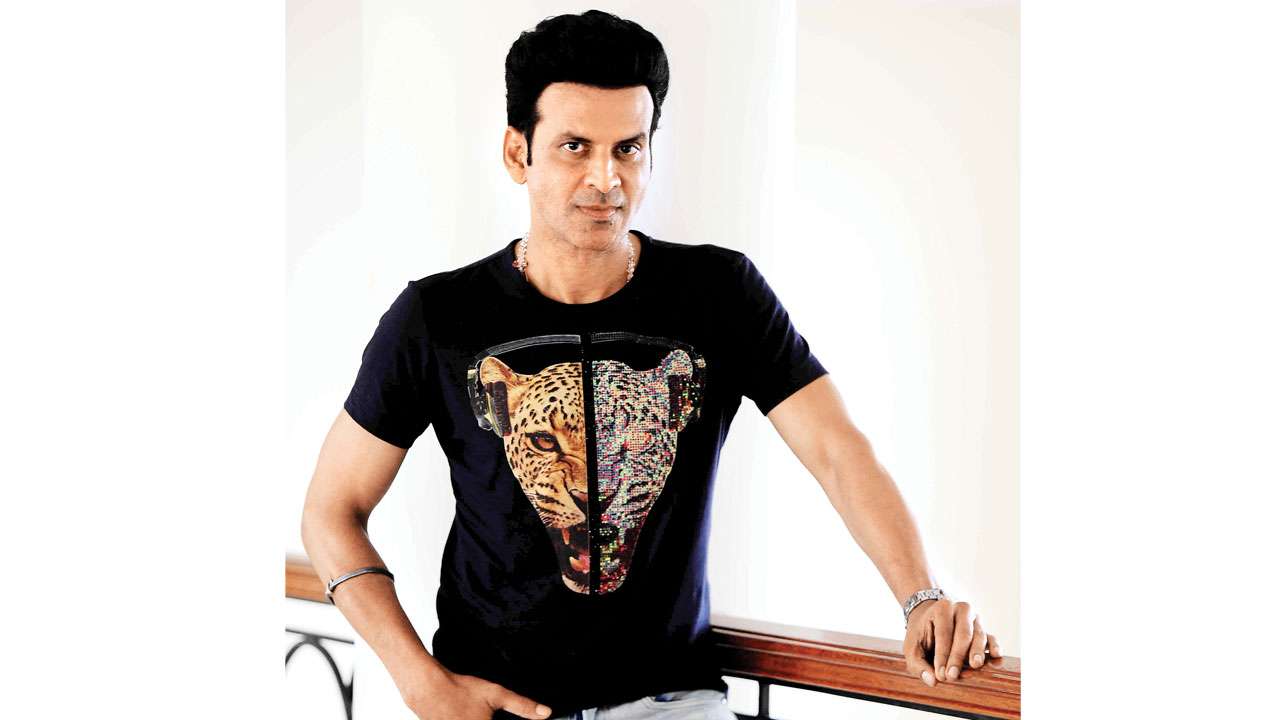
Meena Iyer (DNA; September 22, 2018)
It’s raining films for Manoj Bajpayee. The actor, who will complete 25 years in showbiz next year, is enjoying this phase where he is feted, felicitated and rewarded with mainstream fare like Satyameva Jayate to the hatke stuff like Love Sonia and Gali Guleiyan. Right now, Mumbai is more like a stopover port for the 49-year-old, who has been travelling the world with his work. And though home is where the heart resides, Manoj admits that he also has to adjust being a suitcase daddy sometimes.
Excerpts of our chat with the multi-talented artiste, who never fails to surprise.
It’s been a Manoj Bajpayee season; it began with Aligarh and continues to gather momentum, right?
The typical response would be that God has been kind. But then, that’s also the truth. You have been a part of this business for a long time, in fact, you were around, much before I arrived on the scene. You know the nature of this business. One never knows when one movie starts and how the ball keeps rolling. You need to find a reason for it, so you can repeat the same thing in the coming season. But it never happens. Over the 24 years that I have been here, I have come to only one conclusion; when it’s happening, be happy and celebrate. In this field, the lows are too many and the highs are too few. So if you don’t celebrate, you will miss the train (laughs). No matter how big a star you are, you will feel lonely, left out and miserable. But the best part is that when the high comes, it can either spoil you, ruin you or make you think that you’re the best.
You’ve been able to mix and match very nicely. After a Satyameva Jayate, you also had a Gali Guleiyan.
This year has been great for middle-of-the-road films. Missing is doing well on the digital platform, but sadly, it wasn’t distributed too well during its theatrical release. Gali Guleiyan, too, has managed to generate curiosity and become a talking point, by the grace of God. It’s an independent parallel film, there is no denying it. But once you sit through it, it will not leave you easily. I’m proud of it.
Considering the whirlwind it has been, how are you holding on to sanity? Obviously, you have your wife Shabana and daughter Ava Nayla at home...
The sanity of the experience lies in keeping yourself intact. I’ve been doing a lot of things.
You’re doing a digital series, too, with Raj Nidimoru and Krishna DK.
Yes, we will be finishing it this month. It’s an amazing series about a middle-class guy, who tries to balance the demands of his job and family. He’s an intelligence officer and there’s this myth that they are like Superman. Through it, you understand what a government official working in the intel does, goes through and what happens to his family. There’s also a cultural difference as he’s from Benares while his wife is from South India and their children are studying in an English Medium school in Mumbai. So, you have three different cultures under one roof, failing and succeeding to strike a balance between both worlds. It’s a great subject and we’ve shot some amazing sequences.
Tell us about your experience with Love Sonia, though it’s a special appearance.
When it was first offered to me, I said no. It’s a pathetic character, I didn’t want to do it. I turned the complete black into some grey; that was my contribution. It’s a small role, but it stays with you. Director Tabrez Noorani, producer David Womark and I have put our minds to this character and have tried to make him look like a businessman who thinks he is a saviour of the girls. Pimp is too small a term for him, he is actually managing the racket or the mafia of human trafficking. He believes that he is a businessman and anyone who tries to ruin his job is in danger. We’ve given him a complete human look, and when he changes his colours, it baffles you as to how anyone can be such a chameleon. When you see his dark side, he is fearful and dangerous. On the other side, he is a father, mentor, guide and saviour of the girls. You see everything in him, but you can’t mess with his business as he calls it. I’m supporting the film because the issue is close to my heart. I fail to understand why in the world, none of the governments of any country could bring this into the forum of the United Nations and make it a global rule that people involved in human trafficking are given such a strict punishment that the message goes out to everybody.
Globally, films like Aligarh, Gali Guleiyan and now, Love Sonia have been earning you a lot of notices. How does that feel?
Demi Moore didn’t speak to me after Love Sonia. She was very chatty with me before it started. When Simi Garewal saw it in Melbourne, she said please don’t talk to me (laughs). So, I know for a few days, I’m going to lose some of my female fans because of the feelings my character evokes.
With your performances garnering international acclaim, are you looking at more opportunities in the West?
Yes, at the insistence of a few of my friends, I’m looking westwards. I’ve spoken to some and they have been selflessly working on finding a way to promote me. David is one of them. Tabrez is doing it in his way. Deepesh Jain, who is based in Los Angeles, is doing it for Gali Guleiyan. There are other friends in LA, and they have been at it, too. Also, because they love me as a performer, they feel I should find some work there.
How does being a suitcase daddy work for you? How does your daughter Ava Nayla react?
Since the last few months, I have been at home. My wife Shabana says this is what she likes. She knows that I will be coming home for a few months. It doesn’t matter if I’ll be leaving early morning and returning in the evening. So, it’s a good feeling. I’m loving it too. But now, they’re bored of me (smiles). That’s the life of an actor.
You’re looking leaner. Have you been hitting the gym and eating healthy?
Yes, I’ve been eating well, leading a very healthy life. I quit smoking 13 years ago and hard liquor as well. I used to have white wine earlier, but now I’ve quit that, too. For the last few months, I’ve been a teetotaller.
Has that been easy?
It’s very easy. In the 24 years that I have been an actor, you know how to switch off. I started believing that it was not all fluke, it was a lot of hard work. That’s the good feeling I have.
How good a driver are you considering you started late?
I’ve become a good and safe driver. I’ve been learning cooking also. I’m learning to become a good husband and a good father. When I’m at home, I try to be with my daughter. She shouts at me when I’m on my phone. She immediately says, ‘Papa, shut your phone.’ She demands my attention, which is good.
If others can want your attention, your daughter can also want it.
My daughter doesn’t want it, she grabs it (laughs).
Love Sonia has been a tough journey but definitely worth it-Tabrez Noorani
8:06 AM
Dhaval Roy (DNA; September 15, 2018)
Love Sonia has just released in India and its director Tabrez Noorani is excited to bring the tale of human trafficking to a wider audience. “It’s like the line from Life of Pi (2012) — ‘The story’s yours now’. This one belongs to the viewers and I am making them a part of the journey that may not be an easy one,” he says. However, the Hollywood producer (Slumdog Millionaire, 2008; Eat Pray Love, 2010 and more) and now debutant director hopes that cinegoers will leave the cinema hall with hope and a ray of light after seeing the courage of the characters and real-life survivors. The filmmaker talks to us about the challenges of making the movie and more.
The idea of Love Sonia believably germinated in 2003 when you worked towards rehabilitating human trafficking victims. What took the film so long to make?
It’s taken a lot of time for various reasons — the tough topic, money, casting and not having stars attached to the project. We ran into a wall because there was no one to fund a movie about human trafficking at that point of time. We wanted to be in the business with the right people and not someone who would exploit the film. So, I refused to compromise and let someone milk the situation. We also had to be extremely careful that we were respectful to the victims and honest to the subject. After all, these were girls I have known and helped rehabilitate. So, it’s been a tough journey but definitely worth it.
Tell us about casting for the film...
I had to chase Richa Chadha and Manoj Bajpayee both. Richa didn’t know me from Adam and I refused to do a script narration because I don’t know what that means. I sent her a draft and she wanted to make sure that the one she read was the same that I would make. But once we started talking, she became more confident about me as a filmmaker and then she took the script to another level. I just got extremely lucky that everyone came on board.
Didn’t you feel the film was getting too delayed?
I’m glad I didn’t make this earlier because the research continued and I kept developing the characters. After the first season of Sense8, I decided to stop producing and focus on this project.
In spite of having produced a number of big Hollywood flicks, why didn’t you venture into direction earlier?
I wanted to debut with this film. I believe for your first outing you need to make something that you feel passionately about. I had other offers, but I felt anyone else could have directed those films but no one could have done this one.
With realistic cinema, filmmakers can often get self-indulgent. How did you ensure that didn’t happen with your movie?
Yeah, self-indulgence was one of the biggest concerns for me. And that’s why I had members of the NGOs as well as trafficked girls on the sets in Los Angeles, Hong Kong, and India. Survivors were also involved in the scripting and editing processes and we made a conscious effort to not exploit the exploited. Once both parties saw the film, it was a validation that we navigated the land very well.
With many so-called parallel films doing well in India these days, do you think it’s a good time for stories like Love Sonia?
Absolutely! I think the audience here has been more open to different kinds of films of late — more than they were, say, three to five years ago. India is making such fantastic cinema, whether it’s a large film like Padmaavat (2018) or a low-budget one like Titli (2014). People here want to go see Stree and a Gali Guleiyan releases at the same time, too.
Which films have impressed you of late?
I thought Titli was an outstanding movie. Udaan (2010), Masaan (2015), Anurag Kashyap’s works, and the Marathi film Fandry (2013) were quite impressive.
What’s next? Would one have to wait too long for another film from you?
Hopefully not. I’m working on two films and they will be very different from this one.
Apart from human trafficking, is there another cause you’d like to make a film on?
That’s an interesting question, but I haven’t thought about it. Anyway, this work won’t end after the release of the project. Trafficking is a massive problem all over the world and I can do anything to help tackle it — even if I have to disguise it in the form of a movie, I would do it because down the line, it will create awareness.
Fenil's Bollywood Talk # 533
9:42 AM

A ‘THANDA’ FRIDAY AS 3 NOT-SO-EXCITING HINDI FILMS TO RELEASE; THE NUN TO DOMINATE!
The last week turned out to be very exciting as the Rajkummar Rao-Shraddha Kapoor starrer Stree turned out to be a surprise super hit. There are talks that it may earn around Rs. 56-57 crore in Week 1 and cross Rs. 100 crore mark. What will benefit Stree is that the Hindi releases tomorrow are not at all exciting for the viewers. My analysis:
PALTAN: It is directed by J P Dutta and is the third film in his ‘war triology’ after Border and LOC Kargil. The premise of the film has caught attention as it talks about the war that happened between India and China in 1967 and where the former won. Shockingly, this bit of information never became known and as alleged by the makers, the government then didn’t publicise about it either. Paltan promises to tell this untold story. The star cast comprises of a lot of actors like Jackie Shroff, Arjun Rampal, Sonu Sood, Gurmeet Choudhary, Harshvardhan Rane and Siddhanth Kapoor. Sadly, the trailer looks weak and the manner in which the war scenes are shown looks amateurish. The dramatic manner in which J P Dutta had especially shot Border is missing. Songs haven’t worked at all. The buzz hence is very less. The film can hope to have around Rs. 1-2 crore opening.
LAILA MAJNU: It’s produced by Imtiaz Ali and Ekta Kapoor and is the directorial debut of Imtiaz’s brother Sajid Ali. It is not a debut as such but the first lead roles for Avinash Tiwary and Tripti Dimri. The film has been shot in Kashmir and promises to be an eternal love story. The trailer has evoked mixed reactions and the lead actors sadly haven’t really generated excitement. That’s not good news for a film that has unknown faces. What has kept the film in the news is Imtiaz Ali backing it and the songs. Again, music isn’t chartbuster but has got noticed. Just like Paltan, Laila Majnu is all set for a poor opening of around Rs. 1-2 crore. It’s very difficult to say as of now which film will open better out of the two.
There’s one more film releasing tomorrow, titled Gali Guleiyan. Titled In The Shadows for international market, it stars Manoj Bajpayee and as per response, it is said that it is one of his finest acts. But it’s too niche and getting a very limited release.
The film that however is expected to be the top film this week is The Nun. It is the fifth film in The Conjuring Universe. All it’s films have been immensely successful. In fact, The Nun can have an opening in the Rs. 7-8 crore range. The Conjuring 2 in 2016 earned Rs. 61.18 crore and The Nun definitely has chances of reaching this mark or even crossing it.
WHICH FILM WOULD YOU LIKE TO SEE AND WHY? DO LET ME KNOW!

Om Singh was a victim of violence-Gali Guleiyan director Dipesh Jain on the child actor
8:06 AM

Sonil Dedhia (MID-DAY; August 30, 2018)
Having found a place in many film festivals across the globe since its release in October 2017, debutant director Dipesh Jain’s Gali Guleiyan attracted several accolades from cinephiles. But, few are aware about the daunting past of child-actor Om Singh, whose story is reminiscent of that he plays on screen, of a victim of physical abuse.
Talking about the casting for Manoj Bajpayee-starrer Gali Guleiyan, which chronicles a man’s obsession to rescue a child from abuse, Jain says he auditioned 2,500 boys before zeroing in on Singh. His search ended at the Salaam Baalak Trust in Delhi, where he found the boy who turned up there after running away from home owing to physical abuse. “I was shocked to learn that Om had been a victim of child violence. I had found a real-life Idris [the character Singh plays in the film],” Jain says.
Having commenced working with the child, Jain even incorporated incidents from his life into the script. “He told me that after many abusive nights, he ran away from his home and ended up at the old Delhi railway station. Not knowing what to do, he would sit at a spot and watch people pass by. So, we decided to shoot [that event] at the same spot and on the same platform.”
For the child, there were also moments that helped him understand love, when filming for the venture. “Until we began shooting, the only thing that Om knew about human touch was one that dealt with abuse. In a particular scene, it was needed that he run and hug his mother [Shahana Goswami]. But Om would always freeze. Later, I realised what was worrying him. So, we altered the scene to show Shahana kissing him on his cheek instead. He started blushing, but realised that there is more to a touch than one that leads to a slap.”
The venture also stars Ranvir Shorey.

Gali Guleiyan has been my most difficult role-Manoj Bajpayee
8:16 AM
Rinky Kumar (DNA; August 28, 2018)
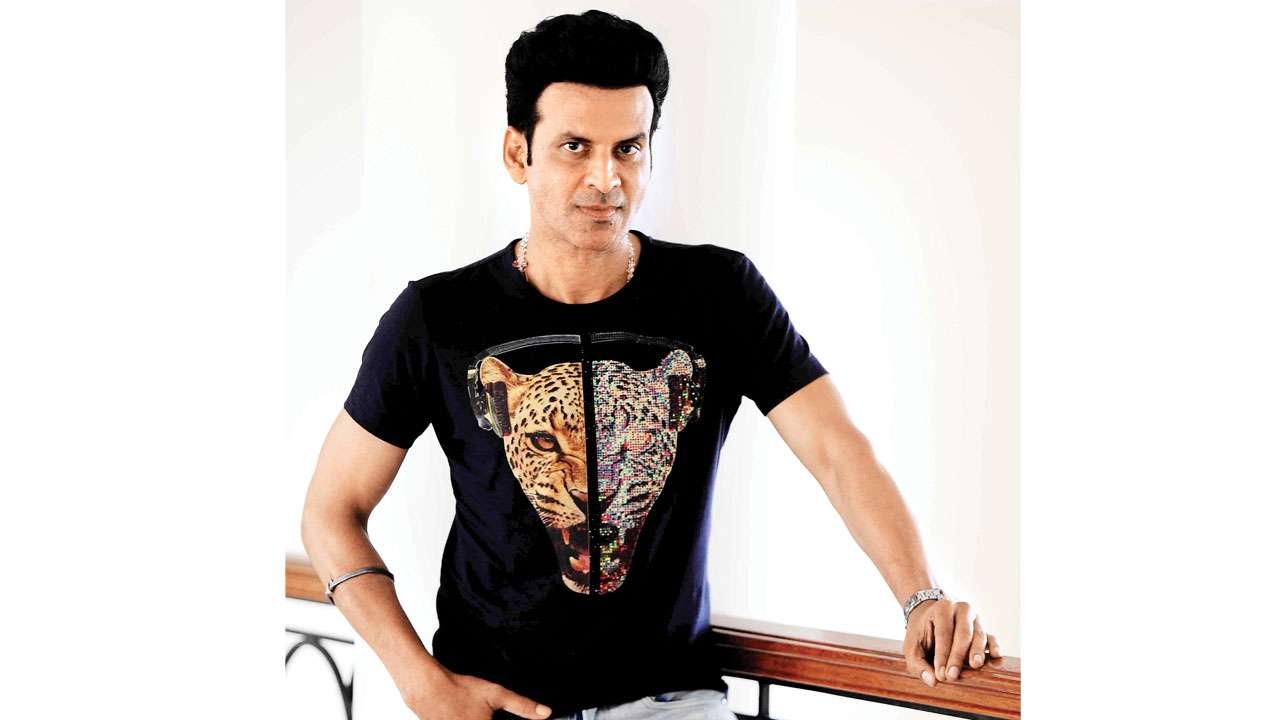
Manoj Bajpayee is among the rare breed of actors who surprises us with each performance. In his career spanning over two decades, he has lent his unique touch to diverse characters and straddled commercial as well as offbeat cinema adeptly. The actor, who is having a dream run at the box office this year, with as many as four releases, is now gearing up for his forthcoming film Gali Guleiyan. Directed by debutant Dipesh Jain, the pyschological drama is about Khuddoos, an electrician living in self-imposed isolation and battling his inner demons. His life takes a turn when he starts looking for a child, who is regularly assaulted by his father and feels that he should rescue him. The movie has already been screened at various international film festivals including the 22nd Busan International Film Festival, Indian Film Festival of Los Angeles, Atlanta Film Festival, 42nd Cleveland International Film Festival and Chicago International Film Festival. In a freewheeling chat, the 49-year-old, who recently bagged the Best Actor Award at the Indian Film Festival of Melbourne (IFFM) 2018, talks to us about playing such a layered character and why this movie is close to his heart. Excerpts…
What appealed to you about Gali Guleiyan?
It’s a story that is untold on our Indian screens. It is about a man with a complex mind, who is scared to get out of his house and face people. My character, Khuddoos, is trapped in the lanes of old Delhi and in some way trapped in his own mind where he feels comfortable with all the puzzles that he is trying to solve. His only friends are the four walls of his home and the CCTV camera monitors that he has installed there. When I read the script, I realised each and every page was a revelation. It was like peeling an onion. You don’t know what is going to unravel in the next layer. I loved this element about the script and felt I should go ahead and challenge myself.
What were the challenges that you faced while portraying such a character?
Layered and nuanced are the apt words to describe Khuddoos. You are actually trying to understand a mind that is full of darkness, complexities and the deeper you dig in, the more you understand this person. That’s why this is the most difficult role I’ve done till date. Every time, I ventured further into understanding this character, I would discover more layers to him and then explore them further. So, the work continued till the end of the shoot. On the 28th day, I finally told my director to wrap up the shoot as I couldn’t do it anymore; I thought I was on the verge of a nervous breakdown. Gali Guleiyan is an engaging film. It has been screened at more than 23 International film festivals and we had a few private screenings here. The response that we have received is phenomenal. After watching it, viewers don’t know how to come out of the world that they have just seen. That is the job of the story — to take you through the character’s journey and to expose you to the world that has never been seen before.
How was the experience of working with a new director?
Dipesh’s clarity is impeccable. He knew exactly how he wanted to shoot the film. He did a lot of research and prepared for this project. At the same time, he was open to seeing how the characters are moving and the actors improvising. He was ready to capture each and every movement of the actors.
The trailer has received a good response and the movie has struck a chord with international audiences too. What’s the reason?
It’s the story of a man people have empathised with. They were completely taken in by his life’s journey, the mental trouble that he has been going through. People could relate to these things and somewhere they were shaken up by the misery in the way he has accepted all the turmoil in his life.
This has been a great year for you professionally. You have had as many as four releases till now…
I feel lucky and blessed. The year started with Aiyaary which was one of the best performances of my career, followed by Baaghi 2, which was a blockbuster. Then came Missing, a psychological thriller which is doing well on an international streaming platform. My last film, Satyameva Jayate, is a sleeper hit; viewers were whistling and clapping while listening to my dialogues and now it’s Gali Guleiyan. It has passed the test of the international audience, now we are bringing it here for Indian viewers.
Produced by Shuchi Jain of Exstant Motion Pictures, Gali Guleiyan will release in India and worldwide on September 7
Subscribe to:
Posts (Atom)