Showing posts with label Faraaz. Show all posts
Showing posts with label Faraaz. Show all posts
Visiting Ranbir’s house felt slightly different because they were famous-Zahan Kapoor
10:20 AM

Zahan Kapoor, fresh off the success of the hit show Black Warrant, speaks about making his own way as a lesser known Kapoor, his beginnings in theatre, and growing up with star cousins Ranbir, Karisma and Kareena
Priyanka Sharma (MID-DAY; February 2, 2025)
Star kids are not discovered. They are launched, unless you are Zahan Kapoor. He made his screen debut three years ago with Hansal Mehta’s poignant drama Faraaz, but his breakout role finally came three weeks ago, with Vikramaditya Motwane’s prison drama series, Black Warrant. Audience praise for his turn as a rookie jailer grew into curiosity, and viewers slowly learned that a new Kapoor had entered the industry.
Kapoor is the grandson of Shashi Kapoor, grandnephew of Raj Kapoor, nephew of Rishi Kapoor, and second cousin of Ranbir, Kareena and Karisma. On the maternal side, he is the grandson of veteran filmmaker Ramesh Sippy. As he speaks to us, sitting by Prithvi Theatre—also second home to him—Kapoor is happy his surname reached the audience after his work. “I am proud that my work has spoken before me,” he smiles.
Not that the actor’s debut had gone unnoticed. Whoever watched Faraaz reserved praised for him, but it didn’t translate into an immediate buzz around him. He must have been advised to hire a PR, at least? “Yes, but that’s a lot of money also and I don’t have that kind of money. I know no one will believe me.” That’s not the only unbelievable, rather unexpected, aspect of the young actor’s journey. “I didn’t know what the relevance of my family was growing up,” he shares. It was a lot to do with both his parents—Kunal Kapoor and Sheena Sippy—not working in the film industry.
“I didn’t have that ‘filmy bubble’ pressure. I was very separated from it, which I am very grateful for, because it helped me to stay connected to the world. I was exposed to the world at large,” he says. Even before he aspired to be an actor, Kapoor was passionate about horse riding, which took him to different cities in the north, opening up his world-view further.
When the films and storytelling bug finally bit him, the pursuit of an authentic connection with his prospective audience also brought the need to learn the language to communicate with them. “No one in my family speaks in Hindi. And in school, I had dropped out it [Hindi elective]. That was the main issue for me,” he recalls, “I am dyslexic— I am a visual thinker. I had a really hard time in school and languages were especially difficult for me.”
Tell him that the Internet has taken note of his command over Hindi, which seems to be a disadvantage of many of his contemporaries belonging to film families, and he promptly replies, “Theatre ki wajah se. Woh bhi maine prayas kiya hai. Abhyas karte raho (It’s because of theatre. I worked hard at it, you have to keep practising).”
“I read short stories, poetry, and literature. Currently, I am reading a lot of mythology. Manav Kaul has written such lovely short stories. He has such a lovely contemporary voice. I am reading Purano ki Kahaniyan. I keep going back to Manto, Harishankar Parsai is hilarious,” he adds.
Kapoor says he also relied on the companions he has curated over the last decade. “I surrounded myself with people from different backgrounds. People I can listen to, learn from and grow… I like language and articulation, because that’s how you connect with someone. I still struggle. I want to be good enough to really write and have control, to write real poetry,” he says.
Of course, the rest of his family is already in awe of his skill with the language. “My family thinks I speak marvellous Hindi. They say, ‘Waah, your Hindi is the best’. And I tell them, ‘That’s because I worked the hardest’,” he laughs.
Theatre was not just the proving ground for his Hindi skills, but also his acting chops, and this was intentional. He was terrified of being launched as a Kapoor kid that he decided to take what he calls a “rooted approach”. “Not that people were saying, ‘This is the next hero’. That was never the case,” he says, “People looked at me with doubt, thinking ‘Do you have it in you?’ Some were okay to take a chance on me because I had the name. But I didn’t want to risk my entire career on a chance that someone would take only because I am a Kapoor. Which is why I decided to do theatre and learn my craft,” he says.
The result was he debuted on stage with Pitaji Please before making it to the silver screen. In between Faraaz and Black Warrant, the actor also did another play, Siachen, co-created with his Faraaz co-star Aditya Rawal.
He credits his parents for making it clear since the beginning that he would have to stand on his own feet. “My parents told me, ‘We will emotionally support you but won’t call people and ask them to cast you’.”
“I am not asking for support from my family,” he adds, “I say, ‘I will do it on my own but I will come back to you only to ask how my work was and then you guide me’.”
So, his famous cousins also remained just family, never contacts. Kapoor recalls growing up around his star cousin, Ranbir. “Visiting Ranbir’s house felt slightly different because they were famous and successful. Still, it was very warm. All of us love food, we talk a lot,” he says.
“I used to ask Ranbir a lot of questions and was fascinated that he was working on these big films. Ranbir would talk about his shoots, scripts that excited him or projects that frustrated him,” he recalls. Kapoor is happy that now, for the first time, he is able to share his experiences from the set with them. He tells us that Ranbir recently told him how much he had enjoyed watching Black Warrant.
“My pace is slow. But this is authentic to me. There’s a confidence that comes with slowly doing it. No one handed anything to me; I earned my work,” the newest Kapoor on the block says.
Faraaz is considered a failure by many, which I don’t agree with-Zahan Kapoor
8:26 AM
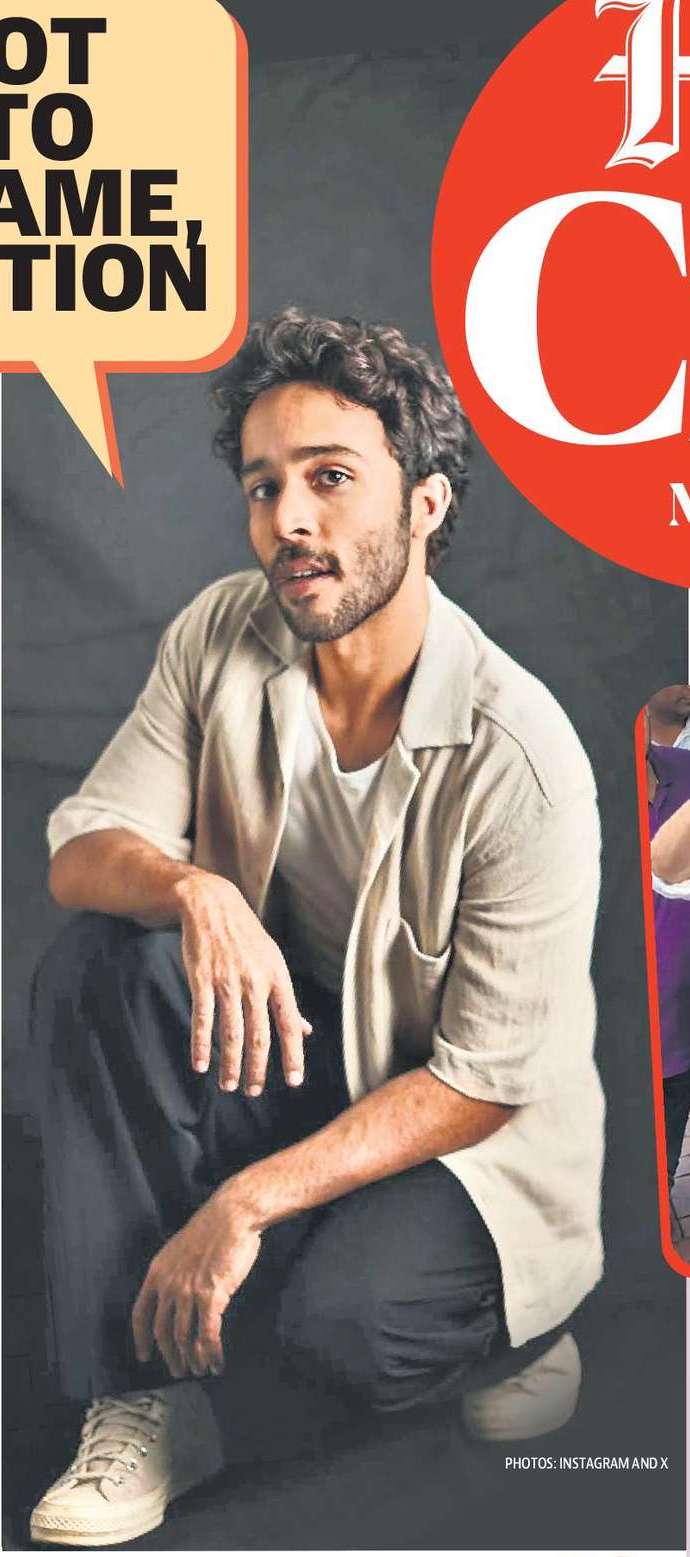
Zahan Kapoor, grandson of late actor Shashi Kapoor, reflects on his breakthrough role that came almost two years after his debut
Akash Bhatnagar (HINDUSTAN TIMES; January 28, 2025)
Coming from a long line of actors starting with the late legend Prithviraj Kapoor, actor Zahan Kapoor has witnessed a diverse range of career trajectories within the family. This made him “focus deeply on his work and craft above all else”.
“I am not here to chase fame and recognition. Success and glamour is not the be-all and end-all (of this profession). It requires a deep work ethic, dedication, persistence, and perseverance,” the 32-year-old tells us.
Zahan, who is late actor Shashi Kapoor’s grandson, made his debut back in 2023 with Faraaz, but both the film and his entry in Bollywood went unnoticed. His breakthrough came this year with the web series Black Warrant.
“Faraaz is considered a failure by many, which I don’t agree with. As an actor, it shouldn’t go to my heart that I didn’t become the talk of the town with my first film, or that I’m disappointed my first film didn’t make a bang. Failure should not really go to your heart where it disappoints you,” he feels.
Zahan admits that his approach does not centre around only success, adding that things could have gone wrong with the recently released show, too.
“If we look at things in terms of what is available on OTT, there is definitely a trend to exaggerate and use violence as the point of attraction. And sometimes, that is viscerally enjoyable. But whether a story requires it or not, it comes largely down to the maker and their choice and sensibilities. Depending on what it is that you are trying to invoke, you might choose differently. I deeply value that approach as well as any other,” he ends.
‘WHAT HAPPENED IS DEEPLY UNSETTLING’
Addressing the attack on his cousin, actor Kareena Kapoor’s husband, actor Saif Ali Khan, Zahan says, “What happened is deeply unsettling and took over a lot of our mind space... There is a lot of speculation and I don’t want to add to it anymore... It’s hard for everyone involved. I’m just happy that he is safe and making a strong recovery... I hope that they can get past this incident as I know it’s difficult.”
My film Faraaz had to bear the brunt of Bangladesh’s authoritarian regime-Hansal Mehta
8:12 AM

Chandrima Pal (BOMBAY TIMES; August 8, 2024)
In the backdrop of the socio-political upheaval in Bangladesh, Hansal Mehta, whose film Faraaz was based on the Holey Artisan Bakery hostage-shootout in Dhaka (2016), expressed his views on what he said was the ‘tyranny’ of the ousted government that had banned his film in the country. In a social media post Mehta alleged he had been threatened and was under pressure from both ‘Indian agencies’ and ‘senior officials from Bangladesh’, to abort his film, which eventually took two years to find a small theatrical release before streaming on OTT.
In a conversation with Calcutta Times, the Scoop and Aligarh director elaborated on what transpired during the making of the film, the ban and his hopes from the young people and the creative community in the neighbouring country. Excerpts:
You have written about what happened after you decided to go ahead and make your film. But why did you pick this topic in the first place?
This idea came to me from Mahesh Bhatt. He was at an event where Faraaz, the protagonist of our film, was posthumously awarded for his bravery during the shootout. Bhatt sahab was moved by the story and shared the idea with me. I wanted to make the film because I realized it is not just a story about Bangladesh but a story of our times, about the ineptitude of the system in a time of crisis, and the youth of our times, and of the majoritarian chokehold on humanity. In my view, the tragic event was a catalyst for a larger story with a universal message. The characters could have been anywhere, the incident could have happened anywhere.
You have expressed your empathy for the citizens of Bangladesh who have overthrown the Sheikh Hasina regime. Have you been following the recent developments in the country?
I have borne the brunt of the authoritarianism that the people in Bangladesh have been protesting. I know how they pressured me from the point the film was announced. I received calls and messages from various quarters not to make the film. There were senior cops, IAS and IFS officers who tried to intimidate me by saying, “RAW officers want your number.” I would tell them so please give them my number. Unfortunately, they were talking to the wrong person. Intimidation empowers me, it tells me I am doing something right. I even had the Bangladesh High commissioner fly down to Mumbai to meet me and tell me that I should not make the movie because it shows their government “in a very poor light.” This is what authoritarian and majoritarian governments like to do, control people’s voices, silence them. But my film is not critical of the government. In its core it is a human drama. But the litigation kept pouring in and it took me nearly two years to release the film.
What were the exact objections to your film?
The strange thing is all the petitions filed from Bangladesh were from the families of the victims. They were grieving and hurt, I understand. But there were people like this mother who filed a petition saying the film would destroy Bangladesh’s image in the world. They liked to present themselves as a progressive, efficient democracy under the former PM’s regime. And Faraaz was apparently against national interests. It simply did not make any sense and even today we have been going round in circles because the lawyers representing the petitioners simply do not show up. Obviously, the objections were manufactured. They also had a problem with me making the film. Since when did an incident of this nature become out of bounds for any filmmaker?
Bangladesh’s youth have been at the forefront of this uprising. What was your sense of the mood on the streets when you were making your film?
I went to Dhaka quietly to research for my film, and interviewed many young people, survivors and even acquired the rights to the book that takes you through the incidents of the night. Wherever I went I met people who kept saying that they were hopeful that a new Bangladesh would emerge, and they are in for better times. You see, when you suppress common people for so long, there will come a point when they rise in protest. That’s what’s happening now.
You have also been reposting stories about the upheaval that followed the overthrow of the regime.
There is a counter narrative that this movement is powered by extremists and fundamentalists. It is not true. I have met people there. This movement has seen spirited participation of citizens from all walks of life and they are genuinely asking for a change. I hope they get the democracy they had been fighting for.
Are you hopeful about the release of your film now in Bangladesh?
I sincerely hope the film reaches the people it is meant for. We have incurred a considerable financial burden with this ban. But I am always in solidarity for democracy, freedom, equality and justice. That’s what I stand for, my work and my films uphold these values. I am in solidarity with all like-minded people from my fraternity and outside anywhere in the world.
-------------------------------------------------
I am aware of B’desh filmmaker Mostofa Sarwar Farooki’s film on the same incident which was delayed for similar reasons. It finally found a slot on OTT
-------------------------------------------------
The Holey Artisan Cafe incident could have happened anywhere. The characters could be any of us. It is the universal story of a system that fails its people and stifles dissent
-------------------------------------------------
India is not Bangladesh or Pakistan. We have a robust judicial system. It took us time, but the courts ruled in our favour & our film was released here
I have never succumbed to the idea of fame-Juhi Babbar
8:37 AM

Roshni Olivera (BOMBAY TIMES; June 26, 2023)
Juhi Babbar Soni, daughter of Nadira and Raj Babbar, is an established name in the world of theatre, but she now wants to focus on other mediums as well. The actress, who was recently seen in Hansal Mehta’s Faraaz, talks about what lies ahead.
You started your career as a film heroine long ago, but after that, you focussed only on theatre. You are back now. What has prompted this move?
My first film Kaash Aap Humaare Hote was a sweet and simple film. I personally feel I was not so bad in it, but unfortunately, the film didn’t do well. I did get work after that, but nothing that really excited me.
In fact, I feel happy and proud when I look back that even at a younger age, I didn’t succumb to the idea of fame, money or glamour and completely shifted my focus to theatre. There had been a lot of television offers, but that would require me to shoot for almost 25 days at a stretch. Since I had got married and then my son was born, I did not want to be away from him.
In 2018, I did the film, Aiyaary, but unfortunately, the fact that I was back somehow went unnoticed. In 2019, I signed a big film and even shot for it, but then the film got shelved. But the good part was that I got on to social media and started posting pictures and videos and I started getting noticed. That’s how the casting director noticed me and Hansal sir offered me Faraaz. Recently, I shot for Alvira and Atul Agnihotri’s film and a web series, too.
As Raj Babbar and Nadira Babbar’s daughter, was it difficult to approach filmmakers and let them know that you wanted to return to films?
There have been instances where I have expressed my wish to work with certain filmmakers, but I am still not the person who would call someone and say that I was on a sabbatical, and now I am keen to work again. I never really did that. Being my parents’ daughter has always worked in my favour because my father, Raj Babbar, has a good reputation in the industry and is known for being versatile and self-made and my mother is known for her dedication towards her art.
Now that you are exploring other mediums, will theatre take a backseat?
When I did not get good work in cinema, theatre is all I had. In recent times, I have been shooting for movies and web shows, but all along, my play With Love, Aap Ki Saiyaara has also had shows across India. I am already working on another play, so theatre will never take a backseat.
‘ANUP AND I WOULD LOVE TO WORK TOGETHER AGAIN’
Talking about her husband Anup Soni and son Imaan, Juhi says, “I have worked on two plays with Anup – Begum Jaan and Pencil Se Brush Tak. We would love to work together again. But right now, as parents, we try and balance it out with at least one parent trying to be at home with our 10-year-old son. Imaan is aware that his mother is now returning to work slowly. In fact, it is because of him that I am working again… he expressed a wish to see me on screen. I guess his wish was so heartfelt that the universe worked around it.”
-------------------------------------
"If not for theatre, I would be depressed or would have lost confidence. Theatre gave me the opportunity to keep exploring myself as an artiste"
-------------------------------------
"I want to work with certain filmmakers, but I still can't call someone and say that I was on a sabbatical and now I am keen to work again"

Fenil's Bollywood Talk # 773
10:09 PM

2023’S FIRST QUARTER ENDS ON A FINE NOTE THANKS TO PATHAAN
The first three months of 2023 were a mixed bag. But the industry is breathing easy thanks to the super-success of Pathaan. Also, 2022 saw a lot of flops and ended on a low with the debacle of Cirkus. Hence, the few hits and average grossers in the first quarter spread smiles.
2023’s first release was Kuttey, starring Arjun Kapoor, Tabu, Radhika Madan and Kumud Mishra. The film carried limited buzz and failed due to average word of mouth. Pathaan, meanwhile, broke records left, right and centre. The Shah Rukh Khan-starrer was expected to do a business of Rs. 250-300 crores. But it managed to collect around Rs. 515 crores, thereby breaking the long-standing record of Baahubali 2.
A week after Pathaan came two small releases, Faraaz and Almost Pyaar With DJ Mohabbat. Both sank without a trace, though Faraaz got acclaim, more so after its Netflix premiere. Shehzada was released on February 17 and a lot was expected from the Kartik Aaryan-starrer. But it opened below expectations and flopped. Selfiee, starring Akshay Kumar and Emraan Hashmi, shocked the trade and industry with its very poor opening and lifetime earnings.
March, however, was better. Ranbir Kapoor-Shraddha Kapoor’s Tu Jhoothi Main Makkaar did quite well, considering it was an urban romcom. Its lifetime collections are expected to be around Rs. 125 crores. These are very good numbers at a time when films are struggling to cross Rs. 40 or Rs. 50 crores mark. However, due to high costs, it’ll have to settle for an average verdict.
Mrs Chatterjee vs Norway, starring Rani Mukerji, wasn’t a huge grosser. But despite being a niche film, it trended quite well and the word of mouth was very positive. If all goes well, it’ll cross the Rs. 25 crores mark. It was reasonably budgeted and the makers also recovered the entire cost of production from the sale of TV and OTT rights.
Bheed, directed by Anubhav Sinha, was a major disaster. Ajay Devgn’s Bholaa was released in the last week of March. A lot was expected from this film but it’ll be an average grosser at best due to high costs and mixed word of mouth. What also went against the film is that it was released in the month of Ramzan, which kept a section of the target audience away.
Speaking of Hollywood, the films that were released with expectations like Ant-Man And The Wasp: Quantumania and Shazam! Fury Of The Gods, failed. John Wick: Chapter 4, meanwhile, was a pleasant surprise and it’ll enter the Rs. 50 crores club.
The industry now looks forward to the second quarter. Surprisingly, the month of May might not have a single major Bollywood release. But the industry will compensate for it with Kisi Ka Bhai Kisi Ki Jaan’s release on Eid, on April 21, and also with the releases of Shah Rukh Khan’s Jawan on June 2, Prabhas’ Adipurush on June 16, Ajay Devgn’s Maidaan on June 23, and Kartik Aaryan-Kiara Advani’s Satyaprem Ki Katha on June 29.
My offer is open to Anurag Kashyap, Ketan Mehta and a few other friends-Anubhav Sinha
7:57 AM
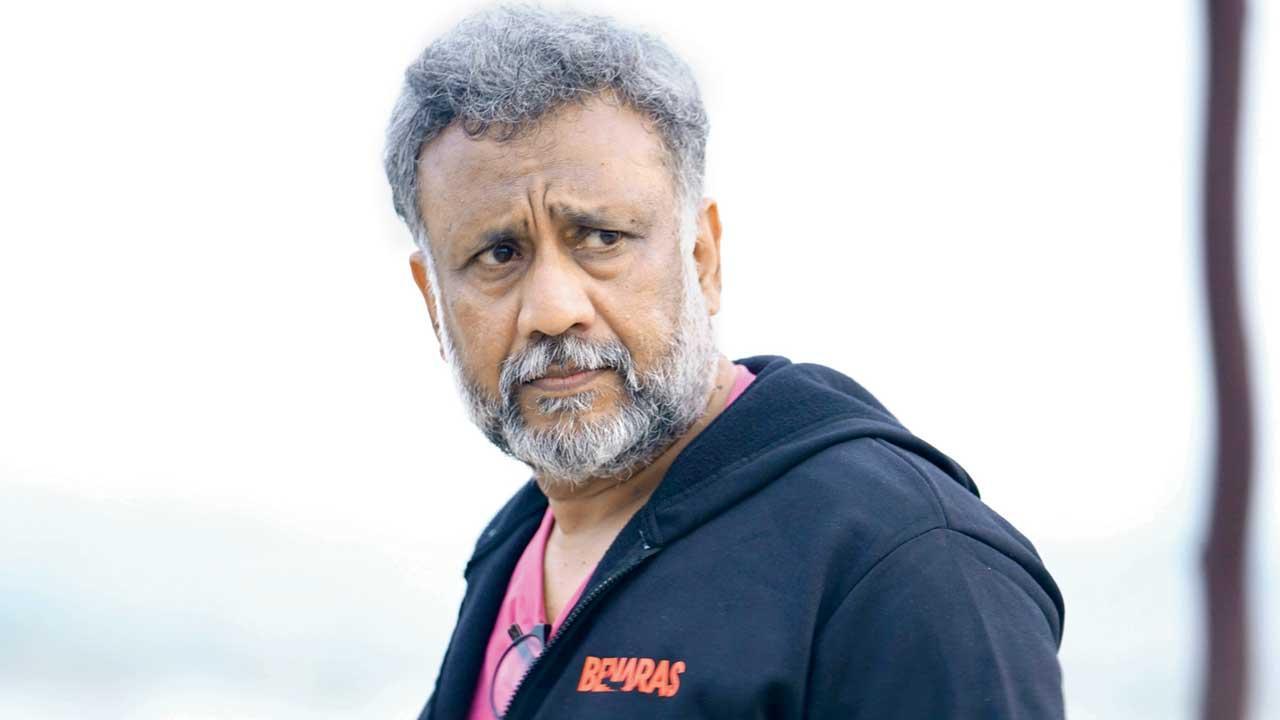
Throwing his weight behind director-friends Hansal and Sudhir’s movies, Bheed maker Anubhav says viewers must explore beyond big-scale entertainers
Priyanka Sharma (MID-DAY; March 31, 2023)
Filmmaker Anubhav Sinha has an open offer for his director-friends. They decide the story they want to tell, and he will throw his weight behind the project. This year, he has backed Hansal Mehta’s Faraaz. “The same offer is open to [Anurag] Kashyap, Ketan Mehta and a few other friends,” smiles Sinha, whose Bheed hit the screens last week. Up next are two productions — Sudhir Mishra’s drama Afwaah, and an anthology.
Sinha and Mishra were trying to collaborate on a film for the past 10 years. It was the Nawazuddin Siddiqui and Bhumi Pednekar-starrer that finally excited them. “It happened organically that I produced Hansal and Sudhir bhai’s films. Sudhir bhai and I talk four times a day, discussing new stories. Producing is creative, social and personal.”
Sinha, who made his feature film directorial debut with Tum Bin (2001), has come a long way in the past two decades — directing hard-hitting films like Article 15 (2019) and Thappad (2020), while enabling his peers to tell their stories.
“I don’t look at what I am doing as helping someone tell a story. That’s too condescending [to others]. I am in a position today where I [have] money [to support] a film that I think should be made. Tomorrow, someone else will be in this position, and he will hopefully say that about my film. It’s about sharing the individual’s belief in the film.”
While he attaches his name to small but significant stories, the audience, of late, seems to show an inclination towards big-scale entertainers.
Point it out to Sinha, and he doesn’t mince his words, as he states, “While one seeks approval from the audience, one also wants the audience to identify a good film and back it. One is disappointed when they don’t go and watch a film like Faraaz, which was about youngsters and got great reviews. They need to explore newer kinds of films. It has become a convenient discussion that some films are made for OTT, and some for theatre. Watching a film on OTT is like having coffee, and not smelling it. In theatres, you can [fully experience] a movie.”
Hansal Mehta told me, ‘You’re posting pictures in a bathrobe but I want you to explore yourself as an actor’-Aamir Ali
8:39 AM
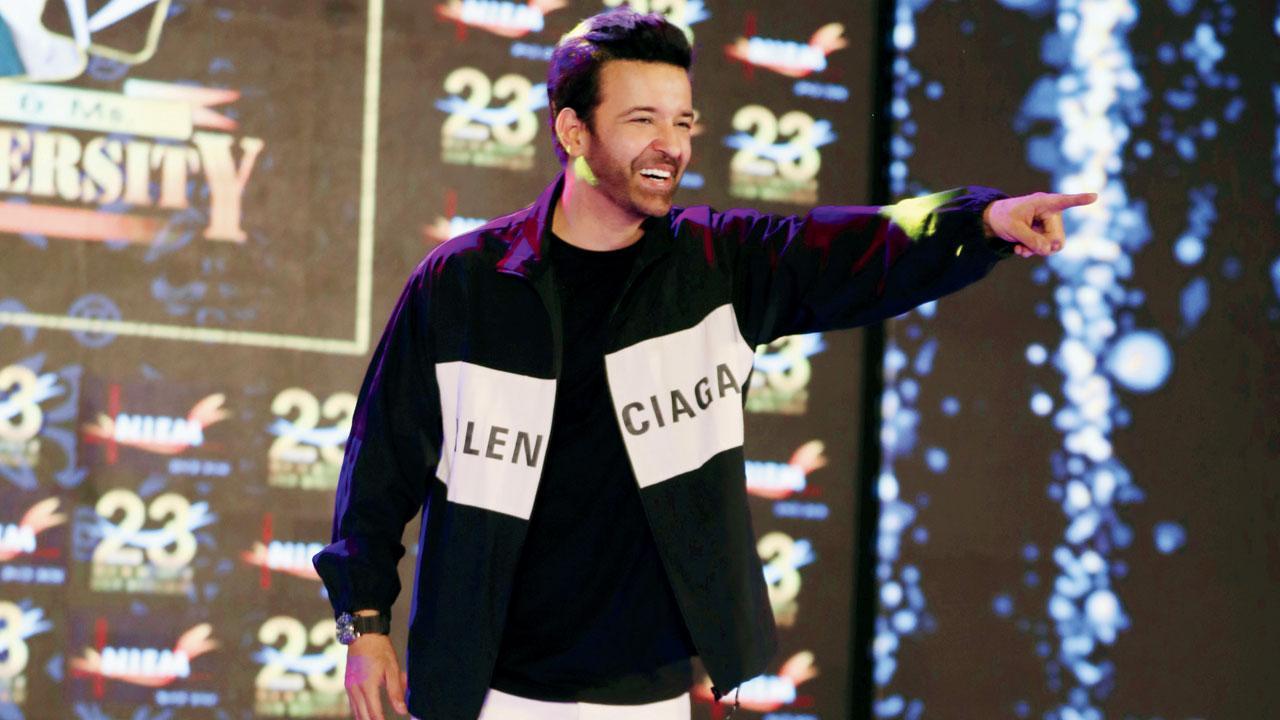
Aamir, who features in Jai Mehta’s Lootere, says director’s larger-than-life vision is different from filmmaker-father Hansal’s style
Priyanka Sharma (MID-DAY; February 21, 2023)
Almost 13 years after his supporting role in I Hate Luv Storys (2010), Aamir Ali returned to movies with Hansal Mehta’s Faraaz. In the drama that retells the 2016 terrorist attack at the Holey Artisan bakery in Dhaka, the actor plays the father of a young girl who is taken hostage. Since the role demanded him to delve into a new space, Ali was initially reluctant.
“I remember Hansal sir told me, ‘You’re posting pictures in a bathrobe [on Instagram], and here, I want you to explore yourself as an actor.’ Initially, I was hesitant as I have never done such a role. I then [rationalised] that Anupam Kher had played a father early on in his career, so I could do, too,” says the actor.
Ali, a frequent face on television, is now looking forward to Jai Mehta’s Lootere, which traces the story of an Indian ship hijacked in Somalian waters. He counts himself lucky to have worked with the father-son director duo in the same year. Does Jai have the same approach to storytelling as his filmmaker-father? “Jai’s [vision] is slightly larger than life. He has a bit of Hansal sir in him. But he has [mounted] Lootere on a large canvas.”
No one is putting me on a magazine cover before my debut film-Zahan Kapoor
8:37 AM
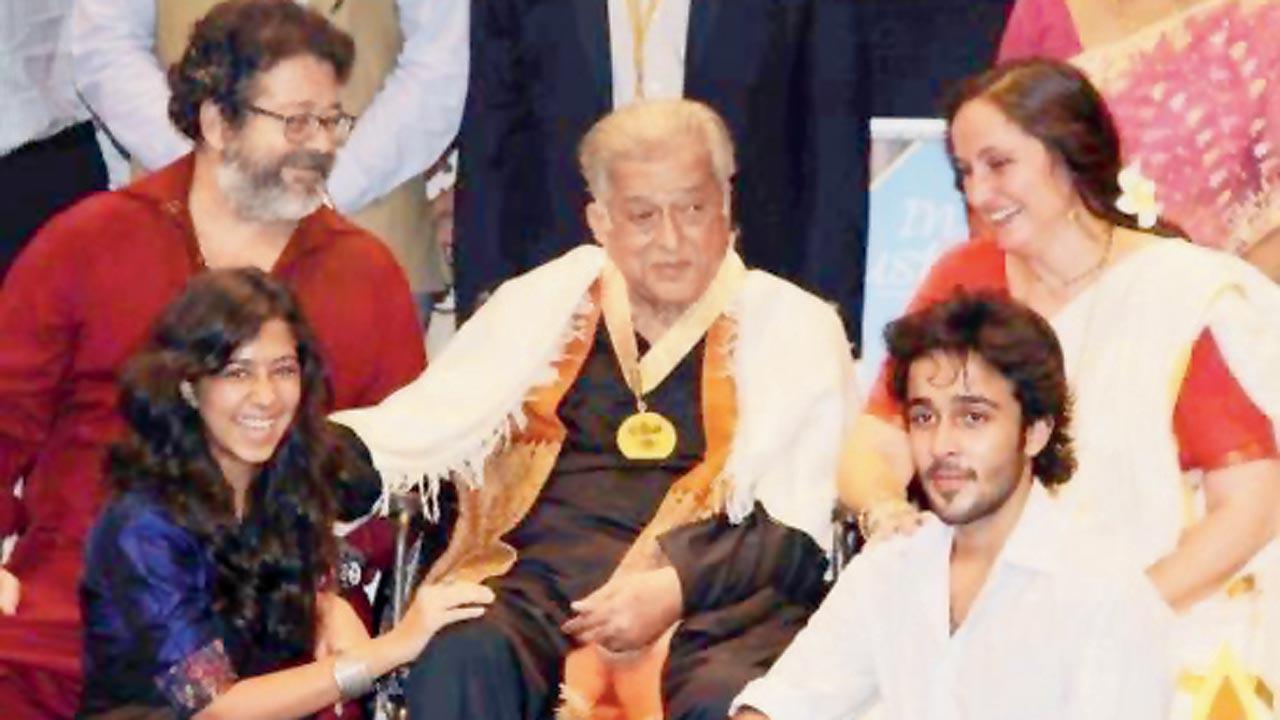
Choosing the gritty Faraaz instead of a glitzy star-kid launch, Shashi Kapoor’s grandson Zahan hopes to ‘earn’ his place in the industry
Priyanka Sharma (MID-DAY; February 3, 2023)
There is bound to be immense curiosity when the late Shashi Kapoor’s grandson makes his Hindi film debut. But Zahan Kapoor wants people to watch Faraaz with the expectation of a good film, not as a star-kid’s launch vehicle.
“My biggest fear is this being construed as the debut film of a Kapoor. If you are coming in with that expectation, you will be disappointed,” he says.
Hansal Mehta’s directorial venture, also starring Aditya Rawal, recounts the 2016 terrorist attack at the Holey Artisan Bakery in Dhaka, Bangladesh, where five gunmen held customers hostage for 12 hours and killed over 20 of them. Zahan plays the eponymous character, a young boy who stood on the right side of faith and humanity in the face of violence.
“This film is not about a character who is prepared to be on a mission; here, the character emerges. Hansal sir’s choice was to show that the guy was caught in an experience, and was compelled to stand by his belief,” explains Zahan.
It’s easy to see that the hostage drama is far from the conventional star-kid launch vehicles that come with a fair amount of razzmatazz. Zahan, son of Kunal Kapoor and Sheena Sippy, says it falls perfectly in line with his family values, where merit takes precedence over privilege.
“No one is putting me on a magazine cover before my debut film. We have to earn our place. I was taught that despite our privilege, we have to be responsible and aware about the reality that surrounds us. My father is an ad filmmaker, and when he started working, we weren’t in a good position, financially. His story was independent of his father’s, and I hope mine is independent too.”
His father often reminds him of the fickle nature of both success and failure. “He often jokes that he could tell how my grandfather’s career was going by the number of bouquets that would come home on his birthday. The biggest advantage is not the family, but the privilege to make our own choices.”
With the movie, he says he has “reintroduced” himself as an artiste to his family that has more than its share of superstars — from cousins Kareena Kapoor Khan and Ranbir Kapoor, to Alia Bhatt. “My family is proud of me. I am happy I could tell [my cousins] that I am also walking the same path, even if behind them.”
Movie Review: FARAAZ by FENIL SETA
2:58 PM

Ever since Hansal Mehta made a comeback with his 2.0 avatar, he has become a director to watch out for. He impressed audiences with Shahid, Citylights, Aligarh, Chhalaang and the much-talked-about web show, Scam 1992. And now, he’s back with a terrorist hostage flick, Faraaz. While he falters at some places with this film, it’s still quite a commendable effort.
The story of the movie: On July 1, 2016, Faraaz Hussain (Zahaan Kapoor) in Dhaka, Bangladesh has a small tiff with his mother (Juhi Babbar Soni) over not going to Stanford for further studies. Both however reconcile after which Faraaz goes to an upmarket café, Holey Artisan, for dinner with his friends, Rabia (Reshham Sahaani) and Tarika (Palak Lalwani). Meanwhile, 5 radicalized terrorists – Nibras (Aditya Rawal), Rohan (Sachin Lalwani), Mobashir (Jatin Sareen), Bikaash (Harshal Pawar) and Khairul (Ninad Bhatt) – trained by a man named Rajeev also arrive at Holey Artisan and attack the patrons. They carefully fire only at foreign citizens and take the Bangladeshi Muslims hostage. While lining up the surviving guests, Nibras, an unofficial leader of the 5 terrorists, is surprised to see Faraaz. Both know each other from college days and Faraaz is meanwhile astonished to see a highly educated Nibras getting brainwashed and joining the terrorists. Outside the café, there’s pandemonium as news of the hostage spreads. Several cops also get killed when they try going close to the café. Meanwhile, inside Holey Artisan, Faraaz is scared for Tarika as she’s an Indian citizen, and he wants to ensure the terrorists don’t learn about it.
Speaking of performances, Aditya Rawal steals the show with his intense performance and looks. He has the maximum screen time of all actors. Zahaan Kapoor has less screen time though the film is named after his character. But he makes up for it with his acting. Also, his innocent, charming looks work for his character. Juhi Babbar Soni leaves a huge mark as a helpless mother. She is lovely in the final scene. Out of the terrorists, Sachin Lalwani is memorable due to his looks, performance and characterization. Jatin Sareen, Harshal Pawar and Ninad Bhatt are okay. Reshham Sahaani and Palak Lalwani are decent. Aamir Ali (Sudhir Sen) gets limited scope. Ashish Bhatt (Musician) is memorable, especially in scenes where the terrorists mistreat him. Nitin Goel (SI Farooque), Amir Shoeb (Zaraif; Faraaz's brother) and the actors playing Rajeev, Dr Salim Iqbal, cafe owner Anwar Mehandi, Manirul of SWAT, Benazir Ahmed of RAB are fine.
Sameer Rahat's music is forgettable. Pratham Mehta's cinematography is raw and neat. Nikhil Kovale's production design is authentic. Shivank Kapoor's costumes are straight out of life. Sunil Rodrigues' action is intentionally gory. Amitesh Mukherjee's editing could have been sharper.
Ritesh Shah, Kashyap Kapoor and Raghav Raj Kakker's story, inspired by a true incident, is intriguing and shocking. Moreover, many Indian audiences are not aware of this ghastly incident and hence, they’ll be curious to know what happens next in the film. Ritesh Shah, Kashyap Kapoor and Raghav Raj Kakker's screenplay is gripping. The film has no boring moments as a lot is happening every now and then and hence viewers will be glued to the screen. A few sequences are very well written and thought of, especially Faraaz and Nibras’ confrontation. Ritesh Shah, Kashyap Kapoor and Raghav Raj Kakker's dialogues pack a punch.
Hansal Mehta's direction is supreme. With his work, he reminds one of Shahid, as Faraaz is also in a similar space, in terms of mood and treatment. He goes all out with the violence and this was needed for the script to make an impact. He also manages to infuse humour into the narrative. This was not an easy feat. The episode of the clash of ideologies between Faraaz and Nibras also happens very organically and it is what makes the film very relevant for today’s times. Hansal also deserves praise as he also successfully shows how the cops and armed forces have the ability to tackle such challenges but are prevented from doing so due to political reasons.
On the flipside, Faraaz’s duration is too long at 113 minutes. The film starts to drag in the second half and ideally, it should have been shorter by 15 or even 30 minutes. The target audience of this film is the elite crowd, which must have seen tighter hostage films from Hollywood. Hence, a shorter run time would have surely helped. Secondly, the ending is a bit underwhelming, especially how the hostages are let off. The whole reason behind it is not convincingly explained. Lastly, this doesn’t make for a comfortable experience and hence, it won’t appeal to a wider audience.
On the whole, Faraaz deserves a watch for its unusual subject, message and powerful performances. The fact that many are not aware of this incident will also help in generating the desired impact. However, the film falters a bit due to the long length and finale.
My rating - *** out of 5!
The story of the movie: On July 1, 2016, Faraaz Hussain (Zahaan Kapoor) in Dhaka, Bangladesh has a small tiff with his mother (Juhi Babbar Soni) over not going to Stanford for further studies. Both however reconcile after which Faraaz goes to an upmarket café, Holey Artisan, for dinner with his friends, Rabia (Reshham Sahaani) and Tarika (Palak Lalwani). Meanwhile, 5 radicalized terrorists – Nibras (Aditya Rawal), Rohan (Sachin Lalwani), Mobashir (Jatin Sareen), Bikaash (Harshal Pawar) and Khairul (Ninad Bhatt) – trained by a man named Rajeev also arrive at Holey Artisan and attack the patrons. They carefully fire only at foreign citizens and take the Bangladeshi Muslims hostage. While lining up the surviving guests, Nibras, an unofficial leader of the 5 terrorists, is surprised to see Faraaz. Both know each other from college days and Faraaz is meanwhile astonished to see a highly educated Nibras getting brainwashed and joining the terrorists. Outside the café, there’s pandemonium as news of the hostage spreads. Several cops also get killed when they try going close to the café. Meanwhile, inside Holey Artisan, Faraaz is scared for Tarika as she’s an Indian citizen, and he wants to ensure the terrorists don’t learn about it.
Speaking of performances, Aditya Rawal steals the show with his intense performance and looks. He has the maximum screen time of all actors. Zahaan Kapoor has less screen time though the film is named after his character. But he makes up for it with his acting. Also, his innocent, charming looks work for his character. Juhi Babbar Soni leaves a huge mark as a helpless mother. She is lovely in the final scene. Out of the terrorists, Sachin Lalwani is memorable due to his looks, performance and characterization. Jatin Sareen, Harshal Pawar and Ninad Bhatt are okay. Reshham Sahaani and Palak Lalwani are decent. Aamir Ali (Sudhir Sen) gets limited scope. Ashish Bhatt (Musician) is memorable, especially in scenes where the terrorists mistreat him. Nitin Goel (SI Farooque), Amir Shoeb (Zaraif; Faraaz's brother) and the actors playing Rajeev, Dr Salim Iqbal, cafe owner Anwar Mehandi, Manirul of SWAT, Benazir Ahmed of RAB are fine.
Sameer Rahat's music is forgettable. Pratham Mehta's cinematography is raw and neat. Nikhil Kovale's production design is authentic. Shivank Kapoor's costumes are straight out of life. Sunil Rodrigues' action is intentionally gory. Amitesh Mukherjee's editing could have been sharper.
Ritesh Shah, Kashyap Kapoor and Raghav Raj Kakker's story, inspired by a true incident, is intriguing and shocking. Moreover, many Indian audiences are not aware of this ghastly incident and hence, they’ll be curious to know what happens next in the film. Ritesh Shah, Kashyap Kapoor and Raghav Raj Kakker's screenplay is gripping. The film has no boring moments as a lot is happening every now and then and hence viewers will be glued to the screen. A few sequences are very well written and thought of, especially Faraaz and Nibras’ confrontation. Ritesh Shah, Kashyap Kapoor and Raghav Raj Kakker's dialogues pack a punch.
Hansal Mehta's direction is supreme. With his work, he reminds one of Shahid, as Faraaz is also in a similar space, in terms of mood and treatment. He goes all out with the violence and this was needed for the script to make an impact. He also manages to infuse humour into the narrative. This was not an easy feat. The episode of the clash of ideologies between Faraaz and Nibras also happens very organically and it is what makes the film very relevant for today’s times. Hansal also deserves praise as he also successfully shows how the cops and armed forces have the ability to tackle such challenges but are prevented from doing so due to political reasons.
On the flipside, Faraaz’s duration is too long at 113 minutes. The film starts to drag in the second half and ideally, it should have been shorter by 15 or even 30 minutes. The target audience of this film is the elite crowd, which must have seen tighter hostage films from Hollywood. Hence, a shorter run time would have surely helped. Secondly, the ending is a bit underwhelming, especially how the hostages are let off. The whole reason behind it is not convincingly explained. Lastly, this doesn’t make for a comfortable experience and hence, it won’t appeal to a wider audience.
On the whole, Faraaz deserves a watch for its unusual subject, message and powerful performances. The fact that many are not aware of this incident will also help in generating the desired impact. However, the film falters a bit due to the long length and finale.
My rating - *** out of 5!
There is a risk in depicting a religion that you don’t belong to-Aditya Rawal
8:20 AM
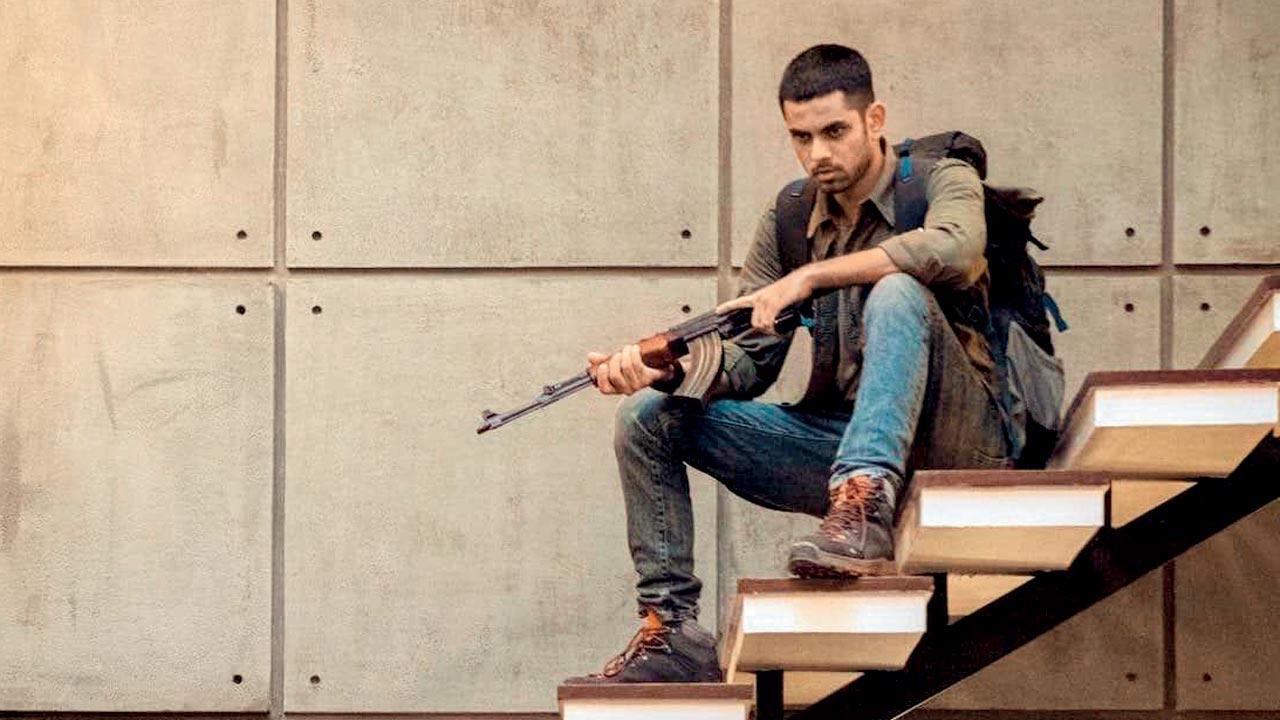
Faraaz actor Aditya says director Hansal Mehta made them undergo workshops to ensure they presented Islamic practices accurately
Priyanka Sharma (MID-DAY; February 2, 2023)
Going into Faraaz, Aditya Rawal understood the responsibility of playing a character that belongs to a religion, which has been unfortunately stereotyped in Hindi cinema. The actor, who plays radicalised youngster Nibras in the hostage drama, wanted to make sure that he portrayed different aspects of Islam correctly. That is where director Hansal Mehta stepped in, approaching the subject with the sensitivity and accuracy it deserves.
“There is a risk in depicting a religion that you don’t belong to. So, Hansal sir roped in the film’s associate writer, Ekhlaq Ahmed Khan, for workshops. [He taught us] how to recite suras, [helped us] understand some facets of the religion, and how the same point can be interpreted in two ways, which is also what the film is about,” begins the actor.
Faraaz, starring debutant Zahaan Kapoor in the titular role, revolves around the 2016 attack at the Holey Artisan Bakery in Dhaka, where terrorists held customers hostage for over 12 hours before killing over 20 of them. Noting that a story so sensitive could be easily misrepresented, Aditya credits Mehta, and writers Kashyap Kapoor, Raghav Kakker and Ritesh Shah for infusing it with empathy.
“From our first meeting, Hansal sir and I sensed the direction we wanted to take for Nibras. A lot of radicalized youngsters are vulnerable, lonely and get [influenced by] the wrong kind of people. They are intelligent, driven boys who could have become world leaders. Instead, they were taken down this dark path.”
While the film is set to release tomorrow, Aditya — who was recently seen in Aar Ya Paar — has earned a nod of approval from actor-father Paresh Rawal. He says he will treasure his father’s compliment for years to come. “My father was quite moved by the film. He said that I should consider myself lucky as actors usually get such stories after spending years in the industry.”
Success has emboldened me to continue being fearless-Hansal Mehta
9:39 AM
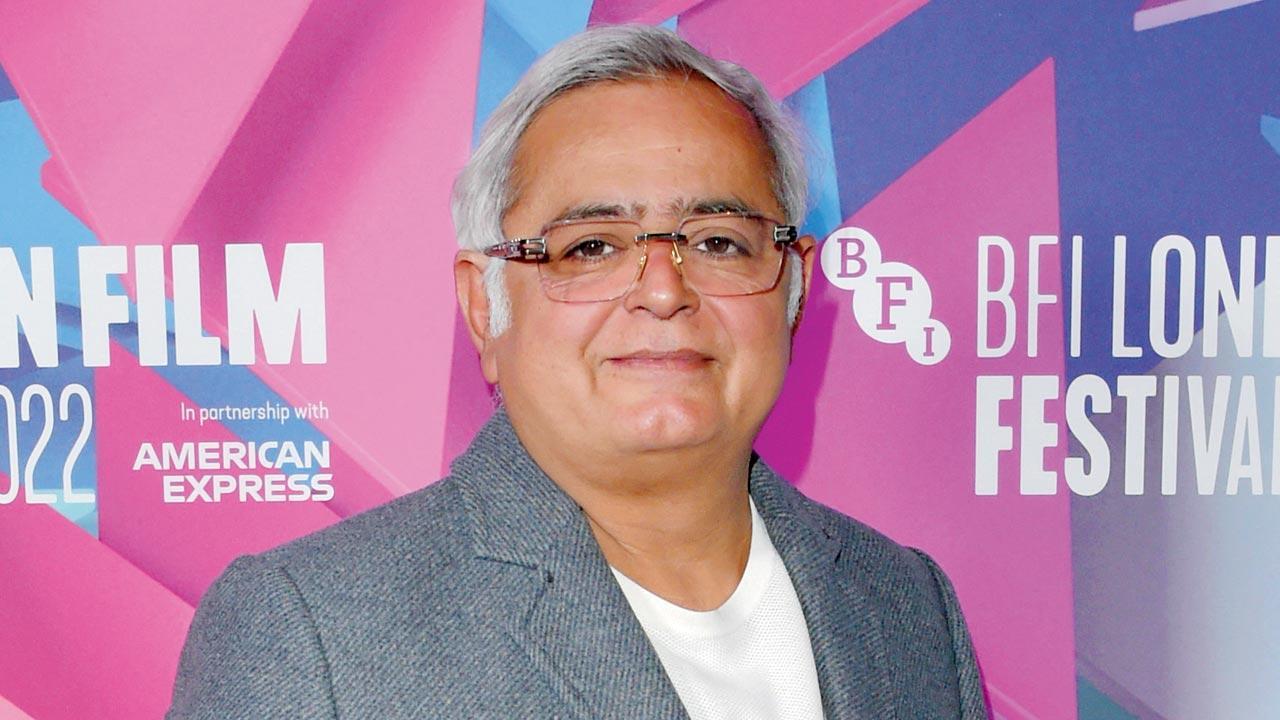
After helming the hit show, Scam 1992, Hansal Mehta on shifting gears to make hostage drama, Faraaz, with new faces
Mohar Basu (MID-DAY; November 6, 2022)
Hansal Mehta, who had a smashing success in Scam 1992: The Harshad Mehta Story (2020), believes that the biggest upside of success is telling stories with abandon, without falling prey to compromises. “What has obviously changed for me is that I make some money,” he quips. “Besides that, I will always do what I do best—tell stories fearlessly. Success has emboldened me to continue being fearless.”
His pursuit for brave stories has led him to Faraaz. After Scam 1992 that caught the nation’s interest, Mehta has shifted gears to make an admittedly “small” film featuring Zahaan Kapoor and Aditya Rawal. The film—which recounts the 2016 terror attack in Holey Artisan Bakery in Dhaka, where armed gunmen held customers hostage for 12 hours before killing over 20 of them—was premiered at the BFI London Film Festival last month.
“It was a conscious decision that the moment Scam 1992 comes out, I will get this film going [regardless of the former’s fate]. I have made it exactly how it should be made. It has no trapping, no stars. Casting for the movie wasn’t easy. We took months to get Aditya and Zahaan. Along with them, there are five new faces in the film. There was an exhaustive audition process; we then workshopped for months. Even when we shot, I would constantly shift the scenario. I wanted people to respond to the scenes in an impromptu way. The film is an example of exceptional casting.”
The hostage drama is set to release at a time when the world around us is increasingly sensitive. What are the challenges of telling stories that have a social impact, at such a time? “Shahid [2013] is on YouTube right now, and is completely mutilated as a movie. It hurts me as a maker. The film begins with the riot sequence eliminated. The challenge is to continue telling stories and find like-minded collaborators. On Faraaz, I lucked out. I found Anubhav Sinha and Bhushan Kumar to back the film. Given the socio-cultural climate we are in, the challenge is to release the film. Even business-wise, these are challenging times and we have to maximise a film’s potential to reach the masses and minimise monetary risk.”
Exhibitors told me ‘Who will see a film about people who don’t look like them?’-Anubhav Sinha
4:01 PM
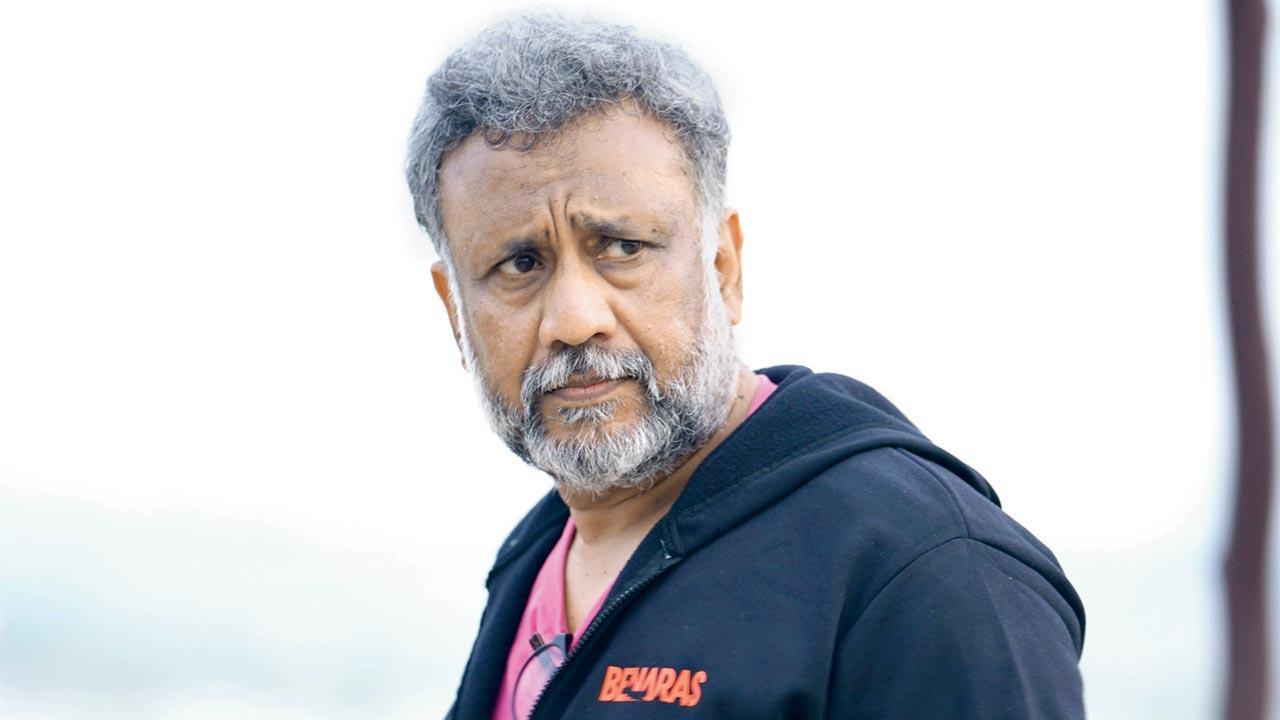
Upset about Anek’s underwhelming run, director Sinha says he had a nagging feeling that mainstream audience wasn’t ready to see north-east actors on screen
Mohar Basu (MID-DAY; June 28, 2022)
With Mulk (2017), Article 15 (2019) and Thappad (2020), Anubhav Sinha married content and commerce. But his hot streak stood broken with Ayushmann Khurrana and Andrea Kevichusa-starrer Anek. When we sit down to chat with the filmmaker, that’s where we begin. “When I made Anek, no one was questioning me. I had three back-to-back successes, so everyone felt I knew something. That isn’t true. Nobody knows anything. When I told Ayushmann the story, he lobbied for it. I wanted to do another film first, but everyone liked this project more,” he says.
Walking into the film that champions inclusivity, Sinha worried whether the mainstream audience would accept north-east actors on screen. “I had the nagging feeling that mainstream India will be put off looking at faces they are not used to. The Hindi accent [used] is not regular either. Within four days of releasing the film, I was in Istanbul with an acclaimed political journalist. He said the reason you made the film is the very reason the [audience] isn’t watching it. It broke my heart further. When I spoke to exhibitors, they said, ‘Who will see a film about people who don’t look like them?’”
Confident of his material, the filmmaker states that a good film always lives on. “It has dropped on Netflix, so it will find more viewers.”
The movie’s political leaning could be a deterrent at a time when the language of Hindi cinema is changing amid the saffron wave. But Sinha believes a movie about mainland authoritarianism should find takers. “The mainland thinks they are India. But I chose the north-east to tell that story. Starting from Mulk to Article 15, there were questionable scenes from the point of view of the State. I am not referring to the current regime, but to the State in general. The CBFC, however, has always been kind to me.”
Anek’s underwhelming response, fortunately, hasn’t shaken Sinha’s belief in his stories. His production house is backing several powerful movies — from Bheed to Hansal Mehta’s Faraaz, from Sudhir Mishra’s Afwaah to an anthology. “I am trying to find a different formula for theatrical release. A film like Faraaz or even Anek is not playing the same game as say, a Bhool Bhulaiyaa 2. I am working on a formula whereby films shouldn’t be denied the opportunity of being in theatres because that’s where the captive audience is. That captivity is a choice at home. It shouldn’t be denied to a film.”

It’s going to be very difficult to find a good reasonable release window-Anubhav Sinha
8:18 AM

Deep Saxena (HINDUSTAN TIMES; March 6, 2022)
Anubhav Sinha is in no hurry to venture into making an OTT series anytime soon. The Mulk (2018) and Article 15 (2019) director shares, “I have a lot of pressure from my team to come up with a series but I’m in no race to do what everyone else is doing.”
However, the filmmaker, who will be shooting his next project in Lucknow soon, admits that he is open to the idea of OTT. “When I find something very exciting and apt for the platform, then I will surely make one or will produce it,” he tells us, adding, “Now that I have become a writer-director, I prefer to go forward when I have a story! Currently, I am taking up projects which have a voice and are related to our society. That’s more the reason that I started to write or co-write, own the project and then execute it to my best ability.”
Sinha’s last film, Thappad (2020) released two weeks before the cinemas shut down due to the pandemic. Two years after, he feels the scenario regarding releasing projects has changed.
“It’s going to be very difficult to find a good reasonable release window. We have around 5,500 screens and fighting for it is the huge backlog of Hindi, Hollywood and now the dubbed south films as well. South films, too, eye for a pan-India release now, especially after the success of Anubhav Sinha (2021). So, it will not be easy to get a solo release. Big films are pitched against each other in the coming months,” he says.
Sinha, however, is not concerned about the fate of cinemas, which he feels will certainly co-exist with the streaming ecosystem. “In West, we have so many big OTT platforms with big-budget content on them. But cinemas still exist. India is no different. So, it will be on a case-to-case basis, and films that are made for cinematic experience will surely hit the theatre first,” he asserts.
Having shot two films in the pandemic, Sinha, 56, has multiple projects lined up. “Anek and Bheed are ready for release. Then, I have director Hansal Mehta’s Faraaz and Ratna’s (Sinha, his wife) film that we have produced. It’s an anthology that I will be shooting in Lucknow after Sudhir Mishra’s story segment is completed. My comedy film Abhi Toh Party Shuru Hui Hai (shot in 2018) is also completed, and we hope it will also release soon, but probably with a new title.”
He also hints that his next project will again be a film he is writing. “But, before that I will take a break, as I have started feeling that I am overworked now,” he ends.
Aamir Ali plays the protagonist in the socio-comic web series, Life Navrangi
8:33 AM
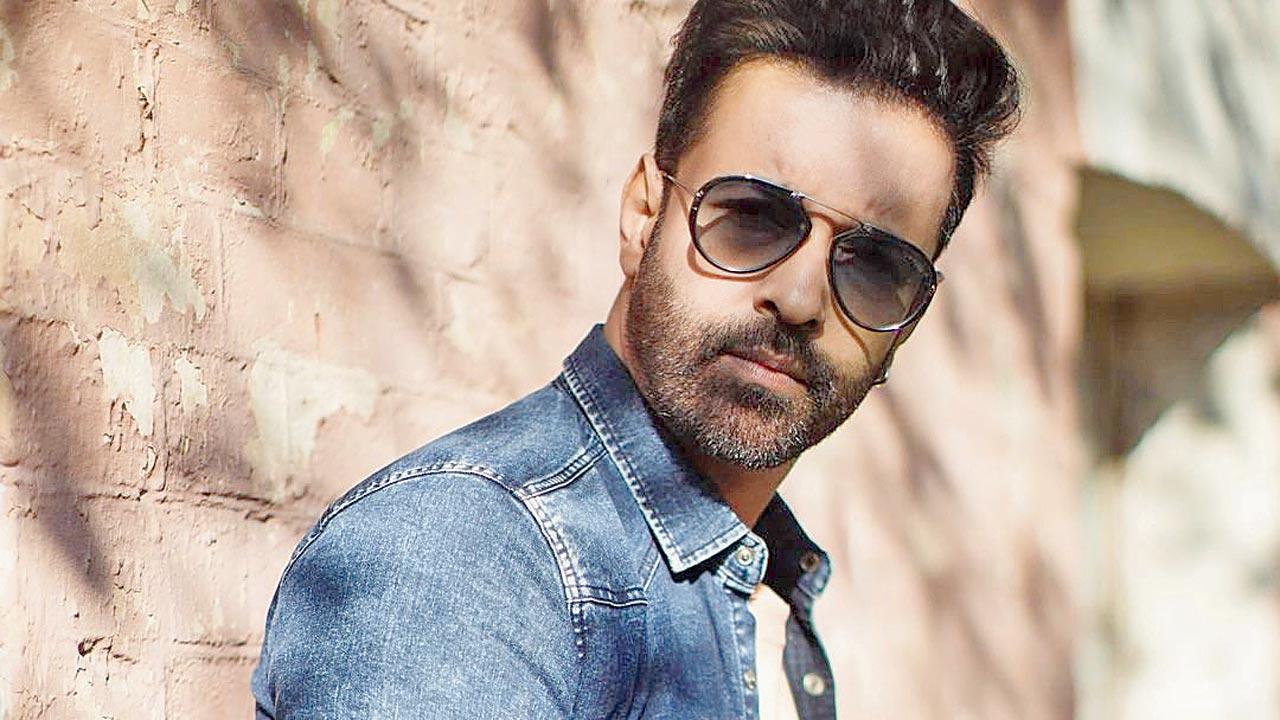
Upala KBR (MID-DAY; January 16, 2022)
After wrapping up Hansal Mehta’s Faraaz, based on the 2016 Bangladesh terror attack, with an ensemble cast, Aamir Ali has moved on to his next—a seven-episodic social comedy series, where he plays the protagonist. The actor has been shooting for the Bill and Melinda Gates Foundation and BBC London production, titled Life Navrangi since early January, and is expected to wrap it up by January 21.
About playing Vishwas, a journalist in Life Navrangi, he says, “[The series tackles the] issue of sanitation in Bhopal in a humorous tone. [The production house] wanted to give it a desi feel, as they want to cater to Indian audiences.” Directed by Debatma Mandal, the series delivers a “strong message”, insists Ali. “The topic of sanitation can be very boring, so they wanted to make an interesting, fun show with a strong message. I wanted to be associated with it for its good cause and also because reputed producers are associated with it.”
Interestingly, Ali had played Vishwas in 2019 for the show, Navrangi Re on Rishtey for two months, which was part of the Corporate Social Responsibility (CSR) project. While the new show operates on the similar premise of sanitation, the actor says it is different. “This is a new-age series created in the OTT format [for the digital audience]. Life Navrangi is neither season two, nor is it a continuation of [Navrangi Re]. Only my character Vishwas, who wants to cover genuine stories, and the issues of sanitation in a small town remains the same. The story and rest of the characters [actors] are different,” says the actor, who is thrilled and hungry for the choices the OTT boom has created.
Ali will next be seen in Mehta’s son Jai’s thriller series about around Somalian pirates. Touted to be one of the biggest shows on Disney+ Hotstar, the series features Deepak Tijori, Chandan Roy Sanyal, Amruta Khanvilkar, and Rajat Kapoor among others.
Lawsuit filed in Delhi High Court against Faraaz makers
8:13 AM

Rishabh Suri (HINDUSTAN TIMES; October 15, 2021)
Filmmaker Hansal Mehta and producer Bhushan Kumar have been asked by the Delhi High Court to appear on October 28, in connection to their upcoming film, Faraaz.
The families of the two victims, Tarishi Jain and Abinta Kabir, who died in the 2016 Dhaka terrorist attack, have filed a lawsuit against the makers. Yatin Grover, who is representing them, says the film’s name is the same as the two girls’ best friend, Faraaz. “He was also a victim of the attack. Mehta and others are making a film on the attack, and they have named it Faraaz. We sent a legal notice as we think that they are going to portray our clients’ daughters as well, and they have not taken consent,” he tells us.
Grover adds that the makers’ reply was “very vague”. “They said whatever they are going to do, is in public domain. We have asked for a special screening so we know nothing is portrayed wrongly. We have reserved our rights, sought prayers to completely injunct the film, to not use the name Faraaz because that is connected with our daughters’ lives,” he explains.
Grover points out to earlier interviews where they said their film was based on true events, and in their reply to the notice, they said it is a fiction. Our attempts to reach Mehta for a comment weren’t met with a response at the time of going to press.

Subscribe to:
Posts (Atom)