Showing posts with label Andrea Kevichusa. Show all posts
Showing posts with label Andrea Kevichusa. Show all posts
Are actors from the North East finally getting their due in Bollywood?
8:11 AM
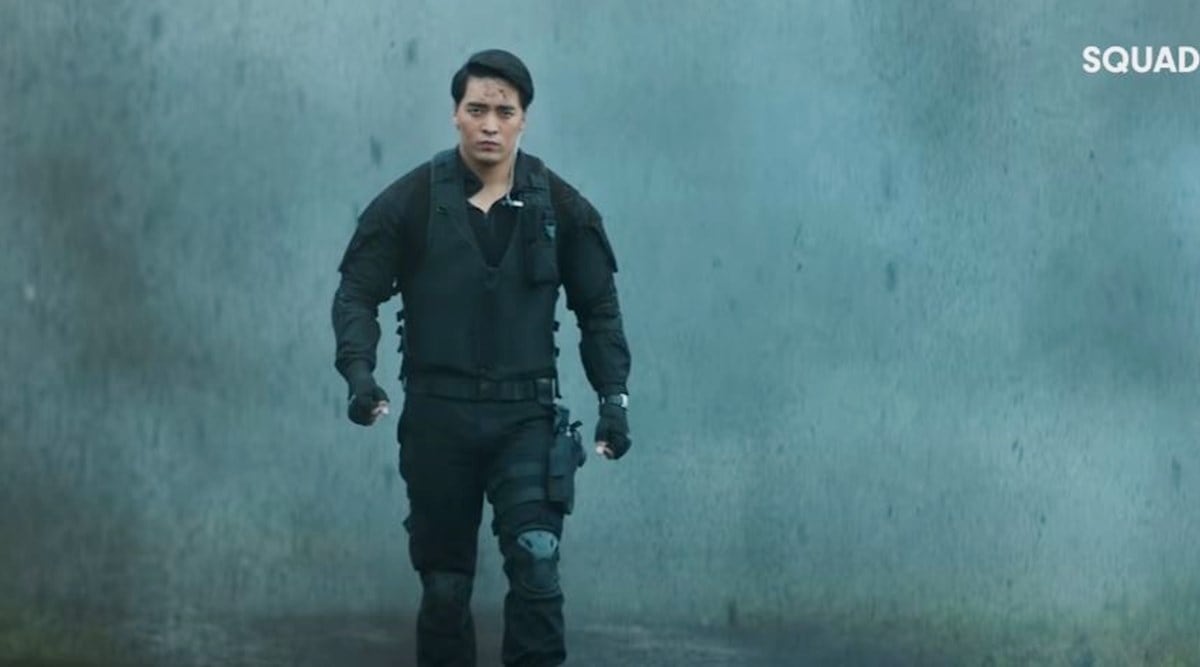
Pallabi Dey Purkayastha (BOMBAY TIMES; July 25, 2022)
From the ’70s to the ’90s, a suave, silken-haired young man captured the imagination of moviegoers. Whether as a murderous villain or an officer and a gentleman, Danny Denzongpa was one of the busiest actors of his time, and was often the X-factor in the most formulaic of scripts. That he was from Sikkim was never really a talking point for the OG Kancha Cheena (of Agneepath). At 74, Danny still enjoys that status, though he has been selective about his scripts. And no, filmmakers do not approach him because it would be woke to do so.
In contrast, his son Rinzing Denzongpa, who made his debut in the 2021 film Squad, finds himself fielding awkward questions about whether it is a good thing that “actors from the northeast” are finally getting their due, if Bollywood has taken that token but important step towards inclusivity. In fact, one of the most popular searches against Rinzing’s name happens to be: “Is Rinzing Denzongpa Indian?” A telling commentary on the conundrum faced by actors from the northeast today.

TOKEN REPRESENTATION OR INCLUSIVE CHANGE?
Recently, Bollywood seems to have woken up to inclusion. First, it was Chum Darang from Arunachal Pradesh making a splash as a lesbian lover to Bhumi Pednekar in Junglee Pictures’ Badhaai Do (2022). A few months later, we had Anubhav Sinha’s social commentary Anek, featuring Nagaland’s Andrea Kevichusa as a headstrong boxer torn between love for her land and her true calling in life. Kevichüsa is optimistic.
“I would say that the recognition that artistes from the region are getting is here to stay. While there are many reputed and well-known northeast actors in Hindi cinema, there is still a lot left to be explored. It’s never too late for progress and representation, and in some cases, it is still work-in-progress,” she says. While her film received mixed reactions from the audience and critics alike, her schedule, for now, is packed.
Adil Hussain (above), who hails from Assam and has featured in films across languages, including Assamese, says that he hasn’t faced any bias in his many years as an actor. “I have done pan-India films. I can look like an Assamese, a Bengali, a Malayali, a Gujarati or a Maharashtrian as I do not have the typical ‘northeastern features’. Also, I worked hard not to let my mother-tongue accent impact my Hindi fluency,” says the actor, whose repertoire includes films like Abhishek Chaubey’s Ishqiya, Gauri Shinde’s English Vinglish to Mira Nair’s The Reluctant Fundamentalist, and Ang Lee’s Life Of Pi.
He adds, “The faces from the northeast, especially those who have Mongoloid features, and the many stories of our land were never part of the mainstream narrative. Cinema is a powerful medium, and I believe, filmmakers could have been more aware about this exclusion – of how the northeast was rarely represented in our films. Now, I see that this consciousness has dawned upon many filmmakers. There is still a long way to go, but I am happy that the journey has begun.”
“It’s high time for us to be included, no? Let’s see if casting actors from here and stories from the region become regular Bollywood features. Only when that happens, we will truly know if there is any seriousness to it,” says Pink actor Andrea Tariang about the ongoing Bollywood-for-all narrative. Her movie, which also touched upon the shocking prejudice against women from the northeast as being ‘loose’, had started this very conversation in 2016.
For Chum, the conversation goes beyond the general ignorance. Give credit where it’s due, she recommends. “I think we are also regular people wanting to show our acting talents to the world. I feel beyond the looks, the culture and background, we do have some really great actors. And actors should be given opportunities based on their acting merit, as simple as that,” she says.
It is worth noting that in all their debut films, these women have played someone’s friend, lover and girlfriend, but had one common thread – even in make-believe, they always hail from the northeast. Plabita Borthakur (below), who is from Assam and has played a central figure in the Golden Globes 2018-qualified film Lipstick Under My Burkha and Rajkumar Hirani’s PK among other major projects, says tokenism is still doable as long as it leads to something meaningful.
“Even if it feels like a token representation to some, at least it’s a start. I feel people are becoming more aware now because of digitalization, and that should help with the inclusion of northeast Indians in mainstream cinema.”

LOOKS THAT MATTER
In 2014, when Omung Kumar’s biopic on Olympic-winning boxer Mary Kom released, there was a furore on social media. “A Manipuri, or at least someone from northeast India should have played the role,” said netizens. That Priyanka Chopra-Jonas (then Chopra) looks nothing like Kom in real life, fuelled the debate. While some saw this as a cultural snub, others were swayed by the popular perception of how a person from the region should look like.
Plabita, who has often faced the ‘arre aap toh northeast ki lagti hi nahin’ racist comment, attributes this to the lack of knowledge about the diversity of the region. “I believe there’s very little awareness about the northeast among people of mainland India,” shares the actor, whose last major outing was the OTT series Bombay Begums. “Hopefully, in the near future, we will have many diverse characters being played by northeast Indian actors,” she opines.
Elaborating on this, Parineeta Borthakur (Plabita’s sister; below), an established ‘mainstream’ actor who has featured in Gupta Brothers and Spy Bahu, says, “The fact that I didn’t ‘look northeastern’ enough did help me bag Bollywood projects, but I’m hopeful about playing a character from my region. Also, expecting everyone from the region to look a certain way, shows how unaware people are about the northeast.”
Parineeta stresses on fair representation and awareness. “Axone (lauded in the festival circuit and streaming on OTT) is just one film that talks about the various cultures within the region. There are very few films based on the northeast, compared to the staggering number of films being made every year about the other regions of the country. We need many more stories and much more content about the people and the region,” she concludes.
— Inputs By Ruman Ganguly & Rachana Dubey
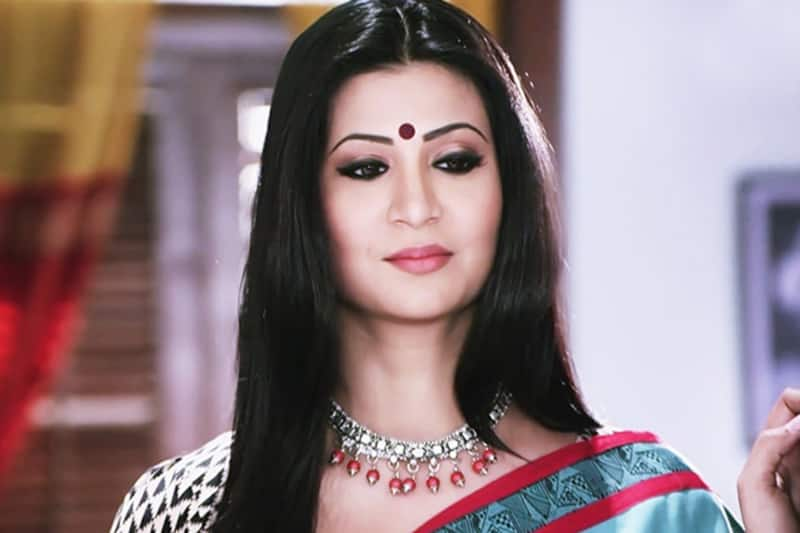
I’m planning to start an office in the north-east, says Mukesh Chhabra
8:20 AM
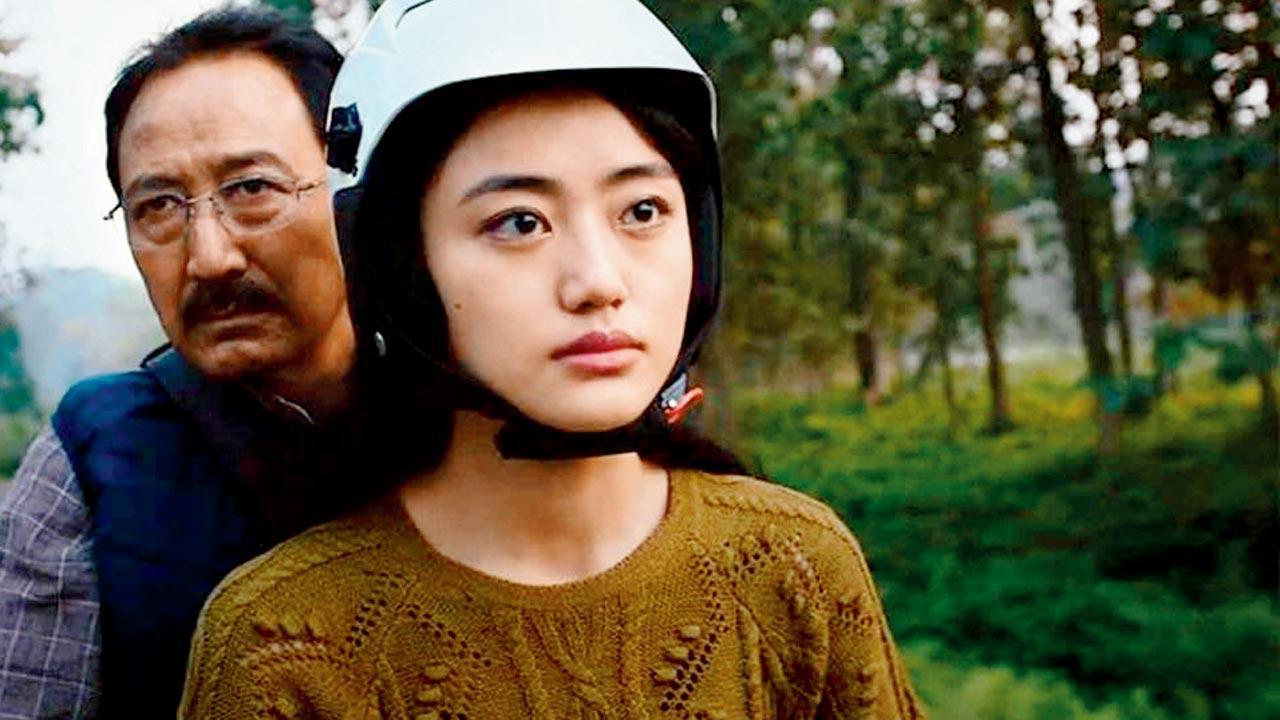
Casting director Chhabra, who roped in Andrea for Anek, on measures to find more opportunities for north-eastern actors
Hiren Kotwani (MID-DAY; May 31, 2022)
Anek is a strong reminder of how far Hindi movies have come. Only eight years ago, Priyanka Chopra Jonas was cast to play Manipur-born boxer Mary Kom in the eponymous movie. Cut to 2022: director Anubhav Sinha took a much-needed step when he roped in north-eastern actors — including Nagaland-born Andrea Kevichusa — for prominent roles in the drama that focuses on the strife in the north-east. Casting director Mukesh Chhabra has made a strong case for representation with the Ayushmann Khurrana-led film.
“Anubhav sir saw Andrea’s pictures, and asked me to find her. It took us a while to find and audition her,” says the casting director. After Kevichüsa, Loitongbam Dorendra and others were finalised, Chhabra and his team did several workshops with them as part of prep.
The casting director understands that one film is not enough to turn the tide. Keen to find more opportunities for the talent in the region, he shares, “I’m planning to start an office in the north-east. [It will provide opportunities] not only in Hindi films, but also in [film industries] in other parts of the country. I believe if an actor performs convincingly, then a filmmaker must consider him/her.”
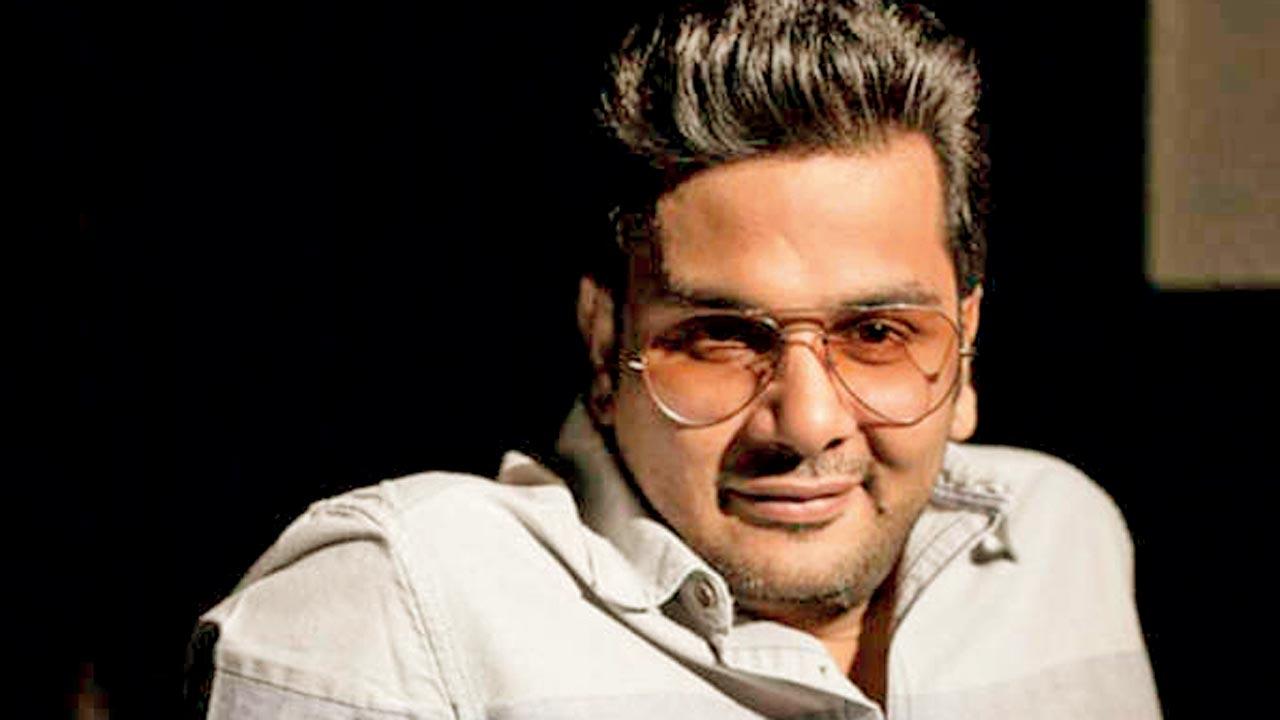
Almost 70 to 80 per cent of the actors in Anek are from the north east-Ayushmann Khurrana
8:01 AM
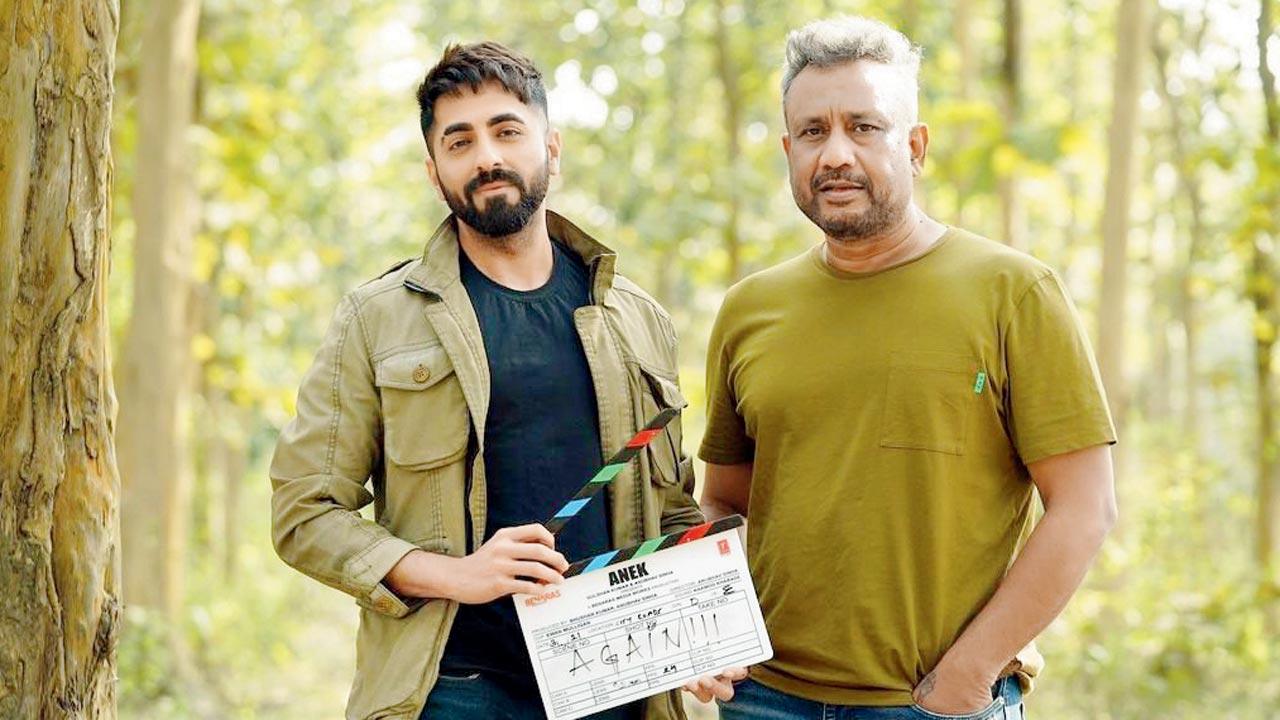
With Anek depicting discrimination against people from the region, Ayushmann says inclusive attitude towards the community will strengthen our country
Uma Ramasubramanian (MID-DAY; May 25, 2022)
Last year, when the country was hailing weightlifter Mirabai Chanu’s silver medal win at the Tokyo Olympics, Ankita Konwar had called out the Indian population’s hypocrisy, pointing out how people usually subject north-east Indians to discrimination and harassment. The otherisation of the community runs deep, festered by our society’s ignorance and apathy. Fortunately, filmmaker Anubhav Sinha and actor Ayushmann Khurrana are taking a step in the right direction with Anek that brings the geopolitical issues of north-east India to the big screen.
The drama has a singular intent — to encourage inclusivity. The actor states, “We generalise the region as north-east, but people there don’t like to be called so. They are proud of their community, their states, and their languages. We don’t get to know much about them because the media has not covered them. Whenever they [go] to other parts of the country, they are discriminated against and suffer racial abuses. We need to make them feel one with the country. We cannot ignore the region that is far more progressive than the mainland. Including them will help the country become more progressive.”
Anek was shot primarily across Assam and Meghalaya. It gave Khurrana the opportunity to get acquainted with diverse communities, their customs and traditions. “The people in Meghalaya carry forward their mothers’ names; most of the shopkeepers are women while the men take care of children at home. It’s among [the few matrilineal] societies in our country,” he marvels.
When telling a story about north-east India, it would only be right that actors from the region give voice to their experiences and hardships. The director roped in Andrea Kevichusa and Loitongbam Dorendra to play pivotal parts in the drama. Proud that the film places importance on representation, Khurrana says, “Almost 70 to 80 per cent of the actors are from the north-east, with the protagonist [Kevichusa] from Nagaland. I have realised that the story needs to be told by those who have suffered it.”
The actor agrees that an attitudinal shift in our society is necessary, and wants to give momentum to the cause through his work. “I will always say something through my art. I am not confrontational as a person, but as an artiste, I am extremely confrontational.”
Subscribe to:
Posts (Atom)