Showing posts with label Aashiqui. Show all posts
Showing posts with label Aashiqui. Show all posts
The pressure of the success of Aashiqui 1 was upon us-Mohit Suri
11:15 PM

Onkar Kulkarni (MUMBAI MIRROR; April 27, 2026)
As his directorial Aashiqui 2 clocked in 13 years on (April 26), Mohit Suri revisited the journey of the film that lives in the heart of the audiences.
Getting emotional about this milestone, Mohit told Mumbai Mirror, “I think the reason this film has resonated for so many years is because all of us who worked on this film — Aditya Roy Kapur, Shraddha Kapoor, the music directors and me — we all were at that stage of our careers where we were not chasing success but we had something to say emotionally. We had seen failure. Mithoon (singer-composer) and I had success with Murder 2, but Aditya and Shraddha wanted to prove themselves as they had not seen success despite being part of big films. Ankit Tiwari, who was new, sang the song Sun Raha Hai Na Tu. Jeet Ganguly (singer) was trying to do something outside his comfort zone.”
Reflecting on the phase they were all in at that time, Mohit said, “All of us went out with the intention of doing something we had never done. The pressure of the success of Aashiqui 1 was upon us, but we all went out to make a good film. Success was the cherry on the cake. I believe that when you say something with your heart, the world listens.”
He further added, “Every year no matter what happens and where she is, Shraddha always messages me on this day. We might miss our birthdays by a day or two, but we never miss this day and we thank each other for where we are today.”
Kartik Aaryan-Anurag Basu’s romantic drama titled Tu Meri Zindagi Hai
9:03 AM
Mohar Basu (MID-DAY; October 8, 2025)
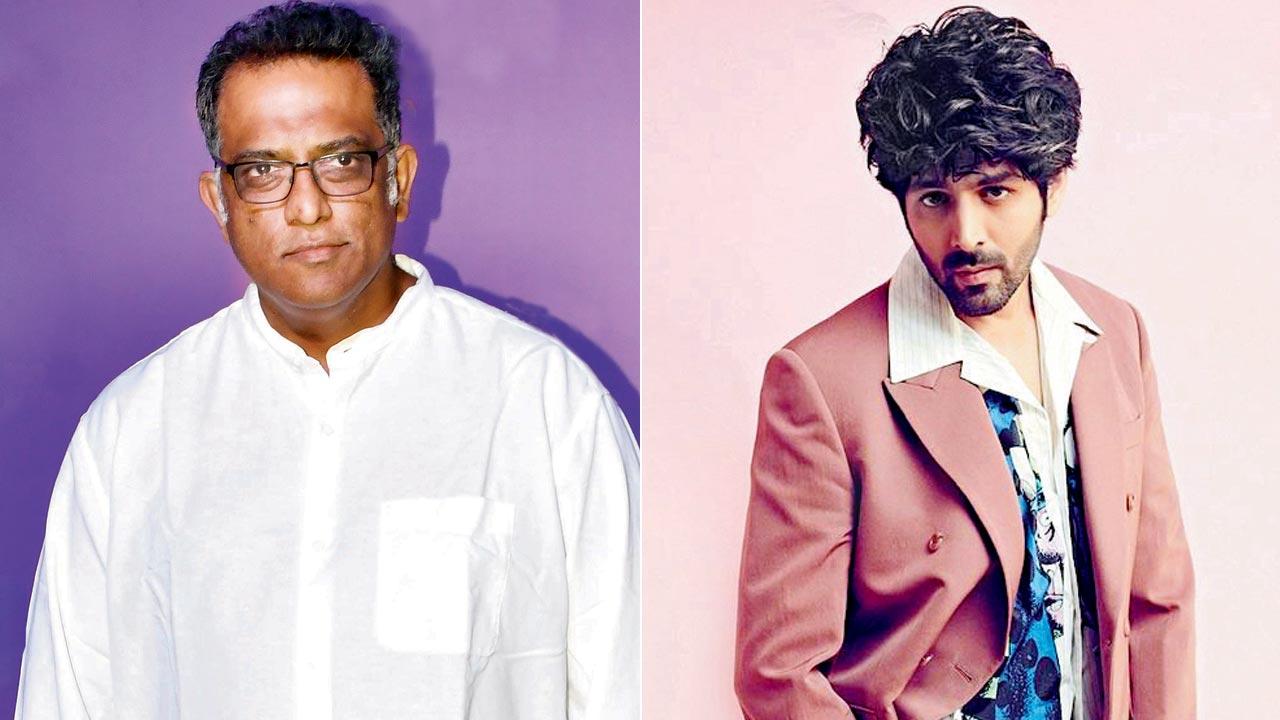
Finally, Kartik Aaryan’s romantic drama with filmmaker Anurag Basu has found its title. mid-day has learnt that the romantic musical has been christened Tu Meri Zindagi Hai, taking inspiration from the Kumar Sanu and Anuradha Paudwal song in Aashiqui (1990). Sources, however, reveal that the makers chose this as it distances the project enough from the Aashiqui franchise.
Many may remember that the film, also starring Sreeleela, was originally envisioned as the third instalment in the Aashiqui franchise. However, producers Mukesh Bhatt and Bhushan Kumar parted ways, and the latter decided to make the Aaryan-Basu collaboration as a standalone film.
“When choosing the title, it was a pre-emptive move by the makers to avoid making a direct reference to Aashiqui. The team wanted a name that evoked nostalgia, but didn’t risk legal or creative complications. Tu Meri Zindagi Hai felt like the perfect fit,” says a source.
The movie is being positioned as a big-ticket summer romance, with the team aiming for a May 1 release.
The source adds, “It’s a classic love story with Basu’s signature treatment of the genre. With the release more than six months away, it gives the team time to weave in some additional tracks. The latest schedule is underway in Mumbai and the film will be shot till 2025-end, with patch work spilling on to early 2026.”
Remakes often try to be like the original, but they can never be the same-Anu Agarwal
9:18 AM
Yashika Mathur (HINDUSTAN TIMES; July 23, 2025)
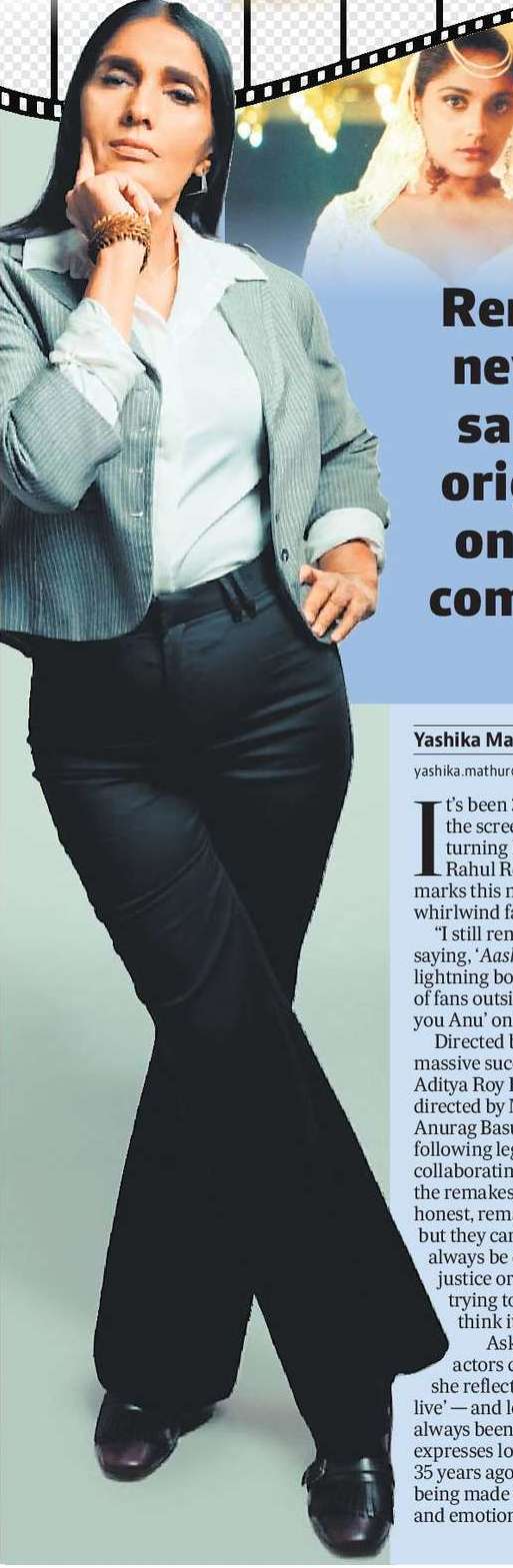
It’s been 35 years since Aashiqui (1990) hit the screens and became a cult classic, turning lead actors Anu Aggarwal and Rahul Roy into overnight stars. As the film marks this milestone today, Anu revisits the whirlwind fame that followed.
“I still remember the call from Mahesh Bhatt saying, ‘Aashiqui is a hit!’ It felt like a 1000-watt lightning bolt struck me. There were hundreds of fans outside my house, guys writing ‘I love you Anu’ on the walls! It was crazy,” she recalls.
Directed by Mahesh Bhatt, Aashiqui’s massive success led to a 2013 reboot starring Aditya Roy Kapur and Shraddha Kapoor, directed by Mohit Suri. Kartik Aaryan and Anurag Basu’s Aashiqui 3 was dropped following legal troubles, but the two are collaborating on a new project. Does she think the remakes do justice to the original?
“Let’s be honest, remakes often try to be like the original, but they can never be the same. There will always be differences. Whether they do justice or not, I don’t judge. Everyone’s trying to express art in their own way, and I think it’s unfair to compare.”
Ask Anu how she feels about younger actors carrying the franchise forward, and she reflects, “Our tagline was ‘Love makes life live’ — and love, especially in Hindi cinema, has always been a driving force. Every generation expresses love differently. So an Aashiqui made 35 years ago, one made 10 years ago, and one being made today will each reflect their time and emotional language.”
It’s amazing to see that people have the nostalgia of Aashiqui when they are seeing Saiyaara-Mahesh Bhatt
9:14 AM

Aashiqui filmmaker Mahesh Bhatt shares that he is proud of his protégé Mohit Suri’s latest film, Saiyaara, reminding viewers of his 1990 romantic drama
Mohar Basu (MID-DAY; July 14, 2025)
For a filmmaker, few things are as fulfilling as seeing one’s protégé follow in their footsteps. Mahesh Bhatt, who launched director and his nephew Mohit Suri with Zeher (2005) two decades ago, is proud that the latter’s film Saiyaara is reminding viewers of his blockbuster Aashiqui (1990). Just like the 1990 romantic drama had given Bollywood two new faces in Rahul Roy and Anu Aggarwal, the July 18 release will serve as the launchpad for Ahaan Panday and Aneet Padda. The similarities don’t end there — both films are musicals.
“When I made Aashiqui, I did it with a lot of purity. I was fortunate that people connected to it and made the two newcomers into overnight stars,” recalls Bhatt. The senior filmmaker expects nothing less from Suri.
“I expect Mohit to do the same with Saiyaara. It’s amazing to see that people have the nostalgia of Aashiqui when they are seeing Saiyaara, but I can tell you that it will rewrite the rules of what a romantic film should be in today’s time. Every new generation must surpass the earlier one. Mohit is my protégé, and I couldn’t be happier if he surpasses me in every way possible.”
In 2013, Bhatt trusted Mohit Suri to take the Aashiqui franchise forward with Aashiqui 2. As Suri has crafted another love story, the veteran filmmaker reveals that he always pushed him to take a punt on newcomers. “I’m thrilled to see him take the plunge with two talented actors. Saiyaara [feels] like a breath of fresh air. That only happens with newcomers,” states Bhatt.
Music logon ko theatre tak kheench ke laata hai-Kumar Sanu
2:50 PM

Debarati S Sen (BOMBAY TIMES; January 25, 2025)
In his career spanning almost four decades, Kumar Sanu has sung around 22,000 songs in 26 languages. And recently, he also recorded an English number, 9 to 5, with his daughter Shannon K. In a conversation with us, the Aashiqui singer spoke about his initial struggles, the challenges he overcame in the music world, and the joy in collaborating with his daughter.
For someone who has been singing for around 40 years, you initially did not aspire to be a singer. How do you reflect on your journey?
I didn’t dream of becoming a singer. I was a tabla player and a good painter. However, circumstances changed my decision. I was around 16 years old when I started doing stage shows in Kolkata. My desire to become a singer grew, and I began singing in hotels there. When I came to Mumbai, I sang in hotels and saved money to make a demo cassette that I’d play for music directors. Jagjit Singh ji discovered me and introduced me to Kalyanji-Anandji. I would do covers of Kishore Kumar’s songs. Later, for Jaadugar, they made Amitabh Bachchan listen to my songs, and he agreed to have me as the playback singer. That’s how it all began. I struggled for around 18 years in Mumbai before I became a name.
At the beginning of your career, you were called Kishore Kumar’s clone. How did you deal with that?
After Aashiqui became a hit, things changed. Mere upar ilzaam tha ki main Kishore da ka nakalchi tha, but Aashiqui gave me the opportunity to get rid of that. Uss picture ke gaano ko log tees saalon ke baad bhi bhule nahin. After Aashiqui, I kept getting offers. It went from, ‘theek hai, gawa le isse’, to ‘Sir, please mera gaana gaa dijiye’. I’ve seen it all.
The number of songs that Bollywood films feature today has reduced considerably. Do you think that earlier film songs were a big draw for the audiences?
Films flop miserably despite makers spending crores on them. They should understand that they have to pay close attention to the story and the music and give a free hand to the music director. I believe that music logon ko theatre tak kheench ke laata hai.
You once said, ‘Main Bollywood politics jhel raha hoon’. What did you mean by that?
Yeh politics hamaare legendary singers ne bhi jheli hai, hum bhi jhel rahe hain, aur future singers bhi jhelenge. It’s not new, but the industry wasn’t as cruel earlier. People were kind-hearted. But I believe you can’t stop talent. With the help of politics, you may get fame temporarily, but only real talent will last for years. I also feel songs have changed. Earlier, there were more melodies, great lyrics and Urdu shayari, but abhi halkapan hai. It may change again in the future.
I admire my dad’s positive attitude, says Shannon
Recently, Kumar Sanu and his daughter Shannon, an independent singer who began her Bollywood career with Happy Hardy and Heer recorded an English song.
Ask him about the experience, and he says, “Initially, I didn’t want to sing the song because there was a portion in English. Shannon ki accent ke wajah se main darr raha tha (laughs). My younger daughter Annabelle is a songwriter and she insisted that I sing this song. Now, I am glad I did it.”
Talking about collaborating with her dad, Shannon shares, “He was very concerned about the diction. He wanted to make sure that he justified the language and would keep asking me how to pronounce certain words. It was fun for me, I’m not sure about him!”
The young singer says that her father is her inspiration in every way. “I admire his positive attitude towards life. It is so easy to fall prey to negativity around, but dad’s positive spirit, way of looking at life, and attitude are things that I really admire and hope to emulate,” she says.
As a 19-year-old commerce student, I got to record Woh Lamhe, which became an overnight chartbuster-Mithoon
8:06 AM
Masumi Shah (BOMBAY TIMES; October 26, 2023)
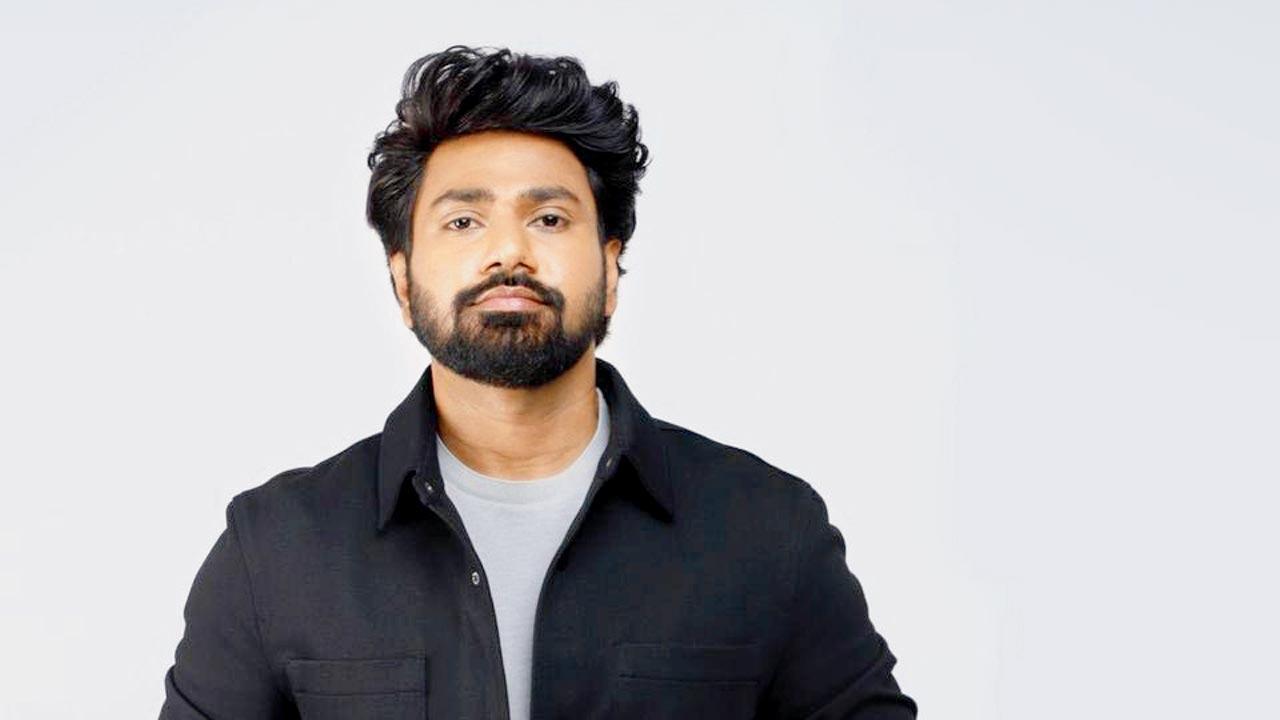
Mithoon, known for hits like Tum Hi Ho, Sanam Re and Tujhe Kitna Chahne Lage, is happy with the success of his music for Gadar 2, despite the controversy (music composer Uttam Singh had accused the film’s makers of using his work without permission).
He says, “I can only speak about my process of working on the movie’s music and adding my own element to it. I am happy with how the tracks turned out. As a kid, I always wanted to make music for films like this,” he says.
In a chat, the music composer and singer talks about his career milestones, equation with his wife (singer Palak Muchhal) and more.
‘I feel like I have just begun’
I always wanted to be like my father (music director Naresh Sharma) and dreamt of becoming a composer. Madan Mohan, R D Burman and A R Rahman have been my heroes. As a 19-year-old commerce student, I got to record the song Woh Lamhe (Zeher), which became an overnight chartbuster and I never looked back after that. I followed it up with Tere Bin (Bas Ek Pal) and Maula Mere (Anwar), which are considered iconic today. But I feel like I’ve only begun.
‘I never wanted to make music just for popularity or glamour’
When I entered the music scene, so many platforms did not exist. But I would have chosen to take the film route even if I were to debut today because I am a fan of films. I never wanted to make music just to become popular or for glamour. I was always a fan of Indian cinema. I get a lot of non-film offers from various labels, but I’m focusing more on film music.
I have explored playback singing and songwriting as well, but primarily, I love being a music composer. I love discovering new voices and feel proud that Atif Aslam, Arijit Singh, Mohammed Irfan and Shilpa Rao, some of the best singers that we have today, sang their first song with me.
‘I am still remembered for Tum Hi Ho’
Tum Hi Ho has really struck a chord with the audience in India and even outside the country, people still remember it. The song meant a lot to me emotionally because it was a tribute to my father, who was the music arranger for the first film of the Aashiqui franchise (in 1990). It was a special moment in my career.
‘Palak and I don’t talk about music much ’
Palak and I keep very busy and when we get some time together, we don’t talk about music. We talk about everything else. Ours was an arranged marriage, and we didn’t really date before our wedding. So, we are really catching up on our personal space now.
‘Something divine about Hindustani classical music’
I love Hindustani classical music and listening to greats like Pandit Bhimsen Joshi, Pandit Jasraj, Kumar Gandharva, Jagjit Singh ji. I feel a sense of fulfilment whenever I listen to them sing. There’s something so divine about the way they went about their music.
Aashiqui had the truth of my life and the musical vision of Gulshan Kumar-Mahesh Bhatt
8:21 AM
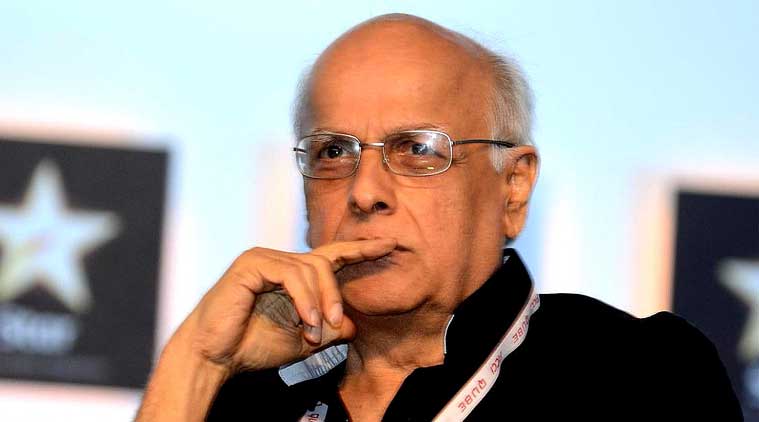
Amidst a row over the ownership and creative rights of the Aashiqui franchise, Mahesh Bhatt, who directed the original in 1990, breaks his silence
Renuka Vyavahare (BOMBAY TIMES; October 11, 2023)
Part autobiographical, starring brand news faces Rahul Roy and Anu Agarwal, director Mahesh Bhatt’s Aashiqui became a smash hit in 1990. Its music topped the charts for years and continues to resonate with listeners. The romantic musical saw a sequel headlined by Aditya Roy Kapur and Shraddha Kapoor and directed by Mohit Suri in 2013. A third successor, Aashiqui 3, was announced in September last year by the same collaborators (T-Series and Vishesh films) with Kartik Aaryan in the lead and to be helmed by Anurag Basu.
However, a row over the ownership and creative rights of the franchise seems to have ensued, given Vishesh Films’ recent public notice followed by Mukesh Bhatt’s statement (he heads the banner, after Mahesh and he parted ways). Taking to their official Instagram handle, Vishesh Films issued a notice on September 25.
Excerpts from the statement said, “Vishesh Films is the producer and joint rightful owner of the intellectual property rights associated with the Aashiqui franchise. Any communication made without our involvement is unauthorized and fraudulent.”
Mahesh Bhatt, who made the iconic 1990 original, spoke to Bombay Times exclusively, shedding light on the issue.
‘Right isn’t always legal’
He said, “In this time and age when the moral compass of the world has shattered, and it’s become a moral desert, it’s important that elders behave like elders. Right isn’t always legal, and 50 per cent rights are in any case with T-Series. But I choose to stand for what’s morally right. In the case of Aashiqui, that moral legacy belongs to Gulshan Kumar and, in his absence, to Bhushan Kumar. Gulshan’s vision, support, and timeless music are at the heart of Aashiqui’s enduring impact.”
‘Aashiqui began with Gulshan Kumar’
Mahesh Bhatt recounted, “I remember that I was shooting at Horizon Hotel in Juhu, and a man who was standing at the corner of my set introduced himself as a music baron, who had just moved to Mumbai from Delhi. He said, ‘Main Shivji ka bhakt hu. Unhonay mujhe sapne mein kaha ke main aapke paas aau. Aapse film banwau. Aapka naam Mahesh hai na?’ I said yes. He said, ‘Music ka bank hai mere paas. Anurada ji (Paudwal) humare company ke saath hai. Aapko jo gaane pasand hai aap le lijiye, ya naye banwalijie. Ek acchisi musical bana dijiye. Main aapko promise karta hu, Hindustan kay konay konay mein main yeh gaane le jayunga. Har ghar mein bajwaunga. Badle mein, aap 50 per cent le lijiye.’ The simplicity and innocence with which he spoke was the beginning of Aashiqui. I distinctly remember I was shooting Dil Hai Ki Manta Nahin (1991) in Madhumalai forest (Tamil Nadu) with Aamir Khan and Pooja (Bhatt). In that forest, I heard one of the songs from Aashiqui playing. I turned to Pooja and said, ‘That man promised me that he will take the music across India."
The resurgence of the franchise
“When we decided to have a resurgence of the Aashiqui franchise, Bhushan was aware that he was up against a formidable brand called Aashiqui (1990) and its music, but he wanted to keep his father’s legacy alive. I personally feel that since I was the person whom Gulshan Kumar came to, I must speak up. They (T-Series) own the 50 per cent rights anyway, and the moral right of a product belongs to the person who gave birth to it. Let the legal experts sit down and discuss the details, I am talking about the moral compass, and I want to set the record straight. I have nothing to gain from this,” Bhatt says.
‘Aashiqui had the truth of my life’
He further elaborates, “I am known as an autobiographical filmmaker for my films like Arth (1982) or Zakhm (1998), but the romance you see in Aashiqui (1990) between Rahul Roy and Anu Agarwal is based on my first love with Lorraine Bright (Pooja Bhatt’s mother). I was 16 and she was 14 and studying in Bombay Scottish. The classroom scenes, her being thrown out and becoming my responsibility… my personal life was in Aashiqui. That film had the truth of my life and the musical vision of Gulshan.”
The ownership debate
The ownership debate doesn’t interest me because I have never been a man of business. I have consciously stayed away from it. I don’t have the stomach to sit down and argue the legal aspects. That’s for the legal experts to sort out. We are talking about the moral background. We come from a time when everything wasn’t spelt out. If you gave someone your word, you stood by it. Those values need to be resurrected even more today as everyone looks at the other with distrust.”
Aashiqui's tagline was ‘love makes life live’ and today, I am spreading love and teaching people about it-Anu Aggarwal
8:55 AM

Deep Saxena (HINDUSTAN TIMES; April 25, 2023)
After being away from the world of showbiz for over 25 years, actor Anu Aggarwal has decided it’s time for a comeback.
Currently in search of the right script, the Aashiqui (1990) actor says, “I will be signing after decades, so it has to be a great script! Until now, I wasn’t listening to narrations at all, but now I am. I’m also interacting with people in the business. An announcement will be made as soon as I lock the project,” says Aggarwal, who even had a fashion shoot done for her comeback.
Last seen in the 1996 film Return Of Jewel Thief, the actor met with a major accident in 1999, as a result of which, she was in a coma for almost a month. After recovering, she took the spiritual route and turned into a motivational speaker, besides running her foundation for children in need. Ask what made her consider returning to films, and Aggarwal says it was the audience’s love.
When an episode of the reality show Indian Idol 13 chopped out her scenes, several internet users chimed in to show their support for the actor: “After whatever happened in the show, I voiced my opinions on the social media, and I asked people to forgive them (the makers). I started getting long messages. It was very inspiring, and I realized ki logon ke dilon main mere liye kitna prem hai! I was moved, and I decided that I needed to make a comeback. Over 80% of my Instagram followers are younger people, who have seen my films on YouTube or OTT. Along with that, they connect with my ideology.”
Content with her journey so far, the 54-year-old feels she understands life better today: “My journey has been so magical. After the accident and the new birth, I had better understanding about life. The film’s (Aashiqui) tagline was ‘love makes life live’ and today, I am spreading love and teaching people about it.”
The accident was not instrumental in my leaving the entertainment business; I was out way before that-Anu Agarwal
8:21 AM

Roshni Olivera (BOMBAY TIMES; October 9, 2022)
Anu Agarwal became an overnight sensation in 1990 with the film Aashiqui. Unfortunately, she met with a serious road accident a few years later, which changed the course of her life. The actress suffered major injuries, her face was severely damaged and it took a long time for her to recover. But she is back now, all charged up, hoping to catch up on the time and opportunities that she may have lost. It’s tough to get a foothold in showbiz, she’s aware, but she wants to give it her best shot. Excerpts from an interview:
Aashiqui was a huge hit, but you didn’t do too many films after that. Why?
To begin with, let me clear one of the biggest misunderstandings there is about me. The accident was in no way instrumental in my leaving the entertainment business, I was out way before that. At a time when I was super successful, I was facing the dark night of the soul. Ironically, when the world thought I had everything, I was the unhappiest ever. So in 1994, I stopped signing new films. I travelled abroad and a top Hollywood agency even wanted me to sign up with them in 1996. I was excited, but I also wanted to self-develop, so I ended up joining the Bihar School of Yoga in 1997. That transformed me.
Two years later, in 1999, you met with an accident which changed the course of your life. How did you deal with that?
It was not just tough, it was a matter of life or death. I was in a coma. The question was not my recovery, but whether I would survive, and even if I did, would it be in a paralyzed state. I miraculously woke up from a 29-day coma, after which I was bedridden, half-body paralyzed and suffering from severe trauma. Nobody thought I would ever stand up, but I tried to stay positive. That’s because when I was in a coma, I had an out-of-body experience where I saw the other side. Even when the body broke into a million pieces and suffered multiple fractures, contrary to what everyone may have thought, I was absolutely sure that I would survive. I remember when I woke up, I felt like a newly born. But it did take me a long time to bounce back, it took me years.
After many years now, you are hoping to get back to acting, which is not easy. How do you plan to go about things?
Acting is a skill I am born with and this is an exciting time in the entertainment business with different mediums opening up and the film industry, too, is going through a revamp. Anyway, it was never easy. Supermodels were not welcome in Bollywood at that time, so in a way, I did break the mould then. I was too tall, too dusky, too forthright, too humourous, too supermodel in my fashion sense, too independent, too blunt... I was not in any way your quintessential heroine material. Regardless, my acting skills worked. To live life according to your principles and not as per social conditioning or expectations, is not easy.
In this Life 2, as I call it, I know the universal law. It says for best results, accept whatever is happening, but put your heart and soul into whatever you do. That is my approach to acting too. I just believe in using my mind creatively and not worrying about the outcome because that would be self-defeating. I believe in seeing the heart in the art, that has always been my approach.
In the past, some people advised you to go in for cosmetic surgery if you wanted to get back to acting. How did you react to that?
Yes, but that was earlier. Today, nobody suggests this, as I am rejuvenated for all to see. On the other hand, now people think I have had a surgery as my face looks different from what it did a decade ago. I had many surgeries after the accident to mend my broken bones and to just get my body to be functional... basically, to just survive. Any surgery traumatises you and affects the rest of your body. Why would one pay to get that done? Also, I feel cosmetic surgeries are plastic and I am not attracted to anything which doesn’t go with the normal tune of nature. In my yoga studies, I was taught the holistic approach, where we do not treat a separate part, like a face, but treat the whole body alongside the mind and senses. I believe totally in the law of nature, which fundamentally focuses on the fact that we get what we give out. In the last few years, I have been busy with my foundation, focussing on helping underprivileged children and also on improving lives through yoga.
Are you in touch with people from the industry?
Not much, but I am just a phone call away.
On the personal front, you have been single for a while. Do you miss having a companion?
Yes, sometimes, but then I have been too much of my own person practicing self-love. Also, I have been financially and emotionally independent since I remember growing up. Yoga has taught me one thing you are born alone and that is how you are going to die. When you truly understand this truth, it calms and changes your perspective towards life. I consider myself truly rich today; I have found my inner wealth, which is way bigger than any trillions that you can earn in materialism.
I had just eight lines in Aashiqui; I had to act through my eyes-Anu Aggarwal
8:07 AM

Anu Aggarwal talks about giving up stardom and choosing to serve people after a near-fatal accident
Rishabh Suri (HINDUSTAN TIMES; October 22, 2021)
If there’s a film that can define overnight stardom, it has to be Aashiqui (1990). Both its leading actors — Rahul Roy and Anu Aggarwal — received instant fame, but while Roy continues to act, Aggarwal stepped back from showbiz a long time ago. She is now a motivational speaker and also runs a foundation focused on mental health.
Her life has been a roller-coaster ride — from taking up acting in school, where she even directed a play, to instant fame in Bollywood to now having a life dedicated to helping people. “I can’t take any credit for this (success). It was all my karma,” says the 52-year-old, who adds, “Films came my way naturally.” In fact, she reveals that what she has had to work hardest for is “to be a single woman, and live life on my own terms, till date”. “Rest of it — success, money, fame — just came naturally. It’s like it was thrown on my lap,” she says.
After Aashiqui released, a host of offers came her way, but she took her time signing them. She calls that phase “amazing”. “It was a fresh thing, that a girl got to say this in a film: ‘Main apne pairon pe khada hona chahti hoon’. That was one of the eight lines I had in the entire film! I had to act through my eyes, and I thought that was a huge achievement. I also modelled internationally. It’s been a great run,” says Aggarwal, a Delhi University alumna.
But it all changed overnight as well. On October 2, 1999, her car met with a near-fatal accident. “It was unexpected, like most things are in life. I went into a coma, and the doctors thought I wouldn’t survive. But when they had given up, I started to heal. I was already a yogini and I started to apply an alternative yoga therapy to myself to heal,” she reveals.
This life-altering event also prompted her to turn into an author, and currently she is readying for the launch of her second book. She says, “The first one was not a biography, that I’m a star, listen to me; it was a human story. After my near-death experience, I realised I had to help people as much as I could. Most of my time is spent on making people’s lives better.”
While film offers are still coming her way, she says the reason she cut down on films, even before the accident, was that she felt the industry “could do a lot more”. “We make thousands of films a year... Why can’t we bring out positive films? That’s what I felt then. Today, there are a lot of alternative films being made. So, maybe there’s a story I may want to do, as the whole scenario has changed. It’s more to my liking now than it was then,” Aggarwal concludes.

The people who were coming to me with roles at that time were morons-Rahul Roy
8:15 AM

Rahul Roy, who became an overnight sensation after his debut movie, vanished from the scene. Find out why
Sugandha Rawal (HINDUSTAN TIMES; October 18, 2021)
The year was 1990 and the blockbuster was Aashiqui and lead actor Rahul Roy became a household name. But he failed to recreate that same magic after that one film, which ultimately led him to take a hiatus from Bollywood. “The people who were coming to me with roles at that time were morons because of the way they wanted to do everything. They were like ‘If you don’t do it, we will go to someone else’,” confesses Roy, who was in news last year, after he suffered a brain stroke while he was shooting for a web show in Kargil.
He continues, “And there was a phase in my career, where I was doing anything and everything. Soon, I realised that it is better to let go of the work, and let them (makers) work jiske saath unko karna hai. I will do what I want to do (not with any pressure), and I told them to move on. Also, I didn’t want to just take a project, and then later on crib about it yeh hona tha but woh ho gaya.”
After the initial success, Roy was seen in Junoon (1992), Dilwale Kabhi Na Hare (1992) and Gumrah (1993). He also won the first season of reality show, Bigg Boss, in 2007. Looking back at his career, the 53-year-old shares, “I won’t say that I was random in the way that I did my work. But I feel that there were some projects, which I shouldn’t have done.”
Roy moved to Australia with his now-estranged wife, Rajlaxmi Khanvilkar during his sabbatical in the early 2000s. It was only in 2005 when he started to reappear through special appearances. He says, “Every aspect of my journey has been good. I never had to beg for work in front of anyone, and that remains true even today.”
At the moment, Roy is staying in Mumbai with his daughter, sister and brother-in-law. And he credits them for putting him back on the road to a healthy life after his brain stroke.
Roy shares, “I don’t want to be in a race or any rush. Ab mere hisab se kaam hona chahiye, since I am a brain stroke patient. And this is what I have been telling to people who are approaching me for work. It is difficult to make them understand, but it is okay. People can’t just expect me to bounce back, so I will do work only at my own pace.”
Roy, who is planning to write a book on his life, in the end, says, “Life has got a new meaning. Aur bhi bahut cheezein karni hai mujhe.”

Shravan Rathod always had the urge to make music-Suneel Darshan
8:24 AM
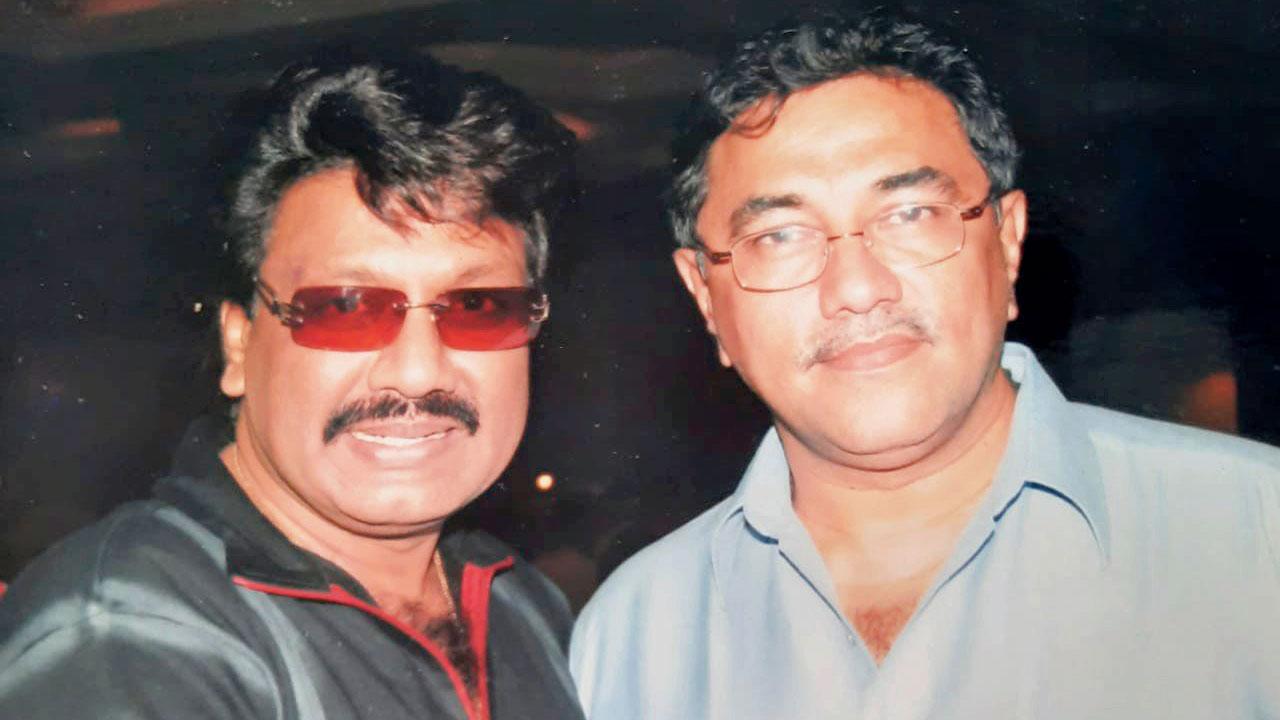
Suneel Darshan with Shravan Rathod
Filmmakers Suneel Darshan and Mahesh Bhatt pay tribute to the late composer Sharvan Rathod.
Upala KBR (MID-DAY; April 24, 2021)
In my mind, Nadeem-Shravan are always there. The audience appreciation for their music has always been tremendous. We were fans of the Nadeem-Shravan decade of remarkable music through the 1990s’. They went through a turbulent time when Nadeem was among the accused, now acquitted, in the Gulshan Kumar murder case. I first worked with the duo in Ek Rishta [2001]. [Post which], we worked in a string of movies - Haan Maine Bhi Pyaar Kiya [2002] Mere Jeevan Saathi [2006], Andaaz [2003], Barsaat [2005], among others.
While Nadeem handled 100 per cent of the composition from UK, Shravan orchestrated the song, got the vocals prepared and mixed the song in India. My film Dosti: Friends Forever [2005] was their last project together. In Nadeem’s absence, my association started with Shravan. As a creative man, the urge to compose music was always there in him.
-------------------------------
I hear echoes of him humming: Mahesh Bhatt
Filmmaker Mahesh Bhatt who collaborated with Nadeem-Shravan for Aashiqui, Sadak and Sangharsh, with a heavy hearts says, “Shravan left me with the afterglow of his heart-warming smile and the happy memory of those life-soaked days we spent together. I hear echoes of him humming the tunes of Aashiqui in the recording room. Endings are tough. Alas, this is the season of heart-breaking loss.”
Shravan Rathod just knew what will click with the audience-Anuradha Paudwal
8:22 AM
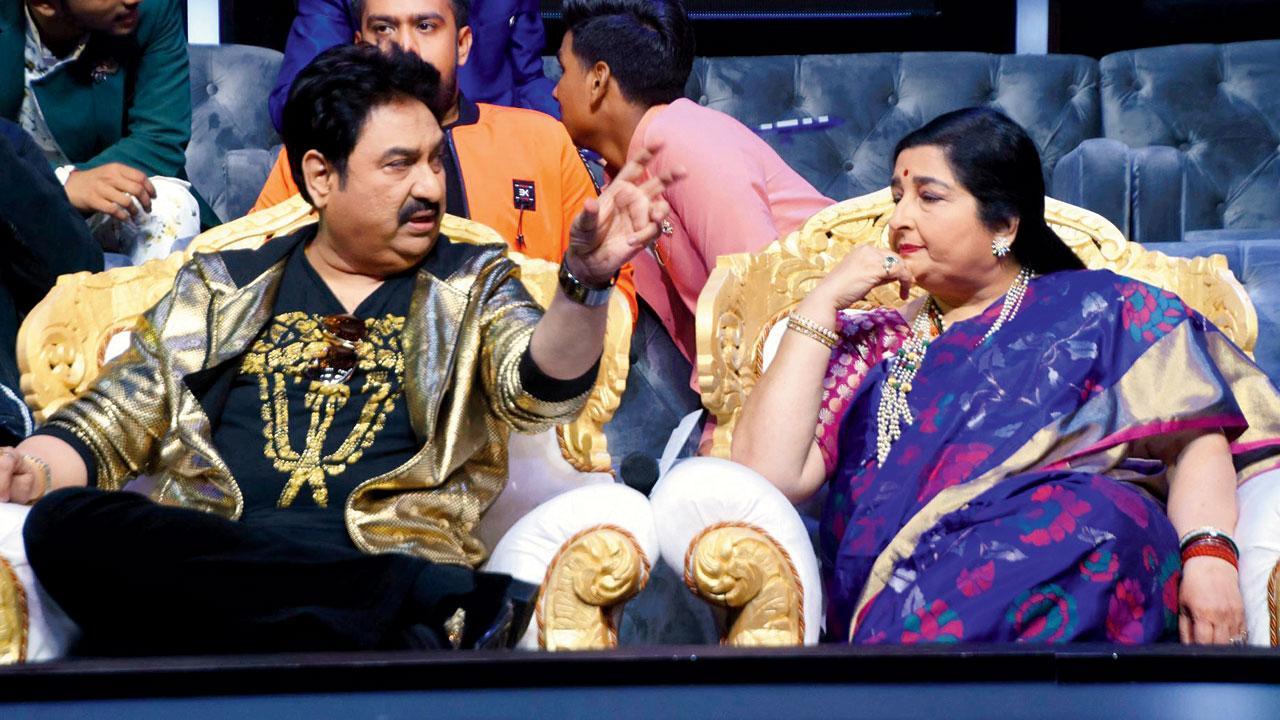
Kumar Sanu and Anuradha Paudwal
Veteran playback singers Anuradha Paudwal and Kumar Sanu remember late music composer Shravan Rathod
Shaheen Parkar (MID-DAY; April 24, 2021)
My first interaction with Shravan, rather Nadeem-Shravan, was long before we collaborated on Aashiqui [1990]. I was told of this upcoming music composer duo with great potential and I remember recording two tracks with them. When they began work on Aashiqui, I came on board to render the songs. The film, the music, everything about it was magical. I garnered awards for Nazar Ke Saamne and it marked the beginning of many more chartbusters with Nadeem-Shravan. Even though recording a track was different from what it is nowadays due to technology, Shravan had this inherent knack to know what will click with the audience, and it always did.
During the ’90s, the soundtrack of every film they scored became a hit. Naresh Sharma collaborated as their music arranger. After recording a track with them, I always had this feeling that this one is going to be huge. Song after song, it was a success story for them.
Shravan was a jovial, humble person. He came from a music background, so rhythm was within him. For me, that was the golden era of music. I last met Shravan at an event over two years ago. His passing away has made me emotional and nostalgic. From singing Bahut Pyaar Karte Hain and Jiye Toh Jiye Kaise in Saajan [1991], Tumhein Apna Banaane Ki in Sadak [1991] and Dil Hai Ke Manta Nahin and O Mere Sapne Ke Saudagar in Dil Hai Ke Manta Nahin [1991], it was an endless list of chartbusters with them.
----------------------------------
He called me Tiger - Kumar Sanu
Kumar Sanu, who has often collaborated with the dynamic duo, says he couldn’t catch up with his friend Shravan due to the Coronavirus pandemic. "The first song I rendered for Nadeem-Shravan was Nazar ke saamne. It was part of the music album, Chaahat, but was later used in the film Aashiqui [1991]. I met the music duo through Gulshan Kumar. As soon as they heard my voice during the recording, they told me, ‘Tiger awaaz hai’. They then started calling me Tiger. I often met Shravan, and he would still call me Tiger, but of late due to the pandemic, we could not meet."
Shravan Rathod suggested we team up like Laxmikant and Pyarelal ji-Nadeem Saifee
8:18 AM
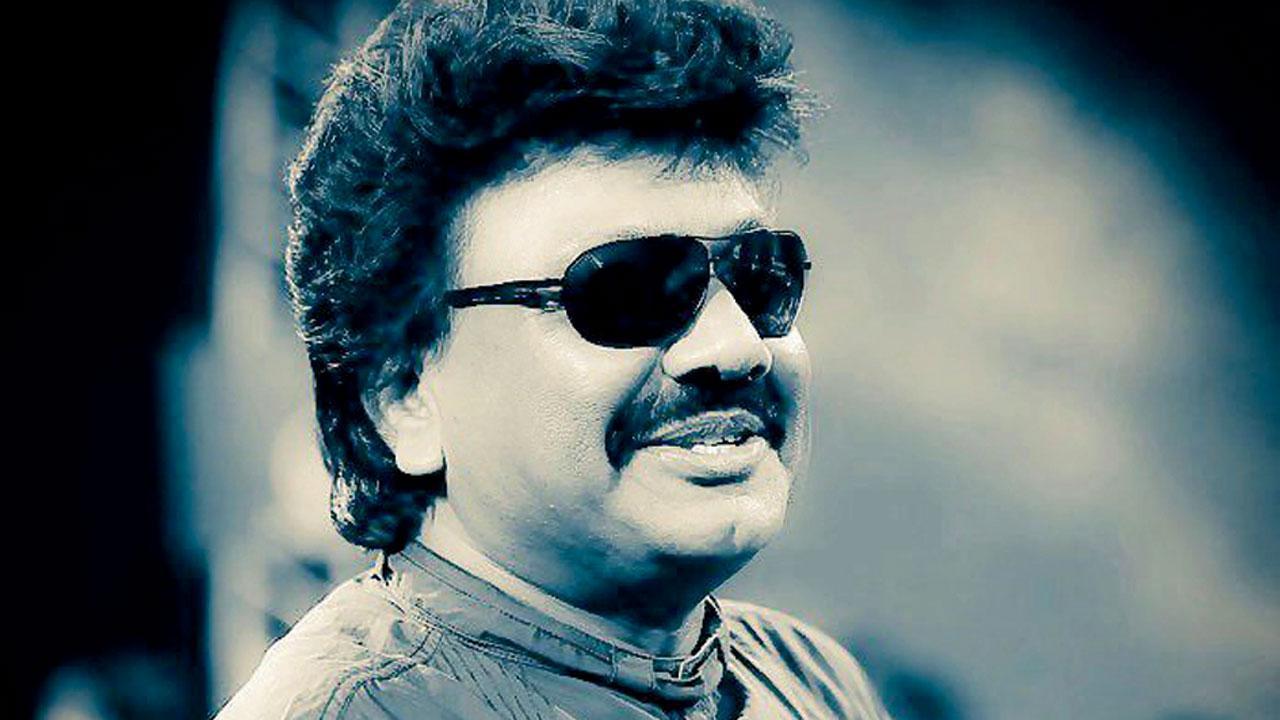
After 48 years of friendship and 1,200 songs, Nadeem Saifee of Nadeem-Shravan fame bids farewell to the partnership that dominated Bollywood music through the 90s
As told to Upala KBR (MID-DAY; April 24, 2021)
The news about Shannu’s [Shravan Rathod] demise left me shattered. We have lost one of the greatest music composers of India. We started out as teenagers, almost 48 years ago. During my Elphinstone College days, our mutual friend Harish Bhopaiya introduced us, knowing Shravan and I would connect over music. Soon after, in 1973, we judged a singing contest at St Anne’s Girls’ School, and after that, started jamming together. One fine day, Shravan suggested that we team up, like Laxmikant-Pyarelalji and Kalyanji-Anandji. That’s how our journey started.
We composed over 1,200 songs together. Our first assignment was Bhojpuri movie Dangal (1977), which went on to complete a golden jubilee. Mithun Chakraborty, who was like our godfather, believed in us and helped us sign Ilaaka [1989]. The next year, we bagged Aashiqui [1990], which was a turning point in our lives. That film was God’s gift to us — I had gone to Mecca before that, and prayed for international fame. For Aashiqui, we had a sitting with Gulshan ji [Kumar] at Mithun da’s bungalow at Madh Island. The sitting went on from 11 pm to 2 am. After hearing the songs, Papa ji [Kumar] hugged us and said, ‘Let’s work together.’
The success of Aashiqui’s album landed us Saajan [1991], Phool Aur Kaante [1991], Sadak [1991], Deewana [1992], Hum Hain Rahi Pyar Ke [1993], Raja Hindustani [1996] and many more movies. Shravan was like my younger brother. We did everything together — from buying his first car to [scouting the city for] his first house. Unfortunately, we were hit by a tragedy [the Gulshan Kumar murder case in 1997] and suffered for no fault of ours. [The environment] was so vicious that we kept fighting, until one day, Shravan broke down. It created a rift between us till we reunited for Do Knot Disturb [2009].
In spite of our differences, our bond was unbreakable. I had spoken to him only 25 days ago. I was constantly in touch with his son Sanjeev from the day he was hospitalised. Today, it feels as if a part of my body has been taken away. In the course of our partnership, we’ve lived a lifetime, and seen the highs and lows together. I feel helpless that I couldn’t meet my friend to bid him goodbye.
Covid claims Bollywood composer Shravan Rathod
7:57 AM

THE TIMES OF INDIA (April 23, 2021)
From Husnlal-Bhagatram to Shankar-Jaikishan, from Kalyanji-Anandji to Laxmikant Pyarelal, Hindi film industry has a rich tradition of musical partnerships. Nadeem-Shravan forged an illustrious link to this abiding chain composing a staggering bunch of chartbusters in the 1990s. On Thursday evening, the alliance was snapped forever as the Coronavirus claimed the life of Shravan Rathod at a Mumbai hospital. He was 66.
Speaking to Bombay Times, Nadeem Saifee said, “My Shanu is no more. We have seen an entire life together. We saw our highs, we saw our lows. We’ve grown up with each other in many ways. We never lost touch and no physical distance could ever separate the two of us. I am in deep pain as I say this but my friend and my companion, my partner of so many years is no more. It has left such a vacuum.”
The pair started off with ‘Dangal’ (1977), the first Bhojpuri film made in colour. ‘Kashi Hile Patna Hile’, a reworked version of the popular folk track, ‘Aarah hile Chhapra hile’, became a sensation. The two graduated to Hindi cinema in the 1980s.
Tuneful melodies for films such as ‘Maine Jeena Seekh Liya Hai’ (1982) got them work but major success eluded them.
The duo hit the jackpot with Mahesh Bhatt-directed ‘Aashiqui’ (1990). Every song in this intense romantic drama, from ‘Dheere dheere se meri zindagi mein ana’ to ‘Bas ik sanam chahiye’—rose to the charts. The film also vaulted Kumar Sanu, who sang a majority of the tracks, to the top. Nadeem-Shravan became a hot property.
The 1990s belonged to them. ‘Saajan’, ‘Deewana’, ‘Dil Hai ke Manta Nahi’, ‘Phool aur Kaante’, ‘Hum Hain Rahi Pyar Ke’, ‘Raja Hindustani’ and ‘Pardes’—they lorded over the decade blending old school melody with modern instrumentation. Songs such as ‘Mera dil bhi kitna pagal hai’ (Saajan) to ‘Pardesi pardesi jaana nahi’ (Raja Hindustani) to ‘Do dil mil rahe hain’ (Pardes) were as popular among the college crowd as the truck drivers on the highway. The pair won the Filmfare award three years in a row, 1991-93, for ‘Aashiqui’, ‘Saajan’ and ‘Deewana’ and again in 1997 for ‘Raja Hindustani’.
It seemed that the two would rule over Bollywood for another decade or two. But things were never the same after Nadeem’s name cropped up in the killing of a music baron and he fled to London. The duo still kept providing scores together in films such as ‘Kasoor’ and ‘Dhadkan’. The two split once, then reunited. This time, sadly, the separation is final.
Aashiqui and Dil Hai Ke Manta Nahin are great franchises to take forward-Bhushan Kumar
8:53 AM

Bhushan Kumar gears up to take father’s legacy ahead with new instalments of Aashiqui, Dil Hai Ke Manta Nahin
Himesh Mankad (MUMBAI MIRROR; April 17, 2020)
 On July 23, 1990, Gulshan Kumar’s romance musical Aashiqui opened in theatres, unveiling debutants Rahul Roy and Anu Agarwal whose faces, through the promotions, had been hidden behind a jacket. They became overnight stars and the film is still remembered for Nadeem-Shravan’s chartbusting score.
A sequel followed in 2013, with the original director, Mahesh Bhatt, joining hands with Gulshan Kumar’s son Bhushan to produce it. Bhatt’s nephew Mohit Suri was at the helm and Aashiqui 2 relaunched the careers of Shraddha Kapoor and Aditya Roy Kapur.
There have been talks of Aashiqui 3 ever since. Bhatt, who was to produce the film with Bhushan, confirmed to Mirror (March 16, 2016) that the franchise was returning. He admitted that his daughter Alia and her then-beau Sidharth Malhotra had been approached, but added that they hadn’t signed the contract.
 A month later (April 11), Sidharth informed that scripting was in progress and the film would be up and running by the next year. “Aashiqui 3 has lots of angst, love and music… Mohit wants me to sing. Maybe Alia and I can sing a duet, that’d be a first for an actor and an actress who debuted together,” he’d laughed.
However, soon after, there were rumours that Alia had lost interest in the project. In August, 2017, she took to Twitter to rubbish them, describing Aashiqui as a “special brand” and saying working with her father for the first time was “equally special”.
Three years on, Mirror has learnt that discussions on Part 3 are underway. “Aashiqui is special for Bhushan as it’s among the most successful romantic franchises. Like the earlier two films, this one too will be a musical, with an intense love story in its backdrop,” revealed a source.
 That’s not all. The producer and his team also want to take forward another Mahesh Bhatt directorial, Dil Hai Ke Manta Nahin. The 1991 romcom, featuring Aamir Khan and Pooja Bhatt, was a box-office success, and like Aashiqui, had unforgettable music. “It’s another simplistic musical love story, a genre that has taken a backseat. Both films will take off when things get back to normal,” the source said.
Bhushan confirmed the news to Mirror, saying, “Yes, Aashiqui and Dil Hai Ke Manta Nahin are great franchises to take forward. Both films were big hits back in the day and it’s a great responsibility to carry my father’s legacy forward.”
Shah Rukh Khan's character in Darr Rahul was written keeping me in mind-Rahul Roy
8:02 AM

Himesh Mankad (MUMBAI MIRROR; February 4, 2020)
 Rahul Roy, Anu Aggarwal and Deepak Tijori came together on The Kapil Sharma Show to celebrate 30 years of their 1990 musical hit, Aashiqui. The trio took a walk down the memory lane to reminisce about the good ol’ days. Rahul, who became an overnight sensation post Aashiqui’s release, revealed that he didn’t get any work for six months after it. “But suddenly I was offered almost 49 films and I didn’t know which to take and which to leave,” he confessed adding, “I remember Yash Chopra ji had called me for a narration. I was pre-occupied with other films and couldn’t take up the offer as many of the projects I had signed on were already on floors and filmmakers were fighting for my dates.”
When prodded, the actor replied, “Well, the film was Darr, which later went to Shah Rukh Khan and shaped his career. His character Rahul was written keeping me in mind. I still have the big regret of not signing that film.” Rahul also admitted that back then, opting out of the industry was his choice. “I went out for a good nine years, and that was my choice. So I can’t really complain,” he maintained.
Today, people either want to see meaningful cinema or a film like Baahubali-Bhushan Kumar
8:08 AM

Lasyapriya Sundaram (BOMBAY TIMES; September 24, 2017)
Bhushan Kumar was only 19
when he was straddled with the responsibility of carrying forward his
father Gulshan Kumar's legacy. Today, apart from being a big player in
the music industry, his company, T-Series, is packing an interesting
mix of films, which include smaller content-driven movies and big-starrer
projects. In a chat with BT, Bhushan talks about his upcoming films and
how he wants to fulfill his dad's dream. Excerpts...
While you have produced out-and-out commercial films in the past, many of your releases this year are small-budget projects driven by content. Has there been a shift in the kind of movies that you want to back?
Our focus is to make content-driven films because that's what the audience seems to like. Pucca commercial projects haven't done well at the box office recently. This year, our film, Hindi Medium, became a huge success. That movie was a real test for us and we didn't expect it to open big at the ticket windows. We were of the opinion that if it doesn't work, then we are on the wrong path. But clearly, realistic narratives and films with strong and relatable stories are making a mark. Our recent film Raabta, which was based on the concept of reincarnation, didn't work. People couldn't relate to it. Baadshaho was a big-budget multi-starrer, but the backdrop of the film was based on a real incident. That helped pique people's curiosity. Two of my upcoming projects, Kedarnath and Raid, are also based on real events. While the former is a love story set during the 2013 Uttarakhand floods, the latter is a thriller about a real-life income tax raid.
There was a time when it was believed that people went to the theatres to indulge in fantasies and leave behind their daily struggles. Now, the tide has turned, and people want to see more realistic cinema even while getting entertained...
Today, people either want to see meaningful cinema or are demanding a film like Baahubali. With the latter, the audience knows that willing suspension of disbelief is a prerequisite. In such a film, the protagonist fighting a thousand adversaries alone and emerging victorious without a scratch is palatable because of the superb quality of production and visuals. On the other hand, mere star-driven films fail to earn box-office revenue.
There are also more takers for films driven by women today? Is that the reason that many of your recent and upcoming films - Simran, Bhoomi and Tumhari Sullu - have women-oriented narratives?
With women empowerment becoming a talking point, the number of films with women as protagonists has been on the rise. While some women-centric films are impactful, some are not. I recently saw the rushes of our film Tumhari Sulu, starring Vidya Balan, and realised how relevant it is to our times. Bhoomi is a father-daughter story which also highlights a current issue.
It is to be noted that an important aspect of making a content-driven film is to keep the budget tight...
I am a passionate filmmaker, but at the same time, I also ensure that my films are budgeted smartly. I don't believe in pumping in any amount just to fulfill my passion. Producers who don't keep a check on their budget end up losing money. We put in our own money, we don't borrow from anyone. I earn from my music business and use it to produce films. Actors now insist that a movie's budget shouldn't be on the higher end of the spectrum, and often reduce their remuneration to help make the film a profitable venture.
You have been part of the music business and film industry. As a businessman, which one do you find tougher to handle?
I have been in the music business for close to 18 years. Now, filmmakers consult me before they zero in on the songs for their films. So, as far as music is concerned, I know the game. However, I haven't nailed it as far as ascertaining what makes for good content in movies. In fact, I have green lit films that I was not sure about and admitted ki mujhe nahi maloom ki yeh chalegi ya nahi. I did that because I wanted to take a chance and learn. The turning point for our production house was the Salman-starrer Ready, which turned out to be a huge hit. That's when we decided to get into full-fledged production. At that time, franchises like Raaz and Murder were in vogue and so, I thought of making Aashiqui 2. Aashiqui was my father's first film, and I was anyway keen on taking it forward. It was my father's dream to make films after music, and I wanted to carry his legacy forward. Talking about my father, Mogul is a very special film for us, as it's his biopic. Akshay will essay the lead role; I didn't even narrate the script (penned by Subhash Kapoor) to him. I simply told him that we wanted to make the film. While my father is my idol and inspiration, my mother has been my biggest support. Twenty years back, when I took over the business, it was her encouragement and belief that helped me. She would keep telling me that my father would guide me and help me take the business forward even though he was no more.
Mid-day 38th anniversary: Udit Narayan, Alka Yagnik, Kumar Sanu remember the golden era of the 90s
7:53 AM

The Tridev of '90s playback get together to ruminate on what made the good decade of Hindi film music last beyond its time
Soumya Vajpayee Tiwari (MID-DAY; June 23, 2017)
It's tough to get the three together. Alka Yagnik, Kumar Sanu and Udit Narayan can't seem to get their diaries to be kind to each other. On a day when Yagnik is free, Sanu is in London. We are hoping the logistical nightmare has less do with starry egos and more with being busy two decades after hitting the high notes of celebrityhood.
The trio that ruled Hindi film playback in the 1990s continues to be sought after, whether as singers, guests on television reality shows or as the brand that sells tickets at musical tours abroad. They put all doubt to rest when they come together ahead of mid-day's anniversary edition, to say, "competition tha, but it was always healthy".
Before your lot became the stars of playback, Lata Mangeshkar, Asha Bhosle and Kishore Kumar had ruled the scene. Did you ever imagine that you'd break into the industry, and own it in the manner you did?
Udit Narayan (UN): The era of Rafi saab, Kishore saab, Manna Dey, Mukeshji and Mahendra Kapoor was legendary. I grew up listening to their songs. Their works were like textbooks for me. Back then, it was tough to break into the scene, and make an identity. In fact, getting to a music producer was the most difficult thing. Composers would rarely (be willing) to listen to a new voice. It would take five years to even reach a composer's studio and get his attention.
Alka Yagnik (AY): At that time, there were no reality shows that would get you heard and recognised. It happened one step at a time. And suddenly, I realised that I was singing and recording a whole lot of songs. Ours was not overnight stardom.
Kumar Sanu (KS): I used to sing at a hotel when I first arrived in Mumbai, and I spent all the money I earned on recording songs which I would share with composers. When I managed to break in, Udit Narayan, Abhijeet Bhattacharya, Vinod Rathod, Sudesh Bhosle and Amit Kumar were already around and doing well. They were following Kishore da's style; even I was doing the same. But when I got the opportunity to sing for Aashiqui (1990), I tried to create an identity of my own.
Other than a few noteworthy semi-classical songs and ghazals, the '80s were lacklustre. How did things turn?
AY: It ('80s) was the decade of action films, so music took a backseat. The films had a music score, but that's because no Hindi film released without songs. The phase of romantic films firmly established itself with Aashiqui, and was chased by several other musically rich films.
UN: I'd say Qayamat Se Qayamat Tak changed the game in 1988. Composers like Anand-Milind, Jatin-Lalit, Nadeem-Shravan, Viju Shah and Uttam Singh were instrumental in changing the Bollywood music game. Melody became king. The songs weren't defined by reasoning, ki yeh gaana kyun ban raha hai? The songs complemented the script. That's why they worked, and are still remembered. Mohra's Tu Cheez Badi Hai Mast Mast (1994) still features on playlists.
KS: I wouldn't hesitate to say that the 1990s were the best decade for music and melody in the history of Bollywood music. Earlier, Rafi saab or Lataji would record one or two songs in a week. In the '90s, four films released every week. All of them did well musically. Because the music did well, 300 movies managed to release every year. Music was the hero/heroine of a film. If there were 11 songs in a movie, all of them would do well. The writers and composers back then were magical.
AY: It was also a good fit. We happened to have the sort of voices required at the time. Had we come in today, we would have been wasted.
You would have experienced the orchestra recordings of the '90s.
AY: Yes, initially, we recorded live. But even when we dubbed, we sang the entire antara or mukhda in one go. We couldn't dub a single line. Ek Do Teen for Tezaab (1988) was recorded live with a 40-member chorus and instrumentalists. There, we sang the whole song in one go. Agar kisi ne bhi galti ki — musicians, recordists, singers or even the chorus — we had to sing it all over again. So many people had to get it right, and together!
KS: The mental strength of a singer was put to test. The grandeur and effort shone through in the songs.
UN: The technical understanding of everyone involved was important. Everyone complemented each other. Recordings would last over two days. It was stressful, but we'd look forward to seeing everyone.
Was the competition always healthy?
AY: We — Uditji, Sanuji, Kavitaji [Kavita Krishnamurthy] — would all record together and try to sing better than the rest. That improved the quality of music. These days, the female singer doesn't know who the male singer on the track is. Earlier, an album had an identity because if Uditji was singing for one actor, he would sing all the songs for the star in that film.
If you had to list the taskmasters of the '90s, which composers come to mind?
UN: I had to be careful while working with Laxmikant–Pyarelal, Kalyanji-Anandji and RD Burman saab. Anand-Milind would expect me to sing the way they had composed the song. They didn't like improvisation. But Viju Shah loved experimenting. Nadeem and Shravan were also flexible, but upto a point.
AY: Jatin-Lalit were particular about every note. They wanted what they wanted. The challenge for us was to mould (ourselves) to match the composer's style. It was good to hear them say, "Aap humare liye best gaati hain."
KS: Anu Malik wouldn't allow a singer to dominate the music. I was singing a lot at that time and whenever I'd record the first line, his reaction would be, "Chhee chhee… Sanu, kitna besura gaya. Kya hua tumhe aaj? Koi problem?" That was his style. When the song was done, he'd invariably say, "Bahut achha gaaya." Jatin-Lalit didn't allow improvisation, unlike Bappi Lahiri. Nadeem, too, was accommodating. Shravan would say, "Ek baar phir se kara lete hain, Nadeem," and he'd respond with, "Na, usne jo kar diya woh final hai," and leave the studio. After every recording, when I entered the balancing room, Nadeem would shower money on me.
Favourite song by 'the other'
Sanu
Favourite Alka-Udit song: Gazab Ka Hai Din (Qayamat Se Qayamat Tak)
Alka
Favourite Sanu song: Mera Chand Mujhe Aaya Hai Nazar (Yeh Hai Mumbai Meri Jaan)
Favourite Udit song: Ae Ajnabee Tu Bhi Kabhi (Dil Se)
Udit
Favourite Alka-Sanu song: Chura Ke Dil Mera Goriya Chali (Main Khiladi Tu Anari), Baazigar O Baazigar (Baazigar) and Ghunghat Ki Aad Se (Hum Hain Rahi Pyar Ke)
A '90s song you wished you hadn't sung
Alka: Meri Pant Bhi Sexy (Dulaara; 1994)
Sanu: Din Mein Leti Hai, Raat Mein Leti Hai (Amaanat; 1994)
Udit: None, I am happy with all the songs I sang
The '90s hero/heroine your voice best suited
Alka: Madhuri Dixit and Juhi Chawla
Sanu: Ajay Devgn, Akshay Kumar, Shah Rukh Khan
Udit: Aamir Khan, Shah Rukh Khan, Salman Khan, Akshay Kumar and Anil Kapoor

Vishesh Films turn 30; Bhatts throw a small bash & screening of Begum Jaan
8:08 AM

Vishesh Films' anniversary was a nostalgia trip that doubled up as the first preview screening of their upcoming Partition-drama
Sanyukta Iyer (MUMBAI MIRROR; April 3, 2017)
 Friends, family and former
colleagues converged at a suburban studio on Sunday, to raise a toast to
Vishesh Films which completed a three-decade run. The bash began at 7pm
with Salim Khan cutting a two-tier cake moulded like a film reel and a
clapboard. Bhatt protégés Deepak Tijori, Anu Aggarwal, Shraddha Kapoor,
Aditya Roy Kapur, Anupam Kher and Patralekha cheered from the sidelines,
along with Anu Malik and Hansal Mehta. Mukesh Bhatt's producer-son
Vishesh who'd organised the do told Mirror, “We live in a transitory
world so it's important to celebrate such priceless moments. We decided
to bring together everyone who has been a part of my family's landmark
journey.“
Friends, family and former
colleagues converged at a suburban studio on Sunday, to raise a toast to
Vishesh Films which completed a three-decade run. The bash began at 7pm
with Salim Khan cutting a two-tier cake moulded like a film reel and a
clapboard. Bhatt protégés Deepak Tijori, Anu Aggarwal, Shraddha Kapoor,
Aditya Roy Kapur, Anupam Kher and Patralekha cheered from the sidelines,
along with Anu Malik and Hansal Mehta. Mukesh Bhatt's producer-son
Vishesh who'd organised the do told Mirror, “We live in a transitory
world so it's important to celebrate such priceless moments. We decided
to bring together everyone who has been a part of my family's landmark
journey.“ Mahesh Bhatt, the designated host for the evening, ushered
in his guests into a special screening of their upcoming production,
Begum Jaan. He recalled how after the back-to-back successes of Saaransh
and Naam, they were sitting in Salim Khan's house when he told Mukesh
that it was the right time for them to turn producers. “It was because
of him that Vishesh Films was born,“ he exulted, adding that it was
important to re-create the moment with people who had impacted his
journey.
Mahesh Bhatt, the designated host for the evening, ushered
in his guests into a special screening of their upcoming production,
Begum Jaan. He recalled how after the back-to-back successes of Saaransh
and Naam, they were sitting in Salim Khan's house when he told Mukesh
that it was the right time for them to turn producers. “It was because
of him that Vishesh Films was born,“ he exulted, adding that it was
important to re-create the moment with people who had impacted his
journey.--------------------------
Aashiqui meets Aashiqui 2
MUMBAI MIRROR (April 3, 2017)
Mahesh Bhatt was in school
when he met Lorraine Bright, who was studying at a suburban orphanage
close to where he lived. It was love at first sight. When they were
caught, Lorraine was asked to leave.Her beau got her a room in YWCA and
enrolled her for a typing course, which later got her a job. After
landing two ad film offers, he asked her to marry him. She accepted,
changed her name to Kiran Bhatt and they had two kids, Pooja and Rahul.
Their love story translated on screen as Aashiqui, Bhatt's biggest
musical success. 25 years later, the Rahul Roy-Anu Aggarwal-Deepak Tijori
story got a sequel, featuring Aditya Roy Kapur and Shraddha Kapoor.
Rahul was MIA but Deepak and Anu turned up to celebrate the day. Now,
Aashiqui 3 is being penned by Bhatt's daughter, Shaheen.

Subscribe to:
Posts (Atom)